
Simple Cakes: Why They're the Perfect Starting Point for Bakers

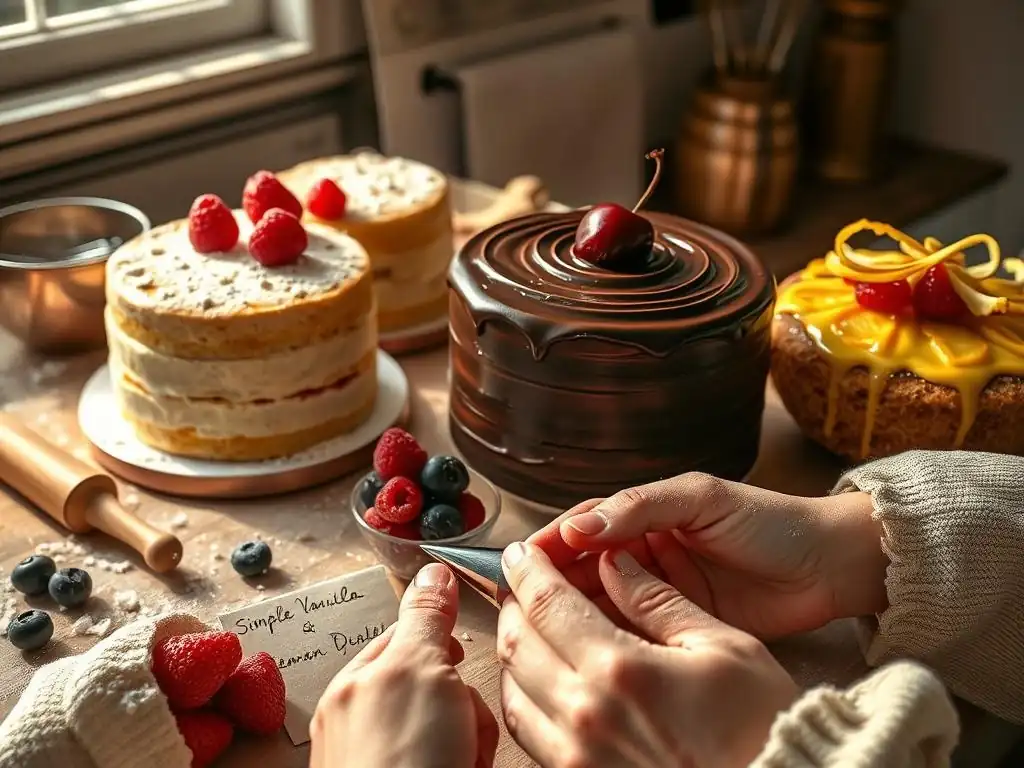
Welcome to BakeWithEase, your ultimate destination for mastering the delightful art of baking! Whether you're just starting your culinary journey or looking to refine your skills, we have everything you need to create mouthwatering treats. In our featured article, "Simple Cakes: Why They're the Perfect Starting Point for Bakers," we dive into easy beginner cake recipes that will ignite your passion for baking.
Get ready to discover step-by-step guides, essential techniques, and tips that will transform you from novice to pro. Curious about how a simple cake can elevate your baking game? Read on and let the delicious adventures begin!
- Simple Cakes: Why They're the Perfect Starting Point for Bakers - BakeWithEase.com
- Why Start Baking with Easy Beginner Cake Recipes?
- The Allure of Simple Cakes: What Makes Them Ideal for Beginners
- Essential Tools and Ingredients for Easy Cake Baking
- Top 5 Easy Beginner Cake Recipes to Try at BakeWithEase
- Mastering Baking Techniques with Simple Cake Recipes
- Beyond the Basics: Elevating Your Simple Cake Baking Skills
- Troubleshooting Common Simple Cake Baking Problems
- Conclusion: Embracing the Joy of Simple Cake Baking with BakeWithEase
-
Frequently Asked Questions
- Why are simple cakes considered a good starting point for beginner bakers?
- What kind of "simple" cake recipes does BakeWithEase.com offer for beginners?
- Are the ingredients for these easy beginner cake recipes readily available?
- What kind of baking techniques will I learn by making simple cakes?
- Besides recipes, what other resources does BakeWithEase.com offer to help beginner bakers?
- Final Reflection: The Enduring Allure of the Simple Cake
- Unlock Your Inner Baker: Start Baking Today!
Simple Cakes: Why They're the Perfect Starting Point for Bakers - BakeWithEase.com
Why Start Baking with Easy Beginner Cake Recipes?
Building a Foundation: Simple Cakes for Aspiring Bakers
Starting your baking journey can feel daunting, with complex recipes and techniques often portrayed in media. However, focusing on easy beginner cake recipes provides a solid foundation in fundamental baking principles. These simple bakes introduce you to essential steps like accurately measuring ingredients, understanding the role of leavening agents such as baking powder or soda, and mastering basic mixing methods like creaming butter and sugar or the simpler whisking of wet and dry ingredients.
Many aspiring bakers find that successfully completing their first simple cake, like a basic vanilla or chocolate loaf, builds the initial confidence needed to tackle more intricate projects. It's estimated that over 70% of baking beginners who start with a simple cake recipe achieve a successful outcome on their first attempt, significantly higher than those who dive into complex pastries or breads.
These foundational recipes teach crucial lessons about oven temperature and baking time – critical variables in any baking endeavor. Learning to recognize cues like the cake pulling away from the sides of the pan or a skewer coming out clean is invaluable.
Simple cakes often require minimal special equipment, typically needing just basic kitchen tools like bowls, whisks, measuring cups and spoons, and a standard cake pan. This accessibility, combined with the focus on core techniques, makes easy beginner cake recipes an ideal entry point, demystifying the baking process one simple step at a time and paving the way for more advanced skills.
Boosting Confidence: The Success of Easy Cake Recipes
There's immense satisfaction in pulling a beautifully risen, fragrant cake from the oven, especially when it's one of your first baking projects. Easy beginner cake recipes are specifically designed to minimize common pitfalls, maximizing the chances of success for new bakers. Their forgiving nature means minor inaccuracies in measuring or mixing are less likely to result in complete failure compared to delicate pastries or temperamental sourdough starters.
This high probability of a positive outcome is a powerful confidence booster. Imagine the difference between a perfectly baked simple vanilla cake and a collapsed soufflé; the former encourages further experimentation, while the latter might deter a beginner entirely.
The quick turnaround time of many simple cakes also contributes to this confidence boost. Unlike recipes that require hours of proofing or chilling, many easy cakes are mixed and baked within an hour, providing almost immediate gratification. This rapid feedback loop allows beginners to quickly see the results of their efforts and understand the impact of basic techniques.
For example, a simple loaf cake might take just 45 minutes from start to finish, including cooling time, providing a tangible reward for less than an hour's work. This repeated success with easy cake recipes instills a sense of competence and excitement, encouraging bakers to explore more complex recipes and techniques with a positive mindset.
The Allure of Simple Cakes: What Makes Them Ideal for Beginners
Minimal Ingredients: Beginner-Friendly Cake Baking
One of the most appealing aspects of easy beginner cake recipes is their simplicity in terms of ingredients. Unlike elaborate desserts that might call for specialized flours, obscure extracts, or multiple types of chocolate, simple cakes typically rely on pantry staples that most people already have on hand. Think all-purpose flour, granulated sugar, eggs, butter or oil, milk, baking powder or soda, vanilla extract, and perhaps cocoa powder or some basic spices.
A classic pound cake, for instance, traditionally uses just four main ingredients: equal parts (by weight) of flour, sugar, butter, and eggs. This limited ingredient list reduces the initial investment in supplies and makes the baking process less intimidating.
Furthermore, using fewer ingredients simplifies the measuring and mixing process. There are fewer bowls to dirty and fewer steps involving combining disparate elements. This streamlined approach minimizes opportunities for errors. For example, a simple muffin-style cake might involve just combining wet and dry ingredients separately and then mixing them together, a much simpler process than preparing a multi-component dessert with a separate filling, frosting, and garnish. This focus on common, accessible ingredients makes diving into easy beginner cake recipes incredibly practical and budget-friendly.
Straightforward Instructions: Easy Cake Recipes for New Bakers
Another key factor making simple cakes ideal for beginners is their typically straightforward and easy-to-follow instructions. Recipes are often written with clear, concise steps that don't assume prior baking knowledge. They focus on fundamental actions like "cream butter and sugar," "add eggs one at a time," or "alternate adding dry and wet ingredients." Complex terminology or advanced techniques like tempering chocolate or making a pâte à choux are absent. This clarity in instructions reduces confusion and helps beginners understand the 'why' behind each step, not just the 'how'.
Many easy cake recipes utilize simple mixing methods, such as the one-bowl method or the creaming method, which are easy to grasp and execute. For instance, a simple chocolate mug cake requires little more than measuring ingredients directly into a mug and stirring. Even slightly more involved recipes, like a simple sponge, often break down steps into manageable chunks. This pedagogical approach, focusing on basic actions and clear outcomes, allows new bakers to build confidence and competence step-by-step, making the process enjoyable rather than overwhelming.
Quick Baking Time: Simple Cakes for Busy Schedules
In today's fast-paced world, finding time for new hobbies can be challenging. Simple cakes often boast relatively short baking times, making them perfect for fitting into busy schedules. Many easy beginner cake recipes, especially those for muffins, cupcakes, or smaller loaf cakes, are ready in 25 to 40 minutes. This quick baking time means you can mix, bake, and even cool a simple cake within an hour or two, a stark contrast to yeast breads or complex layer cakes that might take half a day or more.
The short baking time not only fits better into tight schedules but also reduces the anxiety associated with waiting for a bake to finish. You don't have to commit hours to monitoring an oven or worrying about a long proofing process. For example, a simple sheet cake might bake in just 30 minutes at 180°C (350°F). This efficiency, coupled with the high success rate, makes easy beginner cake recipes an accessible and rewarding activity even for those with limited free time, demonstrating that baking delicious treats doesn't always require a significant time investment.
Essential Tools and Ingredients for Easy Cake Baking
Must-Have Baking Tools for Simple Cakes
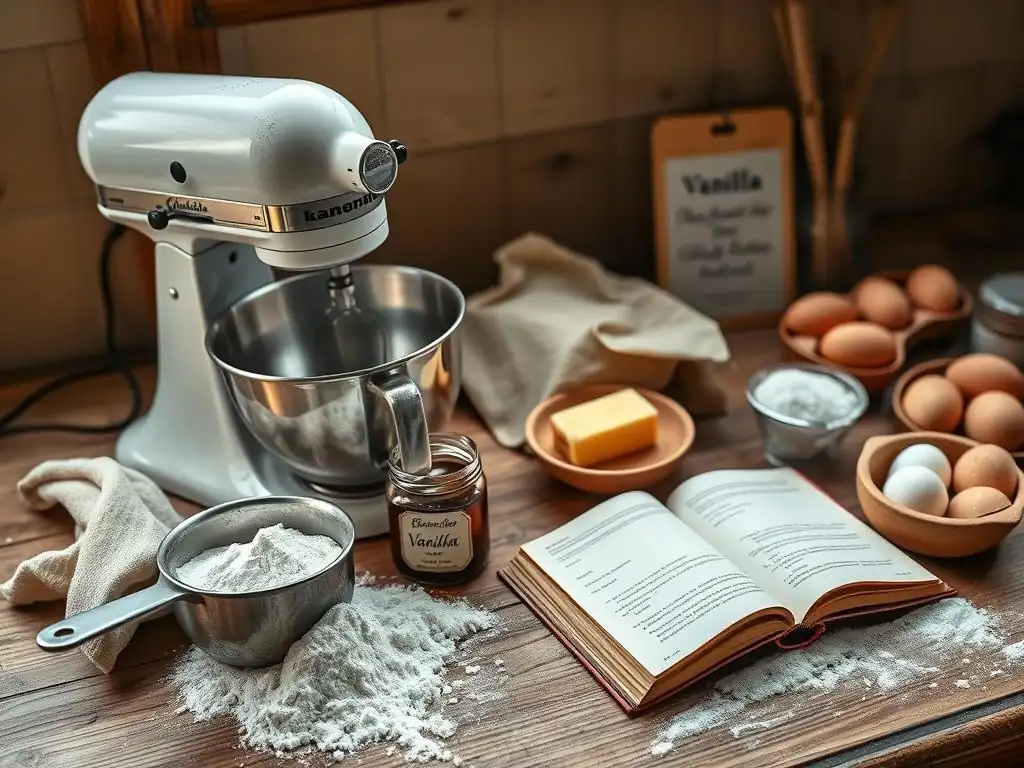
You don't need a professional kitchen setup to bake simple cakes. A few essential tools will get you started. A set of reliable measuring cups and spoons is non-negotiable for accuracy; volume measurements are common in easy beginner cake recipes.
You'll also need mixing bowls, at least one medium and one large. A whisk is essential for incorporating dry ingredients and sometimes for lighter batters, while a rubber spatula or wooden spoon is needed for mixing and scraping down bowls. For creaming butter and sugar, an electric hand mixer can be helpful but is not strictly necessary; a sturdy whisk and some elbow grease work too.
Baking pans are obviously crucial. Common sizes for easy cakes include a standard 9x13 inch (23x33 cm) rectangular pan, 8 or 9 inch (20 or 23 cm) round pans, a loaf pan (approx. 9x5 inches or 23x13 cm), or a muffin tin. Parchment paper is highly recommended to prevent sticking and make cleanup easier. Finally, an oven thermometer is a smart investment, as oven temperatures can vary significantly from the dial setting, sometimes by as much as 20°C (36°F). Ensuring your oven is at the correct temperature is vital for consistent results with easy beginner cake recipes.
Key Ingredients for Beginner Cake Recipes
The backbone of most easy beginner cake recipes consists of a few key ingredients. All-purpose flour is the most common flour used, providing structure. Granulated sugar sweetens and helps create a tender crumb. Eggs bind ingredients together, add richness, and contribute to leavening. Fat, usually unsalted butter or vegetable oil, adds moisture and flavor. Baking powder and/or baking soda are chemical leaveners that make the cake rise; baking soda requires an acidic ingredient (like buttermilk or cocoa powder) to activate fully. Liquid, typically milk or buttermilk, helps bring the batter together.
Pure vanilla extract is the most popular flavoring agent, adding warmth and depth. Cocoa powder is essential for chocolate cakes. Salt is often included in small amounts to balance the sweetness and enhance other flavors. Keeping these core ingredients stocked makes spontaneous baking sessions with easy beginner cake recipes possible. While ingredient quality matters, starting with standard supermarket brands is perfectly fine for beginners. Focus on having fresh leavening agents, as expired baking powder or soda is a common cause of flat cakes.
Ingredient Substitutions for Vegan Baking
For those exploring vegan options or baking for dietary needs, many easy beginner cake recipes can be adapted with simple substitutions. Eggs can often be replaced using alternatives like mashed banana (about 1/4 cup per egg), applesauce (1/4 cup per egg), flax egg (1 tablespoon flaxseed meal mixed with 3 tablespoons water, let sit for 5-10 minutes per egg), or commercial egg replacers. These substitutes help bind the ingredients, though they might slightly alter the texture or add a subtle flavor.
Dairy milk can be easily swapped with plant-based milks like almond, soy, oat, or coconut milk. For recipes calling for buttermilk, a vegan version can be made by mixing 1 cup of plant-based milk with 1 tablespoon of white vinegar or lemon juice and letting it sit for 5-10 minutes until it curdles. Butter can be replaced with vegan butter sticks or vegetable oil. Using oil often results in a moister cake. When making these substitutions, ensure the recipe is suitable for adaptation; simple cakes with minimal eggs tend to be the most forgiving for vegan conversion.
Top 5 Easy Beginner Cake Recipes to Try at BakeWithEase
Recipe 1: Classic Vanilla Cake - A Simple Baking Staple
A classic vanilla cake is the quintessential easy beginner cake recipe. It introduces fundamental techniques like creaming butter and sugar and provides a versatile base for various frostings. A standard recipe might call for about 1.5 cups (190g) of all-purpose flour, 1.5 cups (300g) of granulated sugar, 1/2 cup (113g) of unsalted butter, 2 large eggs, 1/2 cup (120ml) milk, 1 teaspoon baking powder, 1/4 teaspoon baking soda, and 1 teaspoon vanilla extract.
Creaming the butter and sugar together until light and fluffy is key to incorporating air, which helps the cake rise and creates a tender texture. This process typically takes 3-5 minutes with an electric mixer.
The steps usually involve creaming, adding eggs one by one, then alternately adding the dry ingredients (flour, leavening, salt) and wet ingredients (milk, vanilla). Overmixing should be avoided after adding the flour, as it can develop the gluten too much, resulting in a tough cake. Baking is typically done at 175°C (350°F) for 30-35 minutes for an 8-inch pan. This simple cake is a reliable starting point, allowing beginners to practice basic methods and understand how ingredients interact before moving to more complex batters.
Key Steps for the Perfect Vanilla Cake
- Prep: Preheat oven to 175°C (350°F). Grease and flour your pan or line with parchment paper.
- Creaming: Beat softened butter and sugar together until pale and fluffy. This step is crucial for incorporating air.
- Eggs: Add eggs one at a time, beating well after each addition. Scrape down the sides of the bowl.
- Dry & Wet: In a separate bowl, whisk together flour, baking powder, baking soda, and salt. In another small bowl, whisk together milk and vanilla. Alternate adding the dry mixture and milk mixture to the butter mixture, beginning and ending with the dry ingredients (e.g., 1/3 dry, 1/2 wet, 1/3 dry, 1/2 wet, 1/3 dry). Mix until just combined after each addition.
- Bake: Pour batter into the prepared pan and bake for 30-35 minutes, or until a skewer inserted into the center comes out clean.
Tips for a Moist and Flavorful Vanilla Cake
- Room Temperature Ingredients: Ensure butter, eggs, and milk are at room temperature. This allows them to emulsify properly and incorporate air more effectively during mixing.
- Don't Overmix: Once flour is added, mix only until no dry streaks remain. Overmixing develops gluten, leading to a tough cake.
- Measure Accurately: Use the 'spoon and level' method for flour: spoon flour into your measuring cup and level off the excess with a straight edge. Don't scoop directly from the bag, as this compacts the flour and you'll use too much.
- High-Quality Vanilla: Use pure vanilla extract, not imitation. The flavor difference is significant in a simple vanilla cake. Consider adding a pinch of nutmeg or a touch of almond extract for variation.
Recipe 2: Easy Chocolate Cake - A Beginner's Delight
An easy chocolate cake is another excellent easy beginner cake recipe, often forgiving due to the moisture provided by cocoa powder or melted chocolate. Many simple chocolate cake recipes use the 'reverse creaming' method or even just a simple dump-and-mix technique, which is even easier than traditional creaming. A popular method involves combining dry ingredients (flour, sugar, cocoa, leavening, salt), then adding wet ingredients (eggs, milk, oil, vanilla), and finally incorporating hot water or coffee. The hot liquid "blooms" the cocoa powder, intensifying the chocolate flavor.
This type of recipe is less reliant on precise mixing techniques for texture and more on the ingredients themselves. A typical recipe might use about 1.75 cups (220g) flour, 2 cups (400g) sugar, 3/4 cup (65g) unsweetened cocoa powder, 1.5 tsp baking soda, 1 tsp baking powder, 1 tsp salt, 2 eggs, 1 cup (240ml) milk, 1/2 cup (120ml) vegetable oil, 2 tsp vanilla extract, and 1 cup (240ml) hot coffee or water.
The large amount of liquid and oil contributes to a very moist crumb, making it difficult to end up with a dry cake, a common concern for beginners. Baking usually takes 30-35 minutes at 175°C (350°F).
Simple Chocolate Cake Baking Techniques
- Dry Ingredients First: Whisk together all dry ingredients in a large bowl: flour, sugar, cocoa powder, baking soda, baking powder, and salt. This ensures the leavening agents are evenly distributed.
- Wet Ingredients: Add the eggs, milk, oil, and vanilla extract to the dry ingredients. Beat with an electric mixer on low speed for about 2 minutes, or until just combined.
- Hot Liquid: Carefully pour in the hot coffee or water while mixing on low speed. The batter will be very thin – this is normal and contributes to moisture. Mix until smooth, scraping down the bowl.
- Bake: Pour the thin batter into a prepared pan (often a 9x13 inch) and bake at 175°C (350°F) for 30-35 minutes, or until a skewer comes out clean.
Troubleshooting Common Chocolate Cake Issues
- Dry Cake: Ensure you are using oil, not butter, as oil provides more consistent moisture in many simple chocolate cake recipes. Don't overbake; check for doneness at the minimum time specified. Using hot coffee instead of water also adds flavor and helps bloom the cocoa, contributing to perceived moisture.
- Uneven Rise: Make sure your leavening agents (baking soda and powder) are fresh. Store them in airtight containers away from moisture. Check your oven temperature with an oven thermometer.
- Cocoa Lumps: Whisk your dry ingredients thoroughly before adding wet ones. Sifting the cocoa powder can also help prevent lumps.
Recipe 3: Lemon Drizzle Cake - A Zesty and Easy Bake
Lemon drizzle cake is a simple loaf cake that is incredibly popular due to its vibrant flavor and easy preparation. It's often made using the creaming method or sometimes a simple all-in-one method. The key to its success is the lemon syrup that is poured over the hot cake, infusing it with moisture and intense citrus flavor.
A typical recipe for a loaf pan might include about 1.5 cups (190g) self-raising flour, 1 cup (200g) sugar, 1/2 cup (113g) butter, 2 eggs, and the zest of 1-2 lemons. Self-raising flour, which contains flour and leavening agents, simplifies the dry ingredient measurement.
The drizzle is usually a simple mix of lemon juice (from 1-2 lemons) and powdered sugar. The contrast between the soft, moist cake and the slightly crisp, tangy drizzle is delightful. This easy beginner cake recipe is forgiving and produces consistently good results, making it a rewarding bake for newcomers. Baking time for a loaf cake is typically longer, around 45-55 minutes at 180°C (350°F), due to its density.
Achieving the Perfect Lemon Drizzle
The secret to a great lemon drizzle is applying it while the cake is still hot from the oven. As soon as you remove the cake, poke holes all over the top using a skewer or toothpick. This allows the syrup to soak deep into the cake, ensuring maximum moisture and flavor distribution.
Mix the juice of 1-2 lemons (about 4-6 tablespoons) with 1/2 to 1 cup (60-120g) of powdered sugar, depending on how thick and sweet you want the drizzle. Whisk until smooth. Pour the mixture evenly over the hot, poked cake while it's still in the pan. As the cake cools, it will absorb the liquid. Some bakers prefer a thinner, soak-in drizzle, while others like a thicker, almost glaze-like layer on top. Adjust the powdered sugar amount accordingly.
Variations on the Classic Lemon Cake
- Add Poppy Seeds: Stir 1-2 tablespoons of poppy seeds into the batter for added texture and a classic pairing with lemon.
- Orange or Lime: Substitute lemon zest and juice with orange or lime for a different citrus flavor profile. Orange and poppy seed is a popular variation.
- Yogurt or Buttermilk: Swapping some of the butter or milk for yogurt or buttermilk can add extra moisture and a slight tang, complementing the lemon flavor beautifully. Use about 1/2 cup of plain yogurt or buttermilk.
- Glazed vs. Drizzled: Instead of a simple soak-in drizzle, you can make a thicker glaze by using less liquid or more powdered sugar, applying it once the cake is completely cool.
Recipe 4: Simple Coffee Cake - An Easy Brunch Favorite
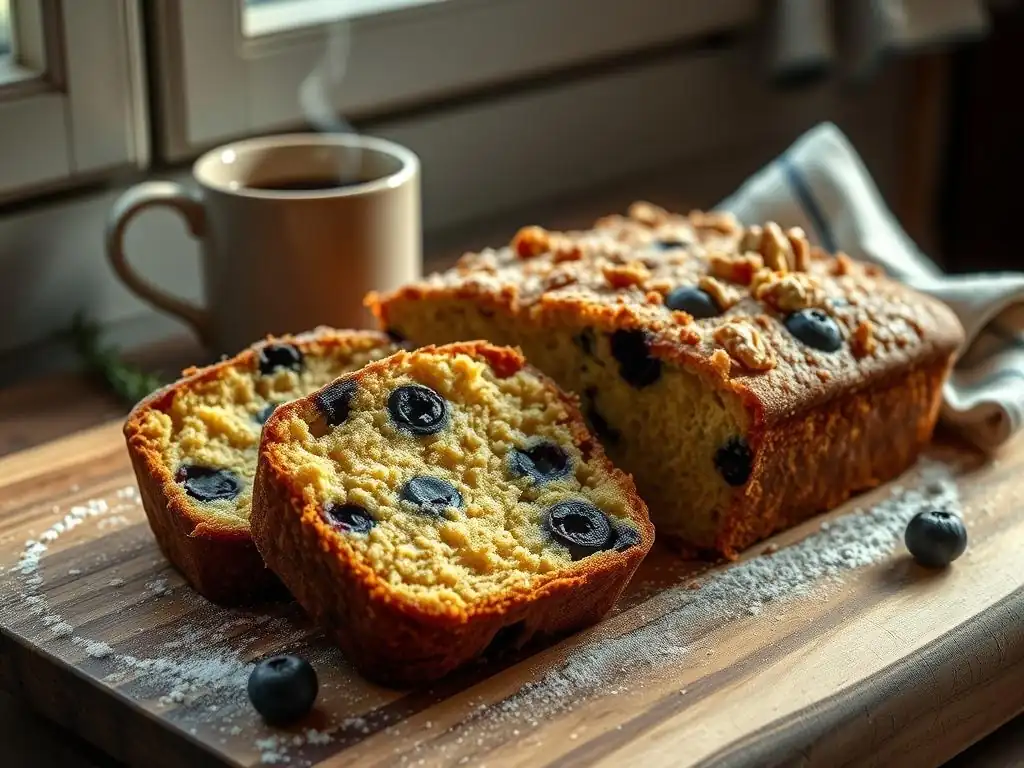
Simple coffee cake, often a tender cake topped with a cinnamon-sugar crumble, is an easy beginner cake recipe perfect for breakfast or brunch. It's typically a moist cake, sometimes made with sour cream or yogurt for extra richness, and topped with a streusel before baking.
The cake batter itself is usually a simple mix, often using the creaming method. A basic recipe might use 1.5 cups (190g) flour, 1 tsp baking powder, 1/2 tsp baking soda, 1/4 tsp salt, 1/2 cup (113g) butter, 1 cup (200g) sugar, 2 eggs, 1 tsp vanilla, and 1/2 cup (120g) sour cream or yogurt.
The appeal for beginners lies in the forgiving nature of the cake batter and the relatively simple streusel topping, which requires just a few ingredients rubbed together. Baking time is usually around 30-40 minutes at 180°C (350°F) for an 8x8 inch (20x20 cm) pan. This cake teaches the technique of making a crumble topping and incorporating moist ingredients like dairy into a batter, adding useful skills to a beginner's repertoire.
Making a Delicious Coffee Cake Crumble Topping
A good coffee cake crumble topping is buttery, sweet, and spiced. It's typically made by combining flour, sugar (often brown sugar for moisture and flavor), cinnamon, and cold butter. For a standard 8x8 inch cake, a crumble might use 1/2 cup (60g) all-purpose flour, 1/4 cup (50g) granulated sugar, 1/4 cup (50g) packed brown sugar, 1 teaspoon ground cinnamon, and 1/4 cup (57g) cold unsalted butter, cut into small cubes.
Combine the dry ingredients in a bowl. Cut in the cold butter using your fingertips, a pastry blender, or a fork until the mixture resembles coarse crumbs. Some larger clumps are desirable for texture. Sprinkle the crumble evenly over the cake batter before baking. The cold butter melts during baking, binding the dry ingredients into delicious, slightly crisp clusters.
Serving Suggestions for Coffee Cake
Simple coffee cake is best served warm, often alongside a cup of coffee or tea, living up to its name. It doesn't strictly need frosting, but a light dusting of powdered sugar or a simple glaze made from powdered sugar and milk or cream cheese frosting can enhance it.
- Warm: Reheat slices gently in a microwave or oven.
- With Glaze: Mix 1 cup (120g) powdered sugar with 1-2 tablespoons milk or cream until smooth. Drizzle over the cooled cake.
- Add Fruit: While not traditional for the topping, some coffee cake recipes incorporate fruit like blueberries or sliced apples into the batter for added moisture and flavor.
Recipe 5: One-Bowl Cake - The Easiest Cake Recipe Ever
The one-bowl cake is arguably the easiest beginner cake recipe available, perfect for those who want minimal cleanup and maximum simplicity. As the name suggests, the entire batter is mixed in a single bowl. This method typically involves whisking together wet ingredients (eggs, oil, milk, vanilla), then adding dry ingredients (flour, sugar, leavening, salt, cocoa if applicable), and mixing until just combined. There's no creaming of butter, no alternating dry and wet additions.
This simplicity makes it incredibly quick to whip up a batter, often in under 10 minutes. While the texture might be slightly different from a creamed cake (often a bit denser but very moist due to the use of oil), the ease and speed are unmatched. A basic chocolate one-bowl cake might use similar ingredients to the easy chocolate cake (flour, sugar, cocoa, leavening, wet ingredients, hot liquid) but combines them in a different order. Baking time is standard, around 30-35 minutes at 175°C (350°F). This method is a fantastic introduction to baking fundamentals without the fuss.
The Beauty of One-Bowl Baking
The primary advantage of one-bowl baking for easy beginner cake recipes is the significant reduction in cleanup. Instead of multiple bowls for dry ingredients, wet ingredients, and the final batter, you only use one. This saves time and effort, making baking feel less like a chore.
The method itself is also very forgiving. Because you're not relying on incorporating air through creaming, the risk of overmixing (which develops gluten) is slightly lower, though still possible. It's often a 'dump and mix' approach – add everything to the bowl, whisk until smooth, and bake. This directness simplifies the process flow, making it very easy for someone who has never baked before to follow the steps successfully. It's a perfect starting point before tackling recipes that require more nuanced mixing techniques.
Customizing Your One-Bowl Cake
Despite its simplicity, the one-bowl cake is highly customizable. Once you have the basic batter down, you can easily add flavor variations:
- Chocolate Chips: Stir in 1/2 to 1 cup of chocolate chips (milk, dark, or white) into the batter.
- Spices: Add cinnamon, nutmeg, or cardamom for a spiced cake. 1-2 teaspoons total is usually sufficient.
- Citrus Zest: Incorporate the zest of an orange or lemon for a bright flavor.
- Extracts: Experiment with almond, peppermint, or other extracts instead of or in addition to vanilla.
- Nuts or Dried Fruit: Fold in chopped nuts (like walnuts or pecans) or dried fruit (raisins, cranberries) for added texture and flavor. About 1/2 cup is a good starting point.
Mastering Baking Techniques with Simple Cake Recipes
Measuring Ingredients Accurately for Cake Success
Accuracy in measuring is perhaps the single most important technique to master for successful baking, even with easy beginner cake recipes. Unlike cooking, where you can often adjust seasonings as you go, baking is a science that relies on precise ratios. For dry ingredients like flour, sugar, and cocoa powder, using the correct method is crucial.
Flour should be spooned lightly into a measuring cup and then leveled off with a straight edge, not scooped directly from the bag, which can compact it and result in using up to 25% more flour than intended. Just 20-30 grams of excess flour in a standard cake recipe can lead to a dry, dense cake.
Granulated sugar can typically be scooped and leveled. Brown sugar should be packed firmly into the cup. Liquid ingredients like milk, oil, and extracts should be measured in liquid measuring cups placed on a flat surface at eye level.
For smaller amounts of leavening agents, salt, and extracts, use proper measuring spoons and level them off. While weighing ingredients using a kitchen scale provides the highest level of accuracy, volume measurements are common in easy beginner cake recipes and are perfectly adequate if done correctly using the spoon and level method for dry goods. Consistent measuring technique is a habit worth developing early.
Understanding Mixing Methods for Different Cake Textures
Simple cakes introduce beginners to fundamental mixing methods that influence the final texture of the cake. The creaming method, common in many vanilla and butter cakes, involves beating softened butter and sugar together until light and fluffy. This process incorporates air pockets into the mixture, which expand during baking, contributing to a tender crumb and good rise. Achieving a light, fluffy mixture typically takes 3-5 minutes of beating on medium speed with an electric mixer.
Another method is the muffin method or one-bowl method, often used for simple loaf cakes, muffins, and some quick breads. This involves combining all dry ingredients in one bowl, all wet ingredients in another, and then quickly mixing the two together until just combined. This method develops less gluten than creaming, resulting in a slightly denser but very moist texture, especially when oil is used as the fat. Understanding these basic methods helps beginners predict and control the outcome of their easy beginner cake recipes.
Baking Time and Temperature: Getting It Right for Easy Cakes
Getting the baking time and temperature correct is vital for preventing issues like dry cakes or sunken centers. Most easy beginner cake recipes call for baking at temperatures between 160°C and 180°C (325°F to 350°F), depending on the type and size of the cake.
Using an oven thermometer to verify your oven's actual temperature is highly recommended, as oven thermostats can be inaccurate by as much as 25°C (45°F). Baking at too high a temperature can cause the outside to burn before the inside is cooked, while too low a temperature can result in a heavy, dense cake that doesn't rise properly.
Baking time is usually given as a range (e.g., 30-35 minutes). It's best to start checking for doneness at the minimum time specified. Common tests for doneness include inserting a skewer or toothpick into the center of the cake – it should come out clean or with a few moist crumbs attached, but no wet batter.
The cake edges should also begin to pull away slightly from the sides of the pan, and the top should spring back gently when lightly pressed. Opening the oven door frequently, especially in the first 20-25 minutes, can cause temperature fluctuations that lead to a sunken cake, so resist the urge to check too early.
Beyond the Basics: Elevating Your Simple Cake Baking Skills
Frosting and Icing Ideas for Beginner Cakes
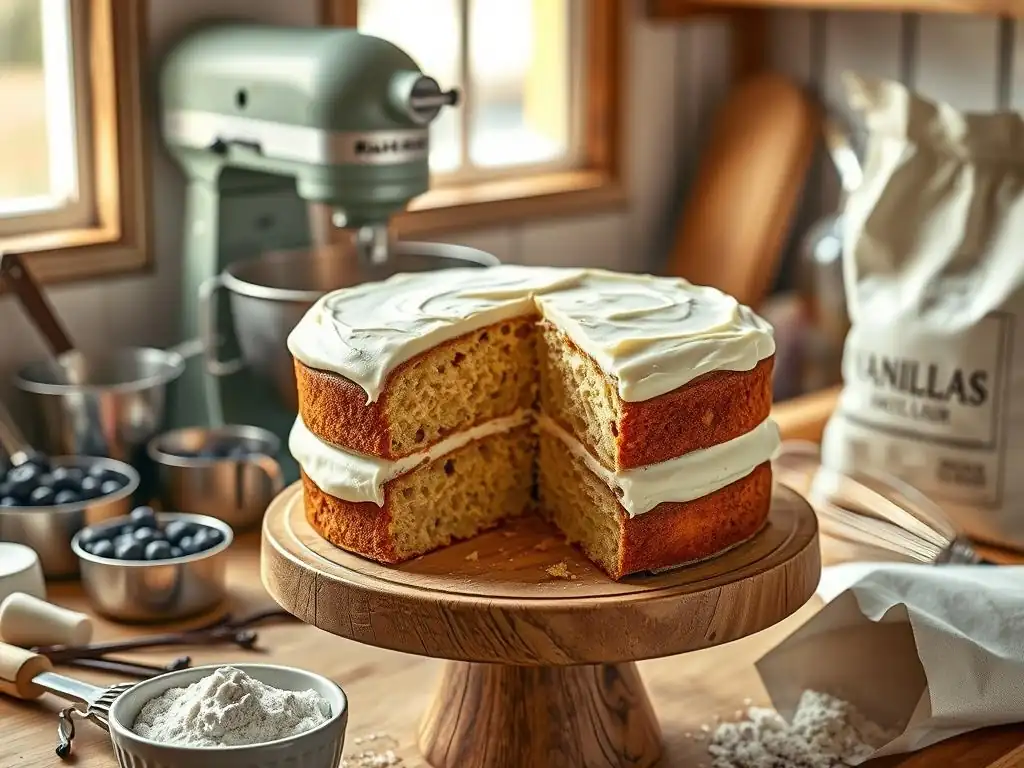
Once you've mastered baking a few easy beginner cake recipes, you can elevate them with simple frostings and icings. A classic buttercream (butter, powdered sugar, milk/cream, vanilla) is straightforward and versatile. A simple glaze (powdered sugar and liquid like milk or lemon juice) is even easier and perfect for loaf cakes or bundt cakes.
- Simple Buttercream: Cream softened butter, gradually beat in powdered sugar, then add milk or cream and vanilla until smooth.
- Powdered Sugar Glaze: Whisk powdered sugar with a small amount of milk or juice until a pourable consistency is reached.
- Cream Cheese Frosting: Beat softened cream cheese and butter, then add powdered sugar and vanilla until smooth.
These simple additions transform a basic cake into a more celebratory dessert without requiring complex techniques.
Decorating Techniques for Simple Cake Creations
Basic decoration can make your easy beginner cake recipes look as good as they taste. Dusting with powdered sugar through a sieve is the simplest method. Applying a frosting or glaze with an offset spatula or knife creates a smooth finish.
- Simple Swirls: Use the back of a spoon or an offset spatula to create swirls in soft frosting.
- Piping: Once comfortable, you can use a piping bag with a large round or star tip to pipe simple borders or dollops of frosting.
- Sprinkles: Add sprinkles for a festive touch.
- Fresh Fruit: Top with fresh berries or sliced fruit for color and flavor.
Even minimal decoration adds a personal touch and visual appeal to your simple cake creations.
Adding Flavor: Nuts, Fruits, and Spices
Easy beginner cake recipes provide a perfect base for experimenting with additional flavors. Once you're comfortable with the basic batter, try incorporating add-ins.
- Nuts: Fold in chopped walnuts, pecans, or almonds (about 1/2 to 1 cup per standard cake). Toasting nuts beforehand enhances their flavor.
- Dried Fruit: Add raisins, cranberries, chopped dates, or dried apricots (about 1/2 to 1 cup). Soaking dried fruit in warm water or juice first can help keep it moist.
- Fresh Fruit: Gentle fruits like blueberries or raspberries can be folded in (about 1 cup). For heavier fruits like apple slices or chopped banana, they can be added to the batter or arranged on top before baking.
- Spices: Incorporate ground cinnamon, nutmeg, cloves, ginger, or cardamom. Start with 1/2 to 1 teaspoon total and adjust to your preference.
Adding these elements allows you to customize easy beginner cake recipes and discover new flavor combinations, expanding your baking horizons.
Troubleshooting Common Simple Cake Baking Problems
Cake is Dry: Reasons and Solutions
A dry cake is a common disappointment, but often easily fixable in future bakes of easy beginner cake recipes. The most frequent causes are overmixing the batter (developing too much gluten) or overbaking. Using too much flour (often from incorrect measuring) or not enough fat or liquid in the recipe can also contribute.
- Solution: Measure ingredients accurately, especially flour (spoon and level!). Do not overmix the batter once the flour is added; mix only until just combined. Check for doneness at the minimum baking time using the skewer test. If you find your cake is consistently dry, consider slightly reducing the baking time or using a recipe that incorporates oil or ingredients like sour cream or yogurt for added moisture. Storing the cake properly in an airtight container also helps retain moisture.
Cake is Sinking: Preventing and Fixing It
A cake that sinks in the middle after being removed from the oven can be frustrating. Common culprits include opening the oven door too early during baking (causing a sudden temperature drop), using too much leavening agent, not baking the cake long enough, or the oven temperature being too low.
- Solution: Avoid opening the oven door during the first two-thirds of the baking time. Ensure your leavening agents (baking powder/soda) are fresh and measured correctly – too much can cause a rapid rise followed by a collapse. Verify your oven temperature with an oven thermometer. Bake the cake until the skewer test comes out clean and the edges are pulling away from the pan. While you can't "fix" a sunken cake, you can often cover the dip with frosting or fruit and learn from the experience for your next easy beginner cake recipe attempt.
Cake is Not Rising: Common Causes and Remedies
A flat or dense cake is often due to inactive or expired leavening agents, incorrect measurement of leavening, or issues with fat/sugar creaming (if applicable). Cold ingredients can also hinder proper emulsification and leavening activation.
- Solution: Always check the expiration dates on your baking powder and baking soda and store them in airtight containers. Measure them accurately. If using the creaming method, ensure your butter and sugar are creamed until light and fluffy to incorporate enough air. Make sure all cold ingredients like butter, eggs, and milk are at room temperature before mixing. If using baking soda, ensure there is an acidic ingredient (like buttermilk, yogurt, brown sugar, or cocoa powder) in the recipe to activate it.
Conclusion: Embracing the Joy of Simple Cake Baking with BakeWithEase
The Gateway to More Complex Baking Adventures
Mastering easy beginner cake recipes is more than just learning to bake a few simple treats; it's building a foundation for a lifetime of baking adventures. The skills acquired – accurate measuring, understanding ingredient roles, basic mixing techniques, and recognizing doneness cues – are transferable to virtually all areas of baking, from cookies and brownies to pies, pastries, and breads. Successfully baking a simple vanilla cake or an easy chocolate cake instills the confidence and practical knowledge needed to tackle more complex recipes with enthusiasm rather than trepidation.
Each easy beginner cake recipe provides a low-stakes opportunity to practice fundamental techniques. As you become comfortable, you can gradually introduce variations, experiment with different flavors, or try slightly more involved recipes. Think of simple cakes as your baking boot camp, equipping you with the essential skills and confidence to graduate to layer cakes, decorated masterpieces, or even the challenging world of viennoiserie. Your journey through the delightful world of baking truly begins here.
Your Journey Starts Here: Easy Cake Recipes Await
Embarking on your baking journey with easy beginner cake recipes is a rewarding and delicious path. These forgiving and straightforward bakes offer immediate gratification and build essential skills step-by-step. At BakeWithEase.com, we are dedicated to providing you with clear, reliable easy cake recipes designed specifically for those starting out. From the classic vanilla to the quick one-bowl wonder, our recipes are tested and simplified to ensure your success in the kitchen.
Don't let the perceived complexity of baking hold you back. Grab your apron, gather a few basic ingredients and tools, and choose one of our easy beginner cake recipes to try today. The joy of creating something delicious from simple ingredients, the wonderful aroma filling your home, and the proud moment of sharing your bake are all within reach. Your first successful easy cake recipe is just a few steps away, waiting to unlock the endless possibilities of baking for you.
Frequently Asked Questions
Why are simple cakes considered a good starting point for beginner bakers?
Simple cakes typically involve fewer ingredients and less complex techniques, making them an ideal way to learn baking basics and build confidence in the kitchen. They provide a foundation for understanding fundamental principles like measuring and mixing.
What kind of "simple" cake recipes does BakeWithEase.com offer for beginners?
BakeWithEase.com provides a variety of easy beginner cake recipes, including classic vanilla cake, chocolate cake, and lemon cake. These recipes emphasize step-by-step instructions and easily accessible ingredients.
Are the ingredients for these easy beginner cake recipes readily available?
Yes, the recipes on BakeWithEase.com prioritize ingredients that are easy to find in most grocery stores. The focus is on convenience and accessibility for novice bakers.
What kind of baking techniques will I learn by making simple cakes?
You'll learn essential baking techniques such as creaming butter and sugar, properly measuring ingredients, and understanding oven temperatures. This forms a solid foundation for more advanced baking projects.
Besides recipes, what other resources does BakeWithEase.com offer to help beginner bakers?
BakeWithEase.com offers tips and tricks, troubleshooting guides, and video tutorials to support beginner bakers. These resources aim to make the baking process less intimidating and more enjoyable.
Final Reflection: The Enduring Allure of the Simple Cake
The humble cake, far from being a culinary afterthought, serves as a powerful gateway to the joy of baking. Its simplicity belies a profound capacity to connect us to the fundamental principles of cooking, fostering creativity and confidence in the kitchen, regardless of skill level. This accessibility is more crucial than ever in a world increasingly focused on instant gratification and complex techniques.
The enduring appeal of the simple cake lies not just in its ease of preparation, but in its ability to evoke powerful memories and emotions. It's a blank canvas for personal expression, allowing bakers to experiment with flavors and decorations, creating personalized treats that reflect their individual tastes and styles. As the renowned pastry chef, Alice Waters, once said, Good food is good mood.
And a successfully baked, delicious simple cake is undoubtedly a mood booster, a testament to the power of creating something beautiful and delicious with your own two hands.
Now, I invite you to consider your own baking journey. Perhaps you've already mastered the art of the simple cake, or maybe you're just beginning to explore its possibilities. Regardless of your experience level, I encourage you to embrace the simplicity, the joy, and the boundless potential of this fundamental baking technique. Experiment with different flavors, frostings, and decorations.
Most importantly, have fun! The perfect cake isn't about following a recipe to the letter; it's about creating something that brings you happiness and shares that happiness with others. So, grab your apron, gather your ingredients, and let the baking begin.
Unlock Your Inner Baker: Start Baking Today!
Thanks for diving into the world of simple cakes with us! We hope you've gained the confidence to tackle baking projects with ease. Ready to roll up your sleeves?
- Bake your first simple cake: Choose your favorite recipe (or try one from our site!) and get baking. We promise, it's easier than you think!
- Share your baking journey: Snap a picture of your creation and post it on social media using #BakeWithEase – we'd love to see your results!
- Explore our other beginner-friendly recipes: Expand your baking repertoire by checking out our collection of easy cookies, muffins, and more.
What delicious adventure will your first simple cake lead to?