
Why Add Sugar to Basic White Bread Dough?

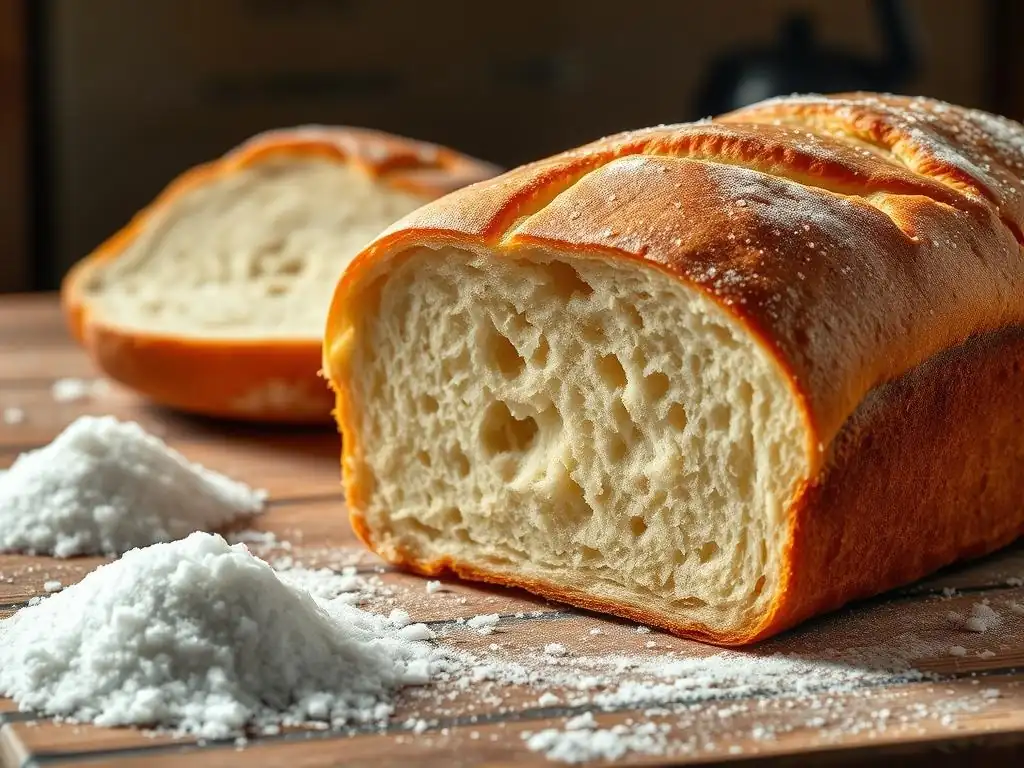
Welcome to BakeWithEase, where we unlock the secrets to baking success! Ever wondered how seemingly simple ingredients can dramatically impact your baked goods? This week, we're diving deep into the world of bread baking and exploring a surprisingly powerful ingredient: sugar. Discover how sugar enhances white bread flavor and contributes far more than just sweetness. Intrigued? Keep reading to uncover the secrets to perfectly balanced, flavorful bread that will elevate your baking game!
- Understanding the Role of Fat in Sourdough Bread
- The Science Behind Fat in Sourdough Dough
- Fat Enhances Sourdough Flavor: Beyond Basic Bread
- Improving Sourdough Texture with Fat
- Troubleshooting: Common Mistakes When Using Fat in Sourdough
- Recipe Adjustments: Fine-Tuning Fat Levels for Your Ideal Sourdough
- The BakeWithEase Verdict: Fat Can Elevate Sourdough
-
Frequently Asked Questions
- Why is sugar often included in basic white bread dough recipes?
- How does sugar affect the color of white bread?
- Can I substitute sugar in a white bread recipe, and if so, what are my options?
- What happens if I omit sugar entirely from my white bread recipe?
- How much sugar is too much in a basic white bread recipe?
- Final Reflection: The Sweet Truth About White Bread
- Unlock Your Bread's Sweet Potential!
Understanding the Role of Fat in Sourdough Bread
Sourdough bread is often celebrated for its simplicity, typically made from just flour, water, salt, and a natural starter. This lean composition is what gives traditional sourdough its characteristic chewy crumb and crisp crust. However, for bakers looking to explore different textures and flavors, introducing fat into the dough opens up a world of possibilities beyond the classic loaf. Adding fat transforms the dough's structure and performance, leading to a different kind of bread experience.
While not a traditional component in every sourdough recipe, fat serves several beneficial purposes. It can significantly alter the dough's handling, the bread's internal structure (crumb), and its external appearance (crust). Understanding why and how fat works in sourdough is key to successfully incorporating it into your baking routine and achieving desired results, whether you're aiming for a softer sandwich bread or a richer, more tender dinner roll.
Fat's Impact on Sourdough Flavor and Texture
Adding fat to sourdough dough dramatically influences both the final flavor and texture of the baked bread. On the flavor front, fat acts as a carrier for flavor compounds. When you add butter, for instance, you introduce its inherent richness and creamy notes, which can complement and balance the tangy acidity of the sourdough culture. Similarly, incorporating olive oil can infuse the bread with fruity or peppery undertones, creating a Mediterranean-style loaf. This allows bakers to create sourdough variations that go beyond the basic tangy profile, offering a more complex and nuanced taste experience.
Texture-wise, fat plays a crucial role in tenderizing the crumb. Unlike lean doughs where gluten develops strongly, creating a chewy structure, fat coats the flour particles and gluten strands. This interference prevents the gluten network from becoming too strong, resulting in a softer, more tender crumb that is less chewy. This effect is particularly desirable for breads like sandwich loaves, rolls, or enriched doughs, where a delicate and soft interior is preferred over a rustic, open crumb. Even a small amount of fat, say 5% based on flour weight, can make a noticeable difference in the bread's softness.
Enhancing Sourdough with Fat: A BakeWithEase Perspective
At BakeWithEase, we believe baking should be accessible and fun, encouraging you to experiment and tailor recipes to your taste. Enhancing your sourdough with fat is a fantastic way to customize your bakes and achieve different outcomes. Perhaps your family prefers a softer bread for sandwiches, or you're dreaming of a rich, buttery dinner roll with that signature sourdough tang. Adding fat makes these variations possible, allowing you to expand your sourdough repertoire beyond the traditional boule.
Incorporating fat into your sourdough isn't complicated. For liquid fats like olive oil, it can often be added alongside the water during the initial mixing. Solid fats like butter are typically added after the initial dough has come together and developed some gluten, often kneaded in gradually until fully absorbed. The amount of fat can vary significantly depending on the desired result, ranging from a modest 3-5% for slight softness to 15-25% or even higher for truly enriched doughs like sourdough brioche. It's a simple technique that yields significant changes in the final product.
The Science Behind Fat in Sourdough Dough

Understanding the scientific principles behind how fat interacts with dough helps bakers predict outcomes and troubleshoot issues. Fat doesn't just sit idly in the dough; it actively participates in the complex network of ingredients, influencing gluten development, moisture retention, and crust formation. This interaction is key to achieving the specific textural and visual characteristics desired when adding fat to sourdough.
The science boils down to how fat interferes with the flour's proteins and water. When flour and water combine, proteins like glutenin and gliadin hydrate and, through mixing or kneading, link together to form gluten, the elastic network that gives bread structure. Fat, being hydrophobic (water-repelling), coats these proteins and starch granules, creating a barrier that hinders the full hydration of the proteins and prevents them from forming strong, extensive gluten networks. This is the fundamental reason fat makes bread more tender.
How Fat Affects Gluten Development: Promoting Tenderness
The primary scientific effect of fat in dough is its inhibition of gluten development. As mentioned, fat molecules coat the gluten-forming proteins. Imagine trying to link hands with someone whose hands are covered in grease – it's much harder to get a firm grip. Similarly, the fat makes it harder for glutenin and gliadin to bond effectively. This results in a dough that is less elastic and extensible compared to a lean dough.
The consequence of this inhibited gluten development is a bread with a softer, more delicate crumb structure. Instead of a strong, chewy network, the internal structure is more open and tender. This is particularly important in enriched doughs where a melt-in-your-mouth texture is desired. The extent of this effect is directly related to the amount of fat added; higher fat percentages lead to significantly softer crumbs, sometimes at the expense of loaf volume if the gluten is too weak to support the rise.
Fat's Contribution to Crust Characteristics
Fat also plays a role in how the crust of sourdough bread develops during baking. While the signature crisp, often thin crust of lean sourdough comes from rapid drying and caramelization of starches on the surface, adding fat changes this dynamic. Fats can promote browning, especially butter which contains milk solids and sugars that participate in the Maillard reaction. This can result in a richer, deeper brown crust color.
Furthermore, fat can influence the texture of the crust. In some cases, particularly with higher fat percentages, the crust might be slightly softer or less brittle than that of a very lean loaf. This is partly due to the fat interfering with the complete drying out of the surface during baking. The type of fat also matters; liquid fats like olive oil might yield a slightly different crust texture than solid fats like butter or lard.
Fat Enhances Sourdough Flavor: Beyond Basic Bread
While sourdough's characteristic tang is the star for many, adding fat provides an opportunity to build upon this base and create more complex flavor profiles. It's not just about adding the flavor of the fat itself, but also about how the fat interacts with and balances the existing flavors of the fermented dough.
Balancing Flavors: Fat's Role in Complementing Sourdough's Tang
Sourdough's signature tang comes from the organic acids produced by the lactobacilli in the starter – primarily lactic and acetic acids. While delicious, these acids can be quite prominent in a lean loaf. Fat, with its inherent richness and ability to coat the palate, can help to balance this acidity. It provides a counterpoint to the sharpness of the tang, creating a more harmonious and rounded flavor profile.
Think of it like pairing a rich cheese with a tart fruit. The richness of the cheese cuts through and complements the acidity of the fruit. Similarly, the fat in bread helps to soften the edges of the sourdough tang, making the overall flavor experience smoother and often perceived as richer. This balancing act can make the bread more appealing to those who find very lean sourdoughs a bit too sour.
Types of Fat and Their Effects on Sourdough
The type of fat you choose will significantly impact the flavor, texture, and handling of your sourdough dough. Each fat brings its own unique properties to the table.
Olive Oil vs. Butter vs. Other Fats in Sourdough
Liquid fats like olive oil are easy to incorporate into doughs, often mixed in early. Olive oil adds a distinct flavor profile, ranging from mild and fruity to peppery and robust, depending on the variety. It's a common addition in Mediterranean-style sourdoughs like focaccia, contributing to a tender crumb and a slightly crisp exterior. Using approximately 10-15% olive oil (based on flour weight) is a common starting point to achieve a noticeable effect on flavor and texture.
Butter, a solid fat at room temperature, adds incredible richness and a classic creamy flavor. It contributes well to browning due to its milk solids and sugars. Butter is key in enriched sourdoughs like brioche or challah variations. It typically requires being softened or melted for incorporation and is often added after some gluten development has occurred. Butter percentages in enriched sourdough can range from 15% to over 30% of the flour weight, leading to a very tender, cake-like crumb.
Other fats like lard or rendered bacon fat can be used, particularly in savory applications. Lard, a traditional baking fat, can contribute to flakiness and tenderness. Neutral-flavored vegetable oils provide the tenderizing benefits of fat without adding distinct flavor, making them versatile for general softness. The choice of fat truly allows you to customize your sourdough's final characteristics.
Improving Sourdough Texture with Fat

Beyond flavor, texture is where fat makes some of its most apparent contributions to sourdough. It fundamentally changes how the bread feels to the touch, how it slices, and how it feels in the mouth.
Fat's Influence on Dough Softness and Keeping Quality
As discussed, fat inhibits gluten development, leading to a softer crumb. This isn't just about the initial softness after baking; it also significantly improves the bread's keeping quality. Fat coats the starch molecules within the crumb, slowing down the process of retrogradation – the scientific term for staling, where starch molecules realign and push out moisture.
A lean sourdough might start to feel dry or stale after just a day or two. A sourdough enriched with fat, however, will typically remain soft and fresh for much longer, often staying pleasant to eat for 3-4 days or more. This makes adding fat a great technique for breads that won't be consumed immediately, ensuring you can enjoy that lovely soft texture over several days.
Achieving a Softer Crumb: The Fat Secret
The "secret" to a softer sourdough crumb really is incorporating fat. While hydration levels and baking technique also play roles, adding fat is the most direct way to reduce chewiness and increase tenderness. Even a small addition, like 3-5% vegetable oil or butter, can transform a potentially chewy loaf into one with a more delicate interior.
For significantly softer results, such as for sandwich bread, aiming for 8-15% fat is a good range. For truly indulgent, soft, and rich breads like sourdough cinnamon rolls or brioche, fat percentages can climb to 20% or higher. It's a sliding scale: the more fat you add (up to a point where it completely inhibits gluten), the softer and richer the crumb will be.
Adding fat is one of the simplest adjustments you can make to a basic sourdough recipe to dramatically change its texture. It's a technique worth mastering for any home baker.
Troubleshooting: Common Mistakes When Using Fat in Sourdough
While adding fat is a powerful tool, it's possible to run into issues, especially when you're first experimenting. Knowing the potential pitfalls can help you avoid them and achieve better results.
Too Much Fat: Potential Problems and Solutions
One of the most common problems is adding too much fat, which can excessively inhibit gluten development. A dough with too much fat might feel greasy, lack structure, be difficult to handle, and spread out rather than holding its shape during proofing and baking. This leads to a dense loaf with poor oven spring.
If your dough feels overly greasy or doesn't develop strength during kneading, you may have added too much fat for the flour type or the desired outcome. The solution is to reduce the fat percentage in future attempts. Ensure you are weighing your ingredients accurately. Also, make sure the fat is fully incorporated; sometimes patches of unincorporated fat can cause issues. Adding fat gradually after some initial gluten development can also help the dough handle higher fat percentages better.
Not Enough Fat: Impact on Flavor and Texture
On the flip side, if you've added fat hoping for a significant change in texture or flavor and don't see the desired results, you might not have added enough. A small percentage of fat might offer subtle benefits in keeping quality, but for a truly soft crumb or noticeable richness, you need a higher amount.
If your bread is still too chewy or lacks the desired richness after adding fat, simply increase the percentage in your next batch. Review recipes for similar styles of bread (e.g., sourdough sandwich loaves) to see typical fat percentages. Start with a moderate increase, perhaps adding an extra 5% of the flour weight in fat, and observe the difference. It's an iterative process of testing and adjusting.
Recipe Adjustments: Fine-Tuning Fat Levels for Your Ideal Sourdough
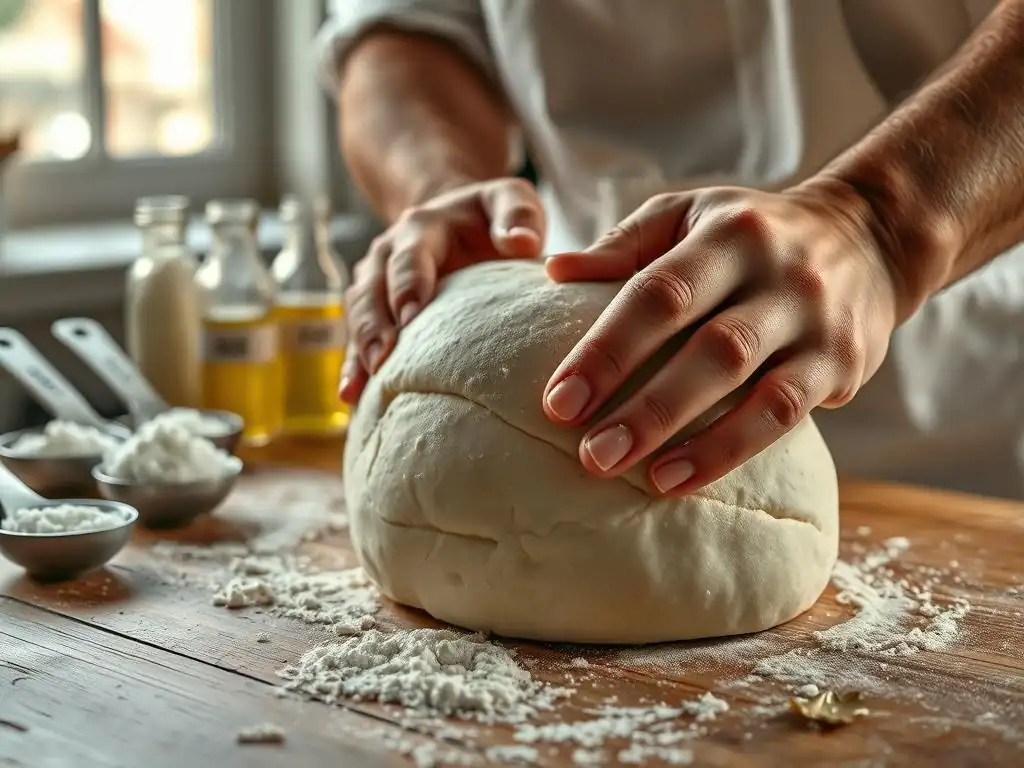
Experimenting with fat levels is part of the fun of baking. It allows you to tailor recipes precisely to your preferences and the intended use of the bread. There's no single "right" amount of fat for sourdough; it depends entirely on what you want to achieve.
Tips for Experimenting with Fat in Your Sourdough Baking
When you decide to add fat to a lean sourdough recipe, start conservatively. If the original recipe contains no fat, try adding just 5-8% of the flour weight in softened butter or liquid oil for a first attempt. This moderate amount will give you a noticeable improvement in softness and keeping quality without drastically changing the dough handling. Use a consistent method for incorporating the fat, such as kneading it in gradually after the initial mix, so you can compare results accurately between trials.
Crucially, keep detailed notes! Record the exact amount and type of fat used, how you incorporated it, the feel of the dough, and your assessment of the final bread's texture, flavor, and how long it stayed fresh. Did it achieve the softness you wanted? Was the flavor enhanced? Your notes will be invaluable as you fine-tune the fat level over several bakes to find your personal ideal for different types of sourdough bread. Don't be afraid to try higher percentages for enriched doughs once you are comfortable with lower levels.
The BakeWithEase Verdict: Fat Can Elevate Sourdough
Adding fat to sourdough dough is a technique that can significantly enhance the flavor and texture of your bread. While traditional sourdough is lean, incorporating fat opens up a spectrum of possibilities, allowing you to bake everything from slightly softer sandwich loaves to rich, tender dinner rolls and pastries, all with that signature sourdough tang.
Summary of Fat's Benefits in Sourdough Dough
Fat in sourdough dough:
- Improves texture by inhibiting gluten, leading to a softer, more tender crumb.
- Enhances flavor by carrying fat-soluble compounds and balancing the sourdough tang with richness.
- Increases keeping quality by retaining moisture and slowing down staling.
- Influences crust characteristics, potentially promoting browning and slightly altering texture.
It's a versatile ingredient that allows bakers to customize their sourdough creations. Whether you use a small amount for slight softness or a generous portion for a truly enriched loaf, understanding fat's role is key to successful baking.
Further Baking Resources from BakeWithEase
Exploring different ingredients and techniques is a rewarding part of the baking journey. At BakeWithEase, we offer a wealth of resources to help you continue learning and perfecting your skills.
Discover more about enriching doughs, working with different types of flour, or troubleshooting common baking issues by exploring other guides and recipes available on BakeWithEase. Putting the knowledge of how fat enhances sourdough into practice with a specific recipe is a great next step in your baking adventure.
Frequently Asked Questions
Why is sugar often included in basic white bread dough recipes?
Sugar in white bread isn't just for sweetness; it primarily acts as food for the yeast, accelerating the fermentation process and creating a lighter, more flavorful bread. It also contributes to a more tender crumb.
How does sugar affect the color of white bread?
Sugar plays a crucial role in the browning process during baking. It caramelizes, resulting in a more golden-brown crust and a visually appealing loaf. Without sugar, the crust might be pale and unappetizing.
Can I substitute sugar in a white bread recipe, and if so, what are my options?
Yes, you can substitute sugar. Common alternatives include honey, maple syrup, or molasses. However, be aware that these substitutes can alter the flavor profile and moisture content of the bread.
What happens if I omit sugar entirely from my white bread recipe?
Omitting sugar will significantly impact the bread. The yeast will ferment much slower, resulting in a denser, less flavorful bread with a paler crust. The overall rise will be reduced.
How much sugar is too much in a basic white bread recipe?
Too much sugar can inhibit yeast activity. A general guideline is to use about 1-2 tablespoons of sugar per loaf of bread. Exceeding this amount can lead to a sticky dough and a bread that doesn't rise properly.
Final Reflection: The Sweet Truth About White Bread
The seemingly simple act of adding sugar to white bread dough is far more impactful than many realize; it's not just about sweetness, but a fundamental element in achieving optimal texture, flavor, and even browning. This seemingly minor ingredient plays a crucial role in the overall quality of the final product, influencing everything from the crumb structure to the golden-brown crust we all crave. Understanding this unlocks a deeper appreciation for the artistry of baking.
The subtle yet profound influence of sugar on bread-making has shaped culinary traditions for centuries, transcending mere functionality to become a key component of cultural identity. The perfect loaf, with its delicate balance of flavors and textures, is a testament to this delicate interplay of ingredients. As a baker myself, I've witnessed firsthand the transformative power of even a small amount of sugar, elevating a simple loaf to something truly special. Bread is the staff of life,
they say, and I believe that a little sugar helps make that staff a little sweeter, a little more satisfying.
Consider the next time you bake, or even simply enjoy a slice of white bread, the role that sugar plays. Don't just think of it as a sweetener, but as a vital ingredient contributing to the overall experience. Experiment with different amounts, observe the changes, and discover the perfect balance for your palate. The journey of understanding the subtle nuances of baking is a rewarding one, and the humble addition of sugar to white bread dough is a perfect starting point for that exploration.
Here's a CTA tailored for the article "Why Add Sugar to Basic White Bread Dough?" on BakeWithEase.com:
Unlock Your Bread's Sweet Potential!
Thanks for taking the time to explore the subtle but impactful role of sugar in bread baking! You've now learned how a little sweetness can elevate your loaves to new heights. Ready to put your newfound knowledge into practice?
- Bake a sweeter loaf today! Experiment with the sugar quantities discussed in the article and see how it transforms your bread's texture and flavor. Note the difference!
- Share your baking triumphs (and challenges!) with our community in the comments below. Let's learn from each other!
- Explore other baking secrets on BakeWithEase.com – discover how to perfect your sourdough or master the art of artisan rolls!
What unique twist will you add to your next loaf, inspired by today’s insights?