
Adding Sweeteners to Sourdough Rye: Molasses and More

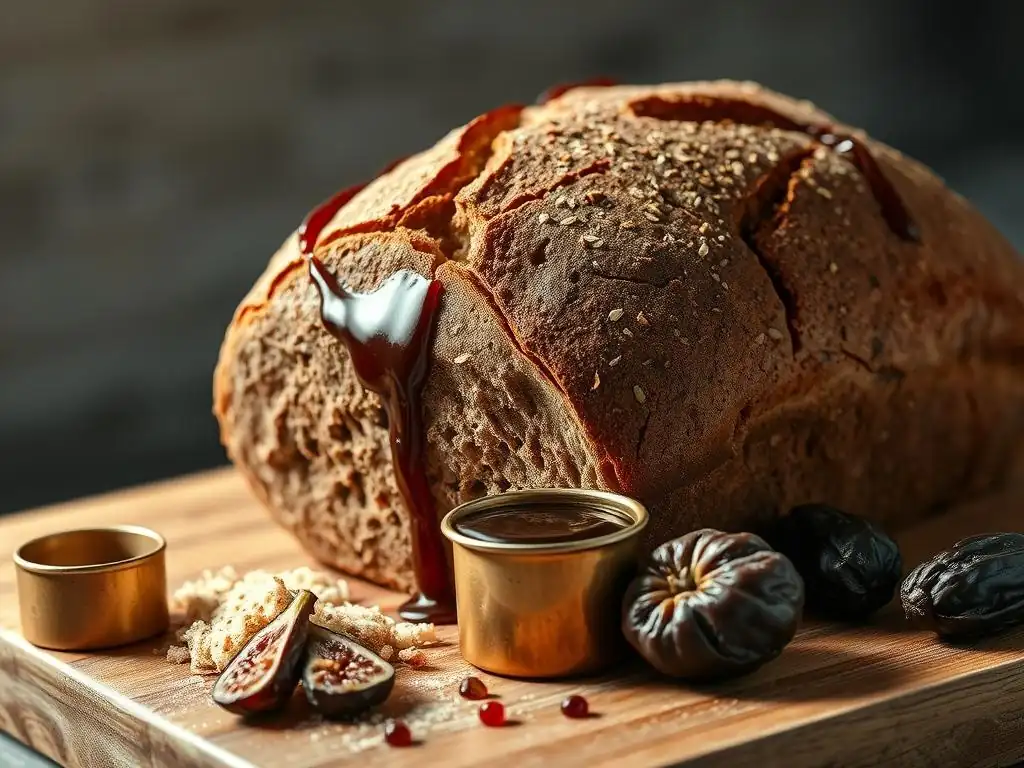
Welcome to BakeWithEase, where the joy of baking is always within reach! Ever wondered how a touch of sweetness can transform your sourdough rye? In this article, we're diving deep into our Molasses Sourdough Rye Recipe, a delicious exploration of how molasses and other natural sweeteners can elevate the flavor and texture of your loaves. Ready to unlock the secrets to a richer, more complex sourdough experience? Let's get baking!
- Sourdough Rye Bread: Exploring Sweeteners for Enhanced Flavor
- Exploring Molasses in Sourdough Rye: A Deep Dive
- Alternative Sweeteners for Sourdough Rye: Expanding Your Baking Horizons
- Molasses Sourdough Rye Recipe: A Step-by-Step Guide
- Troubleshooting Your Molasses Sourdough Rye: Common Issues and Solutions
- Tips for Perfecting Your Sweetened Sourdough Rye Bread
- Storing Your Molasses Sourdough Rye for Maximum Freshness
- Conclusion: Mastering the Art of Sweetening Sourdough Rye
-
Frequently Asked Questions
- What is the benefit of adding molasses to a sourdough rye recipe?
- Does using molasses in sourdough affect the fermentation process?
- Can I substitute other sweeteners for molasses in a sourdough rye recipe?
- How much molasses should I add to my sourdough rye recipe?
- Will adding molasses change the overall baking time or temperature of my sourdough rye?
- Final Reflection: The Enduring Allure of Molasses Sourdough Rye
- Unleash Your Inner Rye Baker: Sweeten Your Sourdough!
Sourdough Rye Bread: Exploring Sweeteners for Enhanced Flavor
The Role of Sweeteners in Sourdough Rye Baking
Sweeteners play a multifaceted role in sourdough rye bread, extending far beyond simply adding a sweet taste. In rye baking, where the gluten structure is naturally weaker than in wheat-based loaves due to the higher pentosan content, sweeteners like molasses contribute to moisture retention.
This is particularly important in dense rye breads, helping to keep the crumb soft and preventing it from drying out too quickly. Additionally, sugars act as a food source for yeast, even in a sourdough starter, potentially giving the fermentation process a little boost, although the primary leavening comes from the starter's wild yeasts and bacteria.
Beyond moisture and fermentation support, sweeteners contribute significantly to the crust development and color. During baking, the sugars on the surface and within the dough undergo caramelization and the Maillard reaction. These complex chemical processes are responsible for the rich brown hues of the crust and the development of myriad aromatic compounds that enhance the bread's overall flavor profile. Without sweeteners, the crust might remain paler and the depth of flavor less pronounced, making them valuable additions for achieving that desirable dark, burnished crust characteristic of many traditional rye breads.
Impact of Sweeteners on Sourdough Rye Flavor and Texture
The type and amount of sweetener profoundly influence the final flavor and texture of sourdough rye bread. For instance, adding a liquid sweetener like molasses or honey at around 3-5% of the total flour weight not only adds sweetness but also introduces unique flavor notes – earthy, malty, or floral depending on the source. These flavors interact with the characteristic tang of the sourdough and the robust taste of rye flour, creating a complex and layered profile. The level of sweetness can also temper the perceived sourness of the sourdough, resulting in a more balanced taste.
In terms of texture, sweeteners contribute to a softer crumb. The hygroscopic nature of sugars helps bind water, keeping the bread moist for longer. This is especially beneficial in high-rye loaves, which can sometimes be prone to a drier texture than their wheat counterparts. While excessive sugar can interfere with gluten development (if any wheat flour is present) and potentially lead to a sticky dough or a very dense crumb, using sweeteners judiciously, typically between 2% and 8% of flour weight in a sourdough rye recipe, enhances softness and moisture without negatively impacting structure.
Exploring Molasses in Sourdough Rye: A Deep Dive
The Unique Flavor Profile of Molasses in Rye Bread
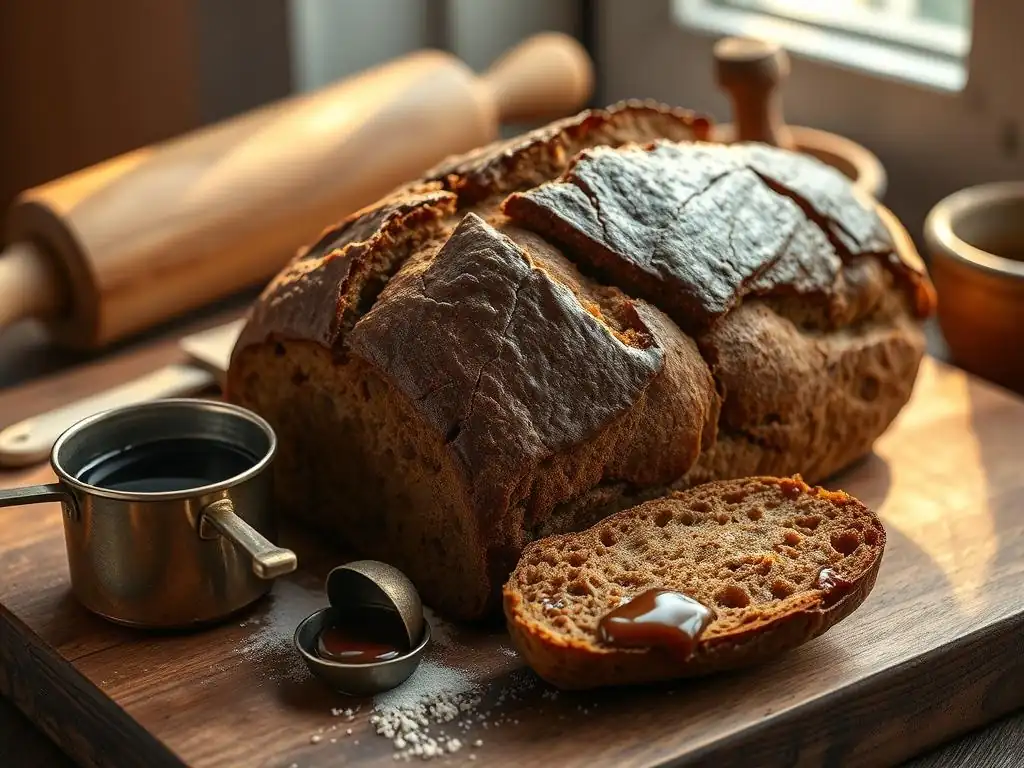
Molasses, a byproduct of sugar production, brings a distinctive and complex flavor profile to sourdough rye bread that is unmatched by other sweeteners. Its taste is often described as rich, earthy, slightly smoky, and sometimes even a little bitter, particularly darker varieties like blackstrap. This robust flavor stands up wonderfully to the strong, sometimes peppery notes of rye flour and the characteristic tang of sourdough fermentation. When combined, the molasses complements the rye, deepening its inherent flavor and adding layers of malty, almost savory sweetness that is far more nuanced than simple sugar.
Using molasses in a molasses sourdough rye recipe doesn't just add sweetness; it adds character. It imparts a warm, deep undertone that evokes traditional bread styles. Lighter molasses varieties will offer a milder sweetness and less intense flavor, while darker varieties contribute a pronounced, almost treacle-like depth. This interaction between the fermentation products of the sourdough starter, the specific flavor compounds in the rye flour, and the complex sugars and minerals in the molasses creates a truly unique and satisfying taste experience that is a hallmark of many classic rye breads.
Using Molasses for a Dark and Rich Sourdough Rye
One of the most visually striking effects of adding molasses to sourdough rye is the dramatic color it imparts. Molasses is naturally dark brown, and incorporating it into the dough stains the crumb and crust, resulting in a deep, rich hue that is highly desirable in rye bread. This dark color is not just aesthetic; it's linked to the caramelized sugars and other compounds within the molasses that contribute to the bread's complex flavor during baking. Even a small amount, say 3% of the flour weight, can significantly darken the final loaf.
Beyond color, molasses contributes to a rich mouthfeel and a slightly moist crumb. The specific composition of molasses, including minerals like iron and calcium, along with its complex sugar profile, helps retain moisture more effectively than refined sugars. This results in a loaf that feels substantial and stays fresh longer. For those aiming for a traditional, hearty, and visually appealing rye loaf, incorporating molasses into their sourdough rye recipe is a key technique to achieve that signature dark color and deep, satisfying richness.
Molasses Sourdough Rye Recipe Considerations: Hydration and Proofing
When developing a molasses sourdough rye recipe, two critical factors influenced by the addition of liquid sweeteners like molasses are hydration and proofing. Molasses is a liquid and contributes to the overall hydration of the dough.
It's crucial to account for the liquid content of the molasses (which is typically around 20-25% water) when calculating your total hydration percentage. If you add 50g of molasses to a recipe with 500g of flour, and your target hydration from water is 75%, you'll need to reduce the amount of added water slightly to compensate for the liquid in the molasses, ensuring the dough isn't too slack.
Furthermore, the sugars in molasses can potentially influence fermentation speed. While sourdough fermentation is primarily driven by the starter, the readily available sugars in molasses can sometimes accelerate the initial stages of proofing, especially in warmer conditions.
It's important to monitor the dough closely during bulk fermentation and proofing, paying attention to visual cues like volume increase and the development of gas bubbles, rather than strictly adhering to time estimates. Overproofing can lead to a dense crumb or collapse during baking, so adjusting proofing times based on the dough's activity, which might be slightly faster with molasses, is essential for a successful molasses sourdough rye.
Alternative Sweeteners for Sourdough Rye: Expanding Your Baking Horizons
Honey in Sourdough Rye: A Delicate Sweetness
Honey offers a lighter, more floral sweetness compared to molasses, bringing a different character to sourdough rye. Its flavor profile varies significantly depending on the nectar source – clover honey provides a mild sweetness, while buckwheat honey offers a stronger, more robust, almost earthy note that pairs well with rye. Using honey, typically added at 3-6% of the flour weight in a sourdough rye recipe, results in a less intensely colored crumb and crust than molasses, providing a golden hue instead of deep brown.
Like molasses, honey is hygroscopic and contributes to moisture retention, resulting in a softer crumb. However, its liquid content is slightly lower than molasses (around 17% water). When substituting honey in a molasses sourdough rye recipe, you might need a tiny bit more water to achieve the same dough consistency.
Honey's enzymatic activity can also slightly affect the dough over long fermentation periods, sometimes leading to a stickier dough, but in typical sourdough schedules, this effect is minimal and manageable. The delicate sweetness and aromatic qualities of honey offer a delightful alternative for those seeking a less assertive sweetener in their rye loaves.
Maple Syrup in Sourdough Rye: Adding a Distinct Aroma
Maple syrup, particularly darker grades like Grade A Dark or Very Dark Color, offers a unique caramelized flavor and aroma that complements rye bread beautifully. Its distinct woody and slightly smoky notes provide a regional twist often associated with North American baking. Used at similar percentages to molasses or honey (around 3-7% of flour weight), maple syrup imparts a golden to light brown color to the crumb and crust, less intense than molasses but richer than honey.
The consistency of maple syrup is similar to molasses, so hydration adjustments are comparable. Its distinct flavor persists through baking, contributing a lovely aroma to the finished sourdough rye loaf. A real-world example might be a baker creating a "Vermont Rye" using local maple syrup, where the syrup's unique terroir adds a signature element. While it provides sweetness and moisture retention like other liquid sweeteners, its primary contribution is its characteristic aroma and flavor, making it an excellent choice for a uniquely flavored sourdough rye.
Brown Sugar in Sourdough Rye: Achieving a Chewier Texture
Brown sugar, essentially refined sugar with molasses added back in, provides a different texture and flavor contribution compared to liquid sweeteners. Both light and dark brown sugar contain varying amounts of molasses, which contributes moisture and a subtle caramel flavor. Using brown sugar (typically 4-8% of flour weight) results in a slightly chewier crumb texture compared to liquid sweeteners. This is partly due to the crystalline structure of the sugar and its interaction with the dough matrix during baking.
Dark brown sugar, with its higher molasses content, will impart a stronger flavor and darker color than light brown sugar. While it contributes moisture through the molasses component, it doesn't add as much liquid as pure molasses or honey, potentially requiring a slight adjustment in water if substituting directly for a liquid sweetener in a molasses sourdough rye recipe. The use of brown sugar lends itself well to sourdough rye breads where a slightly firmer, chewier crumb is desired, offering a pleasant contrast to the softness achieved with liquid sweeteners.
Malt Syrup in Sourdough Rye: Enhancing Color and Flavor
Malt syrup, often derived from barley, is a traditional sweetener in many European rye bread recipes. It is rich in maltose and other complex sugars, along with enzymes that can aid in breaking down starches during fermentation, contributing to a more active rise and a softer crumb. Malt syrup brings a deep malty flavor and significantly enhances crust color, producing a beautiful reddish-brown hue through excellent caramelization. It's typically used at 2-5% of the flour weight.
Diastatic malt syrup contains active enzymes that can convert starches into sugars, providing more food for the sourdough starter and potentially leading to a better rise and a more open crumb structure, even in dense rye doughs. Non-diastatic malt syrup primarily contributes color and flavor without the enzymatic activity. Both types offer that classic malty note that pairs exceptionally well with rye. Using malt syrup in your sourdough rye recipe is an excellent way to achieve a traditional flavor profile and a visually appealing, deeply colored crust.
Molasses Sourdough Rye Recipe: A Step-by-Step Guide
Ingredients for Your Molasses Sourdough Rye
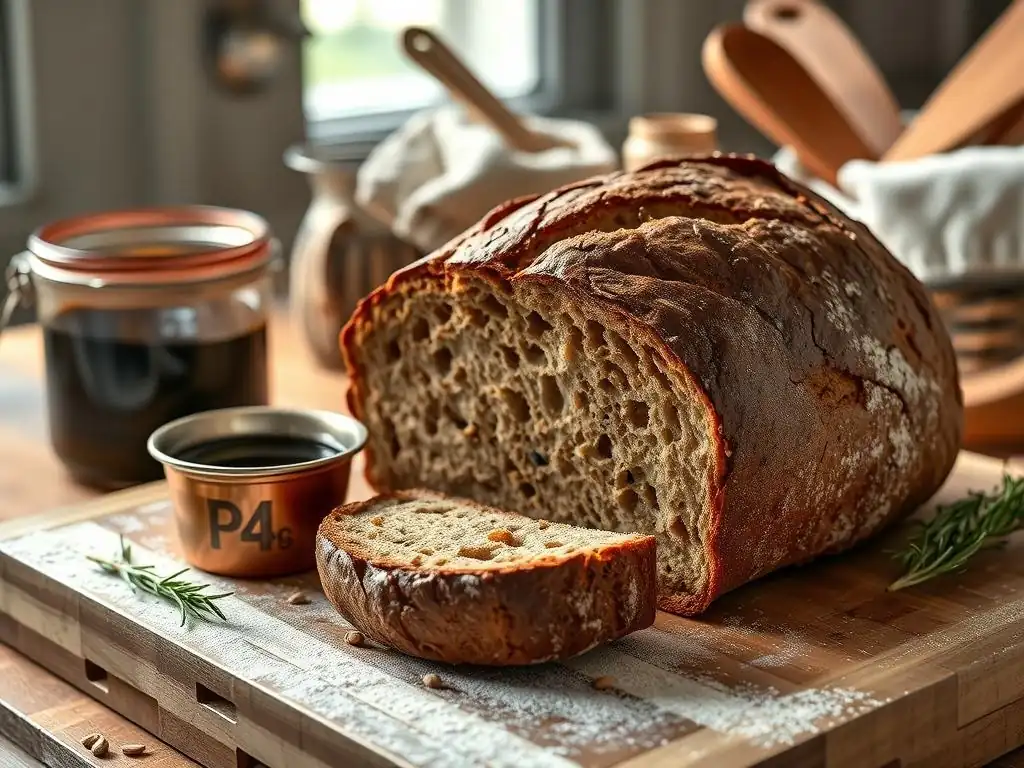
Crafting a delicious molasses sourdough rye begins with selecting quality ingredients. A typical recipe designed for a standard loaf might include:
- Active sourdough starter: 100g (fed and active)
- Rye flour: 200g (dark or medium rye)
- Strong bread flour (wheat): 300g (for gluten structure)
- Water: 350g (adjust based on flour absorption)
- Molasses: 30g (approximately 6% of total flour weight)
- Salt: 10g (2% of total flour weight)
- Optional: Caraway seeds: 10g
This mix of flours (40% rye, 60% wheat) provides a good balance of rye flavor and a manageable gluten structure for easier handling. The hydration level here is 70% based on the water, plus the liquid content from the molasses, bringing the effective hydration slightly higher. The molasses addition is specifically calculated to add noticeable flavor and color without making the dough overly sticky.
Mixing and Kneading the Molasses Sourdough Rye Dough
Mixing the molasses sourdough rye dough is straightforward. Combine the water, active sourdough starter, and molasses in a large bowl. Stir to dissolve the molasses. Add the rye flour, bread flour, and salt (and caraway seeds, if using). Mix with a spoon or spatula until a shaggy dough forms and no dry flour remains.
- [ ] Combine wet ingredients and starter.
- [ ] Add flours, salt, and optional seeds.
- [ ] Mix until shaggy dough forms.
After the initial mix, let the dough rest for 20-30 minutes (autolyse). This allows the flour to hydrate. Following the rest, you can perform a series of stretch and folds over the next 2-3 hours. For a rye dough, which is less reliant on gluten development than pure wheat, fewer folds are needed. Typically, 3-4 sets of stretch and folds at 30-minute intervals are sufficient to build some structure. The dough will become smoother but will remain stickier and less elastic than a pure wheat dough due to the rye content and the presence of molasses.
Bulk Fermentation and Shaping the Rye Loaf
Bulk fermentation for a molasses sourdough rye dough typically takes 4-6 hours at room temperature (around 72-78°F or 22-25°C), but the duration is highly dependent on the starter's activity and ambient temperature. During this time, the dough should increase in volume by about 30-50% and show signs of fermentation like surface bubbles. The molasses might slightly influence the rate, so watch the dough, not just the clock.
Once bulk fermentation is complete, gently turn the dough out onto a lightly floured surface. Rye dough can be delicate, so handle it with care. Shape the dough into your desired form, such as a round boule or an oval batard. Due to the rye and molasses, the dough might be softer than pure wheat dough, so shaping might require a gentle touch. Place the shaped loaf into a floured proofing basket (banneton) seam-side up for the final proof.
Baking Your Molasses Sourdough Rye to Perfection
After shaping, the final proof can be done at room temperature for 1-2 hours or retarded in the refrigerator for 8-16 hours. Cold proofing develops more flavor and makes the dough easier to score. Preheat your oven and baking vessel (like a Dutch oven or baking stone with steam) to a high temperature, typically 450-475°F (230-245°C).
Carefully transfer the cold (or room temperature) dough from the proofing basket onto parchment paper or directly into the hot vessel. Score the top of the loaf with a sharp blade or razor. This allows the bread to expand evenly during baking. Bake the loaf covered for the first 20-25 minutes to trap steam, which helps with oven spring and crust development.
Then, uncover and continue baking for another 20-30 minutes, or until the crust is deep brown (thanks in part to the molasses!) and the internal temperature reaches around 205-210°F (96-99°C). Let the molasses sourdough rye cool completely on a wire rack before slicing to ensure the crumb sets properly.
Troubleshooting Your Molasses Sourdough Rye: Common Issues and Solutions
Dough Too Sticky: Adjusting Hydration with Molasses
A common challenge when working with rye and liquid sweeteners like molasses in a sourdough rye recipe is managing dough stickiness. Rye flour absorbs water differently than wheat, and molasses adds liquid and sugars that can make the dough feel more adhesive. If your dough is excessively sticky and difficult to handle even after mixing and initial folds, it's likely due to high hydration relative to the flour's absorption capabilities or too much liquid sweetener.
To remedy this in the future, consider slightly reducing the initial water amount in your recipe, perhaps by 10-20 grams, especially if you've increased the molasses percentage. During the mixing phase, if the dough feels too wet, you can gradually add a small amount of extra flour (rye or wheat) until it becomes more manageable, being careful not to add too much, which can result in a dry loaf. Remember that rye dough with molasses will naturally be stickier than a pure wheat dough, so a little stickiness is normal; the goal is manageable stickiness.
Weak Rise: Optimizing Fermentation Time and Temperature
If your molasses sourdough rye loaf doesn't achieve sufficient rise during bulk fermentation or proofing, several factors could be at play. A primary cause is an inactive or weak sourdough starter. Ensure your starter is vigorous and recently fed before incorporating it into the dough. A "float test" (dropping a small piece of starter into water to see if it floats) can be a rough indicator of readiness, though visual cues like doubling in size within a few hours of feeding are more reliable.
Another factor is temperature. Sourdough fermentation is sensitive to temperature; cooler temperatures slow it down considerably, while warmer temperatures accelerate it. If your kitchen is cool, fermentation will take longer.
Aim for a room temperature of 72-78°F (22-25°C) for optimal activity. If needed, you can use a proofing box, oven with the light on, or another warm spot to maintain a consistent temperature. Finally, ensure you are giving the dough enough time during bulk fermentation (typically 4-6 hours, but potentially longer in cool conditions) and final proofing (1-2 hours at room temperature or longer cold proof) to develop sufficient gas before baking.
Dense Crumb: Addressing Issues with Gluten Development
A dense or heavy crumb in sourdough rye bread, even in a molasses sourdough rye, can result from several issues, often related to fermentation or gluten development (if using wheat flour). While rye flour itself doesn't form strong gluten, the wheat flour in the recipe needs proper development to provide structure and trap gases produced by the starter. Insufficient mixing or folding can lead to poor gluten development, resulting in a tight, dense crumb. Ensure you perform enough stretch and folds (3-4 sets) during the initial hours of bulk fermentation.
Overproofing is another common culprit for a dense crumb. If the dough ferments for too long, the gluten structure can weaken and collapse, leading to a loaf that rises initially but then falls or has a very tight, heavy crumb after baking. Conversely, underproofing means the starter hasn't produced enough gas to leaven the loaf adequately, also resulting in a dense texture. Pay close attention to the dough's volume increase (30-50% for bulk) and feel; it should be airy and slightly jiggly when ready for shaping.
Tips for Perfecting Your Sweetened Sourdough Rye Bread
Choosing the Right Type of Molasses for Your Sourdough Rye
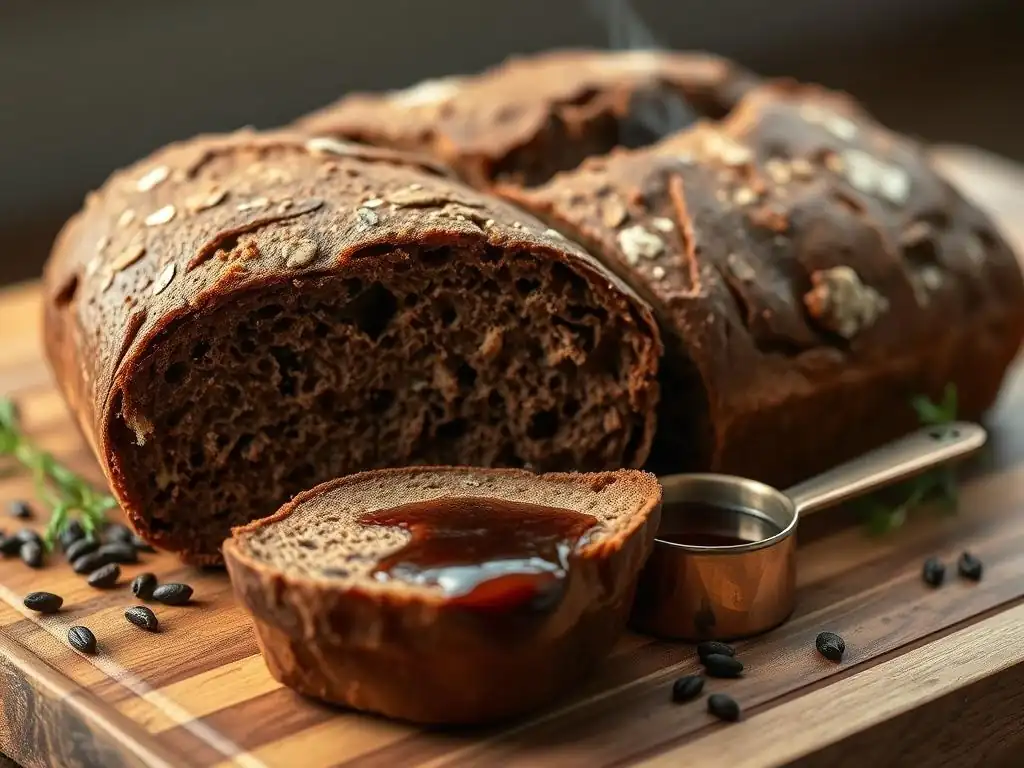
The type of molasses you choose significantly impacts the flavor and color of your sourdough rye. Lighter molasses, sometimes labeled "mild" or "fancy," is the least processed and has a sweeter, less intense flavor, contributing a golden hue. Dark molasses, or "robust," is boiled longer, resulting in a richer, more complex flavor and a darker color. Blackstrap molasses is the darkest and most concentrated, with a strong, slightly bitter flavor and the least amount of sugar, providing the deepest color and most intense taste.
For a classic, deeply colored, and richly flavored molasses sourdough rye, dark molasses is often the preferred choice. If you want a milder sweetness and less dominant molasses flavor, opt for light molasses. Blackstrap is best used sparingly or by those who enjoy a very strong, almost medicinal flavor profile. Experimenting with different types in small test batches can help you discover which best suits your taste preferences for your specific molasses sourdough rye recipe.
Experimenting with Different Sweetener Combinations
Don't feel limited to using just one type of sweetener in your sourdough rye. Combining different sweeteners can create unique flavor profiles and textures. For instance, a blend of molasses and honey can offer the depth of molasses with the floral notes of honey. Using brown sugar alongside molasses can enhance both color and chewiness. A combination of malt syrup and molasses is traditional in some styles, providing intense color and a complex malty-molasses flavor.
Consider using percentages relative to the total flour weight when experimenting. For example, if your recipe calls for 5% total sweetener, you could try 3% molasses and 2% honey. Keep notes on your experiments – the type and percentage of sweeteners used, the resulting flavor, color, and texture. This approach allows you to fine-tune your sourdough rye recipe to your exact liking, discovering unique combinations that elevate your baking.
Achieving the Ideal Balance of Sweetness in Your Sourdough Rye
Finding the perfect balance of sweetness in your sourdough rye is key to a delicious loaf. Too little sweetener might leave the bread tasting flat or overly sour, while too much can make it cloying and interfere with the rye and sourdough flavors. The ideal amount is subjective and depends on personal preference and the intensity of your sourdough starter and rye flour. A good starting point for total added sweetener (like molasses) in a sourdough rye recipe is typically between 3% and 6% of the total flour weight.
If your starter is very sour, a slightly higher percentage of sweetener (say, 5-8%) can help balance the tang. If you prefer a less sweet, more traditional profile, stick to the lower end (2-4%). Remember that molasses contributes flavor beyond just sweetness, so even at lower percentages, its presence will be noticeable. Taste a tiny piece of the dough during mixing (before adding salt, if you like) to get an idea of the flavor profile, although the final taste will develop during fermentation and baking. Adjust in subsequent bakes based on your experience.
Storing Your Molasses Sourdough Rye for Maximum Freshness
Proper Cooling Techniques for Sourdough Rye
Allowing your molasses sourdough rye loaf to cool properly after baking is crucial for optimal texture and flavor. As the bread cools, internal moisture redistributes, and the crumb structure sets. Slicing into a hot loaf will result in a gummy, dense crumb. Place the freshly baked loaf on a wire rack immediately after removing it from the oven. This allows air circulation around the entire loaf, preventing condensation from forming on the bottom crust, which can make it soggy.
A standard-sized sourdough rye loaf, especially one enriched with molasses, needs at least 2-3 hours to cool completely at room temperature. For larger or very dense loaves, it might take even longer. Resist the urge to slice it too early! Proper cooling ensures the crumb develops its intended structure, the flavors meld, and the crust remains crisp (at least initially). This step is just as important as the baking itself for a perfect molasses sourdough rye.
Best Practices for Storing Sweetened Sourdough Rye Loaves
Once your molasses sourdough rye loaf is completely cool, proper storage is essential to maintain its freshness and prevent it from drying out or becoming stale. Avoid refrigerating bread, as this can actually speed up the staling process. The best method for short-term storage (1-3 days) is to store the loaf at room temperature in a bread box, a paper bag, or wrapped loosely in a linen cloth. A paper bag allows the crust to remain crisp, while a cloth or bread box helps keep the crumb softer.
For longer storage, freezing is the most effective method. Allow the loaf to cool completely, then slice it if desired (this makes it easier to thaw individual portions). Wrap the cooled loaf or slices tightly in plastic wrap, then place it in a freezer-safe bag or aluminum foil. Frozen sourdough rye can maintain quality for up to 3-4 months. To thaw, simply unwrap the bread and let it sit at room temperature or reheat slices in a toaster. This preserves the flavor and texture you worked hard to achieve in your molasses sourdough rye recipe.
Conclusion: Mastering the Art of Sweetening Sourdough Rye
Elevating Your Sourdough Rye Baking with Molasses and Other Sweeteners
Incorporating sweeteners like molasses into your sourdough rye bread opens up a world of flavor, color, and texture possibilities. Molasses, with its deep, earthy notes and ability to create a rich, dark crust, is a classic choice for a reason, providing a distinctive character to any molasses sourdough rye recipe. However, exploring alternatives such as honey, maple syrup, brown sugar, or malt syrup allows for further customization, each bringing its unique contribution to the loaf.
By understanding how these sweeteners interact with rye flour and sourdough fermentation – influencing hydration, fermentation speed, crumb moisture, and crust development – you gain control over your final bake. Experimenting with different types and percentages, paying attention to the subtle nuances they impart, empowers you to tailor your sourdough rye to your precise preferences. Mastering the art of sweetening transforms a simple loaf into a complex, flavorful bread that showcases the best qualities of sourdough, rye, and your chosen sweetener.
Frequently Asked Questions
What is the benefit of adding molasses to a sourdough rye recipe?
Molasses adds a unique sweetness and depth of flavor to sourdough rye. It also contributes to a darker color and softer texture in the final loaf.
Does using molasses in sourdough affect the fermentation process?
Yes, molasses provides additional sugars that the sourdough starter can consume. This can accelerate fermentation and result in a more complex flavor profile.
Can I substitute other sweeteners for molasses in a sourdough rye recipe?
While possible, the results will vary. Other options like honey or maple syrup can be used, but they will impart different flavor and moisture profiles compared to molasses.
How much molasses should I add to my sourdough rye recipe?
Start with a small amount, typically 1-2 tablespoons per loaf, and adjust to your taste. Too much molasses can result in an overly sweet or sticky dough.
Will adding molasses change the overall baking time or temperature of my sourdough rye?
Generally, no. The baking time and temperature should remain consistent with your original recipe. Monitor the loaf closely for doneness, as the darker color from molasses might make it appear darker than it is.
Final Reflection: The Enduring Allure of Molasses Sourdough Rye
The deep, complex flavors of molasses sourdough rye are not merely a culinary trend; they represent a timeless connection to the earth and a celebration of slow, mindful baking. This article explored the versatility of molasses in enhancing the already rich tapestry of flavors found in sourdough rye, showcasing how a simple addition can elevate a classic bread to new heights. From the subtle caramel notes to the deeper, almost savory undertones, the possibilities are truly endless.
The journey of crafting a perfect molasses sourdough rye is more than just following a recipe; it's a process of discovery, patience, and a deep appreciation for the natural fermentation process. The subtle nuances in flavor profile, the satisfying rise of the dough, the crust's satisfying crackle – these are all sensory experiences that connect us to a tradition of baking that spans centuries. As the renowned baker, Chad Robertson, once said, Bread baking is a meditation. It's a way to connect with something larger than yourself.
This sentiment perfectly encapsulates the meditative and rewarding nature of working with sourdough, especially when enhanced by the rich complexity of molasses.
Now, I invite you to embark on your own molasses sourdough rye adventure. Don't be afraid to experiment with different types of molasses, adjust the ratios to your preference, and savor the journey. The reward? A loaf of bread that is not just sustenance, but a testament to your patience, creativity, and connection to the ancient art of baking. Let the aroma fill your kitchen, and share the delicious results with those you love. The experience, like the bread itself, will be deeply satisfying and enduring.
Unleash Your Inner Rye Baker: Sweeten Your Sourdough!
Thanks for joining us on this sourdough rye adventure! We hope you’ve gained some delicious insights into adding sweetness to your loaves. Now it's time to put your new knowledge into practice.
- Bake your best rye yet! Try one of the sweetener variations we discussed – molasses, honey, or even maple syrup – and see how it transforms your sourdough rye bread. Document your experience!
- Share your baking journey with us! Post a picture of your creation on social media using #BakeWithEaseRye. We’d love to see your results.
- Explore other flavor combinations! What unique sweeteners or spices will you experiment with next?
What unexpected flavor profile will you discover in your next sourdough rye adventure?