
Explore the Crusty World of German Pumpernickel

Welcome to BakeWithEase!
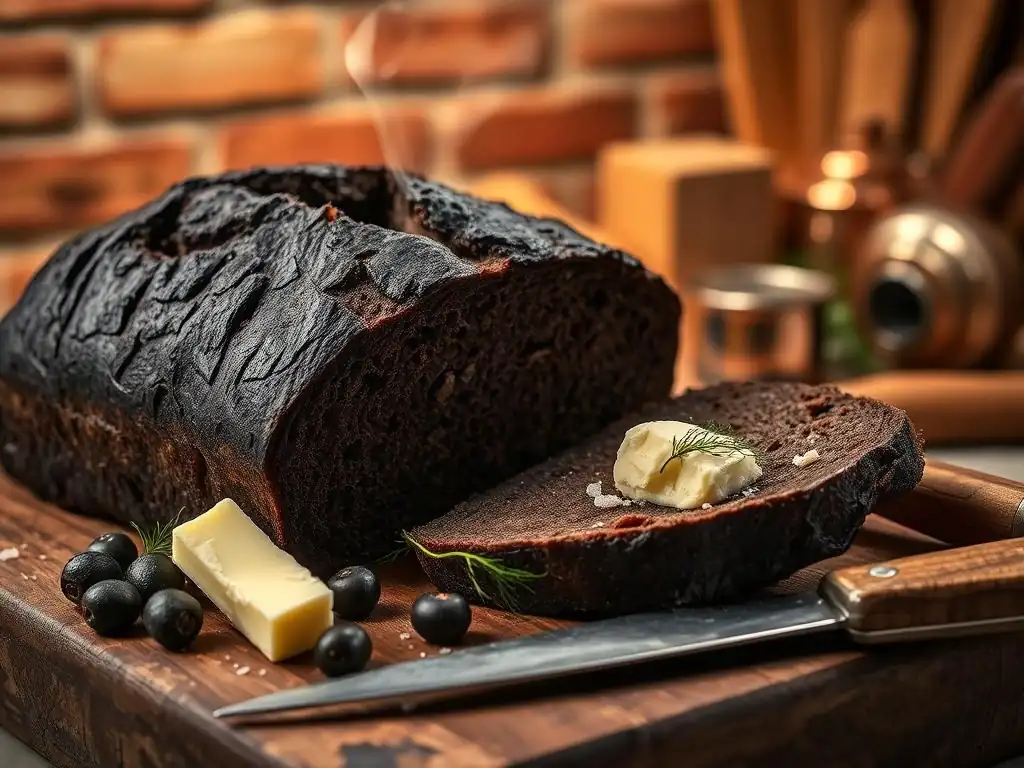
Ever dreamt of crafting that dense, deeply flavorful loaf you find in German bakeries? Well, prepare to be amazed! Unlock the secrets to authentic, homemade German Pumpernickel bread with our step-by-step guide. Discover the unique ingredients and patient process that transforms simple rye into a culinary masterpiece. Intrigued? Your journey to baking perfect pumpernickel starts here...
- Exploring the World of German Pumpernickel
- Introduction to Authentic German Pumpernickel Bread
- Decoding the German Pumpernickel Bread Recipe
- Understanding the Unique Characteristics of Pumpernickel
- Serving and Enjoying Authentic Pumpernickel
- Troubleshooting Your Pumpernickel Baking
- The Allure of Baking German Pumpernickel at Home
- Conclusion: Savoring the Richness of German Pumpernickel
- Frequently Asked Questions
- Final Reflection: The Enduring Allure of Pumpernickel
- Unleash Your Inner Baker: Craft the Perfect Pumpernickel!
Exploring the World of German Pumpernickel
Introduction to Authentic German Pumpernickel Bread
What is Pumpernickel? Unveiling the Dark Rye Bread
Pumpernickel is a traditional German bread known for its distinctive dark color, dense texture, and slightly sweet, earthy flavor. Unlike many common breads made primarily with wheat flour, authentic pumpernickel relies almost exclusively on whole rye grain, often in the form of cracked rye berries or coarse rye meal. This reliance on whole rye, combined with a unique long and slow baking process, differentiates it significantly from other rye breads. The name "Pumpernickel" itself has various folk etymologies, but its culinary identity is firmly rooted in Westphalia, Germany, where the most traditional versions originate.
The key characteristics of pumpernickel come directly from its ingredients and preparation. The high proportion of rye, particularly whole or cracked rye, contributes to its density and dark hue. Rye grain contains less gluten-forming protein than wheat, resulting in a bread that doesn't rise as much and has a tighter crumb structure. The deep color isn't usually from molasses or coloring agents in traditional recipes, but rather from the Maillard reaction and caramelization of sugars during the exceptionally long, low-temperature baking or steaming process, sometimes lasting over 16 hours.
The History and Regional Variations of Pumpernickel
The history of pumpernickel is deeply intertwined with the agricultural practices and culinary traditions of Westphalia, a region in northwestern Germany. Historically, rye was a staple grain in this area due to its ability to grow in less fertile soils and harsher climates than wheat. The long, slow baking method likely evolved out of necessity, perhaps utilizing residual heat in ovens after other baking was done, or adapting to ovens designed for slow cooking. Early versions were often baked in sealed containers or steamed, a technique still central to many traditional German pumpernickel bread recipes.
While the Westphalian style is the archetypal pumpernickel, variations exist. Some recipes might incorporate a small amount of wheat flour or use a mix of rye flours of different grinds. Outside of Germany, particularly in North America, breads labeled "pumpernickel" often differ significantly, frequently containing wheat flour, caramel coloring, and leavened with yeast or baking soda for a quicker rise and lighter texture. These versions, while popular, are distinct from the dense, deeply flavored, and naturally dark Westphalian authentic German pumpernickel bread recipe. Understanding these variations is key to appreciating the true character of the traditional bread.
Decoding the German Pumpernickel Bread Recipe
Key Ingredients for Traditional Pumpernickel
Whole Rye Berries: The Foundation of Pumpernickel
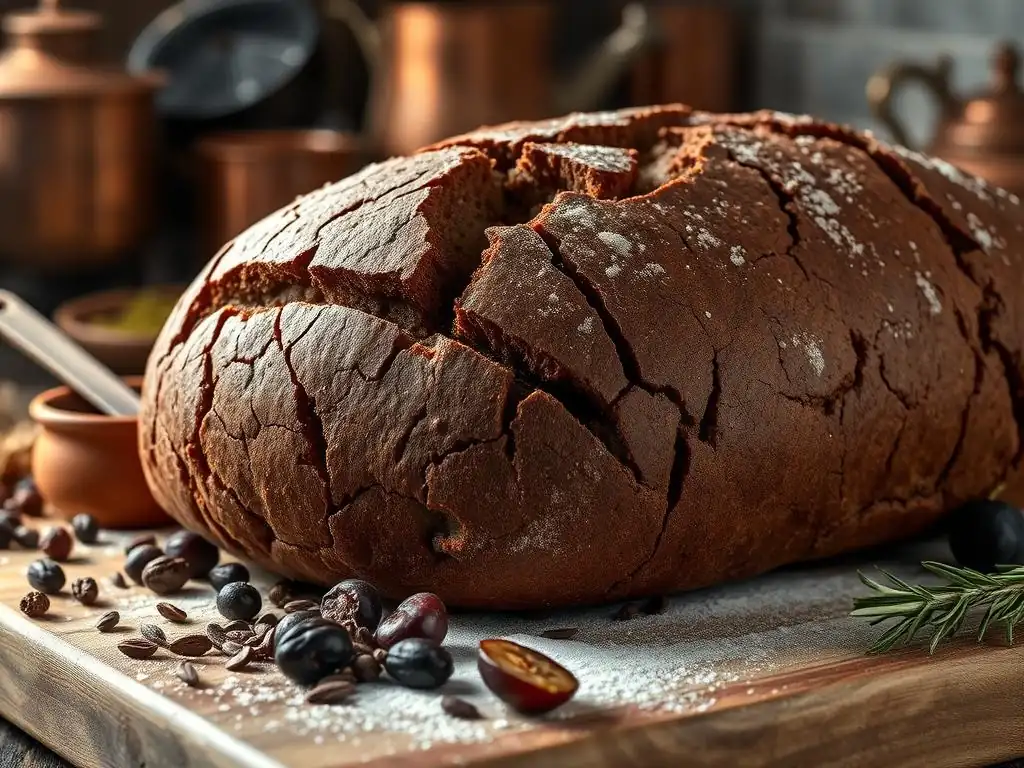
Whole rye berries are absolutely fundamental to an authentic German pumpernickel bread recipe. Unlike rye flour, which is ground grain, rye berries are the intact, whole kernels. When used in pumpernickel, they are typically cracked or coarsely ground, but they retain much of their structure. This provides the characteristic chewy texture and contributes significantly to the bread's density and complex flavor profile. The process often involves soaking or pre-cooking these berries to soften them before they are incorporated into the dough.
The high fiber content within the whole rye berries plays a crucial role not just nutritionally, but also in the bread's structure and moisture retention. Rye contains pentosans, complex carbohydrates that absorb large amounts of water. This high water absorption is essential for creating the dense, moist crumb that defines pumpernickel. Using 100% whole rye, often a mix of cracked berries and coarse flour, is the hallmark of a truly traditional German pumpernickel bread recipe, setting it apart from lighter rye breads that use refined flours.
The Importance of Fermentation in Pumpernickel
Fermentation is a critical step in the German pumpernickel bread recipe, contributing significantly to both flavor and texture. While yeast can be used, traditional pumpernickel often relies heavily on sourdough fermentation. A rye sourdough starter, rich in lactobacilli and wild yeasts, is preferred because rye flour supports a robust lactic acid fermentation, which is key to developing the characteristic tangy notes and improving the bread's structure and keeping qualities. This fermentation process breaks down complex starches and proteins, making the nutrients more available and contributing to the bread's digestibility.
The fermentation time for pumpernickel dough is often extended, sometimes lasting several hours or even overnight, depending on the specific recipe and temperature. This slow fermentation allows ample time for the development of complex flavors. The acids produced by the sourdough starter also help to manage the high enzymatic activity in rye flour, which can otherwise degrade the dough structure. A well-fermented dough is essential for achieving the desired balance of density, moisture, and the subtle tang that complements the sweetness developed during the long bake.
Water: Hydration's Critical Role
Water is far more than just a mixing agent in a German pumpernickel bread recipe; it's a critical component influencing the bread's structure and texture due to rye's unique properties. Rye flour and cracked rye berries absorb significantly more water than wheat flour, and they retain this moisture exceptionally well.
This high hydration is necessary to create a workable dough from the dense, sticky rye and is fundamental to achieving the characteristic moist, almost cake-like crumb of finished pumpernickel. The hydration level in pumpernickel dough can be surprisingly high compared to wheat breads, often exceeding 80% or even 100% relative to the flour weight.
The quality and temperature of the water can also subtly impact the fermentation process and the final dough consistency. Warm water is typically used to activate yeast or sourdough starters and to help the rye absorb moisture initially. The interaction between water, rye's pentosans, and the long baking process results in a bread that remains moist and fresh for an extended period, a key advantage of authentic German pumpernickel. Getting the hydration level just right is a crucial skill when mastering a German pumpernickel bread recipe.
Mastering the Pumpernickel Baking Process: A Step-by-Step Guide
Preparing the Rye Berry Mash
The initial preparation of the rye berries is a defining feature of a traditional German pumpernickel bread recipe. Often, whole or cracked rye berries are soaked, boiled, or scalded with hot water or even spent beer mash (in traditional settings). This process, sometimes called "mashing" or "scalding," softens the hard rye kernels and begins the enzymatic breakdown of starches.
For example, a common method involves pouring boiling water over the cracked rye and letting it steep for several hours or overnight. This pre-gelatinizes the starches, making them more accessible to fermentation and contributing to the bread's eventual moisture and sweetness.
The ratio of water to rye berries in this mash is important; too little water and the berries won't soften adequately, too much and the final dough might be too wet. The temperature of the water also affects the enzyme activity; temperatures around 60-70°C (140-158°F) are particularly effective at activating amylase enzymes in the rye, which convert starches into sugars. These sugars are then consumed by the sourdough starter and also contribute to the caramelization and dark color during the long bake, making this mash step integral to the unique qualities of the German pumpernickel bread recipe.
Mixing the Pumpernickel Dough: Achieving the Right Consistency
Mixing the dough for a German pumpernickel bread recipe is different from kneading wheat dough because rye forms little gluten. The goal isn't to develop elasticity but rather to create a uniform mixture where the soaked rye berries, rye flour (often coarse), sourdough starter, salt, and any other ingredients are evenly distributed. The dough will be quite sticky and dense, more like a very thick paste than a typical bread dough. Overmixing is not a concern in the way it is with wheat dough; the focus is simply on incorporation.
The consistency should be firm enough to hold its shape loosely but wet enough to ensure a moist crumb after the exceptionally long baking time. It should not be pourable, but neither should it be stiff and dry. Bakers often use wet hands or a scraper to handle the dough, as it will stick readily. Achieving the right consistency is crucial for the subsequent shaping and baking steps and is a key indicator of success when following a German pumpernickel bread recipe.
The Steaming Process: Essential for Flavor and Texture
Authentic German pumpernickel bread is not typically baked in the conventional sense with dry heat; it is steamed or baked in sealed containers at low temperatures. This steaming environment is absolutely essential for achieving the characteristic moist, dense, and almost cake-like texture.
Baking the dough in a sealed loaf pan with a lid, or placing it in a steam-filled oven, prevents a hard crust from forming prematurely and allows the internal temperature to rise slowly and evenly. This gentle, moist heat facilitates the continued breakdown of starches and the deep caramelization of sugars within the rye, contributing significantly to the dark color and sweet flavor profile without burning the exterior.
The steaming process can last for many hours, often 6 to 12 hours or even longer, depending on the size of the loaf and the oven setup. Maintaining a consistent low temperature (typically between 100°C and 120°C or 212°F and 250°F) is key. This slow, moist heat environment is what transforms the sticky rye dough into the dense, dark, and intensely flavored pumpernickel we know. Mastering this steaming step is arguably the most unique and critical part of the traditional German pumpernickel bread recipe.
The Extended Baking Time: Why Pumpernickel Takes So Long
The extraordinarily long baking time is a defining characteristic of a traditional German pumpernickel bread recipe. Unlike a standard loaf of wheat bread that might bake in 30-60 minutes, pumpernickel can spend anywhere from 8 to 24 hours in the oven.
This extended period at low temperatures (typically 100-120°C / 212-250°F) is not about cooking the bread quickly, but about facilitating complex chemical reactions that develop its unique color, flavor, and texture. The Maillard reaction and caramelization occur slowly over these many hours, transforming the sugars present in the rye into the deep brown hues and contributing sweet, complex notes that are absent in faster-baked breads.
This low and slow process also ensures that the dense interior cooks through evenly without the exterior drying out or burning, especially when baked in a sealed environment like a Pullman pan with a lid. The high moisture content is retained, resulting in the moist, dense crumb. The enzymes continue to work, breaking down starches. Essentially, the bread is more "cooked" or "processed" by time and gentle heat than by high temperature, which is why the long bake is non-negotiable for achieving authentic pumpernickel results in a German pumpernickel bread recipe.
Variations on the Classic German Pumpernickel Recipe
Using Different Types of Rye
While traditional German pumpernickel bread recipes often specify coarse rye meal and cracked rye berries, variations can arise from using different grinds of rye flour or types of rye products. Some recipes might incorporate a small percentage of fine rye flour alongside the coarse meal for a slightly different texture.
Others might use pre-cooked rye chops or flakes as part of the mash. While a purist's German pumpernickel bread recipe uses only rye, some variations might include a small amount of wheat flour (like whole wheat or spelt) to aid in handling or provide a slightly less dense crumb, though this deviates from the most traditional Westphalian style.
Experimenting with different rye forms can yield interesting results. Using only coarse rye meal might produce a slightly smoother crumb than using a high proportion of cracked berries, which add distinct chewy bits. The key is understanding how each type of rye absorbs water and behaves during the long fermentation and baking process. Regardless of the specific rye used, maintaining a very high percentage of whole or coarse rye is essential for the bread to retain its pumpernickel identity.
Adjusting the Fermentation Time
The fermentation time is a variable that can be adjusted in a German pumpernickel bread recipe, influencing the final flavor profile. Longer fermentation times, particularly with a sourdough starter, will result in a more pronounced tangy flavor and a more complex aroma due to the increased production of organic acids and other metabolic byproducts. A typical fermentation for pumpernickel might range from 8 to 24 hours, often including a bulk fermentation and sometimes a shorter proofing period in the pan before baking.
Shorter fermentation times, while still necessary for leavening (if yeast is used) and initial flavor development, will yield a milder-flavored bread. However, excessively short fermentation can lead to a gummy texture or a lack of depth. The optimal fermentation time depends on the activity of the starter or yeast, the ambient temperature, and the desired flavor intensity. Bakers following a German pumpernickel bread recipe can experiment with fermentation length to fine-tune the bread's characteristic tang and aroma.
Understanding the Unique Characteristics of Pumpernickel
The Dense Texture and Dark Color Explained
The defining dense texture of German pumpernickel bread is primarily due to the high proportion of rye and the absence of significant gluten development. Rye flour contains proteins that are similar to gluten but do not form the same strong, elastic network as wheat gluten. Combined with the large amount of non-starch polysaccharides like pentosans that bind water but don't create structure, the result is a dough that doesn't trap gases effectively and a baked bread with a tight, compact crumb. The use of whole or cracked rye berries further contributes to this density and adds chewiness.
The deep, dark color is a result of the prolonged, low-temperature baking or steaming process. Over many hours at temperatures typically between 100-120°C (212-250°F), complex chemical reactions occur. The Maillard reaction, which browns proteins and sugars, and caramelization, which browns sugars, are accelerated over this extended period. These reactions transform naturally occurring sugars in the rye (some of which are created during the mash and fermentation steps) into the compounds responsible for the bread's signature dark brown to almost black hue, all without the need for added coloring agents in a traditional German pumpernickel bread recipe.
The Sweet and Earthy Flavor Profile of Pumpernickel
The flavor of authentic German pumpernickel bread is a complex interplay of sweetness, earthiness, and a subtle tang. The sweetness develops during the long, low-temperature bake as starches are broken down into sugars (partially by enzymes active in the rye) and these sugars caramelize. This slow caramelization process imparts deep, rich, almost malty notes. The earthy flavor comes directly from the rye grain itself, which has a more pronounced, rustic taste compared to wheat.
The subtle tang is typically contributed by the sourdough fermentation, where lactic and acetic acids are produced by bacteria in the starter. This acidity balances the sweetness and earthiness, adding complexity and depth to the flavor profile. Unlike some rye breads with a sharp sourness, the tang in traditional pumpernickel is usually mild, complementing the other flavors rather than dominating them. This unique combination of sweetness, earthiness, and gentle acidity makes a properly baked German pumpernickel bread recipe truly distinct.
Nutritional Benefits of German Pumpernickel Bread
German pumpernickel bread is renowned not just for its flavor and texture but also for its significant nutritional benefits, largely due to its high whole rye content. Rye is an excellent source of dietary fiber, particularly soluble fiber, which can help regulate blood sugar levels, lower cholesterol, and promote digestive health. A typical slice of pumpernickel can contain around 2-3 grams of fiber, contributing significantly to daily recommended intake. This high fiber content also contributes to its low glycemic index (GI), meaning it releases carbohydrates slowly, providing sustained energy and helping to feel full longer.
Beyond fiber, pumpernickel is a good source of various vitamins and minerals. It provides B vitamins, such as thiamine, riboflavin, niacin, and folate, which are important for energy metabolism. It also contains minerals like iron, magnesium, phosphorus, zinc, and selenium. The sourdough fermentation process used in many German pumpernickel bread recipes can also enhance the bioavailability of these nutrients by breaking down phytic acid, an antinutrient found in grains that can inhibit mineral absorption. Choosing a traditional German pumpernickel bread recipe offers a nutrient-dense addition to a balanced diet.
Serving and Enjoying Authentic Pumpernickel
Pairing Suggestions: What to Eat with Pumpernickel
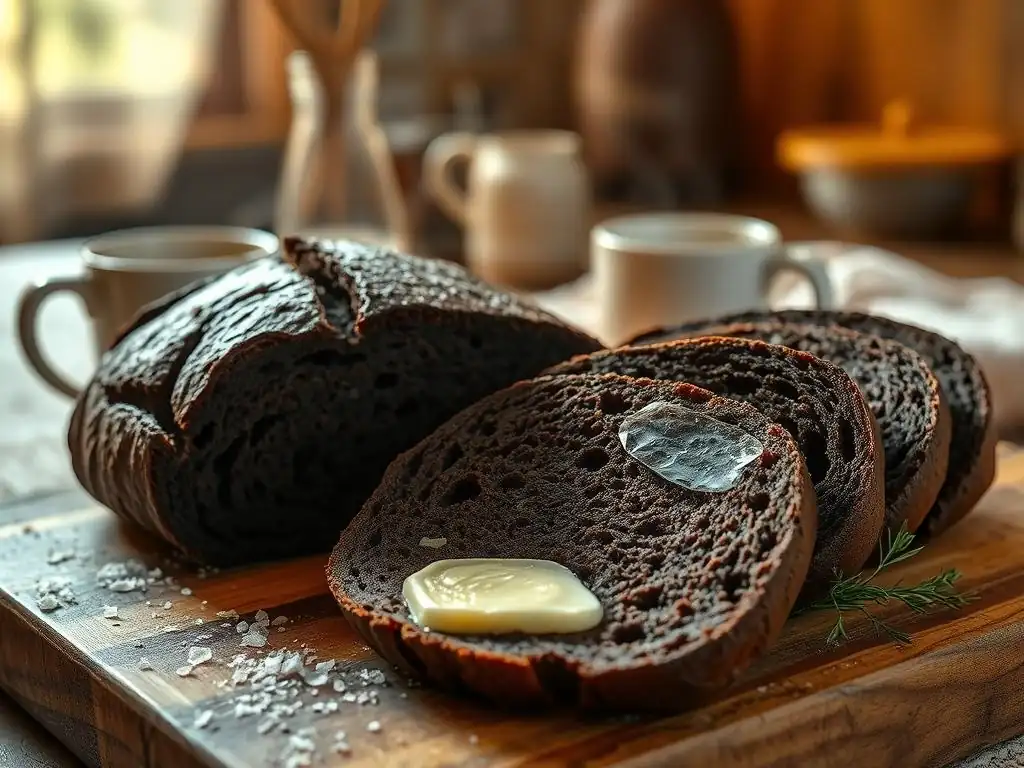
The dense texture and rich, complex flavor of German pumpernickel bread make it an excellent base for a variety of toppings and pairings. Traditionally, it is often served thinly sliced. Its robust character stands up well to strong flavors. Common pairings include savory items like smoked fish (such as salmon or herring), cured meats, strong cheeses (like aged Gouda or sharp cheddar), and pickles or sauerkraut. These combinations are popular in German and Scandinavian culinary traditions.
Pumpernickel also pairs surprisingly well with sweet accompaniments, particularly those that complement its earthy sweetness. Cream cheese, butter, or even fruit preserves can be spread on thin slices. In some regions, it's served with sweet dishes or desserts. The key is to slice it thinly to manage its density and allow the toppings to shine while the bread provides a sturdy, flavorful foundation. Exploring different pairings is part of the joy of experiencing a German pumpernickel bread recipe.
Storing Pumpernickel Bread to Maintain Freshness
Due to its high moisture content and dense structure, German pumpernickel bread has excellent keeping qualities, often staying fresh for much longer than typical wheat breads. To maintain its freshness, the best method is to store it wrapped tightly. Once opened, wrap the loaf or slices in beeswax wrap, plastic wrap, or place them in a sealed bread bin or bag. This prevents moisture loss and keeps the bread from drying out. Stored properly at room temperature, a loaf can remain fresh for a week or even two.
For longer storage, pumpernickel freezes exceptionally well. Slice the loaf before freezing, then wrap the slices tightly in plastic wrap or place them in a freezer bag or container. Frozen pumpernickel can last for several months. To thaw, simply take out the desired number of slices; they will thaw quickly at room temperature or can be gently toasted directly from frozen. Proper storage ensures you can enjoy the fruits of your German pumpernickel bread recipe efforts for an extended period.
Troubleshooting Your Pumpernickel Baking
Common Mistakes to Avoid When Baking Pumpernickel
Baking a traditional German pumpernickel bread recipe can be a rewarding challenge, but there are a few common pitfalls to watch out for. One frequent mistake is not soaking or scalding the rye berries properly, resulting in hard, unpleasantly chewy pieces in the final loaf. Another is insufficient fermentation, which can lead to a gummy texture and underdeveloped flavor; rye needs time for enzymes and fermentation to work. Using too high a baking temperature or not providing enough steam is also detrimental, leading to a dry, hard crust and potentially a less moist interior, missing the characteristic texture.
Underbaking is another significant issue; given the very long bake times, it's easy to assume the bread is done before it truly is. The internal temperature needs sufficient time at a low heat for the necessary chemical reactions to complete. Lastly, impatience is a mistake! Pumpernickel truly benefits from resting for at least 24 hours after baking, allowing the moisture and flavors to equalize throughout the loaf. Rushing this resting period can result in a less cohesive texture and less pronounced flavor. Avoiding these mistakes will significantly improve your German pumpernickel bread recipe results.
Achieving the Perfect Dark Color and Dense Texture
Achieving the signature dark color and dense texture of authentic German pumpernickel bread hinges on adhering to the specific techniques outlined in the German pumpernickel bread recipe, particularly the long, low-temperature baking/steaming process. For the dark color, ensure the oven temperature is consistently low (around 100-120°C or 212-250°F) and the baking time is sufficiently long, often 8-24 hours. Baking in a sealed container like a lidded Pullman pan is crucial as it traps steam and facilitates the deep caramelization and Maillard reactions without burning. Don't rely on added colorants; the color should develop naturally over time.
For the dense texture, use a high proportion of whole rye, typically including cracked rye berries or coarse rye meal, as specified in the German pumpernickel bread recipe. Ensure the rye berries are properly soaked or scalded before mixing the dough. Use sufficient hydration – the dough should be very wet and sticky.
Rely on a long fermentation (especially sourdough) to develop flavor and manage rye's properties, but don't expect significant rise; density is the goal. Finally, the long, slow steaming/baking ensures the interior cooks through evenly while retaining moisture, resulting in the characteristic dense, moist crumb. Patience and attention to these steps are key.
The Allure of Baking German Pumpernickel at Home
Why Bake Your Own Pumpernickel?
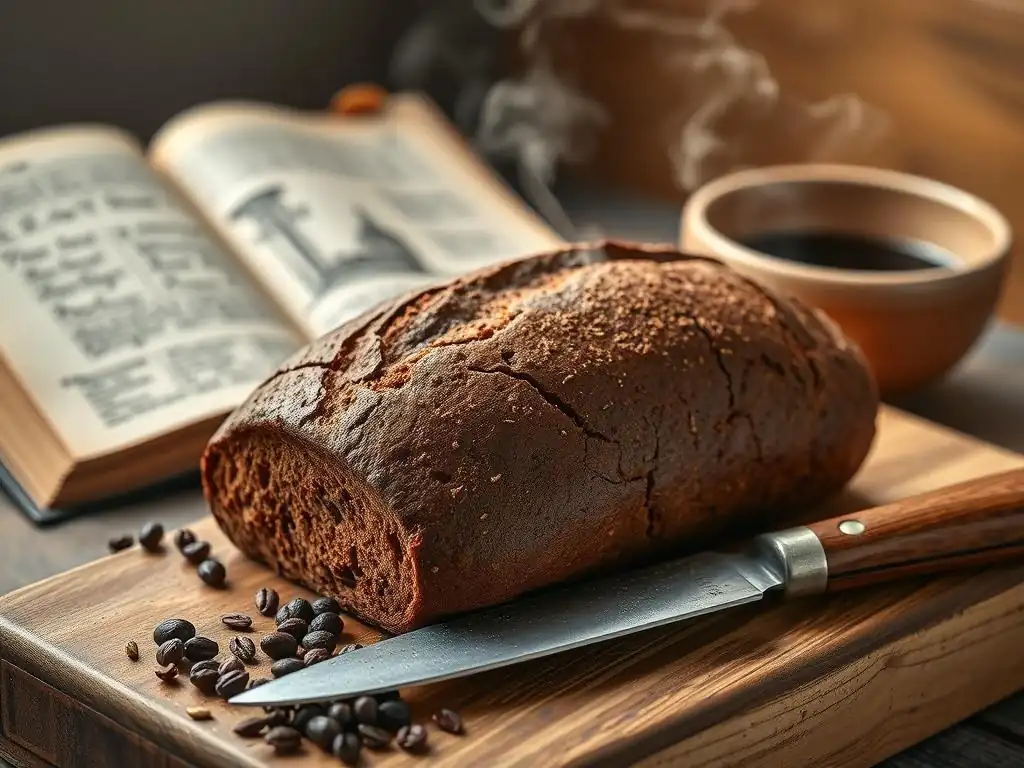
Baking your own German pumpernickel bread recipe at home offers a deeply rewarding experience and results in a loaf far superior to most commercially available versions outside of Germany. The process itself, though lengthy, is relatively hands-off once the dough is prepared and in the oven, making it suitable for weekend projects. There's a unique satisfaction in transforming simple rye grain into such a complex and substantial bread.
Furthermore, baking at home allows you to control the quality of ingredients, ensuring you use authentic whole rye and a natural sourdough starter if desired. You can avoid additives, colorings, or excessive amounts of wheat flour often found in non-traditional versions. The aroma that fills your kitchen during the long, slow bake is incredibly comforting, and the taste of a freshly baked, authentic loaf is unparalleled. Mastering a German pumpernickel bread recipe is a journey into traditional baking that yields a truly special result.
Resources for Finding Quality Pumpernickel Ingredients
Finding the right ingredients is crucial for success with a German pumpernickel bread recipe. The most important component is high-quality rye. Look for whole rye berries and coarse rye meal (sometimes labeled "pumpernickel flour" or "rye chops"). These can often be found at health food stores, specialty grain shops, or online retailers that focus on baking supplies or organic grains. Ensure the rye is fresh and preferably organic.
For the sourdough starter, you can cultivate your own rye starter or obtain one from another baker or an online source. High-quality salt is also important; non-iodized sea salt or kosher salt is generally preferred in baking. While direct links are not included here, searching online for "organic rye berries," "coarse rye meal," "rye sourdough starter," and "baking salt" will connect you with suppliers who can provide the quality ingredients needed for an authentic German pumpernickel bread recipe.
Conclusion: Savoring the Richness of German Pumpernickel
Embrace the Tradition: Your Pumpernickel Baking Journey Begins
Embarking on the journey of baking an authentic German pumpernickel bread recipe is an invitation to connect with a rich tradition of European bread making. It requires patience and attention to detail, particularly regarding ingredient selection, hydration, fermentation, and the unique long, low-temperature baking process. The result, however, is well worth the effort: a loaf of dense, moist, intensely flavored bread with a deep, natural color and exceptional keeping qualities.
This isn't a quick bread; it's a project that teaches the value of time and slow transformation. By following a traditional German pumpernickel bread recipe, you create something far removed from mass-produced loaves, a bread that is both deeply satisfying to bake and incredibly rewarding to eat. So gather your rye, prepare your starter, and embrace the slow magic of pumpernickel. Your kitchen is about to become a portal to Westphalia.
Frequently Asked Questions
What exactly is German Pumpernickel bread?
Pumpernickel is a dark, dense, and slightly sweet German bread traditionally made with coarsely ground whole rye berries. It's known for its long baking time and unique flavor.
What makes Pumpernickel bread so dark in color?
The dark color comes from the Maillard reaction, a chemical reaction between amino acids and reducing sugars that occurs during the long baking process. Some recipes also use molasses or coffee to enhance the color.
Is Pumpernickel bread difficult to make at home?
While it requires patience due to the extended baking time, a simplified recipe is achievable. BakeWithEase offers a step-by-step guide to making Pumpernickel with easy-to-find ingredients.
What ingredients are essential for a good German Pumpernickel recipe?
Key ingredients include coarsely ground rye flour or berries, a starter or yeast, and often, a sweetener like molasses. The quality of the rye significantly affects the final taste and texture.
What are some serving suggestions for German Pumpernickel bread?
Pumpernickel pairs well with savory toppings like smoked salmon, cream cheese, or hearty cheeses. It can also be enjoyed toasted with butter or used to make delicious open-faced sandwiches.
Final Reflection: The Enduring Allure of Pumpernickel
The deep, earthy flavors of German pumpernickel bread are more than just a culinary experience; they are a testament to the enduring power of tradition and the simple beauty of well-crafted food. This exploration into the crusty world of pumpernickel has revealed not only the intricacies of its recipe but also its rich history and cultural significance within German cuisine. From the meticulous process of long fermentation to the unique rye flour that gives it its distinctive character, pumpernickel represents a connection to the past that continues to resonate today.
The journey of discovering pumpernickel's complexities has been a personal one, deepening my appreciation for the artistry involved in baking and the importance of understanding the origins of our food. Bread is the staff of life,
a simple phrase, yet it encapsulates the profound role bread plays in our cultures and histories. Pumpernickel, with its dark, dense crumb and subtly sweet notes, is a perfect embodiment of this truth. Its enduring popularity speaks volumes about our innate desire for wholesome, flavorful food that connects us to something larger than ourselves.
Now, armed with a deeper understanding of this remarkable bread, I invite you to embark on your own pumpernickel journey. Don't just follow a recipe; experience it. Savor the aroma as it bakes, feel the satisfying weight of the loaf in your hands, and appreciate the rich history and craftsmanship woven into each slice. The reward? Not just a delicious meal, but a deeper connection to the culinary traditions that shape our world and a newfound appreciation for the simple pleasures life offers.
Unleash Your Inner Baker: Craft the Perfect Pumpernickel!
Thanks for diving deep into the delicious world of German pumpernickel with us! We hope you've gained a newfound appreciation for this hearty bread. Ready to put your newfound knowledge to the test?
- Bake your own pumpernickel: This is your chance to create the perfect loaf, following the techniques we've outlined. Experiment with different ingredients and share your results!
- Try a pumpernickel variation: Explore different recipes – perhaps a sweet pumpernickel or a savory variation with added seeds or nuts. The possibilities are endless!
- Share your baking journey: Post a picture of your creation on social media and tag #BakeWithEasePumpernickel – let's inspire other bakers!
So, what unique twist will you add to your next pumpernickel loaf? Let's hear your ideas in the comments below!