
Explore the Spices and Seeds of Scandinavian Breads

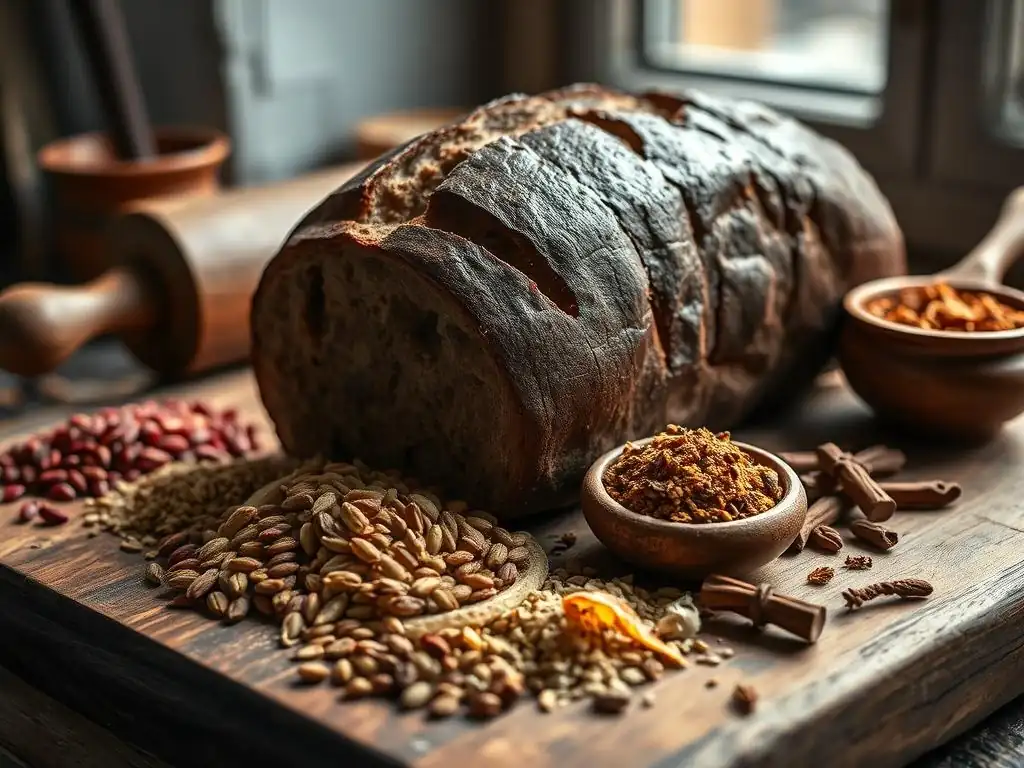
Welcome to BakeWithEase, your trusted guide to unlocking the secrets of the oven! Are you ready to infuse your baking with the intriguing flavors of the Nordic region? This week, we're diving deep into the aromatic world of the Scandinavian bread spice blend. But what makes this unique combination so special, and how can it elevate your homemade loaves from simple to sublime? Discover the answers and a whole lot more as you explore the spices and seeds that define the distinctive character of Scandinavian breads. Get ready to bake with ease – and a whole lot of flavor!
- BakeWithEase: Exploring the Spices and Seeds of Scandinavian Breads
- Understanding Scandinavian Bread Baking Traditions
-
Deconstructing the Scandinavian Bread Spice Blend: Key Ingredients
- Caraway Seeds: A Staple in Scandinavian Rye Bread
- Cardamom: Adding Warmth and Aroma to Sweet Breads
- Anise Seeds: A Subtle Licorice Note in Traditional Breads
- Fennel Seeds: Enhancing the Flavor Profile of Dark Breads
- Coriander Seeds: A Zesty Addition to Scandinavian Breads
- Other Common Spices: Ginger, Cloves, and Orange Zest
- Beyond Spices: Seeds in Scandinavian Bread Recipes
- Crafting Your Own Scandinavian Bread Spice Blend
- Scandinavian Bread Recipes Featuring Spice Blends
- Where to Buy Pre-Made Scandinavian Bread Spice Blends
- Tips for Baking with Scandinavian Bread Spices and Seeds
- The Health Benefits of Scandinavian Bread Spices and Seeds
- Conclusion: Embrace the Flavors of Scandinavian Baking
-
Frequently Asked Questions
- What exactly is a Scandinavian bread spice blend?
- Where can I find Scandinavian bread spice blend ingredients?
- What are some common spices included in a Scandinavian bread spice blend?
- Can I make my own Scandinavian bread spice blend at home?
- How do I use a Scandinavian bread spice blend in my baking?
- Final Reflection: The Enduring Allure of Scandinavian Breads
- Unleash Your Inner Scandinavian Baker!
Welcome to BakeWithEase, where we delve into the delightful world of baking. Today, we embark on a flavorful journey to the Nordic region, exploring the distinct spices and seeds that define Scandinavian breads. Unlike the often-sweetened breads found elsewhere, traditional Scandinavian loaves frequently feature robust, earthy flavors derived from a unique combination of spices and a generous use of seeds. Understanding these core ingredients is key to mastering the art of Scandinavian baking, whether you're aiming for a dense rye or a lighter spiced loaf. The magic often lies within the specific Scandinavian bread spice blend used.
This exploration will guide you through the history, key components, and practical application of these aromatic additions. We'll uncover how simple ingredients like caraway, cardamom, and various seeds transform basic dough into complex, satisfying breads that are staples in countries like Sweden, Norway, Denmark, and Finland. Prepare to discover the secrets behind the unique taste of a true Scandinavian loaf, and perhaps even craft your own signature Scandinavian bread spice blend at home.
Scandinavian bread making is deeply rooted in the region's history and agricultural landscape. Historically, rye was a more resilient grain than wheat in the challenging Nordic climate, leading to a prevalence of dark, dense rye breads. These breads were often leavened with sourdough and designed for longevity, serving as a staple food throughout long winters. The inclusion of spices and seeds wasn't just for flavor; some were believed to aid digestion, while others provided essential nutrients. This tradition of using specific flavorings has evolved over centuries, resulting in the distinct profiles we recognize today.
The approach to bread in Scandinavia often emphasizes texture and flavor derived from the grain itself and the carefully selected additions. While sweet pastries exist, everyday bread tends towards the savory or subtly spiced. The Scandinavian bread spice blend is not a single, rigid formula but rather a flexible concept, varying significantly from region to region and even family to family. This adaptability is part of its charm, allowing for a wide range of flavor experiences within the broader category of Scandinavian bread.
Across Scandinavia, the preferred spices and their prominence shift, reflecting local palates and historical availability. For instance, in Sweden and Denmark, caraway is a dominant flavor, particularly in dark rye breads like Rugbrød. A typical Danish Rugbrød might feature a significant amount of cracked rye, sourdough, and a pronounced caraway note, sometimes combined with fennel or anise. This creates a robust, slightly tangy bread perfect for open-faced sandwiches.
In contrast, Finnish and Norwegian baking often leans more heavily on cardamom, especially in slightly sweeter, enriched doughs like the Finnish Pulla or Norwegian Julekake (Christmas bread). While still considered "bread," these often contain sugar, eggs, and butter, closer to a brioche, and the warm, aromatic presence of cardamom is central. This highlights how the Scandinavian bread spice blend adapts to the type of bread being made, shifting from savory and earthy to warm and aromatic depending on the regional style.
Spices have played a vital role in Scandinavian baking for centuries, far beyond simple flavoring. Historically, imported spices like caraway and cardamom were valuable commodities, indicating a certain status when used generously. They also served practical purposes, such as masking the sometimes-bitter notes of whole grain rye or extending the perceived freshness of bread. The warming properties of spices like ginger and cloves were particularly appreciated in the cold northern climate.
The specific combination of spices often defines a bread's identity and connects it to cultural traditions. For example, the distinct aroma of cardamom is instantly recognizable in many Scandinavian festive breads, evoking feelings of warmth and celebration. The earthy, slightly peppery bite of caraway is synonymous with the daily rye loaves that form the backbone of many Scandinavian diets. Thus, the Scandinavian bread spice blend is not just an ingredient list; it's a repository of cultural history and culinary identity.
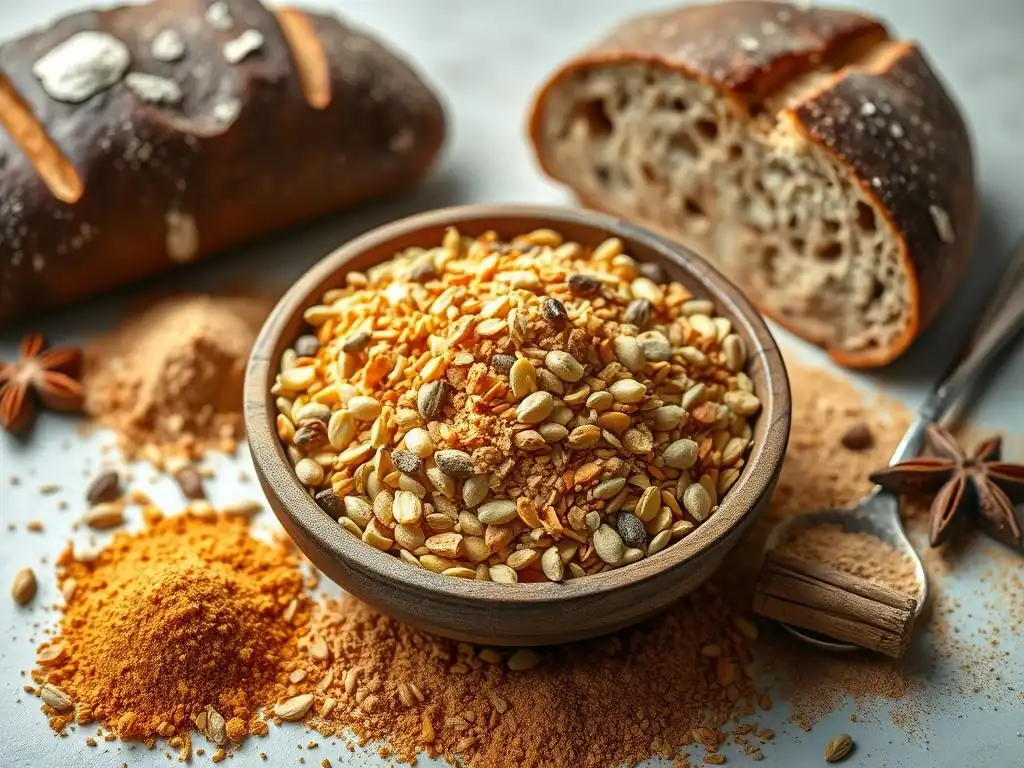
At the heart of many traditional Scandinavian loaves lies a unique mix of spices. While the exact components of a Scandinavian bread spice blend can vary, several key players consistently appear, each contributing a distinct note to the final flavor profile. Understanding these individual spices is crucial for appreciating the complexity of Scandinavian bread.
These spices are often used in their whole or lightly crushed form, releasing their aromatic oils during the baking process. The way they interact with the grains, especially sourdough rye, creates a depth of flavor that is both comforting and intriguing. Let's explore some of the most common and impactful spices found in these blends.
Caraway seeds (often mistakenly called cumin in some regions) are arguably the most iconic spice in Scandinavian rye bread, particularly in Denmark and Sweden. They possess a distinctive, slightly peppery, and subtly anise-like flavor. When baked, caraway seeds release volatile oils that infuse the dense crumb of rye bread, providing a counterpoint to the grain's natural tanginess and earthiness.
A typical recipe for Danish Rugbrød might call for 1 to 2 tablespoons of whole caraway seeds per loaf, sometimes more, demonstrating their central role. The seeds provide not only flavor but also small bursts of texture throughout the bread. Their robust profile holds up well against the strong flavors of sourdough and dark rye flour, making them an indispensable part of many Scandinavian bread spice blends.
Cardamom: Adding Warmth and Aroma to Sweet Breads
Cardamom, specifically green cardamom, is a beloved spice throughout Scandinavia, particularly prominent in sweeter or enriched doughs like Finnish Pulla or Swedish Kardemummabulle (cardamom buns). Its flavor is warm, slightly floral, and intensely aromatic, with hints of citrus and eucalyptus. While Pulla is often considered a sweet bread or pastry, it's firmly rooted in the bread-making tradition and heavily relies on cardamom.
Using freshly ground cardamom pods is highly recommended for the most vibrant flavor. A standard Pulla recipe for a large loaf might use 1-2 teaspoons of ground cardamom, or the seeds from 10-15 pods. This spice imparts a comforting, inviting aroma that fills the kitchen as the bread bakes, making it a signature element of many Scandinavian baked goods that incorporate a sweeter version of a Scandinavian bread spice blend.
Anise Seeds: A Subtle Licorice Note in Traditional Breads
Anise seeds offer a distinct licorice-like flavor, similar to fennel but often sweeter and more pungent. They are used in Scandinavian baking, though perhaps less universally than caraway or cardamom. Anise is sometimes included in rye breads, often alongside caraway, to add another layer of aromatic complexity.
In some traditional Swedish rye breads, a small amount of anise might be added to the Scandinavian bread spice blend to provide a subtle background note. While a recipe might only call for ½ to 1 teaspoon of anise seeds for a large loaf, their powerful flavor is noticeable. They contribute to the warm, complex profile characteristic of many Nordic dark breads.
Fennel Seeds: Enhancing the Flavor Profile of Dark Breads
Fennel seeds share some flavor characteristics with anise, offering a milder, slightly sweet licorice taste. They are frequently used in Scandinavian rye breads, often in combination with caraway. Fennel seeds contribute to the overall aromatic complexity of dark, dense loaves.
Using fennel seeds in a Scandinavian bread spice blend for rye bread can help balance the earthiness of the flour. A typical inclusion might be 1 teaspoon of fennel seeds per loaf, often lightly crushed to release their oils. They pair exceptionally well with caraway, creating a classic flavor pairing found in many traditional Nordic rye recipes.
Coriander seeds, the dried fruit of the cilantro plant, provide a citrusy, slightly peppery flavor with earthy undertones. While perhaps less common than caraway or cardamom, they are included in some Scandinavian bread recipes, particularly those with a mix of grains. Coriander adds a bright, zesty note that can lift the flavor profile of heavier breads.
A small amount of crushed coriander seeds – perhaps ½ to 1 teaspoon per loaf – can be added to a Scandinavian bread spice blend to introduce a subtle citrusy brightness. They work well in multi-seed or multi-grain rye breads, complementing the nutty and earthy flavors of the other ingredients.
Other Common Spices: Ginger, Cloves, and Orange Zest
Beyond the primary spices, others occasionally make an appearance in Scandinavian baking, often depending on the specific regional tradition or type of bread. Ground ginger and cloves, both warming spices, are sometimes found in darker, sweeter rye breads, especially those made for festive occasions. They contribute a spicy depth that pairs well with molasses or dark syrups often used as sweeteners.
Orange zest is another ingredient used, particularly in enriched or celebratory breads like some versions of Norwegian Julekake. The bright, fragrant oils in the zest add a layer of citrus aroma that complements the warmth of cardamom and other spices. While not always part of a standard Scandinavian bread spice blend, these ingredients highlight the flexibility and regional variations within Nordic baking.
While spices provide the aromatic foundation for many Scandinavian breads, seeds contribute significantly to both texture and nutritional value. Scandinavian bakers are renowned for their generous use of various seeds, often incorporating them directly into the dough or using them as a topping. These seeds add delightful crunch, nutty flavors, and a boost of healthy fats and fiber.
The combination of different seeds creates complex textures and visual appeal. From the tiny, delicate poppy seeds to the larger, heartier pumpkin seeds, each brings something unique to the loaf. Integrating seeds is a hallmark of many Scandinavian bread styles, making them not just flavorful but also incredibly satisfying to eat.
Poppy Seeds: Adding Texture and Visual Appeal
Poppy seeds are frequently used in Scandinavian baking, often sprinkled generously on top of loaves or rolls before baking. Their tiny size and slightly nutty flavor add a subtle crunch and visual interest. They are particularly common on lighter rye or mixed-grain breads.
While they don't typically form part of the internal Scandinavian bread spice blend, poppy seeds are a classic external decoration. A baker might use several tablespoons to cover the top of a loaf, ensuring a good distribution of texture in every slice. They provide a delicate counterpoint to the often-dense crumb of the bread.
Sunflower Seeds: A Nutty Crunch to Whole Grain Breads
Sunflower seeds are a popular inclusion in Scandinavian breads, especially those made with whole grains or rye. They add a significant nutty flavor and a satisfying crunch throughout the loaf. Sunflower seeds are often mixed directly into the dough, where they absorb some moisture and soften slightly while retaining their texture.
A recipe for a seeded rye bread might call for ½ cup or more of sunflower seeds per loaf, demonstrating their substantial role. They contribute healthy fats and protein, enhancing the nutritional profile of the bread. Their robust flavor pairs well with the earthy notes of rye and spices in a Scandinavian bread spice blend.
Pumpkin seeds (pepitas) are another common seed found in Scandinavian breads, adding a hearty texture and a distinct nutty, slightly sweet flavor. Like sunflower seeds, they are often incorporated into the dough, providing bursts of flavor and texture.
Pumpkin seeds work particularly well in dense, moist rye breads. Their larger size makes them a noticeable component, both visually and texturally. Adding ¼ to ½ cup of pumpkin seeds to a loaf can transform its character, making it more substantial and flavorful. They are a great addition to breads that feature a complex Scandinavian bread spice blend.
Flax Seeds: Boosting Nutrition and Binding Ingredients
Flax seeds (linseeds) are a nutritional powerhouse and are frequently included in Scandinavian health breads. They are rich in omega-3 fatty acids and fiber. When added to dough, especially in their ground form, they absorb moisture and can help bind the ingredients, contributing to a moist crumb.
Flax seeds have a subtle nutty flavor. They are often used in combination with other seeds like sunflower and pumpkin. A recipe might include 2-3 tablespoons of whole or ground flax seeds per loaf. While they don't contribute a strong flavor like the spices in a Scandinavian bread spice blend, they significantly enhance the nutritional value and texture of the bread.
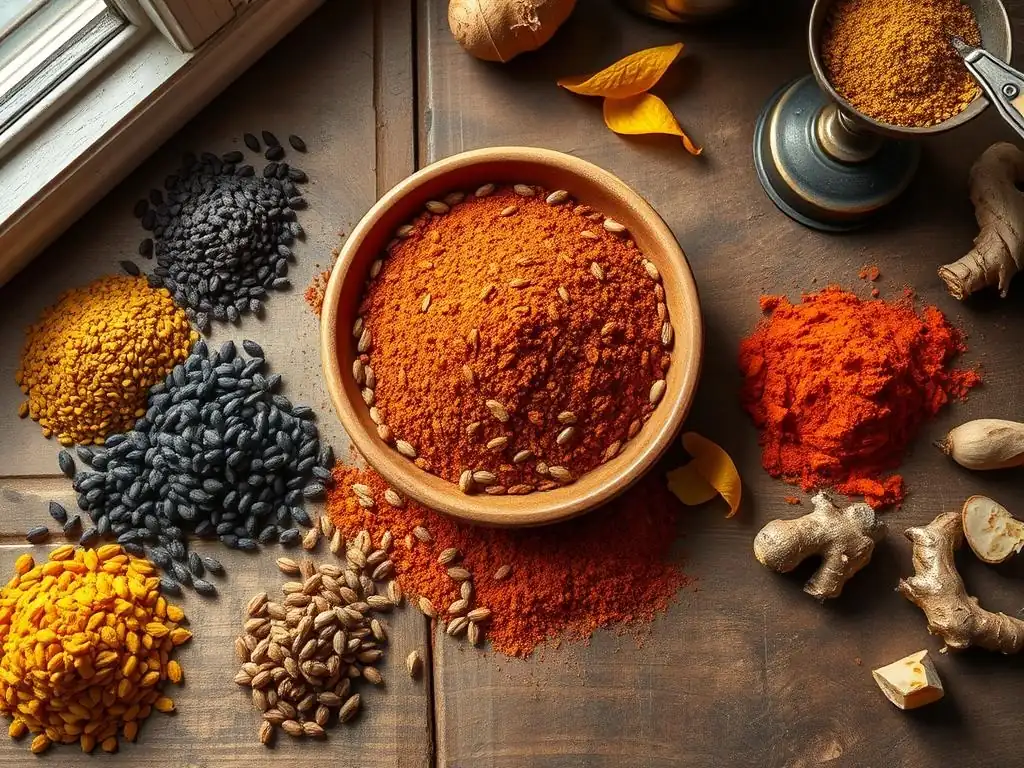
Creating your own Scandinavian bread spice blend allows you to customize the flavors to your preference and the specific bread you are baking. While pre-made blends are available, mixing your own ensures freshness and allows for experimentation. It's a simple process that yields flavorful results, elevating your Scandinavian baking endeavors.
Having a ready-made blend on hand makes baking traditional loaves much easier. You can adjust the ratios of different spices to emphasize certain notes, such as increasing caraway for a more Danish-style rye or boosting cardamom for a Finnish-inspired loaf.
Here is a basic recipe for a versatile Scandinavian bread spice blend suitable for many rye and mixed-grain breads. This blend emphasizes caraway and fennel, with a touch of anise and coriander for complexity.
- 2 tablespoons whole caraway seeds
- 1 tablespoon whole fennel seeds
- 1 teaspoon whole anise seeds
- 1 teaspoon whole coriander seeds
Combine all ingredients in a small bowl. For best results, lightly toast the seeds in a dry pan over medium heat for 2-3 minutes until fragrant, then let them cool completely before grinding. Grind the toasted seeds using a spice grinder or mortar and pestle until they reach your desired consistency – some prefer a fine powder, while others like a coarser texture with some crushed pieces. This recipe yields approximately ¼ cup of spice blend.
Tips for Adjusting the Blend to Your Taste
The beauty of a homemade Scandinavian bread spice blend is its adaptability. Don't be afraid to experiment! If you love the pronounced taste of caraway, increase its proportion. For a milder blend, reduce the caraway and perhaps increase the fennel slightly. If you're making a bread where you want a hint of warmth, consider adding a pinch of ground ginger or a tiny amount of ground cloves to the mix before grinding.
For breads that lean sweeter, like a spiced loaf with dried fruits, you might create a different blend focusing on cardamom, perhaps combined with a little cinnamon or orange zest (added fresh to the dough, not ground with dry spices). Keep notes on your adjustments so you can recreate your favorite variations.
Storing Your Homemade Spice Blend for Optimal Freshness
Proper storage is key to maintaining the potency and flavor of your homemade Scandinavian bread spice blend. Ground spices lose their flavor faster than whole seeds because more surface area is exposed to the air. Therefore, it's best to store the blend in an airtight container immediately after grinding.
A small glass jar with a tight-fitting lid is ideal. Keep the container in a cool, dark place, away from direct sunlight and heat sources like the stove. While the blend will technically last for several months, for the most vibrant flavor, try to use it within 1-3 months. Grinding smaller batches more frequently will ensure your baked goods always have the freshest, most impactful spice flavor.
To truly appreciate the impact of a well-crafted Scandinavian bread spice blend, you need to bake with it! Here are brief descriptions of classic Scandinavian breads that prominently feature these aromatic additions. Note that actual recipes would include detailed measurements and instructions, but these examples highlight how the spice blends are used.
These examples showcase the diversity of Scandinavian bread, from the dense, savory rye loaves to the lighter, aromatic sweet breads. Each uses a specific combination of spices and seeds to achieve its characteristic flavor and texture.
Recipe: Traditional Swedish Rye Bread with Caraway and Fennel
Swedish rye bread ( Rågbröd) is a staple, often featuring a dark color, dense crumb, and a distinct flavor profile. A traditional recipe typically uses a significant amount of rye flour, often including cracked rye or rye berries, and is frequently made with sourdough or a combination of yeast and sourdough starter.
The Scandinavian bread spice blend for Swedish rye bread heavily relies on caraway and often includes fennel. These spices are usually added directly into the dough during the mixing stage. The fermentation process, combined with the slow bake, allows the spice flavors to fully develop and meld with the earthy notes of the rye.
Recipe: Norwegian Christmas Bread (Julekake) with Cardamom and Raisins
Norwegian Julekake is a rich, sweet, and aromatic bread traditionally baked during the Christmas season. It's an enriched dough, similar to brioche, containing butter, eggs, sugar, and often milk or cream. Raisins and sometimes candied citrus peel are common additions.
The defining flavor of Julekake comes from a generous amount of cardamom. This spice dominates the Scandinavian bread spice blend for this festive loaf, providing a warm, intensely aromatic quality. The cardamom is usually ground and mixed into the dry ingredients before being incorporated into the dough.
Recipe: Finnish Pulla Bread with Cardamom and Pearl Sugar
Finnish Pulla is another beloved sweet bread, often enjoyed with coffee. Like Julekake, it's an enriched dough, but it's typically less rich and often braided. It's characterized by its soft, slightly elastic crumb and its distinctive aroma.
Cardamom is the star spice in Pulla. A significant amount of freshly ground cardamom is essential for achieving the authentic flavor. The Scandinavian bread spice blend for Pulla is primarily cardamom, sometimes with a tiny pinch of cinnamon. Pearl sugar is often sprinkled on top before baking, adding sweetness and a crunchy texture.
Recipe: Danish Rugbrød with Sunflower and Pumpkin Seeds
Danish Rugbrød is a very dense, dark rye bread, often made entirely with rye flour and leavened with sourdough. It's known for its long fermentation and low baking temperature over an extended period, resulting in a moist, heavy loaf.
While caraway is a classic spice, many modern and traditional Rugbrød recipes also incorporate a variety of seeds directly into the dough. Sunflower seeds and pumpkin seeds are particularly common, adding texture, nutty flavor, and nutritional value. These seeds, along with caraway, form the textural and flavor profile that complements the dense rye in this type of Scandinavian bread spice blend application.
If you're not ready to grind your own spices or are looking for convenience, several companies offer pre-made Scandinavian bread spice blend products. Availability can vary depending on your location, but many can be found in well-stocked grocery stores, specialty spice shops, or online retailers. Purchasing a blend can be a great way to start experimenting with these flavors without sourcing individual spices.
When buying a pre-made blend, check the ingredients list to understand the flavor profile and ensure it aligns with the type of bread you plan to bake. Some blends might be more caraway-heavy, while others might feature more cardamom or a mix of various seeds.
Recommended Brands: McCormick, Simply Organic, and Local Spice Shops
Major spice companies like McCormick and Simply Organic occasionally offer regional or ethnic spice blends, though a specific "Scandinavian bread spice blend" might not be a permanent item. It's worth checking their seasonal or specialty lines. Simply Organic is known for its organic certification, appealing to those who prefer organically sourced ingredients.
Specialty spice shops, both brick-and-mortar and online, are often the best places to find authentic or artisanal Scandinavian bread spice blend options. Stores like Penzeys Spices or The Spice House often carry individual whole spices or custom blends that can replicate or serve as a base for a Scandinavian profile. Don't overlook local ethnic markets, which might carry specific blends popular in Scandinavian communities.
Considerations when Purchasing Spice Blends
When buying a pre-made Scandinavian bread spice blend, consider the form of the spices. Is it a finely ground powder, or are the spices whole or coarsely crushed? The desired texture for your bread will influence this choice. Also, check the freshness date if available, as ground spices lose potency over time.
Read the ingredient list carefully. Some commercial blends might include salt, sugar, or anti-caking agents, which might not be desirable depending on your recipe. If you are aiming for a specific traditional flavor profile, compare the blend's ingredients to classic recipes. Ultimately, choose a blend from a reputable source known for quality and freshness to get the best results in your Scandinavian baking.
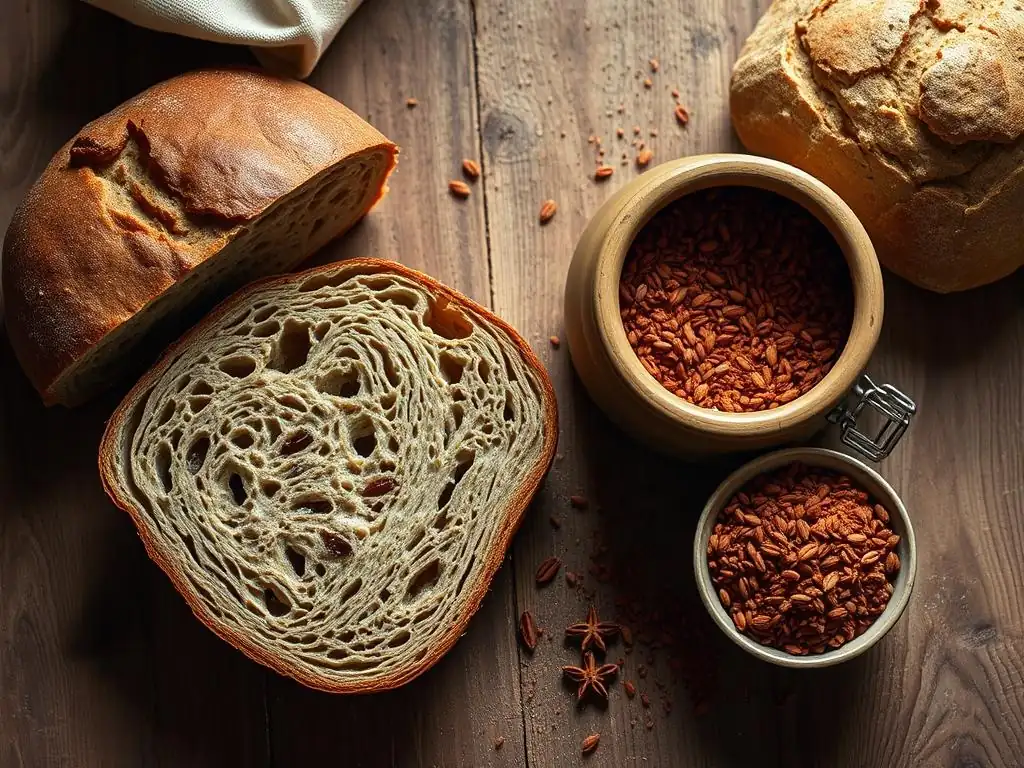
Incorporating spices and seeds into your bread dough is relatively straightforward, but a few techniques can help maximize their flavor and ensure they are properly integrated. Whether you're using a homemade or store-bought Scandinavian bread spice blend, these tips will help you achieve delicious results.
Paying attention to when and how you add these ingredients can make a significant difference in the final taste and texture of your bread. Proper handling ensures the spices release their full aroma and the seeds contribute their desired crunch without becoming too hard or burning.
How to Toast Spices for Enhanced Flavor
Toasting whole spices before grinding them is a simple yet effective way to deepen their flavor and release their aromatic oils. This technique is highly recommended when making your own Scandinavian bread spice blend from whole seeds like caraway, fennel, anise, or coriander.
To toast, place the whole seeds in a dry skillet over medium heat. Stir or shake the pan frequently to prevent burning. Toast for just a few minutes, until the seeds become fragrant. Remove them from the pan immediately to a cool dish to stop the cooking process. Let them cool completely before grinding. Be careful not to over-toast, as this can make them bitter.
When to Add Spices and Seeds During the Baking Process
For most Scandinavian bread recipes, spices (whether ground or whole in a Scandinavian bread spice blend) and seeds are added during the mixing phase of the dough. They can be added along with the flour and other dry ingredients or incorporated during the kneading process. This allows the flavors to distribute evenly throughout the dough.
If using seeds as a topping, they are typically sprinkled on the shaped loaf or rolls just before baking. Sometimes, the dough surface is brushed with water or egg wash to help the seeds adhere. Seeds added to the dough will soften slightly during baking, while seeds used as a topping will remain crunchier.
Troubleshooting Common Issues When Baking with Spices
One common issue when baking with spices is uneven distribution, leading to pockets of intense flavor. Ensure your Scandinavian bread spice blend is thoroughly mixed into the dough during kneading. If using whole seeds, make sure they are evenly dispersed.
Another potential issue is bitterness, which can occur if spices are old, burned during toasting, or used in excessive quantities. Always use fresh spices. If toasting, watch them carefully. Start with the recommended amount in a recipe and adjust in future bakes based on your preference. If seeds on the crust burn, try covering the bread loosely with foil partway through the bake.
Beyond their incredible flavor contributions, the spices and seeds commonly used in Scandinavian bread offer various health benefits. Traditional Scandinavian diets often emphasize whole grains and nutrient-dense ingredients, and the inclusion of these spices and seeds aligns perfectly with this philosophy. Incorporating breads made with a rich Scandinavian bread spice blend and plenty of seeds can be a tasty way to boost your nutritional intake.
These ingredients contribute fiber, healthy fats, vitamins, and minerals. While bread should be part of a balanced diet, choosing loaves rich in these additions provides more nutritional value than plain white bread.
Nutritional Value of Caraway, Cardamom, and Other Spices
Spices, even in the quantities used in bread, contribute antioxidants and other beneficial compounds. Caraway seeds, for example, are a good source of fiber, iron, calcium, and manganese. They have also been traditionally used to aid digestion.
Cardamom contains compounds that may have antioxidant and anti-inflammatory properties. While you won't consume large amounts in a single slice of bread, the regular inclusion of breads featuring a Scandinavian bread spice blend with these components can contribute to overall dietary health. Other spices like fennel and coriander also offer various vitamins and minerals in small amounts.
The Role of Seeds in a Balanced Diet
Seeds are nutritional powerhouses. Sunflower seeds are rich in Vitamin E, magnesium, and selenium. Pumpkin seeds provide magnesium, zinc, and healthy fats. Flax seeds are an excellent source of omega-3 fatty acids and dietary fiber.
Including a variety of seeds in bread significantly increases its fiber content, which is crucial for digestive health and can help regulate blood sugar levels. The healthy fats contribute to satiety and support heart health. Choosing a Scandinavian bread loaded with seeds, perhaps made with a flavorful Scandinavian bread spice blend, is a simple way to incorporate these beneficial ingredients into your daily diet.
Exploring the spices and seeds of Scandinavian breads opens up a world of unique flavors and textures. From the earthy depth of caraway in a Danish Rugbrød to the warm aroma of cardamom in a Finnish Pulla, these simple additions are fundamental to the character of Nordic baking. Understanding the role of a Scandinavian bread spice blend and the generous use of seeds is key to recreating these traditional loaves at home.
We've seen how regional variations influence the choice of spices and how seeds contribute vital texture and nutrition. Whether you choose to buy a pre-made Scandinavian bread spice blend or craft your own, incorporating these ingredients will elevate your baking and allow you to share a taste of Scandinavia with friends and family. So, gather your spices, measure your seeds, and embark on your own Scandinavian baking adventure. The rewards are delicious!
Frequently Asked Questions
It's a mixture of spices and seeds commonly used in Scandinavian baking. It adds a distinctive flavor and aromatic quality to breads, often including ingredients like cardamom and anise.
Many ingredients can be found in local grocery stores, especially those with a well-stocked spice aisle. For more specialized spices, consider visiting Scandinavian markets or online retailers.
Common spices include cardamom, anise, fennel, caraway, and sometimes even orange or lemon zest. The exact blend can vary by region and personal preference.
Yes, absolutely! BakeWithEase provides recipes and guidance on creating your own blend. This allows you to customize the flavor to your liking.
Typically, you add the spice blend directly to the dough during mixing. The amount will depend on the recipe and your taste, but BakeWithEase provides specific recommendations for each recipe.
The aromatic tapestry woven from the humble spices and seeds of Scandinavian breads remains a potent symbol of culinary heritage and enduring comfort. These aren't just ingredients; they're the threads connecting generations, whispering tales of tradition and resilience across the Nordic landscape. The unique flavor profiles, born from careful selection and masterful blending, continue to captivate palates worldwide, proving that simple ingredients can create extraordinary experiences.
The impact of these seemingly simple spice blends extends far beyond the kitchen table. They represent a deep connection to the land and its resources, a mindful approach to food production that resonates deeply in our increasingly globalized world. The emphasis on locally sourced ingredients and traditional techniques speaks to a growing desire for authenticity and sustainability. The best things in life are simple,
a common Scandinavian proverb rings true when considering the profound satisfaction derived from a perfectly crafted loaf of rye bread, its flavor enhanced by the subtle complexity of caraway, coriander, and fennel.
Consider the possibilities. Experiment with different spice combinations, explore the nuances of each ingredient, and discover the joy of creating your own unique Scandinavian bread blend. You, too, can become a storyteller, weaving your own narrative into the rich tapestry of Nordic culinary tradition. Don't just bake a loaf; bake a piece of history, a testament to the enduring power of simple ingredients and the timeless appeal of Scandinavian bread.
Thanks for taking the time to explore the wonderful world of Scandinavian breads! We hope you now feel inspired by the unique flavors and textures these incredible loaves offer. Ready to bring that Nordic charm to your kitchen?
- Bake your own Rugbrød: This is your chance to experience the rich, complex taste of traditional rye bread firsthand. Follow our detailed recipe (link to imaginary recipe on bakewithease.com would go here) for a truly satisfying baking experience.
- Share your baking journey: Post a picture of your creation on social media using #BakeWithEaseScandinavian and tag us! Let's build a community of passionate bakers.
- Experiment with different seeds and spices: Try substituting caraway with fennel or adding a hint of coriander to your next loaf. The possibilities are endless!
What unique flavor combination will you create to add your personal touch to classic Scandinavian baking?