
The Fascinating History of Sourdough Rye Bread

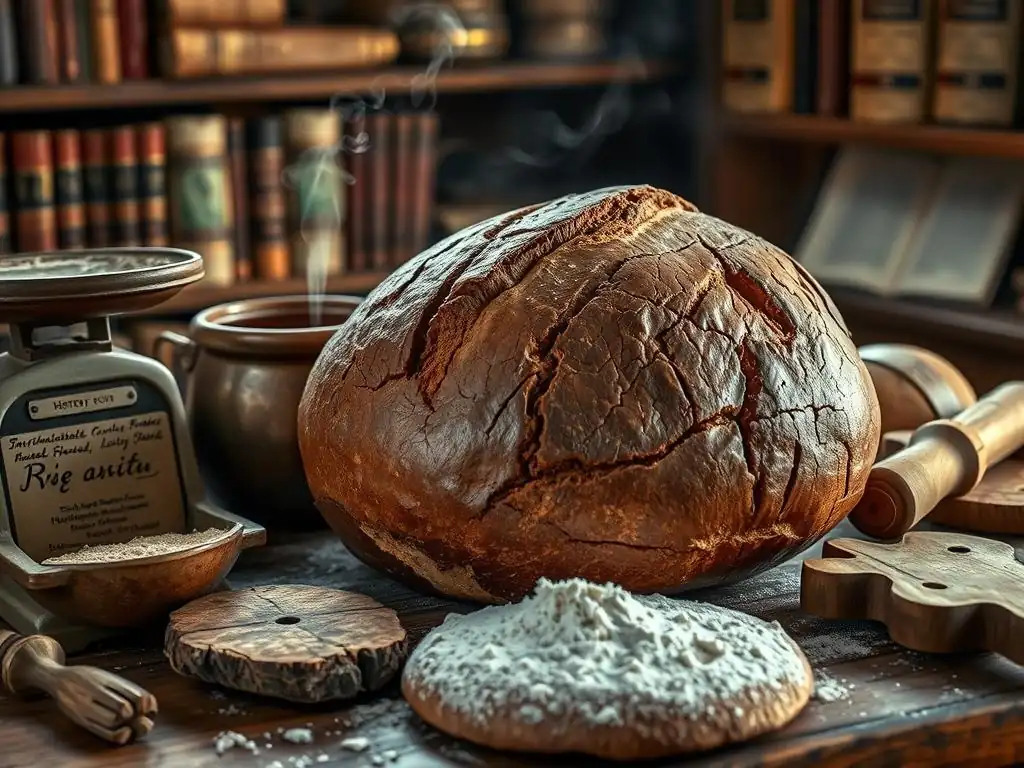
Welcome to BakeWithEase, your partner in creating delightful treats! Are you ready to uncover the surprisingly rich and tangy past behind one of baking's most beloved staples? Delve into The Fascinating History of Sourdough Rye Bread, and discover how this humble loaf rose from ancient origins to become a modern-day favorite. What secrets does each slice hold? Let's explore!
- The Fascinating History of Sourdough Rye Bread: A Comprehensive Guide
- Introduction: Exploring the Heritage of Sourdough Rye
- The Ancient Origins of Rye and Early Bread Making
- The Advent of Sourdough: A Natural Leavening Revolution
- Sourdough Rye Bread History: A European Legacy
- Sourdough Rye in America: Adaptation and Innovation
- Key Ingredients and Techniques Throughout Sourdough Rye History
- Regional Variations in Sourdough Rye Bread: A Taste of Tradition
- The Resurgence of Sourdough Rye: A Modern Renaissance
- Resources for Home Baking
- Conclusion: Celebrating the Enduring Appeal of Sourdough Rye Bread
-
Frequently Asked Questions
- What are the origins of sourdough rye bread, according to BakeWithEase?
- Why is sourdough used in rye bread instead of commercial yeast, as explained by BakeWithEase?
- Does BakeWithEase mention any specific regions or cultures associated with the development of sourdough rye bread?
- What makes sourdough rye bread different from other types of bread, according to BakeWithEase?
- How can readers of BakeWithEase learn to bake their own sourdough rye bread?
- Final Reflection: The Enduring Legacy of Sourdough Rye
- Unleash Your Inner Baker: Craft Your Own Rye Loaf!
The Fascinating History of Sourdough Rye Bread: A Comprehensive Guide
Introduction: Exploring the Heritage of Sourdough Rye
Why Sourdough Rye Holds a Special Place in Baking History
Sourdough rye bread holds a deeply rooted and revered position in the annals of baking history, particularly across Northern and Eastern Europe. Its significance stems not just from its unique tangy flavor and hearty texture, but also from the historical circumstances that shaped its development. Unlike wheat, rye is a remarkably hardy grain, capable of thriving in colder climates and poorer soils where wheat struggles.
This resilience made it a staple crop in regions like Germany, Poland, Russia, and Scandinavia for centuries, long before wheat became widely accessible. The inherent properties of rye flour, specifically its lower gluten content compared to wheat, made traditional yeast leavening less effective for achieving a desirable rise and texture. This challenge naturally paved the way for the dominance of sourdough fermentation, which works particularly well with rye by breaking down starches and proteins, improving texture, and developing complex flavors.
The history of sourdough rye bread is thus intertwined with the agricultural, climatic, and culinary traditions of these regions. It wasn't merely a food source; it was a cornerstone of daily life, providing sustenance through harsh winters and forming the basis of countless meals. Its long fermentation process not only enhanced its flavor and texture but also improved its digestibility and shelf life, crucial factors in historical food preservation.
Exploring the sourdough rye bread history allows us to trace human ingenuity in adapting to environmental challenges and harnessing natural processes to create a food that is both nutritious and culturally significant. The enduring appeal of sourdough rye today is a testament to its rich heritage and the timeless appeal of naturally fermented foods.
Resources for Authentic Sourdough Rye Baking
For those eager to delve into the world of authentic sourdough rye baking, a wealth of resources exists, ranging from historical texts to modern artisanal guides. Understanding the sourdough rye bread history provides invaluable context for appreciating the techniques and ingredients used today.
Traditional methods often emphasize long fermentation periods, sometimes spanning several days, and the use of specific rye flour types like pumpernickel or whole grain rye. Many older recipes, passed down through generations, highlight the importance of maintaining a vigorous rye sourdough starter, often referred to as a "mother dough" or "levain," which forms the heart of the bread's character.
Modern resources build upon this historical foundation, offering detailed instructions on managing a rye starter, understanding hydration levels specific to rye flour, and mastering the unique handling characteristics of rye dough, which is typically stickier and less elastic than wheat dough. Look for books focusing on German, Scandinavian, or Eastern European baking traditions, as these often provide authentic recipes and insights into regional variations.
Online communities and forums dedicated to sourdough baking are also excellent resources, offering troubleshooting tips, shared experiences, and a connection to a global network of bakers passionate about preserving and evolving the sourdough rye bread history. Engaging with these resources can transform your baking practice, allowing you to create loaves that honor the past while delighting modern palates.
The Ancient Origins of Rye and Early Bread Making
Rye's Rise: From Weed to Staple Grain
The story of rye begins not as a cultivated crop, but often as a weed mingling among fields of wheat and barley in the Fertile Crescent around 10,000 years ago. As agriculture spread westward into colder, harsher climates of Central and Eastern Europe, farmers noticed that rye was remarkably resilient. While wheat struggled with short growing seasons, poor soils, and severe winters, rye thrived.
Its hardiness meant a more reliable harvest, a critical factor for survival in these challenging environments. Gradually, farmers in regions like what is now modern-day Germany, Poland, and Scandinavia began to cultivate rye intentionally, recognizing its superior suitability for their land.
This transition from weed to staple grain occurred over millennia, with evidence of dedicated rye cultivation becoming more prominent around the late Neolithic or Bronze Age in parts of Europe, approximately 3,000 to 5,000 years ago. The shift was driven purely by practicality and necessity.
Rye provided a consistent yield where other grains failed, ensuring food security for communities. This widespread adoption of rye cultivation laid the groundwork for the rich sourdough rye bread history that would later develop in these regions, making rye bread a fundamental part of the diet for vast populations and influencing culinary practices for centuries to come.
Early Forms of Rye Bread: A Glimpse into the Past
The earliest forms of rye bread were likely simple, unleavened flatbreads made from ground rye mixed with water and perhaps baked on hot stones or in ashes. As communities settled and rudimentary ovens developed, thicker, denser loaves became possible. However, the nature of rye flour, with its lower gluten content compared to wheat, meant that achieving a light, airy loaf using early leavening methods (like barm from brewing) was difficult. These early rye breads would have been incredibly dense, dark, and substantial, providing essential calories and nutrients.
Historical and archaeological evidence suggests that fermented grain products were common in ancient civilizations. While specific documentation of early rye bread making is scarce compared to wheat, it's reasonable to infer that as rye became a staple, people applied their existing bread-making knowledge to it.
The natural presence of wild yeasts and bacteria in flour and the environment would have inevitably led to spontaneous fermentation when flour and water mixtures were left to stand, accidentally creating the first sourdough cultures. These early, perhaps inconsistently leavened, rye breads were the precursors to the sophisticated sourdough rye loaves known today, marking the very beginning of the sourdough rye bread history we continue to explore.
The Advent of Sourdough: A Natural Leavening Revolution
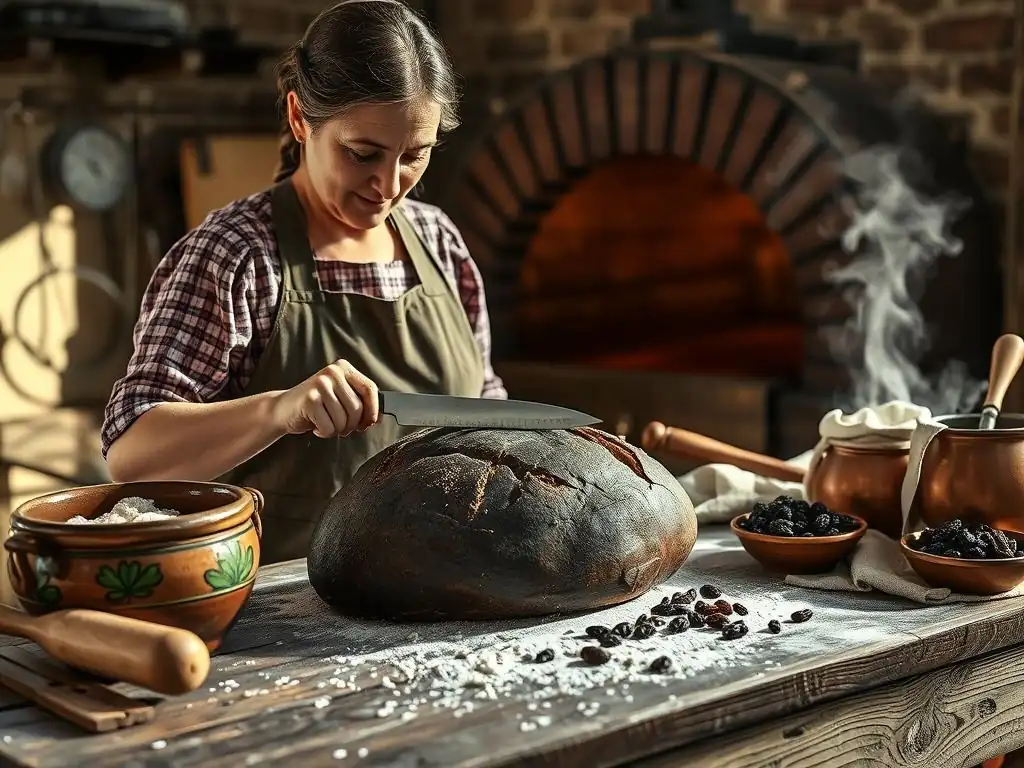
Sourdough's Discovery: A Natural Leavening Method
The discovery of sourdough is widely believed to have been an accidental yet transformative event in the history of bread making, likely occurring thousands of years ago, possibly in ancient Egypt or Mesopotamia. Imagine a simple mixture of ground grain (perhaps wheat, barley, or early rye) and water left exposed to the air. Naturally occurring wild yeasts and lactic acid bacteria, present in the environment and on the grain itself, would begin to colonize this mixture.
The yeasts would consume sugars in the flour, producing carbon dioxide gas, which causes dough to rise. Simultaneously, the bacteria would produce lactic acid, creating the characteristic tangy flavor profile associated with sourdough.
This spontaneous fermentation process, when observed and replicated, provided a reliable method for leavening bread without relying on external sources of yeast, which were unknown or inaccessible. The oldest known evidence of leavened bread dates back perhaps 4,000 to 6,000 years, and it is highly probable that sourdough was the primary, if not sole, leavening agent used for the vast majority of this period.
This natural process was particularly beneficial for rye flour, whose unique protein structure responds favorably to the acidic environment created by lactic acid bacteria, helping to improve the dough's structure and preventing it from becoming excessively dense and gummy, a key element in the sourdough rye bread history.
How Sourdough Changed Bread Making Forever
The advent of sourdough revolutionized bread making, elevating it from simple flatbreads to loaves with volume, softer textures, and complex flavors. For millennia, it was the standard method of leavening bread across numerous cultures. Bakers would keep a portion of dough from one bake to start the next, perpetuating the microbial culture – the sourdough starter or "mother." This practice ensured continuity and allowed bakers to develop unique starters with distinct flavor profiles, passed down through generations.
For rye bread specifically, sourdough was a game-changer. Rye flour contains pentosans, complex carbohydrates that absorb large amounts of water and can interfere with dough structure. The acidic environment created by sourdough fermentation helps to break down these pentosans, improving the dough's handling and the final bread's texture.
It also enhances the bioavailability of nutrients and contributes significantly to the deep, nuanced flavors that characterize traditional rye loaves. The widespread adoption of sourdough for rye dough was not just a preference but a practical necessity, cementing its integral role in the sourdough rye bread history and ensuring its dominance in regions where rye was the primary grain.
Sourdough Rye Bread History: A European Legacy
Northern and Eastern Europe: The Heart of Sourdough Rye Baking
Northern and Eastern Europe are widely regarded as the historical heartland of sourdough rye bread. The climate and soil conditions in countries such as Germany, Poland, Russia, and the Scandinavian nations (Sweden, Norway, Denmark, Finland) were ideally suited for growing rye, making it the most accessible and affordable grain for centuries. Consequently, rye bread became the staple food, consumed daily by people from all walks of life. In some areas, like parts of Germany and Scandinavia, historical records indicate that rye bread accounted for a significant portion of the caloric intake, sometimes exceeding 50% of daily bread consumption.
The long, cold winters in these regions also favored breads with longer shelf lives, a characteristic inherent to sourdough rye due to its lower pH. Traditional baking practices evolved to make the most of rye's properties and the sourdough process.
Techniques for cultivating and maintaining robust rye starters were perfected, and regional variations in flour types, hydration levels, and baking methods emerged, giving rise to the incredible diversity of rye breads found across these countries today. The deep, dark, and often dense rye loaves of this region are not just food; they are cultural icons, embodying a history of resilience, tradition, and culinary expertise, defining the core of sourdough rye bread history.
The Distinctive Flavors and Textures of Traditional European Rye
Traditional European sourdough rye breads are celebrated for their distinctive, complex flavors and hearty textures, which are a direct result of the ingredients, the sourdough process, and specific regional baking techniques. The flavor profile is typically tangy, ranging from mildly sour in some Scandinavian loaves to intensely sour in certain German or Russian varieties, due to the lactic acid produced by the starter. Beyond the tang, there are often notes of earthiness, maltiness (especially in dark rye breads like Pumpernickel), and sometimes a subtle sweetness that develops during the long fermentation and baking.
The texture varies greatly depending on the proportion of rye to wheat (some loaves are 100% rye, others blends), the type of rye flour used (light, medium, dark, or cracked rye berries), and the hydration level. Pure rye sourdoughs are typically dense and moist with a close crumb, lacking the large open holes found in many wheat sourdoughs because rye's gluten is less elastic. Breads made with significant amounts of whole or cracked rye, like German Pumpernickel or Russian Borodinsky, can be incredibly dense and chewy.
These unique characteristics are not defects but hallmarks of authentic sourdough rye, reflecting centuries of refinement in coaxing the best from this challenging yet rewarding grain. Understanding these qualities is key to appreciating the depth of sourdough rye bread history.
Sourdough Rye in America: Adaptation and Innovation
Immigration and the Introduction of Rye Bread to the US
The rich sourdough rye bread history of Europe made its way across the Atlantic primarily through waves of immigration starting in the 17th century and continuing throughout the 19th and 20th centuries. Immigrants from Germany, Poland, Russia, Scandinavia, and other parts of Central and Eastern Europe brought their culinary traditions, including their cherished rye bread recipes and, crucially, their sourdough starters. For these communities, rye bread was more than just food; it was a taste of home, a connection to their cultural identity in a new land.
As immigrant communities established themselves in the United States, they sought to recreate the familiar loaves of their homelands. This often involved adapting recipes to locally available flours and conditions. Bakeries serving these communities became important cultural hubs, providing the essential rye bread that was a staple of their diet. The demand from these large immigrant populations ensured that rye bread, and by extension, sourdough rye bread history, became a significant part of the American baking landscape, particularly in cities with large European populations like New York, Chicago, and Philadelphia.
Americanized Rye: From Deli Rye to Artisanal Loaves
Upon arriving in America, European rye bread underwent a process of adaptation, giving rise to distinct "Americanized" versions. Perhaps the most iconic example is the classic American deli-style rye bread. Unlike traditional European rye, which is often made with high percentages of dark rye flour and a pure rye sourdough, American deli rye typically uses a blend of white wheat flour and medium rye flour.
It is often leavened primarily with commercial yeast, with sourdough or a rye sour used more for flavor than primary leavening, and sometimes includes ingredients like caraway seeds and even a touch of sugar or molasses for sweetness and color. This adaptation made rye bread lighter, softer, and more palatable to a broader American audience less accustomed to the density and intense sourness of traditional European loaves.
More recently, the artisan bread movement in America has sparked a renewed interest in traditional sourdough rye bread history. Bakers are exploring ancient grains, heritage rye varieties, and authentic European techniques, including high-percentage rye sourdoughs and long, slow fermentation. This has led to a resurgence of truly traditional, dense, and flavorful rye loaves, often found in artisanal bakeries. This modern trend represents a full-circle moment, honoring the historical roots of sourdough rye while innovating within the framework of its rich heritage, proving that the sourdough rye bread history continues to evolve.
Key Ingredients and Techniques Throughout Sourdough Rye History
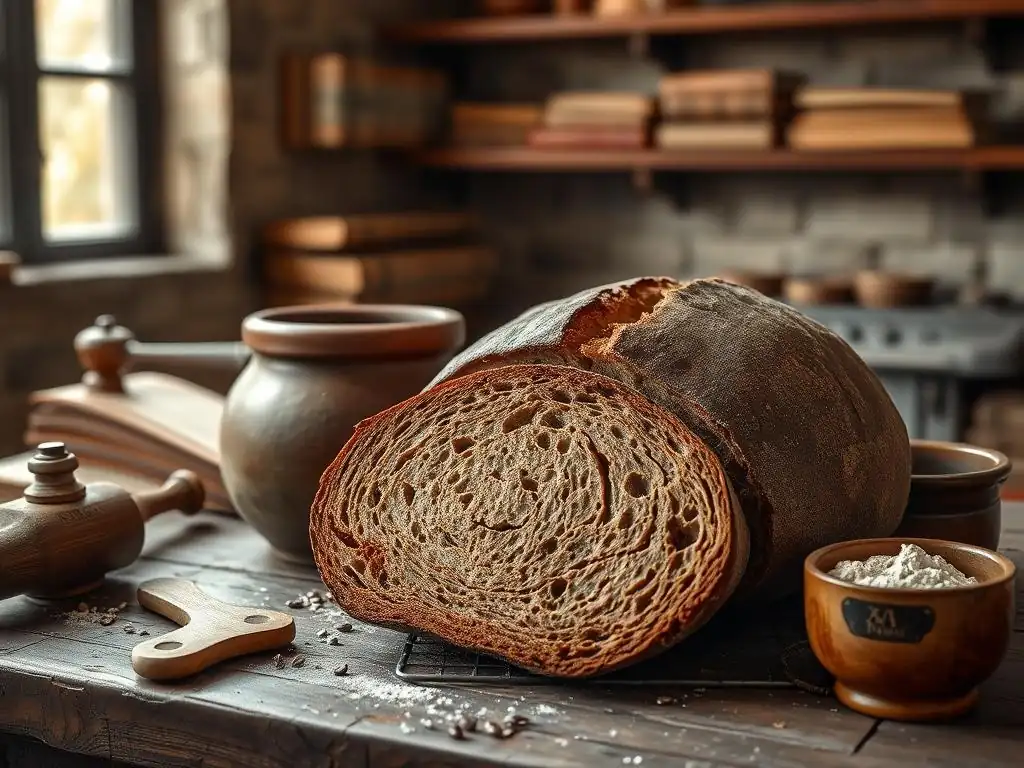
The Importance of Rye Flour Varieties: Light, Medium, and Dark
The type of rye flour used is perhaps the single most defining factor in the character of a sourdough rye bread, and understanding the differences is crucial to appreciating sourdough rye bread history. Rye flour is milled to varying degrees of refinement, resulting in light, medium, and dark varieties. These classifications are based on the amount of bran and germ retained during milling, indicated by the "extraction rate."
- Light Rye Flour: This is the most refined, with most of the bran and germ removed. It has a lighter color and flavor and behaves somewhat more similarly to wheat flour, though it still has less gluten. Breads made primarily with light rye tend to be less dense and lighter in color than those using darker flours.
- Medium Rye Flour: Contains more of the bran and germ than light rye, resulting in a darker color and stronger flavor. It's a common choice for many European rye breads and provides a good balance of rye character and manageable dough handling.
- Dark Rye Flour: Also known as pumpernickel flour or whole rye flour, this contains nearly the entire rye berry, including the bran and germ. It is very dark, incredibly flavorful, and highly absorbent. Breads made with high percentages of dark rye are dense, dark, and often have a more pronounced sour and earthy flavor. The choice of flour significantly impacts the final loaf's texture, color, flavor, and density, directly connecting to regional traditions throughout sourdough rye bread history.
Mastering the Sourdough Starter for Authentic Rye Flavor
At the heart of authentic sourdough rye bread lies a vigorous and well-maintained rye sourdough starter. Unlike wheat starters, rye starters tend to be more liquid and sticky due to the properties of rye flour. They are also often more robust and resilient, thriving on the complex carbohydrates present in rye. Mastering a rye starter involves regular feeding with fresh rye flour and water, maintaining it at an appropriate temperature, and understanding its fermentation cycles. A healthy rye starter should be active, bubbly, and have a pleasant, tangy aroma.
The microbial composition of a rye starter, particularly the balance of various lactic acid bacteria strains, contributes significantly to the bread's final flavor profile. Some starters produce more acetic acid (a sharper, vinegary tang), while others produce more lactic acid (a creamier, yogurt-like tang). The type of rye flour used to feed the starter also influences its character. Bakers throughout sourdough rye bread history have nurtured their starters, often passing them down through generations, recognizing that the starter is the living soul of the bread, imparting depth and complexity that cannot be replicated by commercial yeast alone.
Traditional Baking Methods vs. Modern Approaches
Traditional sourdough rye baking methods often involved long fermentation periods, sometimes including a preferment (like a levain or poolish) followed by a long bulk fermentation and proofing. Baking typically occurred in large, often wood-fired, ovens. Due to the density of rye dough and the desire for a moist crumb and thick crust, baking temperatures were often lower and baking times longer than for wheat breads. For very dense loaves like Pumpernickel, the baking process could last 16-24 hours at very low temperatures, almost steaming the bread within the oven.
Modern approaches often adapt these traditional methods for home or commercial electric/gas ovens. While some artisan bakers strive to replicate historical techniques precisely, others modify them for convenience and consistency.
This might involve using controlled temperatures for fermentation, employing Dutch ovens or cloches to mimic the steamy environment of traditional ovens, or using a combination of sourdough and commercial yeast for a faster rise (though purists argue this compromises true sourdough flavor). Despite these adaptations, the core principles of sourdough fermentation and the unique handling of rye dough remain central, ensuring that the essence of sourdough rye bread history continues in contemporary kitchens.
Regional Variations in Sourdough Rye Bread: A Taste of Tradition
German Rye: Pumpernickel and Schwarzbrot
Germany boasts one of the richest traditions in sourdough rye bread history, with a wide array of regional specialties. Two of the most iconic are Pumpernickel and Schwarzbrot ("black bread"). Pumpernickel, particularly famous from the Westphalia region, is a dense, dark, and slightly sweet bread made primarily from whole rye flour and often cracked rye berries.
It is traditionally baked for an exceptionally long time, often 16 to 24 hours, at very low temperatures (around 120-150°C or 250-300°F). This low and slow baking process causes the starches in the rye to break down and caramelize, contributing to its characteristic dark color, moist texture, and unique sweet-malty flavor. It is often sold pre-sliced and vacuum-packed due to its long shelf life.
Schwarzbrot is a broader term for German dark rye bread. While similar to Pumpernickel in color and density, it often has a shorter baking time and may include a higher proportion of coarsely ground rye or other grains. Schwarzbrot is typically made with a significant amount of dark rye flour and a strong sourdough starter, resulting in a tangy, earthy flavor. These breads are not just food items but cultural staples, often served with hearty meals, cheeses, or cold cuts, embodying centuries of German sourdough rye bread history and baking expertise.
Scandinavian countries have a long and proud sourdough rye bread history, marked by both dense, moist loaves and the famous crispbreads. In Sweden, Norway, and Denmark, traditional rye loaves are often made with whole or coarsely ground rye flour and a sourdough starter, resulting in hearty, substantial breads that keep well. These loaves are typically less intensely sour than some German or Russian varieties and may incorporate ingredients like molasses or malt for color and flavor. They are often served as open-faced sandwiches (smørrebrød in Denmark) or alongside meals.
Perhaps more globally recognized are Scandinavian crispbreads (like Swedish knäckebröd or Finnish ruisleipä). These are thin, flat, and very dry crackers made from rye flour, often sourdough-leavened, and sometimes containing seeds. They are baked until crisp, making them incredibly shelf-stable, a crucial feature for regions with long winters. While seemingly simple, traditional crispbreads, especially those made with 100% whole rye and sourdough, offer a complex flavor and satisfying crunch. They represent a practical and enduring facet of Scandinavian sourdough rye bread history, providing a durable and nutritious food source.
Russian Rye: Borodinsky and Its Unique Spice Blend
Russian sourdough rye bread holds a particularly significant place in the national diet and sourdough rye bread history, with Borodinsky bread being one of the most iconic examples. Legend has it that Borodinsky bread was first baked after the Battle of Borodino in 1812, though culinary historians trace its origins to later periods.
This distinctive bread is a dark, dense rye loaf typically made with a high percentage of rye flour, often including malted rye for color and flavor. Its defining characteristic is the inclusion of a unique spice blend, most notably coriander, which is often used both ground within the dough and as whole seeds sprinkled on top.
Borodinsky bread is traditionally made using a complex process involving a scald (a hot mixture of rye flour and liquid that gelatinizes starches) and a multi-stage sourdough process. This results in a bread with a moist, slightly sticky crumb, a dark color, a tangy-sweet flavor profile from the rye and malt, and the unmistakable aroma and taste of coriander. Other Russian rye breads, like Rizhsky (Riga) bread, may use different spice blends or incorporate wheat, but many share the characteristic dark color, density, and reliance on sourdough fermentation that is central to Russian sourdough rye bread history.
The Resurgence of Sourdough Rye: A Modern Renaissance
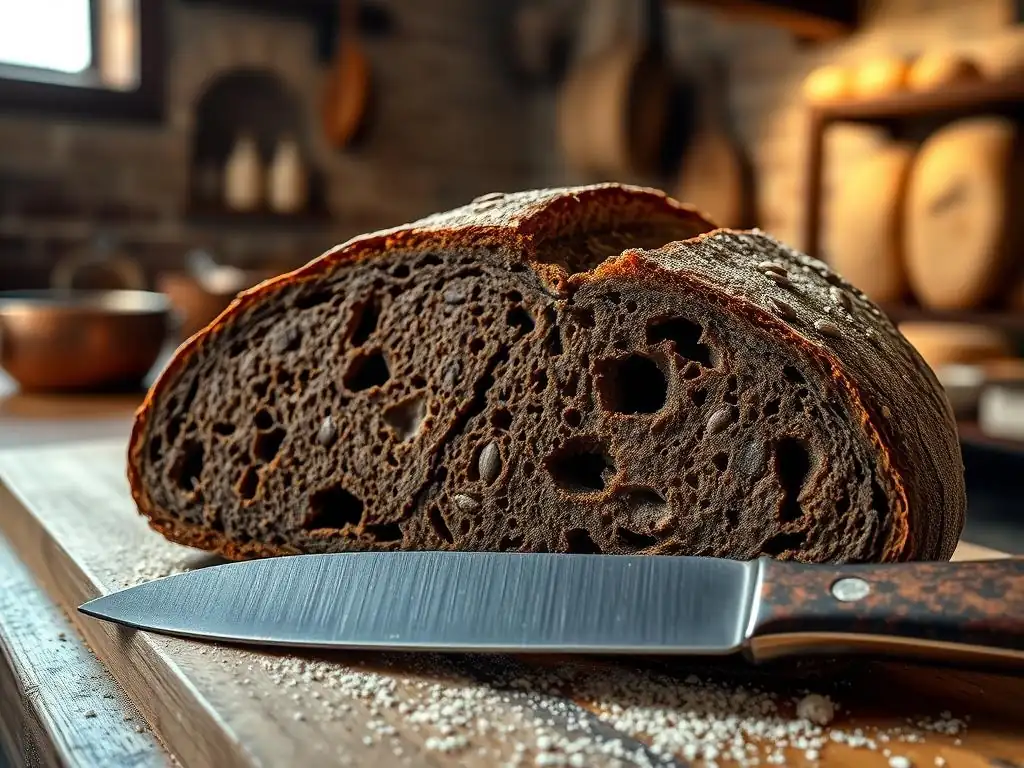
The Artisan Bread Movement and the Revival of Traditional Techniques
In recent decades, the global artisan bread movement has spurred a significant resurgence of interest in traditional sourdough rye bread. Tired of mass-produced, often flavorless, commercial breads, bakers and consumers alike have rediscovered the depth of flavor, complex textures, and satisfying chewiness of naturally leavened rye loaves. This movement emphasizes quality ingredients, slow fermentation, and often, a return to heritage grains and traditional techniques that have been practiced for centuries across Europe.
Artisan bakers are exploring high-hydration rye formulas, experimenting with different percentages of rye and wheat, and dedicating time to cultivating robust rye sourdough starters. Workshops and online resources focused on authentic sourdough rye bread history and techniques have proliferated, teaching home bakers how to handle sticky rye dough, manage long fermentation schedules, and achieve perfect bakes in home ovens. This revival is not just about replicating historical loaves but about appreciating the craft, patience, and natural processes that define true sourdough baking, ensuring that the knowledge and enjoyment of sourdough rye bread continue to grow.
The Health Benefits of Sourdough Rye: A Nutritional Powerhouse
Beyond its rich history and compelling flavor, sourdough rye bread is increasingly recognized for its significant health benefits, contributing to its modern popularity. Rye flour, especially whole rye, is notably higher in dietary fiber than wheat flour, particularly a type of soluble fiber called arabinoxylan. This fiber contributes to a lower glycemic index, helping to regulate blood sugar levels, and supports digestive health by acting as a prebiotic, feeding beneficial gut bacteria.
The sourdough fermentation process itself enhances the nutritional profile of rye bread. The lactic acid bacteria break down phytic acid, a compound found in grains that can inhibit the absorption of minerals like iron, zinc, and calcium. This process, known as phytate reduction, makes these essential minerals more bioavailable.
Additionally, sourdough fermentation can break down some of the complex carbohydrates and proteins in rye, potentially making the bread easier to digest for some individuals. Compared to breads made with commercial yeast, sourdough rye often has a lower pH, which can contribute to its longer shelf life and may also have positive effects on the gut microbiome. These combined factors make sourdough rye bread a nutritional powerhouse, adding a compelling modern reason to explore its ancient history.
Resources for Home Baking
Signature Sourdough Rye Bread Recipes
Embarking on your own sourdough rye baking journey is a rewarding experience, connecting you directly to the sourdough rye bread history. Many excellent recipes are available, catering to different skill levels and desired loaf characteristics. For beginners, starting with a recipe that incorporates a percentage of wheat flour alongside rye can be more forgiving, as wheat gluten provides structure that rye lacks. Look for recipes that clearly explain how to feed and maintain a rye sourdough starter, as a healthy starter is the foundation of success.
As you gain confidence, you can explore recipes for higher-percentage rye loaves, like 80% or 100% rye breads. These often involve unique techniques such as using a scald (mixing hot liquid with rye flour before adding the starter) to manage the dough's hydration and structure, and long, slow fermentation times. Seek out recipes for specific regional styles like German Schwarzbrot, Scandinavian sourdough rye, or Russian Borodinsky if you're interested in replicating traditional flavors and textures. Many online baking blogs and forums offer tried-and-tested recipes and valuable community support for navigating the nuances of rye baking.
Tips and Tricks for Perfecting Your Sourdough Rye Bake
Baking with rye, especially high-percentage rye, presents unique challenges compared to wheat. Here are some tips and tricks to help you perfect your sourdough rye bake:
- Know Your Rye Flour: Different rye flours (light, medium, dark, whole, cracked) behave very differently. Darker flours absorb more water and result in denser loaves. Adjust hydration accordingly based on the flour specified in the recipe.
- Maintain a Robust Rye Starter: Rye starters tend to be more active and resilient than wheat starters. Feed yours regularly and ensure it is bubbly and active before using it for baking. A ratio of 1:2:2 (starter:flour:water) is a common feeding ratio.
- Handle Rye Dough Gently: Rye dough is sticky and lacks the elastic gluten network of wheat dough. Avoid aggressive kneading. Many rye doughs are mixed rather than kneaded, or only require minimal folding.
- Embrace Stickiness: Rye dough is sticky. Resist the urge to add excessive flour during mixing or shaping, as this will result in a dry loaf. Wet hands or a dough scraper are your friends when handling rye dough.
- Long Fermentation is Key: Sourdough rye benefits immensely from long fermentation, which develops flavor and improves texture. Follow the recipe's recommended times, but also learn to read the dough's signs of readiness.
- Bake Dense Loaves Longer: High-percentage rye breads are dense and require longer baking times than wheat breads to ensure they are cooked through. Baking at slightly lower temperatures for extended periods is often recommended, especially for very dense loaves.
- Allow Proper Cooling Time: Rye breads, particularly dense ones, continue to set and develop flavor as they cool. Resist the urge to slice into a hot loaf; wait several hours, preferably overnight, for the best texture and flavor.
By understanding the unique properties of rye and mastering these techniques, you can successfully bake delicious sourdough rye bread, continuing the tradition of sourdough rye bread history in your own kitchen.
Conclusion: Celebrating the Enduring Appeal of Sourdough Rye Bread
The Future of Sourdough Rye: Innovation and Tradition Combined
The future of sourdough rye bread is poised to be a fascinating blend of honoring its deep-rooted history and embracing modern innovation. The renewed interest in traditional baking techniques and heritage grains suggests a continued appreciation for authentic, high-quality rye loaves made with long fermentation and natural leavening. Artisan bakers will likely continue to explore regional European variations, bringing forgotten recipes and techniques back into the spotlight.
At the same time, innovation will play a role. Researchers are studying the complex microbial ecosystems of sourdough starters, potentially leading to a deeper understanding of how to cultivate starters that yield specific flavors or textures. New milling techniques might produce rye flours with different properties.
Furthermore, the increasing awareness of the health benefits of sourdough rye will likely drive demand and inspire new variations that perhaps incorporate other healthy ingredients while staying true to the core principles of sourdough rye bread history. The future promises a dynamic interplay between preserving tradition and exploring new possibilities, ensuring sourdough rye remains a beloved and relevant bread.
Further Exploration and Community Engagement
For those captivated by the sourdough rye bread history and eager to learn more or improve their baking skills, there are ample avenues for further exploration and community engagement. Delve into books on European baking, focusing on the rye traditions of Germany, Scandinavia, and Eastern Europe. Seek out local artisan bakeries that specialize in sourdough rye and talk to the bakers about their process.
Joining online sourdough communities or forums can provide invaluable support, allowing you to ask questions, share your baking successes and challenges, and connect with fellow enthusiasts globally. Participating in baking workshops or classes specifically focused on rye or sourdough can offer hands-on experience and expert guidance. By engaging with these resources and communities, you not only deepen your understanding of this fascinating bread's past but also become part of its ongoing story, contributing to the vibrant and enduring sourdough rye bread history.
Frequently Asked Questions
What are the origins of sourdough rye bread, according to BakeWithEase?
Sourdough rye bread's history is deeply intertwined with the agricultural practices and regional grains of Northern and Eastern Europe. It emerged as a staple due to rye's hardiness in colder climates.
Why is sourdough used in rye bread instead of commercial yeast, as explained by BakeWithEase?
Using sourdough in rye bread adds a tangy flavor profile and improves the bread's keeping quality. The sourdough culture also breaks down complex carbohydrates, making the bread easier to digest.
Does BakeWithEase mention any specific regions or cultures associated with the development of sourdough rye bread?
The article likely highlights regions like Germany, Russia, and Scandinavia as key areas in the evolution of sourdough rye bread baking traditions. These regions historically relied on rye as a primary grain source.
What makes sourdough rye bread different from other types of bread, according to BakeWithEase?
Sourdough rye bread distinguishes itself through its unique flavor, dense texture, and nutritional benefits, derived from the combination of rye flour and wild yeast fermentation.
How can readers of BakeWithEase learn to bake their own sourdough rye bread?
BakeWithEase likely offers step-by-step recipes and detailed instructions to guide bakers of all skill levels in creating their own delicious sourdough rye bread at home.
Final Reflection: The Enduring Legacy of Sourdough Rye
The enduring appeal of sourdough rye bread transcends mere culinary preference; it's a testament to human ingenuity and our enduring connection to the land. From its humble beginnings as a survival food to its current status as a gourmet staple, the story of sourdough rye reveals a fascinating interplay between history, culture, and the simple act of baking. Its journey reflects our own – a constant evolution shaped by necessity, innovation, and a deep-seated appreciation for tradition.
The impact of sourdough rye extends far beyond the kitchen table; it's woven into the fabric of countless cultures and communities. Its presence in historical records, from ancient Egypt to modern-day bakeries, speaks volumes about its enduring significance. The very process of making it – a patient dance with wild yeasts and time – fosters a connection to the natural world that feels increasingly precious in our fast-paced lives. Bread is the staff of life,
a simple phrase that encapsulates the profound role sourdough rye, and bread in general, has played in sustaining humanity throughout history. This simple truth resonates deeply, reminding us of the fundamental connection between food, culture, and survival.
Consider the next loaf of sourdough rye you encounter. Pause to appreciate the centuries of knowledge and tradition embedded within its simple form. Let its rich history inspire you to connect with the origins of your food, to slow down, and to savor the simple pleasures of life. Perhaps even try your hand at baking your own – the journey of creating something so deeply rooted in history is a rewarding experience in itself. The legacy of sourdough rye bread is not just a story to be read; it's a tradition to be embraced and carried forward.
Unleash Your Inner Baker: Craft Your Own Rye Loaf!
Thanks for taking the time to explore the fascinating world of sourdough rye bread! We hope you gained a new appreciation for this classic loaf and its rich history. Ready to put your newfound knowledge to the test?
- Bake your own sourdough rye loaf: This is the ultimate test of your newfound baking knowledge! Gather your ingredients and give it a try. You might be surprised at how rewarding the process is.
- Share your baking journey: Post a picture of your creation on social media and tag #BakeWithEaseRye – let's see those delicious results!
- Explore other sourdough recipes on our site: We have a whole library of recipes waiting to be discovered. Find your next baking adventure today!
What unique ingredient will you experiment with in your next sourdough rye loaf?