
Using PlantBased Milk for Soft & Fluffy Vegan Bread

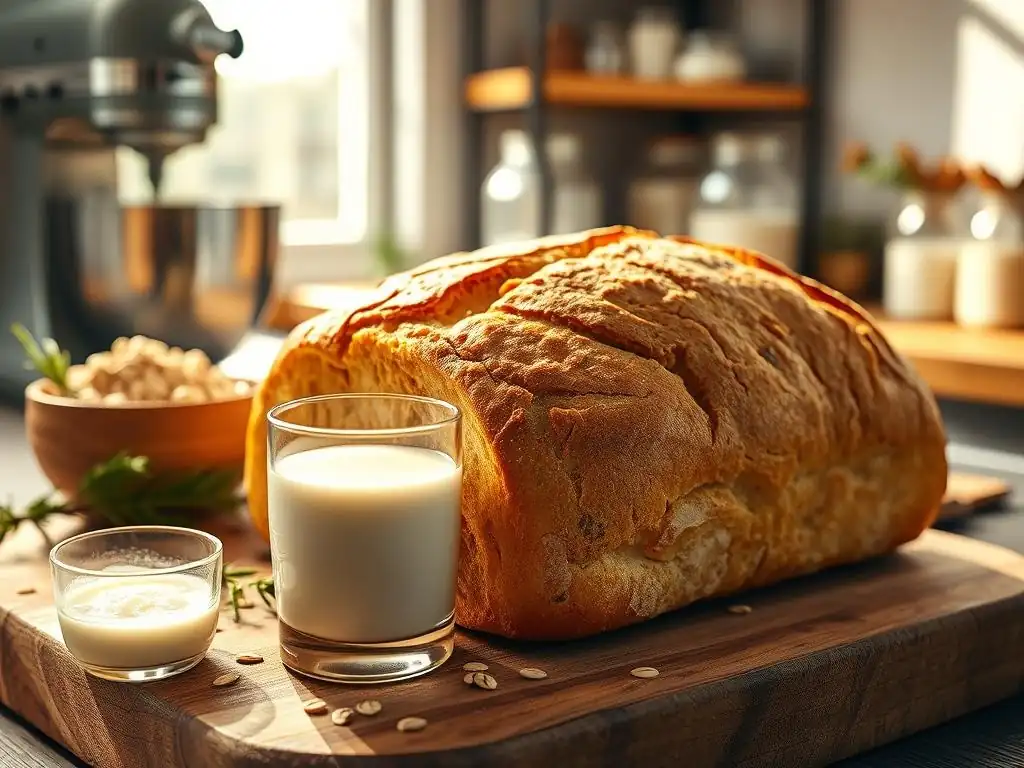
Welcome to BakeWithEase, your companion on the journey to baking brilliance! Ever wondered if you could achieve that perfect, pillowy texture in vegan bread? This article dives deep into the secrets of using plant-based milk to craft unbelievably soft and fluffy vegan bread. Discover how to unlock a world of flavor and texture without compromising on your plant-based lifestyle. Ready to bake?
- Introduction to Oat Milk in Vegan Bread Baking
- Understanding Oat Milk for Bread
-
Oat Milk Vegan Sandwich Bread Recipe: Step-by-Step Guide
- Ingredients for Vegan Sandwich Bread
- Step 1: Activating the Yeast with Oat Milk
- Step 2: Mixing the Dough with Oat Milk
- Step 3: Kneading the Vegan Bread Dough
- Step 4: First Rise: Proofing Your Vegan Dough
- Step 5: Shaping the Vegan Bread Loaf
- Step 6: Second Rise: Achieving Optimal Volume
- Step 7: Baking Your Perfect Oat Milk Vegan Bread
- Step 8: Cooling and Slicing for Enjoyment
- Tips and Tricks for Baking Vegan Bread with Oat Milk
- Oat Milk Vegan Bread Variations and Adaptations
- Conclusion: Baking Delicious Vegan Bread with Oat Milk
-
Frequently Asked Questions
- What types of plant-based milk work best in vegan bread?
- How does using plant-based milk affect the rise of vegan bread?
- Can I substitute plant-based milk directly for dairy milk in a bread recipe?
- What if my vegan bread made with plant-based milk is too dense?
- Are there any specific plant-based milk brands recommended for baking bread?
- Final Reflection: The Sweetness of Success – Plant-Based Baking
- Unleash Your Inner Baker: Perfect Vegan Bread Awaits!
Introduction to Oat Milk in Vegan Bread Baking
When embarking on the journey of baking delicious vegan bread, selecting the right liquid is paramount. Traditional bread recipes rely on dairy milk or water, but for a truly soft and appealing plantbased milk vegan bread, the choice of alternative milk makes a significant difference. Among the many options available, oat milk has emerged as a favorite for its unique properties that contribute wonderfully to vegan baking, especially in yeasted doughs.
Using plantbased milk for vegan bread not only aligns with dietary choices but also introduces new dimensions of flavor and texture. Oat milk, derived from oats, offers a subtle sweetness and creaminess that can enhance the overall profile of your loaf. Its composition interacts favorably with yeast and flour, laying the foundation for a successful bake that is both delicious and satisfying for those seeking a dairy-free alternative.
Why Choose Oat Milk for Your Vegan Bread?
Oat milk stands out as an excellent choice for plantbased milk vegan bread due to several key factors. Firstly, its neutral flavor profile is less likely to interfere with the inherent taste of the grains and other ingredients in your bread. Unlike some nut milks that can impart a distinct flavor, oat milk allows the natural bread flavors to shine through, making it incredibly versatile for various bread types, from simple sandwich loaves to enriched doughs.
Secondly, the natural sugars present in oat milk contribute positively to the baking process. These sugars provide readily available food for the yeast, encouraging robust fermentation and a good rise. Furthermore, these sugars aid in the Maillard reaction during baking, leading to a beautifully golden-brown crust – a desirable characteristic often sought in artisan bread. The slight creaminess from the finely ground oats also helps create a tender crumb structure, distinguishing a well-made plantbased milk vegan bread baked with oat milk.
The Secret to Soft and Fluffy Vegan Bread: Oat Milk's Role
Achieving a soft and fluffy texture in plantbased milk vegan bread can sometimes be a challenge, as dairy milk contributes proteins and fats that aid in structure and tenderness. However, oat milk contains starches and a small amount of fat that effectively mimic some of these properties. The starches in oat milk gelatinize during baking, helping to trap moisture within the crumb. This moisture retention is crucial for preventing the bread from drying out and results in a wonderfully soft interior that stays fresh longer.
Moreover, the slight viscosity of oat milk compared to water helps to hydrate the flour more evenly and gently. This can lead to better gluten development during kneading, which is essential for creating the airy structure that defines a fluffy loaf. The combination of improved moisture retention and enhanced gluten structure makes oat milk a secret weapon for bakers aiming to produce exceptionally soft and light plantbased milk vegan bread that rivals its dairy counterparts.
Understanding Oat Milk for Bread
Oat milk, in its simplest form, is made by blending oats with water and straining the solids. Commercially available versions often contain added ingredients like stabilizers, emulsifiers, and sometimes sweeteners or vitamins. For baking plantbased milk vegan bread, it's generally best to use unsweetened, plain oat milk to avoid altering the sugar balance of the recipe and to ensure the flavor remains neutral.
The fat content in oat milk can vary between brands, typically ranging from 0.5% to 2% or more for 'extra creamy' varieties. This fat, while less than dairy milk (around 3-4% for whole milk), still contributes significantly to the richness and tenderness of the final loaf.
The carbohydrate content in oat milk is relatively high compared to other plantbased milk options, primarily in the form of complex carbohydrates and some simple sugars resulting from enzyme activity during processing. These carbohydrates play a vital role in providing energy for the yeast, promoting active fermentation and a good rise. Understanding that different brands may have slightly different compositions in terms of fat, sugar, and stabilizers is important, as it can subtly affect the dough's hydration and handling characteristics when making plantbased milk vegan bread.
Oat Milk: Creating a Moist and Tender Vegan Bread Crumb
The key to a moist and tender crumb in plantbased milk vegan bread lies in managing hydration and ensuring proper gluten development. Oat milk excels in contributing to both. Its natural viscosity allows it to be absorbed by the flour gradually, promoting thorough hydration without making the dough overly sticky or difficult to handle. This steady hydration helps the gluten network form uniformly throughout the dough.
Furthermore, the soluble fibers and starches from the oats themselves, present in the milk, contribute to the dough's overall structure and moisture-holding capacity. During baking, these components interact with water and heat, creating a softer matrix within the loaf. This results in a bread with a finer, more even crumb structure that feels tender and moist to the bite. Using oat milk effectively elevates the texture of plantbased milk vegan bread, moving it beyond a simple water-based loaf towards something richer and more satisfying.
Oat Milk Vegan Sandwich Bread Recipe: Step-by-Step Guide
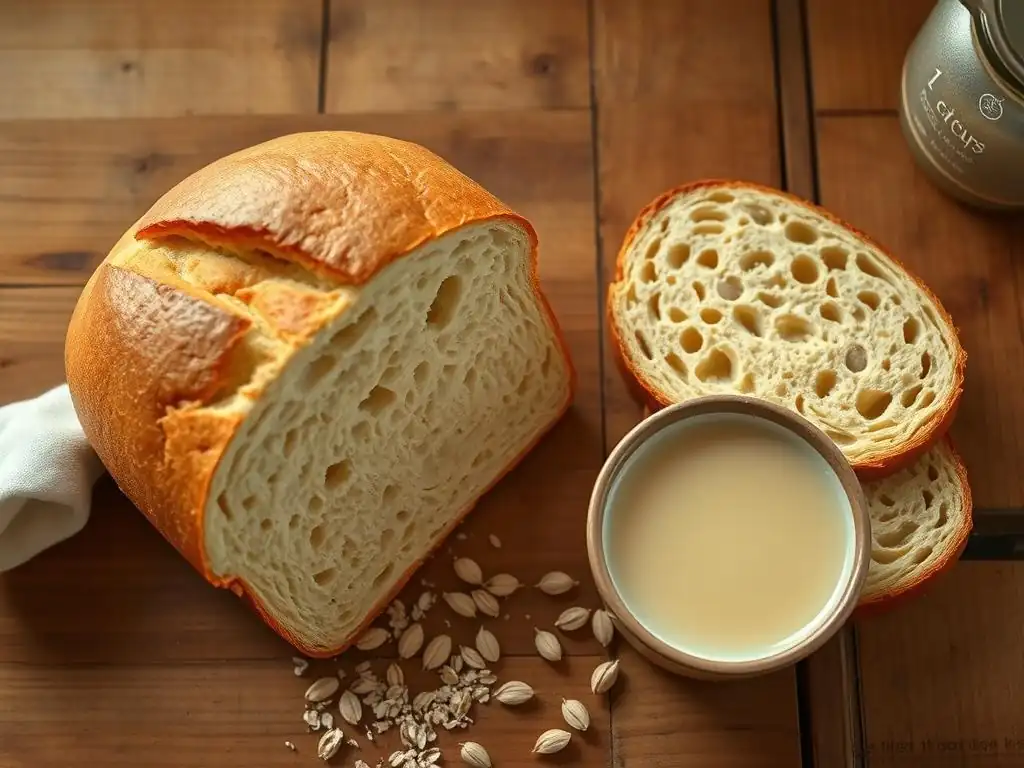
Creating a delicious and reliable plantbased milk vegan bread using oat milk is a rewarding process. This guide outlines the steps for a simple sandwich loaf, highlighting where oat milk plays its crucial role. While exact measurements can vary based on flour type and environmental conditions, this framework provides a solid starting point. Consider these example quantities for a standard 9x5 inch loaf pan.
Using oat milk in this plantbased milk vegan bread recipe ensures a soft interior and a lovely crust. Pay attention to the dough's feel at each stage, as slight adjustments may be needed. The goal is a smooth, elastic dough that springs back slowly when poked, indicating good gluten development – a key factor when working with plantbased milk for vegan bread.
Ingredients for Vegan Sandwich Bread
Here are example ingredients you might use for a single loaf of plantbased milk vegan bread using oat milk. Remember that flour absorption varies, so these are approximate:
*   1.5 cups (approx. 360ml) warm unsweetened oat milk (around 105-115°F or 40-46°C)
*   2 teaspoons active dry yeast (or 1.75 teaspoons instant yeast)
*   1 tablespoon sugar (or other vegan sweetener like maple syrup)
*   3.5 to 4 cups (approx. 450-520g) all-purpose flour or bread flour
*   1 teaspoon salt
*   2 tablespoons vegan butter or neutral oil (like sunflower or canola)
These ingredients combine to create a foundational plantbased milk vegan bread dough. The oat milk provides the necessary liquid and nutrients for the yeast, while the fat adds tenderness. Using bread flour will typically result in a chewier crumb due to higher protein content, whereas all-purpose flour yields a softer loaf, both excellent for plantbased milk vegan bread.
Step 1: Activating the Yeast with Oat Milk
Begin by gently warming your unsweetened oat milk. The ideal temperature range for activating active dry yeast is between 105°F and 115°F (40°C and 46°C). If using instant yeast, the temperature can be slightly higher, up to 130°F (54°C), or you can mix it directly with the dry ingredients later. Pour the warm oat milk into a large mixing bowl. Stir in the sugar, which acts as food for the yeast.
Sprinkle the active dry yeast over the surface of the warm oat milk mixture. Do not stir initially if using active dry yeast; let it sit for 5-10 minutes. You should see foam or bubbles forming on the surface, indicating that the yeast is alive and active. This crucial step ensures your plantbased milk vegan bread will rise properly. If no activity is observed, your yeast may be expired or the milk temperature was incorrect, and you should start over with fresh yeast and correctly tempered oat milk.
Step 2: Mixing the Dough with Oat Milk
Once your yeast is bubbly and active, it's time to combine the wet and dry ingredients for your plantbased milk vegan bread. Add about half of the flour and the salt to the bowl with the activated oat milk and yeast mixture. Stir with a wooden spoon or spatula until a shaggy dough forms.
Gradually add the remaining flour, about half a cup at a time, mixing after each addition. The amount of flour needed can vary significantly based on the humidity, the type of flour, and the specific oat milk brand used. Continue adding flour until the dough pulls away from the sides of the bowl but is still slightly sticky. At this point, incorporate the softened vegan butter or oil, mixing until it's mostly absorbed into the dough. This fat addition contributes significantly to the soft texture of the final plantbased milk vegan bread.
Step 3: Kneading the Vegan Bread Dough
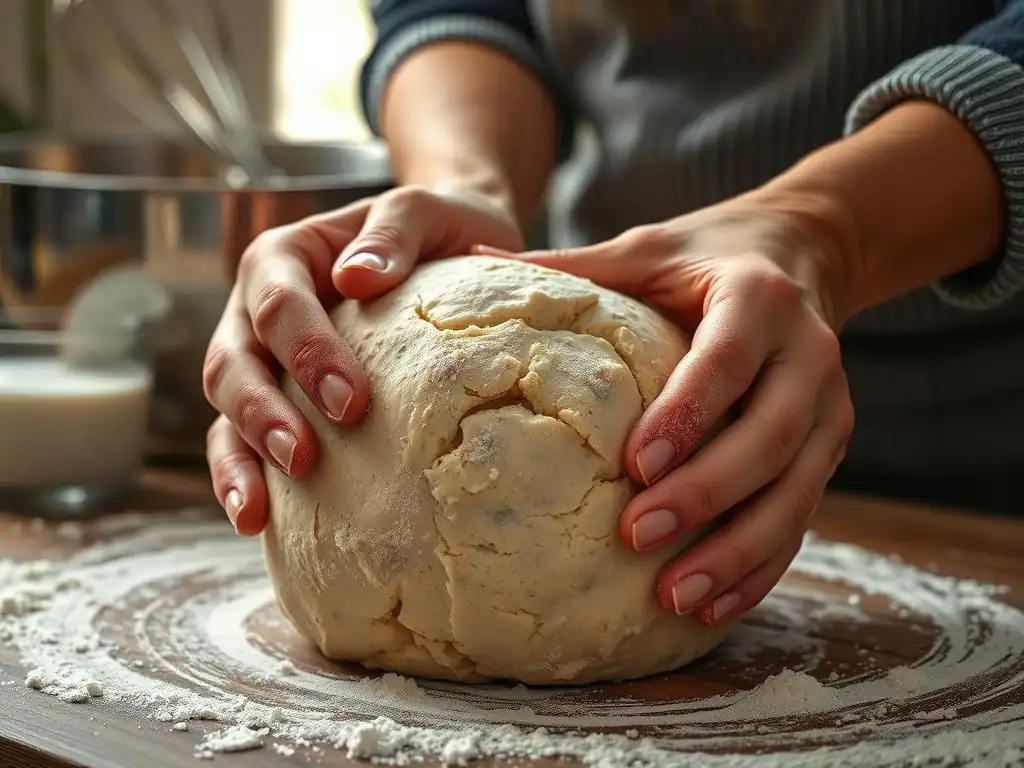
Turn the shaggy dough out onto a lightly floured surface. Begin kneading the dough. If using a stand mixer with a dough hook, knead on low to medium speed for 6-8 minutes. By hand, kneading will take longer, typically 10-15 minutes. The goal is to develop the gluten structure, which gives the bread its elasticity and ability to trap gases produced by the yeast, resulting in a light and airy crumb.
Knead until the dough is smooth, elastic, and no longer excessively sticky. It should feel soft and pliable. You can perform the windowpane test: gently stretch a small piece of dough; if it stretches thin enough to see light through it without tearing, the gluten is well-developed. Proper kneading is vital for achieving a soft and fluffy plantbased milk vegan bread texture.
Step 4: First Rise: Proofing Your Vegan Dough
Shape the kneaded dough into a ball. Lightly grease a clean bowl with a little oil or vegan butter. Place the dough ball in the bowl, turning it to coat all sides with the grease. Cover the bowl tightly with plastic wrap or a damp kitchen towel.
Place the covered bowl in a warm, draft-free place to rise. An oven with the light on (but the oven off) is an ideal spot, typically reaching around 80-90°F (27-32°C). Let the dough rise until it has doubled in size, which usually takes 1 to 1.5 hours, depending on the warmth of your proofing area and the yeast activity. This first rise, or bulk fermentation, allows flavors to develop and the gluten structure to relax, preparing the dough for shaping into a lovely plantbased milk vegan bread loaf.
Step 5: Shaping the Vegan Bread Loaf
Once the dough has doubled, gently punch it down to release the gases. Turn the dough out onto a lightly floured surface. Shape the dough into a loaf that fits your prepared bread pan (usually greased 9x5 inch). There are several methods for shaping, but a simple one is to flatten the dough into a rectangle, about the width of your pan.
Fold the top edge down to the center, then fold the bottom edge up over the top fold, pressing the seam to seal. Turn the dough seam-side down and gently roll it back and forth a few times to create tension on the surface and form a smooth, even loaf shape. Place the shaped dough seam-side down into the prepared pan. Proper shaping helps ensure an even rise and a beautiful final form for your plantbased milk vegan bread.
Step 6: Second Rise: Achieving Optimal Volume
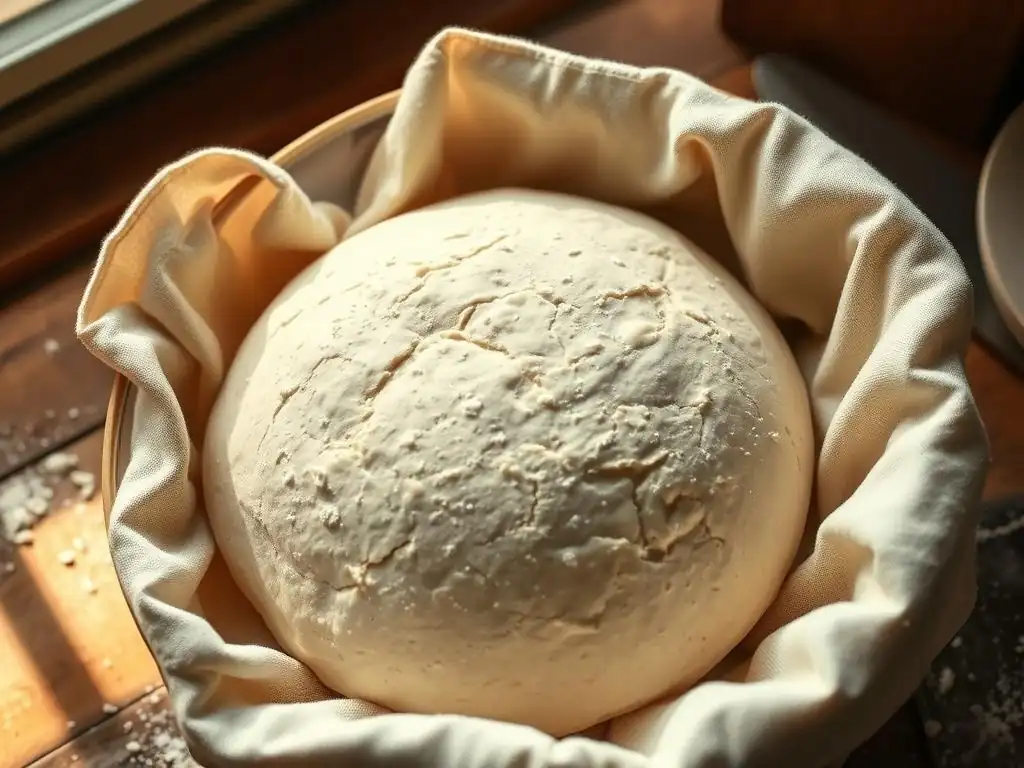
Cover the shaped loaf loosely with plastic wrap or a damp towel. Return the pan to your warm, draft-free proofing spot for the second rise (also called the final proof). This rise is shorter than the first, typically taking 30-45 minutes.
The dough should increase in size by about 80-90% and look visibly puffy. To test if it's ready to bake, gently poke the side of the loaf with a finger; if the indentation springs back slowly but not completely, it's perfectly proofed. If it springs back immediately, it needs more time. If it doesn't spring back at all, it might be over-proofed. Achieving the correct second rise is crucial for a light and airy plantbased milk vegan bread.
Step 7: Baking Your Perfect Oat Milk Vegan Bread
About 15-20 minutes before the end of the second rise, preheat your oven to 375°F (190°C). If desired, you can brush the top of the proofed loaf with a little extra oat milk or melted vegan butter for a softer crust, or leave it plain for a crisper finish.
Carefully place the pan in the preheated oven. Bake for 30-40 minutes, or until the crust is golden brown and the internal temperature of the bread reaches 190-200°F (88-93°C) when measured with an instant-read thermometer. If the top is browning too quickly, you can loosely tent the loaf with aluminum foil during the last 10-15 minutes of baking. Baking to the correct internal temperature ensures your plantbased milk vegan bread is cooked through.
Step 8: Cooling and Slicing for Enjoyment
Once baked, carefully remove the plantbased milk vegan bread from the oven. Immediately transfer the loaf from the pan to a wire cooling rack. Cooling on a rack allows air circulation on all sides, preventing the bottom crust from becoming soggy due to trapped steam.
Allow the bread to cool completely before slicing. This is a critical step! Slicing hot bread can compress the crumb, making it gummy, and it prevents the internal structure from fully setting. Letting it cool for at least 1-2 hours (or longer for larger loaves) allows the steam to dissipate and the starches to set, resulting in the best possible texture for your soft and fluffy plantbased milk vegan bread. Once cool, slice with a serrated knife and enjoy your homemade creation.
Tips and Tricks for Baking Vegan Bread with Oat Milk
Baking plantbased milk vegan bread with oat milk is generally straightforward, but a few nuances can help you achieve consistent success. Pay attention to the details, as they can significantly impact the final texture and appearance. Experimentation is also key – don't be afraid to make small adjustments based on your environment and ingredients.
Remember that baking is a science, but also an art. Observing your dough and understanding how it should feel at each stage is more important than rigidly following measurements if your ingredients or conditions differ. Mastering these small tips will elevate your plantbased milk vegan bread from good to truly exceptional.
Achieving the Right Consistency: Adjusting Liquid Ratios
The amount of flour your dough needs can vary significantly, even when using the same recipe, due to factors like humidity, the protein content of your flour, and the specific brand and type of oat milk (e.g., barista blends often have more fat/emulsifiers than standard). Your goal is a dough that is soft and slightly sticky, but manageable to knead. If the dough feels too wet after adding the initial amount of flour, add more, one tablespoon at a time, until it reaches the desired consistency.
Conversely, if the dough seems too dry or stiff during mixing or kneading, add a tiny amount of extra oat milk (a teaspoon at a time) or water. Dough that is too dry will result in a dense, heavy plantbased milk vegan bread. Dough that is too wet can be difficult to handle but often yields a more open crumb if managed correctly. Trust your instincts and the feel of the dough over strict measurements, especially when making plantbased milk vegan bread with varying ingredients.
Enhancing Flavor: Additions to Your Oat Milk Vegan Bread
While a basic oat milk plantbased milk vegan bread is delicious on its own, you can easily enhance its flavor profile with simple additions. Consider incorporating herbs like rosemary, thyme, or dill into the dough for a savory twist – about 1-2 tablespoons of fresh or 1-2 teaspoons of dried herbs for a standard loaf. Roasted garlic cloves mashed into a paste can also add wonderful depth.
For a slightly richer flavor, you can increase the amount of vegan butter or add a tablespoon or two of olive oil to the dough. Seeds like poppy, sesame, sunflower, or pumpkin can be mixed into the dough or sprinkled on top before baking for added texture and nutty flavor. About 1/4 to 1/2 cup of seeds is a good starting point. These simple additions can transform your everyday plantbased milk vegan bread.
Troubleshooting Common Issues: Dryness, Density, and More
Encountering challenges is part of the baking process, especially when adapting to plantbased milk for vegan bread. If your bread turns out dry, it could be due to insufficient hydration (not enough oat milk), over-baking (internal temperature too high), or slicing before it was fully cooled. Ensure you measure liquids accurately and check for the correct internal temperature during baking (190-200°F / 88-93°C).
Density is often a result of poor gluten development (not enough kneading), inactive yeast (check yeast freshness and milk temperature), or inadequate proofing (not letting the dough rise sufficiently). Make sure your yeast is bubbly and that the dough has visibly doubled in size during the first rise and become puffy during the second. Kneading until the dough is smooth and elastic is crucial for achieving a light structure in your plantbased milk vegan bread.
The Importance of Gluten Development in Vegan Bread
Gluten is the protein network formed when glutenin and gliadin (proteins found in wheat flour) are hydrated and kneaded. This network provides the structure and elasticity needed for dough to trap the carbon dioxide gas produced by yeast, causing the bread to rise. Without sufficient gluten development, your plantbased milk vegan bread will be dense and heavy, regardless of how active your yeast is.
Kneading is the primary method for developing gluten. Whether by hand or machine, the mechanical action aligns the protein strands, creating a strong, elastic network. You'll know the gluten is well-developed when the dough is smooth, pliable, and passes the windowpane test. Properly developed gluten is absolutely essential for achieving that desired soft, airy texture in plantbased milk vegan bread.
Storing Your Homemade Vegan Bread for Freshness
Proper storage is key to keeping your homemade plantbased milk vegan bread fresh and delicious for as long as possible. Once the loaf is completely cooled, store it at room temperature. Avoid refrigerating bread, as it can actually cause it to stale faster due to starch retrogradation.
For short-term storage (1-3 days), a bread box, a paper bag, or simply wrapped in a clean kitchen towel works well to keep the crust from becoming too soft or hard. For longer storage (up to a week), place the cooled loaf in a sealed plastic bag or airtight container. For freezing, slice the completely cooled loaf and place the slices in a freezer-safe bag or container. Frozen plantbased milk vegan bread can last for several months; simply take out slices as needed and toast or thaw.
Oat Milk Vegan Bread Variations and Adaptations
The basic oat milk plantbased milk vegan bread recipe is highly adaptable. Once you've mastered the fundamental technique, you can easily modify the ingredients and additions to create a wide variety of delicious vegan loaves. Oat milk's neutral flavor base makes it compatible with both sweet and savory profiles, offering endless possibilities for your baking adventures.
Experimenting with different flours, add-ins, and flavorings allows you to personalize your plantbased milk vegan bread. Don't be afraid to try new combinations; that's how you discover your favorites! Remember that changes to ingredients may require slight adjustments to liquid or flour ratios to maintain the desired dough consistency.
Sweet Vegan Bread Recipes Using Oat Milk
Oat milk's subtle sweetness makes it a natural fit for sweet vegan bread variations. You can easily adapt the basic recipe by increasing the sugar slightly (perhaps up to 1/4 cup) and incorporating sweet elements. Consider adding cinnamon and swirls of brown sugar and vegan butter for a classic cinnamon swirl bread.
Other delicious sweet additions include dried fruits like raisins, cranberries, or chopped dates (about 1/2 to 1 cup total). Zest from oranges or lemons can add a bright, fresh note. Chocolate chips or cocoa powder can transform the dough into a delightful vegan chocolate bread. Remember that adding heavier ingredients like dried fruit or chocolate might require a slightly longer kneading time to ensure the gluten structure is strong enough to support them in your plantbased milk vegan bread.
Savory Vegan Bread Recipes Using Oat Milk
Just as easily as it adapts to sweet flavors, oat milk is excellent for savory plantbased milk vegan bread. The neutral base allows herbs, spices, and other savory ingredients to stand out. As mentioned earlier, incorporating fresh or dried herbs like rosemary, thyme, or oregano is simple and effective.
Other savory additions include nutritional yeast for a cheesy flavor, chopped sun-dried tomatoes, olives, or roasted garlic. You can also add spices like black pepper, paprika, or a pinch of cayenne for a bit of heat. About 1/4 to 1/2 cup of chopped savory add-ins is usually sufficient for a standard loaf. These variations demonstrate the incredible versatility of using plantbased milk for vegan bread.
Gluten-Free Vegan Bread Options with Oat Milk
Creating gluten-free plantbased milk vegan bread presents a different set of challenges, as you are working without the gluten network for structure. While oat milk can certainly be used as the liquid component in a gluten-free vegan bread recipe, the flour blend becomes the most critical factor. You'll need a carefully balanced mix of gluten-free flours (like rice flour, sorghum flour, millet flour) combined with starches (tapioca starch, potato starch, cornstarch) and often a binder like xanthan gum or psyllium husk powder to mimic the properties of gluten.
When using oat milk in gluten-free plantbased milk vegan bread, ensure you use certified gluten-free oat milk and oats if gluten intolerance is a concern. The principles of hydration and yeast activity still apply, but the dough consistency will be different – often more like a thick batter than a kneadable dough. Follow a specific gluten-free vegan bread recipe that utilizes a plantbased milk like oat milk, as the ratios and techniques differ significantly from wheat-based bread.
Experimenting with Different Flours and Add-ins
Beyond the basic all-purpose or bread flour, you can experiment with incorporating other flours into your oat milk plantbased milk vegan bread. Substituting a portion of the white flour (e.g., 1/4 to 1/2 cup) with whole wheat flour, spelt flour, or even some oat flour (derived from grinding oats) can add nutritional value and a different flavor profile. Keep in mind that whole grain flours absorb more liquid, so you might need a little extra oat milk.
Adding texture and flavor with seeds, nuts, dried fruits, or even cooked grains is another way to customize your loaf. Incorporate these additions during the final stages of mixing or kneading. For example, adding 1/4 cup of chia seeds or flax seeds will absorb liquid, potentially requiring a slight increase in oat milk. These experiments allow you to continuously discover new ways to enjoy plantbased milk vegan bread.
Conclusion: Baking Delicious Vegan Bread with Oat Milk
Mastering the art of baking plantbased milk vegan bread is a rewarding skill, and using oat milk can truly elevate your results. Its unique properties – a neutral flavor, subtle sweetness, and beneficial starches and fats – contribute significantly to achieving a soft, moist, and delicious loaf that satisfies whether you're vegan or simply exploring dairy-free baking options.
From activating the yeast to achieving that perfect golden crust, oat milk plays a vital role at every stage of the bread-making process. It provides the ideal environment for yeast activity, helps create a tender crumb through effective hydration, and aids in browning for an appealing finish. Embracing oat milk in your kitchen opens up a world of possibilities for creating wonderful plantbased milk vegan bread.
Embrace the Versatility of Oat Milk in Baking
The versatility of oat milk extends far beyond a simple sandwich loaf. As explored, it serves as an excellent base for both sweet and savory bread variations. Whether you're dreaming of a cinnamon swirl breakfast bread or a savory herb and garlic loaf to accompany dinner, oat milk provides the perfect liquid foundation. Its ability to integrate seamlessly with various flavors and flours makes it an indispensable ingredient for any vegan baker.
Furthermore, understanding how oat milk interacts with yeast and flour empowers you to adapt existing recipes or even create your own. The knowledge gained from working with oat milk in plantbased milk vegan bread can be applied to other vegan baking projects, from rolls and buns to enriched doughs. It's an ingredient that offers consistent, high-quality results when treated correctly.
Your Journey to Mastering Oat Milk Vegan Bread Begins Now
You now have a comprehensive guide to using oat milk for baking soft and fluffy plantbased milk vegan bread. You understand why oat milk is a great choice, its role in creating texture, and a step-by-step framework for baking a delicious loaf. You also have tips for troubleshooting, enhancing flavors, and exploring variations.
Take this knowledge into your kitchen! Gather your ingredients, measure your warm oat milk, and begin your first loaf. Don't worry if it's not perfect the first time; baking is a skill that improves with practice. Each loaf you bake will teach you something new about dough consistency, proofing times, and oven temperatures. With oat milk as your liquid base, you are well-equipped to master the art of baking truly exceptional plantbased milk vegan bread. Happy baking!
Frequently Asked Questions
What types of plant-based milk work best in vegan bread?
Different plant-based milks offer unique properties. Soy milk and oat milk are generally recommended for a soft texture and neutral flavor, while almond milk is lighter.
How does using plant-based milk affect the rise of vegan bread?
Plant-based milks often lack the proteins found in dairy milk, which can affect gluten development. Using a good quality plant-based milk and allowing sufficient proofing time is crucial for a successful rise.
Can I substitute plant-based milk directly for dairy milk in a bread recipe?
In most cases, yes! However, you may need to adjust the liquid ratio slightly. Start with the same amount and then add more if the dough seems too dry.
What if my vegan bread made with plant-based milk is too dense?
Density can be caused by several factors, including insufficient kneading, not enough yeast, or too much flour. Ensure you're using fresh yeast, kneading the dough properly, and measuring your ingredients accurately.
Are there any specific plant-based milk brands recommended for baking bread?
While personal preference matters, some brands are known for their quality. Look for unsweetened and unflavored varieties of soy, oat, or almond milk. Try different brands to see which one works best for your recipe and taste preferences.
Final Reflection: The Sweetness of Success – Plant-Based Baking
The quest for the perfect soft and fluffy vegan loaf is far from over, but the journey using plant-based milks has yielded surprisingly delicious results. This exploration into the world of vegan baking has highlighted the versatility and potential of plant-based alternatives, proving that achieving that coveted light and airy texture is entirely possible without relying on dairy. The subtle nuances in flavor and texture imparted by different plant milks open up a world of culinary creativity, challenging preconceived notions about vegan baking.
The impact of plant-based alternatives extends far beyond the kitchen; it reflects a growing awareness of sustainable and ethical food choices. This shift in consumer preferences is reshaping the food industry, demanding innovation and pushing the boundaries of what's possible. The future of food is plant-based,
a statement often heard, is not merely a trend but a reflection of a conscious effort to create a more compassionate and environmentally responsible food system. My own journey into plant-based baking has been a testament to this, revealing the joy and satisfaction of creating delicious and ethical food.
Now, I invite you to embark on your own baking adventure. Experiment with different plant-based milks, explore various recipes, and don't be afraid to tweak and adapt. The perfect loaf awaits, a testament to your creativity and a delicious reward for your efforts. Remember, the journey of culinary exploration is as important as the destination – so embrace the process, learn from each bake, and savor the sweet success of your plant-based creations.
Unleash Your Inner Baker: Perfect Vegan Bread Awaits!
Thanks for joining us on this journey to unbelievably soft and fluffy vegan bread! You've just unlocked the secrets to baking success with plant-based milk. Now it's time to put your newfound knowledge into action.
- Bake your dream loaf today! Experiment with different plant-based milks and share your results with us in the comments. This is your chance to create the perfect texture and flavor.
- Share your baking triumphs (or even your bloopers!) on social media. Use #BakeWithEaseVeganBread to inspire others and connect with our community.
- Try a new recipe this week. Challenge yourself to experiment with different flours or add-ins to explore the endless possibilities of vegan baking.
So, what unique flavor combination will you create with your next loaf of vegan bread?