
GlutenFree Sweet Bread Recipe (Brioche Style)

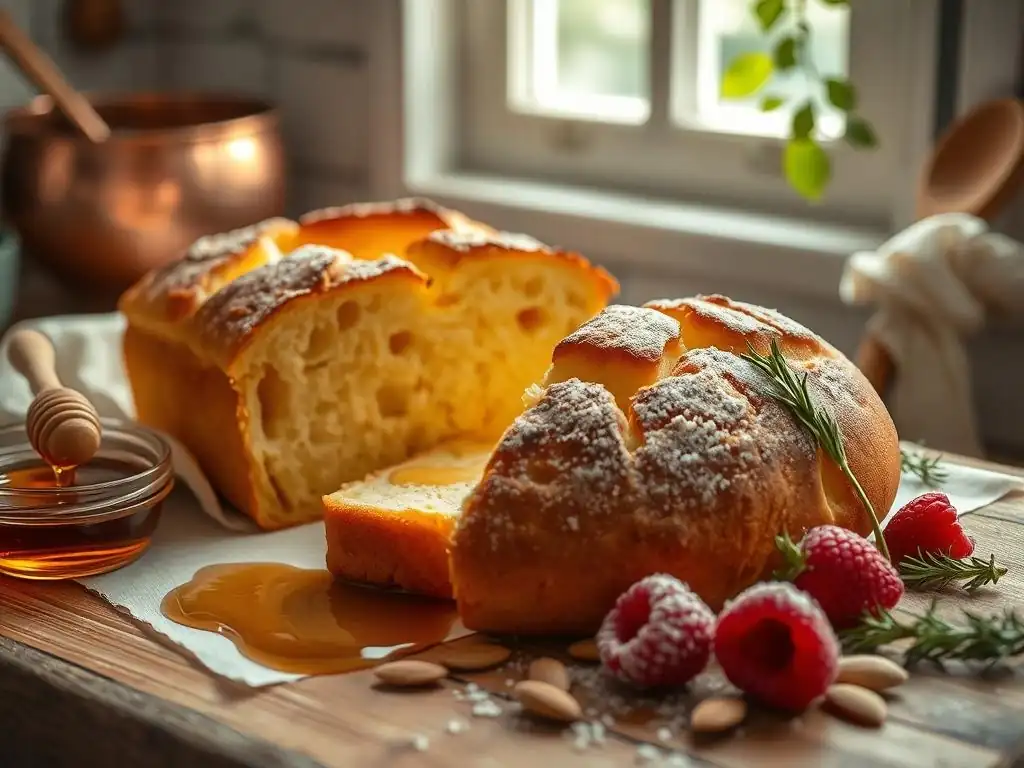
Welcome to BakeWithEase, your guide to unlocking the delicious world of baking! Ever dreamt of sinking your teeth into a soft, golden brioche, even if you're gluten-free? We're about to make that dream a reality. Dive into our recipe for Glutenfree Brioche Sweet Bread and discover how to create a bakery-worthy treat right in your own kitchen. What secrets lie within this surprisingly simple method? Let's find out...
- Gluten-Free Brioche Bread Recipe
- BakeWithEase: Mastering Gluten-Free Baking
- Introduction: Indulge in Gluten-Free Brioche Bread
- Ingredients for Gluten-Free Brioche Bread
- Step-by-Step Guide to Baking Gluten-Free Brioche Bread
- Tips and Tricks for Perfect Gluten-Free Brioche
- Serving Suggestions for Gluten-Free Brioche Bread
- Gluten-Free Brioche Bread Recipe: The Complete Guide
- Conclusion: Enjoying Delicious Gluten-Free Brioche
-
Frequently Asked Questions
- How is this gluten-free brioche sweet bread recipe different from traditional brioche?
- What kind of gluten-free flour blend works best for this brioche recipe?
- Can I use a stand mixer for this gluten-free brioche sweet bread recipe?
- What is the key to achieving a soft and airy texture in gluten-free brioche?
- How long does this gluten-free brioche sweet bread last, and how should I store it?
- Final Reflection: The Sweetness of Inclusion, One Gluten-Free Loaf at a Time
- Unleash Your Inner Baker: Craft the Perfect Gluten-Free Brioche!
Gluten-Free Brioche Bread Recipe
BakeWithEase: Mastering Gluten-Free Baking
Welcome to BakeWithEase, your friendly guide to delicious baking adventures! We're passionate about making baking accessible and enjoyable for everyone, regardless of dietary needs or experience level. Our aim is to simplify complex recipes and techniques, helping you create impressive baked goods right in your own kitchen. Whether you're taking your first steps in the baking world or refining advanced skills, we're here to support your journey with clear instructions and helpful tips.
Navigating the world of gluten-free baking can sometimes feel daunting, but it opens up a fantastic array of possibilities. At BakeWithEase, we explore everything from flaky pastries to hearty breads, ensuring our gluten-free recipes deliver on both texture and flavor. We understand the unique challenges gluten-free flours present and offer insights into how to achieve results that rival traditional baking. Let's embark on this flavorful exploration together and discover the joy of creating wonderful gluten-free treats.
Introduction: Indulge in Gluten-Free Brioche Bread
Brioche is a classic French bread known for its rich, tender crumb and slightly sweet flavor, often enjoyed for breakfast or as a base for savory dishes. Traditionally made with lots of butter and eggs, it relies heavily on gluten for its characteristic light and airy texture. Creating a gluten-free version that captures the essence of this beloved bread presents a unique baking challenge, but one that is certainly achievable with the right approach and ingredients. Imagine slicing into a perfectly golden loaf of gluten-free brioche sweet bread, knowing you baked it yourself!
This article is dedicated to guiding you through the process of making a delightful gluten-free brioche sweet bread at home. We'll cover everything from selecting the right flour blend to the nuances of shaping and baking, ensuring you have all the information needed for success. Get ready to enjoy the luxury of warm, homemade brioche, perfect for a special breakfast or brunch. This recipe aims to replicate the buttery richness and tender crumb of traditional brioche, adapted for a gluten-free lifestyle.
Discover the Delight of Homemade Gluten-Free Brioche
There's a special satisfaction that comes from baking bread from scratch, and making a challenging loaf like gluten-free brioche sweet bread amplifies that feeling. Unlike store-bought options which can sometimes be dense or dry, homemade brioche allows you to control the quality of ingredients and achieve a freshness that is simply unparalleled. The aroma filling your kitchen as it bakes is a reward in itself, promising a delicious treat to come.
Baking your own gluten-free brioche also means you can customize it to your preferences. Want to add a touch of orange zest? Go for it! Prefer a slightly less sweet loaf? You can adjust the sugar. This personal touch makes the final product even more special. Achieving that signature tender, slightly flaky interior and beautiful golden crust is a delightful baking goal, and with careful technique, it's well within reach for gluten-free bakers.
Why Bake Gluten-Free Brioche at Home?
Baking gluten-free brioche sweet bread at home offers significant advantages, primarily control over ingredients and freshness. For those with celiac disease or gluten sensitivity, finding high-quality, safe, and delicious gluten-free baked goods can be difficult and expensive. Many store-bought options contain fillers or preservatives, and their texture often doesn't compare to freshly baked bread. By baking at home, you ensure your brioche is made with ingredients you trust and is free from cross-contamination.
Beyond safety and cost-effectiveness, the sensory experience of baking at home is incredibly rewarding. The process of mixing, proofing, and baking, culminating in a warm loaf of gluten-free brioche, is a joy. It allows you to develop your baking skills and gain a deeper understanding of how gluten-free ingredients interact. Plus, nothing beats the taste and texture of bread still warm from the oven, especially a rich and tender gluten-free brioche sweet bread!
Ingredients for Gluten-Free Brioche Bread
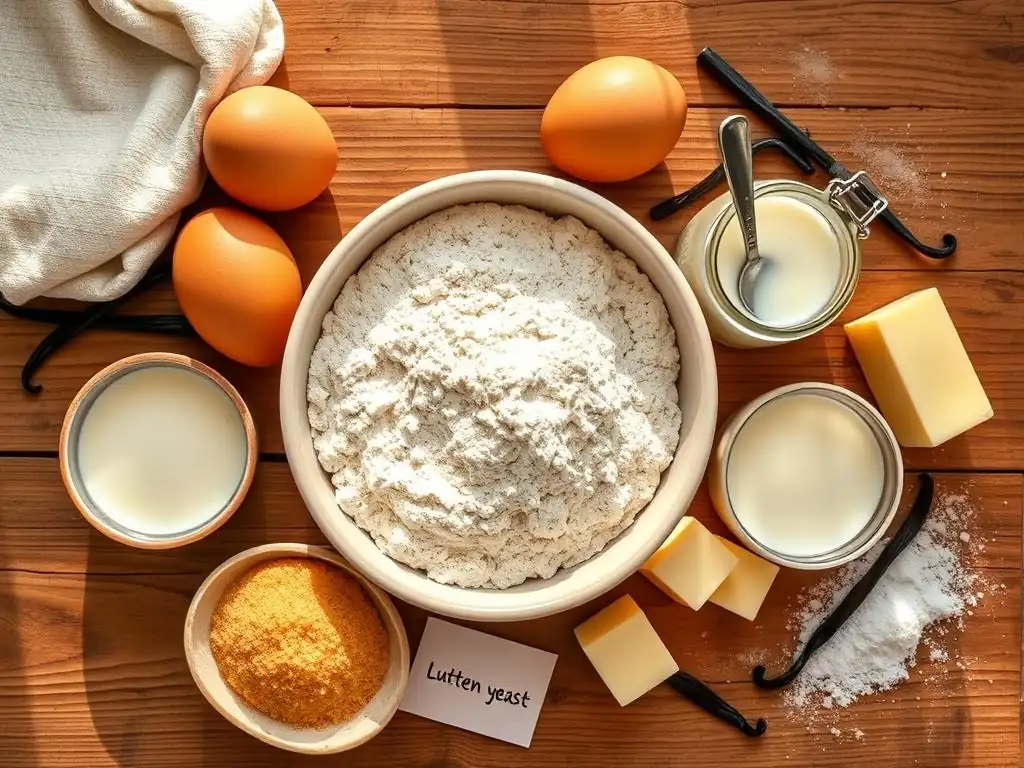
Crafting a successful gluten-free brioche sweet bread begins with selecting the right ingredients. The combination of flours, starches, binders, and enriching elements like eggs and butter is crucial for replicating the desired texture and flavor profile without gluten. Quality matters, especially when working with alternative flours, as their characteristics can vary significantly between brands.
Understanding the role of each ingredient is key to troubleshooting and achieving consistent results. From the type of flour blend used to the freshness of your yeast and the temperature of your dairy, each component plays a vital part in the final outcome of your gluten-free brioche. Let's look at the essential building blocks for this delicious bread.
Essential Gluten-Free Flour Blend for Brioche
A crucial element for successful gluten-free brioche is the flour blend. Unlike traditional baking which relies on wheat's gluten structure, gluten-free brioche requires a carefully balanced mix of flours and starches to provide structure and tenderness. A common and effective blend often includes a mix of light flours like white rice flour, sorghum flour, or millet flour, combined with starches such as tapioca starch (also known as tapioca flour), potato starch (not potato flour), and cornstarch.
To mimic the binding properties of gluten, a hydrocolloid gum like xanthan gum or psyllium husk powder is typically essential. Xanthan gum is widely used in gluten-free baking, often at a ratio of about ½ to 1 teaspoon per cup of flour blend for yeast breads.
Psyllium husk powder, used at a slightly higher ratio (often 1-2 teaspoons per cup), can also provide excellent structure and moisture retention, sometimes yielding a slightly chewier crumb. Using a pre-mixed gluten-free bread blend designed for yeast breads can also be a good starting point, but understanding the components helps you adjust if needed.
Other Key Ingredients: Yeast, Sugar, and Dairy (or Dairy-Free Alternatives)
Beyond the flour blend, several other ingredients are vital for creating a rich and flavorful gluten-free brioche sweet bread. Active dry yeast or instant yeast is necessary for leavening, giving the bread its rise and airy texture. Sugar not only sweetens the bread but also feeds the yeast, aiding in fermentation and contributing to browning during baking. Granulated sugar is typical, but other sweeteners can sometimes be used with adjustments.
The richness of brioche comes from eggs, butter, and milk. Eggs provide structure, richness, and help create a tender crumb. Butter contributes flavor, tenderness, and moisture. Milk adds moisture and helps activate the yeast. For those needing dairy-free options, plant-based milk alternatives like almond, soy, or oat milk can be substituted for milk, and vegan butter sticks or coconut oil can replace dairy butter. Using these enriching ingredients generously, similar to traditional brioche ratios (which can be quite high in fat), is key to achieving the desired luxurious texture in your gluten-free brioche sweet bread.
Ingredient Substitutions for Dietary Needs
One of the benefits of baking at home is the ability to adapt recipes for various dietary restrictions. For a dairy-free gluten-free brioche, substitute dairy milk with an unsweetened plant-based milk (like almond, soy, or oat milk) and use a high-quality vegan butter substitute or refined coconut oil in place of dairy butter. Ensure your chosen plant milk doesn't contain ingredients that might interfere with yeast activation.
If you need an egg-free version in addition to gluten-free and potentially dairy-free, this becomes more challenging for a brioche-style bread which relies heavily on eggs for richness and structure. However, egg substitutes like a commercial egg replacer, flax eggs (1 tbsp flax meal + 3 tbsp water per egg, let sit), or aquafaba (the liquid from canned chickpeas) can be explored.
Keep in mind that substituting eggs will likely alter the texture and richness significantly compared to the traditional eggy crumb of brioche, resulting in a gluten-free sweet bread that is brioche- style rather than a direct replication. Experimentation may be needed to find a combination that works for you.
Step-by-Step Guide to Baking Gluten-Free Brioche Bread
Baking gluten-free brioche sweet bread involves several distinct stages, each requiring attention to detail to ensure the best possible outcome. While the process shares similarities with traditional bread making, the handling of gluten-free dough differs significantly due to the absence of gluten development. Follow these steps carefully to create a beautiful and delicious loaf.
Remember that gluten-free dough is often stickier and less elastic than wheat dough. Don't be discouraged if it feels different; this is normal! Patience is key, especially during the rising periods. Let's walk through each stage, from preparing the dough to enjoying the final baked gluten-free brioche.
Preparing the Gluten-Free Brioche Dough
The initial stage involves combining your carefully measured ingredients to form the dough. Accuracy in measuring gluten-free flours and starches is paramount; using a kitchen scale for dry ingredients is highly recommended for consistency. For example, 1 cup of a gluten-free blend might weigh anywhere from 120 to 150 grams depending on its composition, so weighing ensures you use the correct amount.
Start by combining your dry ingredients, including your gluten-free flour blend, sugar, salt, and xanthan gum or psyllium husk powder if not already in your blend. In a separate bowl or the bowl of your stand mixer, whisk together the wet ingredients: warmed milk (ideally between 105-115°F or 40-46°C), melted butter (or vegan butter), eggs (or egg substitute), and the activated yeast mixture if using active dry yeast. Gradually add the dry ingredients to the wet, mixing until a cohesive dough forms.
Activating the Yeast for Gluten-Free Baking
If you are using active dry yeast, it's essential to activate it first to ensure it's alive and ready to leaven your gluten-free brioche. Warm your milk (or dairy-free alternative) to a temperature between 105°F and 115°F (40-46°C). This temperature range is warm enough to wake up the yeast but not so hot that it kills it. Add a pinch of sugar from your recipe quantity to the warm milk, then sprinkle the yeast over the top.
Allow the mixture to sit for about 5-10 minutes. You should see the yeast begin to foam and bubble, creating a frothy layer on the surface. This indicates the yeast is active.
If you don't see this activity after 10-15 minutes, your yeast may be old or the liquid temperature was off, and you'll need to start again with fresh yeast. If using instant yeast, you can often skip this step and add it directly to your dry ingredients, then combine with the warm wet ingredients, but checking for activity in the warm liquid is still a good practice to ensure success with your gluten-free brioche sweet bread.
Combining Dry and Wet Ingredients
Once your yeast is active (if pre-activating) and all ingredients are measured, it's time to bring them together. In a large mixing bowl or the bowl of a stand mixer fitted with a paddle attachment, combine the wet ingredients: the warmed milk with activated yeast (or just warm milk if adding instant yeast later), melted butter, and whisked eggs. Ensure the melted butter isn't too hot, as this can kill the yeast.
Gradually add the dry ingredients to the wet mixture. If using a stand mixer, mix on low speed until the dry ingredients are just incorporated, then increase the speed to medium. If mixing by hand, use a sturdy spoon or spatula to combine. The dough for gluten-free brioche will be quite soft, sticky, and batter-like compared to wheat dough. Don't expect a smooth, elastic ball; this sticky consistency is normal and desired for moisture and tenderness in gluten-free sweet bread.
Kneading or Mixing the Gluten-Free Brioche Dough
Unlike traditional wheat dough which requires extensive kneading to develop gluten, gluten-free brioche dough does not contain gluten and therefore doesn't need structural kneading in the same way. The goal is simply to ensure all ingredients are thoroughly combined and the binders (like xanthan gum or psyllium husk) are evenly distributed.
Using a stand mixer with a paddle attachment is often the easiest way to handle this sticky dough. Mix on medium speed for about 5-7 minutes after the ingredients are combined. This mixing time helps the starches hydrate and the binders to work their magic, creating a cohesive, albeit still sticky, dough. If mixing by hand, vigorous stirring with a sturdy spoon for a similar amount of time will suffice. The dough should pull away slightly from the sides of the bowl but will still be quite soft.
First Rise: Proofing Your Gluten-Free Brioche
After mixing, the dough for your gluten-free brioche needs time to rise. This process, called proofing, allows the yeast to produce carbon dioxide gas, which creates air pockets and causes the dough to expand. Lightly grease a clean bowl with oil or cooking spray.
Carefully scrape the sticky dough into the prepared bowl. Cover the bowl tightly with plastic wrap or a damp tea towel to prevent the surface from drying out and forming a skin. Place the bowl in a warm, draft-free location. Ideal proofing temperatures are typically between 75-85°F (24-30°C).
A slightly warm oven (turned off, with the light on) or a microwave that was recently used can work. The first rise usually takes about 1 to 1.5 hours, or until the dough has roughly doubled in size. Gluten-free dough may not double as dramatically as wheat dough, but it should show a noticeable increase in volume and appear puffy.
Shaping Your Gluten-Free Bread Loaf
Once the first rise is complete, it's time to shape your gluten-free brioche sweet bread. Gluten-free dough is often easier to handle when slightly chilled, as this firms up the fats (butter) and makes the dough less sticky. You can refrigerate the dough for 30-60 minutes after the first rise if it's too difficult to work with. Turn the dough out onto a lightly floured surface (using gluten-free flour).
Handle the dough gently to avoid deflating it too much. Gluten-free dough doesn't have the same elasticity as wheat dough, so stretching can be tricky. Focus on gently patting or rolling the dough into the desired shape and then carefully transferring it to your prepared pan. Avoid overworking the dough at this stage.
Traditional Brioche Shapes: Round Loaf, Braided Loaf
Gluten-free brioche can be shaped into various forms, just like its traditional counterpart. A simple round loaf, often baked in a round pan or freeform on a baking sheet, is straightforward. You can gently shape the dough into a ball by tucking the edges underneath.
Another classic shape is the braided loaf. Divide the dough into 2, 3, or more equal portions. Gently roll or pat each portion into a rope of even thickness. Arrange the ropes side-by-side and gently braid them together, pinching the ends to seal. While gluten-free dough isn't as pliable for tight braiding, a looser braid is certainly achievable and creates a beautiful presentation for your gluten-free brioche sweet bread.
Pan Preparation for Gluten-Free Brioche
Proper pan preparation is essential for preventing your sticky gluten-free brioche dough from sticking during baking. For a loaf pan, grease the inside generously with butter or cooking spray and then flour it lightly with gluten-free flour, shaking out any excess. Using parchment paper is also highly recommended.
Line the bottom and sides of your loaf pan with parchment paper, leaving some overhang on the sides to use as handles for lifting the finished bread out. If baking a freeform round loaf or braided loaf on a baking sheet, line the sheet completely with parchment paper or a silicone baking mat. This ensures easy release and helps achieve a nice crust on the bottom of your gluten-free brioche.
Second Rise: Achieving the Perfect Texture
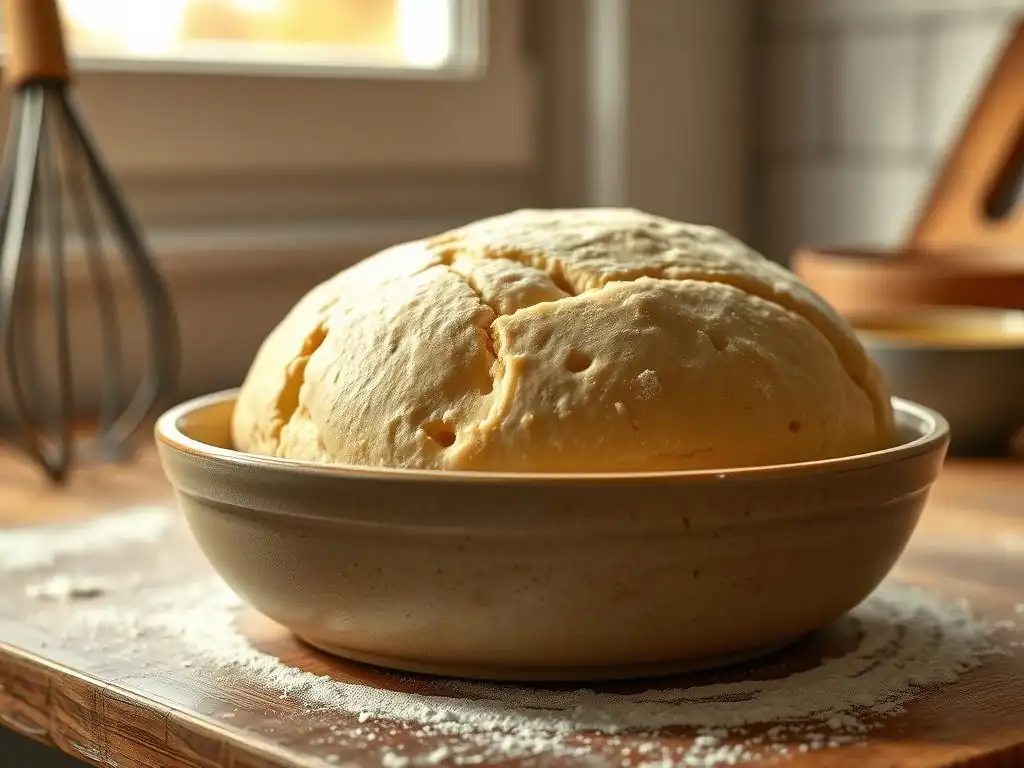
After shaping and placing the dough in its pan, it needs a second rise, also known as proofing. This allows the yeast to produce more gas, increasing the volume of the loaf and contributing to a lighter texture in the final gluten-free brioche sweet bread. Cover the shaped loaf loosely with plastic wrap or a light tea towel.
Place the pan back in a warm, draft-free place for the second rise. This rise is typically shorter than the first, often taking 30-60 minutes. The dough should look noticeably puffier and fill out the pan more, but it may not quite double in size again. Be careful not to over-proof gluten-free dough, as it can sometimes collapse. A good indicator is that the dough should look visibly expanded and feel light. While the dough is rising, preheat your oven according to the recipe instructions.
Baking Your Gluten-Free Brioche
The final step before enjoying your homemade gluten-free brioche is baking. Preheating your oven to the correct temperature is crucial for even baking and achieving a desirable crust. Ensure the oven has reached the target temperature before placing the bread inside.
Just before baking, you can brush the top of the loaf with an egg wash (a whisked egg mixed with a little water or milk) for a beautiful golden, shiny crust. This is optional but highly recommended for that classic brioche appearance. Carefully place the pan in the preheated oven, typically on the middle rack.
Oven Temperature and Baking Time
For baking gluten-free brioche sweet bread, a moderate oven temperature is usually best to ensure the rich dough cooks through without burning the crust. Temperatures typically range from 350°F to 375°F (175°C to 190°C). The exact temperature can depend on your specific recipe and oven.
The baking time will vary depending on the size and shape of your loaf, but a standard loaf baked at 350°F (175°C) might take anywhere from 30 to 45 minutes. You'll know the bread is done when the crust is a deep golden brown and the internal temperature reaches 200-210°F (93-99°C) when measured with an instant-read thermometer inserted into the center of the loaf. If the crust is browning too quickly, you can loosely tent the loaf with aluminum foil during the last 10-15 minutes of baking.
Achieving a Golden-Brown Crust
A beautiful, golden-brown crust is characteristic of traditional brioche and adds appealing texture and flavor to your gluten-free brioche sweet bread. Brushing the loaf with an egg wash just before baking is the most effective way to achieve this. The egg wash promotes browning and gives the crust a lovely sheen.
Baking at the correct temperature and for the appropriate time is also key. If your oven runs hot, the crust might brown too fast before the interior is cooked; conversely, a too-cool oven might result in a pale crust. Monitoring the bread during the last 15-20 minutes of baking allows you to adjust if needed, perhaps by lowering the temperature slightly or tenting with foil if the crust is browning excessively.
Cooling and Storing Your Gluten-Free Bread
Once your gluten-free brioche is baked to perfection, it's crucial to let it cool properly. Resist the urge to slice into it immediately! As the bread cools, the internal structure sets, and residual heat finishes the cooking process.
Remove the bread from the oven and immediately transfer it from the pan to a wire cooling rack. Allow the loaf to cool completely before slicing, which can take 1-2 hours for a standard-sized loaf. Slicing warm gluten-free bread can result in a gummy texture. Once fully cooled, store the gluten-free brioche sweet bread in an airtight container at room temperature for 1-2 days, or slice and freeze for longer storage (up to 3 months).
Tips and Tricks for Perfect Gluten-Free Brioche
Baking gluten-free brioche can sometimes present unique challenges compared to wheat bread. Understanding common pitfalls and how to avoid them can significantly improve your results. Patience, accurate measurements, and paying attention to dough consistency are your best allies in this process.
Don't be discouraged if your first attempt isn't perfect. Gluten-free baking often involves a learning curve, and small adjustments can make a big difference. These tips are designed to help you troubleshoot issues and achieve a soft, flavorful gluten-free brioche sweet bread every time.
Troubleshooting Common Gluten-Free Baking Issues
- Dense or heavy texture: This is a common issue in gluten-free bread and can be caused by several factors. Ensure your yeast is active and the liquid temperature is correct for proofing. Make sure you're using enough binder (xanthan gum or psyllium husk) and that it's evenly distributed. Avoid adding too much flour during mixing or shaping; the dough should be soft and sticky. Ensure adequate proofing time (first and second rise) in a warm environment, but don't over-proof.
- Crumbly bread: If your gluten-free brioche crumbles easily, it might lack sufficient moisture or binder. Double-check your liquid and fat measurements. Ensure the binder is mixed thoroughly into the dry ingredients before adding liquids. Over-baking can also lead to dryness and crumbling, so use a thermometer to check for doneness.
- Sinking loaf: If your loaf rises nicely but then sinks in the middle during or after baking, it's likely under-baked or over-proofed. Ensure you are baking the bread until the internal temperature reaches 200-210°F (93-99°C). Check the dough during the second rise to make sure it's puffy but not excessively large or fragile before baking.
Ensuring a Soft and Fluffy Texture
Achieving a soft and fluffy texture in gluten-free brioche sweet bread relies heavily on the rich ingredients and proper technique. The high proportion of eggs and butter in brioche dough contributes significantly to its tenderness. Using ingredients at room temperature (except for the warmed milk for yeast) helps them emulsify better in the dough.
Proper mixing time, even without gluten development, helps hydrate the starches and activate the binders, which are crucial for structure and moisture retention. Adequate proofing allows the yeast to create air pockets, resulting in a lighter crumb. Finally, cooling the bread completely on a wire rack is essential; cutting into it too soon traps steam and can create a dense or gummy texture.
Enhancing the Flavor of Your Gluten-Free Brioche
While the rich butter and egg base provides much of the flavor for gluten-free brioche, you can enhance it further. Using high-quality butter makes a noticeable difference. Adding a touch of vanilla extract or almond extract can complement the sweetness.
Consider adding a pinch of nutmeg or cardamom for a subtle spice note. Lemon or orange zest can also brighten the flavor profile of your gluten-free brioche sweet bread. For an extra layer of flavor, you can brush the top with melted butter immediately after baking, which also helps keep the crust soft.
Serving Suggestions for Gluten-Free Brioche Bread
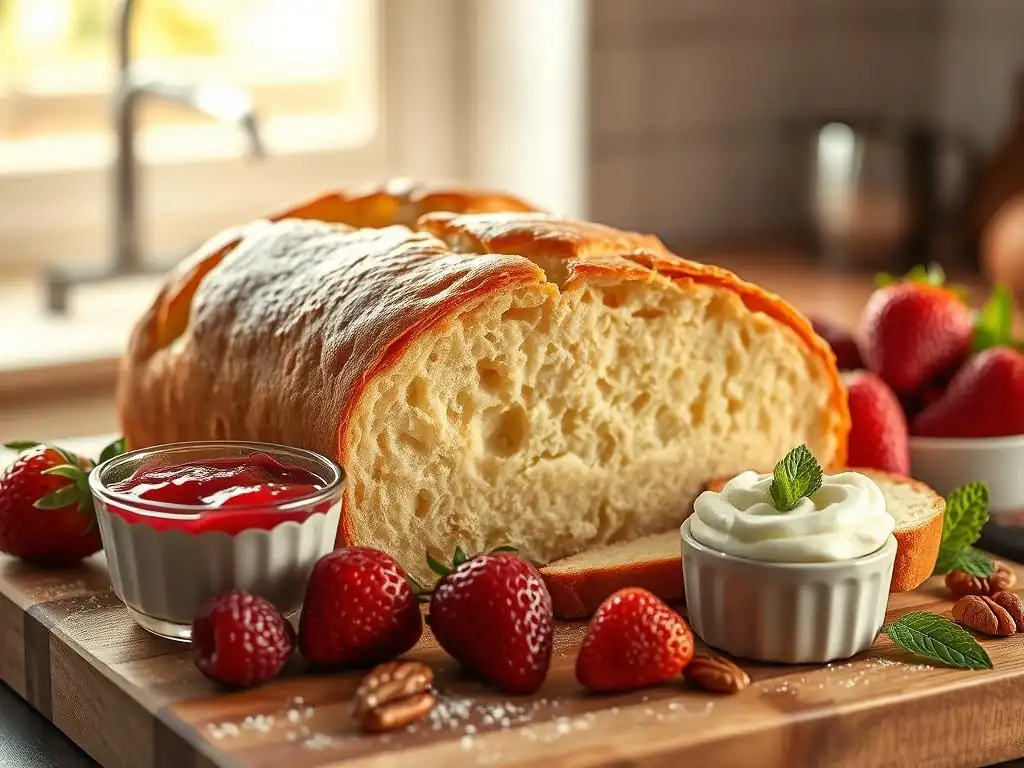
Your freshly baked gluten-free brioche sweet bread is incredibly versatile and can be enjoyed in numerous ways. Its rich, slightly sweet flavor and tender crumb make it perfect for both sweet and savory applications. Whether served warm from the oven or used as an ingredient in other dishes, it's sure to be a delicious treat.
Here are a few ideas for how to enjoy your homemade gluten-free brioche, showcasing its adaptability and delightful taste. From breakfast classics to creative uses, this bread is a wonderful addition to your table.
Enjoying Your Brioche with Coffee
The simplest and perhaps most classic way to enjoy gluten-free brioche is sliced and served with a warm cup of coffee or tea. The richness of the bread pairs beautifully with the beverage. Serve it plain, or add a smear of butter, jam, or honey.
Toasting slices lightly can enhance the texture, creating a slightly crisp exterior while keeping the interior tender. A warm slice of gluten-free brioche sweet bread alongside your morning brew makes for a truly indulgent start to the day.
Gluten-Free Brioche French Toast Recipe
Gluten-free brioche is absolutely ideal for making French toast. Its rich, slightly dense texture holds up well to soaking in the custard mixture, and the high fat content results in wonderfully golden and flavorful slices when cooked.
Slice the cooled gluten-free brioche sweet bread about 1 inch thick. Whisk together eggs, milk (dairy or plant-based), a touch of sugar, vanilla extract, and a pinch of cinnamon or nutmeg. Dip each slice of brioche into the mixture, letting it soak briefly on each side. Cook on a buttered griddle or frying pan over medium heat until golden brown and cooked through, typically 3-4 minutes per side. Serve with your favorite toppings like fresh berries, maple syrup, or whipped cream.
Using Your Brioche for Sandwiches
While often thought of as a sweet bread, the richness of gluten-free brioche also makes it a fantastic base for certain sandwiches. Consider using it for elevated breakfast sandwiches with eggs, cheese, and bacon or sausage.
It can also be a delightful choice for a gourmet grilled cheese, pairing its buttery flavor with melted cheese. For a sweeter take, use it for a dessert sandwich filled with Nutella and banana slices, or grilled with fruit and mascarpone. The tender crumb of your gluten-free brioche sweet bread provides a luxurious contrast to various fillings.
Gluten-Free Brioche Bread Recipe: The Complete Guide
Bringing all the elements together, a detailed recipe card is essential for consistently baking delicious gluten-free brioche sweet bread. This section outlines what such a guide typically includes, ensuring you have a clear plan from start to finish.
A comprehensive recipe provides not just ingredient quantities and steps, but also helpful notes on technique, potential variations, and expected outcomes. This makes the baking process smoother and increases your chances of success.
Detailed Recipe Card and Instructions
A complete recipe for gluten-free brioche would list precise measurements for all ingredients: specific amounts of each gluten-free flour and starch in the blend, the quantity of binder (xanthan gum/psyllium), yeast, sugar, salt, milk, butter, and eggs. Measurements would ideally be provided in both volume (cups/spoons) and weight (grams) for accuracy, especially for dry ingredients.
The instructions would break down the process into clear, numbered steps, covering everything from activating yeast and mixing the dough to the first rise, shaping, second rise, baking temperature and time, and cooling. Important details like dough consistency, visual cues for proofing, and how to check for doneness would be included. Tips for handling sticky dough and achieving a golden crust would also be part of a detailed guide for baking gluten-free brioche sweet bread.
Nutritional Information for Gluten-Free Brioche
Providing nutritional information for a homemade gluten-free brioche sweet bread can be helpful for those tracking their intake, though it's important to remember that these are typically estimates based on the specific ingredients and quantities used. A standard nutritional breakdown might include calories per serving (slice), along with macronutrients like protein, carbohydrates, and fat.
Due to the rich nature of brioche, expect it to be higher in calories and fat compared to a lean yeast bread. Information on sugar content, fiber, and potentially cholesterol and sodium would also be included. For example, a slice of gluten-free brioche might range from 150-250 calories depending on the recipe's richness and slice thickness, reflecting the butter, eggs, and sugar used. This information helps bakers make informed choices about incorporating this delicious bread into their diet.
Conclusion: Enjoying Delicious Gluten-Free Brioche
Baking your own gluten-free brioche sweet bread is a rewarding endeavor that allows you to enjoy a truly special bread, even with dietary restrictions. While it requires a bit more attention to detail than some other gluten-free recipes, the resulting rich, tender, and slightly sweet loaf is well worth the effort. You've navigated the steps from selecting ingredients to proofing and baking, gaining valuable insights into gluten-free yeast bread techniques.
This homemade gluten-free brioche is a testament to the possibilities in gluten-free baking. It opens up a world of culinary uses, from a simple slice with coffee to decadent French toast or unique sandwich creations. We hope this guide has empowered you to confidently bake this delightful bread and share it with friends and family.
We love seeing your baking triumphs! If you've baked this gluten-free brioche sweet bread using our guide, we encourage you to share your experience. What was your favorite part of the process? How did you enjoy your finished loaf?
Your feedback and photos inspire our community at BakeWithEase. Sharing your results helps other bakers learn and feel motivated to try new recipes. Celebrate your success in creating this wonderful gluten-free brioche and connect with fellow baking enthusiasts!
Frequently Asked Questions
How is this gluten-free brioche sweet bread recipe different from traditional brioche?
This recipe substitutes gluten-free flour blends for traditional wheat flour. It requires careful attention to binding agents like xanthan gum to replicate the texture of gluten.
What kind of gluten-free flour blend works best for this brioche recipe?
A high-quality all-purpose gluten-free flour blend that includes starches and gums is recommended. Avoid blends that are solely made of nut flours, as they can affect the final texture.
Can I use a stand mixer for this gluten-free brioche sweet bread recipe?
Yes, a stand mixer with a dough hook attachment is highly recommended for achieving a smooth and well-mixed dough. This will help in the development of elasticity, crucial for brioche.
What is the key to achieving a soft and airy texture in gluten-free brioche?
Proper hydration and the use of psyllium husk or flaxseed meal are essential for a soft texture. These ingredients help to mimic the binding properties of gluten.
How long does this gluten-free brioche sweet bread last, and how should I store it?
This bread is best enjoyed fresh but can be stored in an airtight container at room temperature for up to 3 days. For longer storage, freezing is recommended.
Final Reflection: The Sweetness of Inclusion, One Gluten-Free Loaf at a Time
The demand for delicious, gluten-free alternatives is not just a trend; it's a vital shift in how we approach food accessibility and inclusivity. This recipe, a gluten-free brioche-style sweet bread, represents more than just a culinary accomplishment; it's a testament to the power of adaptation and the joy of sharing delicious food with everyone, regardless of dietary restrictions.
Creating this recipe wasn't just about finding the right gluten-free flour blend; it was about understanding the nuances of texture and flavor that make a brioche special. The challenge of replicating that signature richness and tenderness without gluten pushed me to explore new techniques and ingredients, a journey that deepened my appreciation for the art of baking. The best things in life are worth fighting for,
and this gluten-free brioche is a delicious example of that fight for inclusivity and culinary excellence.
Now, it's your turn. Don't be intimidated by the seemingly complex world of gluten-free baking. This recipe is a starting point, a testament to the possibilities that await. Experiment with different flours, add your own personal touches, and most importantly, share the joy of this sweet bread with those you love. Let's continue to bake a world where everyone can savor the simple pleasure of a perfectly crafted loaf.
Unleash Your Inner Baker: Craft the Perfect Gluten-Free Brioche!
Thanks for taking the time to explore this delicious gluten-free brioche recipe! We hope you gained valuable tips and tricks for baking amazing bread, even without gluten. Ready to put your new skills to the test?
- Bake your own masterpiece: Try out this brioche recipe today! Adjust it to your liking – experiment with different flavors and additions.
- Share your creation: Snap a picture of your beautiful gluten-free brioche and share it on social media using #BakeWithEaseGlutenFree. Let's inspire other bakers!
- Explore more gluten-free wonders: Dive into our other gluten-free recipes on BakeWithEase.com – discover a world of delicious possibilities!
What unique twist will you add to your gluten-free brioche? Share your ideas in the comments below!