
Pairing Rustic Bread with Meals: Beyond Just Butter

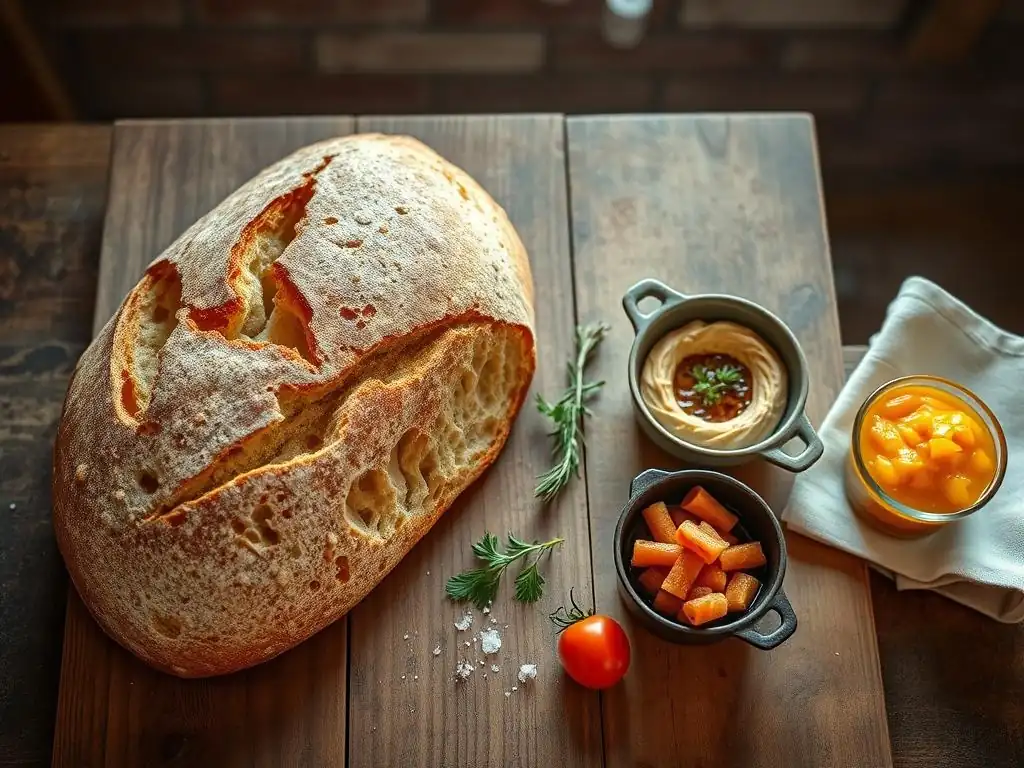
Welcome to BakeWithEase, your trusted companion in the world of baking! Ever wondered how to elevate your rustic bread beyond the simple butter pat? Get ready to embark on a flavorful journey as we delve into the delightful realm of rustic bread dipping recipes. Discover unexpected pairings and tantalizing tastes that will transform your loaves into culinary masterpieces. Curious to know more? Let's explore the possibilities!
- Pairing Sourdough Bread with Meals: Beyond Just Butter
- Introduction to Sourdough Bread and Meal Pairings
- Exploring Flavor Profiles of Sourdough Bread
- Sourdough Bread Dipping Recipes: A World of Flavors
- Beyond Dips: Creative Pairings for Sourdough Bread
- Sourdough Bread and Cheese: A Perfect Combination
- Wine Pairings with Sourdough Bread and Meals
- Tips for Storing and Serving Sourdough Bread
- Conclusion: Embrace the Art of Pairing Sourdough Bread
-
Frequently Asked Questions
- What are some alternatives to butter for dipping rustic bread?
- What makes a rustic bread dipping recipe "rustic"?
- Can I use different types of rustic bread for dipping?
- Are there any specific ingredients that commonly appear in rustic bread dipping recipes?
- Where can I find easy-to-follow rustic bread dipping recipes suitable for beginners?
- Final Reflection: The Enduring Allure of Rustic Bread
- Unleash the Flavor: Elevate Your Meals with Rustic Bread
Pairing Sourdough Bread with Meals: Beyond Just Butter
Introduction to Sourdough Bread and Meal Pairings
Elevating Your Dining Experience with Sourdough Bread
Sourdough bread, with its signature tangy flavor and chewy crust, is far more than just a simple accompaniment to a meal. It's a culinary cornerstone capable of transforming an ordinary dining experience into something truly special. Its unique characteristics, born from a natural fermentation process involving wild yeast and bacteria, lend themselves beautifully to a wide array of pairings, moving well beyond the expected smear of butter or dollop of jam. Think of it as a canvas for flavor, ready to soak up rich sauces, complement robust cheeses, or provide a hearty base for vibrant toppings.
The complex flavor profile of sourdough bread, ranging from subtly sweet and milky to intensely sour and acidic depending on the starter and fermentation time, makes it incredibly versatile. This versatility allows it to stand up to bold flavors while also enhancing delicate ones. Whether it's a rustic loaf with a dark, caramelized crust or a softer, sandwich-style sourdough, understanding how to pair it can unlock new dimensions in your meals and elevate your home cooking to a new level of sophistication and enjoyment. It's about exploring the full potential of this beloved bread.
The Versatility of Sourdough: More Than Just a Side
Sourdough bread's adaptability is one of its greatest strengths. While it excels as a simple table bread, perfect for tearing and sharing, its uses extend dramatically further. It can serve as the foundation for innovative appetizers, the hearty element in a comforting soup, or the textural contrast in a fresh salad. This makes it an invaluable ingredient in any kitchen focused on creating flavorful and satisfying dishes.
Consider its structural integrity and slightly acidic profile. These qualities make it ideal for absorbing liquids without becoming instantly soggy, perfect for mopping up sauces or simmering in broths. Furthermore, when toasted or grilled, sourdough develops an even deeper flavor and satisfying crunch, making it a fantastic component in salads like panzanella or as a sturdy base for bruschetta. Exploring sourdough bread dipping recipes is just one exciting avenue among many for showcasing its incredible versatility, proving it's truly more than just an afterthought on the plate.
Exploring Flavor Profiles of Sourdough Bread
Understanding Different Types of Sourdough Bread
Not all sourdough bread is created equal, and its flavor profile can vary significantly based on several factors, including the starter's age and hydration, the type of flour used, fermentation time, and baking method. A classic San Francisco-style sourdough, for instance, is renowned for its pronounced tanginess, often achieved through a cooler, longer fermentation and a starter rich in Lactobacillus sanfranciscensis. This sharp acidity pairs wonderfully with rich, creamy dishes that benefit from a bright counterpoint.
In contrast, a country-style sourdough, often made with a blend of white and whole wheat or rye flour and fermented at slightly warmer temperatures, might exhibit a more balanced, less acidic flavor with nutty or earthy undertones. A high-hydration ciabatta-style sourdough will have a very open crumb and a milder tang, ideal for soaking up liquids. Understanding these nuances is crucial for effective pairing, as the bread's inherent flavor will influence how it interacts with other ingredients, whether in a sandwich, a soup, or as part of a rustic bread dipping recipe experience.
How Fermentation Influences Sourdough Bread Flavor
The magic of sourdough bread lies in its fermentation, a complex process driven by the symbiotic relationship between wild yeast and lactic acid bacteria (LAB) in the starter. The yeast produces carbon dioxide, causing the dough to rise, while the LAB produce lactic and acetic acids, which contribute the characteristic sour flavor. The balance and concentration of these acids are heavily influenced by fermentation temperature and time.
A longer, cooler fermentation typically encourages the production of more acetic acid, resulting in a sharper, more vinegary tang. Warmer fermentation periods tend to favor lactic acid production, leading to a milder, yogurt-like sourness. The type of flour also plays a role; rye flour, for example, often promotes higher acidity. This intricate interplay of microbes, temperature, and time means that each loaf of sourdough has a unique flavor fingerprint, making the exploration of sourdough bread dipping recipes and other pairings an endlessly fascinating endeavor.
Sourdough Bread Dipping Recipes: A World of Flavors
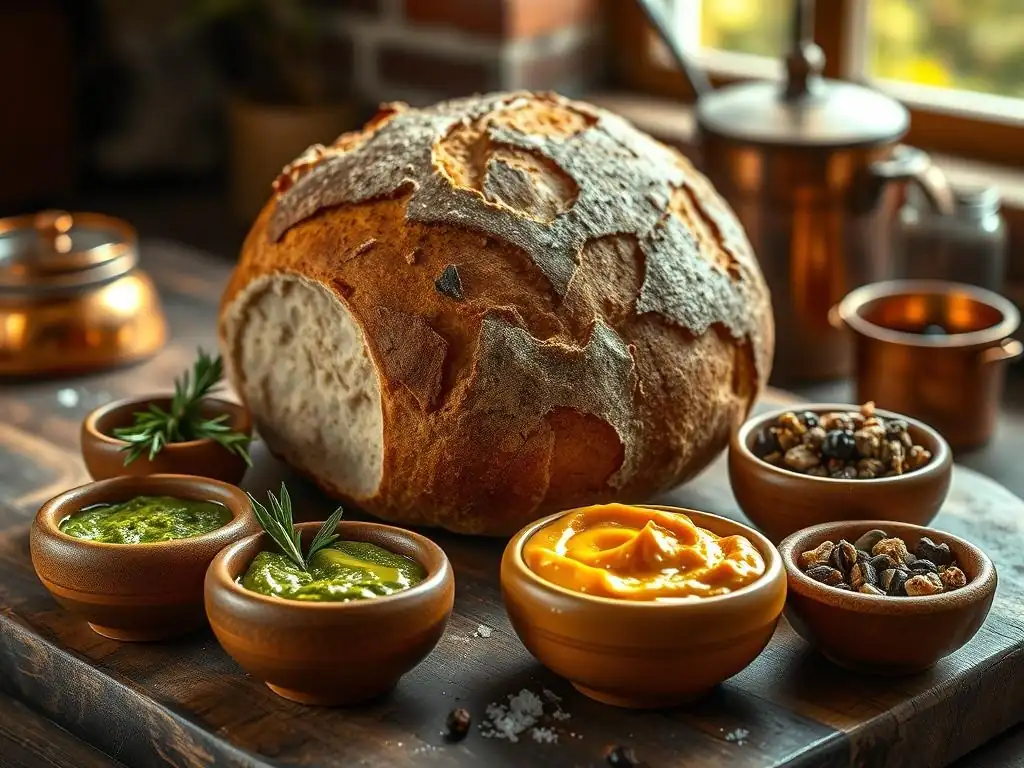
The Ultimate Guide to Sourdough Bread Dipping Sauces
Sourdough bread's sturdy structure and slightly tangy profile make it the perfect vehicle for a myriad of dipping sauces. Unlike softer breads that might disintegrate, sourdough holds up beautifully, allowing you to scoop up generous amounts of flavor. The slight acidity inherent in the bread also cuts through rich or oily dips, balancing the palate. From simple infused oils to complex, multi-ingredient concoctions, the world of sourdough bread dipping recipes is vast and exciting.
Developing delicious sourdough bread dipping sauces involves considering the interplay between the bread's tang and the dip's primary flavors. A robust, highly acidic sourdough might benefit from a rich, creamy dip to mellow its sharpness, while a milder sourdough could pair well with a bright, zesty sauce. Experimenting with different flavor profiles – from herbaceous and garlicky to spicy and savory – allows you to create unique culinary experiences centered around this fantastic bread.
Mediterranean-Inspired Sourdough Bread Dips
The Mediterranean region offers a treasure trove of flavors that complement rustic breads like sourdough exceptionally well. The emphasis on fresh ingredients, olive oil, herbs, and bright, acidic notes creates dips that are both healthy and incredibly flavorful. These dips often rely on simple preparations that allow the quality of the ingredients to shine, making them perfect companions for a crusty sourdough loaf.
Think of the classic combination of olive oil and balsamic vinegar, perhaps elevated with herbs. Or consider vibrant dips made from roasted vegetables, legumes, or fresh cheeses. These Mediterranean-inspired sourdough bread dipping recipes are ideal for light lunches, appetizers, or as part of a larger mezze platter, offering a taste of sunshine with every bite.
Olive Oil, Garlic, and Rosemary Dip Recipe
This classic dip is perhaps the simplest yet most satisfying way to enjoy rustic bread. It requires minimal effort but delivers maximum flavor. To prepare a basic version for dipping sourdough, you'll need about 1/2 cup of high-quality extra virgin olive oil, 2-3 cloves of garlic (minced or finely grated), and 1-2 tablespoons of fresh rosemary leaves (finely chopped). Combine these ingredients in a shallow dish large enough for dipping.
For an extra layer of flavor, gently warm the olive oil with the garlic and rosemary over low heat for about 5-10 minutes before serving. Be careful not to burn the garlic. This infuses the oil beautifully. Season with a pinch of sea salt and freshly ground black pepper. Serve immediately with slices of warm, crusty sourdough bread. This ratio provides enough dip for perhaps 4-6 people as a starter, using about half a medium loaf.
Hummus with Toasted Sesame Seeds for Sourdough Bread
Hummus, a staple across the Mediterranean and Middle East, is another excellent dip for sourdough bread. Its creamy texture and savory chickpea base provide a wonderful contrast to the bread's chewiness and tang. A standard batch of hummus, typically made from about 1 can (15 ounces) of chickpeas, 1/4 cup tahini, 1/4 cup lemon juice, 2 cloves garlic, and 2-4 tablespoons of water or chickpea liquid, yields roughly 1.5 to 2 cups, enough for a substantial dipping session.
Toasting sesame seeds adds a delightful nutty aroma and flavor that complements both the hummus and the sourdough. Simply toast about 2 tablespoons of sesame seeds in a dry pan over medium heat until golden brown, about 3-5 minutes. Serve the hummus drizzled with olive oil, a sprinkle of paprika or sumac, and the toasted sesame seeds on top. The sourdough's robust crumb is perfect for scooping up this thick, flavorful dip.
Italian-Style Sourdough Bread Dipping Sauces
Italian cuisine, with its emphasis on fresh tomatoes, garlic, basil, and olive oil, provides another rich source of inspiration for sourdough bread dipping recipes. The robustness of many Italian sauces stands up well to the character of sourdough, creating harmonious and satisfying pairings.
From vibrant pestos to simmering tomato sauces, Italian dips often feature intense, concentrated flavors that are perfectly balanced by the simplicity and texture of rustic bread. These dips are ideal for a casual antipasto course or as a flavorful addition to any meal.
Pesto and Olive Oil Dip Recipe
Pesto, a vibrant green sauce from Genoa, Italy, is traditionally made with basil, pine nuts, garlic, Parmesan cheese, and olive oil. While often used for pasta, a slightly looser pesto makes a fantastic dip for sourdough bread.
To create a dipping version, you can use a standard pesto recipe (using about 2 cups fresh basil leaves, 1/4 cup pine nuts, 2 cloves garlic, 1/2 cup grated Parmesan, and 1/2 cup olive oil) and then whisk in an additional 2-3 tablespoons of extra virgin olive oil to achieve a more dippable consistency. This amount of pesto usually yields about 1 cup, perfect for dipping.
The rich, herbaceous, and slightly nutty flavor of the pesto is beautifully complemented by the tang of the sourdough. The bread's open crumb structure is excellent for soaking up the flavorful oil. Serve the pesto in a shallow bowl, perhaps garnished with a few extra pine nuts or a basil leaf, alongside slices of warm or lightly toasted sourdough.
Arrabbiata Sauce for Bread Dipping
Arrabbiata, a spicy tomato sauce from Rome, is typically served with pasta, but its bold, fiery flavor makes it an exciting sourdough bread dipping sauce. Made with tomatoes, garlic, olive oil, and red chili peppers (usually dried), its simmering heat is surprisingly good when sopped up by hearty bread. To serve as a dip, prepare a standard arrabbiata sauce (using about 1 can (28 ounces) crushed tomatoes, 4 cloves garlic, 1/2 teaspoon red pepper flakes, and 3 tablespoons olive oil). Simmer until thickened, about 15-20 minutes.
Serve the arrabbiata warm in a bowl. The sourdough bread's ability to absorb the sauce without falling apart makes it an excellent choice. The bread's slight acidity also helps to balance the heat of the chili. This pairing is particularly satisfying on a cool evening, offering warmth and robust flavor in every bite. A batch made with a 28-ounce can of tomatoes will yield about 3 cups of sauce, plenty for a group to share.
Spicy and Savory Sourdough Bread Dips
For those who enjoy a kick, spicy and savory dips offer thrilling flavor combinations that pair exceptionally well with the robust character of sourdough bread. The bread's tang provides a cooling contrast to heat, while its texture handles thicker, richer dips with ease.
These dips often incorporate ingredients like chilies, fermented products, or strong cheeses to create intense flavor experiences. Exploring these types of sourdough bread dipping recipes opens up a world of bold and exciting possibilities.
Whipped Feta with Hot Honey
Whipped feta is a creamy, tangy dip that becomes irresistibly complex when paired with the sweetness and heat of hot honey. For a substantial dip, combine 8 ounces of block feta cheese (crumbled) with 1/4 cup plain Greek yogurt and 2 tablespoons extra virgin olive oil in a food processor. Blend until smooth and creamy, scraping down the sides as needed. This yields about 1.5 cups of dip.
Spread the whipped feta onto a shallow dish or plate. Drizzle generously with hot honey – you can buy it or make your own by warming honey with red pepper flakes or a chopped chili. The creamy, salty feta, the tangy sourdough, and the sweet, spicy honey create a perfect flavor harmony. The rustic bread is ideal for scooping up this rich, textured dip.
Spicy Calabrian Chili Oil Dip
Calabrian chili oil, made from potent Calabrian peppers preserved in oil, offers a deep, smoky heat with fruity undertones. While often used as a finishing oil, it can also be served as a simple yet fiery dip for sourdough bread. Simply pour about 1/4 cup of good quality Calabrian chili oil (including some of the pepper flakes) into a shallow dish.
Serve this alongside fresh, crusty sourdough bread. The bread's porous nature helps to absorb the oil and the spicy flakes. This dip is minimalist but impactful, perfect for chili lovers. The sourdough's tang provides a slight counterpoint to the intense heat, making each bite complex and satisfying. This is a great example of a simple rustic bread dipping recipe that packs a punch.
Beyond Dips: Creative Pairings for Sourdough Bread
Sourdough Bread as a Base for Appetizers
Sourdough bread's firm texture and distinctive flavor make it an excellent base for a variety of appetizers. Whether toasted, grilled, or served fresh, it provides a sturdy foundation that can support a wide range of toppings, from simple bruschetta to more elaborate canapés.
Using sourdough for appetizers elevates them from standard fare to something more memorable. Its slight tang can balance rich toppings like paté or creamy cheeses, while its robust crust provides a satisfying bite. This versatility allows for endless creativity in the kitchen.
Sourdough Bread in Soups and Stews
Sourdough bread is a natural companion to soups and stews, offering both a way to sop up delicious broth and a potential ingredient within the dish itself. Its ability to absorb liquid without becoming instantly mushy is particularly valuable here.
From being served alongside a bowl of hearty lentil soup to being transformed into flavorful croutons or even incorporated into the soup base itself, sourdough adds substance, texture, and its signature tang to comforting liquid meals.
Sopping up Flavor: Sourdough Bread with French Onion Soup
Perhaps one of the most classic pairings is sourdough bread served alongside or on top of French Onion Soup. The rich, savory beef broth and caramelized onions are a perfect match for sourdough's tangy depth. A thick slice of sourdough, ideally toasted or grilled, can be placed in the bottom of the bowl before pouring in the soup, allowing it to soak up the flavors.
Alternatively, a sourdough crouton or a slice topped with Gruyère cheese can be floated on top of the soup before broiling. The bread absorbs the flavorful broth, adding body and a delightful chewiness that contrasts with the soft onions and melted cheese. This is a prime example of how rustic bread elevates a classic dish.
Sourdough Bread Croutons: Adding Texture and Flavor
Sourdough bread makes exceptional croutons. Their slightly irregular shape and chewy texture, which becomes delightfully crisp when toasted, add substance and flavor to salads and soups. To make them, cut sourdough bread into cubes (about 1-inch is common). Toss with olive oil, salt, pepper, and any desired herbs (like rosemary or thyme).
Spread the cubes on a baking sheet and bake at around 375°F (190°C) for 10-15 minutes, or until golden brown and crispy. The resulting croutons have a deeper flavor than those made from plain bread, thanks to the sourdough's fermentation. They add a wonderful textural contrast and a hint of tang to any dish they grace. A half loaf of sourdough can easily yield enough croutons for 4-6 salad servings.
Sourdough Bread in Salads: Adding Heartiness
Adding bread to a salad might seem counterintuitive, but in dishes like Panzanella, it's the key ingredient that transforms a simple salad into a substantial and satisfying meal. Sourdough bread is particularly well-suited for this role.
When bread is added to a salad, especially one with a vinaigrette dressing, it absorbs the flavors of the other ingredients and the dressing, becoming tender and flavorful while still retaining some structure. This makes the salad more filling and texturally interesting.
Sourdough Bread Salad with Tomatoes and Basil
A simple sourdough bread salad, often called Panzanella, is a celebration of summer flavors. It typically features chunks of stale sourdough bread (about 2 cups cubed), ripe tomatoes (3-4 medium), fresh basil leaves (1/4 cup), red onion (1/4 cup, thinly sliced), and a vinaigrette made from olive oil (1/4 cup), red wine vinegar (2 tablespoons), salt, and pepper.
The key is using slightly stale bread, which is then tossed with the other ingredients and allowed to sit for at least 15-30 minutes. During this time, the sourdough soaks up the tomato juices and the dressing, becoming soft and flavorful. The bread's tang complements the sweetness of the tomatoes and the aroma of the basil beautifully. This recipe uses about one-quarter of a medium sourdough loaf.
Grilled Sourdough Panzanella with Burrata
Elevating the classic Panzanella involves grilling the sourdough bread first. Grilling adds a smoky depth and creates a slightly crispier exterior while the inside remains chewy, providing a different texture than simply using stale bread. Grill thick slices of sourdough (about 1 inch thick) brushed with olive oil until marked and slightly crispy. Then, tear or cut the grilled bread into chunks (about 3 cups).
Combine the grilled bread with cherry tomatoes (about 2 cups, halved), cucumber (1 cup, chopped), red onion (1/4 cup, thinly sliced), and a lemon-basil vinaigrette. Top the salad with creamy burrata cheese (one or two balls, torn). The warm, smoky bread, the fresh vegetables, the bright dressing, and the rich, cool burrata create a complex and incredibly satisfying dish. This version uses roughly one-third of a large sourdough loaf.
Sourdough Bread and Cheese: A Perfect Combination
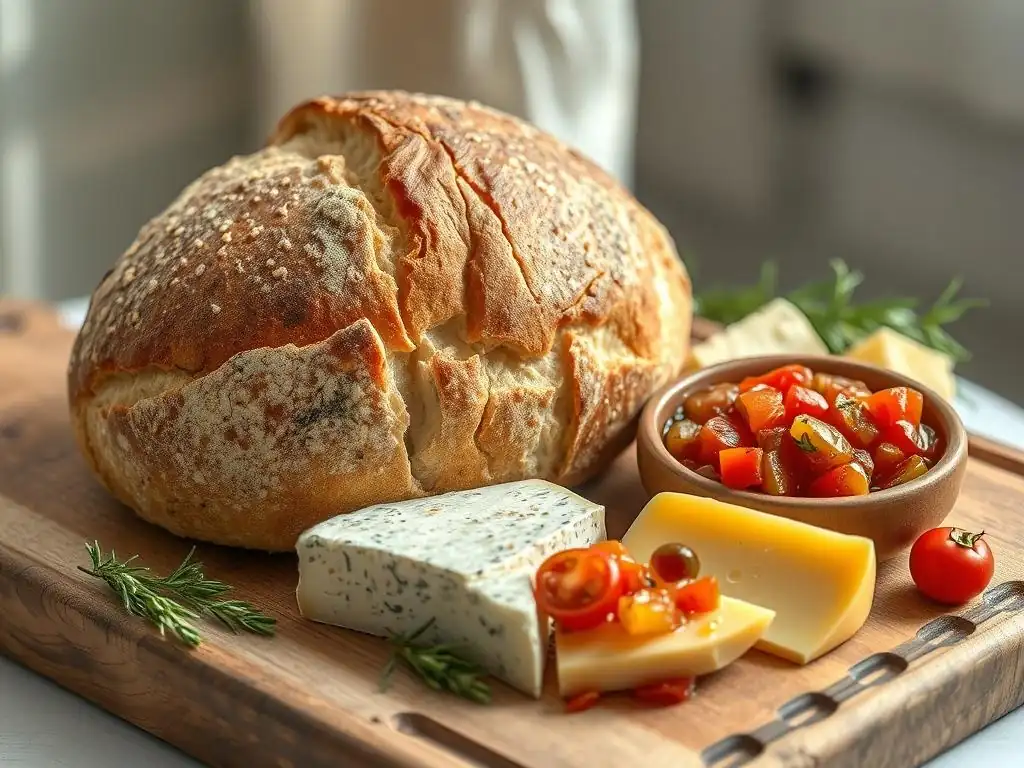
Building the Ultimate Sourdough Bread and Cheese Board
Sourdough bread is an indispensable element of a well-curated cheese board. Its distinct flavor profile and hearty texture provide a perfect counterpoint to a variety of cheeses, from soft and creamy to hard and aged. A selection of different sourdough types – perhaps a classic country loaf, a whole wheat sourdough, and a seeded variety – can add visual appeal and textural diversity to the board.
When building a board for around 6-8 people, plan for approximately 1/2 to 3/4 of a medium sourdough loaf, sliced or torn into pieces. Pair the bread with a selection of 3-5 cheeses, varying in texture and intensity. Add accompaniments like olives (1 cup), fig jam (1/4 cup), honey (1/4 cup), and some cured meats (4-6 ounces) to complete the experience. The sourdough acts as a palate cleanser between cheeses and a sturdy base for sampling combinations.
Complementary Cheese Pairings for Different Sourdough Breads
The best cheese pairings for sourdough bread consider the bread's specific characteristics. A highly acidic sourdough needs a cheese that can stand up to its tang, while a milder loaf can be paired with more delicate flavors.
Experimentation is key, but some classic pairings highlight the synergy between specific sourdough types and cheeses, creating truly memorable flavor combinations.
Pairing San Francisco Sourdough with Humboldt Fog Cheese
The intense tanginess of a classic San Francisco-style sourdough finds a beautiful partner in Humboldt Fog, a creamy, earthy goat cheese with a distinctive line of edible ash through its center. The cheese's mild, tangy, and slightly earthy flavor, combined with its luscious texture, provides a rich contrast to the bread's sharp acidity.
A slice of crusty San Francisco sourdough topped with a dollop of creamy Humboldt Fog creates a bite that is both bright and decadent. The cheese melts slightly into the pores of the bread, enhancing the textural experience. This pairing is sophisticated and incredibly satisfying, showcasing how rustic bread and artisanal cheese can elevate each other.
Pairing Country Sourdough with Aged Cheddar
A country sourdough, often with a more balanced tang and perhaps nutty undertones from whole grains, pairs wonderfully with the sharp, complex flavor of aged cheddar. An aged cheddar, like a 2-year or 3-year aged variety, develops crystalline structures and a deep, piquant taste that can hold its own against the bread's character.
Serving slices of country sourdough with chunks or slices of aged cheddar allows the nutty, slightly sweet notes of the bread to complement the sharp, savory notes of the cheese. The firm texture of the cheddar provides a nice contrast to the chewy crumb and crust of the bread. This is a hearty and classic pairing, perfect for a simple snack or a robust addition to a cheese board.
Wine Pairings with Sourdough Bread and Meals
Choosing the Right Wine to Complement Your Sourdough Bread Selection
Pairing wine with sourdough bread, especially when it's part of a meal or served with dips, requires considering the bread's acidity and the overall flavor profile of the dish. The tang of sourdough can affect how a wine tastes, sometimes making dry wines seem more acidic or fruit-forward wines taste muted.
Generally, wines with good acidity themselves tend to pair well with sourdough, as they can match the bread's brightness without being overpowered. Think of crisp white wines or lighter-bodied reds. The key is finding a balance where the wine enhances, rather than clashes with, the bread and its accompanying flavors.
Wine Pairing Suggestions for Sourdough Bread and Dips
When pairing wine with sourdough bread dipping recipes, consider the dominant flavors of the dip. For herbaceous or olive oil-based dips (like the Olive Oil, Garlic, and Rosemary dip), a crisp, dry white wine such as Sauvignon Blanc or a light-bodied Italian white like Vermentino works well. Their acidity and herbal notes complement the dip and the bread's tang.
For richer or spicier dips (like Hummus or Whipped Feta with Hot Honey), a slightly more robust white like a unoaked Chardonnay or a dry Rosé can stand up to the flavors. If pairing with a tomato-based dip like Arrabbiata, a medium-bodied red with good acidity, such as a Sangiovese (Chianti) or a Barbera, is an excellent choice, as it complements the tomato and can handle a bit of spice.
For a cheese board featuring sourdough, sparkling wine is often a versatile choice, cutting through richness and refreshing the palate. Aim for wines that offer a clean finish to balance the bread's persistent flavor.
Tips for Storing and Serving Sourdough Bread

Keeping Your Sourdough Bread Fresh
Proper storage is crucial to maintaining the quality of your sourdough bread. Because it contains no commercial preservatives, it can dry out quickly. The best way to store a whole loaf is at room temperature, wrapped in a linen bread bag or a clean kitchen towel. This allows the crust to remain somewhat crisp while protecting the interior. Avoid plastic bags or airtight containers for long-term storage at room temperature, as they can trap moisture and make the crust soft and the bread prone to mold.
For longer storage (more than 2-3 days), sourdough freezes exceptionally well. Slice the loaf first, then wrap the slices tightly in plastic wrap or foil, and place them in a freezer bag. Frozen sourdough slices can be easily thawed and toasted as needed. A typical medium loaf (around 1.5-2 lbs) stored properly should remain enjoyable for 2-4 days at room temperature, depending on humidity.
Presentation Matters: Serving Sourdough Bread with Style
How you serve sourdough bread can enhance the dining experience, especially when offering sourdough bread dipping recipes or a cheese board. Presenting a beautiful, whole loaf on a wooden board or in a bread basket lined with a cloth invites guests to tear off pieces, adding a rustic, communal feel.
When serving with dips, provide a separate small bowl or plate for each dip, arranged around the bread. Slicing the bread beforehand can make dipping easier for guests. For a cheese board, arrange slices or chunks of sourdough artfully among the cheeses and accompaniments. Warm or lightly toasting the bread just before serving can revive its texture and aroma, making it even more appealing for dipping or pairing.
Conclusion: Embrace the Art of Pairing Sourdough Bread
Elevating Everyday Meals with Sourdough Bread
Sourdough bread is a culinary gem that offers endless opportunities to enhance your meals. Its unique tangy flavor, chewy texture, and hearty crust provide a foundation that can elevate everything from a simple soup to an elaborate cheese board. Moving beyond the basic butter pairing opens up a world of flavor combinations and culinary creativity.
Incorporating sourdough into your weekly meals, whether as a side, an ingredient, or the star of a pairing, can transform routine dining into a more engaging and delicious experience. Embrace the versatility of this incredible bread and discover how it can bring new life to your table.
Sourdough Bread Dipping Recipes: A Culinary Adventure
Exploring sourdough bread dipping recipes is a fantastic way to begin your journey into pairing this versatile bread. From classic olive oil and balsamic vinegar to vibrant pestos, spicy arrabbiatas, or creamy whipped feta, the possibilities are limited only by your imagination. These dips not only highlight the bread's qualities but also offer simple yet impressive ways to entertain or enjoy a flavorful snack.
Each dip provides a different experience, inviting you to savor the interplay of textures and tastes with every bite of rustic bread. So, grab a loaf, whip up a few dips, and embark on your own culinary adventure. The world of sourdough bread dipping recipes awaits!
Frequently Asked Questions
What are some alternatives to butter for dipping rustic bread?
Rustic bread pairs well with many things! Think beyond butter and try olive oil, balsamic vinegar, or even herb-infused oils for a more flavorful experience.
What makes a rustic bread dipping recipe "rustic"?
"Rustic" typically implies a simple recipe, using basic ingredients, and resulting in a hearty, textured bread perfect for soaking up delicious dips.
Can I use different types of rustic bread for dipping?
Absolutely! Experiment with sourdough, Italian bread, or even a crusty baguette. Each will offer a unique texture and flavor profile to complement your dip.
Are there any specific ingredients that commonly appear in rustic bread dipping recipes?
Many recipes include high-quality olive oil, fresh herbs like rosemary or thyme, and garlic to enhance the flavor and create a savory dipping experience.
Where can I find easy-to-follow rustic bread dipping recipes suitable for beginners?
Websites like BakeWithEase.com offer step-by-step guides and simple recipes designed for bakers of all skill levels, focusing on easy-to-find ingredients.
Final Reflection: The Enduring Allure of Rustic Bread
The simple pleasure of dipping rustic bread into a flavorful sauce transcends mere sustenance; it's a ritual connecting us to culinary traditions and the joy of shared meals. This exploration of rustic bread pairings, beyond the ubiquitous butter, has revealed a world of possibilities, showcasing the versatility of this hearty loaf and its ability to elevate even the simplest dishes. From the robust flavors of a tomato bruschetta to the creamy indulgence of a white bean dip, the options are as diverse and exciting as the cultures that have embraced this staple.
The enduring appeal of rustic bread lies not only in its texture and taste, but also in its inherent ability to foster connection. It's a centerpiece around which conversations unfold, a shared experience that unites people across generations and cultures. Food is symbolic of love when words are inadequate.
– Alan D. Wolfelt. This quote perfectly encapsulates the role rustic bread plays, acting as a silent participant in countless cherished memories and intimate gatherings. Its rustic charm invites us to slow down, savor the moment, and appreciate the simple pleasures in life.
Now, consider your own kitchen. What flavors will you pair with your next loaf of rustic bread? I encourage you to experiment, to explore the boundless possibilities, and to create your own unique dipping experiences. Let the rustic bread be your canvas, and the flavors of your choosing, the vibrant strokes of your culinary masterpiece. Don't be afraid to get creative, to try new combinations, and to share your discoveries with others. The journey of exploring rustic bread pairings is a delicious one, and I hope this article has inspired you to embark on it with gusto.
Unleash the Flavor: Elevate Your Meals with Rustic Bread
Thanks for exploring the delightful world of rustic bread pairings! You've now unlocked a whole new level of culinary creativity. Ready to put your newfound knowledge into practice?
- Experiment with Unexpected Toppings: Go beyond butter! Try drizzling your warm bread with flavored olive oil, balsamic glaze, or even a sprinkle of sea salt and fresh herbs. What surprising combination will you create?
- Share Your Rustic Bread Journey: Post a picture of your rustic bread masterpiece on social media and tag us! Let's inspire each other. #BakeWithEase #RusticBread
- Dive Deeper into Baking: Explore more delicious bread recipes on our website, BakeWithEase.com (replace with actual link if allowed). Discover the joy of crafting your own perfect loaf!
What exciting flavor profiles will you explore with your next rustic bread experience?