
Rye Bread Addins: What Works Best and Why

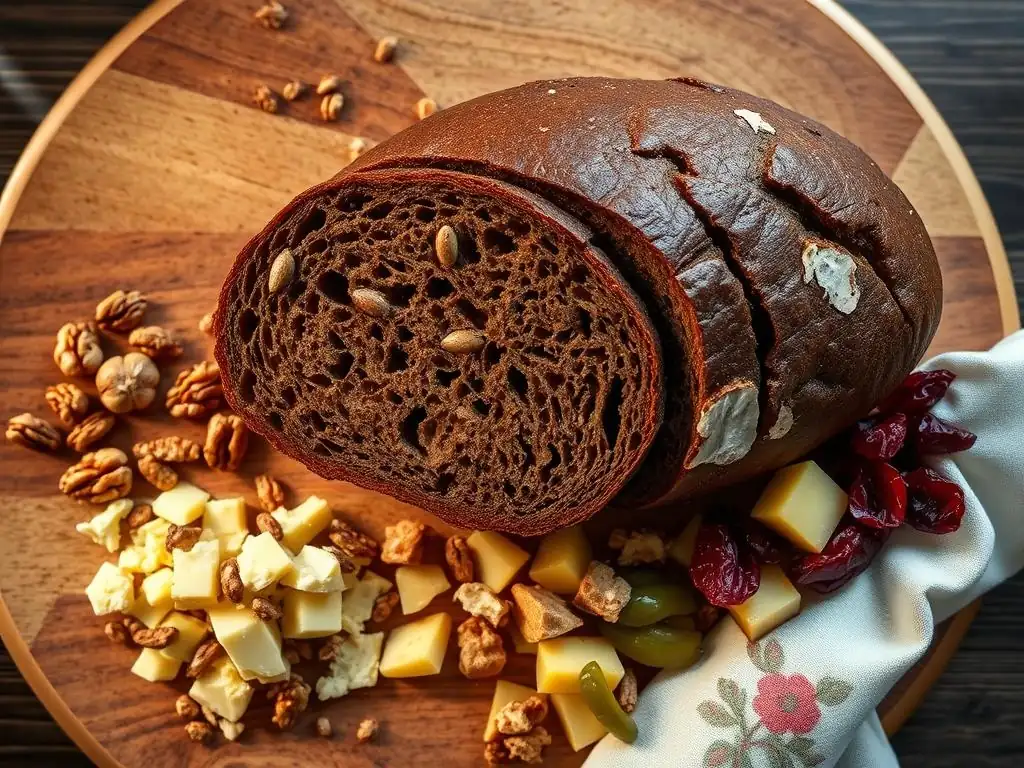
Welcome to BakeWithEase, your companion on the delightful journey of baking! Ever wondered how to elevate your rye bread from good to unforgettable? This week we're diving deep into the world of Rye Bread Addins, exploring the most delicious and surprisingly effective additions that will transform your loaf. Ready to discover the secret ingredients that will make your rye bread the talk of the town? Let's get baking!
- Rye Bread Enhancements: Flavor, Texture, and Aroma
- Introduction to Rye Bread Enhancements
- Understanding the Base Flavor of Rye Bread
- Seeds: A Classic and Versatile Enhancement
- Grains: Adding Texture and Depth
- Dried Fruits: Sweet and Tangy Contrasts
- Nuts: Crunchy and Flavorful Additions
- Spices: Warming and Aromatic Infusions
- Vegetables: Savory and Earthy Additions
- Incorporating Enhancements: Techniques and Considerations
- Enhancement Combinations: Creating Unique Flavor Profiles
- Troubleshooting: Common Issues and Solutions
- Conclusion: Mastering Rye Bread with Creative Enhancements
- Frequently Asked Questions
- Final Reflection: The Unexpected Symphony of Rye
- Unleash Your Inner Baker: Craft the Perfect Rye Loaf!
Rye Bread Enhancements: Flavor, Texture, and Aroma
Introduction to Rye Bread Enhancements
Elevating Rye Bread: Exploring Flavor, Texture, and Aroma
Rye bread, known for its robust and often slightly tangy flavor, serves as a wonderful canvas for culinary creativity. While traditional rye loaves are delicious on their own, incorporating various add-ins can dramatically enhance their character, introducing new dimensions of taste, appealing textures, and captivating aromas.
Exploring rye bread delicious addin ideas is not just about adding ingredients; it's about understanding how different elements interact with the inherent qualities of rye flour to create a truly unique baking experience. From subtle nutty notes to bursts of sweetness or savory depth, the right enhancements can transform a simple loaf into a masterpiece.
Think about how a small addition can shift the perception of a bread. A few tablespoons of caraway seeds, for example, can amplify the classic "deli rye" profile, while dried cranberries might introduce a pleasant tartness that balances the earthy base.
The goal is to complement, contrast, or build upon the existing flavor profile of the rye, whether it's a light rye with a milder taste or a dark pumpernickel with intense malty notes. Experimenting with different rye bread delicious addin ideas allows bakers to tailor their creations to specific preferences or meal pairings, making each loaf a personalized expression of flavor.
The Impact of Enhancements: Transforming Rye Bread
The impact of incorporating add-ins into rye bread extends far beyond just flavor. These additions can significantly alter the bread's texture, crumb structure, and even its visual appeal. Seeds add crunch, dried fruits introduce chewiness and moisture pockets, and nuts provide a satisfying bite. Consider the difference between a plain rye loaf and one studded with toasted walnuts; the texture contrast is immediate and enjoyable. Furthermore, certain add-ins, like roasted garlic or caramelized onions, infuse the entire loaf with their aroma during baking, creating an enticing fragrance that promises a delicious experience before the first slice is even cut.
Beyond sensory improvements, some add-ins can also contribute to the nutritional profile of the bread. Oats boost fiber content, seeds offer healthy fats and minerals, and dried fruits provide vitamins and antioxidants. While the primary motivation for exploring rye bread delicious addin ideas is often taste and texture, these secondary benefits are a welcome bonus. For instance, adding about 5-10% (by flour weight) of sunflower seeds can significantly increase the healthy fat content and add a delightful crunch throughout the loaf, demonstrating how functional benefits can align with flavor enhancements.
Understanding the Base Flavor of Rye Bread
The Distinct Taste of Rye: A Baker's Foundation
Rye flour possesses a distinct flavor profile that sets it apart from wheat. Depending on the type of rye flour used – from light rye (which has less bran and germ) to dark rye or pumpernickel (which include more or all of the rye kernel) – the taste can range from mildly earthy and slightly sweet to intensely sour, malty, and even chocolatey.
This inherent flavor comes from compounds within the rye grain itself, as well as the fermentation processes often used in rye bread baking, particularly with sourdough starters, which can develop lactic and acetic acids contributing to tanginess. Understanding this base is crucial when considering rye bread delicious addin ideas.
The natural acidity of rye flour also plays a role in dough handling and flavor development. Unlike wheat, rye contains pentosans, complex carbohydrates that absorb a lot of water and can make rye dough sticky. They also inhibit gluten development, which is why pure rye breads are often dense.
This density and the unique flavor profile mean that add-ins need to be chosen carefully to either complement the existing taste or provide a harmonious contrast, rather than being overwhelmed or clashing with the rye's character. A light rye might pair well with subtle additions, while a dark, robust pumpernickel can stand up to stronger flavors.
Pairing Enhancements to Complement Rye's Flavor Profile
Successfully incorporating rye bread delicious addin ideas hinges on selecting ingredients that complement rye's unique taste. The slightly sour or tangy notes inherent in many rye breads pair exceptionally well with flavors that offer sweetness, earthiness, or a touch of spice. Traditional pairings, like caraway seeds, work because their slightly anise-like flavor enhances the savory depth of rye. Sweet additions, such as raisins or dried cranberries, provide a pleasing counterpoint to the tanginess, creating a balanced sweet-and-sour profile.
When considering add-ins, think about the intensity of your rye flour. A bread made with 100% dark rye and a long sourdough fermentation will have a powerful flavor that can handle robust additions like roasted garlic or strong spices.
Conversely, a bread using mostly white wheat flour with a portion of light rye will have a milder taste better suited to subtle enhancements like poppy seeds or a small amount of dried fruit. The key is to create synergy, where the add-in and the rye base elevate each other, resulting in truly delicious rye bread addin ideas that delight the palate.
Seeds: A Classic and Versatile Enhancement
Caraway Seeds: The Traditional Rye Bread Pairing
Caraway seeds are perhaps the most iconic addition to rye bread, particularly in North American and European traditions. Their distinct flavor is often described as slightly anise-like, earthy, and warm, with a hint of citrus peel. When baked into rye bread, caraway seeds release aromatic oils that permeate the loaf, contributing significantly to the characteristic "deli rye" taste and aroma. They work exceptionally well with the natural tang and earthiness of rye flour, creating a harmonious and deeply satisfying flavor profile.
Incorporating caraway seeds is straightforward. They can be added directly to the dough during mixing, typically at a rate of 1-3% of the total flour weight. For a standard loaf using 500g of flour, this would mean adding 5g to 15g of caraway seeds. Some bakers prefer to toast the seeds lightly before adding them to enhance their aroma and flavor further. The seeds also add a subtle crunch, contributing to the overall texture of the bread. This classic pairing is a fundamental part of exploring delicious rye bread addin ideas.
Poppy Seeds: Adding Texture and Visual Appeal
Poppy seeds offer a different kind of enhancement to rye bread. They have a mild, slightly nutty flavor that is less assertive than caraway, making them a versatile choice that doesn't compete strongly with the rye base. Their primary contribution is textural; the tiny, hard seeds provide a delicate crunch that is distributed throughout the crumb. Visually, they create a beautiful speckled appearance, especially when generously mixed into a lighter rye dough or sprinkled on the crust before baking.
Adding poppy seeds is simple. They can be mixed into the dough, often at a rate of 1-2% of the flour weight (e.g., 5-10g for 500g flour), or used as a topping. When used as a topping, wetting the surface of the dough slightly before sprinkling helps the seeds adhere during baking. While their flavor is subtle, the texture they provide is distinct and adds a pleasant contrast to the chewy crumb of rye bread. They are a great option when exploring rye bread delicious addin ideas that focus on textural variety.
Sesame Seeds: A Nutty and Aromatic Enhancement
Sesame seeds, particularly toasted ones, bring a rich, nutty, and slightly sweet flavor to rye bread. Their aroma is also quite pronounced when toasted, adding another layer of sensory appeal. Like poppy seeds, they contribute a pleasant crunch, though they are slightly larger and have a more noticeable texture. Sesame seeds are a popular addition in many bread traditions globally and pair well with the earthy notes of rye, adding warmth and depth.
Toasting sesame seeds before adding them is highly recommended to maximize their flavor and aroma. They can be mixed into the dough (1-3% of flour weight) or used generously as a crust topping. A common use is in a multi-seed mix, combined with other seeds like sunflower or pumpkin seeds, to create a complex texture and flavor profile. Incorporating toasted sesame seeds is a simple yet effective way to add delicious rye bread addin ideas that introduce nutty warmth.
Grains: Adding Texture and Depth

Cracked Rye: Enhancing the Rye Experience
Adding cracked rye (also known as chopped rye or rye chops) back into rye bread is a fantastic way to intensify the rye flavor and introduce significant texture. Cracked rye consists of whole rye kernels that have been coarsely ground or chopped. Unlike flour, these larger pieces do not fully integrate into the dough structure but rather remain as distinct pieces within the crumb. This provides a wonderful chewy texture and a more pronounced, rustic rye flavor.
Often, cracked rye is soaked in hot water (or sometimes beer or buttermilk) before being added to the dough. This pre-soaking, known as a soaker or tangzhong method depending on the technique, softens the grains and prevents them from absorbing moisture from the dough during proofing and baking, which could otherwise result in a dry bread.
A typical ratio for a soaker might be equal parts cracked rye and hot liquid by weight, left to soak for several hours or overnight. Adding this soaker (which might be 10-20% of the total flour weight in cracked rye) introduces a substantial chewy texture and deepens the rye flavor, making it a fundamental component of many hearty and delicious rye bread addin ideas.
Oats: Providing a Soft and Chewy Texture
Oats, in various forms such as rolled oats or steel-cut oats, are another excellent grain addition to rye bread. They contribute a lovely soft and slightly chewy texture to the crumb, contrasting with the denser nature of rye. Oats also add a subtle nutty flavor and significant nutritional value, boosting the fiber content of the loaf. They create a more tender crumb structure compared to using solely rye flour.
Similar to cracked rye, oats are often soaked before being added to the dough, especially steel-cut oats. Rolled oats can sometimes be added directly, but soaking helps ensure they soften properly and don't compete for moisture. An oatmeal soaker, using perhaps 5-15% of the total flour weight in oats soaked in hot water or milk, results in a moist and tender crumb. Adding oats is a popular approach for creating softer, more approachable rye bread recipes, offering delicious rye bread addin ideas that enhance texture and tenderness.
Quinoa: Adding Protein and a Mild Nutty Flavor
Quinoa, though technically a seed, is often used culinarily as a grain and can be a unique addition to rye bread. Cooked quinoa adds protein and a mild, slightly nutty flavor. Its texture is soft yet provides a slight pop, offering a different kind of textural interest compared to seeds or larger grains. It's a less traditional add-in but can work well in modern, health-focused rye bread variations.
Quinoa should always be cooked before being added to bread dough. It can be cooked in water or broth until fluffy and then cooled completely. Adding cooked quinoa at a rate of 5-10% of the total flour weight introduces moisture and a unique texture. It's a great way to boost the nutritional profile and explore less conventional but potentially delicious rye bread addin ideas.
Dried Fruits: Sweet and Tangy Contrasts
Raisins: A Sweet and Familiar Addition
Raisins are a classic and widely loved addition to many types of bread, including rye. Their natural sweetness provides a pleasant contrast to the often tangy or earthy flavor of rye. When baked, raisins become plump and chewy, creating little pockets of sweetness and moisture throughout the loaf. They are particularly popular in lighter rye breads or those with a milder flavor profile.
Raisins can be added directly to the dough during the final stages of mixing, typically at a rate of 10-20% of the total flour weight. For a more even distribution and to prevent them from burning if they reach the crust, some bakers toss them with a little flour before adding them to the dough. Soaking raisins in warm water, rum, or juice for about 15-30 minutes before draining and adding them can make them even plumper and more flavorful, contributing to moist and delicious rye bread addin ideas.
Dried Cranberries: Adding Tartness and Color
Dried cranberries offer a wonderful tart counterpoint to the richness of rye bread. Their bright, tangy flavor cuts through the earthy notes of the rye, creating a lively and balanced taste. Beyond flavor, their vibrant red color adds visual appeal to the crumb. Cranberries pair particularly well with rye breads that have a noticeable tang or are made with darker rye flour.
Like raisins, dried cranberries can be added directly to the dough (at 10-20% of flour weight) or soaked beforehand for extra plumpness. Soaking them in orange juice or a bit of brandy can infuse them with additional flavor that complements both the cranberries and the rye. The combination of tartness and chewiness from dried cranberries makes them an excellent choice for exploring vibrant and delicious rye bread addin ideas.
Dried Apricots: Providing a Chewy Texture and Sweet-Tart Flavor
Dried apricots are another excellent fruit option, offering a chewy texture and a sweet-tart flavor that works beautifully with rye. Their flavor is less intensely sweet than raisins and less tart than cranberries, providing a pleasant middle ground. When chopped and added to rye dough, they create soft, chewy pockets that release a lovely fruity flavor.
Chopped dried apricots should be added to the dough during the later stages of mixing, typically at 10-15% of the flour weight. Soaking them briefly can improve their texture in the final bake. Apricots pair well with nuts and spices like ginger or cardamom, allowing for interesting combinations when developing delicious rye bread addin ideas.
Nuts: Crunchy and Flavorful Additions
Walnuts: A Classic Nutty Complement
Walnuts are a classic partner to rye bread, particularly in European baking traditions. Their earthy, slightly bitter, and rich flavor complements the depth of rye beautifully. When toasted, their flavor intensifies and they offer a satisfying crunch that contrasts with the bread's crumb. Walnuts are often found in hearty, darker rye loaves.
Chopped walnuts should ideally be toasted lightly in a dry pan or oven before being added to the dough (at 10-20% of flour weight). Toasting enhances their flavor and aroma and improves their texture in the baked bread. They can be added during the final mixing stage. Walnuts are a reliable choice for adding substantial flavor and crunch when exploring delicious rye bread addin ideas.
Pecans: A Buttery and Rich Enhancement
Pecans offer a sweeter and more buttery flavor than walnuts, adding a rich dimension to rye bread. Their texture is slightly less firm than walnuts after baking. Pecans pair well with slightly sweeter rye doughs or those incorporating dried fruits like cranberries or apricots.
Like walnuts, pecans benefit from being lightly toasted and chopped before being added to the dough (10-15% of flour weight). Toasting brings out their natural sweetness and buttery notes. They can be added during the late mixing phase. Pecans provide a luxurious, rich twist to delicious rye bread addin ideas.
Sunflower Seeds: Adding a Mild Nutty Flavor and Texture
Sunflower seeds are a highly versatile and popular addition to many types of bread, including rye. They have a mild, pleasant nutty flavor and provide a satisfying crunch. They are less expensive than walnuts or pecans and distribute easily throughout the dough, ensuring texture in every slice.
Sunflower seeds can be added raw or lightly toasted to the dough (5-15% of flour weight). Toasting will enhance their nutty flavor. They can also be used generously as a topping, especially on the crust, where they become golden and crunchy during baking. Sunflower seeds are an excellent, accessible option for adding texture and mild flavor when developing delicious rye bread addin ideas.
Spices: Warming and Aromatic Infusions
Fennel Seeds: An Anise-Like Flavor Boost
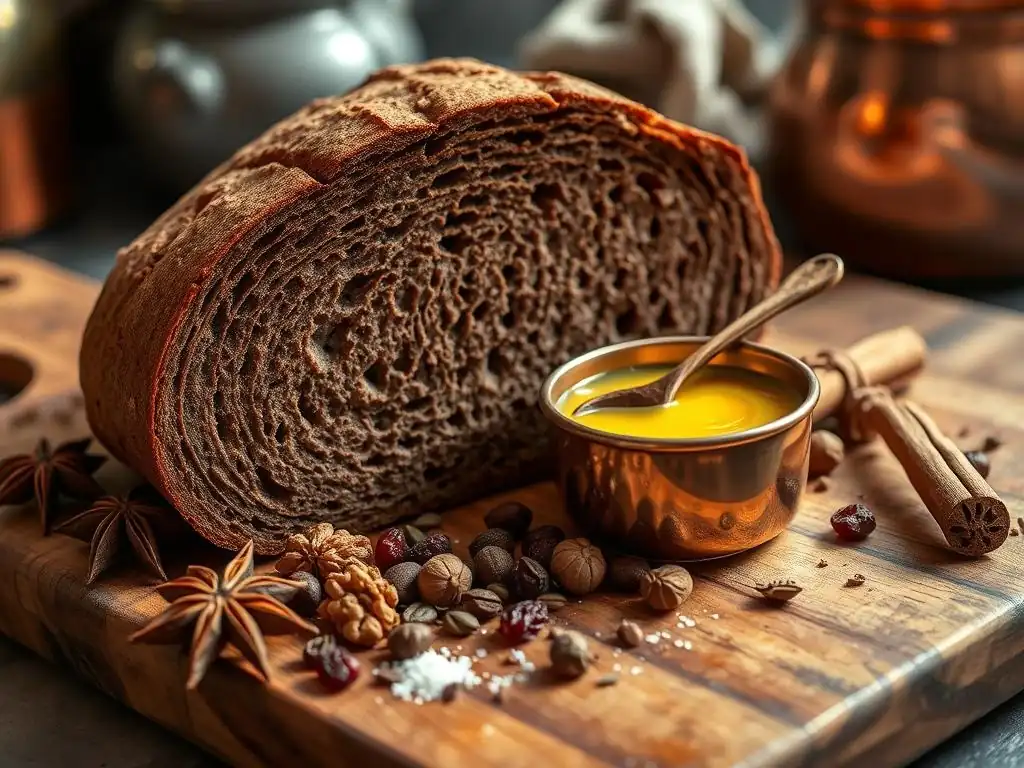
Fennel seeds possess a sweet, licorice-like, or anise-like flavor profile similar to caraway but often perceived as slightly sweeter and more delicate. They are a common spice in European rye breads, sometimes used in combination with or instead of caraway. They add a warm, aromatic note that pairs well with the earthy tones of rye.
Fennel seeds can be added whole or lightly crushed to the dough (0.5-1.5% of flour weight). Crushing them slightly just before adding helps release their essential oils, intensifying the flavor. They are a great way to add a subtle but distinct aromatic layer to your delicious rye bread addin ideas.
Coriander Seeds: A Citrusy and Earthy Addition
Coriander seeds have a complex flavor that is citrusy (like orange peel) and slightly earthy and warm. They are often used in spice blends for baking, particularly in Eastern European rye breads. Their bright, almost floral notes can lift the deep, earthy flavor of rye, adding complexity.
Coriander seeds are best lightly toasted and then crushed or ground just before adding to the dough (0.5-1.5% of flour weight). Toasting enhances their aroma, and crushing releases their flavor compounds. Used judiciously, coriander seeds can add a unique and delightful twist to delicious rye bread addin ideas.
Caraway Powder: Amplifying the Traditional Flavor
While whole or crushed caraway seeds are traditional, using caraway powder can provide a more uniform and intense distribution of the classic caraway flavor throughout the crumb. The powder integrates fully into the dough, ensuring that every bite carries the signature anise-like note without the distinct texture of the seeds.
Caraway powder is potent, so less is needed compared to whole seeds (0.25-0.75% of flour weight). It should be added with the dry ingredients. Using powder is a way to ensure consistent flavor distribution and is useful if you want the caraway taste without the seed texture, offering a different approach to integrating this key element into delicious rye bread addin ideas.
Vegetables: Savory and Earthy Additions
Caramelized Onions: Adding Sweetness and Depth
Caramelized onions are a superb savory addition to rye bread, bringing significant sweetness, depth of flavor, and a soft, yielding texture. The slow cooking process transforms the pungent raw onion into sweet, jammy morsels that pair wonderfully with the earthy and tangy notes of rye. They create a rich, savory loaf perfect for sandwiches or accompanying soups.
Onions must be caramelized slowly until deeply browned and sweet, then cooled completely before being added to the dough (typically 10-20% of the total flour weight). Adding them too early or while warm can affect dough development. Caramelized onions introduce moisture and can make the dough a bit sticky, potentially requiring a slight adjustment in hydration. They are a fantastic way to create savory and delicious rye bread addin ideas.
Roasted Garlic: Providing a Savory and Aromatic Flavor
Roasted garlic offers a mellow, sweet, and deeply aromatic flavor that is far less pungent than raw garlic. When roasted, garlic cloves become soft and spreadable, their intense bite replaced by a rich, savory sweetness. This pairs exceptionally well with the robust flavor of rye, infusing the entire loaf with a warm, inviting aroma.
Roasted garlic cloves can be mashed into a paste and added to the dough (3-8% of flour weight, depending on desired intensity). Like caramelized onions, they add moisture. Roasted garlic is a powerful but delightful addition for those seeking savory and aromatic delicious rye bread addin ideas.
Sun-Dried Tomatoes: Adding Tangy and Umami Notes
Sun-dried tomatoes, particularly those packed in oil (drained well), bring a concentrated, tangy, and slightly sweet umami flavor to rye bread. Their chewy texture and vibrant color make them a visually appealing and flavorful addition. They work well in rye breads intended to be served with savory dishes or as part of an antipasto platter.
Chopped sun-dried tomatoes should be drained thoroughly if packed in oil (or rehydrated if dried) and added to the dough at 5-15% of the flour weight. Their acidity can potentially affect dough development slightly, so it's best to add them towards the end of mixing. Sun-dried tomatoes offer a Mediterranean twist to delicious rye bread addin ideas.
Incorporating Enhancements: Techniques and Considerations
Timing: Adding Enhancements at the Right Stage
The timing of adding enhancements to rye bread dough is crucial for optimal distribution and minimizing interference with dough development. Most solid add-ins, like seeds, nuts, dried fruits, or cooked vegetables, should be added towards the end of the kneading process. This allows the dough to develop its structure first before the additions are incorporated. Adding them too early can sometimes hinder gluten development, especially if they are sharp (like chopped nuts) or sticky (like caramelized onions).
For machine mixing, add inclusions during the last minute or two of kneading. For hand mixing, gently fold them in after the main kneading is complete. This ensures the add-ins are evenly distributed throughout the dough without tearing the gluten network excessively. Proper timing is key to achieving evenly distributed and delicious rye bread addin ideas.
Quantity: Achieving Flavor and Texture Balance
Determining the right quantity of add-ins is essential for achieving balanced flavor and texture. Too little, and their impact will be negligible; too much, and they can overwhelm the rye flavor, disrupt the dough structure, or make slicing difficult. The suggested percentages (based on total flour weight) mentioned in the previous sections are good starting points, but experimentation is encouraged.
- Seeds: Typically 1-3% for flavor/texture within the loaf, more for toppings.
- Grains (soaked): 10-20% of the grain's dry weight relative to flour weight.
- Dried Fruits: 10-20% for noticeable sweetness and chewiness.
- Nuts: 10-20% for significant crunch and flavor.
- Spices: 0.5-1.5% for whole/crushed, less for powder.
- Cooked Vegetables: 10-20% depending on moisture content and desired intensity.
Start with a moderate amount and adjust in subsequent bakes based on your preference. Achieving the right balance ensures your delicious rye bread addin ideas result in a harmonious loaf.
Hydration: Adjusting for Moisture Absorption
Many add-ins, particularly seeds, grains, and dried fruits, absorb moisture from the dough during mixing, proofing, and baking. This can make the dough feel drier than expected and result in a less moist final loaf if not accounted for. Therefore, when incorporating these types of enhancements, it's often necessary to slightly increase the dough's hydration level.
If adding ingredients known to absorb a lot of water (like flax seeds or cracked rye), consider holding back a small amount of flour when mixing and adding water gradually until the dough feels right. Alternatively, increase the initial water amount by 5-10% when adding significant quantities of absorbent ingredients. Pay attention to the dough's consistency during mixing; it should still feel pliable and not overly stiff. Adjusting hydration ensures your delicious rye bread addin ideas don't lead to a dry crumb.
Enhancement Combinations: Creating Unique Flavor Profiles
Traditional Combinations: Caraway and Cracked Rye
Some of the most beloved rye bread recipes feature traditional combinations of add-ins that have stood the test of time. A classic example is the pairing of caraway seeds with cracked rye. The caraway provides its signature aromatic, slightly anise-like flavor, while the cracked rye intensifies the earthy rye taste and adds a substantial chewiness. This combination creates a hearty, rustic loaf with a deep, complex rye character that is instantly recognizable and deeply satisfying.
Another traditional pairing often involves a mix of seeds, such as caraway, fennel, and coriander, often found in Eastern European rye breads. These spices work together to create a warm, aromatic profile that complements the sour notes of sourdough rye. Exploring these traditional mixes is a great starting point for developing delicious rye bread addin ideas rooted in baking history.
Savory Combinations: Caramelized Onion and Roasted Garlic
For a decidedly savory loaf, combining caramelized onions and roasted garlic is an unbeatable strategy. The sweetness of the onions balances the pungency of the garlic (which is mellowed by roasting), and together they infuse the rye base with layers of rich, savory flavor. This type of bread is fantastic served warm with butter or alongside stews and roasts.
Other savory combinations could include sun-dried tomatoes with herbs like rosemary or thyme, or perhaps olives and a touch of black pepper added to a rye dough. These pairings move rye bread into a territory more akin to focaccia or savory rolls, offering delicious rye bread addin ideas perfect for meal accompaniments.
Sweet and Spicy Combinations: Cranberry, Walnut, and Orange Zest
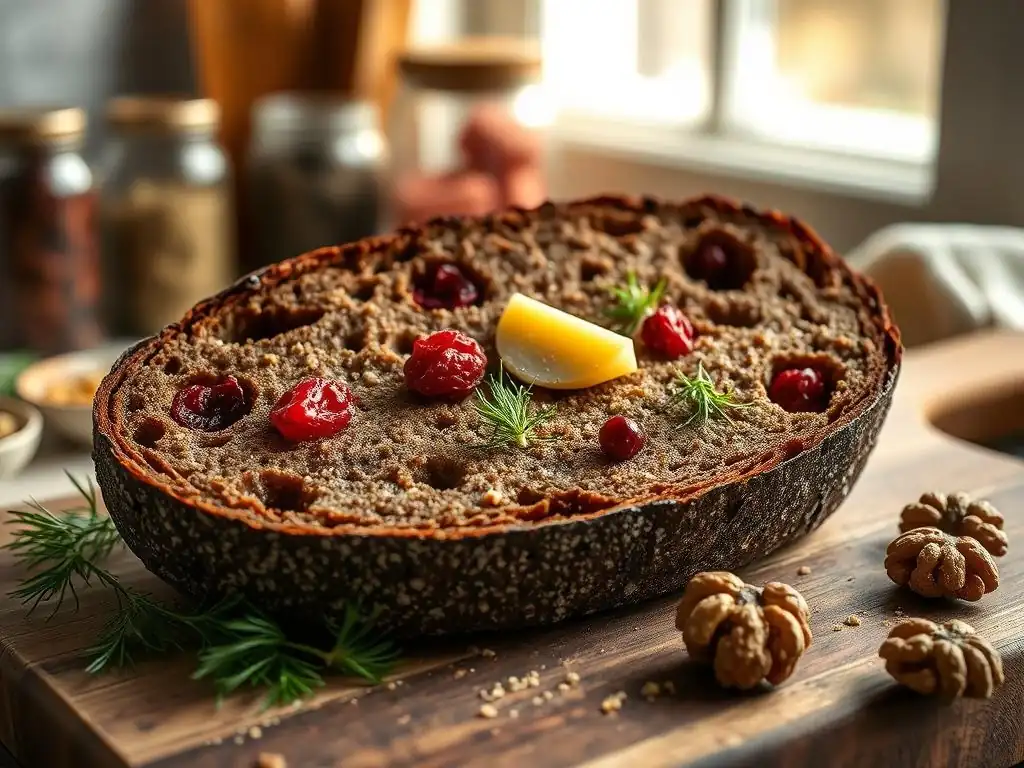
Moving to the sweeter side, combining dried cranberries, walnuts, and orange zest creates a delightful interplay of flavors and textures. The tartness of the cranberries cuts through the richness of the walnuts, while the orange zest adds a bright, aromatic lift that complements both the fruit and the nuts, as well as the underlying rye. This combination works well in slightly sweeter rye doughs and makes a fantastic breakfast or tea bread.
Other sweet and spicy delicious rye bread addin ideas could involve raisins and cinnamon, or perhaps dried apricots with ginger and pecans. The key is to balance the sweetness of the fruit with warming spices and complementary nuts, creating layers of flavor that intrigue the palate.
Troubleshooting: Common Issues and Solutions
Uneven Distribution: Ensuring Consistent Flavor
One common issue when adding inclusions is uneven distribution, resulting in pockets with too many add-ins and areas with none. This leads to inconsistent flavor and texture throughout the loaf.
- Solution: Add inclusions towards the very end of the mixing process. Mix just long enough to distribute them evenly. For hand mixing, gently fold them in. For larger inclusions like nuts or dried fruit, tossing them with a tablespoon of flour before adding can help prevent them from clumping together.
Impact on Dough Rise: Adjusting Proofing
Certain add-ins, particularly those with sharp edges like chopped nuts or those added in very large quantities, can sometimes impede dough rise by puncturing the gluten network that traps gas.
- Solution: Ensure nuts and dried fruits are chopped into appropriately sized pieces (not too large or too small). Add inclusions towards the end of mixing to allow the dough structure to develop first. If using a very high percentage of add-ins (e.g., over 25-30% of flour weight), you might need to slightly increase the proofing time or use a stronger flour or starter to compensate. Monitor the dough's activity closely during proofing.
Preventing Burning: Protecting Delicate Enhancements
Add-ins on the surface of the dough, especially seeds, nuts, and dried fruits, can sometimes burn during baking if exposed directly to high heat.
- Solution: If using add-ins as a topping, consider brushing the crust with water or an egg wash before applying them to help them stick and potentially prevent burning. For very delicate add-ins within the dough, ensure they are fully encased in dough and not sticking out. Baking in a Dutch oven or with steam can also help protect the crust and its additions during the initial phase of baking. If necessary, you can tent the loaf with foil during the latter part of the bake if the crust is browning too quickly.
Conclusion: Mastering Rye Bread with Creative Enhancements
Experimentation: Your Rye Bread Journey
Mastering rye bread, especially with creative enhancements, is an exciting journey of experimentation. The beauty of exploring rye bread delicious addin ideas lies in the endless possibilities they offer to customize your bake. Don't be afraid to step beyond the traditional and try new combinations of seeds, grains, fruits, nuts, and spices. Keep notes on what works well and what doesn't, adjusting quantities and pairings in subsequent bakes.
Consider your desired outcome: are you looking for a hearty, savory loaf for sandwiches, a slightly sweet bread for breakfast, or something unique to share? Let your palate guide you and use the principles of complementary and contrasting flavors to inspire your next creation. Every loaf is an opportunity to learn and refine your techniques, leading you closer to your perfect rye bread recipe.
Baking is often a joy best shared. Once you've created delicious rye bread addin ideas that you're proud of, share them with friends, family, or even online baking communities. Describe the enhancements you used and the flavors they brought out in the rye. Your experiments can inspire other bakers to try new things and explore their own creative additions.
Sharing photos, recipes, and experiences fosters a community of learning and appreciation for the craft of baking. Whether it's a simple caraway seed loaf or a complex blend of fruits, nuts, and spices, your delicious rye bread addin ideas contribute to the rich tapestry of bread baking traditions and encourage others to discover the wonderful world of enhanced rye bread.
Frequently Asked Questions
What are some popular add-ins for rye bread?
Popular add-ins include caraway seeds (the most traditional), dried fruits like cranberries or raisins for added sweetness, and nuts like walnuts or pecans for texture and flavor.
Why are caraway seeds so often found in rye bread?
Caraway seeds have a distinctive flavor that complements the earthy and slightly sour taste of rye flour. They also aid in digestion, which is a bonus with heavier breads.
Can I add herbs to my rye bread?
Yes, you can! Experiment with herbs like dill, fennel seeds, or even a touch of dried rosemary to enhance the savory notes of the rye. Be mindful of quantity, as herbs can be potent.
What kind of nuts work well in rye bread?
Walnuts and pecans are excellent choices due to their rich, nutty flavor and texture. Sunflower seeds also provide a nice crunch and subtle flavor.
Can I add ingredients like chocolate to rye bread?
While unusual, you can experiment with chocolate, especially dark chocolate nibs, for a surprising flavor contrast. However, consider it a dessert-style rye bread rather than a traditional loaf.
Final Reflection: The Unexpected Symphony of Rye
The humble rye bread, often overlooked, possesses a depth of flavor that, when paired with the right additions, transforms into a culinary masterpiece. This exploration into the world of rye bread add-ins has revealed not just a list of ingredients, but a principle of balance and contrast – a delicate dance between the rye's inherent tang and the sweetness, spice, or savoriness of its companions. The possibilities, as we've seen, are truly endless.
The journey through various add-ins highlighted the surprising versatility of rye bread. It's a canvas for creativity, capable of supporting bold flavors and subtle nuances alike. The process of researching and experimenting with different combinations underscored the importance of understanding the fundamental characteristics of the base ingredient. The best recipes are those that enhance, not overpower, the natural flavors of their components.
This quote, while not directly about rye bread, perfectly encapsulates the philosophy behind successful add-in pairings.
Now, it's your turn. Consider your own culinary adventures. What unexpected combinations might you create with rye bread? Don't be afraid to experiment, to push boundaries, and to discover your own unique symphony of flavors. The next delicious rye bread experience awaits – let your creativity be your guide.
Unleash Your Inner Baker: Craft the Perfect Rye Loaf!
Thanks for taking the time to explore the wonderful world of rye bread add-ins with us! We hope you've discovered some delicious inspiration for your next baking adventure. Ready to put your new knowledge to the test?
- Bake your dream rye: Choose your favorite add-in from the article and get baking! Don't be afraid to experiment – that's where the real fun begins!
- Share your creation: Snap a picture of your masterpiece and share it on social media using #BakeWithEaseRye. We'd love to see your baking brilliance!
- Join the conversation: What unexpected ingredient are you planning to try in your next rye bread loaf? Let us know in the comments below!
What unique flavor profile are you most excited to explore in your next rye bread adventure?