
Quick StoveTop Flatbreads: Ready When You Are

Welcome to BakeWithEase, your haven for baking bliss! Ever dreamt of warm, freshly baked bread without the fuss of an oven? Discover the magic of our easy stovetop flatbread recipes, ready in minutes and perfect for any meal. Intrigued? Let's unlock the secrets to simple, satisfying bread, one delicious flatbread at a time. Get ready to bake with ease!
- Kitchen Crafted's Guide to Easy Stovetop Flatbread Recipes
- Why Stovetop Flatbreads? A Quick Baking Solution
- Mastering the Basic Stovetop Flatbread Recipe
- Step-by-Step: Making Flatbreads on the Stove
- Flavor Variations for Your Stovetop Flatbreads
- Troubleshooting Common Stovetop Flatbread Issues
- Serving Suggestions for Your Homemade Stovetop Flatbreads
- Advanced Tips for Perfect Stovetop Flatbreads
- More Easy Bread Baking Recipes from Kitchen Crafted
- Frequently Asked Questions
- Final Reflection: The Unexpected Joy of Instant Flatbreads
- Unleash Your Inner Baker: Craft Your Perfect Flatbread!
Kitchen Crafted's Guide to Easy Stovetop Flatbread Recipes
Welcome to the wonderful world of baking, where delicious creations don't always require a long wait or a hot oven! Today, we're diving into one of our favorite quick wins: easy stovetop flatbread recipes quick to make and incredibly versatile. Whether you're looking for a simple side dish, a base for a speedy meal, or just a fun baking project that yields results in minutes, learning how to make flatbread on the stove is a game-changer.
These quick flatbreads are perfect for busy weeknights, impromptu gatherings, or simply satisfying a craving for fresh-baked bread without the commitment of traditional yeast loaves. We'll walk you through everything from the basic ingredients to fun flavor variations, ensuring your stovetop flatbreads are a success every time.
Why Stovetop Flatbreads? A Quick Baking Solution
The Appeal of Fast, No-Oven Flatbreads
The primary draw of making flatbreads on the stovetop is speed and simplicity. Unlike conventional bread baking, which often involves multiple proofing stages and a hot oven, stovetop flatbreads can be mixed, rested briefly (or not at all, depending on the recipe), and cooked in mere minutes per piece. This makes them an ideal solution when you need a quick bread component for a meal or snack. Imagine whipping up warm, pliable flatbreads to accompany your dinner in less time than it takes to preheat your oven!
Furthermore, cooking on the stove avoids heating up your entire kitchen, a significant benefit, especially during warmer months. The direct heat of a skillet or griddle cooks the flatbreads rapidly, often resulting in delightful bubbles and a slightly chewy texture. This method is particularly appealing for those living in smaller spaces or without access to a full oven, proving that delicious baking is possible with minimal equipment.
Perfect for Beginners: Simple Flatbread Baking
For newcomers to the world of baking, easy stovetop flatbread recipes quick are an excellent starting point. They typically require only a handful of basic ingredients – flour, water, a little fat, and sometimes a leavening agent like baking powder or yeast – which are common pantry staples. The process is straightforward: mix, form, and cook. There's no complex kneading technique required for many recipes, and the relatively short cooking time means you get immediate feedback on your results.
Mistakes are also quite forgiving with flatbreads. If a dough is too sticky, you can add a little more flour; if it's too dry, a splash of water helps. The cooking on the stovetop allows for easy monitoring, so you can adjust the heat or cooking time as needed. This low-stakes approach builds confidence, making it easier to tackle more complex baking projects down the line. Many beginners find success with their very first attempt at quick flatbreads on the stove, which is incredibly encouraging!
Mastering the Basic Stovetop Flatbread Recipe
Essential Ingredients for Quick Flatbreads
Creating easy stovetop flatbread recipes quick and delicious starts with understanding the foundational ingredients. Typically, you'll need all-purpose flour, which provides the structure. Approximately 2 cups of flour can yield about 4-6 medium-sized flatbreads, depending on thickness. Water is the liquid that brings the dough together; warm water is often preferred as it helps ingredients combine smoothly, usually around 3/4 to 1 cup per 2 cups of flour.
A little fat, such as olive oil or melted butter (about 1-2 tablespoons), adds tenderness and flavor. Some recipes call for a pinch of salt for seasoning, perhaps 1/2 teaspoon. For leavening, baking powder (about 1-2 teaspoons) is common for very quick, unleavened-style flatbreads, providing a soft crumb and some lift. Yeast (a small amount, like 1/4 teaspoon instant yeast) can be used for a slightly longer rest time (30-60 minutes) to develop more flavor and a chewier texture, though many easy stovetop flatbread recipes quick skip yeast entirely for ultimate speed.
Equipment Needed for Stovetop Flatbreads
Making flatbreads on the stove requires minimal specialized equipment, making it accessible for most home cooks. The most crucial piece is a good quality skillet or griddle. A cast iron skillet or a non-stick pan works exceptionally well, providing even heat distribution. A skillet approximately 9-12 inches in diameter is ideal, allowing you to cook one or two flatbreads at a time.
You'll also need a mixing bowl for combining the dough ingredients. Measuring cups and spoons are essential for accuracy, especially when you're first trying an easy stovetop flatbread recipe quick. A rolling pin or even a clean, flat bottle can be used to shape the dough. A spatula or tongs will be helpful for flipping the flatbreads as they cook. That's essentially it – a few basic kitchen tools are all you need to start making delicious, quick flatbreads on your stove.
Step-by-Step: Making Flatbreads on the Stove
Step 1: Preparing the Flatbread Dough - A Simple Method
Preparing the dough for easy stovetop flatbread recipes quick is incredibly straightforward. In a mixing bowl, whisk together your dry ingredients: typically flour, salt, and baking powder if using it. For instance, you might combine 2 cups of all-purpose flour with 1/2 teaspoon of salt and 1 teaspoon of baking powder. This ensures the leavening and seasoning are evenly distributed.
Next, add the wet ingredients: usually warm water (about 3/4 cup) and a tablespoon of olive oil. Stir with a spoon or your hands until the dough just comes together. It should be a bit shaggy at first. Turn the dough out onto a lightly floured surface and knead for just a few minutes, perhaps 3-5 minutes, until it forms a relatively smooth ball.
This minimal kneading develops just enough gluten for structure without making the flatbread tough. Some no-knead versions require only mixing until combined. Cover the dough and let it rest for 10-15 minutes if time allows; this relaxation step makes rolling easier, though for truly quick flatbreads, you can skip the rest and proceed immediately.
Step 2: Rolling Out Your Flatbreads
Once your dough is ready, divide it into equal portions. For a recipe using 2 cups of flour, you might divide the dough into 4-6 pieces, each weighing roughly 70-100 grams. Roll each piece into a ball. On a lightly floured surface, take one dough ball and use a rolling pin to flatten it into a circle or oval shape, about 1/8 to 1/4 inch thick.
The thickness you choose will affect the final texture: thinner flatbreads will be crispier, while thicker ones will be softer and chewier. Aim for a size that fits comfortably in your skillet. As you roll, try to maintain an even thickness across the flatbread to ensure even cooking. If the dough springs back a lot, let it rest for a couple more minutes before continuing to roll. Dust off any excess flour before transferring the flatbread to the skillet.
Step 3: Cooking Flatbreads on the Stovetop - The Key to Success
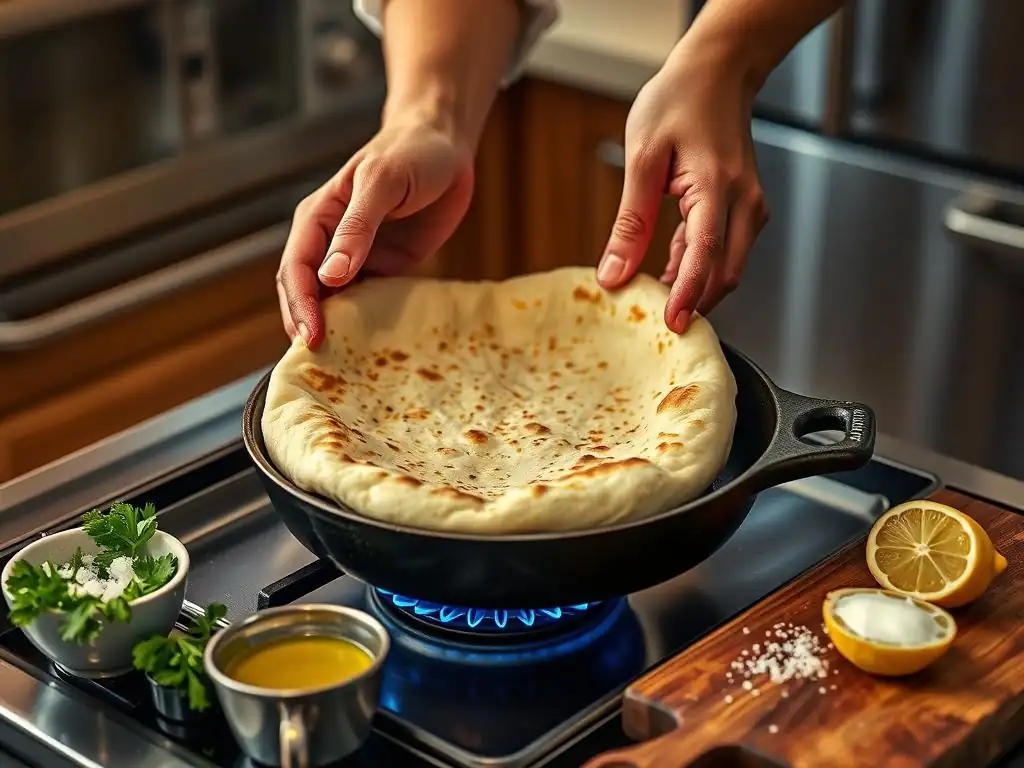
Cooking is where the magic happens for easy stovetop flatbread recipes quick. Heat your skillet or griddle over medium to medium-high heat. You don't typically need oil for cooking unleavened flatbreads, as the dry heat helps them puff and brown. Once the pan is hot (you can test by flicking a tiny bit of water onto the surface; it should sizzle immediately), carefully place one rolled flatbread into the dry pan.
Cook for about 1-2 minutes per side. You'll know it's time to flip when you see bubbles forming on the surface and the underside has golden-brown spots. Flip and cook the second side for another 1-2 minutes until it's also spotted brown and the flatbread is cooked through. For flatbreads made with baking powder, you'll often see them puff up like pita bread; this is a good sign!
If they don't puff, they will still be delicious. Remove the cooked flatbread from the pan and repeat with the remaining dough. Keep cooked flatbreads warm by stacking them on a plate and covering with a clean towel while you cook the rest.
Step 4: Storing and Reheating Your Stovetop Flatbreads
Proper storage ensures your delicious, easy stovetop flatbread recipes quick stay fresh. Once cooled completely, stack the flatbreads and store them in an airtight container or a resealable plastic bag at room temperature for 1-2 days. For longer storage, they can be refrigerated for up to 5 days or frozen for up to 2-3 months. If freezing, it's helpful to place a small piece of parchment paper between them to prevent sticking.
Reheating stovetop flatbreads is simple. For best results, warm them gently in a dry skillet over medium heat for about 30 seconds to 1 minute per side until pliable and warm. Alternatively, you can wrap them in a damp paper towel and microwave for 15-30 seconds, or warm them briefly in a toaster oven. Avoid overheating, which can make them tough. Warm flatbreads are always the most enjoyable!
Flavor Variations for Your Stovetop Flatbreads
Savory Stovetop Flatbread Ideas
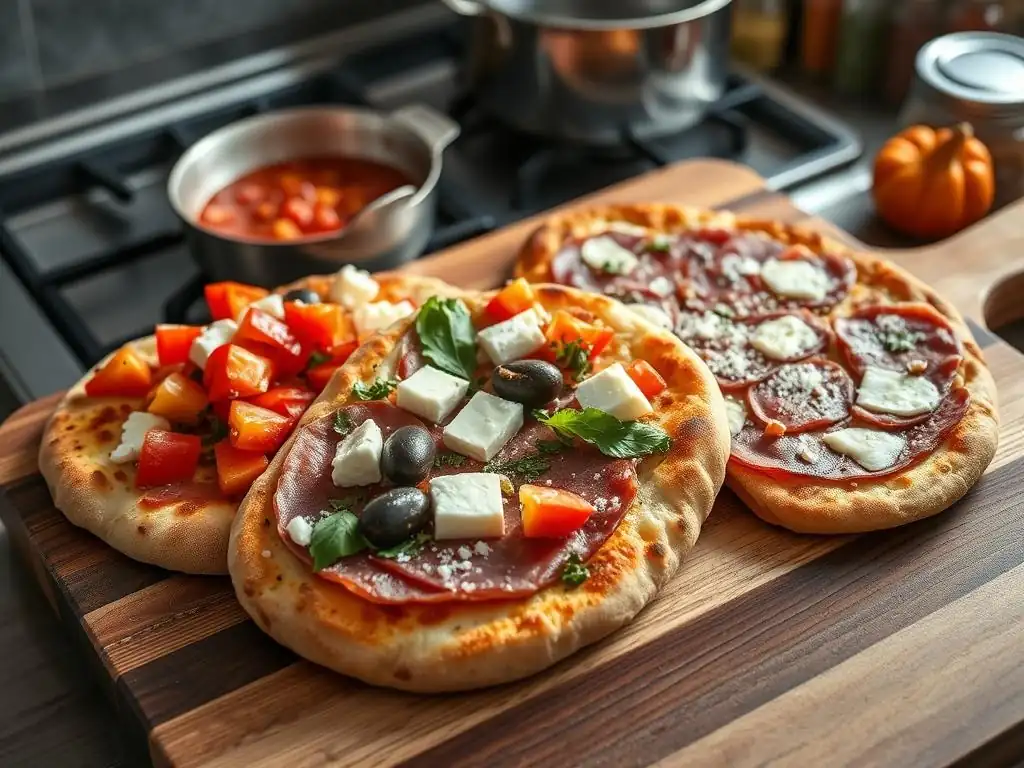
Savory variations can transform your easy stovetop flatbread recipes quick into flavorful accompaniments or bases for main dishes. Incorporating herbs and spices into the dough is a simple way to add depth.
Garlic and Herb Flatbreads
To make garlic and herb flatbreads, finely mince 1-2 cloves of garlic and chop about 1-2 tablespoons of fresh herbs like rosemary, thyme, or parsley. Add the minced garlic and herbs to the dry ingredients when mixing the dough. The heat of the pan will gently cook the garlic, infusing the flatbread with its aroma and flavor.
This variation is fantastic served warm with hummus or as a side for soups and stews. You can also brush the finished flatbreads with melted butter mixed with more garlic and herbs for an extra flavor boost, using about 1 tablespoon of butter per flatbread.
Spiced Flatbreads with Za'atar
For a Middle Eastern flair, try adding za'atar to your easy stovetop flatbread recipe quick. Za'atar is a spice blend typically containing sumac, sesame seeds, thyme, and oregano. You can either mix 1-2 tablespoons of za'atar directly into the dough or, more traditionally, brush the rolled-out dough with olive oil and sprinkle generously with za'atar before cooking. Cooking the flatbread with the za'atar on top toasts the spices, releasing their fragrant oils. These spiced flatbreads are excellent with labneh (strained yogurt) or alongside grilled meats.
Sweet Stovetop Flatbread Ideas
Who says flatbreads can only be savory? Easy stovetop flatbread recipes quick can also be adapted for sweet treats, perfect for breakfast or dessert.
Cinnamon Sugar Flatbreads
A simple and delightful sweet variation is cinnamon sugar flatbreads. While mixing the dough, you can add a pinch of cinnamon (about 1/2 teaspoon) directly into the dry ingredients. After cooking, brush the warm flatbreads generously with melted butter (about 1-2 teaspoons per flatbread) and immediately sprinkle with a mixture of sugar and cinnamon (about 2 tablespoons sugar mixed with 1 teaspoon cinnamon). The butter helps the cinnamon sugar adhere, creating a warm, sweet, and slightly crisp surface. This is reminiscent of churros or cinnamon toast and pairs wonderfully with coffee or tea.
Honey-Glazed Flatbreads
For a subtly sweet and sticky finish, try a honey glaze. After cooking your basic stovetop flatbreads, gently warm about 2-3 tablespoons of honey (perhaps with a tiny splash of water or orange blossom water if you like) until it's pourable. You can do this in a small pan over low heat or in the microwave for a few seconds. Brush the warm flatbreads with the honey glaze. This adds a lovely sheen and sweetness without being overly heavy. Honey-glazed flatbreads are delicious on their own or served with fresh fruit and yogurt.
Troubleshooting Common Stovetop Flatbread Issues
Flatbreads are Too Tough
If your easy stovetop flatbread recipes quick are coming out tough rather than soft and pliable, there are a few potential culprits. Overworking the dough is a common issue. Kneading for too long develops too much gluten, resulting in a dense, tough texture. For most quick stovetop flatbreads, especially those without yeast, just a few minutes of gentle kneading (3-5 minutes) or simply mixing until combined is sufficient. Using hot water instead of warm water can also negatively impact dough texture.
Another factor is rolling the dough too thin or cooking it for too long at too high a heat. Thin flatbreads cooked excessively can become brittle and tough. Ensure you're cooking over medium to medium-high heat and only for 1-2 minutes per side, just until golden spots appear and the flatbread is cooked through. Stacking and covering the cooked flatbreads immediately after taking them off the pan also helps them steam slightly and stay soft.
Flatbreads are Burning
Flatbreads burning on the stovetop is usually a sign that your pan is too hot. While you need a hot pan to cook quickly and potentially get that nice puff, excessive heat will char the outside before the inside is cooked. The ideal temperature allows for rapid cooking and browning in 1-2 minutes per side.
If you notice your flatbreads are burning quickly, immediately reduce the heat to medium or even medium-low. Let the pan cool slightly before adding the next flatbread. It's often better to start with slightly lower heat and increase it if needed, rather than starting too high. Also, ensure you're not leaving them unattended; stovetop flatbreads cook very fast! Keep a close eye on them and be ready to flip as soon as the first side is golden.
Flatbreads are Not Cooking Evenly
Uneven cooking can result in some parts of the flatbread being burnt while others are undercooked. This is often due to uneven heat distribution in your pan or inconsistent thickness of the rolled-out dough. Cast iron skillets tend to distribute heat very evenly, but other pans might have hot spots. Try rotating the flatbread halfway through cooking on each side to compensate for any unevenness in your pan.
Ensure your dough is rolled to a consistent thickness across the entire circle or oval. Thicker spots will take longer to cook, leading to the thinner areas burning. Aim for a uniform 1/8 to 1/4 inch thickness. Preheating your pan properly is also key; allow it to heat up for several minutes over medium heat before adding the first flatbread to ensure the entire surface is at a consistent temperature.
Serving Suggestions for Your Homemade Stovetop Flatbreads
Pairing Flatbreads with Dips and Spreads
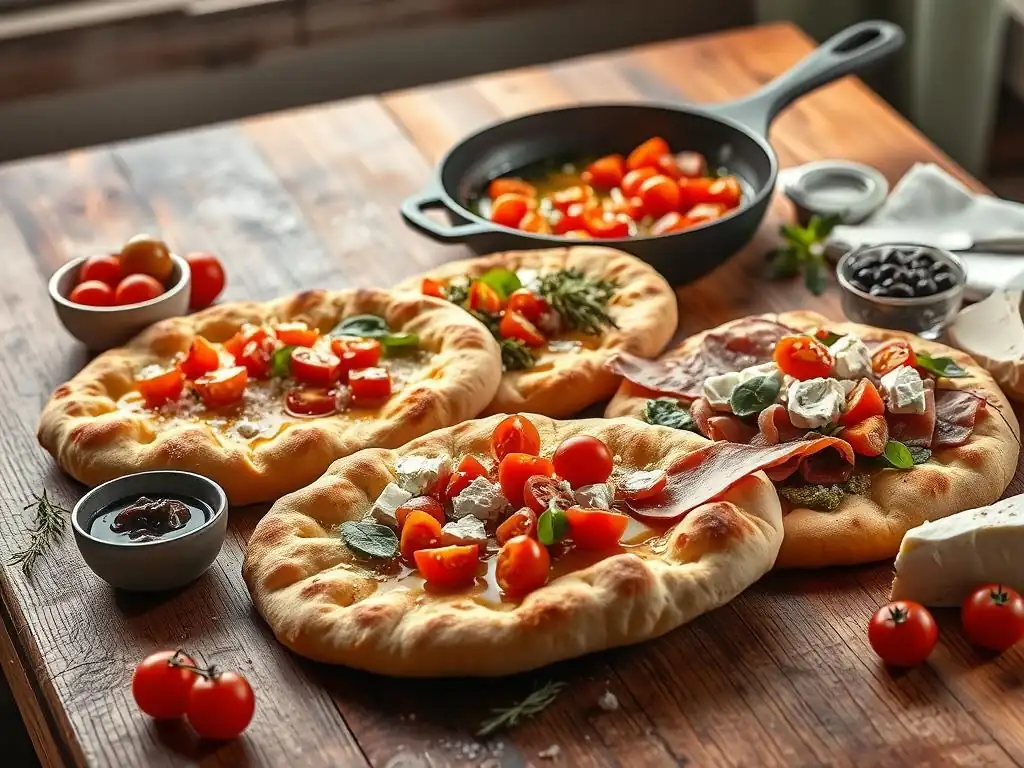
Easy stovetop flatbread recipes quick are absolutely perfect for pairing with a variety of dips and spreads. Their simple flavor and pliable texture make them ideal for scooping. Warm flatbreads served with hummus are a classic combination, offering a delightful contrast of soft bread and creamy dip.
Other excellent pairings include:
- Tzatziki (a cooling yogurt, cucumber, and garlic dip)
- Baba ghanoush (smoky eggplant dip)
- Muhammara (roasted red pepper and walnut dip)
- Simple olive oil and balsamic vinegar for dipping
- Spicy feta dip (htipiti)
Serving a platter of warm flatbreads alongside a selection of dips is an easy and impressive appetizer or snack for guests.
Using Flatbreads for Wraps and Sandwiches
The flexibility of homemade stovetop flatbreads makes them a fantastic alternative to tortillas or conventional bread for wraps and sandwiches. Roll them slightly thinner, perhaps closer to 1/8 inch, if you plan to use them for wraps.
Fill them with your favorite ingredients:
- Grilled chicken, lettuce, and tomato with a creamy sauce for a quick chicken wrap.
- Falafel, tahini, and chopped vegetables for a vegetarian option.
- Leftover roasted vegetables and a sprinkle of cheese.
- Shaved lamb or beef (like for gyros or shawarma) with onions and sauce.
These easy stovetop flatbread recipes quick turn simple fillings into satisfying portable meals.
Flatbreads as a Pizza Base Alternative
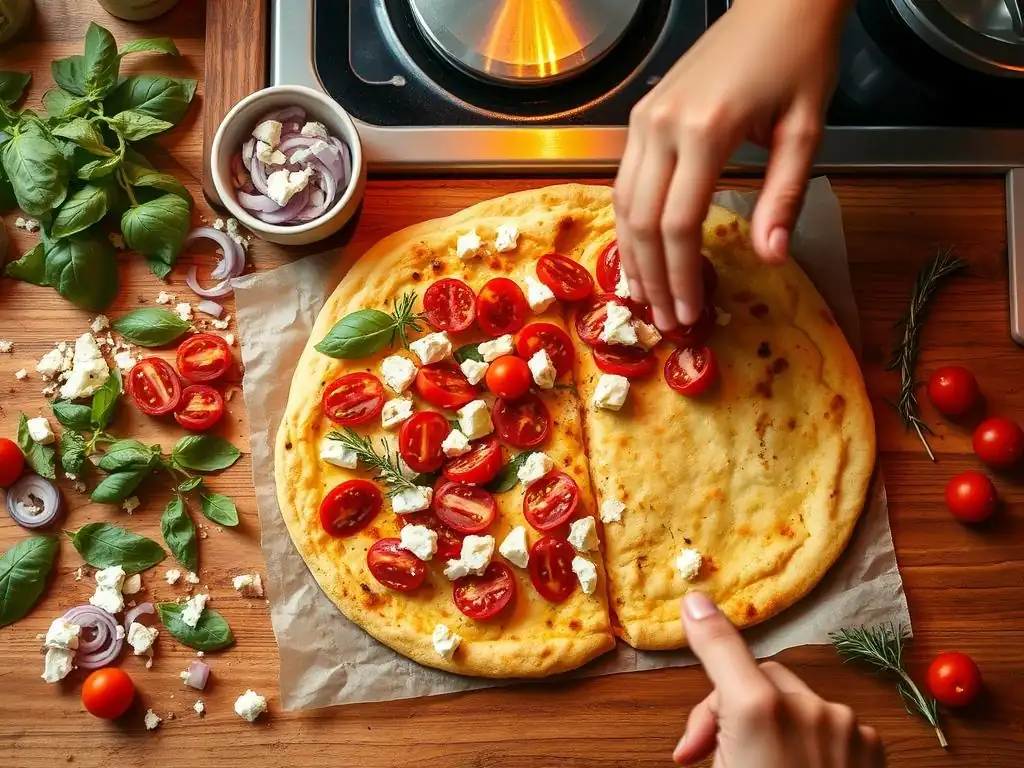
Looking for a super speedy pizza night? Your quick stovetop flatbreads can serve as an excellent thin-crust pizza base. Cook the flatbread about halfway on one side on the stovetop until it's set but not fully browned. Then, flip it, quickly add your desired pizza sauce, cheese, and toppings to the cooked side, and cover the pan with a lid or foil to trap heat.
Cook for another 2-4 minutes over medium-low heat, or until the cheese is melted and bubbly and the bottom of the flatbread is golden brown and crisp. This method yields individual mini-pizzas much faster than using a conventional oven, making it perfect for a quick weeknight dinner or letting everyone customize their own pizza.
Advanced Tips for Perfect Stovetop Flatbreads
Achieving the Perfect Puff
Many people love when their stovetop flatbreads puff up like pita bread, creating a pocket perfect for filling. While not all easy stovetop flatbread recipes quick are designed to puff significantly (especially those using only baking powder), there are tips to encourage it. Using a very hot pan is crucial – medium-high heat works best. Place the rolled flatbread into the dry, hot pan.
As the first side cooks (about 30-60 seconds), you might see small bubbles appear. Flip the flatbread early, often before significant browning occurs. Cooking the second side intensely for 30-60 seconds can cause the steam inside the dough to expand rapidly, inflating the flatbread. Flip it back to the first side for final browning if needed. Ensuring your dough is rolled to a consistent thickness (around 1/8 inch) also helps, as does using fresh flour. A brief rest (10-15 minutes) after mixing the dough can also contribute to better puffing.
Controlling the Heat for Even Cooking
Maintaining consistent and appropriate heat is key to evenly cooked, beautifully browned stovetop flatbreads. Start by preheating your pan over medium to medium-high heat for several minutes until it's uniformly hot across the surface. This prevents the first flatbread from cooking differently than the last.
Pay close attention as you cook the first flatbread. If it browns too quickly (under 1 minute per side), your heat is too high; reduce it slightly for the next one. If it takes longer than 2-3 minutes per side to brown, increase the heat slightly. Different stovetops and pans conduct heat differently, so you might need to experiment slightly to find the perfect setting. Adjusting the heat between cooking flatbreads is perfectly fine to ensure consistency.
Experimenting with Different Flours
While all-purpose flour is standard for many easy stovetop flatbread recipes quick, experimenting with different flours can add new dimensions of flavor and texture. Whole wheat flour can be substituted for a portion (start with 25-50%) of the all-purpose flour to add nuttiness and fiber. Be aware that whole wheat absorbs more liquid, so you might need to add a touch more water.
Using a blend of all-purpose and bread flour can result in a chewier flatbread. For gluten-free options, various blends of gluten-free flours (like rice flour, tapioca starch, and almond flour) can be used, though the texture will be different, and they may not puff as much. Each flour type will require slight adjustments to the water amount and kneading/resting time, so start with small batches when experimenting.
More Easy Bread Baking Recipes from Kitchen Crafted
Explore Our Naan Recipes
If you enjoyed making easy stovetop flatbread recipes quick, you might love exploring our collection of naan recipes. Naan is a leavened flatbread, traditionally cooked in a tandoor oven, but easily adapted for the stovetop or broiler. Our recipes guide you through achieving that classic soft, slightly chewy texture with delicious bubbly pockets, often flavored with yogurt or milk for richness.
Discover Other Quick Bread Recipes
Beyond flatbreads, our site offers a variety of other quick bread recipes that don't require extensive time or complex techniques. From simple soda breads that use baking soda as a leavening agent to easy scone recipes perfect for a quick bake, there are plenty of options for getting fresh-baked goods on your table fast. Explore these sections for more ways to enjoy the simple pleasure of homemade bread without the long wait.
Frequently Asked Questions
What makes these flatbread recipes "quick and easy"?
These recipes prioritize simplicity and speed. They require minimal ingredients and utilize the stovetop for quick cooking, bypassing the need for oven preheating and lengthy baking times, making them ready in minutes.
Are these stovetop flatbreads suitable for beginners?
Absolutely! The recipes are designed with beginners in mind. They offer clear, concise instructions and rely on readily available ingredients, making the baking process straightforward and successful even for novices.
Can I customize these flatbread recipes to my liking?
Yes, definitely! Feel free to experiment with different flours, spices, and toppings. These recipes are a great base to build upon, allowing you to tailor the flavors to your personal preferences.
What type of pan is best for cooking these stovetop flatbreads?
A cast iron skillet or a non-stick pan works best. These pans distribute heat evenly and prevent the flatbreads from sticking, ensuring they cook properly and have a nice golden color.
How do I store leftover stovetop flatbreads?
Store leftover flatbreads in an airtight container at room temperature for up to two days. You can also freeze them for longer storage, wrapping them individually to prevent sticking. Reheat gently before serving.
Final Reflection: The Unexpected Joy of Instant Flatbreads
The simplicity of stovetop flatbreads transcends mere convenience; it's a gateway to culinary spontaneity and connection. In a world obsessed with efficiency, these quick recipes offer a refreshing antidote to complicated cooking, proving that delicious food doesn't require hours of preparation. They're a testament to the power of resourceful cooking, allowing anyone, regardless of skill level, to create something warm, comforting, and satisfying in minutes.
The ease of whipping up these flatbreads has profoundly impacted my own cooking habits, shifting my focus from elaborate meals to the joy of impromptu gatherings and quick, satisfying snacks. The ability to create something delicious on a whim, without extensive planning, is incredibly liberating. The best things in life are simple,
a phrase often repeated, rings especially true when considering the satisfaction derived from these humble flatbreads. They're a reminder that sometimes, the most rewarding experiences are the ones that require the least effort.
Now, I invite you to embrace the unexpected joy of stovetop flatbreads. Experiment with different flours, herbs, and spices to create your own signature variations. Imagine the possibilities: a quick weeknight dinner, a satisfying lunch, or a delightful snack shared with loved ones. Don't just read about these recipes; make them. Let the simple act of creating something delicious from scratch bring you a sense of accomplishment and the warmth of shared meals. The journey of culinary exploration starts with a single flatbread – and it's far easier than you might think.
Unleash Your Inner Baker: Craft Your Perfect Flatbread!
Thanks for joining us on this delicious journey into the world of quick stovetop flatbreads! We hope you’ve gained some inspiration and newfound confidence in your baking abilities. Now it's time to put your skills to the test.
- Master the art of the perfect flatbread: Experiment with different herbs, spices, and toppings to create your signature flatbread. Don't be afraid to get creative!
- Share your creations: Tag us on social media with your flatbread masterpieces – we'd love to see what you come up with!
- Explore other quick bread recipes on BakeWithEase.com: Discover more simple and satisfying recipes to expand your baking repertoire.
What unique flavor combination will you try in your first homemade flatbread? Let us know in the comments below!