
Seeding Your Rustic Loaf: Adding Flavor and Crunch

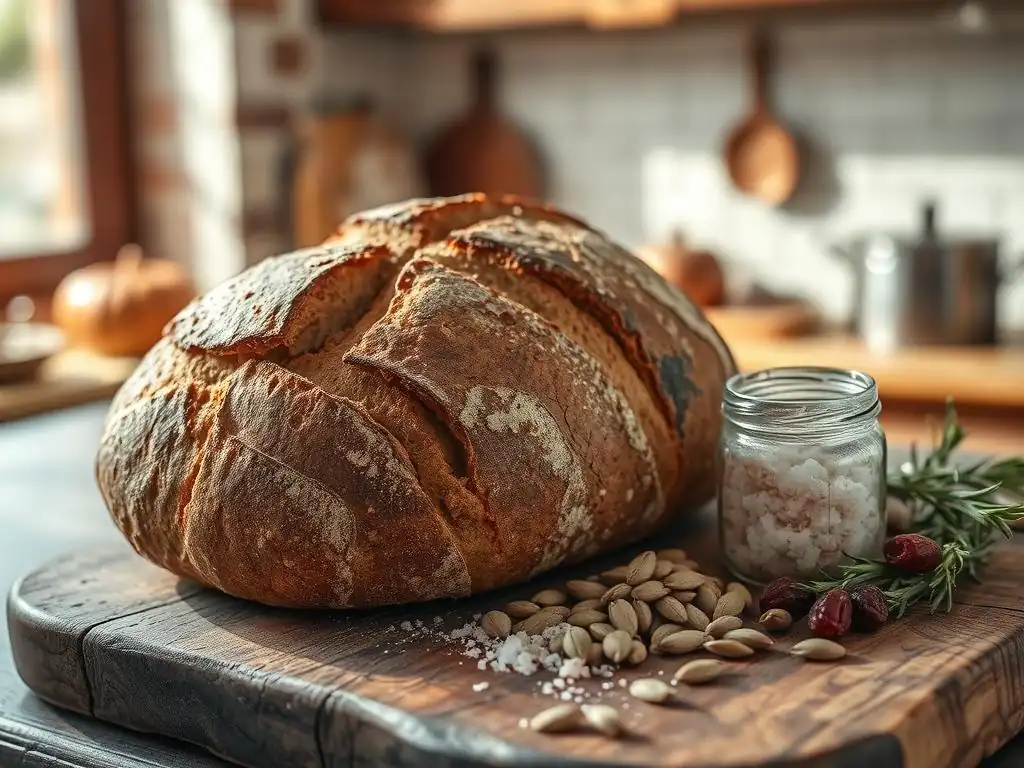
Welcome to BakeWithEase, your guide to unlocking baking brilliance! Ever wondered how to elevate your sourdough from simple to spectacular? Dive in and discover the secrets to crafting a truly rustic loaf. Our expert tips on seeding your sourdough will not only enhance its flavor profile but also add a delightful, satisfying crunch. Ready to transform your baking? Let's get started and explore the art of rustic sourdough starter recipe tips!
- Elevate Your Rustic Loaf with Seeds: A Baker's Guide
- Understanding Seeded Rustic Breads: Flavor and Texture
- Choosing the Right Seeds for Your Rustic Sourdough
- Preparing Your Seeds for Optimal Flavor and Texture
- Incorporating Seeds into Your Rustic Sourdough Recipe
- Rustic Sourdough Recipe Tips with Seeds
- Troubleshooting Seeded Rustic Bread
- Beyond the Basics: Creative Seed Combinations for Rustic Bread
- Enjoying Your Seeded Rustic Loaf
- Mastering the Art of Seeded Rustic Bread Baking
-
Frequently Asked Questions
- What is a rustic sourdough starter and how does it differ from other starters?
- What are some tips for maintaining a healthy and active rustic sourdough starter?
- How can I incorporate seeds into my sourdough loaf to enhance its flavor and texture?
- What types of seeds work best in a rustic sourdough loaf, and what are their benefits?
- How does seeding affect the baking time and final texture of a rustic sourdough loaf?
- Final Reflection: The Enduring Magic of a Rustic Loaf
- Unleash Your Inner Baker: Craft the Perfect Crust!
Elevate Your Rustic Loaf with Seeds: A Baker's Guide
Adding seeds to your rustic sourdough loaf is a fantastic way to introduce layers of flavor, enhance texture, and boost nutritional value. It transforms a simple loaf into a culinary experience, offering delightful surprises in every bite. Whether you're aiming for a subtle nutty hint or a bold, seedy crunch, incorporating seeds opens up a world of possibilities for your bread baking. Mastering the art of integrating seeds into your rustic sourdough starter recipe requires understanding not just which seeds to use, but also how and when to add them for the best results.
This guide will walk you through the process, from selecting the perfect seeds to troubleshooting common issues, ensuring your seeded rustic loaves are consistently delicious. We'll explore how seeds interact with the dough and crust, providing practical tips for achieving optimal flavor, texture, and visual appeal. Get ready to take your rustic sourdough baking to the next level by embracing the wonderful world of seeds.
Understanding Seeded Rustic Breads: Flavor and Texture
Seeded rustic breads are celebrated for their complex profiles, offering more than just the characteristic tang of sourdough. The addition of seeds contributes significantly to both the sensory experience and the structural qualities of the final loaf. This section delves into the fundamental ways seeds enhance your rustic sourdough, setting the stage for successful seeding techniques.
The Allure of Seeds in Rustic Bread Baking
Seeds have been a staple in bread making for centuries, valued for their nutritional density and distinct characteristics. In the context of a rustic sourdough starter recipe, seeds bring a unique counterpoint to the bread's hearty crumb and chewy crust. The visual appeal of seeds scattered throughout the dough or adorning the crust is undeniable, adding an element of rustic charm. Beyond aesthetics, seeds introduce beneficial fats, fiber, vitamins, and minerals, making the bread not just tastier but also more nourishing.
The magic lies in the transformation seeds undergo during fermentation and baking. As the sourdough starter works its magic on the dough, seeds soak up some moisture, softening slightly while still retaining their inherent structure. During baking, the intense heat further develops their flavors, often becoming nuttier or more earthy. This interaction between the tangy sourdough base and the diverse profiles of various seeds creates a depth of flavor that plain bread simply can't match, making seeded rustic loaves incredibly satisfying.
How Seeds Enhance Flavor Profiles in Rustic Loaves
The flavor contribution of seeds varies dramatically depending on the type used. Sesame seeds, for instance, bring a distinctly nutty and slightly toasted note, especially when lightly browned. Poppy seeds are more subtle, offering a delicate, almost floral undertone that complements the sourdough tang without overpowering it. Sunflower and pumpkin seeds provide richer, earthier, and sometimes slightly sweet flavors, adding a hearty depth that pairs wonderfully with the rustic character of the bread.
Furthermore, the way seeds are prepared before being added to the dough significantly impacts their flavor release. Toasting seeds, for example, intensifies their inherent oils and aromatics, resulting in a more pronounced nutty or earthy taste. Soaking seeds, while primarily done for texture, can also mellow out some stronger flavors. The interaction of these prepared seeds with the acidic environment created by the rustic sourdough starter further develops complex flavor compounds, contributing to the overall deliciousness of the final loaf.
The Impact of Seeds on Crust and Crumb Texture
Seeds play a dual role in shaping the texture of a rustic sourdough loaf. When incorporated into the dough, they provide small pockets of varying density and structure within the crumb. Whole seeds offer a slight resistance, contributing to a more interesting bite. Soaked seeds, on the other hand, add moisture and softness to the crumb surrounding them. The distribution and type of seeds can influence the overall openness of the crumb structure; too many seeds, especially if not properly hydrated, can sometimes disrupt the gluten network, leading to a slightly denser crumb.
On the crust, seeds contribute a delightful crunch and visual texture. Seeds baked onto the exterior become toasted and brittle, creating a satisfying contrast to the chewy crust and soft interior. The adhesion of seeds to the crust is crucial for this effect, often achieved by moistening the dough surface before application. A well-seeded crust provides not just a textural contrast but also an intense burst of flavor from the toasted seeds, enhancing the overall eating experience of a rustic sourdough loaf.
Choosing the Right Seeds for Your Rustic Sourdough
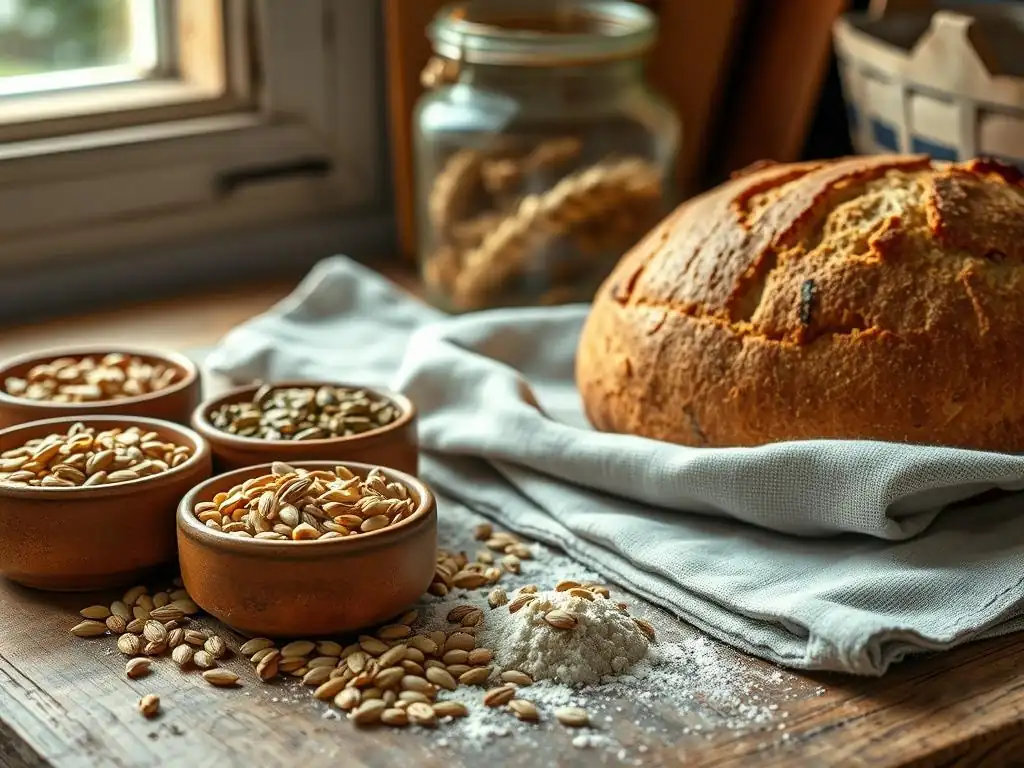
Selecting the appropriate seeds is a critical step in achieving the desired flavor, texture, and appearance for your rustic sourdough loaf. Each seed type offers a unique set of characteristics that can complement or contrast with the sourdough's natural profile. Consider the flavor you want to achieve and how the seeds will interact with your specific rustic sourdough starter recipe.
Popular Seed Choices for Rustic Bread: A Baker's Guide
Here are some commonly used seeds in rustic bread baking, each bringing its own signature to the loaf:
Sesame Seeds: Nutty and Classic
Sesame seeds are perhaps one of the most classic additions to bread, known for their distinct nutty flavor when toasted. They are relatively small, allowing for even distribution throughout the dough or a uniform coating on the crust. White sesame seeds offer a clean, nutty taste, while black sesame seeds provide a slightly stronger, sometimes subtly bitter note and striking visual contrast.
Incorporating sesame seeds into your rustic sourdough starter recipe is straightforward. They can be folded directly into the dough (often 5-10% of the flour weight) or generously applied to the exterior before baking. Toasting them lightly beforehand enhances their aroma significantly.
Poppy Seeds: Subtle Crunch and Visual Appeal
Poppy seeds are tiny powerhouses of texture and subtle flavor. Their main contribution is a delightful, almost imperceptible crunch that adds complexity to the crumb and crust. Flavor-wise, they are mild and slightly nutty, not overpowering the sourdough tang. Visually, they add a beautiful speckled appearance.
Poppy seeds are best used for coating the exterior of the loaf, providing a classic look. They can also be mixed sparingly into the dough. Because of their size, they integrate easily. A common rustic sourdough starter recipe tip is to moisten the dough surface thoroughly before rolling or pressing the loaf into a bed of poppy seeds to ensure good adhesion.
Sunflower Seeds: Earthy and Hearty
Sunflower seeds are larger than sesame or poppy seeds and contribute a substantial, earthy, and slightly sweet flavor. They provide a satisfying chewiness within the crumb and a pronounced crunch on the crust. Their size makes them visually prominent in the finished loaf.
Adding sunflower seeds (often 10-20% of flour weight) works well both mixed into the dough and used as a crust decoration. If mixing into the dough, consider using hulled, unsalted seeds. They can absorb a fair amount of moisture, so sometimes a slight hydration adjustment is beneficial, a useful rustic sourdough starter recipe tip. Toasting sunflower seeds before use enhances their nutty depth.
Pumpkin Seeds (Pepitas): Rich and Savory
Pumpkin seeds, particularly the hull-less variety known as pepitas, offer a rich, savory, and sometimes slightly sweet flavor. They are larger and flatter than sunflower seeds, providing a distinct textural element – a firm chew within the crumb and a crisp crunch on the crust. Their vibrant green color adds visual appeal.
Pumpkin seeds are excellent folded into the dough (try 10-15% of flour weight) or pressed onto the crust. Toasting them brings out their savory notes. Due to their size and shape, they can affect dough handling slightly, so gentle folding is recommended when incorporating them into a rustic sourdough starter recipe dough.
Flax Seeds: Nutritional Boost and Mild Flavor
Flax seeds are small, glossy seeds known for their high omega-3 content and fiber. Their flavor is relatively mild and slightly nutty. When exposed to moisture, they develop a mucilaginous coating, which can affect dough hydration and texture. This property makes them interesting for adding moisture retention to the crumb.
Flax seeds are typically mixed into the dough, often after being soaked (a common rustic sourdough starter recipe tip for flax). Soaking prevents them from stealing moisture from the dough during fermentation. Use them in moderation (around 5-10% of flour weight). They add a subtle nuttiness and a unique, slightly gelatinous texture within the crumb.
Considering Seed Blends for Complex Flavors
Why stop at one seed when you can combine them? Creating custom seed blends allows you to achieve more complex and nuanced flavor profiles. A popular rustic bread blend includes sesame, poppy, sunflower, and pumpkin seeds, often in roughly equal parts or adjusted to preference. This provides a mix of nutty, earthy, and subtle flavors alongside varied textures.
When creating a blend for your rustic sourdough starter recipe, consider the proportions carefully. Too many large seeds (sunflower, pumpkin) might overwhelm the smaller ones (sesame, poppy) in terms of texture and visual presence. Experiment with different ratios to find your favorite combination. You can pre-mix a large batch of your favorite blend to have it ready for your next bake.
Preparing Your Seeds for Optimal Flavor and Texture
The simple act of adding raw seeds to your dough or crust isn't always the best approach. Preparing seeds beforehand can dramatically improve their flavor, texture, and integration into your rustic sourdough loaf. Two common methods are toasting and soaking.
Toasting Seeds: Unlocking Deeper Flavors
Toasting seeds is a quick and effective way to enhance their natural oils and bring out richer, nuttier, and more aromatic flavors. This is especially true for seeds like sesame, sunflower, and pumpkin.
- Method: Spread seeds in a single layer on a dry skillet over medium heat or on a baking sheet in a preheated oven (around 300-325°F or 150-160°C).
- Timing: Stir frequently. Seeds toast quickly, often within 5-10 minutes on the stovetop or 10-15 minutes in the oven. Watch them closely as they can burn easily. You're looking for a light golden color and a fragrant aroma.
- Cooling: Once toasted, immediately transfer seeds to a cool plate to stop the cooking process. Let them cool completely before adding them to your dough or using them for the crust.
Toasted seeds offer a significantly more intense flavor experience compared to raw seeds, making this a valuable rustic sourdough starter recipe tip for boosting taste.
Soaking Seeds: Improving Moisture and Softness
Soaking seeds, particularly harder or thirstier varieties like flax or chia seeds, helps them absorb water before they are added to the dough. This prevents them from drawing moisture away from your dough during bulk fermentation and proofing, which could otherwise result in a drier crumb or affect gluten development. Soaking also softens the seeds, improving their texture within the baked bread.
- Method: Combine seeds with hot or warm water. A common ratio is 1 part seeds to 1 or 2 parts water by weight or volume.
- Timing: Let them soak for at least 30 minutes, or up to several hours, until the water is absorbed and the seeds are plumped. Flax seeds will form a gel-like consistency.
- Drainage: If any excess water remains after soaking (less likely with ratios like 1:1 or 1:1.5), drain the seeds thoroughly before adding them to the dough.
Incorporating soaked seeds is a key rustic sourdough starter recipe tip for maintaining optimal dough hydration and achieving a pleasant texture in the final loaf.
Avoiding Seed Burn: Key Tips for Seeded Crusts
One common challenge when baking seeded rustic loaves is preventing the seeds on the crust from burning before the bread is fully baked. Seeds, especially smaller ones like sesame or poppy, are delicate and toast much faster than the bread itself.
- Tip 1: Don't Toast Crust Seeds: Use raw seeds for the crust application. They will toast sufficiently during the bread's baking time.
- Tip 2: Bake at a Moderate Temperature: While many rustic sourdough recipes call for high initial temperatures, consider slightly lowering the oven temperature after the initial steam period (e.g., from 500°F/260°C down to 425°F/220°C) to allow the crust seeds to brown more slowly.
- Tip 3: Use Parchment Paper: Seeds that fall off the loaf onto a hot baking stone or Dutch oven bottom will almost certainly burn. Using parchment paper can catch rogue seeds and prevent this.
- Tip 4: Consider Late Application: For extremely delicate seeds or very long bakes, some bakers apply crust seeds partway through the bake, though this can be tricky. A simpler method is often preferred.
Paying attention to these details is an important rustic sourdough starter recipe tip for achieving a beautiful, evenly browned, and delicious seeded crust.
Incorporating Seeds into Your Rustic Sourdough Recipe
Deciding when and how to add seeds to your rustic sourdough dough is crucial for achieving the desired distribution and texture. Seeds can be mixed directly into the dough during the kneading or folding stages, or applied to the exterior of the shaped loaf before baking. Each method yields a different result.
When to Add Seeds: Dough vs. Crust
The primary decision is whether you want the seeds integrated within the bread's crumb or on its exterior crust, or both.
- Seeds in the Dough: Adding seeds to the dough results in seeds distributed throughout the loaf's interior. This provides texture and flavor in every bite of the crumb. Seeds added to the dough are typically soaked or toasted (and cooled) beforehand.
- Seeds on the Crust: Applying seeds to the crust focuses their flavor and texture on the exterior. This creates a satisfying crunch and visual appeal. Seeds for the crust are usually applied raw.
Many bakers choose to do both, adding a portion of seeds to the dough and reserving some for the crust. This offers the best of both worlds: internal texture and flavor, plus a crunchy, beautiful exterior.
Seed Incorporation Techniques for Dough
Once you've decided to add seeds to the dough, the method of incorporation matters. The goal is even distribution without damaging the gluten structure.
Folding Seeds into the Dough
This is a gentle method suitable for doughs that undergo a series of stretch and folds during bulk fermentation.
- Prepare your seeds (soaked or toasted and cooled).
- After the first or second set of stretch and folds, sprinkle about half of the seeds over the dough.
- Perform the next set of stretch and folds, which will help to incorporate the seeds.
- Repeat with the remaining seeds during subsequent folds.
This gradual approach helps distribute the seeds evenly while allowing the gluten network to develop around them. It's a recommended rustic sourdough starter recipe tip for minimal disruption to the dough structure.
Kneading Seeds into the Dough
If your rustic sourdough starter recipe involves traditional kneading (either by hand or machine), seeds can be added towards the end of the kneading process.
- Knead the dough until it has developed some gluten structure (passes the windowpane test partially).
- Gradually add the prepared seeds while continuing to knead on low speed (if using a mixer) or gently by hand.
- Knead just long enough to distribute the seeds relatively evenly throughout the dough. Avoid over-kneading after seeds are added, as sharp seed edges can sometimes start to cut the gluten strands.
This method is faster but requires care to avoid damaging the dough structure, especially with larger or harder seeds.
Seed Application Techniques for Crust
Applying seeds to the crust requires the dough surface to be moist enough for the seeds to stick. This is typically done after the final shaping and just before the final proof or immediately before baking.
Coating the Loaf Before Baking
This is the most common method for achieving a generously seeded crust.
- After shaping your loaf, ensure the surface is slightly tacky. If not, you can gently mist it with water or brush lightly with a wet pastry brush.
- Spread your chosen raw seeds (or seed blend) on a plate or in a shallow tray.
- Carefully roll or press the top and/or sides of the shaped loaf into the seeds, ensuring an even coating.
- Place the loaf into its proofing basket (seed-side up if baking in a Dutch oven, or seed-side down if flipping onto a baking sheet). The moisture from the dough will help the seeds adhere during proofing.
This method is simple and effective for getting a good layer of seeds on the exterior of your rustic sourdough.
Scoring and Seeding for Visual Appeal
For a more artistic look, you can apply seeds after scoring the loaf.
- Shape and proof your loaf as usual.
- Just before baking, transfer the loaf to your baking vessel or surface.
- Score the loaf with a sharp lame or razor blade.
- Lightly mist the surface of the loaf, especially around the scores.
- Gently sprinkle seeds over the moist areas, or use your hand to press seeds into the dough around the scores.
This technique allows seeds to highlight the scoring pattern, creating a beautiful visual effect. It requires a delicate touch to avoid disturbing the loaf's shape.
Rustic Sourdough Recipe Tips with Seeds
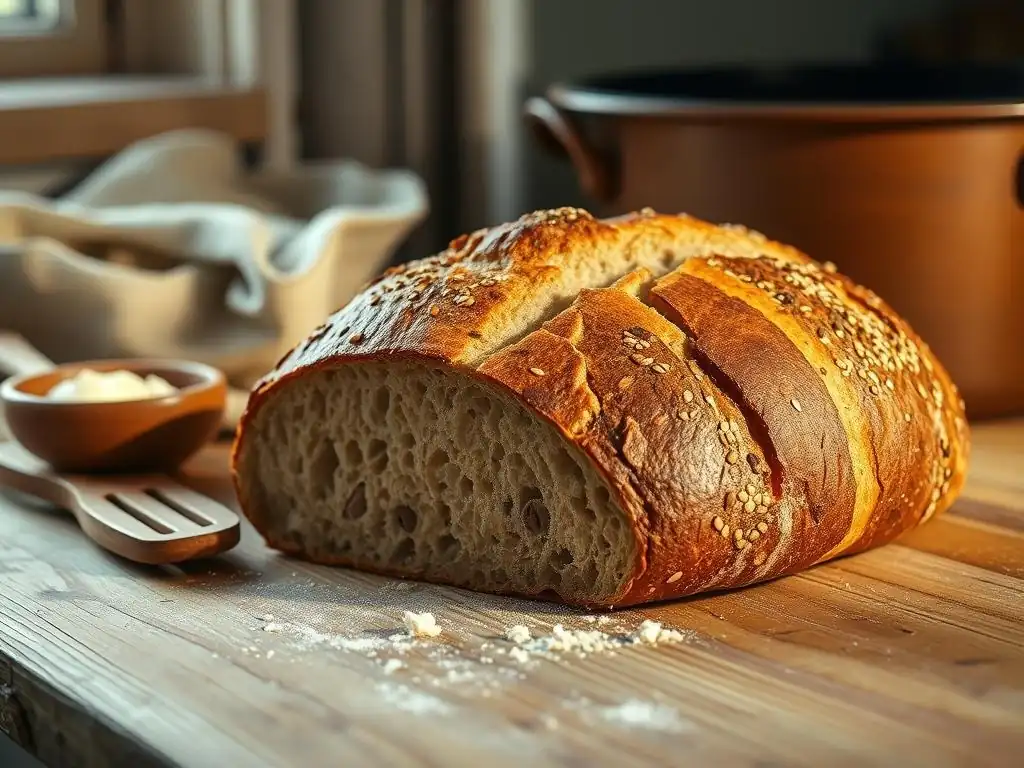
Successfully incorporating seeds into your rustic sourdough starter recipe involves more than just adding them. Attention to detail regarding seed placement, dough hydration, and baking time is key to a perfect seeded loaf.
Seed Placement for Even Distribution
Achieving an even distribution of seeds throughout the crumb is important for consistent texture and flavor in every slice.
- Tip 1: Add Gradually: As mentioned in the folding technique, adding seeds in stages during the stretch and folds helps prevent clumping and ensures better distribution.
- Tip 2: Don't Overload: Adding too many seeds can sometimes lead to them settling at the bottom of the dough during bulk fermentation or proofing. A good starting point is often 10-15% of the total flour weight for seeds mixed into the dough.
- Tip 3: Gentle Handling: After seeds are incorporated, handle the dough gently during shaping to avoid squeezing seeds out or creating uneven patches.
Uniform seed distribution contributes significantly to the overall appeal and eating quality of your rustic sourdough.
Adjusting Hydration for Seed Absorption
Seeds, especially flax, chia, and even sunflower and pumpkin seeds, absorb moisture. If you add a significant quantity of seeds to your rustic sourdough starter recipe without accounting for this, your dough might end up drier than intended.
- Tip: If adding more than, say, 10% seeds by flour weight to the dough, consider increasing the total hydration of your dough slightly, perhaps by 2-5%.
- Alternative: Soaking the seeds before adding them is a more controlled way to manage their moisture absorption and is often preferred, as discussed earlier. This allows the seeds to hydrate using added water rather than drawing it from your carefully balanced dough.
Proper hydration management is a crucial rustic sourdough starter recipe tip when working with seeds to ensure a moist, open crumb.
Baking Time Considerations for Seeded Loaves
Adding seeds, particularly on the crust, can influence how your bread bakes and browns. Crust seeds can brown very quickly, potentially before the interior of the loaf is fully cooked.
- Tip 1: Monitor Crust Color: Keep a close eye on the crust, especially the seeded areas, during the final stages of baking. If seeds are browning too fast, you can loosely tent the loaf with aluminum foil.
- Tip 2: Ensure Internal Temperature: The best way to know if your loaf is done is to check its internal temperature with an instant-read thermometer. A rustic sourdough loaf is typically ready when the internal temperature reaches 205-210°F (96-99°C). Don't rely solely on crust color, especially with heavily seeded loaves.
Adjusting your baking time or method based on the seeds and monitoring internal temperature are essential rustic sourdough starter recipe tips for a perfectly baked loaf.
Troubleshooting Seeded Rustic Bread
Even with careful planning, you might encounter a few challenges when baking seeded rustic loaves. Here are some common issues and how to address them.
Preventing Seeds from Burning
As mentioned earlier, burning seeds on the crust is a frequent problem.
- Review: Ensure you are using raw seeds for the crust.
- Action: If seeds are browning too quickly, loosely tent the loaf with foil for the remainder of the bake time. Lowering the oven temperature slightly after the initial high-heat phase (e.g., after removing the lid of a Dutch oven) can also help.
Ensuring Seed Adhesion to the Crust
Sometimes, seeds applied to the crust fall off during proofing, handling, or baking.
- Review: Was the dough surface sufficiently moist when the seeds were applied? Was the loaf handled gently after seeding?
- Action: Ensure the dough surface is tacky or lightly misted/brushed with water before rolling in seeds. Press the seeds gently but firmly into the dough. If proofing seam-side up in a basket, ensure the seed-coated side is facing down onto parchment paper or a well-floured liner to help them adhere.
Addressing Dough Stickiness with Seeds
Adding seeds, especially soaked ones, can sometimes make the dough feel stickier or harder to handle.
- Review: Did you adjust hydration appropriately if adding a large quantity of seeds directly? Were soaked seeds properly drained?
- Action: If the dough feels too wet after adding seeds, you can incorporate a tablespoon or two of extra flour during the initial mixing or folding stages until the dough reaches a manageable consistency. Ensure soaked seeds are well-drained. Remember that working with wet dough is part of sourdough baking; using a bench scraper and keeping hands lightly floured or wet can help.
- [ ] Use raw seeds for crust to prevent burning.
- [ ] Ensure dough surface is moist for crust seed adhesion.
- [ ] Tent loaf with foil if crust seeds brown too fast.
- [ ] Adjust hydration slightly if adding dry seeds to dough.
- [ ] Soak flax/chia seeds before adding to dough.
- [ ] Check internal temperature for doneness (205-210°F).
These simple checks and actions can help resolve common issues when adapting your rustic sourdough starter recipe for seeds.
Beyond the Basics: Creative Seed Combinations for Rustic Bread
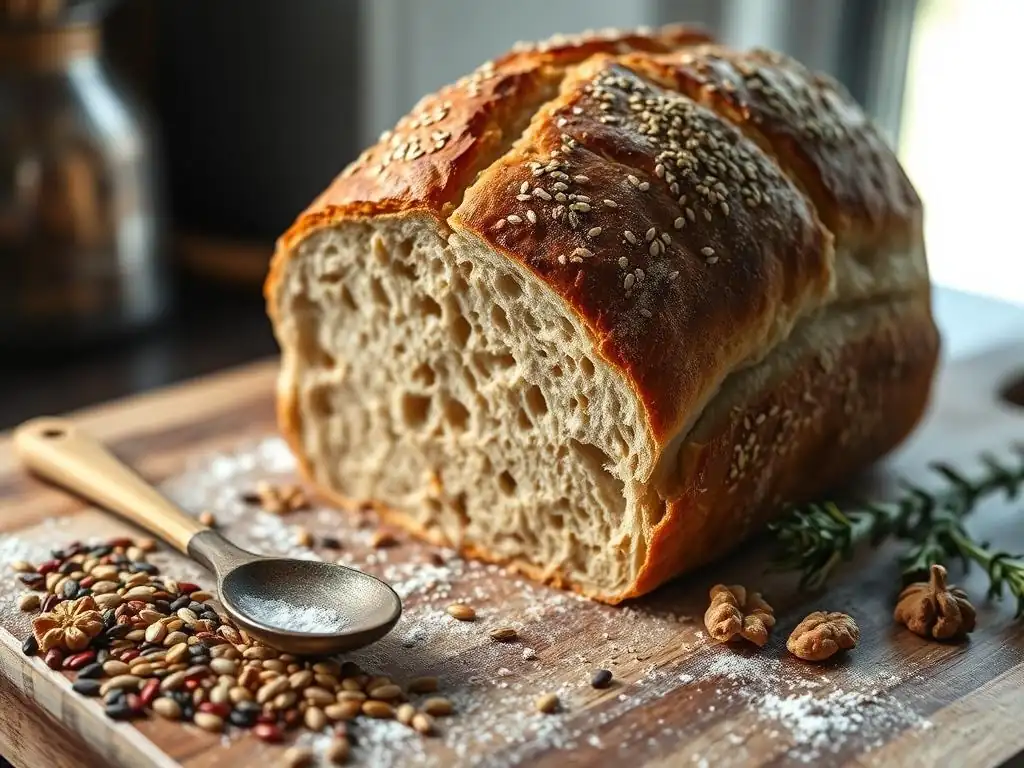
Once you've mastered the basics, you can explore more adventurous seed combinations to add unique dimensions to your rustic sourdough loaves. Think beyond the standard four-seed mix and consider seeds that bring specific aromatic or even spicy notes.
Exploring Aromatic Seeds: Fennel, Caraway, Anise
Some seeds are primarily valued for their potent aroma and flavor rather than just texture.
- Fennel Seeds: Offer a distinct, slightly sweet, anise-like flavor. Used sparingly (often just a teaspoon or two per loaf), they pair wonderfully with hearty, rustic breads.
- Caraway Seeds: Provide the classic rye bread flavor – pungent, slightly bitter, and aromatic. While traditionally paired with rye flour, a small amount can add an interesting twist to a wheat-based rustic sourdough.
- Anise Seeds: Similar to fennel but often sweeter and more potent. Use very sparingly to impart a strong licorice note.
These aromatic seeds are best added to the dough during the final stages of mixing or folding. Toasting them lightly can enhance their aroma, but be cautious not to burn them due to their strong oils.
Adding Spice with Seeds: Chili Flakes, Smoked Paprika
For a loaf with a kick, consider adding dried spices or flakes that function similarly to seeds in terms of texture and distribution.
- Chili Flakes: A small amount adds subtle heat. They distribute easily in the dough and can be sprinkled on the crust for visual appeal and a burst of spice.
- Smoked Paprika: While a powder, its texture and flavor profile make it a great addition. It adds a smoky, slightly sweet depth and a beautiful reddish hue to the crumb, especially when mixed into the dough. Combine it with seeds like sunflower or pumpkin for a savory, rustic loaf.
Experimenting with these additions can transform your standard rustic sourdough starter recipe into something truly unique and exciting.
Rustic Sourdough with Olive and Sesame Seeds
A classic and incredibly flavorful combination involves olives and sesame seeds. This pairing brings together the briny, savory notes of olives with the nutty, toasted flavor of sesame.
- Preparation: Pit and roughly chop olives (Kalamata or green olives work well). Toast sesame seeds.
- Incorporation: Add chopped olives and toasted sesame seeds (around 10-15% olives and 5-10% sesame seeds by flour weight) to the dough during the later stages of folding. The olives add significant moisture and flavor, while the sesame seeds provide texture and complement the savory profile.
- Crust: Consider coating the crust with more toasted sesame seeds for extra crunch and visual appeal.
This combination results in a deeply flavorful, savory rustic sourdough that is perfect for pairing with cheese, charcuterie, or simply enjoying on its own. It's a fantastic example of how adding specific ingredients, like olives and seeds, elevates a basic rustic sourdough starter recipe.
Enjoying Your Seeded Rustic Loaf
After the anticipation of mixing, fermenting, shaping, and baking, the best part is finally enjoying your beautifully seeded rustic sourdough loaf. Proper cooling and thoughtful serving suggestions can enhance the experience even further.
Serving Suggestions for Seeded Rustic Bread
Allow your seeded loaf to cool completely on a wire rack before slicing. This is crucial for the crumb structure to set and for the flavors to fully develop. Slicing too early can result in a gummy interior.
- Serve thick slices with good quality butter or olive oil.
- Use it as the base for open-faced sandwiches.
- Toast slices for added crunch, perfect with avocado or smoked salmon.
- Cut into cubes and toast for croutons in salads or soups.
- Pair with cheese boards, dips like hummus or baba ghanoush, or hearty stews.
The robust flavor and texture of seeded rustic bread make it incredibly versatile.
Pairing Seeded Rustic Bread with Food and Wine
The specific seeds in your loaf can guide your food and wine pairings.
- General Seeded Loaf: Pairs well with robust flavors. Think aged cheeses (cheddar, Gruyère), cured meats, or rustic soups. For wine, consider a medium-bodied red like Pinot Noir or a crisp white like Sauvignon Blanc.
- Sesame/Poppy Seed Crust: Excellent with lighter spreads or as a base for delicate toppings.
- Sunflower/Pumpkin Seed Loaf: Stands up to heartier fare. Pair with roasted vegetables, grilled meats, or strong cheeses. A full-bodied white or a fruit-forward red would complement these flavors.
- Olive and Sesame Loaf: Perfect with Mediterranean-inspired dishes. Serve with feta cheese, tomatoes, or grilled fish. A dry rosé or a light-bodied red like Sangiovese would be a great match.
Considering the dominant flavors introduced by the seeds will help you create harmonious pairings that highlight the best aspects of your rustic sourdough creation.
Mastering the Art of Seeded Rustic Bread Baking
Incorporating seeds into your rustic sourdough starter recipe is a rewarding journey that adds complexity and character to your loaves. From understanding how different seeds impact flavor and texture to mastering incorporation techniques and troubleshooting common issues, each bake offers a learning opportunity. Don't be afraid to experiment with different seed types, combinations, and preparation methods.
With practice, you'll develop an intuition for how seeds behave in your specific dough and oven. Paying attention to the details – like seed hydration, even distribution, and careful baking – will consistently result in delicious, visually stunning, and texturally exciting rustic sourdough bread. Enjoy the process, and savor the incredible results of your seeded creations!
Frequently Asked Questions
What is a rustic sourdough starter and how does it differ from other starters?
A rustic sourdough starter typically uses whole-grain flours and encourages natural fermentation, resulting in a more complex and tangy flavor profile compared to starters using only refined flour. It often requires less precise temperature control.
What are some tips for maintaining a healthy and active rustic sourdough starter?
Regularly feed your starter with a consistent ratio of flour and water, observe its rise and fall to determine feeding frequency, and store it in a cool environment if not used daily.
How can I incorporate seeds into my sourdough loaf to enhance its flavor and texture?
You can add seeds directly into the dough during the final mixing stage or sprinkle them on the surface of the loaf before baking for a beautiful and flavorful crust. Consider toasting the seeds before adding them to enhance the flavor.
What types of seeds work best in a rustic sourdough loaf, and what are their benefits?
Popular choices include sesame, poppy, sunflower, and pumpkin seeds. Sesame seeds offer a nutty flavor, while sunflower seeds provide a satisfying crunch and nutritional value.
How does seeding affect the baking time and final texture of a rustic sourdough loaf?
Seeding generally does not drastically alter baking time, but it can slightly increase it. Seeds add extra texture and can contribute to a more moist crumb if they absorb water from the dough.
Final Reflection: The Enduring Magic of a Rustic Loaf
The pursuit of the perfect rustic sourdough loaf is more than just baking; it's a journey of connection—to the ancient art of bread making, to the living organism that is your starter, and ultimately, to yourself. The techniques explored in this article—from nurturing your starter to achieving that coveted crackly crust—are not merely steps in a recipe, but keys to unlocking a deeper understanding of flavor and texture. This understanding, once gained, transcends the simple act of baking and becomes a source of both culinary pride and mindful creation.
The influence of sourdough, and the rustic style in particular, extends far beyond the kitchen table. It represents a return to simpler times, a celebration of slow processes, and a rejection of mass-produced uniformity. It's a testament to the power of patience and the beauty of imperfection. Bread making is a metaphor for life; you put in the time, you nurture the process, and you reap the rewards.
This quote, though not directly about sourdough, perfectly captures the essence of this rewarding endeavor. The rustic loaf, with its unique character and imperfections, embodies this sentiment beautifully.
Now, consider your own journey. What aspects of this process resonated most with you? Perhaps it was the satisfaction of nurturing your starter, the thrill of achieving that perfect oven spring, or the simple joy of sharing a warm, crusty loaf with loved ones. Whatever it may be, carry that feeling with you. Embrace the imperfections, celebrate the process, and continue to experiment, to learn, and to grow—both as a baker and as a person. Your next rustic loaf awaits.
Unleash Your Inner Baker: Craft the Perfect Crust!
Thanks for joining us on this flavorful journey into rustic bread baking! We hope you've gained valuable insights into creating that perfect, crunchy crust. Now it's time to put your knowledge to the test.
- Bake your own rustic loaf today! Try experimenting with different flours and seeds to find your favorite combination. Remember, practice makes perfect!
- Share your baking triumphs (and even your floury mishaps!) with our community on social media using #BakeWithEaseRustic. Let's inspire each other!
- Dive deeper into our extensive bread-baking resource library for more tips, recipes, and techniques. You might discover a whole new world of flavor!
What unique seed or flour combination will you try in your next rustic loaf?