
Simple Whole Wheat Flatbreads: Healthy & Easy

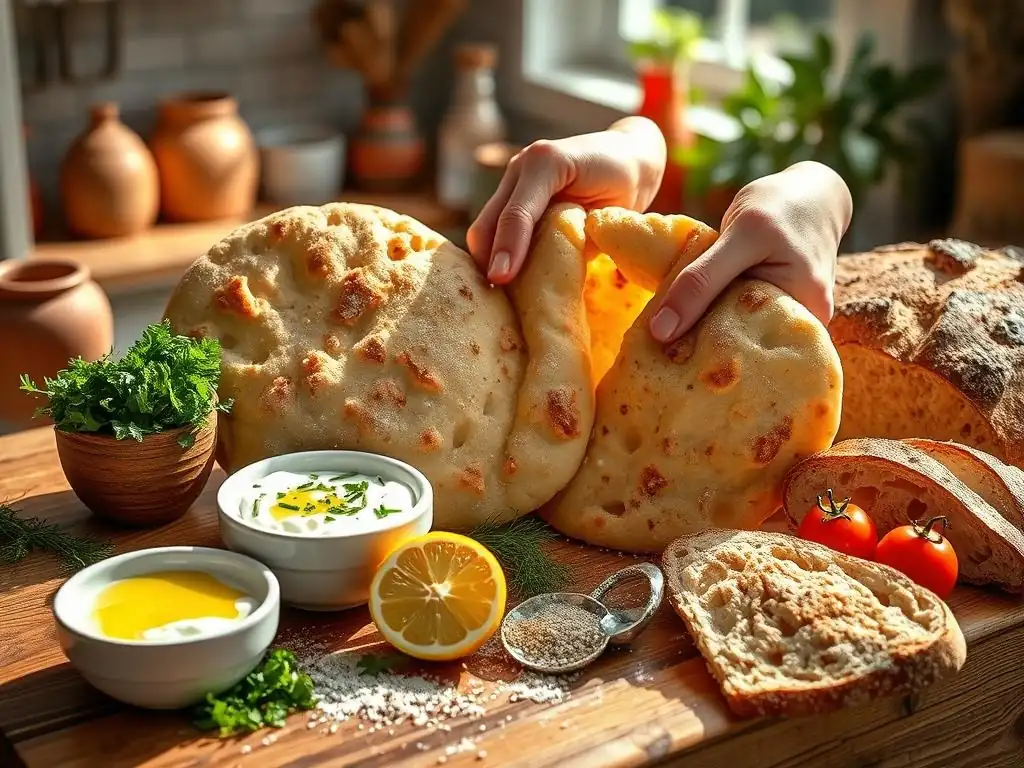
Welcome to BakeWithEase, your kitchen companion for all things baking!
Ready to ditch store-bought and embrace the deliciousness of homemade bread? Discover how incredibly simple it is to create your own Easy Whole Wheat Flatbreads – a healthy and versatile staple you'll want to make again and again. Curious about the secret to their perfect texture and subtle nutty flavor? Let's get baking and unlock the secrets to this surprisingly easy bread recipe!
- Simple Spelt Flatbreads: Nutritious & Versatile | The Grain Kitchen
- Introduction to Spelt Flatbreads
- The Grain Kitchen's Spelt Flatbread Recipe
- Step-by-Step Guide: Making Spelt Flatbread
- Tips for Delicious Spelt Flatbreads
- Storing and Reheating Your Spelt Flatbreads
- Health Benefits of Spelt Flatbread
- Troubleshooting Your Spelt Flatbread Recipe
- Variations on the Spelt Flatbread Recipe
- Enjoy Your Homemade Spelt Flatbreads!
- Frequently Asked Questions
- Final Reflection: The Humble Power of Simple Whole Wheat Flatbread
- Unleash Your Inner Baker: Make Flatbreads Today!
Simple Spelt Flatbreads: Nutritious & Versatile | The Grain Kitchen
Introduction to Spelt Flatbreads
Discover the Benefits of Homemade Flatbreads
Making flatbreads at home is a wonderfully rewarding experience, offering a level of freshness and flavor that's hard to match with store-bought options. Beyond the simple pleasure of creating something delicious from scratch, homemade flatbreads are incredibly versatile.
They can be the foundation for a quick pizza, a perfect accompaniment to dips like hummus or baba ghanoush, a wrap for your favorite fillings, or simply enjoyed on their own with a brush of olive oil and herbs. Plus, they cook remarkably fast, often in just a few minutes per side, making them ideal for a last-minute addition to any meal.
The process itself is straightforward, requiring minimal equipment and basic ingredients. Unlike yeasted breads that demand significant proofing time, many flatbread recipes, including this easy spelt flatbread recipe, come together quickly. This accessibility makes them a fantastic project for bakers of all skill levels, providing instant gratification as you watch the dough transform into soft, pliable bread right before your eyes. It's a simple yet profound way to connect with the food you eat and enjoy the satisfaction of a warm, freshly cooked treat.
Why Choose Spelt Flour?
Spelt is an ancient grain, a cousin to modern wheat, that has been cultivated for thousands of years. Choosing spelt flour for your flatbreads introduces a delightful nutty, slightly sweet flavor profile that differs pleasantly from standard all-purpose or even whole wheat flours. This unique taste adds depth to your easy spelt flatbread recipe, making it more interesting and flavorful. Beyond taste, spelt flour often behaves differently in doughs due to its protein structure, sometimes requiring slightly less kneading than modern wheat.
Nutritionally, spelt offers several benefits. It typically contains more protein and fiber than common wheat varieties, contributing to a more satisfying and potentially more digestible bread for some individuals. While it does contain gluten, its structure is often said to be more water-soluble than modern wheat gluten, which some people find easier on their digestive system (though it is not suitable for those with Celiac disease). Incorporating spelt into your baking, especially in a simple format like flatbread, is an excellent way to explore different grains and boost the nutritional value of your everyday meals.
The Grain Kitchen's Spelt Flatbread Recipe
Recipe Overview: Quick and Versatile Flatbreads
This easy spelt flatbread recipe is designed for simplicity and speed, perfect for those times when you need a fresh bread component without a long wait. It bypasses traditional yeast-based rising, relying instead on baking powder or simply the steam generated during cooking to create a light, pliable texture. The entire process, from mixing the dough to cooking the flatbreads, can often be completed in under 30 minutes, making it an ideal choice for busy weeknights or spontaneous meals.
The resulting spelt flour flatbreads are incredibly versatile. Their mild, nutty flavor pairs well with a wide range of toppings and accompaniments. Use them as quick pizza bases, tear them up for dipping into curries or stews, serve alongside grilled meats or vegetables, or simply enjoy them warm with a little butter or olive oil. This recipe yields approximately 6-8 flatbreads, depending on size, offering plenty for a family meal or leftovers for the next day.
Ingredient List for Nutritious Spelt Flatbreads
Essential Ingredients: Flour, Water, and Olive Oil
To make these nutritious spelt flatbreads, you'll need just a few core ingredients. The primary component is spelt flour – you can use either light or whole spelt flour, with whole spelt offering more fiber and a nuttier flavor. You'll need about 2 cups (approximately 250-300g) of spelt flour.
The liquid component is warm water, roughly 1 to 1 ¼ cups (240-300ml), though the exact amount can vary based on the humidity and the specific flour used. A tablespoon or two of olive oil adds richness and helps with texture and flexibility; extra virgin olive oil is recommended for its flavor.
You'll also need a leavening agent, typically baking powder (about 1-2 teaspoons), and a pinch of salt (around ½ teaspoon) to enhance the flavor. Some recipes might omit the leavening for a very thin, cracker-like flatbread, but baking powder helps achieve a slightly softer, more pliable result perfect for wrapping or dipping. Ensure your baking powder is fresh for optimal results.
Optional Additions: Sesame Seeds, Garlic Powder
While the basic recipe is delicious on its own, you can easily customize your easy spelt flatbread recipe with optional additions to boost flavor. Incorporating spices or seeds directly into the dough is a simple way to do this. For example, adding a teaspoon of garlic powder or onion powder can infuse the flatbread with savory notes, perfect for serving with Mediterranean or Middle Eastern dishes.
Seeds are another popular addition. A tablespoon or two of sesame seeds, nigella seeds, or even poppy seeds can be mixed into the dough or sprinkled on top before cooking, adding texture and a subtle nutty or earthy flavor. Dried herbs like oregano or rosemary (about 1 teaspoon) can also be kneaded into the dough for an aromatic touch. These simple additions allow you to tailor the flatbreads to complement the meal you plan to serve them with, enhancing the overall dining experience.
Step-by-Step Guide: Making Spelt Flatbread
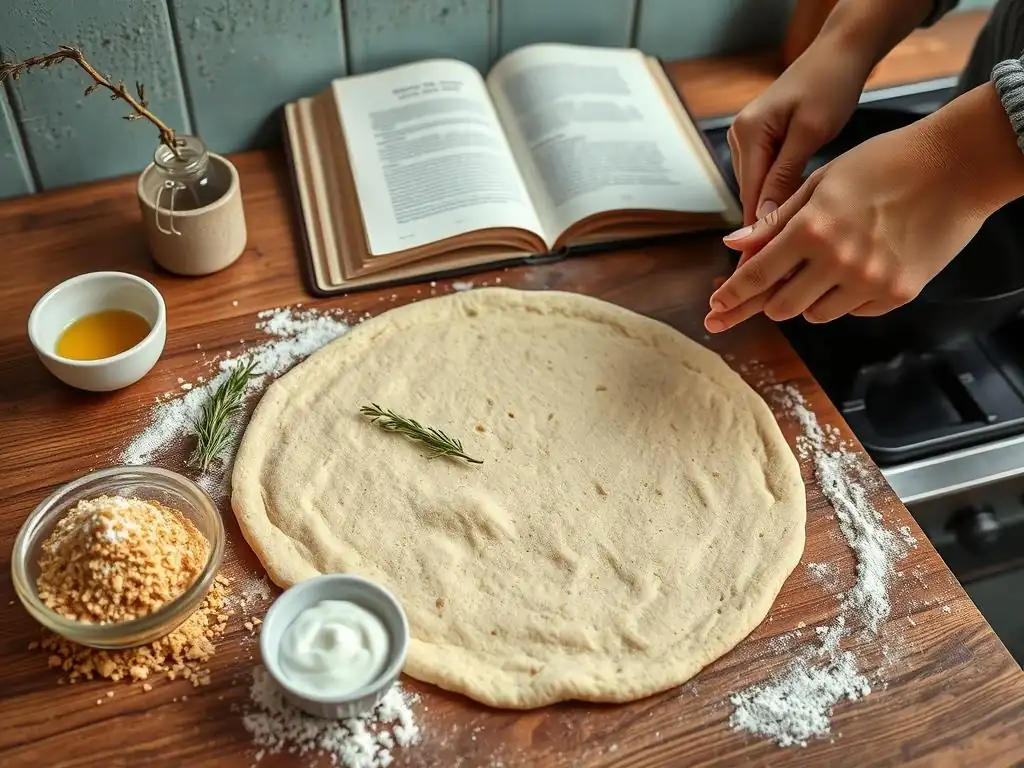
Step 1: Combining Ingredients for the Dough
Begin by whisking together the dry ingredients in a medium bowl: the spelt flour, baking powder (if using), and salt. This ensures that the leavening and salt are evenly distributed throughout the flour, which is crucial for consistent results in your easy spelt flatbread recipe. Make a well in the center of the dry ingredients.
Pour the warm water and olive oil into the well. Using a spoon or a spatula, start mixing the wet ingredients into the dry, working from the center outwards. Continue mixing until a shaggy dough begins to form and most of the flour is incorporated. At this point, the dough will likely be quite sticky, which is expected, especially with spelt flour which absorbs liquid a bit differently than modern wheat.
Achieving the Right Dough Texture
Once the ingredients are roughly combined in the bowl, turn the dough out onto a lightly floured surface. The goal is to achieve a dough that is soft and pliable, but not overly sticky. If the dough feels too wet and sticky to handle, add a tablespoon of spelt flour at a time, incorporating it gently until the dough is manageable. Avoid adding too much flour, as this can result in tough flatbreads.
Conversely, if your dough seems too dry and crumbly, add a teaspoon of warm water at a time. The consistency you're aiming for is a dough that comes together but still has a slight tackiness. This balance is key to developing a smooth, elastic dough in the next step and ensuring your spelt flour flatbreads are tender.
Step 2: Kneading the Spelt Flatbread Dough
Kneading is essential for developing the gluten structure in the dough, which gives the flatbreads their shape and chew. With spelt flour, over-kneading can make the dough tough, so a gentle touch is best. On your lightly floured surface, begin to knead the dough by folding it over on itself and pressing down with the heel of your hand. Rotate the dough and repeat.
Knead the dough for about 3-5 minutes. Unlike modern wheat doughs that require 8-10 minutes or more to develop strong gluten, spelt flour's gluten develops more quickly and is more delicate. You'll notice the dough becoming smoother and less sticky as you knead. It should feel soft and elastic to the touch after a few minutes.
Developing a Smooth and Elastic Dough
The sign of properly kneaded spelt dough is that it transforms from a shaggy, sticky mass into a relatively smooth ball. It should spring back slowly when you gently press it with your finger. If you added optional ingredients like seeds or herbs, ensure they are evenly distributed throughout the dough during this stage.
Once the dough is smooth and elastic, form it into a ball. Lightly grease the mixing bowl you used earlier with a little olive oil and place the dough ball inside. Turn the dough to coat it lightly with oil. This prevents it from sticking to the bowl during the brief resting period.
Step 3: Resting the Dough: Enhancing Flavor and Texture
While this is a quick, no-yeast recipe, allowing the dough to rest briefly is a crucial step for achieving the best texture and flavor in your easy spelt flatbread recipe. Cover the bowl with a clean kitchen towel or plastic wrap and let the dough rest at room temperature for at least 10-15 minutes.
This resting period allows the gluten structure to relax after kneading, making the dough much easier to roll or shape without shrinking back excessively. It also gives the liquid time to fully hydrate the spelt flour, resulting in a more tender crumb in the finished flatbreads. Don't skip this step, even if you're in a hurry – it makes a noticeable difference in the final quality.
Step 4: Dividing and Shaping the Flatbreads
After the dough has rested, turn it out onto a clean, lightly floured surface. The dough should feel soft and pliable, much easier to work with than immediately after kneading. Gently shape the dough into a log or simply divide it into equal portions. For medium-sized flatbreads (about 6-8 inches in diameter), divide the dough into 6-8 pieces.
Roll each piece into a ball. Keep the remaining dough covered while you work on one piece at a time to prevent it from drying out. You are now ready to shape your spelt flour flatbreads, either by rolling or pressing.
Rolling or Pressing for Desired Thickness
There are two main methods for shaping: rolling or pressing. Rolling with a rolling pin is the most common method and allows for precise control over thickness. On a lightly floured surface, take one dough ball and roll it out from the center outwards, rotating the dough periodically to maintain a round shape. Aim for a thickness of about ⅛ to ¼ inch (3-6mm). Thinner flatbreads will be crispier, while thicker ones will be softer and puffier.
Alternatively, you can press the dough out by hand, similar to making a small pizza crust. This method is quicker and often results in a more rustic, uneven shape and thickness, which can add to the charm of homemade flatbreads. Whichever method you choose, handle the dough gently to avoid tearing. Stack the shaped flatbreads with parchment paper in between to prevent sticking while you shape the remaining dough.
Step 5: Cooking Your Spelt Flatbreads
Cooking is perhaps the most exciting part of making this easy spelt flatbread recipe, as it happens so quickly! Heat a heavy-bottomed skillet or griddle over medium-high heat. A cast iron skillet works exceptionally well for achieving a nice char. There's typically no need to add oil to the pan unless your surface is prone to sticking, as the dough contains olive oil.
Once the pan is hot – you can test this by flicking a tiny bit of water onto the surface; it should sizzle and evaporate immediately – carefully place one flatbread onto the dry heat. Don't overcrowd the pan; cook one or two at a time depending on their size and your pan's capacity.
Using a Skillet or Griddle
Cook the first side for about 2-3 minutes. You will start to see bubbles forming on the surface of the dough, and the edges might begin to look dry. Use a spatula to lift one edge and check for golden brown spots and slight charring underneath. Once it looks good, flip the flatbread over.
Cook the second side for another 1-2 minutes, or until it also develops golden spots and the flatbread is cooked through. It might puff up significantly like pita bread or remain relatively flat; both are normal and depend on the dough's thickness and how hot your pan is.
Achieving Golden Brown Spots
The key to delicious spelt flour flatbreads is getting those characteristic golden brown or even slightly charred spots on the surface. This indicates good heat transfer and adds wonderful flavor and visual appeal. Ensure your pan is properly heated before adding the flatbreads. Medium-high heat is usually sufficient; if it's too low, the bread won't brown properly, and if it's too high, it might burn before cooking through.
Adjust the heat as needed as you cook subsequent flatbreads. Sometimes the pan gets hotter as you go. Remove the cooked flatbreads from the pan and stack them on a plate or wrap them in a clean towel to keep them warm and soft while you cook the rest.
Tips for Delicious Spelt Flatbreads
Mastering Flatbread Cooking Techniques
Achieving the perfect easy spelt flatbread recipe goes beyond just the ingredients; technique plays a big role too. One crucial tip is to ensure your cooking surface, whether a skillet or griddle, is adequately heated before you start. A hot pan creates instant steam within the dough, helping it puff and cook quickly, leading to a softer interior and nicely browned exterior. Test the heat by dropping a tiny amount of flour onto the surface – it should brown quickly but not instantly blacken.
Don't be afraid to adjust the heat as you cook. The first flatbread might take a little longer as the pan comes fully up to temperature, while later ones might cook faster. If they are browning too quickly, turn the heat down slightly. If they aren't browning at all, turn it up.
Flipping them at the right time – when bubbles appear and the underside has golden spots – is also key. Overcooking can make them dry or stiff, while undercooking leaves them doughy. Practice makes perfect, and you'll quickly get a feel for the right heat and timing on your stove.
Enhancing Your Flatbread Flavors
Adding Herbs and Spices to Your Dough
Elevating the flavor of your spelt flour flatbreads is simple and fun. As mentioned earlier, incorporating dried herbs and spices directly into the dough before kneading is a fantastic method. Consider classic combinations like Italian seasoning, a mix of dried oregano, basil, thyme, and rosemary, adding about 1-2 teaspoons per batch of dough. For a Middle Eastern flair, try adding a teaspoon of ground cumin or coriander. Smoked paprika can add a lovely subtle smokiness.
Another technique is to brush the hot, cooked flatbreads with flavored oil or butter immediately after they come off the pan. A simple garlic-infused olive oil (made by gently heating olive oil with minced garlic for a few minutes, then straining) brushed over the warm bread is absolutely divine. Alternatively, melted butter mixed with chopped fresh herbs like parsley or chives creates a rich and aromatic finish.
Serving Suggestions and Pairing Ideas
The versatility of these nutritious spelt flatbreads means they pair well with countless dishes. Serve them warm alongside hearty stews, curries, or chili, perfect for soaking up delicious sauces. They are also ideal for dipping into cold appetizers like hummus, tzatziki, or roasted red pepper dip. For a simple yet satisfying snack or light meal, brush them with olive oil, sprinkle with za'atar or other spice blends, and enjoy.
Transform them into quick and easy wraps for grilled meats, falafel, or roasted vegetables. They can even serve as a base for mini pizzas – simply top with sauce, cheese, and your favorite toppings, then briefly bake or grill until the cheese is melted. Their nutty spelt flavor complements both savory and slightly sweet pairings, making them a truly adaptable addition to your culinary repertoire.
Storing and Reheating Your Spelt Flatbreads
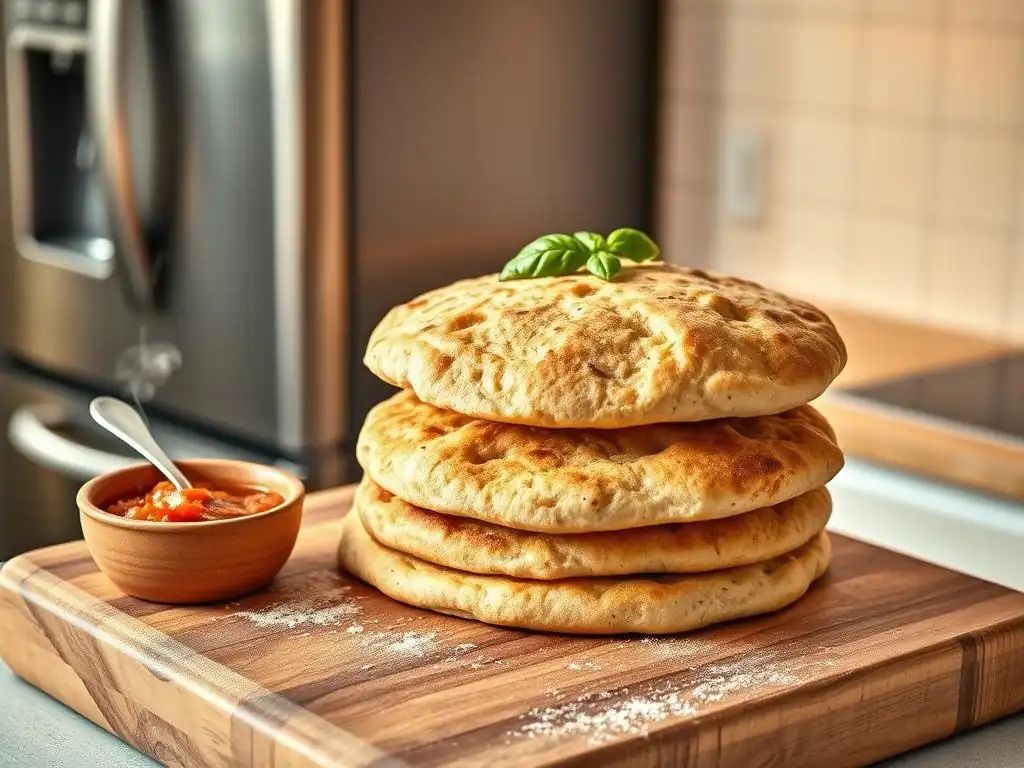
Maintaining Freshness and Texture
Spelt flour flatbreads are best enjoyed fresh off the pan, but they can be stored for later use. To keep them soft and prevent them from drying out, allow them to cool completely after cooking. Once cooled, store them in an airtight container or a resealable plastic bag at room temperature for up to 2-3 days. For longer storage, they can be refrigerated for up to a week.
If you make a large batch and want to save some for much later, flatbreads freeze very well. Once cooled, stack them with a small piece of parchment paper between each one to prevent sticking, then wrap the stack tightly in plastic wrap or aluminum foil, and place in a freezer-safe bag or container. Frozen spelt flour flatbreads can be stored for up to 2-3 months.
Reheating Methods for Best Results
To bring your stored spelt flatbreads back to life, gentle reheating is key to restoring their soft texture. Avoid simply microwaving them for too long, as this can make them tough. The best method for reheating is often using a dry skillet or griddle over medium heat, just like you cooked them initially.
Place the flatbread directly on the warm surface and heat for 1-2 minutes per side, or until warm and pliable. Alternatively, you can briefly warm them in a toaster oven or conventional oven preheated to around 300°F (150°C) for a few minutes. If they seem a little dry, you can sprinkle a few drops of water on them before reheating or wrap them loosely in foil. For frozen flatbreads, thaw them at room temperature first, then reheat using one of these methods.
Health Benefits of Spelt Flatbread
Why Spelt is a Nutritious Grain
Spelt is celebrated not just for its distinct flavor but also for its nutritional profile, which often surpasses that of modern wheat varieties. As an ancient grain, it has largely remained unchanged by modern hybridization, retaining many of its original characteristics. It is a good source of complex carbohydrates, providing sustained energy release compared to refined grains.
A typical serving of spelt flour contains notable amounts of dietary fiber, crucial for digestive health and promoting feelings of fullness. It also offers a good source of protein, contributing to muscle repair and growth. Furthermore, spelt is rich in essential vitamins and minerals, including B vitamins (like niacin and thiamine), iron, magnesium, zinc, and phosphorus, all vital for various bodily functions. Including spelt in your diet through easy spelt flatbread recipes is a simple way to incorporate more whole grains and beneficial nutrients.
Nutritional Information for Spelt Flatbreads
While specific nutritional values can vary based on the exact recipe and ingredients used (e.g., amount of oil, type of spelt flour), a typical spelt flour flatbread provides a good source of complex carbohydrates and fiber. Based on standard nutritional data for whole spelt flour, a single flatbread (assuming a recipe using ~2 cups flour makes 8 flatbreads) might contain approximately 120-150 calories, around 5-7 grams of protein, and 3-5 grams of dietary fiber.
These nutritious spelt flatbreads also contribute essential minerals like iron (important for oxygen transport) and magnesium (involved in muscle and nerve function). The healthy fats from the olive oil add to the nutritional value. Compared to flatbreads made solely with refined white flour, those made with spelt flour, especially whole spelt, offer a more robust nutritional package, making them a healthier choice for your meals. Remember that these are approximate values, and actual nutrition will depend on your specific ingredient measurements.
Troubleshooting Your Spelt Flatbread Recipe
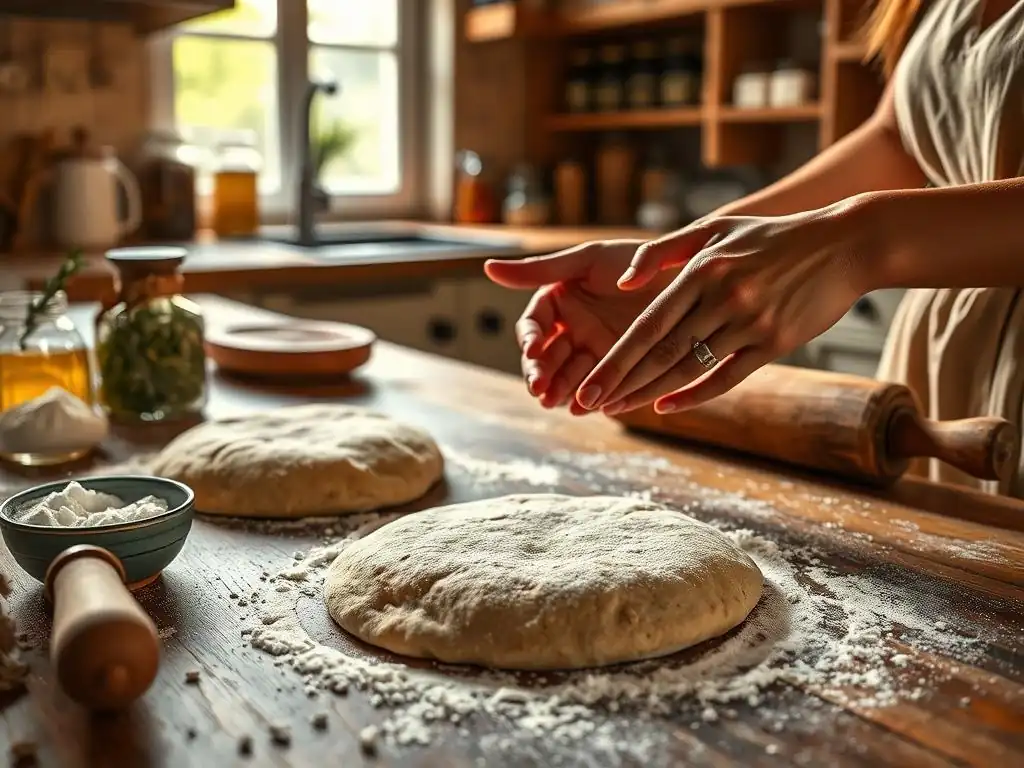
Common Issues and Solutions
Even with a simple recipe like this easy spelt flatbread recipe, you might encounter a few common issues. Don't be discouraged! Baking is often about learning to adjust. One frequent problem is the dough being too sticky or too dry, which directly impacts shaping and texture. Another issue can be uneven cooking or burning during the pan-frying step.
Understanding the potential causes and simple fixes can help you achieve perfect results every time. Remember that factors like the humidity in your kitchen or slight variations in flour can affect the dough's hydration level. Pay close attention to the dough's feel rather than strictly adhering to liquid measurements, and you'll be better equipped to troubleshoot.
Dough Stickiness or Dryness
If your spelt flour dough is excessively sticky and difficult to handle even after the initial kneading, you likely need a little more flour. Add a tablespoon of spelt flour at a time to your work surface and gently knead it in until the dough is manageable and only slightly tacky. Avoid adding large amounts at once, as this can make the dough stiff.
Conversely, if your dough is too dry, crumbly, and doesn't come together easily, it needs more liquid. Add a teaspoon of warm water at a time, kneading it in until the dough is soft and comes together smoothly. The ideal dough is soft, pliable, and just slightly sticky to the touch. It's a fine balance, but with practice, you'll learn to recognize the correct consistency for your easy spelt flatbread recipe.
Uneven Cooking or Burning
Uneven cooking or burning is almost always related to the heat of your pan. If your flatbreads are browning too quickly on the outside while remaining doughy inside, your pan is too hot. Reduce the heat to medium or medium-low. If they are cooking through but not developing any color or charring, your pan is not hot enough. Increase the heat to medium-high.
Also, ensure the heat is distributed evenly across your pan. Some stovetops and pans have hot spots. You might need to slightly shift the flatbread as it cooks or rotate the pan to ensure even browning. Cooking one flatbread at a time, especially when you're starting out, makes it easier to monitor and control the cooking process. Don't rush it – adjust the heat as needed for each flatbread to achieve those desirable golden spots without burning.
Variations on the Spelt Flatbread Recipe
Exploring Different Flavors and Add-Ins
The simple base of this easy spelt flatbread recipe is a perfect canvas for culinary creativity. Once you've mastered the basic technique, feel free to experiment with various flavor combinations by adding ingredients directly into the dough or topping the cooked flatbreads. Think about the meal you're pairing them with and let that inspire your variations.
Consider adding finely grated cheese, such as Parmesan or cheddar, to the dough for a savory, cheesy spelt flour flatbread. Sun-dried tomatoes, chopped olives, or caramelized onions can also be kneaded into the dough for bursts of intense flavor. Remember that wetter additions might require a slight increase in flour to maintain the correct dough consistency.
Savory and Sweet Flatbread Options
While flatbreads are most commonly enjoyed in savory applications, the nutty flavor of spelt can also lend itself to slightly sweeter variations. For a savory twist, add smoked paprika and a pinch of cayenne pepper to the dough for a spicy kick, or mix in everything bagel seasoning for a flavorful crust. Brushing with garlic oil after cooking is a simple savory enhancement.
For a sweet direction, omit the salt and baking powder (or use less) for a thinner, crispier flatbread. You could add a pinch of sugar or a touch of cinnamon to the dough. These can be served with fruit preserves, honey, or even used as a base for a dessert pizza with toppings like thinly sliced apples or berries after baking.
Herb and Spice Infusions
Infusing your nutritious spelt flatbreads with herbs and spices is one of the easiest ways to create exciting variations. Fresh herbs, finely chopped, can be added to the dough (use about double the amount of dried herbs). Rosemary, thyme, oregano, or chives work particularly well. Mix them in during the kneading step.
Dried spices offer even more possibilities. Za'atar (a Middle Eastern blend of thyme, sesame seeds, sumac, and salt) is fantastic mixed into the dough or sprinkled on top with olive oil before cooking. Curry powder, garam masala, or even just black pepper can add warmth and depth. Don't be afraid to experiment with small batches to find your favorite herb and spice infusions!
Enjoy Your Homemade Spelt Flatbreads!
Serving Suggestions and Meal Ideas
Now that you've successfully made a batch of these wonderful, nutritious spelt flatbreads, it's time to enjoy them! Serve them warm, straight from the pan, for the best texture and flavor. They are incredibly versatile and can elevate many different meals.
Use them as a healthy alternative to tortillas for wraps filled with falafel, grilled chicken, or roasted vegetables and hummus. Tear them into pieces for dipping into your favorite soups, stews, or curries. They make a fantastic side dish for grilled meats, kebabs, or hearty salads. For a quick appetizer, brush them with garlic oil and sprinkle with herbs or cheese, then slice into wedges. You can even use them as a base for mini flatbread pizzas, topped with your favorite ingredients and quickly baked or grilled.
We love seeing what you bake! This easy spelt flatbread recipe is a fantastic starting point, and we encourage you to get creative with variations. Did you add your favorite herbs or spices? Pair them with a delicious new dip? Use them in an unexpected meal?
Share photos of your spelt flour flatbreads and tell us about your creations! Connect with The Grain Kitchen community and inspire other bakers with your successes and unique twists on this simple, satisfying recipe. Happy baking!
Frequently Asked Questions
What makes this whole wheat flatbread recipe "easy"?
This recipe emphasizes simplicity by using minimal ingredients and a straightforward mixing and cooking process, making it accessible even for beginner bakers. The dough requires no complicated techniques.
Is this flatbread recipe actually healthy?
Yes! It utilizes whole wheat flour, a good source of fiber. The recipe also avoids excessive fats and sugars, prioritizing a healthier and more nutritious flatbread option.
Can I substitute any ingredients in the recipe?
While the recipe is designed for simplicity, you can experiment. Consider using different types of flour (like spelt) but be aware it might affect the texture. Adjust hydration levels as needed.
How long does it take to make these flatbreads from start to finish?
The entire process, including dough preparation, resting, and cooking, usually takes around 45 minutes to an hour, making it a quick and convenient option for a homemade bread.
What are some serving suggestions for these whole wheat flatbreads?
These flatbreads are incredibly versatile! Enjoy them with dips like hummus, as wraps for fillings, or as a side to soups and stews. They are a fantastic alternative to naan or pita bread.
Final Reflection: The Humble Power of Simple Whole Wheat Flatbread
The ease of making delicious, healthy whole wheat flatbreads is surprisingly transformative, offering a gateway to mindful eating and a more connected relationship with food. These simple flatbreads aren't just a recipe; they're a foundation for countless culinary adventures, a blank canvas for creativity in the kitchen, and a testament to the power of simple ingredients. Their versatility allows for quick weeknight meals and impressive dinner party fare alike.
The impact of this simple recipe extends beyond the immediate satisfaction of a warm, freshly baked flatbread. It speaks to a larger cultural shift towards healthier eating habits and a renewed appreciation for homemade food. We've become increasingly disconnected from the origins of our food, and recipes like this offer a tangible way to reconnect. The best things in life are simple,
a sentiment that perfectly encapsulates the joy and satisfaction derived from creating something wholesome and delicious from scratch. This recipe is a small step towards reclaiming that connection, one flatbread at a time.
Now, I invite you to consider the possibilities. Don't just bake these flatbreads; experience them. Think about the ingredients, their origins, and the simple act of transforming flour and water into something nourishing and delightful. Let this recipe be a springboard for your own culinary explorations, a reminder that healthy eating doesn't have to be complicated, and a testament to the power of simple, wholesome ingredients. What will you create with your freshly baked flatbreads?
Unleash Your Inner Baker: Make Flatbreads Today!
Thanks for taking the time to explore the world of simple, healthy flatbreads! We hope you gained some delicious inspiration and newfound confidence in the kitchen. Now it's time to put your knowledge to the test!
- Bake a batch of these flatbreads this week. Use the recipe as a starting point – experiment with different herbs, spices, or even add some cheese!
- Share your creations! Post a picture of your flatbreads on social media and tag us – we'd love to see your culinary masterpieces.
- Challenge yourself: Try adapting this recipe to make another type of flatbread. What other healthy twists can you discover?
Ready to taste the difference homemade makes? What's your favorite ingredient to add to flatbreads?