
Why Steam is Your Best Friend for a Crispy Baguette Crust

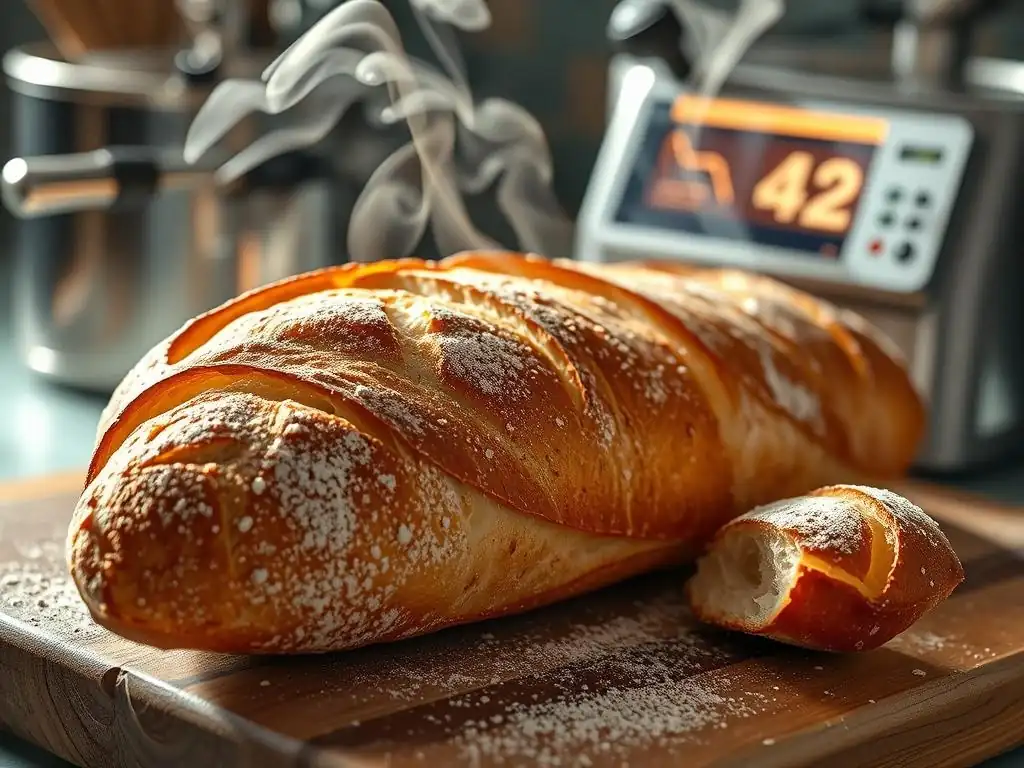
Welcome to BakeWithEase, your trusted guide to baking brilliance! Ever wondered how professional bakeries achieve that irresistibly crispy baguette crust? The secret might surprise you: it's all about steam. Discover the science and simple techniques behind creating bakery-worthy baguettes at home. Ready to unlock the secret to a perfect crust? Dive in and let's get baking!
- Unlock a Crispy Baguette Crust: The Power of Steam
- Achieving Baguette Perfection: The Importance of a Crisp Crust
- The Science Behind Steam and Baguette Crust Formation
- Why Steam Matters: Comparing Crusts With and Without Steam
- Methods for Creating Steam in Your Home Oven for Baguettes
- Troubleshooting Common Baguette Crust Issues
- Mastering the Art of Baguette Baking: Beyond Steam
- Step-by-Step Guide: Creating Steam for a Crispy Baguette Crust
- Baguette Recipes for a Perfect Crispy Crust
- Frequently Asked Questions
- Final Reflection: The Transformative Power of Steam in Baking
- Unleash Your Inner Baker: Craft the Perfect Crust!
Unlock a Crispy Baguette Crust: The Power of Steam
Achieving Baguette Perfection: The Importance of a Crisp Crust
A perfectly baked baguette is a true masterpiece of the baker's art. It's characterized by a light, airy interior crumb and, crucially, a beautifully crisp crust that shatters slightly when you slice or break it. This contrast in texture is what makes a baguette so uniquely satisfying. Without that signature snap and crunch, a baguette, no matter how good the crumb, feels incomplete. It's the difference between a good loaf and an exceptional one, the hallmark of a truly artisan bake.
Achieving this desired crispy baguette crust requires understanding and controlling several factors, but arguably the most critical element is the presence of steam in the oven during the initial phase of baking. Many novice bakers struggle to replicate the crust found in professional bakeries, often resulting in a thick, dull, or chewy exterior. The secret ingredient isn't some exotic flour or lengthy fermentation, though those help, it's the humble power of steam.
The Science Behind Steam and Baguette Crust Formation
How Steam Creates a Thin, Shiny Baguette Crust
When a cold dough is placed into a hot, steamy oven, the surface of the dough remains moist for a longer period. The steam condenses on the cooler surface of the dough, forming a thin layer of water. This moisture keeps the crust supple and prevents it from hardening prematurely. Instead of setting immediately into a rigid structure, the dough's surface stays elastic, allowing the loaf to expand freely and achieve maximum oven spring. This expansion, combined with the delayed crust formation, results in a thinner, more delicate crust.
Furthermore, the presence of steam helps to break down some of the starches on the surface of the dough. As the steam eventually dissipates and the surface temperature rises, these broken-down starches form a gel-like layer. This gelatinized starch layer, upon drying and baking, contributes significantly to the characteristic shiny appearance and delicate crispiness of a perfectly baked baguette crust. Think of it as creating a natural glaze that sets beautifully.
The Role of Starch Gelatinization in Baguette Baking
Starch gelatinization is a critical process that occurs when starch granules are heated in the presence of water. For baguette dough, this happens when the surface is exposed to the high heat and moisture of the steamy oven. Starch granules absorb water and swell, eventually bursting and releasing starch molecules into the surrounding moisture. This process typically begins around 140-180°F (60-82°C).
The gelatinized starch forms a network that, as the water evaporates later in the bake, dries out and becomes rigid. This rigidity is essential for the crispy texture. If there isn't enough steam initially, the surface dries out too quickly, the starch doesn't gelatinize effectively, and the crust sets prematurely, becoming thick and dense rather than thin and crispy. Proper steam ensures this gelatinization occurs smoothly across the entire surface.
Maillard Reaction: The Key to a Golden-Brown, Flavorful Crust
While steam is crucial for the texture and shininess of a crispy baguette crust, the beautiful golden-brown color and complex flavors are primarily due to the Maillard reaction and caramelization. The Maillard reaction is a complex series of chemical reactions between amino acids and reducing sugars that occurs when food is heated, typically starting around 300°F (150°C). This reaction is responsible for the rich aroma and flavor compounds found in baked goods, roasted meats, and many other cooked foods.
For the Maillard reaction to occur effectively, the surface temperature of the dough needs to rise above the boiling point of water (212°F or 100°C) and into the Maillard reaction temperature range. Steam prevents the surface from reaching this temperature too quickly by keeping it moist.
Once the steam is vented (or naturally dissipates), the surface dries, and its temperature rapidly increases, allowing the Maillard reaction to proceed, developing that desirable color and flavor profile on the crispy baguette crust. If the crust forms too early without steam, it can burn before the interior is cooked or the Maillard reaction fully develops across the surface.
Why Steam Matters: Comparing Crusts With and Without Steam
The Difference in Texture: Chewy vs. Crispy
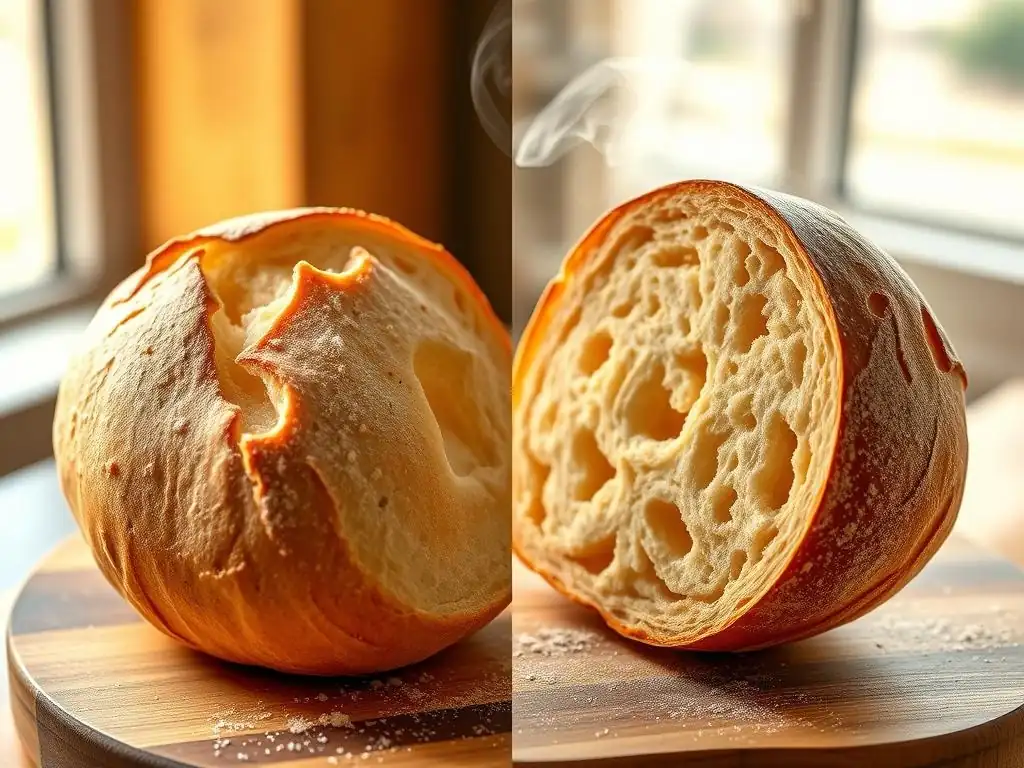
The most noticeable difference when comparing baguettes baked with and without steam is the crust texture. A baguette baked without sufficient steam will typically develop a thick, hard, and often chewy crust. The surface dries out almost instantly upon hitting the hot oven, preventing optimal oven spring and resulting in a dense, inflexible exterior that's difficult to bite through cleanly. It lacks that signature delicate shatter.
In contrast, a baguette baked with proper steam during the initial phase will have a significantly thinner, lighter, and wonderfully crispy crust. The steam allows the dough to expand fully, stretching the nascent crust thin. The subsequent gelatinization and drying process results in a brittle, glass-like structure that provides that satisfying crackle and snap when pressure is applied. This crispy baguette crust is the hallmark of artisanal quality.
Visual Appeal: The Impact of Steam on Baguette Color
Steam also dramatically impacts the visual appearance of the crispy baguette crust. Baguettes baked without steam often have a dull, matte finish and can appear pale or unevenly browned. Because the surface dries out so quickly, the Maillard reaction may not proceed uniformly, leading to a less appealing look.
With adequate steam, the crust remains moist and pliable initially, allowing for better expansion and a smoother surface. As the steam dissipates and the surface dries, the gelatinized starch layer contributes to a beautiful sheen. The delayed onset of the Maillard reaction means it occurs more evenly across the surface at the correct temperature, resulting in a rich, golden-brown color with appealing variations and blisters, enhancing the overall visual appeal of the crispy baguette crust.
Flavor Development: Enhanced Flavors with Proper Steaming
Beyond texture and color, steam subtly influences the flavor of the crispy baguette crust. While the primary flavors come from fermentation and the Maillard reaction, the conditions under which these reactions occur matter. By controlling the rate at which the crust forms and browns, steam allows for a more gradual and complete development of flavor compounds.
The even browning facilitated by steam ensures that the complex, slightly nutty, and roasted flavors associated with the Maillard reaction are developed across the entire surface, rather than being concentrated in burnt spots or absent in pale areas. The thin, crispy nature of the crust also means the flavor is more evenly distributed throughout each bite, complementing the soft interior crumb perfectly. This contributes to the overall depth and quality of the baguette's flavor profile.
Methods for Creating Steam in Your Home Oven for Baguettes
The Dutch Oven Method: A Simple and Effective Technique
One of the simplest and most effective ways to create steam for a crispy baguette crust in a home oven is using a Dutch oven or a lidded baking vessel. You preheat the Dutch oven within your oven, often to a high temperature like 450-500°F (230-260°C), for at least 30-45 minutes to ensure it's scorching hot. The dough is then carefully placed inside the hot pot, the lid is quickly replaced, trapping the moisture released by the dough itself.
This trapped moisture creates a perfectly steamy environment around the loaf for the critical initial baking phase, typically 15-20 minutes. After this time, the lid is removed, allowing the steam to escape and the crust to dry out and brown. This method is highly effective because it creates a concentrated steam environment right around the loaf, mimicking the steam injection systems found in professional ovens. It's particularly forgiving for beginners aiming for a crispy baguette crust.
Using a Baking Stone and Lava Rocks for Intense Steam
Another popular method involves using a preheated baking stone or steel on which the baguettes are placed, combined with a separate source of intense steam. A common setup involves placing a baking stone on a rack in the upper third of the oven and a heavy-duty pan (like a cast iron skillet or a broiler pan) filled with lava rocks, ceramic balls, or even chains on the rack below it. Both are preheated with the oven to a high temperature, say 475°F (245°C), for an hour.
Just before loading the baguettes onto the hot stone, boiling water (about 1-2 cups) is carefully poured into the hot pan containing the lava rocks/etc. This creates an instant burst of steam. The oven door is quickly closed to trap the steam. The porous nature of the lava rocks helps to hold water and release steam gradually. This method requires caution due to handling boiling water near a hot oven but can generate significant steam crucial for a crispy baguette crust.
Spritzing with Water: A Basic Steaming Approach
A more basic method is to simply spritz the walls of the preheated oven with water just before and immediately after loading the baguettes. You can use a clean spray bottle filled with water. Some bakers spritz the dough surface lightly as well. This method is easy and requires no special equipment beyond a spray bottle.
However, spritzing provides a less sustained and less intense burst of steam compared to the Dutch oven or lava rock methods. The steam dissipates quickly in a standard home oven, especially if the door isn't sealed perfectly. While it can offer some benefit, it's generally less effective at achieving that truly thin, shiny, and crispy baguette crust compared to methods that generate and trap more steam for a longer duration.
Using a Preheated Cast Iron Pan for Steam
Similar to the lava rock method but perhaps simpler, you can place a heavy cast iron skillet or other metal pan on the bottom rack of your oven while it preheats, typically to 450-475°F (230-245°C). Once the oven and pan are fully preheated (allow 30-60 minutes), carefully place your baguettes on a baking stone or sheet pan on a higher rack.
Immediately after closing the oven door, carefully pour about 1 cup of hot or boiling water into the preheated cast iron pan. This generates a significant amount of steam. Be extremely cautious of the steam escaping when you open the door. This method is quite effective and easier to manage than lava rocks for many home bakers seeking a good crispy baguette crust. The key is to generate the steam quickly and seal the oven to trap it.
Troubleshooting Common Baguette Crust Issues
Crust Too Thick? Adjusting Steam Levels
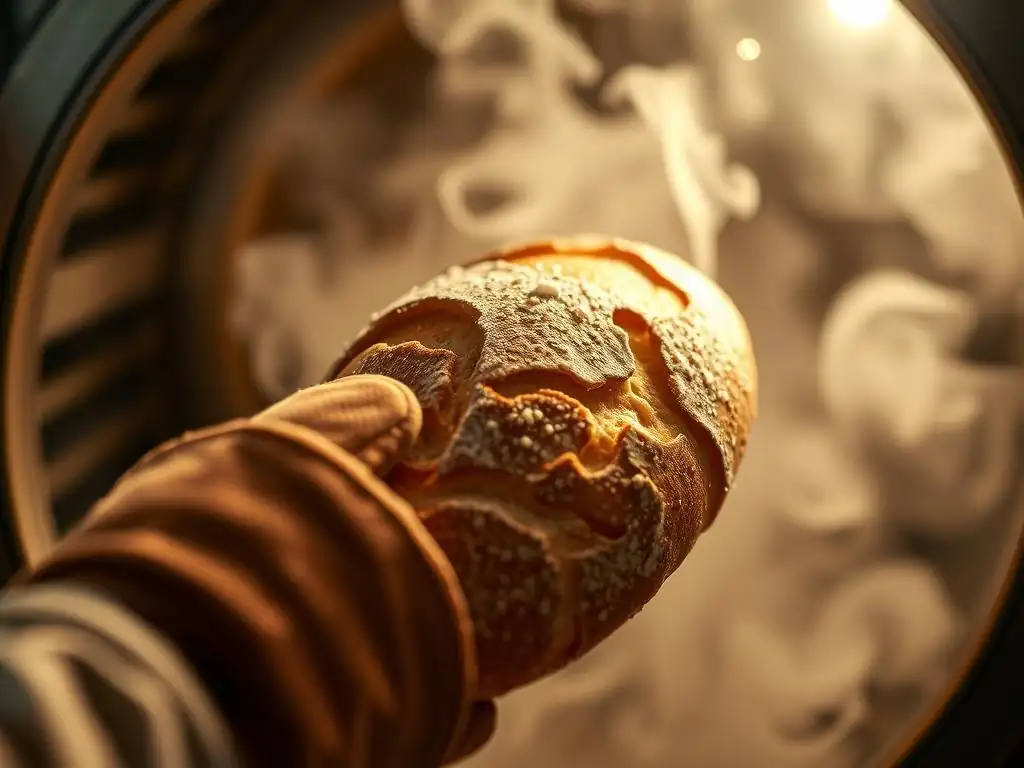
If your crispy baguette crust is consistently coming out too thick and chewy, the most likely culprit is insufficient steam during the initial baking phase. This allows the crust to set too quickly, preventing the dough from expanding fully and resulting in a dense, thick exterior.
To remedy this, evaluate your steaming method. Are you using a method that generates enough steam? A spritzing method might not be adequate. Consider upgrading to a Dutch oven or a method involving a pan with hot water/lava rocks.
Ensure your oven is fully preheated and your steaming apparatus (like the Dutch oven or steam pan) is also hot before loading the bread. Also, ensure you're steaming for the correct duration – typically the first 15-20 minutes of the bake. Increasing the amount of water used or improving the oven seal can also help boost steam levels for a thinner, crispy baguette crust.
Crust Not Crispy Enough? Identifying Potential Problems
A baguette crust that isn't crispy enough, perhaps feeling soft or slightly leathery, can stem from several issues, though often related to moisture management. While insufficient steam can lead to a thick, chewy crust (which is also not crispy), too much moisture remaining in the oven after the initial steaming phase can also prevent the crust from drying out and becoming crispy.
Ensure you vent the oven properly after the initial steaming period. If using a Dutch oven, remove the lid. If using a steam pan, you might need to open the oven door briefly after 15-20 minutes to let the steam escape.
Baking at a high enough temperature after the steam is gone is also crucial for drying out the crust and achieving crispiness. Temperatures typically range from 425-450°F (220-230°C) for the remainder of the bake. Finally, make sure the baguette is fully baked through; an underbaked loaf will have excess internal moisture that migrates to the crust, making it soft.
Achieving the Perfect Golden-Brown Color: Tips and Tricks
Getting that beautiful golden-brown color on your crispy baguette crust involves managing both temperature and time, influenced by your initial steaming. If your crust is pale, it might be due to not enough baking time after the steam is removed, or the oven temperature is too low during this phase, preventing the Maillard reaction from fully developing.
Ensure your oven temperature is accurate; consider using an oven thermometer. After the steaming period (typically 15-20 minutes), the temperature is often reduced slightly, but should remain high enough (e.g., 425-450°F or 220-230°C) for the crust to brown effectively over the remaining 15-25 minutes of baking. If the loaf is browning too quickly on the outside before the inside is done, you might need to lower the temperature slightly or tent it loosely with foil, but ensure the crust still has enough time at temperature to develop color and crispiness. Adequate steam initially allows for more even browning later.
Mastering the Art of Baguette Baking: Beyond Steam
High-Quality Flour: The Foundation of a Great Baguette
While steam is paramount for the crispy baguette crust, the quality of your ingredients is the foundation of a great loaf. For baguettes, a high-quality bread flour with a protein content typically ranging from 11-13% is ideal. This protein develops gluten, which provides the structure and elasticity needed for the dough to expand properly during fermentation and baking, contributing to both the open crumb and the ability of the crust to stretch thin.
Using a good quality flour, often unbleached, will also contain natural sugars and enzymes that contribute to better flavor development and browning during the bake. Some artisan bakers even use a small percentage of malted barley flour (diastatic malt) to enhance enzymatic activity, leading to better sugar availability for fermentation and a richer, more vibrant crispy baguette crust color.
Proper Dough Hydration: Achieving the Right Consistency
Dough hydration refers to the ratio of water to flour in the recipe, expressed as a percentage of the flour weight. Baguette doughs are typically high hydration, often ranging from 65% to 75% hydration, sometimes even higher for very open crumbs. This high water content is crucial for several reasons, including contributing to the open, airy crumb structure and providing the necessary moisture for the initial steam burst when the dough hits the hot oven.
A dough with adequate hydration will be softer and more extensible, allowing it to expand readily during oven spring. This expansion is directly related to achieving a thin rather than thick crust. While a wetter dough can be trickier to handle, mastering the feel of a properly hydrated baguette dough is key to both the internal texture and the potential for a superb crispy baguette crust when combined with steam.
Shaping and Scoring Techniques for Optimal Crust Development
The way you shape and score your baguette dough significantly impacts how it expands in the oven and, subsequently, the appearance and texture of the crispy baguette crust. Proper shaping creates tension on the surface of the loaf, which helps it hold its structure and directs the oven spring. A well-shaped baguette will spring upwards and outwards predictably.
Scoring, the cuts made on the surface of the dough just before baking, is essential. These cuts act as vents, allowing the rapidly expanding gases within the dough to escape in a controlled manner. Without scoring, the loaf would burst unpredictably. The way the scores open up during baking is a visual indicator of good oven spring and proper crust development. The edges of the scores often become the crispiest parts of the crust, forming beautiful "ears" when steam is used effectively. Typically, baguettes are scored with 3-5 diagonal cuts overlapping slightly.
The Importance of Oven Temperature for a Crispy Crust
Achieving a crispy baguette crust requires baking at high temperatures. Home ovens are typically preheated to 450-500°F (230-260°C). The initial high heat, combined with steam, provides the necessary "thermal shock" that causes the dough to rise rapidly (oven spring) and prevents the crust from setting too soon.
After the initial steaming period (around 15-20 minutes), the temperature is often reduced slightly, perhaps to 425-450°F (220-230°C), to allow the interior to finish baking without the crust burning. Maintaining a high enough temperature during the second phase is crucial for drying out the crust and developing its final crispy texture and color through the Maillard reaction and caramelization. Baking time typically ranges from 25-40 minutes total, depending on the oven and loaf size.
Step-by-Step Guide: Creating Steam for a Crispy Baguette Crust
Step 1: Preparing Your Oven for Steaming
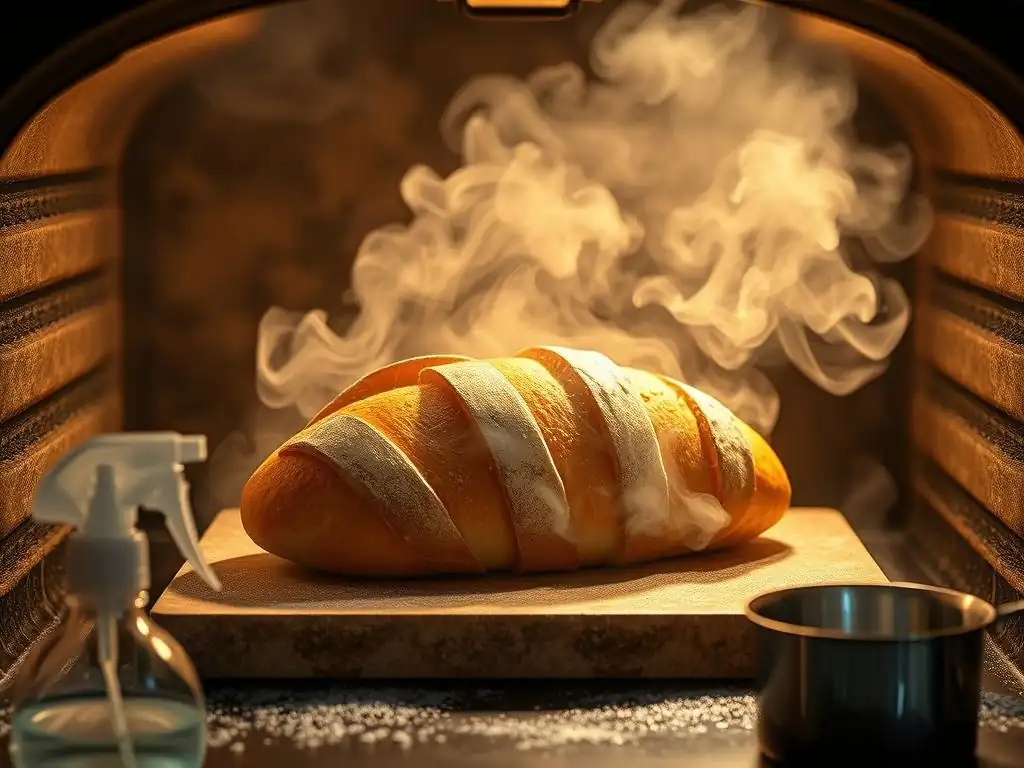
Before you even think about putting dough in the oven, you need to set up your steam system.
- Choose your preferred method: Dutch oven, steam pan with lava rocks/water, or preheated cast iron pan.
- Place your chosen steaming apparatus in the oven (Dutch oven with its lid, steam pan on the bottom rack, or cast iron pan on the bottom rack).
- If using a baking stone or steel, place it on a rack in the upper third or middle of the oven.
- Preheat your oven, including your steaming setup and baking stone/steel, to a high temperature, typically 450-500°F (230-260°C). Allow at least 30-60 minutes for everything to come up to temperature. This is crucial for generating instant steam.
Step 2: Implementing Your Chosen Steaming Method
Once the oven is fully preheated and you're ready to bake:
- Carefully transfer your shaped and scored baguettes to your hot baking surface (inside the Dutch oven or onto the baking stone/steel).
- Immediately initiate your steam method:
- Dutch Oven: Quickly place the lid back on the Dutch oven.
- Steam Pan/Cast Iron: Carefully pour 1-2 cups of hot or boiling water into the preheated pan on the bottom rack. Use oven mitts and stand back to avoid steam burns.
- Quickly close the oven door to trap the steam.
- Maintain this steamy environment for the first 15-20 minutes of baking.
Step 3: Monitoring the Baguette During Baking
During the bake, observe your baguettes:
- For the first 15-20 minutes, the loaf should be expanding rapidly (oven spring) within the steam. The crust will remain pale and pliable.
- After 15-20 minutes, it's time to remove the steam source.
- Dutch Oven: Carefully remove the lid.
- Steam Pan/Cast Iron: Open the oven door briefly to allow the bulk of the steam to escape, then close it. You might remove the pan if desired, but it's often left in.
- Reduce the oven temperature slightly if your recipe calls for it (e.g., to 425-450°F or 220-230°C).
- Continue baking for another 15-25 minutes, or until the crispy baguette crust is a deep golden-brown color and the internal temperature reaches around 200-210°F (93-99°C).
Step 4: Cooling and Enjoying Your Crispy Baguette
The final step, often overlooked but vital for a crispy baguette crust, is proper cooling:
- Once baked, remove the baguettes from the oven.
- Immediately transfer them to a wire cooling rack.
- Allow the baguettes to cool completely for at least 30-60 minutes before slicing.
- Why cool? As the bread cools, moisture from the interior migrates to the crust and then evaporates. If you cut too early, this moisture gets trapped, softening the crust you worked so hard to achieve.
- Enjoy your perfectly baked baguette with its satisfyingly crispy baguette crust!
Baguette Recipes for a Perfect Crispy Crust
Classic French Baguette Recipe
A classic French baguette recipe typically uses only four ingredients: flour, water, salt, and yeast. These recipes often employ a long, slow fermentation, sometimes including an overnight cold proof in the refrigerator (around 39°F or 4°C). This develops complex flavors and allows the dough structure to strengthen.
Achieving a crispy baguette crust in a classic recipe relies heavily on the high baking temperature (often 475°F or 245°C initially) and the introduction of significant steam during the first 15 minutes. The simplicity of the ingredients means there are no fats or sugars to interfere with crust formation, making steam even more critical for that signature texture and sheen.
Sourdough Baguette Recipe with Enhanced Steam
Sourdough baguettes replace commercial yeast with a sourdough starter, introducing wild yeasts and bacteria that contribute a tangy flavor and unique texture. Sourdough doughs often benefit from slightly longer fermentation times compared to yeasted doughs.
For a sourdough baguette with an optimal crispy baguette crust, steam is just as, if not more, important. Sourdough starters can sometimes produce a slightly thicker crust naturally, so ensuring robust steam is present during the initial oven spring helps mitigate this, promoting a thinner, crispier result. The acidity from the sourdough can also slightly affect gluten development, making careful handling and proper steam crucial for achieving both great crumb and crust.
Poolish Baguette Recipe
A poolish is a type of preferment (a mixture of flour, water, and a small amount of yeast left to ferment before being added to the final dough). It's a liquid preferment, typically made with equal parts flour and water by weight, allowed to ferment for several hours or overnight. Using a poolish adds depth of flavor and helps with dough extensibility.
Baguettes made with a poolish benefit immensely from steam to achieve a crispy baguette crust. The poolish contributes to a more open crumb structure and can enhance browning due to enzymatic activity, but the physical characteristics of the crust still depend on how it forms in the oven. Just like classic and sourdough versions, a high initial temperature and generous steam environment are non-negotiable for developing that sought-after crispy exterior.
Frequently Asked Questions
What exactly does steam do for a baguette crust?
Steam during the initial baking phase keeps the dough's surface moist, allowing it to expand fully. This prevents the crust from setting too quickly, resulting in a thinner, crisper crust rather than a thick, hard one.
How can I easily create steam in my home oven?
You can introduce steam by placing a hot pan of water on the bottom rack of your oven before baking. Other methods include spraying the oven with water or using lava rocks soaked in water.
Why is a crispy baguette crust so desirable?
A crispy crust provides a delightful textural contrast to the soft, airy interior of the baguette. It enhances the overall eating experience, offering a satisfying crunch with each bite.
What happens if I don't use steam when baking baguettes?
Without steam, the crust will form too quickly, inhibiting the dough's expansion. This leads to a thicker, harder crust and a less airy interior.
Is the type of flour used important for achieving a crispy crust, even with steam?
While steam is crucial, using a high-protein flour is also important. High protein flour provides the gluten needed for good structure and a crispier, more robust crust.
Final Reflection: The Transformative Power of Steam in Baking
The pursuit of the perfect baguette crust—crisp, golden, and deeply flavorful—is a quest shared by home bakers worldwide. This article has demonstrated the undeniable role steam plays in achieving that coveted texture, a seemingly simple element with surprisingly profound effects. Understanding the science behind steam's interaction with the dough's surface allows us to move beyond mere recipe following and into the realm of true baking mastery.
The impact of steam extends beyond the individual baguette; it represents a broader shift in our understanding of baking techniques. It's a reminder that seemingly small details can have a monumental impact on the final product. The difference between a good baker and a great baker is attention to detail.
This quote, while not specifically about steam, perfectly encapsulates the essence of this article's message: meticulous attention to seemingly minor factors can elevate a simple loaf of bread into a culinary masterpiece. The pursuit of that perfect crust, therefore, becomes a metaphor for the pursuit of excellence in any endeavor.
Now, consider your own baking journey. Have you ever experienced the frustration of a soggy baguette crust? Remember the feeling of that first perfect bite, the satisfying crunch? I invite you to experiment with the techniques outlined in this article, to embrace the power of steam, and to discover the joy of crafting baguettes with a truly exceptional crust. The journey to baking perfection is ongoing, but with a deeper understanding of steam's role, you're well on your way to achieving your own culinary triumphs.
Unleash Your Inner Baker: Craft the Perfect Crust!
Thanks for joining us on this delicious journey to baguette perfection! We hope you’ve gained valuable insights into achieving that coveted crispy crust. Ready to put your new knowledge to the test?
- Bake a baguette today! Use your newfound steam-baking expertise to create a truly exceptional loaf. Experiment with different flours and baking times to find your perfect recipe.
- Share your success (or even your struggles!) with our community. Let us know how your baguette turned out in the comments below – we love seeing your creations!
- Explore our other baking guides for more tips and tricks to elevate your baking game.
Ready to conquer the art of the crispy crust? What’s your favorite tip for achieving the perfect baguette?