
Sourdough Rye vs. Wheat Sourdough: Which is Right for You?

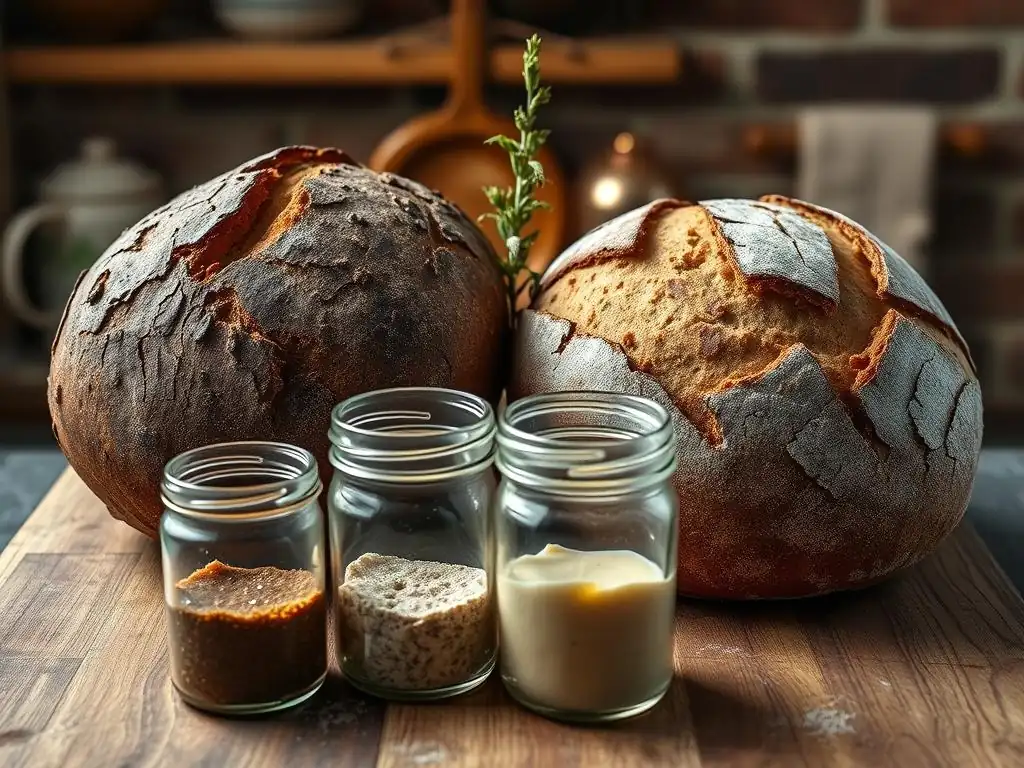
Welcome to BakeWithEase, your trusted companion in the delightful world of baking! Are you ready to unlock the secrets to artisan bread making? This article dives deep into the fascinating world of sourdough, specifically exploring the nuances between rye and wheat sourdough starters. But first, are you wondering how to even begin your journey with a sourdough bread starter recipe? Discover what makes each starter unique, how it impacts the flavor and texture of your bread, and ultimately, which one best suits your baking aspirations. Let's get started and explore the secrets to creating the perfect loaf!
- Sourdough Rye vs. Wheat Sourdough: Which is Right for You? - BakeWithEase
- Introduction: Exploring the World of Sourdough Bread
- Understanding the Basics of Sourdough Bread Starter Recipe
- Sourdough Rye Bread: A Deep Dive
- Wheat Sourdough: The Classic Choice
- Sourdough Rye vs. Wheat Sourdough: A Detailed Comparison
- Choosing the Right Sourdough for Your Baking Needs
- Troubleshooting Common Sourdough Baking Issues
- Advanced Sourdough Techniques: Beyond the Basics
- Conclusion: Embrace the Sourdough Baking Journey
-
Frequently Asked Questions
- What is the main difference between a rye sourdough starter and a wheat sourdough starter?
- Is one type of sourdough starter (rye or wheat) easier to maintain than the other?
- Can I use a rye sourdough starter to make wheat bread, and vice versa?
- What are the benefits of using a rye sourdough starter for baking?
- How does the hydration level differ when maintaining a rye vs. a wheat sourdough starter?
- Final Reflection: The Humble Starter, A World of Flavor
- Unlock Your Perfect Sourdough: Rye or Wheat?
Sourdough Rye vs. Wheat Sourdough: Which is Right for You? - BakeWithEase
Introduction: Exploring the World of Sourdough Bread
Welcome to the wonderful world of sourdough baking! If you've ever been captivated by the tangy aroma and chewy texture of a perfectly baked loaf, you're likely thinking about diving into sourdough. It's a rewarding journey that connects you to ancient baking traditions, relying on natural fermentation rather than commercial yeast. Whether you're drawn to the robust character of rye or the classic comfort of wheat, understanding the nuances of each can help you choose the right path for your baking adventures.
Sourdough bread is more than just flour and water; it's a living creation, nurtured by a sourdough bread starter recipe. This starter, a simple mix of flour and water that captures wild yeasts and bacteria from the environment, is the heart and soul of sourdough baking.
It imparts the characteristic tangy flavor and helps the bread rise, creating a unique texture and depth of flavor that's hard to replicate with commercial yeast. As you explore different types of sourdough, you'll find that the choice of flour significantly impacts the final loaf, leading to exciting variations like sourdough rye and classic wheat sourdough.
Understanding the Basics of Sourdough Bread Starter Recipe
What is Sourdough and Why Bake With It?
Sourdough is a type of bread leavened using a live symbiotic culture of yeasts and bacteria residing in a sourdough starter. Unlike conventional baking that uses packaged yeast, sourdough fermentation relies on these naturally occurring microorganisms to produce carbon dioxide, which makes the dough rise, and organic acids, which contribute to the bread's distinct tangy flavor and aroma. This natural leavening process also predigests some of the starches and proteins in the flour, potentially making sourdough bread easier to digest for some individuals.
Baking with sourdough offers a unique depth of flavor and a satisfying chewiness that is difficult to achieve with commercial yeast. The slow fermentation process develops complex flavors over time, resulting in a more nuanced and artisanal loaf. Furthermore, maintaining a sourdough bread starter recipe connects you directly to the baking process, fostering a sense of accomplishment and connection to traditional methods. Many bakers find the ritual of feeding and caring for their starter just as rewarding as the baking itself.
The Importance of a Healthy Sourdough Starter
A healthy and active sourdough starter is absolutely fundamental to successful sourdough baking. It's the engine that drives the entire process, providing the leavening power needed for your bread to rise and contributing significantly to its flavor profile. A robust starter, often referred to as 'ripe' or 'active,' will typically double or triple in size within 4-12 hours after feeding, showing visible bubbles and a pleasant, tangy aroma. Its consistency should be bubbly and airy, not dense or sluggish.
Maintaining a healthy starter requires regular feeding with fresh flour and water. The frequency depends on how you store it – daily if kept at room temperature, or weekly if refrigerated. Using a consistent sourdough bread starter recipe for feeding, often a 1:1:1 ratio of starter:flour:water by weight, helps ensure its vitality. An unhealthy starter, which might smell off, show little activity, or develop mold, can lead to flat, dense loaves with poor flavor development. Nurturing your starter is key to unlocking the full potential of your sourdough baking.
Sourdough Rye Bread: A Deep Dive
What Makes Rye Sourdough Unique?
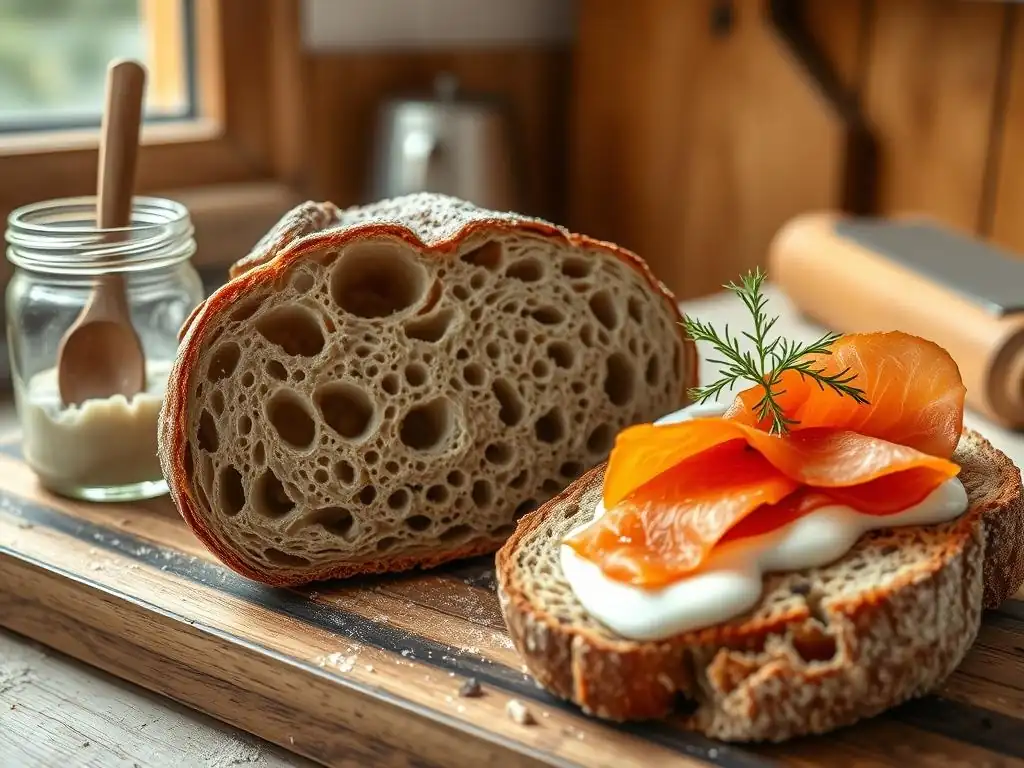
Rye sourdough stands apart due to its primary ingredient: rye flour. Unlike wheat flour, rye flour contains a lower amount of gluten-forming proteins. Instead, it has a higher concentration of pentosans, complex carbohydrates that absorb large amounts of water and create a dense, moist crumb. This difference in composition means rye dough behaves very differently from wheat dough – it's stickier, less elastic, and doesn't develop the same open, airy structure as wheat sourdough.
The unique properties of rye flour lend themselves to a distinct type of bread. Rye sourdough typically has a tighter, more compact crumb compared to wheat sourdough. Its texture is often described as dense and moist, sometimes even slightly gummy, which is characteristic of well-made rye bread. This density is not a flaw but a defining feature, resulting from the way rye flour hydrates and ferments. The fermentation process with rye flour also tends to produce a more pronounced tang compared to wheat.
The Flavor Profile of Rye Sourdough
The flavor of rye sourdough is profoundly different from its wheat counterpart. It's characterized by a deep, earthy, and often intensely tangy taste. The specific flavor notes can vary depending on the type of rye flour used (light, medium, or dark), the hydration level, and the fermentation time. Dark rye flour, for instance, imparts a stronger, more robust flavor with notes that can range from malty to slightly bitter.
The tangy flavor in rye sourdough is often more pronounced than in wheat sourdough. This is partly due to the types of bacteria and yeasts that thrive in a rye flour environment, which tend to produce more lactic acid. The combination of the earthy rye flavor and the sharp tang creates a complex and satisfying taste experience, pairing wonderfully with strong cheeses, cured meats, or simply butter. It's a bread with character that truly stands out.
Working with Rye Flour: Tips and Techniques
Working with rye flour can be a different experience if you're used to wheat. Rye dough is inherently stickier and less structured. Instead of developing gluten through kneading like you would with wheat, the focus when working with rye is often on hydration and fermentation time. Over-kneading rye dough can actually break down the limited gluten structure it does have.
One key technique is to handle rye dough gently. Folding or mixing using a stand mixer is often preferred over vigorous hand kneading. High hydration levels are common with rye, sometimes exceeding 80% or even 100%, to help manage its stickiness and ensure a moist crumb. Due to its lower gluten content, rye bread often benefits from being baked in a loaf pan to help it hold its shape during baking. Allowing sufficient fermentation time, sometimes longer than for wheat, helps develop flavor and improve texture.
Sourdough Rye Bread Starter Recipe Considerations
Creating or adapting a sourdough bread starter recipe specifically for rye requires understanding how rye flour impacts the starter's activity and flavor. A pure rye starter, fed solely with rye flour, tends to be very active and develops a strong, tangy flavor profile quickly. Rye flour provides ample nutrients for the wild yeasts and bacteria, leading to vigorous fermentation.
When using a mixed-flour starter for rye bread, you might adjust the feeding ratios or frequency leading up to baking to ensure it's robust enough to handle the denser rye dough. Some bakers maintain a separate rye starter specifically for their rye loaves, believing it yields the most authentic flavor and texture. Whether using a dedicated rye starter or adapting a standard sourdough bread starter recipe, ensuring the starter is exceptionally active and acidic is crucial for successful rye sourdough, as the dough needs significant leavening power.
Wheat Sourdough: The Classic Choice
The Simplicity and Versatility of Wheat Sourdough
Wheat sourdough is often the first type of sourdough bread many bakers attempt, and for good reason. Wheat flour, particularly bread flour or all-purpose flour, contains higher levels of gluten-forming proteins (glutenin and gliadin) compared to rye. When hydrated and kneaded, these proteins form a strong, elastic network that traps gas produced during fermentation, resulting in a light, airy crumb and a well-structured loaf.
The versatility of wheat sourdough is immense. It serves as the base for countless variations, from simple country loaves to enriched doughs like brioche or cinnamon rolls. Its relatively predictable behavior makes it more forgiving for beginner bakers learning the ropes of managing a sourdough bread starter recipe and understanding dough development. The ability to create an open, holey crumb (the 'alveoli') is a hallmark of well-made wheat sourdough, allowing for that satisfying chewiness and texture contrast.
Achieving the Perfect Wheat Sourdough Loaf
Achieving that iconic open crumb and golden crust in a wheat sourdough loaf involves mastering several key stages: mixing, bulk fermentation, shaping, proofing, and baking. Proper development of the gluten network during mixing and bulk fermentation is essential. Techniques like stretch and folds or coil folds performed during the bulk fermentation help build strength and structure in the dough.
Shaping the dough correctly creates tension on the surface, which helps the loaf hold its shape and encourages a good oven spring – the final burst of rising in the oven. Proofing, the final rise before baking, needs careful timing; under-proofed dough results in a dense crumb, while over-proofed dough can collapse. Baking in a hot oven, often in a Dutch oven or with steam, is crucial for achieving a beautiful crust and maximizing oven spring. A good sourdough bread starter recipe is the foundation, but these subsequent steps refine the final product.
Understanding Wheat Flour Types for Sourdough
The type of wheat flour you use significantly impacts your wheat sourdough loaf. Bread flour, with its high protein content (typically 12-14%), is excellent for developing strong gluten networks, leading to high-rising loaves with an open crumb. All-purpose flour (around 10-12% protein) is also widely used and can produce lovely sourdough, though it might result in a slightly less open crumb than bread flour.
Other wheat flours like whole wheat flour, spelt, or Einkorn can also be used, often mixed with white flour. Whole wheat flour, containing the bran and germ, adds flavor and nutrients but can inhibit gluten development, sometimes requiring higher hydration or different handling. Experimenting with different wheat flour blends allows bakers to customize the flavor, texture, and nutritional profile of their sourdough bread, all while relying on a robust sourdough bread starter recipe.
Classic Sourdough Bread Starter Recipe: A Step-by-Step Guide
A classic sourdough bread starter recipe is remarkably simple, requiring only two ingredients: flour and water. The process involves mixing equal parts by weight of flour and water in a jar and letting it sit at room temperature. Over several days, wild yeasts and bacteria from the environment and the flour will colonize the mixture, causing it to bubble and develop a tangy aroma.
Here's a basic outline:
- Day 1: Combine 50g flour (like all-purpose or whole wheat) and 50g lukewarm water in a clean jar. Mix thoroughly. Cover loosely and leave at room temperature (ideally 70-80°F).
- Days 2-3: You might see little to no activity. Don't worry. Just leave it.
- Days 4-7: You should start seeing bubbles and the mixture might smell slightly sour. Discard half of the starter (about 50g) and feed with 50g fresh flour and 50g fresh water. Repeat this feeding process daily.
- After 7-14 days: Your starter should consistently double in size within 4-12 hours after feeding, be full of bubbles, and smell pleasantly tangy. It is now active and ready to use in your first loaf, following your chosen sourdough bread starter recipe method for incorporating it into dough.
Sourdough Rye vs. Wheat Sourdough: A Detailed Comparison
Flavor and Texture Differences
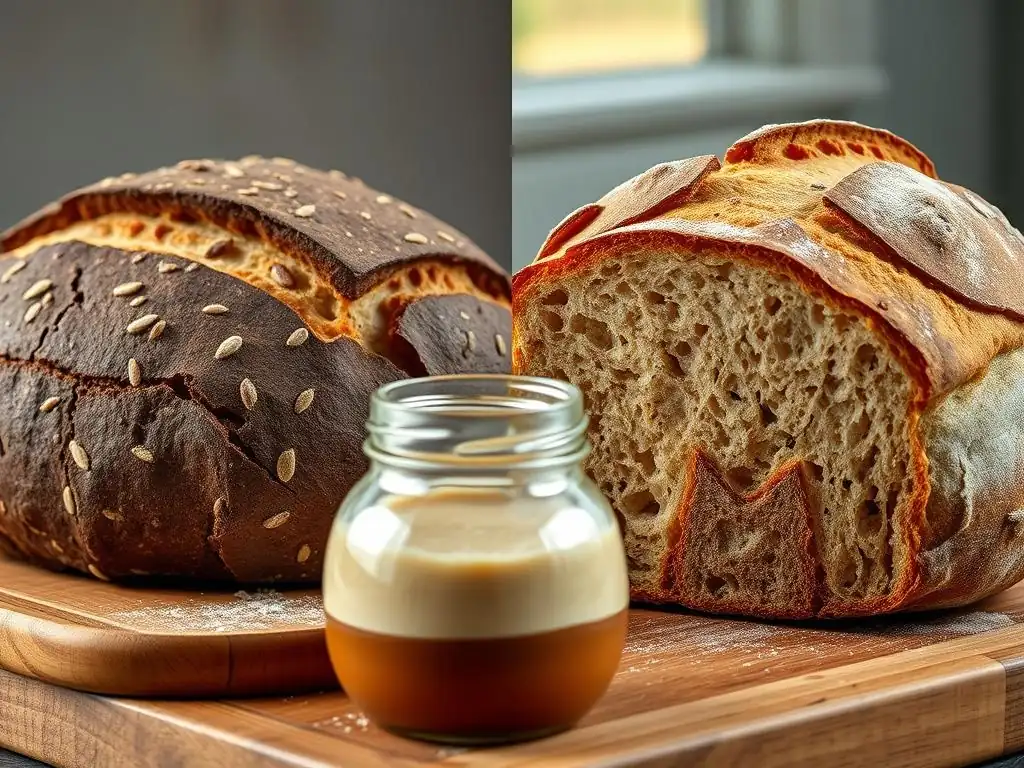
The most striking difference between sourdough rye and wheat sourdough lies in their flavor and texture. Wheat sourdough, especially made with white flour, tends to have a milder, more classic tangy flavor with subtle bready notes. Its texture is characterized by an open, airy crumb with a satisfying chewiness, and a crispy crust. Think of a classic French boule.
Rye sourdough, on the other hand, boasts a more intense, earthy, and often significantly tangier flavor. The taste can be quite complex, sometimes with hints of spice or malt, particularly with darker rye flours. Its texture is much denser and moister than wheat sourdough, with a tighter crumb. The crust can be chewy rather than crispy, and the overall mouthfeel is heavier. It's a bread with a strong personality, distinct from the lighter wheat loaf.
Ease of Baking: Which is More Beginner-Friendly?
For many beginners, wheat sourdough is generally considered more approachable than rye. This is primarily due to the gluten structure in wheat flour. The elasticity and strength provided by gluten make wheat dough easier to handle, shape, and predict its behavior during fermentation and baking. You can visually assess gluten development and easily perform techniques like stretch and folds.
Rye dough, with its stickiness and lack of strong gluten network, can be more challenging to work with. It doesn't develop elasticity in the same way, making shaping more difficult and requiring a different approach to handling. Achieving a good rise with rye can also be trickier due to its density. While both require patience and practice with your sourdough bread starter recipe and overall process, the physical handling of wheat dough is often less intimidating for newcomers.
Nutritional Benefits: Rye vs. Wheat Sourdough
Both rye and wheat sourdough offer nutritional benefits compared to commercially produced breads made with refined flour and fast-acting yeast. The sourdough fermentation process can increase the bioavailability of certain nutrients and reduce phytic acid, which inhibits mineral absorption. Both types of sourdough are good sources of complex carbohydrates.
Nutritionally, rye often has a slight edge, particularly whole rye flour compared to refined wheat flour. Whole rye is higher in fiber, especially soluble fiber, which can help regulate blood sugar levels and support digestive health. It also contains slightly more micronutrients like iron, potassium, and B vitamins. However, both are healthier options than many standard supermarket loaves, and the nutritional profile ultimately depends on the specific flours used in the sourdough bread starter recipe and the dough itself.
Sourdough Starter Recipe Adaptability: Rye vs. Wheat
Both rye and wheat flours are excellent for creating and maintaining a sourdough bread starter recipe. Starters can be made purely from wheat (all-purpose, bread, or whole wheat), purely from rye, or a combination of different flours. The type of flour used to feed the starter will influence its activity level and flavor profile.
A starter fed exclusively with rye flour tends to be very vigorous and develops a pronounced tangy flavor relatively quickly due to the nutrients present in rye. A starter fed exclusively with wheat flour (especially white bread flour) might develop a slightly milder tang and a more classic 'bready' smell.
Many bakers maintain a 'hooch' of different starters or use a mixed-flour starter (e.g., 50% white wheat, 50% whole wheat) as a versatile base that can be adapted to bake either rye or wheat loaves by adjusting the final dough ingredients. The flexibility of the basic sourdough bread starter recipe allows for diverse baking possibilities.
Choosing the Right Sourdough for Your Baking Needs
When to Choose Rye Sourdough
Choose rye sourdough when you crave a bread with a deep, earthy flavor and a dense, moist texture. It's the perfect choice if you enjoy a more pronounced tang and a loaf with significant character. Rye sourdough is excellent for pairing with strong, savory foods like smoked fish, pickles, or sharp cheeses.
Rye is also a good option if you are exploring alternative grains or looking for bread potentially lower on the glycemic index, especially when using whole rye flour. While the dough can be trickier to handle initially, the reward is a uniquely flavorful and satisfying loaf that stands apart from standard wheat bread. Experimenting with a sourdough bread starter recipe using rye is a step towards mastering a distinct baking tradition.
When to Choose Wheat Sourdough
Opt for wheat sourdough if you are new to sourdough baking or prefer a classic, versatile loaf. Its more predictable behavior and easier-to-handle dough make it a great starting point for learning the fundamentals of sourdough. Wheat sourdough offers a wide range of textures, from soft sandwich loaves to crusty, airy boules.
Wheat sourdough's milder tang and adaptable flavor profile make it suitable for a broader range of uses, from toast and sandwiches to accompanying soups and salads. If you aim for that classic open crumb structure or want a bread that's generally more forgiving as you refine your techniques with your sourdough bread starter recipe, wheat is likely the right choice for you.
Considerations for Dietary Restrictions and Preferences
When choosing between rye and wheat sourdough, consider dietary needs. Both contain gluten, so neither is suitable for individuals with celiac disease or severe gluten intolerance. However, some people with non-celiac gluten sensitivity find naturally leavened sourdough easier to digest than commercially yeasted bread, possibly due to the fermentation process breaking down some gluten and phytic acid.
For those seeking higher fiber or a lower glycemic impact, whole rye sourdough may be preferable to white wheat sourdough. If you are exploring gluten-free options, you would need a completely different approach using a gluten-free sourdough bread starter recipe based on flours like rice, sorghum, or buckwheat, and entirely avoiding both wheat and rye flours in the bread.
Troubleshooting Common Sourdough Baking Issues
Common Problems with Rye Sourdough and Solutions
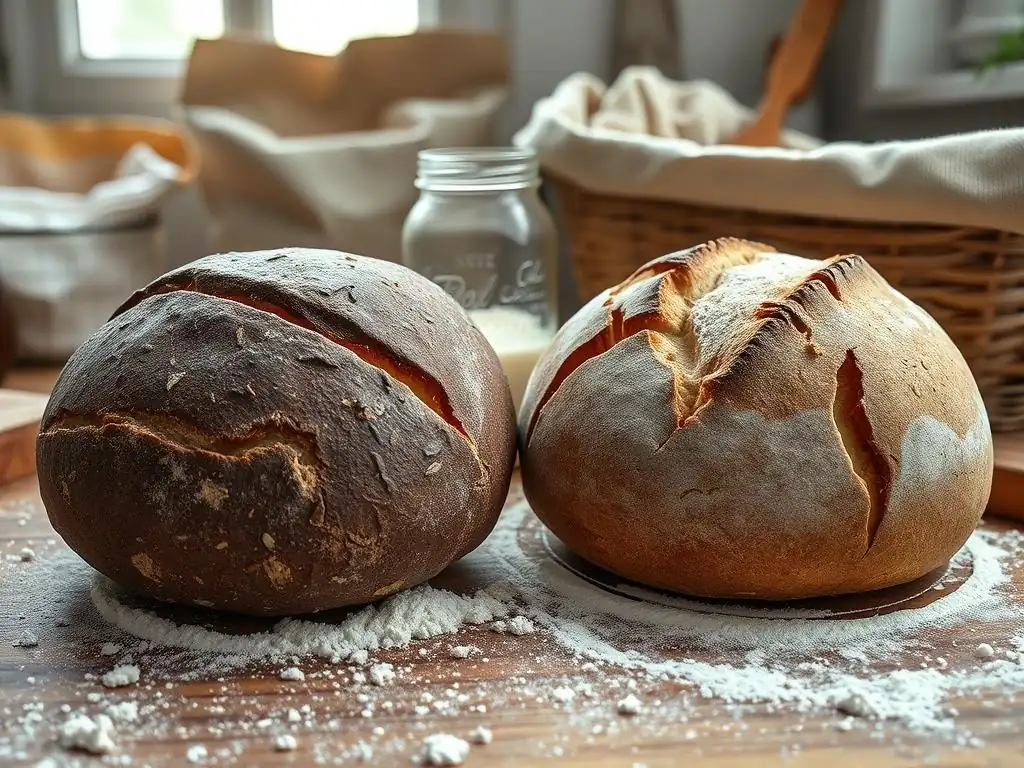
One common issue with rye sourdough is a dense, gummy crumb. This can be caused by insufficient fermentation, too low hydration, or underbaking. Ensure your sourdough bread starter recipe is very active and acidic when baking rye. Increase hydration slightly in your recipe (rye absorbs a lot of water). Also, bake rye bread longer at a slightly lower temperature than wheat to ensure it cooks through without burning the crust.
Another challenge is the dough being extremely sticky and hard to handle. This is normal for high-hydration rye dough. Avoid adding too much extra flour during shaping. Using wet hands or a bench scraper can help manage stickiness. Baking in a loaf pan is often recommended to provide structural support to the less elastic rye dough.
A frequent problem with wheat sourdough is a flat loaf with poor oven spring. This often points to an inactive starter or over-proofing. Ensure your sourdough bread starter recipe is doubling or tripling predictably after feeding before you use it. Learn to recognize the signs of a perfectly proofed dough – it should be puffy but still hold its shape when gently poked. Under-proofing can also cause poor oven spring and a dense crumb, so practice assessing the dough's readiness.
Another issue is a pale crust or lack of browning. This can be due to insufficient baking temperature or lack of steam. Ensure your oven is fully preheated, often to a high temperature like 450-500°F (230-260°C). Baking in a Dutch oven or using a steam pan helps create steam in the initial phase of baking, which keeps the crust soft and allows the loaf to expand fully before the crust sets and browns beautifully.
Maintaining Your Sourdough Bread Starter for Optimal Results
Consistent maintenance is key to preventing most sourdough baking issues, regardless of whether you bake rye or wheat. Regular feeding keeps the yeast and bacteria population healthy and active. Store your starter appropriately – in the fridge if you bake infrequently (feeding weekly) or at room temperature if you bake daily or every few days (feeding daily).
Pay attention to your starter's behavior. It should consistently double (or more) in size within a predictable timeframe after feeding. If it's sluggish, try feeding it more frequently for a few days, using slightly warmer water, or switching to a different type of flour (sometimes whole wheat or rye can boost activity). A healthy, vigorous sourdough bread starter recipe is the best insurance against baking failures.
Advanced Sourdough Techniques: Beyond the Basics
Experimenting with Different Flour Blends
Once you're comfortable with basic sourdough rye and wheat loaves, you can explore the vast world of flour blends. Mixing different types of wheat flour (like bread flour with whole wheat or spelt) can alter the texture, flavor, and nutritional value. Combining wheat and rye flours (e.g., a 50% wheat, 50% rye loaf) creates a hybrid bread with characteristics of both – often a lighter texture than pure rye but with some of rye's distinct flavor.
You can also incorporate other grains like spelt, kamut, barley, or even small amounts of gluten-free flours like buckwheat or millet into your wheat or rye dough. Each addition will affect the dough's hydration needs, handling, and the final bread's taste and texture. Adjusting your sourdough bread starter recipe slightly or using a portion of a specific grain starter can enhance these blends.
Adding Flavors and Inclusions to Your Sourdough
Sourdough bread is a fantastic canvas for adding flavors and inclusions. Inclusions can range from seeds (sesame, poppy, sunflower, pumpkin), nuts (walnuts, pecans), dried fruits (cranberries, raisins), or even olives and cheese. These are typically added during the final mixing stage or during the first few sets of folds in bulk fermentation.
Flavorings can be incorporated into the dough itself, such as herbs (rosemary, thyme), spices (caraway, fennel seeds, cinnamon), or even roasted garlic or onion. Remember that adding inclusions can affect the dough's structure and hydration, so you might need to make slight adjustments to your base sourdough bread starter recipe hydration or fermentation times. For example, seeds absorb moisture, so you might need slightly higher hydration.
Mastering Sourdough Scoring Techniques
Scoring, or cutting the surface of the dough just before baking, serves both functional and artistic purposes. Functionally, scores act as vents, allowing the dough to expand predictably in the oven without bursting haphazardly. This controlled expansion, or oven spring, is crucial for achieving a good shape and open crumb.
Artistically, scoring allows bakers to create beautiful patterns on the crust. Simple single slashes, crosshatches, or intricate designs using a lame (a scoring razor) can transform a plain loaf into a work of art. Mastering scoring requires practice to achieve the right depth, angle, and confidence. Different scoring patterns can also influence the final shape of the loaf. It's the final touch that elevates your loaf from good to spectacular, complementing the hard work put into your sourdough bread starter recipe and dough process.
Conclusion: Embrace the Sourdough Baking Journey
Finding Your Perfect Sourdough Loaf: Rye or Wheat?
Whether you ultimately prefer the robust earthiness of rye sourdough or the classic comfort of wheat sourdough, the journey of baking with a natural leaven is incredibly rewarding. Both offer unique flavors and textures that can't be replicated with commercial yeast. The choice between them often comes down to personal preference, desired texture, and what you plan to pair the bread with.
Don't feel limited to just one! Many sourdough enthusiasts enjoy baking both rye and wheat loaves, appreciating the distinct qualities of each. Experimenting is key – try different flours, hydration levels, and fermentation times. Your taste buds and baking experiences will guide you to what feels right for you.
Resources for Mastering the Sourdough Bread Starter Recipe and Baking Process
Mastering sourdough baking, including your sourdough bread starter recipe, is an ongoing learning process. There are countless resources available to help you along the way. Reliable baking books offer foundational knowledge and recipes. Online communities and forums provide platforms to ask questions, share experiences, and troubleshoot issues with fellow bakers.
Detailed tutorials and videos can visually demonstrate techniques like shaping and scoring. Don't be discouraged by early attempts that don't turn out perfectly; every bake is a learning opportunity. With patience, practice, and a little help from resources like BakeWithEase, you'll soon be creating delicious, naturally leavened bread right in your own kitchen. Enjoy the process, nurture your starter, and savor the incredible flavor of homemade sourdough.
Frequently Asked Questions
What is the main difference between a rye sourdough starter and a wheat sourdough starter?
The primary difference lies in the flour used to feed the starter. Rye flour imparts a unique flavor and texture compared to wheat flour. Rye starters also tend to be more active and acidic.
Is one type of sourdough starter (rye or wheat) easier to maintain than the other?
Generally, rye sourdough starters are considered more forgiving and easier to establish due to rye's higher nutrient content. However, both require consistent feeding and care to maintain their optimal activity.
Can I use a rye sourdough starter to make wheat bread, and vice versa?
Yes, you can! While a rye starter will impart a slightly different flavor profile to wheat bread, and a wheat starter may result in a milder rye bread, both can be used. The key is to ensure the starter is active and healthy.
What are the benefits of using a rye sourdough starter for baking?
Rye sourdough starters offer a deeper, more complex flavor and can contribute to a better rise in some breads. They also tend to produce a slightly more tangy final product.
How does the hydration level differ when maintaining a rye vs. a wheat sourdough starter?
Hydration levels are generally similar for both rye and wheat starters, typically around 100% hydration (1:1 ratio of flour to water). However, some bakers adjust hydration based on flour absorption and desired consistency.
Final Reflection: The Humble Starter, A World of Flavor
The quest for the perfect sourdough loaf begins, and often ends, with the starter. This seemingly simple mixture of flour and water holds the key to unlocking a world of complex flavors and textures, whether you choose the robust tang of rye or the mellow sweetness of wheat. The journey from initial bubbling to perfectly risen bread is a testament to patience and precision, a rewarding process that connects us to a centuries-old tradition.
The impact of sourdough, beyond its delicious results, lies in its ability to foster a deeper connection to food production. It's a tangible reminder of the slow, deliberate processes that were once commonplace, a stark contrast to the speed and efficiency of modern food systems. This mindful approach resonates deeply with a growing number of people seeking more sustainable and fulfilling ways to engage with their food. Bread is the staff of life,
they say, and with a sourdough starter, we can truly appreciate the effort and artistry behind this essential food.
So, which starter is right for you? Ultimately, the answer is personal. Experiment! Embrace the challenges and the triumphs. Don't be afraid to let your starter guide you, to learn from its quirks and its successes. The journey of sourdough baking is a continuous learning experience, a testament to the power of patience and the joy of creation. Let the aroma of freshly baked bread fill your home, a symbol of your connection to this ancient craft and a delicious reward for your efforts.
Unlock Your Perfect Sourdough: Rye or Wheat?
Thanks for joining us on this sourdough journey! We hope you now feel more confident in understanding the nuances of rye and wheat sourdoughs. Ready to put your newfound knowledge into practice?
- Bake your perfect loaf: Choose your sourdough adventure! Experiment with a rye or wheat starter based on your taste preferences and the recipe that excites you most. This is where the real fun begins!
- Share your sourdough story: Snap a picture of your beautiful bake and share it with us on social media! We'd love to see your creation and hear about your experience. Use #BakeWithEaseSourdough to connect with our community.
- Dive deeper into sourdough techniques: Explore our other articles on advanced sourdough techniques like shaping, scoring, and maintaining your starter. We've got a whole world of baking knowledge waiting for you!
Which sourdough adventure will you embark on first – a rich, tangy rye or a classic, airy wheat? Let us know in the comments!