How to Choose the Best Sourdough Baking Book for You
😊 Discover how to select the best sourdough baking book with our comprehensive best sourdough baking book review. BakeWithEase.com helps you find…
Read article

Unlock the art of artisan bread with the finest sourdough guides handpicked for every skill level—from your very first bubbling starter to advanced lamination and scoring techniques. Whether you’re a curious novice seeking foolproof, no-fail recipes or a seasoned baker chasing the perfect open crumb, these best sourdough baking books blend science, tradition, and practical tips to transform your kitchen into a mini-bakery. Discover clear step-by-step instructions, troubleshooting charts, and inspiring photography that demystify fermentation, shaping, and baking in a Dutch oven. Build confidence with beginner-friendly loaves, then level up to complex hydration levels and wild yeast mastery. Each recommended title is curated for real results using simple, accessible ingredients—perfect for home ovens and busy schedules. From classic crusty boules to tangy sourdough bagels, these books are your trusted companions on the journey to rich, complex flavor and crackling crusts. Save time, reduce guesswork, and bake with ease as you explore proven methods, visual guides, and expert secrets that turn every bake into a rewarding success.
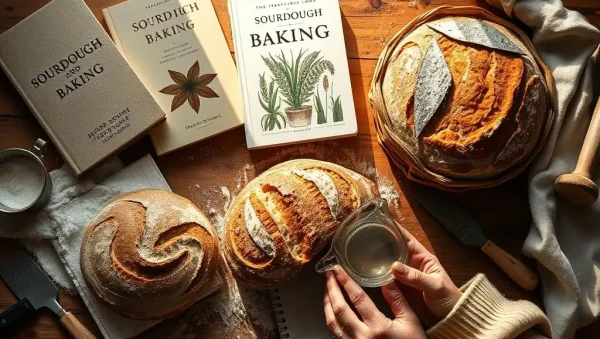
😊 Discover how to select the best sourdough baking book with our comprehensive best sourdough baking book review. BakeWithEase.com helps you find…
Read article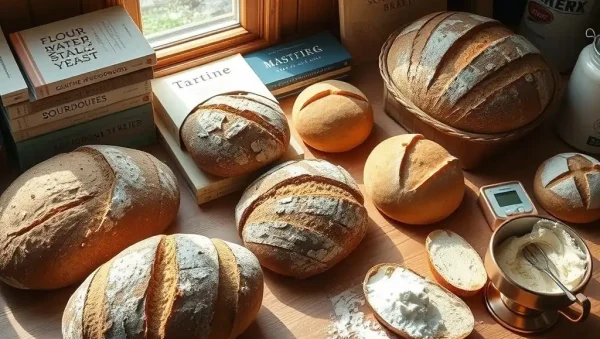
😊 Discover the top Sourdough baking books for beginners on BakeWithEase.com, your ultimate guide to mastering perfect sourdough techniques. These books offer…
Read article
✨ Unlock the secrets of expert sourdough baking with our top Sourdough Baking Books for Advanced techniques. Perfect for dedicated bakers eager…
Read article
🌟 Discover the ultimate guide with our Best Sourdough Baking Books Review, showcasing top titles that will elevate your baking skills. Perfect…
Read article
🌟 Unlock the world of baking with our curated list of sourdough books for beginners, revealing hidden gems that elevate your skills…
Read article
🌟 Discover the top Sourdough starter beginner books on BakeWithEase.com, your ultimate resource for mastering sourdough baking. Perfect for beginners, these books…
Read article
😊 Discover the ultimate guide with our Best Sourdough Baking Books Review at BakeWithEase.com, featuring top picks, expert tips, and straightforward techniques…
Read article
😊 Discover the top insights in our Best Sourdough Baking Books Review, guiding bakers of all levels through expert techniques, simple recipes,…
Read article
😊 Discover the top sourdough baking books for beginners on BakeWithEase.com, your ultimate guide to mastering sourdough. Perfect for bakers of all…
Read article
🌟 Discover the best sourdough books for beginners with BakeWithEase.com, your ultimate resource for mastering sourdough baking through simple recipes, expert techniques,…
Read article
😊 Unlock your baking potential with "Build Your Sourdough Skills," featuring top books that guide you through sourdough starter troubleshooting and advanced…
Read article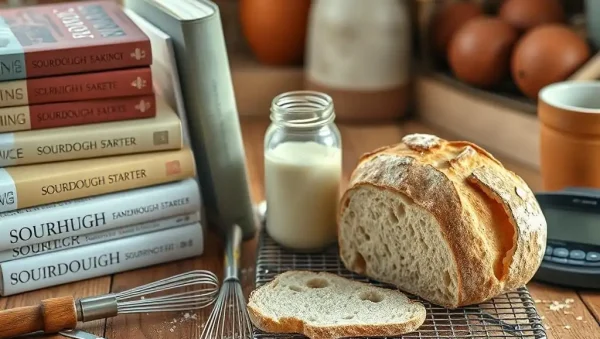
😊 Discover the best sourdough baking books review at BakeWithEase.com, blending essential theory and practical techniques. Perfect for bakers of all levels,…
Read articleWhether you’re just starting your bubbling starter or you’re a seasoned loaf-shaper, finding the right guide can make or break your sourdough journey. At BakeWithEase, our curated subcategory on sourdough baking books bridges the gap between intimidating, complex methods and simple, accessible techniques. From rustic country loaves to delicate sourdough pastries, these books are chosen to transform your kitchen into a bakery-grade workspace, helping you master fermentation, hydration, and scoring with confidence. Dive in to find the perfect companion for your flour-dusted countertop.
If you’ve ever felt overwhelmed by feeding schedules and bubbling jars, this is your safe landing spot. These books focus on simple recipes with clear, step-by-step photography that demystify the starter process. Expect to learn how to create your own starter from scratch, troubleshoot common pitfalls like hooch or a lazy rise, and bake your first no-knead loaf with a crisp crust and airy crumb. Authors emphasize patience and small-batch experiments, ensuring you build muscle memory without wasting ingredients. Perfect for busy home bakers who want consistent, delicious results without a science degree.
Beyond just recipes, these guides include visual timelines for fermentation and beginner-friendly hydration charts. You’ll discover why a 70% hydration dough feels different from an 80% one, and how to adjust based on your local climate. Many also offer “starter rescue” sections, turning failures into learning moments. By the end of your first week, you’ll be confidently shaping boules and banneton baskets, ready to move to intermediate techniques.
For the baker who already has a reliable loaf, these books dive deep into autolyse, cold proofing, and high-hydration doughs. You’ll explore lamination methods for enriched sourdough, such as panettone or brioche twists, and learn how to manipulate time and temperature for signature open crumbs. Expect detailed essays on flour science, gluten development, and even how to use a Dutch oven vs. a baking stone. These texts are written by professional bakers who share their micro-bakery secrets, including scoring patterns for ear development and steaming tricks for home ovens.
Advanced books also cover flour milling and grain blends, from einkorn to spelt, helping you craft unique flavor profiles. You’ll find chapters on sourdough discard utilization, turning leftovers into crackers, pancakes, and even pasta. With troubleshooting charts for dense loaves, gummy centers, or over-proofing, these resources act like a mentor by your side. If you’re aiming to enter competitions or open a home bakery, these are non-negotiable reads.
Sourdough isn’t just for loaves—it’s a versatile leavening agent for flaky croissants, chewy bagels, and artisan pizza. This niche section focuses on books that repurpose your ripe starter into sweet and savory creations. You’ll learn lamination with cold butter, poolish pre-ferments for focaccia, and how to develop gluten for thick-crust Sicilian pies. Each recipe includes fermentation windows that fit your schedule, whether you’re doing a same-day bake or a three-day cold ferment. Many books also highlight sourdough cakes, muffins, and even crackers, making your starter work around the clock.
These guides often include seasonal variations, such as pumpkin sourdough scones or herb-infused flatbreads, keeping your baking exciting. Expect QR codes linking to video tutorials for tricky folds or shaping techniques. You’ll also gain insights into minimal-waste baking, using every part of the starter and flour. Perfect for hobbyists who love variety, these books turn your routine into a playground of flavor and texture.
Ever wondered why your grandmother’s starter tastes different from a store-bought one? This category explores the microbiology of sourdough—from wild yeast strains to lactic acid bacteria—and how they interact with flour type, humidity, and altitude. Books here are part textbook, part narrative, featuring interviews with bakers from San Francisco to the Alps. You’ll understand the “why” behind every step, from feeding ratios to peak activity times, empowering you to adapt any recipe to your environment. Charts on pH levels and fermentation curves make complex concepts approachable.
Historical perspectives cover ancient grains and traditional methods, such as wood-fired ovens and stone milling. Many authors include personal stories of their own trials, making the science feel human. This is ideal for the curious baker who wants to troubleshoot problems scientifically rather than through guesswork. You’ll also find a chapter on maintaining a decades-old starter, including drying and reviving techniques for long-term storage. A must-read for anyone who views baking as a lifelong craft.
Sometimes you just need a direct answer, not a 300-page dissertation. This subcategory highlights concise, spiral-bound guides that live on your countertop as a constant companion. These books feature at-a-glance charts for hydration percentages, proofing times, and oven temperatures, plus a “symptom → cause → fix” index for common disasters like flat tops, burnt bottoms, or sticky dough. Ideal for busy weekdays, each recipe takes up a single page with minimal fluff. You’ll also find quick cheat-sheets for scaling recipes up or down and converting between metric and imperial units.
Many of these guides include troubleshooting flowcharts for over-proofed or under-proofed dough, saving you from wasted flour. They also offer freezer-friendly methods for storing dough balls, so you can bake fresh bread any night. For those who bake infrequently but want consistent results, these books reduce guesswork significantly. Pair one with a standard bread cookbook, and you’ll have a powerful duo that covers both theory and practicality. Perfect for gift-giving, too!
Tartine Bread by Chad Robertson is a classic, but for simpler visuals, try The Perfect Loaf by Maurizio Leo. It breaks down each step with photos and includes a robust FAQ section. For a truly gentle start, Sourdough School by Vanessa Kimbell offers weekly schedules and troubleshooting support.
Yes, but expect a softer crumb and less structured crust. Whole wheat or bread flour boost gluten development. For best results, mix 50% all-purpose with 50% bread flour and increase hydration slightly. Many books in this subcategory offer flour blend charts to guide you.
Over-proofing due to inconsistent room temperature. Most recipes assume 70–75°F (21–24°C). If your kitchen is cooler, extend bulk fermentation; if warmer, shorten it. Use a dough thermometer and mark your container to track rise accurately, as recommended in advanced guides.
Absolutely. Sourdough introduces complex flavors and better digestibility, but it requires patience. A good book teaches you the fermentation rhythm, which differs from commercial yeast. You’ll also learn to enhance your regular yeast recipes using a small sourdough add-in for depth.
Whole wheat books focus on higher hydration and shorter proofing times due to bran interference. White flour books prioritize extensibility and scoring. If you like both, pick a generalist like Flour Water Salt Yeast by Ken Forkish, which covers mixed flours with clear guidance for each type.