Master Your Baking with Nutritional Calculator Apps for Baking Recipes
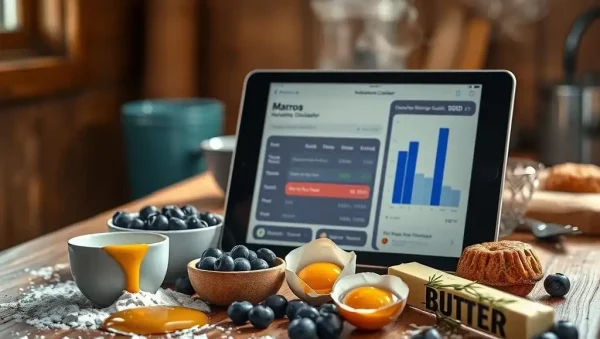
Welcome to BakeWithEase’s dedicated corner for nutritional calculator apps designed specifically for baking recipes. Whether you are a home baker tracking macros or a professional pastry chef managing dietary restrictions, these digital tools transform raw ingredients into precise nutritional data. Here, we explore how these apps simplify recipe analysis, portion control, and health-conscious baking—all while maintaining the delicious integrity of your favorite treats.
🍰 Why You Need a Nutritional Calculator for Baking
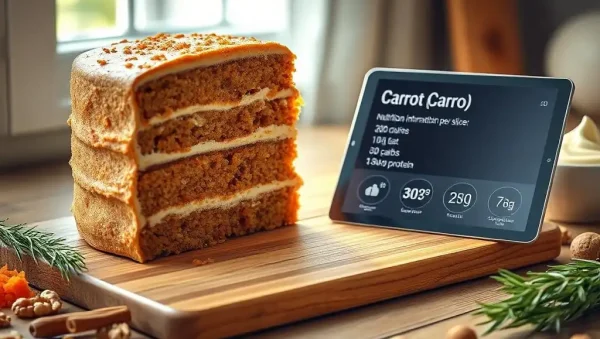
Baking is a science of ratios—flour, sugar, fats, and leaveners—and those exact measurements significantly impact calorie counts and macronutrient profiles. Unlike cooking, where you can adjust on the fly, baked goods demand accuracy. A dedicated nutritional calculator app lets you input each ingredient, adjust serving sizes, and instantly see per-slice or per-cookie values. This is especially vital for bakers managing diabetes, gluten-free diets, or high-protein lifestyles. Accurate data means you can enjoy your bread or cake without guesswork, turning indulgence into informed choice.
These apps often include extensive databases with brand-specific items, from almond flour to erythritol, ensuring every component is accounted for. Many also support recipe scaling—double the batch, and the app recalculates all nutrients automatically. For bakers who sell goods, this helps in creating compliant nutrition labels. Say goodbye to manual spreadsheet math and hello to streamlined, error-free analysis that keeps your baking both tasty and transparent.
📊 Key Features to Look for in Baking Nutrition Apps
Not all calculators are created equal, especially for baking. The best apps offer a comprehensive food database that includes baking-specific items like yeast, baking powder, and specialty flours. Look for features like recipe import from URLs—paste a link to a sourdough recipe, and the app extracts ingredients automatically. Also, prioritize apps with custom ingredient creation, allowing you to save your own flour blend or homemade nut butter for precise future use.
Portion flexibility is another must-have. You should be able to define a serving size by grams, slices, or even a whole loaf. Advanced apps provide macronutrient breakdowns (protein, carbs, fats) and micronutrients like sodium and fiber, which are crucial for heart-healthy or keto baking. Cloud sync and mobile compatibility mean your recipe library travels with you, making it easy to check nutrition while shopping or baking. Finally, consider apps with barcode scanning for packaged ingredients—a timesaver when using store-bought items.
🧁 Top Use Cases: From Diabetic-Friendly Cakes to Keto Breads
For diabetic bakers, controlling sugar spikes is non-negotiable. Nutritional calculator apps that allow you to swap sugar for stevia or monk fruit and see the glycemic impact are game-changers. You can adjust fiber content to understand net carbs, which is essential for keto or low-carb baking. Similarly, gluten-free bakers often use blends of rice, tapioca, and potato flours—these apps help track the unique nutrient profile of each blend, ensuring you don’t miss out on iron or B vitamins.
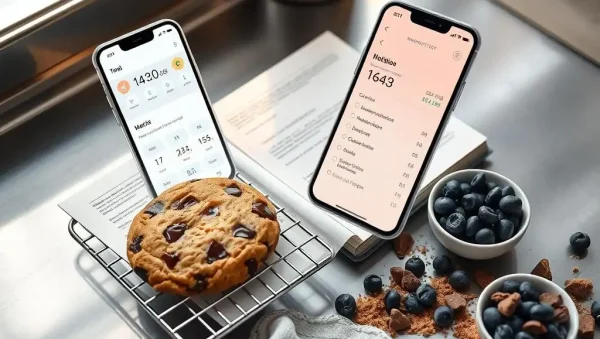
Sports nutritionists and fitness enthusiasts also rely on these tools to craft protein-packed baked snacks, like almond flour muffins with whey protein. By entering each ingredient, you can hit precise daily macro targets. Every batch of cookies becomes a data point in your healthy lifestyle plan, not a wildcard. Whether you’re baking for a school fundraiser with allergy-safe items or prepping meal-prep breakfast bars, these apps offer the clarity needed to bake confidently for any dietary need.
⚙️ How to Integrate a Nutritional Calculator into Your Baking Workflow
Start by selecting an app that your smartphone supports—most are cross-platform. Begin with a simple recipe, like your basic vanilla sponge. Input each ingredient, using grams for precision rather than cups. As you add items, the app builds a running total. Always double-check serving size—if your recipe yields 12 muffins but you usually eat 2, set the app to calculate per 2 muffins. Save the recipe with a name and date, building a searchable library over time.
For bakers who develop original recipes, use the app to iterate. Adjust flour type or fat quantity, and watch the nutritional impact in real-time. This is invaluable when optimizing for higher protein or lower sodium. Many apps also export data to PDF or CSV, which is perfect for attaching to product labels or sharing with a dietitian. Incorporate the app into your pre-bake checklist—weigh, input, verify—and you’ll never wonder about calories again. Consistency turns you from a casual baker into a nutrition-savvy artist.
🔍 Comparing Popular Apps: MyFitnessPal, Cronometer, and Whisk
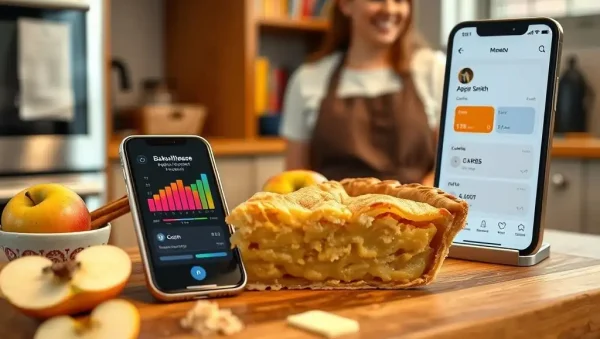
MyFitnessPal remains a favorite due to its massive database and ease of use, though its baking-specific custom entries can be clunky. Cronometer excels in micronutrient detail, offering comprehensive vitamin and mineral profiling—ideal for serious health trackers. For recipe-centric workflows, Whisk (now Samsung Food) stands out with its seamless recipe import and meal planning, though its nutritional data may be less exhaustive than Cronometer. Consider also specialized apps like Lose It! which now includes barcode scanning and recipe calculators.
When comparing, think about your primary goal: if it’s macro counting for weight loss, MyFitnessPal’s social features and barcode scanner are strong. For precise micronutrients to manage deficiency, Cronometer is superior. For quick recipe conversion and cloud storage, Whisk integrates directly with your shopping list. Test the free versions first to see which interface feels natural. No single app fits every baker, so prioritize the one that reduces friction in your daily routine and keeps your data accurate.
📱 Mobile vs. Desktop: Choosing the Right Platform
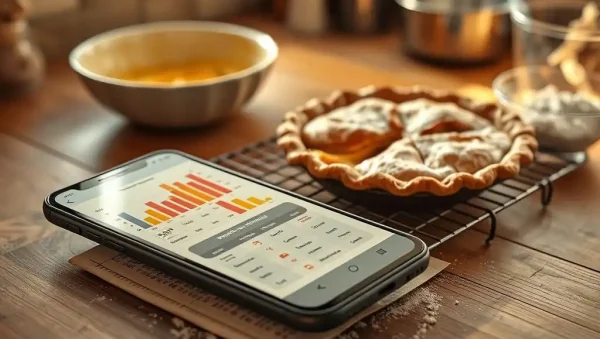
Mobile apps are indispensable in the kitchen—you can have your phone propped against a flour bag while you weigh ingredients. They offer touch-friendly interfaces, camera-based barcode scanning, and often offline mode. Desktop versions, on the other hand, are superior for extensive recipe libraries and data exports. If you manage a baking blog, a web-based calculator allows you to quickly compute nutrition facts for multiple recipes without switching screens.
Many apps sync seamlessly between mobile and web, so you can input a complex multi-ingredient sourdough formula on your laptop, then access it on your tablet near the oven. Consider battery life—long bakes drain phones—so a desktop or laptop connection can be more stable. Ultimately, the best choice is the one you’ll use consistently. Hybrid users often enjoy the flexibility of starting on one device and continuing on another, so look for apps with robust cross-platform support and automatic synchronization.
Frequently Asked Questions
Can I use a nutritional calculator app for any baking recipe?
Yes, these apps work with virtually any recipe, from simple sugar cookies to complex laminated pastries. You manually input each ingredient or import the recipe from a URL. As long as you have accurate measurements, typically in grams, the app will calculate the nutritional breakdown per serving.
How do I determine the correct serving size for nutrition calculation?
First, weigh the finished baked item in grams. Then, decide how many serves you want—for example, 10 slices. Divide the total weight by the number of servings to get grams per serving. Enter this in the app, and it will display nutrients per serving accordingly.
Are nutritional values from these apps always accurate?
Most apps rely on USDA food databases, which are highly accurate. However, variance can occur if you use brand-specific packaged goods, as sodium and sugar can vary. Always check the label of unique ingredients and update custom entries to improve accuracy over time.
Can these apps help with allergy-friendly baking substitutions?
Absolutely. By allowing you to swap ingredients, you can see the nutritional difference between, say, wheat flour and almond flour. This helps you adjust for higher protein or lower carbs, and you can verify that your substitution doesn’t unintentionally add allergens like soy or dairy.
Do I need an internet connection for nutritional calculation?
No, not always. Most premium apps offer offline mode where you can access your saved recipes and the core database. However, new ingredient lookups and barcode scanning typically require an internet connection. Download your essential recipes and ingredients before baking if you’re offline.