
The Essential Legal Checklist for Your Sweet Home Bakery Business

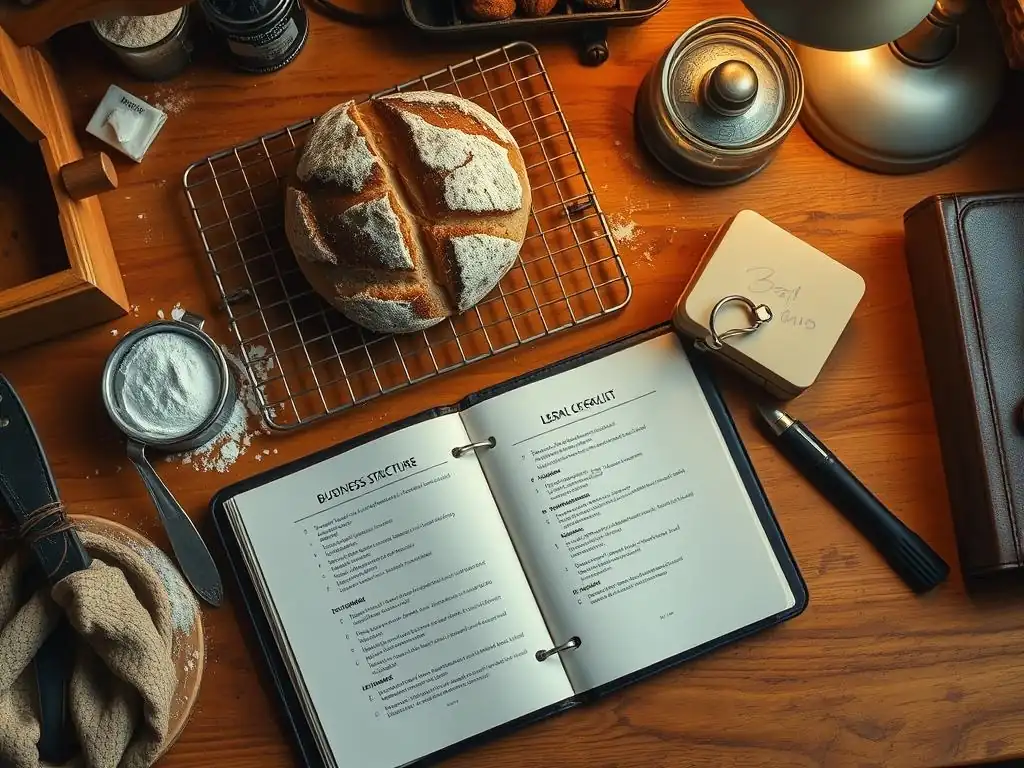
Welcome to BakeWithEase, where turning your passion for baking into a thriving home business becomes a reality! Ever dreamed of sharing your delicious creations with the world, but felt overwhelmed by the legal aspects? You're in the right place. Dive into our guide, " The Essential Legal Checklist for Your Sweet Home Bakery Business," and discover the crucial steps to protect your passion and ensure your sweet success is built on a solid foundation. What crucial permits are you missing that could jeopardize your dream bakery? Let's find out!
- The Essential Legal Checklist for Your Home Bakery Business
- Starting Your Home Bakery: A Legal Checklist Overview
- Key Legal Requirements for Home Bakeries
- Obtaining Necessary Permits and Licenses for Your Bakery Business
- Setting Up Your Business Structure Legally
- Labelling and Packaging Requirements for Baked Goods
- Home Bakery Insurance: Protecting Your Business
- Tax Obligations for Your Home Bakery Business
- Protecting Your Recipes and Brand
- Legal Considerations for Selling Online
- Staying Compliant: Regular Legal Check-Ups
-
Frequently Asked Questions
- How do I ensure my home bakery business complies with local regulations?
- What type of business structure is best for my home bakery?
- What kind of insurance do I need for my home bakery?
- How do I protect my recipes and branding as a home baker?
- What legal considerations are important regarding food labeling for my bakery items?
- Final Reflection: Baking Up Success: Legalities and Your Sweet Dreams
- Launch Your Baking Empire: Next Steps for Sweet Success!
The Essential Legal Checklist for Your Home Bakery Business
Starting Your Home Bakery: A Legal Checklist Overview
Why a Legal Checklist is Crucial for Your Home Baking Business
Embarking on the journey of a home bakery business is exciting, filled with the aroma of fresh bakes and the joy of sharing your passion. However, overlooking the legal side can turn your sweet dream into a sour reality. A comprehensive legal checklist isn't just bureaucratic red tape; it's your shield against potential fines, lawsuits, and operational shutdowns.
Imagine investing time and money into perfecting your recipes, building a customer base, only to face penalties because you weren't aware of a required permit or labeling rule. Non-compliance can lead to significant financial losses, damage your reputation, and even force you to close your doors permanently.
Furthermore, having your legal ducks in a row builds trust with your customers and local authorities. It signals professionalism and a commitment to operating responsibly. When customers know you adhere to food safety standards and business regulations, they feel more confident purchasing from you. For instance, in many states, displaying a required disclaimer on your packaging shows transparency. A solid legal foundation provides peace of mind, allowing you to focus on what you love most: baking delicious treats. It's the essential first step in establishing a credible and sustainable home bakery business.
Legally Sound Home Baking: A Comprehensive Guide
Navigating the legal landscape for a home-based food business can feel overwhelming, touching upon various areas from business registration and food safety to taxes and intellectual property. This guide serves as a structured approach, breaking down the complexities into manageable steps. Think of it as your step-by-step recipe for legal compliance, ensuring you don't miss any critical ingredients. We'll cover everything from understanding specific cottage food laws in your area to figuring out how to handle sales tax on your delightful creations.
Following a comprehensive bakery business legal checklist helps demystify the process. Instead of feeling lost in a maze of regulations, you'll have a clear path to follow. Each section addresses a specific legal aspect, explaining its importance and the typical steps involved. By systematically working through this guide, you can confidently establish your home bakery on firm legal ground, avoiding common pitfalls and setting yourself up for success.
Key Legal Requirements for Home Bakeries
Understanding Cottage Food Laws for Home-Based Bakeries
Cottage food laws are specific regulations that allow individuals to produce and sell certain types of food from their home kitchens without needing a full commercial kitchen license. These laws vary dramatically from state to state within the US, and similar regulations exist in other countries/regions.
They typically define what types of food are allowed (often non-potentially hazardous items like baked goods, jams, jellies, candies), set limits on annual gross sales (which can range from $15,000 to over $250,000 depending on the state), and specify where products can be sold (farmers' markets, online, direct from home, retail stores). It's crucial to understand your specific state's definition of "baked goods" under these laws; for example, some states permit fruit pies but prohibit cream-filled pastries due to potential temperature control issues.
To comply, you must first identify the specific cottage food laws applicable in your state and potentially your county or city, as local regulations can sometimes add further restrictions. For example, Texas's cottage food law allows sales up to $200,000 annually and permits sales from the producer's home, farmers' markets, and online, requiring specific labeling and a food handler's permit, but generally exempting operations below the sales cap from routine state health inspections. In contrast, a state like New Jersey has stricter limits and rules.
You typically need to register with the state's health or agriculture department, potentially pay a fee, and adhere strictly to the allowed food list and sales channels. Failing to comply with these specific rules means you are operating illegally and could face penalties.
Complying with Food Safety Regulations for Baked Goods
Even under cottage food laws, maintaining strict food safety practices is non-negotiable and often legally required. While your home kitchen might not be subject to the same level of inspection as a commercial facility (depending on state law and sales volume), basic hygiene and safety principles must be followed. This includes ensuring anyone handling food has clean hands and surfaces, preventing cross-contamination between raw ingredients and finished products, and properly storing ingredients like dairy or eggs at safe temperatures before they are baked. Pest control is also vital; your kitchen area must be free from rodents and insects.
Specific legal requirements often mandate that the area used for food production must be kept clean and separate from domestic use during business operations. This might involve designating specific shelves for business ingredients or scheduling baking times when family cooking is not occurring. Some laws require detailed records of ingredients and suppliers for traceability in case of a food safety issue.
While a full HACCP plan (Hazard Analysis and Critical Control Points) might not be required for small home bakeries, understanding basic critical control points – like ensuring baked goods reach a safe internal temperature – is essential. Adhering to these safety standards protects your customers and mitigates your liability, forming a key part of your bakery business legal checklist.
Obtaining Necessary Permits and Licenses for Your Bakery Business

Business License Requirements for Selling Baked Goods from Home
Almost every city, county, or state requires any individual or entity conducting business to obtain a general business license or permit. This registers your business with the local government and acknowledges your intent to operate legally within their jurisdiction. Even if you operate solely from your home and online, you are still conducting business activities that require this basic registration. The process typically involves applying through your local government's business or revenue office, providing basic information about your business, and paying a registration fee.
The cost and specific requirements for a business license vary widely. For example, a city business license might cost anywhere from $25 to several hundred dollars annually. Some municipalities also require a separate "home occupation permit" to ensure your home-based business doesn't disrupt the residential neighborhood through excessive traffic, noise, or signage. This permit ensures that your bakery business operations remain low-impact. Obtaining your general business license is a foundational step on your bakery business legal checklist, signaling to your local government that you are operating legitimately.
Food Handler Permits: Requirements for Home Bakers
Many jurisdictions require individuals who prepare, serve, or handle food for public consumption to obtain a food handler permit or card. This demonstrates that you have completed basic training in food safety principles and practices, such as proper handwashing, temperature control, and preventing cross-contamination. Even if your state's cottage food law exempts you from some commercial kitchen requirements, it often still mandates or strongly recommends that the operator possess a valid food handler permit.
Obtaining a food handler permit is usually straightforward. It involves completing an accredited food safety course, often available online, which typically takes between one to three hours. After the course, you must pass a short test on the material. The cost is relatively low, commonly ranging from $10 to $30, and the permit is valid for a set period, usually two to five years, requiring renewal. Having this permit is a crucial part of your bakery business legal checklist, proving your commitment to safe food handling practices and often being a legal prerequisite for selling food, even from home.
Understanding Zoning Laws for Home-Based Food Businesses
Zoning laws dictate how properties within a municipality can be used – typically categorized as residential, commercial, industrial, etc. Operating a business from a residential property can sometimes conflict with zoning ordinances designed to preserve the residential character of a neighborhood. These laws regulate aspects like the type of business allowed, the number of employees who are not residents of the home, customer traffic, parking, noise levels, and signage.
For a home bakery, it's essential to check your local zoning ordinances to ensure your operation is permitted. Many municipalities have specific "home occupation" rules that allow certain low-impact businesses in residential areas under strict conditions.
These conditions might include limits on the percentage of home space used for the business, restrictions on external signage, prohibitions on retail customer visits (if sales are solely online or at markets), and rules about storing inventory or equipment. Contacting your local planning or zoning department is the best way to confirm compliance; operating in violation of zoning laws can lead to fines or cease and desist orders.
Setting Up Your Business Structure Legally
Choosing the Right Business Structure: Sole Proprietorship vs. LLC for Bakeries
Selecting a legal structure for your home bakery is a critical decision with implications for liability, taxes, and paperwork. The simplest structure is a Sole Proprietorship, where you are the business, and there is no legal distinction between you and your business. This is the default structure if you don't register otherwise, easy to set up with minimal paperwork. However, the major drawback is unlimited personal liability; your personal assets (savings, home, car) are at risk if your business incurs debt or faces a lawsuit.
A popular alternative offering more protection is the Limited Liability Company (LLC). An LLC is a separate legal entity from its owner(s). This structure provides personal liability protection, meaning your personal assets are generally shielded from business debts and lawsuits.
If someone gets sick from your product or sues your business, your personal property is typically protected. While setting up an LLC involves more initial paperwork and costs (state filing fees can range from around $50 to over $800 depending on the state, plus potential annual fees), the liability protection it offers is often well worth the investment for a bakery business selling to the public.
Registering Your Bakery Business Name Legally
Once you've chosen your business structure, registering your business name is a necessary legal step. If you operate under a name other than your personal legal name (e.g., "Sweet Delights Bakery" instead of "Sarah Johnson"), you will likely need to register a "Doing Business As" (DBA), "Fictitious Name," or "Trade Name." This process makes your business name a matter of public record, allowing customers, suppliers, and government agencies to identify the legal owner of the business operating under that name.
DBA registration is typically done at the state or county level. It usually involves searching to confirm that the name isn't already in use within your jurisdiction and filing a simple form along with a fee (often between $10 and $100). While a DBA registers your business name, it does not create a separate legal entity or provide liability protection; for that, you would need to form an LLC or Corporation. Registering your business name legally is a fundamental requirement on your bakery business legal checklist and allows you to open a business bank account under that name.
Labelling and Packaging Requirements for Baked Goods
Legal Guidelines for Food Labels: Ingredients, Allergens, and Nutrition Facts
Accurate and compliant labeling is paramount for consumer safety and a strict legal requirement for selling food. Your labels must include the name of your food product and the name and address of your business. Crucially, you must list all ingredients in descending order by weight. This is vital for consumers with dietary restrictions or allergies. Major food allergens, such as wheat, milk, eggs, soy, peanuts, tree nuts, fish, and shellfish, must be clearly declared on the label, often immediately following or within the ingredient list.
For home bakeries operating under cottage food laws, many states require a specific disclaimer statement on the label, such as "Made in a home kitchen that is not subject to state food safety inspections" or similar wording mandated by your state's specific law. While full FDA-style Nutrition Facts panels are often not required for small businesses or those operating under certain exemptions (like the Nutrition Labeling and Education Act exemption for businesses with less than $50,000 in annual food sales), making any nutritional claims (e.g., "low sugar," "good source of fiber") will trigger the requirement for a full panel.
Always verify your state's specific labeling requirements to ensure compliance.
Packaging Compliance: Ensuring Food Safety and Legal Standards
The packaging you use for your baked goods must not only be appealing but also meet food safety and legal standards. Packaging materials that come into direct contact with food must be food-grade, meaning they are safe for intended use and won't leach harmful substances into the food. Packaging should effectively protect the product from contamination during handling, transport, and sale, preventing exposure to environmental contaminants, pests, or physical damage.
Legally compliant packaging should be clean, durable, and appropriate for the type of baked good. For instance, items that require refrigeration before sale (if permitted under your state's cottage food law) need packaging that maintains temperature. Labels containing all legally required information (ingredients, allergens, disclaimer, business info) must be securely affixed and clearly legible on the packaging. Proper sealing is also important to maintain freshness and prevent tampering. Using appropriate, safe packaging is a critical component of your bakery business legal checklist, safeguarding both your product's quality and your customers' health.
Home Bakery Insurance: Protecting Your Business

Why Insurance is Essential for Your Home Bakery Business
Operating a home bakery, like any business, carries inherent risks. Despite your best efforts, accidents can happen. A customer picking up an order might trip and fall on your property, leading to a liability claim. Even more specific to food businesses, there's the risk of a customer alleging food poisoning or an allergic reaction due to your product, potentially resulting in a costly lawsuit. Without adequate insurance, these incidents could lead to significant financial burdens, potentially wiping out your business savings and even threatening your personal assets, especially if you operate as a sole proprietorship.
Insurance acts as a vital safety net, providing financial protection against claims and lawsuits arising from your business operations. It can cover legal defense costs, settlements, or judgments, preventing a single incident from devastating your business. While it's an added expense, the cost of premiums is typically far less than the potential cost of a lawsuit. Including insurance considerations is a non-negotiable item on your bakery business legal checklist for mitigating risk and ensuring the longevity of your sweet enterprise.
Types of Insurance Needed: Liability, Property, and Product Coverage
For a home bakery, several types of insurance should be considered. General Liability Insurance is crucial; it covers claims of bodily injury or property damage occurring on your business premises (which includes the portion of your home used for business) or as a result of your business activities, excluding the consumption of your product. For example, if you accidentally damage a customer's property during a delivery or a visitor is injured during a business-related visit to your home.
Product Liability Insurance is arguably the most critical for a food business. This coverage specifically protects you from claims of illness, injury, or death caused by the consumption of your baked goods.
If a customer claims they got food poisoning or had a severe allergic reaction because an allergen wasn't properly declared, this insurance would cover the associated legal and medical costs. Additionally, your homeowner's insurance policy typically does not cover business property or losses, so you might need separate business property insurance to protect your ingredients, equipment (like commercial mixers or ovens), and finished inventory against theft, fire, or other covered perils.
Tax Obligations for Your Home Bakery Business
Understanding Sales Tax for Baked Goods
Tax laws for food sales can be complex and vary significantly depending on your state and locality. In many areas, basic groceries are exempt from sales tax, while "prepared foods" or food sold for immediate consumption is taxable. Whether your baked goods fall into the taxable category often depends on factors like how they are sold (e.g., individual servings vs. whole cakes) and your state's specific definitions. For example, a state might tax a single cookie sold at a market but not a dozen cookies sold in a box.
It is essential to determine your sales tax obligations before you begin selling. You will likely need to register for a sales tax permit (also known as a seller's permit or resale certificate) with your state's Department of Revenue or equivalent agency. This permit allows you to legally collect sales tax from your customers at the point of sale.
You are then responsible for remitting the collected sales tax to the state at specified intervals (e.g., monthly, quarterly, or annually). Failing to register or collect and remit sales tax can result in significant penalties, interest, and legal issues, making it a vital part of your bakery business legal checklist.
Reporting Income and Expenses for Your Home Bakery: A Tax Guide
As a home bakery business owner, you are legally obligated to report your business income and expenses to the relevant tax authorities, such as the IRS in the United States. Even if you operate as a sole proprietorship, your business's financial activity must be reported on your personal income tax return, typically using forms like Schedule C (Profit or Loss from Business) on Form 1040. This requires meticulous record-keeping throughout the year, tracking all sales revenue and every deductible business expense.
Common deductible expenses for a home bakery include the cost of ingredients (flour, sugar, butter, etc. ), packaging materials, supplies (parchment paper, piping bags), a portion of your home's utility costs if you qualify for the home office deduction, business insurance premiums, marketing costs, professional fees (like accounting or legal), and depreciation on business equipment.
Keeping accurate records not only helps you comply with tax laws but also allows you to minimize your tax liability by claiming all eligible deductions. Depending on your expected tax liability, you may also be required to make estimated tax payments quarterly to avoid penalties.
Protecting Your Recipes and Brand

Copyrighting Your Original Recipes
Protecting your unique recipes can be tricky under intellectual property law. While a simple list of ingredients is generally not eligible for copyright protection (as it's considered a factual listing), the expression of your recipe can be. This includes the detailed written instructions, the specific method described, accompanying descriptive text, and any original photographs you create of your baked goods. This means someone can take your ingredient list and bake a similar item, but they cannot legally copy your unique prose, step-by-step guide, or photos without your permission.
Formal copyright registration with the U.S. Copyright Office (or equivalent in your country) provides stronger legal recourse if someone infringes on the protected elements of your recipe expression or photos.
While copyright protection technically exists from the moment the original work is fixed in a tangible form (like writing it down), registration is required before you can file a lawsuit for infringement and allows you to seek statutory damages and attorney fees. For most home bakers, protecting the brand and customer loyalty through quality and unique offerings is often a more practical focus than formal recipe copyright, though protecting your original photos used for marketing is highly advisable.
Trademarking Your Bakery Business Name and Logo
Your bakery business name and logo are key components of your brand identity. Trademark law protects these identifiers, preventing others from using a confusingly similar name or logo in the same industry (like selling baked goods) that could mislead customers. Registering a trademark provides you with exclusive rights to use that mark nationwide (with federal registration via the USPTO in the US) or within your state (with state registration). This is a crucial step in building brand recognition and preventing others from capitalizing on your reputation.
The trademark registration process involves conducting a thorough search to ensure your desired name and logo are not already in use or registered by someone else in a similar category. You then file an application with the relevant trademark office (state or federal), providing specimens of how you use the mark in commerce. The application is examined by an attorney, and if approved, the mark is published for opposition.
Federal registration can take several months to over a year and involves fees (currently starting around $250-$350 per class of goods/services for federal registration). A registered trademark is a valuable asset and a critical item on your bakery business legal checklist for long-term brand protection.
Legal Considerations for Selling Online
Website Terms and Conditions for Online Bakeries
If you sell your delectable baked goods through your own website, having clear and legally sound Terms and Conditions (often called Terms of Service or T&Cs) is essential. These terms form a contract between you and your website users and customers, outlining the rules and expectations for using your site and purchasing your products. Your T&Cs should cover important aspects such as how orders are processed, payment terms, your cancellation and refund policies (especially important for custom orders), and detailed information about shipping or delivery, including disclaimers about potential issues during transit (like breakage).
Terms and Conditions serve to protect your business by defining the scope of your services, setting expectations for customer behavior, and limiting your liability in certain situations. For an online bakery, it's particularly important to include disclaimers regarding potential allergens, cross-contamination risks (even if you bake in a dedicated space), and variations in product appearance. Having easily accessible T&Cs on your website is not only legally advisable but also builds trust with customers by being transparent about your business practices.
Privacy Policies and Data Protection for Online Customers
Any website that collects personal information from its users – which includes virtually all e-commerce sites gathering names, addresses, email addresses, and payment details – is legally required to have a Privacy Policy. This document informs users about what personal data you collect, how you collect it, why you collect it, how you use it, how you store and protect it, and the rights users have regarding their data (like accessing or requesting deletion of their information).
Data protection laws, such as GDPR in Europe or CCPA in California, impose specific requirements regarding transparency, consent, and data handling. While these specific laws may not apply to all home bakeries, having a clear and comprehensive privacy policy is a standard legal requirement and a best practice for building customer trust. Failure to have a privacy policy or to adequately protect customer data can lead to significant legal penalties and reputational damage. Ensure your policy is easily found on your website and accurately reflects your data collection and usage practices.
Staying Compliant: Regular Legal Check-Ups
Keeping Up-to-Date with Changing Food Laws and Regulations
The legal landscape, particularly concerning food safety and cottage food operations, is not static. Laws and regulations can change based on new research, public health events, or legislative action. For example, a state might amend its cottage food law to allow new types of products, increase sales limits, or impose new labeling requirements. What was compliant when you started your business might not be compliant a few years down the road.
Therefore, it is crucial to make regular legal check-ups a part of your business routine. This involves proactively monitoring updates from relevant government agencies, such as your state's Department of Health, Department of Agriculture, and local business licensing offices. Subscribing to newsletters or alerts from these agencies, or from reliable industry associations, can help you stay informed about changes that could impact your home bakery business legal checklist. Staying informed is key to preventing accidental non-compliance.
Maintaining Food Safety Certification
If your state or local laws require you or your employees to hold a food handler permit or a more advanced food safety certification (like ServSafe), it's important to note that these certifications typically have expiration dates. Maintaining a current certification demonstrates your ongoing commitment to understanding and implementing safe food handling practices, which is paramount for preventing foodborne illnesses.
Renewing your food safety certification usually involves completing a refresher course and passing an updated exam before your current certification expires. This ensures you are knowledgeable about the latest food safety guidelines and best practices. Making sure your certification is always current is not just a potential legal requirement but also a critical aspect of maintaining the trust of your customers and upholding the reputation of your home bakery business.
Frequently Asked Questions
How do I ensure my home bakery business complies with local regulations?
The first step is to research your local and state laws regarding food businesses. This includes permits, licenses, and zoning regulations. Make sure to check with your city or county health department for specific requirements.
What type of business structure is best for my home bakery?
Choosing a business structure depends on your liability and tax considerations. Options include sole proprietorship, LLC, or corporation. Consult with a legal or financial professional to determine the best fit.
What kind of insurance do I need for my home bakery?
Generally, you'll need general liability insurance to protect against accidents or injuries. Product liability insurance is also important in case someone gets sick from your baked goods. Check your homeowner's insurance policy as well.
How do I protect my recipes and branding as a home baker?
You can protect your branding by trademarking your business name and logo. While recipes are difficult to copyright directly, you can protect unique written instructions or presentations. Seek legal advice for complex situations.
What legal considerations are important regarding food labeling for my bakery items?
Accurate food labeling is crucial for allergen information, ingredients, and nutritional facts. Complying with FDA regulations ensures transparency and protects your customers. Check your state regulations for local requirements.
Final Reflection: Baking Up Success: Legalities and Your Sweet Dreams
Navigating the legal landscape is crucial for any bakery's success, and understanding the essential requirements isn't just about avoiding trouble; it's about building a sustainable and thriving business. Ignoring these legal necessities can lead to significant setbacks, even the closure of your dream bakery. This checklist isn't just a list of tasks; it's a roadmap to ensuring your passion project flourishes.
The impact of proper legal structuring on a small business, particularly in the food industry, cannot be overstated. It's about more than just permits and licenses; it's about establishing trust with customers, protecting your brand, and securing your financial future. As the saying goes, An ounce of prevention is worth a pound of cure,
and this holds especially true when it comes to the legal aspects of your bakery. The peace of mind that comes from knowing you've taken the necessary steps is invaluable, allowing you to focus on what truly matters: creating delicious treats and building a loyal customer base.
Now, it's your turn to take charge. Don't let the complexities of legal requirements overwhelm you; use this checklist as a springboard to build a solid foundation for your bakery business. Review each item carefully, seek professional advice where needed, and remember that proactive legal planning is an investment in your future success. Your dream of owning a thriving bakery is within reach; let's bake it together, one legal step at a time.
Launch Your Baking Empire: Next Steps for Sweet Success!
Thanks for taking the time to learn about the legal side of your baking business! We hope you now feel more confident and prepared to take the leap. Ready to turn your passion into profit?
- Prioritize your business registration: This is the cornerstone of your bakery's legal foundation. Make it your top priority to register your business appropriately. This will ensure smooth sailing and allow you to operate legally.
- Explore local licensing requirements: Each region has specific food safety and business regulations. Dive into your local resources to understand these requirements. This step will save you potential headaches and ensure you’re operating within the law.
- Share your newfound knowledge: Help other aspiring bakers navigate the legal maze by sharing this article with your network. Let's build a community of legally savvy bakers!
What's the first legal step you'll take to move your bakery forward today?