
Pricing GlutenFree & Vegan Bakes: Covering Higher Ingredient Costs Smartly

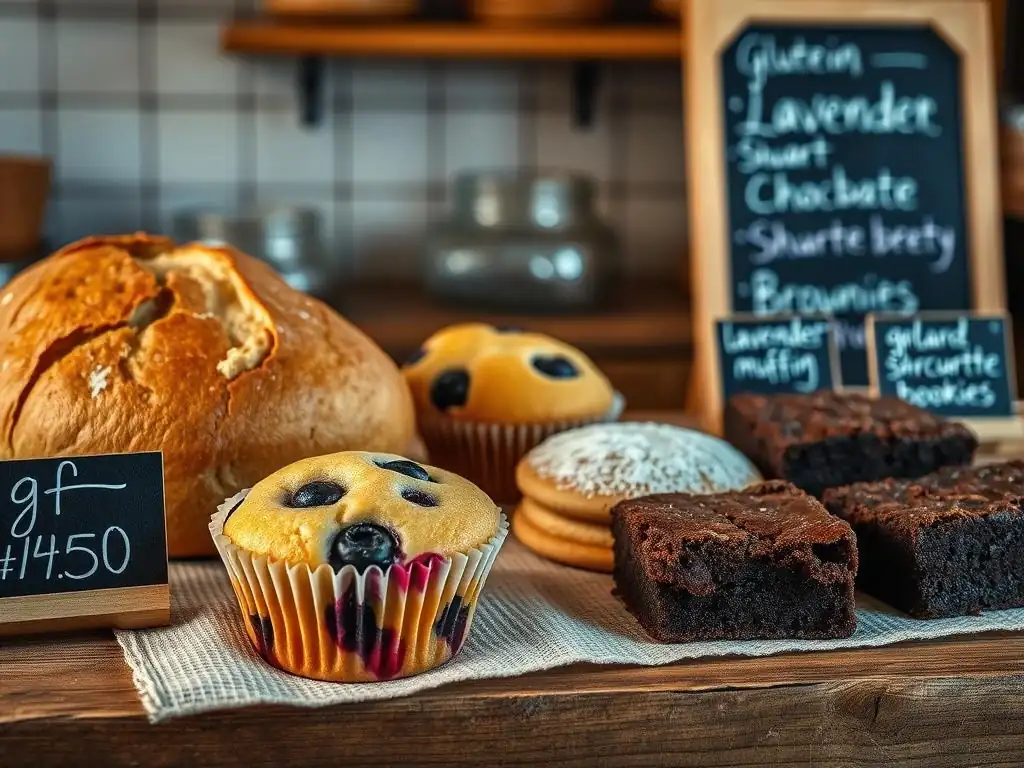
Welcome to BakeWithEase, your trusted guide to a world of delicious possibilities! Ever wondered how to price your delectable gluten-free and vegan creations fairly? This article dives deep into navigating the often-higher ingredient costs associated with glutenfree vegan baking, offering smart strategies to maintain profitability without compromising quality. Discover how to confidently price your goods and turn your passion into a sustainable home baking business. Ready to unlock the secrets?
- Pricing Gluten-Free & Vegan Bakes: Addressing Higher Ingredient Costs
- Understanding the Higher Costs of Gluten-Free Vegan Baking
- Pricing Strategies for Gluten-Free & Vegan Baked Goods
- Optimizing Baking to Reduce Costs
- Communicating Value to Customers
- Case Studies: Successful Businesses
- Tools and Resources
- Final Thoughts: Sustainable Pricing
-
Frequently Asked Questions
- What are the primary cost drivers in gluten-free and vegan baking?
- How can I accurately calculate the cost of my gluten-free vegan baked goods?
- Are there strategies to reduce ingredient costs in gluten-free vegan baking?
- How does pricing gluten-free and vegan items affect my overall profit margin?
- What are some effective ways to communicate the higher cost of gluten-free vegan baking to customers?
- Final Reflection: The Flour Power of Smart Pricing
- Unlock Your Gluten-Free & Vegan Baking Profits!
Pricing Gluten-Free & Vegan Bakes: Addressing Higher Ingredient Costs
Understanding the Higher Costs of Gluten-Free Vegan Baking
Key Ingredients Driving Up Costs
Gluten-free and vegan baking often relies on alternative ingredients that typically carry a higher price tag compared to traditional flour, eggs, and dairy. For instance, almond flour, a common gluten-free flour blend component, can cost anywhere from $6 to $10 per pound, significantly more than all-purpose wheat flour, which might be $1 to $2 per pound.
Similarly, specialty starches like tapioca starch or potato starch, while not as expensive as nut flours, still add to the overall ingredient expense compared to using just one type of flour. Egg substitutes, such as flax eggs or commercial binders, and dairy alternatives like oat milk or coconut cream, also tend to cost more than conventional eggs and milk.
Beyond basic substitutes, specific ingredients like xanthan gum, a crucial binder in many gluten-free recipes, are purchased in smaller quantities but at a higher unit cost. A small bag might cost $10-$15 but is essential for texture. Vegan butter alternatives, while improving in price and availability, still often exceed the cost of dairy butter. This fundamental difference in raw material expense is the primary factor contributing to higher glutenfree vegan baking costs, making careful pricing essential for profitability.
Recipe Cost Analysis
Analyzing the cost of each specific recipe is a critical step in understanding the overall glutenfree vegan baking costs. Unlike traditional recipes where flour, sugar, eggs, and butter form the base, a gluten-free vegan chocolate chip cookie might require a blend of almond flour, oat flour, tapioca starch, vegan butter, brown sugar, flax seeds, vanilla extract, baking soda, salt, and chocolate chips.
Each ingredient needs to be costed per gram or milliliter based on the purchase price of the bulk item. For example, if a 3-pound bag of almond flour costs $24, the cost per pound is $8, or roughly $0.0176 per gram.
By breaking down each recipe ingredient by weight or volume and multiplying by its unit cost, you can arrive at a total ingredient cost per batch. A batch of 12 gluten-free vegan muffins might have ingredient costs totaling $4.50, whereas a conventional batch might be closer to $2.00. This detailed analysis reveals the true cost difference at the product level and is the foundation for setting a sustainable price that covers these higher glutenfree vegan baking costs and ensures a profit margin.
Pricing Strategies for Gluten-Free & Vegan Baked Goods

Accurate Cost Calculation
Accurate cost calculation is the bedrock of setting profitable prices, especially when dealing with the elevated glutenfree vegan baking costs. This involves meticulously tracking every expense associated with producing your goods. Skipping steps here can lead to underpricing, which quickly erodes your potential earnings and makes your home baking business unsustainable in the long run. It's not just about the ingredients; labor, overhead, and even packaging play significant roles.
A thorough cost analysis allows you to understand the minimum price you must charge just to break even on a specific product. This figure is your cost floor. Knowing this is crucial before you even consider market prices or desired profit margins. For businesses navigating glutenfree vegan baking costs, this step is even more vital due to the variability and higher expense of specialized ingredients.
Ingredient Cost Calculation
Calculating ingredient cost per item requires precision. Start by recording the price and quantity of every ingredient purchased. For example, if you buy a 50 lb bag of gluten-free flour blend for $50, the cost per pound is $1, or $0.0625 per ounce. If a recipe calls for 10 ounces of this blend, the cost is $0.625. Do this for every ingredient in a recipe, including small amounts of extracts, spices, or leaveners. Don't forget decorative elements like sprinkles or glazes if they're part of the standard product.
Summing up the cost of all ingredients used in one batch gives you the total ingredient cost for that batch. Divide this by the number of finished items in the batch to get the ingredient cost per item. For instance, if a batch of 24 gluten-free vegan cookies has a total ingredient cost of $8.40, the ingredient cost per cookie is $0.35. This granular approach is fundamental to mastering glutenfree vegan baking costs.
Labor Cost Calculation
Your time is valuable, and it's a real cost of production. To calculate labor cost, estimate the time it takes to complete one batch of a product, from mixing and preparing to baking and cooling. Then, assign an hourly wage for yourself. A common approach is to start with a modest wage, perhaps minimum wage or slightly higher, like $15-$25 per hour, depending on your skill and local rates. If a batch of 12 vegan cupcakes takes 45 minutes (0.75 hours) to make and your labor rate is $20/hour, the labor cost for the batch is $15.
Divide the total labor cost for the batch by the number of items produced to find the labor cost per item. In the cupcake example, $15 / 12 cupcakes equals $1.25 per cupcake in labor cost. It's easy to overlook your own labor when running a home business, but accurately accounting for it is essential for understanding true glutenfree vegan baking costs and ensuring your business is sustainable and providing you with an income, not just a hobby.
Overhead Cost Consideration: Utilities and Packaging
Overhead costs are the indirect expenses required to run your baking business. These include utilities (electricity, gas, water used for baking), kitchen equipment depreciation, cleaning supplies, business insurance, website hosting fees, marketing materials, and packaging. Packaging alone can add a significant amount to glutenfree vegan baking costs, from boxes and liners to labels and ribbons.
Calculating overhead per item can be tricky. A common method is to estimate your total monthly overhead costs and divide it by the total number of items you expect to produce and sell in a month. For example, if your estimated monthly overhead is $300 and you plan to sell 500 baked goods, the overhead cost per item is $0.60.
Alternatively, you can calculate overhead as a percentage of your ingredient or labor costs. Accurately capturing overhead ensures that your pricing accounts for all expenses beyond just the raw materials, giving a clearer picture of the true glutenfree vegan baking costs.
Pricing Models: A Comparison
Choosing the right pricing model is crucial after you've calculated your costs. Different models suit different business goals and market positions. Understanding these models helps you decide how to translate your calculated glutenfree vegan baking costs into a final price that customers are willing to pay while still generating a profit.
No single model is perfect for every business or product. Often, a hybrid approach works best, using one model as a base and adjusting based on factors from other models. The key is to be intentional about your pricing strategy rather than guessing or simply matching competitors without understanding your own cost structure.
Cost-Plus Pricing
Cost-plus pricing is one of the simplest methods. You take the total cost per item (ingredients + labor + overhead) and add a desired profit margin percentage. If a gluten-free vegan brownie costs you $2.00 to make (including labor and overhead) and you want a 50% profit margin, you would add $1.00 (50% of $2.00) to the cost, resulting in a selling price of $3.00.
This model is straightforward and ensures that your costs are covered. However, it doesn't consider what customers are willing to pay or what competitors are charging. You might price yourself too high for the market or too low, leaving potential profit on the table, especially when dealing with the variable glutenfree vegan baking costs.
Value-Based Pricing
Value-based pricing sets prices primarily based on the perceived value of your product to the customer, rather than solely on your costs. For gluten-free and vegan bakes, the value proposition is often high: catering to dietary restrictions, offering healthier alternatives, or providing unique flavors. Customers needing these options are often willing to pay a premium for safe, delicious baked goods.
To use this model effectively, you need to understand your target customer and what benefits they value most. Are they seeking indulgence despite restrictions? Are they prioritizing specific health aspects? Research what similar specialized products sell for and what customers seem willing to pay. While still needing to cover your glutenfree vegan baking costs, this model allows you to potentially charge more than a simple cost-plus approach if the perceived value is high.
Competitive Pricing: Market Analysis
Competitive pricing involves setting your prices based on what your competitors are charging for similar products. This requires researching local bakeries, online shops, and even grocery stores that offer gluten-free and vegan options. Note their prices for items comparable to yours, considering quality, size, and ingredients used.
While understanding the market is important, simply matching competitors can be risky, especially if your glutenfree vegan baking costs are significantly different from theirs. For example, if a competitor uses cheaper bulk ingredients, their costs might be lower. Use competitive pricing as a reference point, but always ensure your price covers your own costs and allows for a profit margin, particularly when navigating the higher glutenfree vegan baking costs. Your unique value proposition might justify a higher price.
Optimizing Baking to Reduce Costs
Reducing costs is another angle to improve profitability, especially when facing higher glutenfree vegan baking costs. While you can't eliminate the premium on specialized ingredients, you can implement strategies to minimize expenses without compromising quality.
Efficiency in production and smart sourcing can make a significant difference to your bottom line. Even small reductions in waste or slight savings on ingredients can add up over time, improving your overall business health and making your glutenfree vegan bakes more competitively priced.
Sourcing Affordable Ingredients
Finding ways to source ingredients more affordably is key to managing glutenfree vegan baking costs. This doesn't necessarily mean buying the cheapest ingredients, which could impact quality, but rather finding cost-effective ways to acquire the ingredients you need.
Researching suppliers and exploring different purchasing methods can lead to substantial savings over time. It requires a bit of effort upfront but pays off in the long run, allowing you to maintain quality while keeping your expenses in check.
Bulk Buying Strategies
Purchasing ingredients in larger quantities, when feasible, almost always results in a lower unit cost. Instead of buying small bags of almond flour for $10/lb, you might find a 25lb bag for $150, reducing the cost to $6/lb. This is a 40% saving on that single ingredient. Similarly, buying larger quantities of sugar, oils, spices, and packaging materials can significantly reduce your overall glutenfree vegan baking costs.
However, bulk buying requires storage space and capital upfront. Ensure you have adequate, dry, and pest-free storage. Also, consider the shelf life of ingredients, especially specialty flours or nuts, to avoid spoilage and wasted inventory. Plan your production volume to ensure you can use bulk ingredients before they expire.
Wholesale Suppliers
Once your business grows beyond a certain point, purchasing ingredients from wholesale suppliers rather than retail stores becomes more cost-effective. Wholesalers typically offer lower prices per unit because they sell in larger volumes. This is particularly beneficial for managing glutenfree vegan baking costs, as specialty flours, nuts, seeds, and vegan fats are often available at better prices through wholesale channels.
Research local restaurant supply stores or online food service distributors that cater to small businesses. You might need a business license to purchase from some wholesalers. Compare prices, minimum order requirements, and delivery fees from different suppliers to find the best option for your specific needs and location. Building relationships with suppliers can also sometimes lead to better terms or pricing over time.
Streamlining Production for Efficiency
Efficient production processes reduce labor costs and minimize waste, directly impacting your glutenfree vegan baking costs. Think about how you prepare, bake, and finish your products. Are there steps that can be combined or simplified?
Investing time in optimizing your workflow can save you significant hours and reduce errors, which in turn saves money. This is about working smarter, not just harder, in the kitchen.
Batch Baking
Baking in batches means preparing larger quantities of doughs, batters, or fillings at once, rather than mixing small amounts for each order. This saves time on setup, measuring, and cleanup. For example, instead of making dough for one dozen cookies, make dough for three dozen and bake them off in multiple trays.
Many gluten-free vegan doughs and batters can be prepared ahead of time and stored appropriately (refrigerated or frozen) until ready to bake. This allows you to group similar tasks, like mixing all your cookie doughs on one day and baking all your cookies on another, maximizing the use of your equipment and time. This is a fundamental strategy for controlling labor costs within your overall glutenfree vegan baking costs.
Waste Reduction
Minimizing waste is crucial for profitability, especially when dealing with expensive ingredients. This includes everything from accurately measuring ingredients to avoid errors that ruin a batch, to proper storage to prevent spoilage, and careful portioning to ensure consistent product size. Track common sources of waste in your kitchen – are you over-portioning batter? Are ingredients expiring before you use them? Is anything getting burned or damaged during baking?
Implementing strict inventory management helps track what you have and what you need, reducing the risk of spoilage. Standardizing recipes and portion sizes ensures consistency and prevents over-using expensive ingredients. Proper handling and storage of sensitive gluten-free flours and vegan ingredients are key to preserving their quality and shelf life, directly impacting your glutenfree vegan baking costs by ensuring you use everything you buy.
Communicating Value to Customers
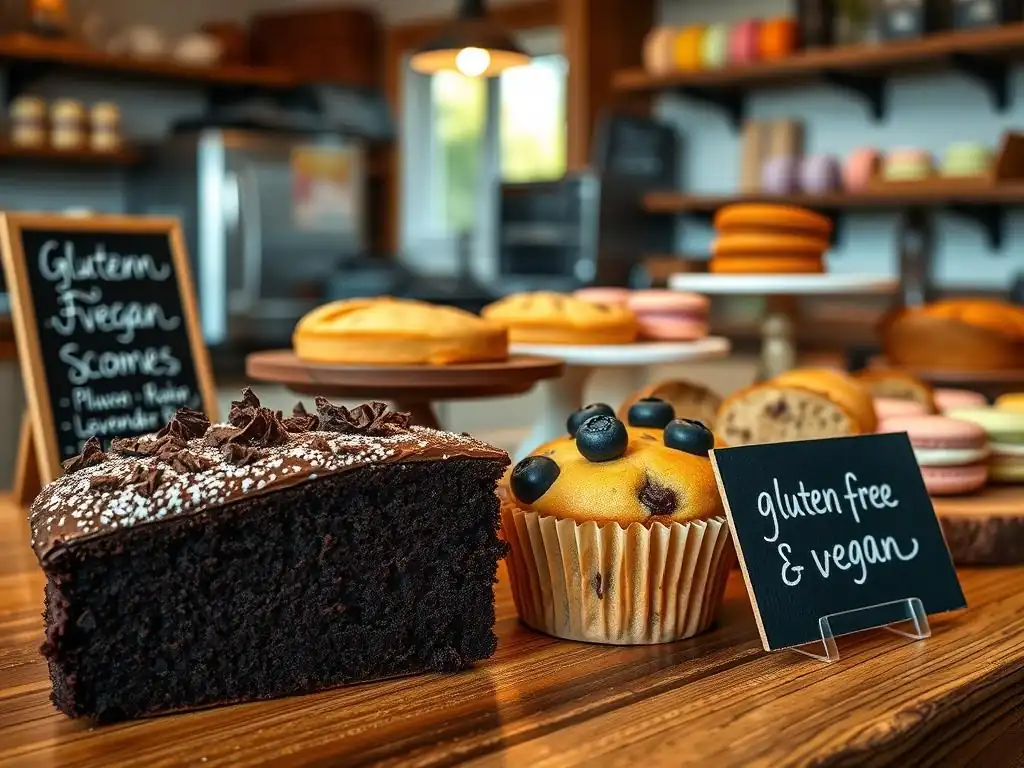
Successfully selling gluten-free and vegan bakes at a price that covers your higher glutenfree vegan baking costs requires effectively communicating the value of your products to your customers. It's not just about the price; it's about why your product is worth that price.
Customers who seek out these specific types of baked goods are often motivated by health reasons, ethical choices, or necessity due to allergies. Highlighting how your products meet these needs justifies the premium associated with them.
Highlighting Benefits
Focus on the benefits your products offer. Are they safe for people with Celiac disease or dairy/egg allergies? Are they made with wholesome, natural ingredients? Do they offer unique flavor combinations or superior texture compared to other options? Emphasize the quality of your ingredients and the care that goes into making each item.
Use descriptions that resonate with your target audience. Instead of just saying "gluten-free vegan cake," describe it as a "rich, moist chocolate cake made with almond flour and dairy-free ganache, perfect for any celebration." Educate your customers about the quality of the ingredients you use that contribute to the glutenfree vegan baking costs – perhaps mention using organic flours or specific premium chocolate.
Transparency in Pricing
While you don't need to disclose your exact cost breakdown, being transparent about why your prices might be higher than conventional baked goods can build trust with customers. Explain that the specialized ingredients required for gluten-free and vegan baking are inherently more expensive.
A simple note on your menu or website like, "Our prices reflect the use of premium, specialized ingredients required for delicious gluten-free and vegan baking, ensuring safety and quality for your dietary needs," can help customers understand and accept the pricing. This honesty can foster appreciation for the effort and expense that goes into creating safe and tasty options.
Building Customer Loyalty
Loyal customers are less price-sensitive and more likely to appreciate the value you provide. Focus on creating exceptional products and providing excellent customer service. Encourage feedback and engage with your customers.
Offer loyalty programs, email newsletters with special offers, or exclusive previews of new products. Building a community around your brand helps customers feel connected and valued, making them more willing to support your business and understand the factors contributing to your glutenfree vegan baking costs. Positive word-of-mouth from satisfied customers is invaluable marketing.
Case Studies: Successful Businesses
Looking at how others have navigated the challenges of glutenfree vegan baking costs can provide valuable insights and inspiration. These examples, while potentially using approximate figures based on common business scenarios, illustrate practical strategies in action.
Examining different business models – from dedicated allergy-friendly bakeries to those offering options within a broader menu – shows diverse approaches to managing costs and setting prices effectively while meeting specific dietary needs.
Example 1: Dedicated Gluten-Free Bakery - A Pricing Strategy Analysis
Consider "The Allergy-Safe Bakehouse," a small bakery focusing exclusively on gluten-free and vegan products. Their initial challenge was high ingredient costs, with specialty flours, gums, and vegan fats making up nearly 40% of their revenue compared to an industry average of 20-25% for conventional bakeries. To manage these significant glutenfree vegan baking costs, they implemented a value-based pricing strategy. They positioned themselves as a premium option for individuals with severe allergies or dietary needs, emphasizing their strict cross-contamination protocols and the superior taste and texture of their products achieved with high-quality, albeit expensive, ingredients.
They conducted market research and found customers were willing to pay approximately 20-30% more for certified allergy-safe goods. Their pricing reflected this perceived value, ensuring a healthy profit margin despite the high ingredient percentage. They further optimized by sourcing ingredients in bulk from specialized distributors and streamlining their production to reduce labor time per batch by about 15%. This combination of value-based pricing and cost optimization allowed them to thrive, demonstrating that higher costs can be offset by a strong value proposition and efficient operations.
Example 2: Vegan Bakery with Gluten-Free Options - Overcoming Cost Challenges
"Sweet Earth Treats" is a vegan bakery that also offers a selection of gluten-free vegan items. They initially struggled with pricing their GF/Vegan line because they tried to keep the prices close to their standard vegan range, which had lower ingredient costs. This resulted in minimal profit margins on their allergy-friendly items, making the glutenfree vegan baking costs unsustainable for those specific products. They performed a detailed recipe cost analysis and realized their GF/Vegan chocolate cake, for instance, cost $6.50 to produce (ingredients, labor, overhead) compared to $4.00 for their standard vegan chocolate cake.
They adjusted their strategy by implementing a tiered pricing model. Their standard vegan items were priced competitively, while their gluten-free vegan options were priced using a cost-plus model with a healthy margin (e.g., 60-70%), resulting in a higher price point ($10.40 - $11.05 for the GF/Vegan cake). They clearly labeled and marketed the GF/Vegan items separately, explaining the specialized nature and cost of the ingredients. This allowed them to maintain competitive pricing on their core vegan range while ensuring the profitability of their gluten-free line, effectively managing the higher glutenfree vegan baking costs associated with those specific products.
Tools and Resources
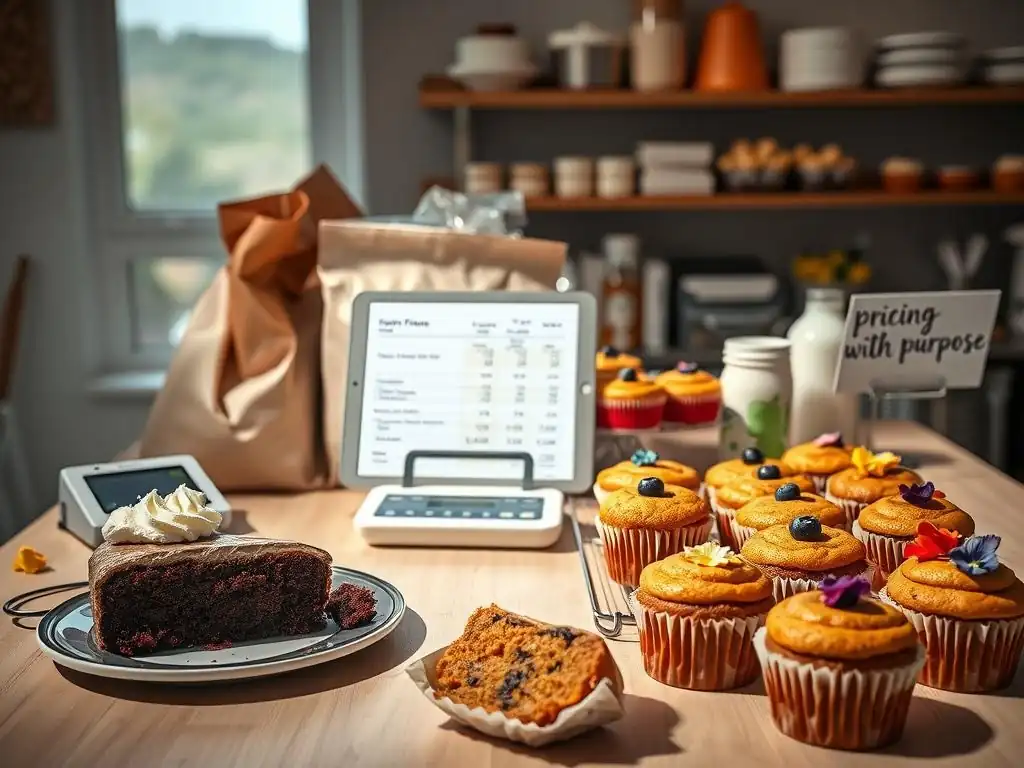
Managing glutenfree vegan baking costs and setting effective prices can be complex. Fortunately, various tools and resources are available to help home bakers and small business owners streamline their processes and make informed decisions.
Leveraging technology and available databases can simplify tasks like cost calculation, inventory tracking, and understanding market dynamics, freeing up more time for baking and business growth.
Online Cost Calculators
Numerous online tools and spreadsheet templates are available specifically designed for calculating recipe costs. These calculators allow you to input ingredient unit costs and quantities used per recipe, automatically calculating the total ingredient cost per batch and per item. Some advanced versions also allow you to factor in labor time and overhead costs.
Using a dedicated cost calculator ensures accuracy and saves significant time compared to manual calculations, especially when dealing with multiple recipes and fluctuating ingredient prices. This is an invaluable resource for precisely understanding your glutenfree vegan baking costs on a per-product basis.
Ingredient Databases
Access to comprehensive ingredient databases can be helpful for researching typical costs, nutritional information (if relevant to your marketing), and sourcing options. While not always free, some culinary or business resources provide average cost data for various ingredients, including specialty items used in gluten-free and vegan baking.
Comparing prices across different suppliers can be time-consuming. While a formal database might be overkill for a very small operation, simply maintaining your own detailed list of supplier prices for key ingredients acts as a personal database to help you track and compare glutenfree vegan baking costs over time.
Pricing and Inventory Management Software
As your business grows, dedicated pricing and inventory management software can become essential. These systems help track ingredient stock levels, monitor costs, manage orders, and assist with pricing by integrating cost data. Some software is designed specifically for food businesses and can handle recipe costing and batch tracking.
Investing in such software can automate many administrative tasks, reduce errors in inventory and costing, and provide valuable insights into your most profitable products. While there is an initial or ongoing cost, the efficiency gains and improved accuracy in managing glutenfree vegan baking costs can justify the investment for a growing business.
Final Thoughts: Sustainable Pricing
Successfully pricing your gluten-free and vegan bakes is about more than just covering the bills; it's about building a sustainable business that reflects the value you provide while remaining accessible to your target customers. Navigating glutenfree vegan baking costs requires a thoughtful, strategic approach.
It's an ongoing process that involves regular review and adjustment. As ingredient prices change, or as you optimize your production, your pricing strategy may need to evolve.
Balancing Profitability and Satisfaction
The ultimate goal is to find a balance where your prices ensure your business is profitable, allowing you to continue doing what you love, while also ensuring your customers feel they are receiving fair value for delicious, high-quality baked goods that meet their specific needs. Don't undervalue your skills, time, and the specialized nature of your products.
Communicate the care, quality, and safety that goes into every bake. When customers understand the value, they are more likely to be satisfied with the price, even if it's higher than conventional options. Successfully managing glutenfree vegan baking costs is key to achieving this balance.
Long-Term Cost Management
Effective cost management is not a one-time task but a continuous effort. Regularly review your ingredient costs, explore new suppliers, and look for ways to improve production efficiency. Stay informed about market prices for both ingredients and finished goods.
By diligently tracking your expenses, optimizing your processes, and strategically pricing your products, you can successfully navigate the challenges of higher glutenfree vegan baking costs and build a thriving, sustainable home baking business that brings joy to you and your customers.
Frequently Asked Questions
What are the primary cost drivers in gluten-free and vegan baking?
The main cost drivers are the specialized ingredients required, such as gluten-free flours and vegan substitutes for eggs and dairy. These ingredients are generally more expensive than traditional baking staples.
How can I accurately calculate the cost of my gluten-free vegan baked goods?
Calculate by tracking ingredient costs, including even small amounts like spices and extracts. Factor in your time investment and overhead expenses like electricity.
Are there strategies to reduce ingredient costs in gluten-free vegan baking?
Yes, you can buy ingredients in bulk when possible. Also, consider using seasonal produce and exploring alternative, less expensive gluten-free flours.
How does pricing gluten-free and vegan items affect my overall profit margin?
Higher ingredient costs can reduce profit margins if not properly accounted for. Raising prices slightly or offering premium options can help offset these costs.
What are some effective ways to communicate the higher cost of gluten-free vegan baking to customers?
Be transparent about the high-quality ingredients and the specialized process involved. Highlight the health benefits and ethical considerations of your baked goods.
Final Reflection: The Flour Power of Smart Pricing
The rising cost of gluten-free and vegan ingredients is no longer a niche concern; it's a significant hurdle for bakers and consumers alike. This directly impacts accessibility and the sustainability of this increasingly popular dietary choice. We need innovative pricing strategies to ensure these delicious and healthy options remain available to everyone.
The journey of understanding the true cost of gluten-free and vegan baking has been a fascinating one, revealing not only the financial implications but also the ethical considerations involved in sourcing sustainable and high-quality ingredients. The price of things is the value of the things.
This simple statement highlights the importance of accurately reflecting the value of our time, skill, and the superior ingredients we use in our creations. The ongoing challenge lies in educating consumers about the nuances of these costs and the value proposition of ethically sourced, high-quality products.
Now, it's your turn. Consider the impact of ingredient costs on your own baking, whether you're a home baker or a business owner. How can you adjust your pricing to reflect the true value of your work while remaining competitive and accessible? Let's work together to ensure that delicious and healthy gluten-free and vegan baked goods remain a vibrant and accessible part of our culinary landscape. Embrace the challenge, innovate your approach, and let's bake a brighter future together!
Unlock Your Gluten-Free & Vegan Baking Profits!
Thanks for diving into the world of profitable gluten-free and vegan baking! You've now got the tools to price your creations confidently, ensuring both delicious treats and a thriving business. Ready to put your new knowledge into action?
- Implement your new pricing strategy immediately: Review your recipes and apply the cost-plus pricing method we discussed, adjusting your menu accordingly. This is the most impactful step you can take today.
- Share your updated menu with your customers and highlight the premium quality ingredients you're using. This transparency builds trust and showcases your dedication to excellence.
- Consider a small, limited-time offer: This is a perfect way to gauge customer reaction to your new pricing and encourage initial sales of your newly-priced items. Try offering a small discount on a featured item.
So, what's the first delicious creation you're going to price using your newfound skills? Let's hear about it in the comments below!