
How to Infuse Liquids with Spice for Deeper Baking Flavor

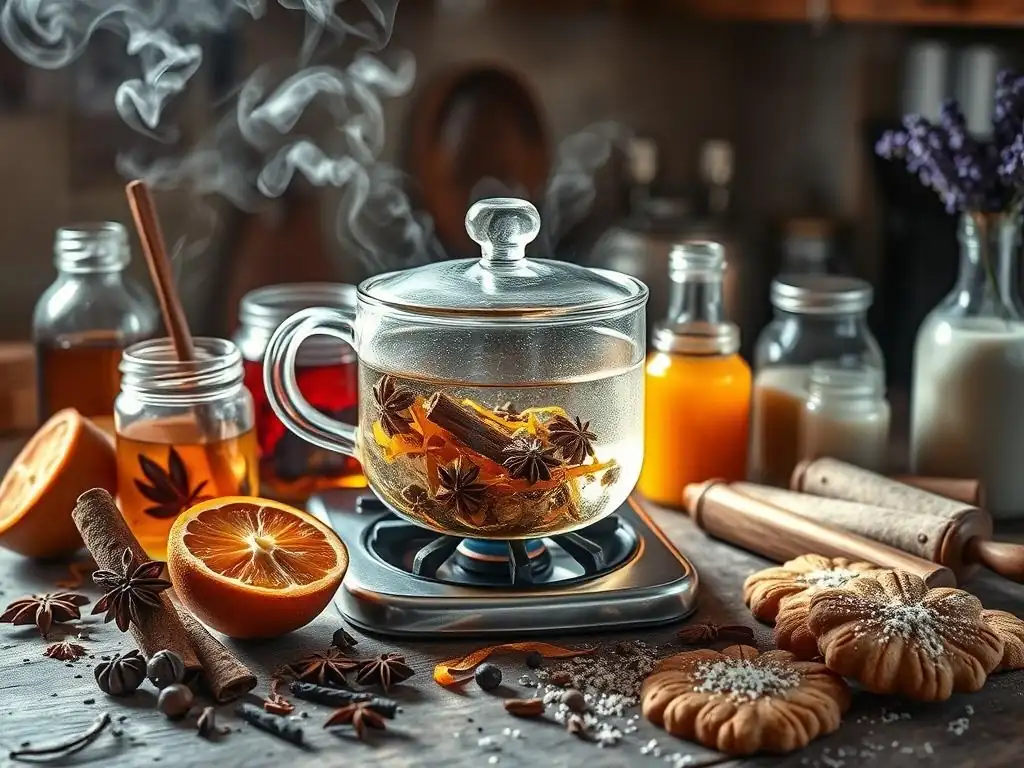
Welcome to BakeWithEase, your haven for baking brilliance! Ever wondered how to elevate your desserts from simply delicious to utterly unforgettable? This week, we're diving deep into the aromatic world of spice infused baking recipes. Prepare to unlock a secret weapon for creating intensely flavored treats – and we're starting with the very liquids you use. Intrigued? Let's explore how infusing your ingredients can transform your baking from ordinary to extraordinary!
- Unlock Deeper Flavor in Your Baking: Spice Infusion Techniques
- Why Infuse Liquids with Spices for Baking?
- Choosing the Right Spices for Liquid Infusion
- Essential Liquids for Spice Infusion in Baking
- Spice Infusion Methods: A Step-by-Step Guide
- Tips and Tricks for Perfect Spice Infusion
- Spice-Infused Baking Recipes to Try
- Storing Spice-Infused Liquids for Baking
- Experimenting with Spice Infusion: Beyond the Basics
- Frequently Asked Questions
- Final Reflection: Unlocking Flavor's Hidden Depths
- Unleash the Flavor: Spice Up Your Baking!
Unlock Deeper Flavor in Your Baking: Spice Infusion Techniques
Baking is an art form where subtle nuances can make a world of difference. While adding ground or whole spices directly to doughs and batters is common, infusing liquids takes flavor development to a new level. This technique allows the aromatic compounds within spices to gently bloom and meld with the liquid base, creating a more complex and integrated flavor profile that permeates your baked goods. Mastering spice infusion opens up a realm of possibilities for enhancing everything from simple cakes and cookies to elaborate pastries and breads.
This guide will walk you through the essential techniques, best practices, and creative ideas for incorporating spice-infused liquids into your baking repertoire. Whether you're aiming for a warm, comforting cinnamon note in a cake or a subtle hint of cardamom in a bread, understanding how to properly infuse liquids will elevate your spice infused baking recipes and delight your taste buds. We'll explore the science, the methods, and practical tips to help you achieve consistently delicious results.
Why Infuse Liquids with Spices for Baking?
Adding spices directly to dry ingredients or batters can sometimes result in uneven distribution or a gritty texture. Infusing liquids, however, offers a smoother, more consistent way to deliver flavor throughout your bake. The liquid acts as a carrier, distributing the spice's essence evenly, ensuring every bite is infused with that desired aroma and taste. This method is particularly effective when you want a delicate or background spice note rather than a prominent, potentially overwhelming flavor burst.
Furthermore, infusion allows you to extract a broader spectrum of flavor compounds from the spices. Heat and time, combined with the solvent properties of the liquid, help draw out fat-soluble and water-soluble compounds that might not be fully released when simply mixed into a dough. This leads to a richer, more nuanced flavor compared to using ground spices alone. It's a foundational technique for developing sophisticated spice infused baking recipes.
Elevating Baked Goods with Spice-Infused Flavors
Infusing liquids provides a powerful way to enhance the flavor complexity and aroma of your baked goods without altering their texture significantly. Imagine a pound cake where the milk used is gently infused with vanilla bean and a hint of star anise; the resulting cake has a pervasive, warm, and sophisticated flavor that simply adding extract or ground spice might not achieve. This technique is especially beneficial in recipes where liquid is a significant component, such as custards, puddings, sauces, and batters for cakes, muffins, or quick breads.
By pre-infusing your liquid, you ensure that the spice flavor is fully developed and integrated before it even interacts with the other ingredients. This proactive approach guarantees a consistent flavor outcome every time you bake. It's a technique used by professional bakers to achieve depth and harmony in their creations, and it's easily adaptable for home bakers looking to elevate their own spice infused baking recipes.
The Science Behind Spice Infusion: Extracting Maximum Flavor
Understanding the science behind spice infusion helps explain why this method is so effective for extracting flavor. Spices contain complex mixtures of aromatic compounds, many of which are volatile oils and resins. These compounds are soluble to varying degrees in different liquids, such as water, fats (like those in milk or cream), and alcohol. When spices are steeped in a liquid, these flavorful compounds dissolve into the liquid.
Flavor compounds in spices are soluble in liquids, allowing them to be extracted and impart their aroma and taste. Heat often accelerates this process by increasing the solubility of the compounds and the movement of molecules, but even cold infusion over time can effectively extract flavors, particularly more delicate ones. Different spices release their flavors best under different conditions, which is why understanding infusion methods is key to unlocking their full potential for your spice infused baking recipes.
Choosing the Right Spices for Liquid Infusion
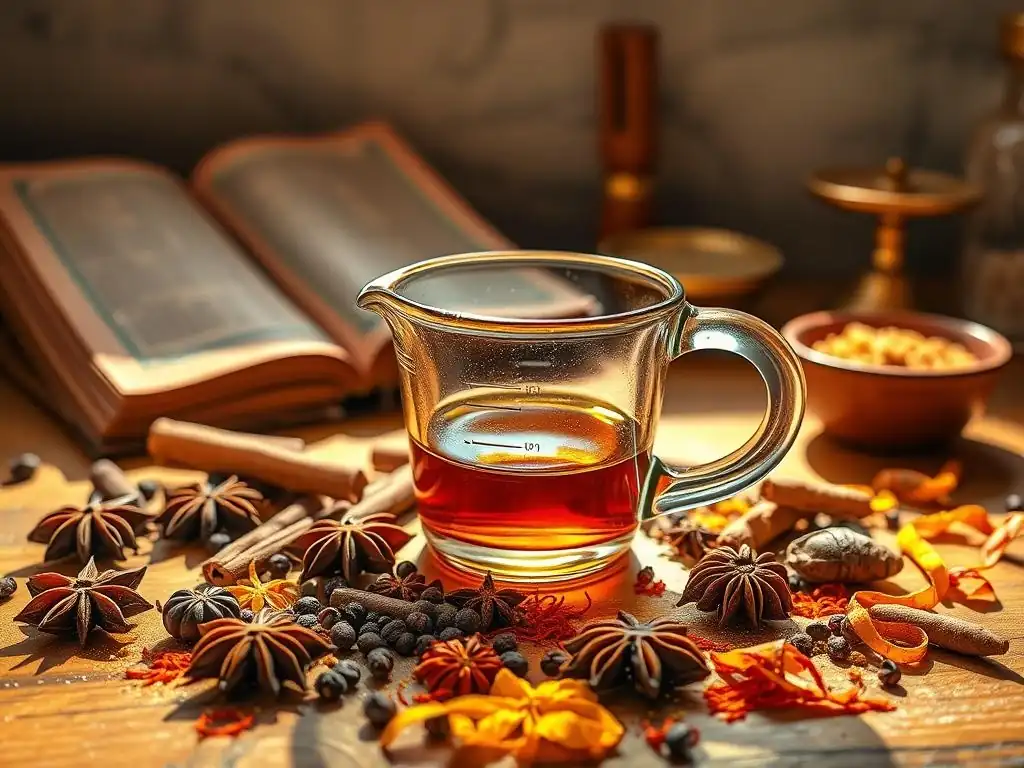
Selecting the appropriate spices is crucial for successful liquid infusion in baking. The type of spice should complement the liquid being used and the final baked good's flavor profile. Whole spices are generally preferred over ground spices for infusion, as they yield a cleaner flavor without the muddiness or bitterness that can sometimes result from steeping fine powders. Whole spices are also easier to strain out of the liquid.
Consider the intensity of the spice and how it will interact with other flavors in your recipe. A potent spice like clove or star anise might require a shorter infusion time or smaller quantity than a milder spice like cinnamon or vanilla bean. Experimentation is key to finding the perfect balance for your spice infused baking recipes.
Best Spices for Infusing Milk, Cream, and Water for Baking
Milk and cream, with their fat content, are excellent mediums for extracting fat-soluble flavor compounds from spices. Spices that pair beautifully with dairy include:
- Vanilla Bean: Classic and versatile, adds warmth and sweetness.
- Cinnamon Sticks: Imparts a comforting, sweet heat.
- Cardamom Pods: Offers a complex, slightly floral, and citrusy note.
- Star Anise: Provides a distinct licorice-like sweetness.
- Nutmeg (whole): Grated fresh and infused, offers warm, nutty undertones.
Water is a good base for extracting water-soluble compounds and is useful when you don't want the richness of dairy. It's often used for infusing spices into bread doughs or simple syrups. Good choices include:
- Fennel Seeds: Adds a subtle licorice flavor, great in breads.
- Coriander Seeds: Offers a mild, citrusy, and slightly earthy note.
- Ginger (freshly sliced): Provides a fresh, pungent heat.
Exploring Different Spice Profiles: Sweet, Savory, and Spicy Infusions
Infusion allows you to explore a wide range of flavor profiles beyond traditional sweet baking spices. While cinnamon, vanilla, and cardamom are staples for sweet spice infused baking recipes, don't shy away from savory or even spicy infusions for unique results.
- Cinnamon (sweet, warm), Rosemary (savory, earthy), Chili Flakes (spicy, pungent).
- Sweet infusions: Think about combinations like cinnamon sticks, cloves, and orange peel for mulled-wine inspired bakes, or vanilla bean and lavender for a delicate floral note.
- Savory infusions: Consider rosemary or thyme infused into olive oil or water for savory breads and crackers, or bay leaf infused into milk for a quiche filling.
- Spicy infusions: A touch of chili flake or black peppercorn infused into milk or cream can add a subtle kick to chocolate desserts or gingerbread, creating intriguing new spice infused baking recipes.
Essential Liquids for Spice Infusion in Baking
The choice of liquid significantly impacts the final flavor and application of your spice infusion. The fat content, acidity, and inherent flavor of the liquid will influence how the spice compounds are extracted and how the infusion performs in your baking.
Common liquids used for spice infusion in baking include milk, cream, water, and even alcohol. Each offers unique advantages and is suited to different types of baked goods. Understanding which liquid to choose is as important as selecting the right spice for your spice infused baking recipes.
Infusing Milk and Cream: Enhancing Cakes, Custards, and More
Milk and cream are perhaps the most common liquids for spice infusion in sweet baking. Their fat content effectively extracts fat-soluble flavor compounds, resulting in rich, deeply flavored infusions perfect for dairy-based recipes.
Use spice-infused milk or cream in:
- Custards and pastry creams (Crème Pâtissière)
- Puddings and panna cotta
- Cake batters (especially those using milk or buttermilk)
- Ice cream bases
- Ganaches and glazes
For example, infusing whole milk with a split vanilla bean and a couple of crushed cardamom pods for 30 minutes over low heat creates a fragrant base for a crème brûlée or a sophisticated vanilla cake batter. This technique ensures the delicate spice flavor is evenly distributed throughout the final product.
Spice-Infused Water: A Subtle Flavor Boost for Breads and Doughs
While water might seem less exciting than milk or cream, it's an excellent medium for extracting water-soluble spice compounds and introducing flavor without adding richness or fat. Spice-infused water is particularly useful in recipes where dairy isn't used or where you want a very subtle, clean spice note.
Consider using spice-infused water in:
- Bread doughs (replacing part or all of the water)
- Simple syrups for soaking cakes or glazing pastries
- Boiling liquids for poaching fruit intended for tarts or fillings
Infusing water with fennel seeds or caraway seeds, for instance, can add a traditional, subtle flavor to rye bread or other savory loaves. Simply steeping the spices in hot water, letting it cool, and then straining provides a flavorful liquid ready for mixing into your dough, adding a unique twist to your spice infused baking recipes.
Using Alcohol (Rum, Brandy) for Spiced Baking Flavor Extracts
Alcohol is a powerful solvent for many aromatic compounds in spices, making it ideal for creating concentrated flavor extracts. While not typically used in large quantities within a bake, alcohol infusions can be used to create homemade extracts or to add a potent burst of flavor to glazes, sauces, or brushed onto cakes.
Common uses include:
- Making homemade vanilla extract (vanilla beans steeped in vodka or rum).
- Infusing brandy or rum with spices like cinnamon, clove, or orange peel for soaking fruit in fruitcakes or adding to holiday glazes.
- Creating spiced liqueurs that can be added in small amounts to batters or fillings.
For example, steeping cinnamon sticks and star anise in dark rum for several weeks creates a spiced rum that can add incredible depth to gingerbread or rum cake, offering a different dimension to your spice infused baking recipes.
Spice Infusion Methods: A Step-by-Step Guide
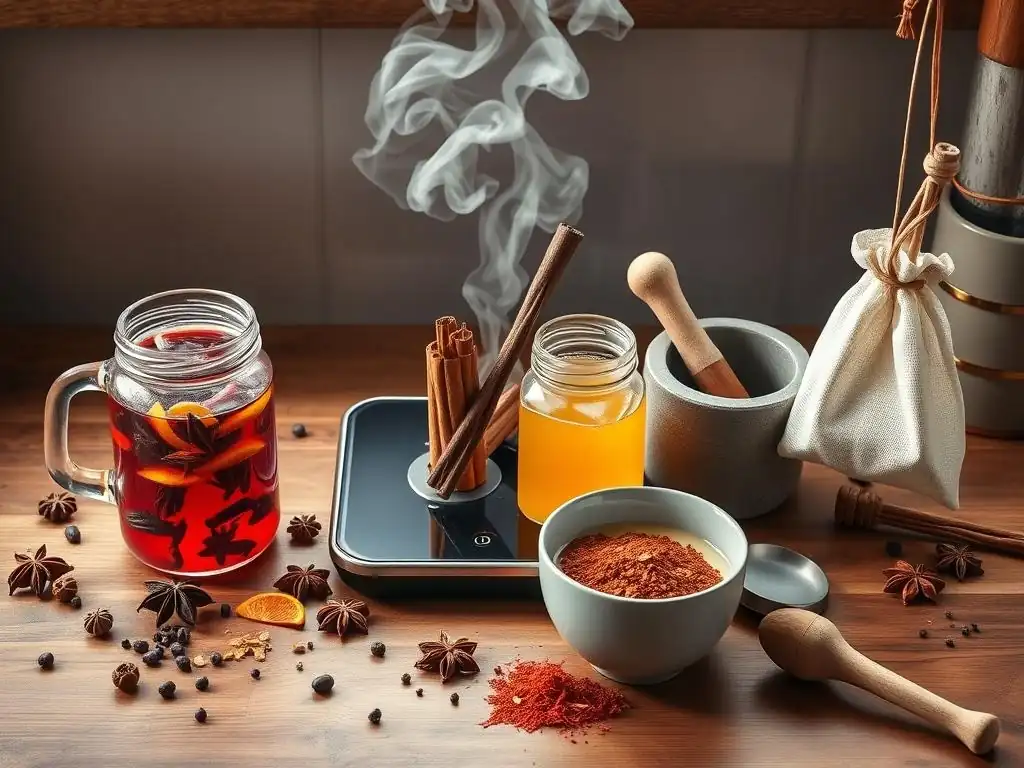
There are several methods for infusing liquids with spices, each suited to different spices and desired flavor intensities. The two most common methods are cold infusion and hot infusion. A more modern technique, sous vide, offers precise control.
Choosing the right method depends on the type of spice, the liquid, and how quickly you need the infusion. Delicate spices like vanilla or mint might benefit from cold infusion, while hardier spices like cinnamon sticks or star anise can handle hot infusion.
The Cold Infusion Method: Gentle Flavor Extraction
Cold infusion involves steeping spices in a liquid at refrigeration temperature for an extended period. This method is excellent for delicate spices or when you want to avoid extracting bitter compounds that can be released by heat. It typically results in a cleaner, brighter flavor.
Step 1: Selecting Your Liquid and Spices
Choose a liquid (milk, cream, water, alcohol) and whole spices. Ensure the spices are fresh and of good quality.
Step 2: Combining Ingredients in a Jar or Container
Place the spices in a clean, airtight jar or container. Pour the liquid over the spices, ensuring they are fully submerged.
Step 3: Refrigerating for Optimal Infusion Time (24-48 hours)
Seal the container and place it in the refrigerator. Infusion time varies, but 24-48 hours is a common starting point. For alcohol infusions, this can take several weeks. Taste periodically.
Step 4: Straining the Liquid and Discarding Solids
Once the desired flavor strength is reached, strain the liquid through a fine-mesh sieve or cheesecloth to remove all spice solids. Discard the solids.
The Hot Infusion Method: Faster and More Intense Flavor
Hot infusion involves gently heating the liquid with the spices, allowing for faster and more intense flavor extraction. This method is suitable for most common baking spices like cinnamon, cloves, and cardamom.
Step 1: Gently Heating the Liquid
Pour the liquid into a saucepan and heat it gently over medium-low heat until warm, but not boiling.
Step 2: Adding the Spices and Simmering
Add your whole spices to the warm liquid. Stir briefly. Reduce the heat to the lowest setting, just barely simmering or simply holding a hot temperature.
Step 3: Allowing to Cool and Steep
Remove the pan from the heat, cover it, and let the spices steep as the liquid cools to room temperature. For stronger flavor, you can refrigerate it with the spices still in for a few hours after it cools. A typical steeping time after heating might be 30-60 minutes, but longer cooling steep times can intensify flavor.
Step 4: Straining the Liquid
Strain the liquid through a fine-mesh sieve to remove all spice solids before using it in your spice infused baking recipes.
Sous Vide Infusion Method for Precise Temperature Control
The sous vide method offers unparalleled temperature control, allowing for precise extraction of specific flavor compounds. While more equipment-intensive, it's excellent for achieving consistent results and experimenting with temperatures.
This method involves sealing the liquid and spices in a vacuum-sealed bag or airtight jar and immersing it in a precisely temperature-controlled water bath for a set time. Temperatures typically range from 135°F to 185°F (57°C to 85°C), and times can range from 1 to several hours, depending on the spice and desired intensity. The lower, controlled heat can prevent the release of bitter compounds sometimes associated with higher temperatures in hot infusion, making it great for delicate spice infused baking recipes.
Tips and Tricks for Perfect Spice Infusion
Achieving perfect spice infusion consistently requires attention to detail and a willingness to experiment. Small adjustments in quantity, time, or temperature can significantly impact the final flavor of your liquid and, consequently, your baked goods.
Here are some essential tips to help you master this technique and improve your spice infused baking recipes.
Controlling the Intensity of Spice Flavor
The strength of your spice infusion depends on several factors:
- Quantity of Spices: More spices generally yield a stronger flavor. A common starting ratio is about 1 tablespoon of whole spices per cup of liquid, but this varies greatly by spice potency.
- Infusion Time: Longer steeping times result in more intense flavors. However, some spices can become bitter or medicinal if steeped for too long, especially with heat.
- Temperature: Hot infusion is faster and extracts more compounds quickly; cold infusion is slower and gentler.
Always taste your infused liquid periodically during the process, especially with hot or cold infusion methods, to gauge the flavor strength. Stop the infusion once the desired intensity is reached.
Avoiding Common Mistakes in Spice Infusion
- Use whole spices for a cleaner flavor and easier straining process. Ground spices can create a cloudy liquid and may contain compounds that turn bitter when steeped.
- Taste the liquid periodically to avoid over-infusion, which can lead to bitterness. It's easier to add more spice or steep longer than to remove too much flavor or bitterness.
- Ensure spices are fully submerged in the liquid during infusion for even extraction.
- Strain the liquid thoroughly to remove all solids before using it in your baking. Leftover spice particles can affect texture and continue to infuse, potentially leading to bitterness over time.
Use whole spices for a cleaner flavor and easier straining process.
Spice-Infused Baking Recipes to Try
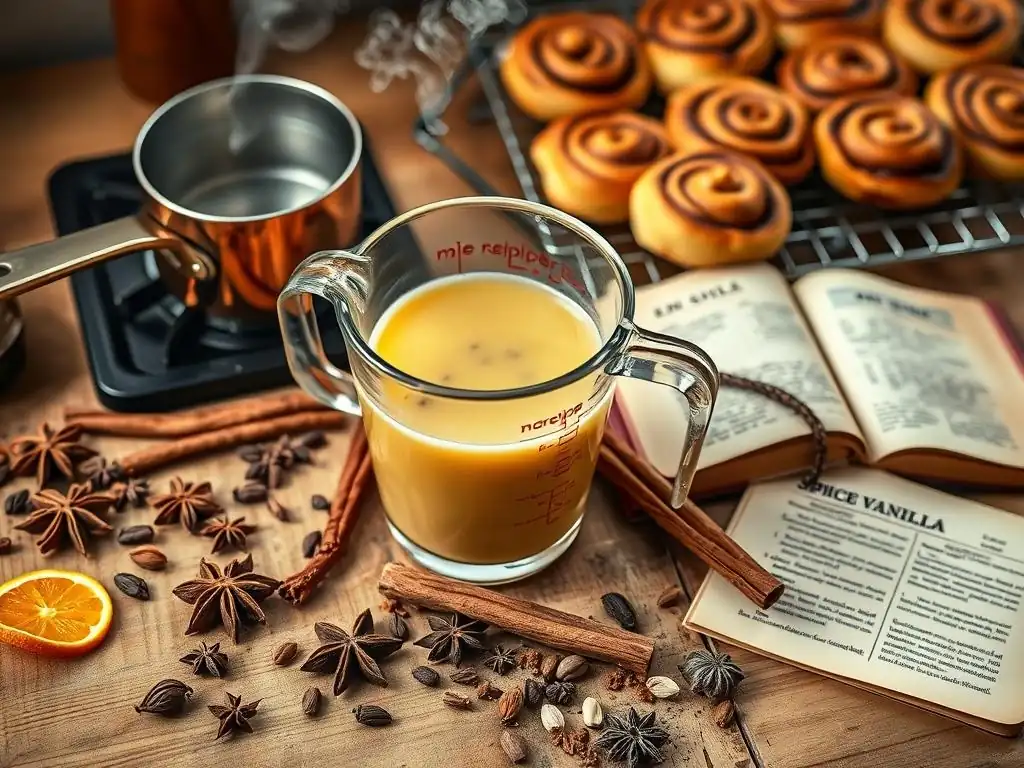
Ready to put your spice infusion skills to the test? Here are a few ideas for spice infused baking recipes that showcase the power of this technique.
Recipe Idea 1: Cardamom-Infused Milk for a Spiced Cake
Instead of adding ground cardamom directly to your cake batter, gently heat the milk called for in your recipe with 5-6 green cardamom pods, lightly crushed. Simmer for 10 minutes, then let steep as it cools. Strain the milk and use it as directed in your favorite vanilla or plain cake recipe. The result is a subtly fragrant cake with a delicate, pervasive cardamom note that complements the sweetness beautifully. This works wonderfully in pound cakes or simple butter cakes.
Recipe Idea 2: Vanilla Bean-Infused Cream for a Delicious Pastry Filling
Split and scrape the seeds from a whole vanilla bean. Add the bean and seeds to the heavy cream used for a pastry cream or whipped cream filling. Heat the cream gently with the vanilla bean until warm, then remove from heat and let steep for at least 30 minutes, or refrigerate overnight for a stronger flavor. Strain the cream before chilling and whipping for an incredibly aromatic and flavorful filling for tarts, éclairs, or cakes. This enhances classic spice infused baking recipes like Boston cream pie.
Recipe Idea 3: Star Anise-Infused Water for a Unique Bread Recipe
For a rustic loaf or a slightly sweet bread, infuse the water used in your dough with star anise. Heat the water with 2-3 star anise pods until warm, then steep for 20-30 minutes as it cools. Strain the water and use it in your bread dough recipe. The star anise adds a subtle, intriguing licorice-like aroma and flavor that pairs surprisingly well with flour, especially in recipes that might include orange zest or nuts, creating truly unique spice infused baking recipes.
Storing Spice-Infused Liquids for Baking
Proper storage of your spice-infused liquids is essential to maintain their flavor and freshness, ensuring they are ready to use whenever inspiration strikes for your next spice infused baking recipes.
Treat infused liquids similarly to the original liquid. Dairy infusions are perishable and must be kept refrigerated. Water infusions should also be refrigerated. Alcohol infusions, due to the alcohol content, are more shelf-stable but should still be stored in a cool, dark place.
Best Practices for Maintaining Flavor and Freshness
- Store infused liquids in clean, airtight containers, such as glass jars or bottles.
- Refrigerate milk and cream infusions immediately after straining. They should be used within a few days, similar to fresh dairy.
- Refrigerate water infusions and use them within 3-4 days.
- Store alcohol infusions in a cool, dark pantry. These can last for many months or even years, and the flavor may deepen over time.
- Always label your containers clearly.
Label with spice used and date of infusion.
This simple step helps you keep track of your infusions and ensures you use them within their optimal freshness window.
Experimenting with Spice Infusion: Beyond the Basics
Once you've mastered the fundamental techniques, the real fun begins: experimenting! Spice infusion is a versatile technique that encourages creativity in the kitchen. Don't feel limited to single spices or traditional pairings.
Think about how different spice profiles can complement each other and how various liquids can extract distinct nuances. This is where you can truly make spice infused baking recipes your own.
Combining Different Spices for Complex Flavors
Try combining spices to create unique and complex flavor profiles in your infusions.
- For a warming, autumnal infusion: Cinnamon stick, a few cloves, and a strip of orange peel in milk or cream.
- For a fragrant, exotic infusion: Green cardamom pods, a pinch of saffron threads, and a slice of fresh ginger in milk.
- For a savory infusion for breads: Rosemary sprigs, black peppercorns, and a crushed garlic clove (use sparingly) in water or olive oil.
Start with small quantities of each spice and adjust based on your preference.
Infusing Other Liquids: Juices, Oils, and Vinegars
The concept of infusion isn't limited to milk, cream, water, and alcohol. You can also infuse other liquids for use in baking:
- Fruit Juices: Infuse apple cider with cinnamon and cloves for spiced apple cake or cranberry juice with star anise for muffins.
- Oils: Infuse neutral oils (like vegetable or grapeseed) with rosemary or chili flakes for savory applications like focaccia or crackers. Olive oil can be infused with herbs for savory bakes.
- Vinegars: While less common directly in batters, spiced vinegars can be used in glazes or sauces accompanying baked goods.
Don't be afraid to experiment with different spice combinations and liquid bases to create unique flavor profiles.
Keep notes on your experiments – what worked, what didn't, and the ratios you used. This will help you refine your techniques and develop truly signature spice infused baking recipes. Enjoy the journey of exploring new flavors!
Frequently Asked Questions
What types of spices work best for infusing liquids in baking?
Generally, whole spices like cinnamon sticks, star anise, cardamom pods, and cloves work best. This allows for a slower, more controlled release of flavor, preventing overpowering the liquid. Ground spices can be used, but may result in a cloudy liquid.
How long should I infuse the liquid with spices?
Infusion time varies depending on the spice and desired intensity. A good starting point is 30 minutes to an hour for a subtle flavor. For a stronger infusion, you can steep for several hours or even overnight in the refrigerator.
Can I reuse the spices after infusing them?
While technically you can reuse them, the flavor will be significantly diminished. It's generally recommended to use fresh spices for each infusion to ensure the best flavor profile in your baking.
What liquids can I infuse with spices for baking?
Many liquids can be infused, including milk, cream, water, fruit juice, and even melted butter. Consider the liquid's role in the recipe and choose spices that complement its flavor and the overall baked good.
How do I ensure the spice flavor is evenly distributed throughout my baked goods?
After infusing, strain the liquid to remove any spice particles. Then, use the infused liquid as you would normally in your recipe. The uniform distribution of the infused liquid guarantees an even spread of spice flavor throughout the bake.
The art of infusing liquids with spices isn't just a culinary technique; it's a gateway to unlocking entirely new dimensions of flavor in your baking. This seemingly simple process profoundly impacts the final product, transforming ordinary cakes, cookies, and breads into extraordinary experiences. The subtle nuances, the complex layers of taste, are all a testament to the power of preparation.
The impact of spice-infused baking extends far beyond the individual taste experience. It represents a return to a more mindful, deliberate approach to cooking, a connection to the rich history of culinary traditions where spices were prized not just for flavor, but for their medicinal and cultural significance. The spice trade shaped civilizations, and the spices themselves shaped our palates. Understanding their use is understanding a piece of history.
This quote highlights the depth of influence these seemingly simple ingredients hold. We've explored techniques, but the true reward lies in the creative exploration they inspire.
Now, I invite you to consider your own baking repertoire. What spices call to you? What flavors have you always dreamed of creating? Don't be afraid to experiment, to deviate from established recipes, to infuse your own unique personality into every batch. The journey of discovery is as rewarding as the final product. Embrace the process, savor the aromas, and unlock the hidden depths of flavor waiting to be unleashed in your kitchen.
Unleash the Flavor: Spice Up Your Baking!
Thanks for taking the time to explore the world of spice-infused liquids! You've now unlocked a secret weapon for richer, more complex baked goods. Ready to put your new knowledge into practice?
- Craft your signature spice blend: Experiment with different combinations of your favorite spices to create a unique flavor profile for your next baking project. Think beyond cinnamon and nutmeg!
- Share your creations: Show off your infused masterpieces on social media and inspire fellow bakers. Use #BakeWithEaseSpice to connect with our community!
- Dive deeper into flavor: Explore other articles on BakeWithEase.com for more baking tips and tricks.
What surprising spice blend are you excited to try first? Let us know in the comments below!