
The Role of Spices in Aromatic Baking

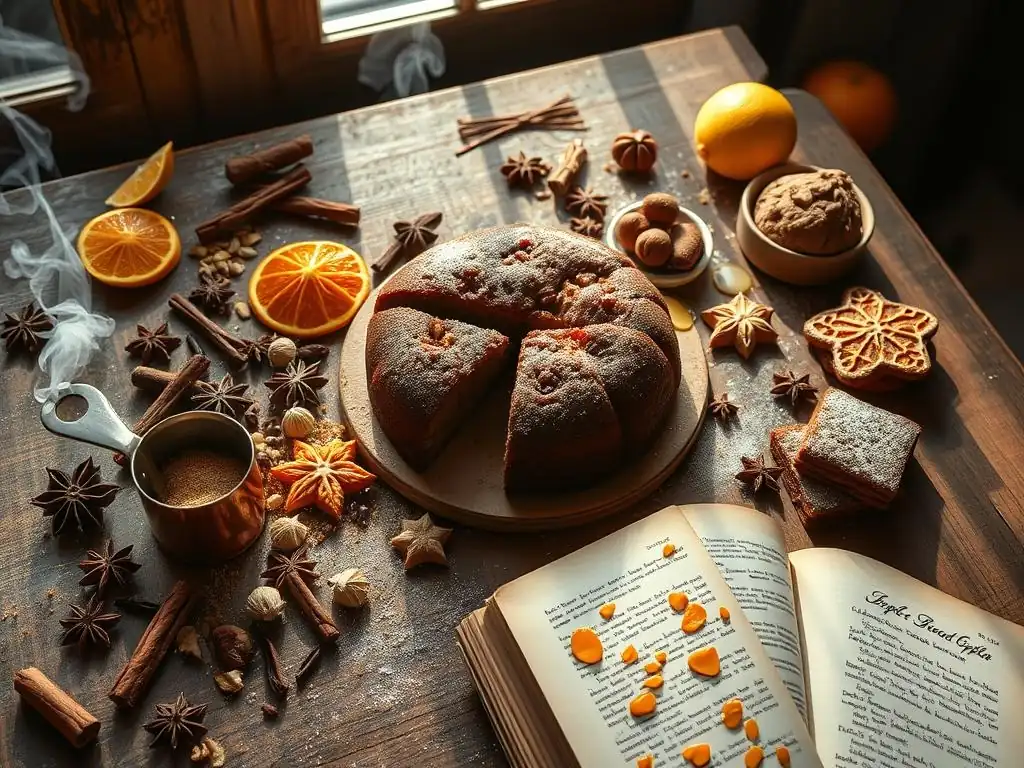
Welcome to BakeWithEase, your guide to confident baking! Ever wondered how to unlock the secret to truly captivating aromas in your baked goods? This week, we're diving deep into the delightful world of spiced baking recipes for aroma, exploring how specific spices can transform ordinary treats into sensory masterpieces. Prepare to be inspired – and perhaps a little hungry – as we uncover the secrets to aromatic baking. Ready to elevate your baking game?
- Introduction to Spiced Baking
- Understanding Spices in Baking
- Top Spices for Aromatic Baking
- Spiced Baking Recipes
- Tips for Maximizing Aroma
- Troubleshooting Spiced Baking
- Conclusion: Embrace Aromatic Spiced Baking
-
Frequently Asked Questions
- How do spices contribute to the aroma of baked goods?
- What are some common spices used in "spiced baking recipes for aroma"?
- Can I substitute spices in a recipe, and if so, how do I do it carefully?
- How does the freshness of spices affect the aroma of baked goods?
- Where can I find "spiced baking recipes for aroma" suitable for beginners?
- Final Reflection: The Enduring Allure of Aromatic Baking
- Unleash Your Inner Spice Master!
Introduction to Spiced Baking
Discover Aromatic Baking with Spices
Baking is a sensory experience, and while taste is paramount, the aroma is often the first thing that captivates us. Imagine the scent of warm cinnamon rolls fresh from the oven or the comforting fragrance of gingerbread during the holidays. This magic is largely thanks to spices.
Spices are the secret ingredient that transforms simple doughs and batters into fragrant masterpieces, making them essential for anyone exploring spiced baking recipes for aroma. They don't just add flavor; they create an atmosphere, evoke memories, and signal the deliciousness to come. For bakers aiming to elevate their creations beyond just sweetness, understanding and utilizing spices is a fundamental step.
The journey into aromatic baking begins with appreciating the power packed into these dried plant parts. From roots and bark to seeds and berries, each spice offers a unique aromatic profile. Integrating them correctly into your spiced baking recipes for aroma can mean the difference between a good bake and an unforgettable one. This exploration will guide you through the fascinating world of spices, revealing how they work and which ones are indispensable for achieving those sought-after fragrant results that make your baked goods truly stand out.
Mastering Spiced Baking
Mastering the art of spiced baking recipes for aroma involves more than just tossing a pinch of cinnamon into dough. It requires understanding how different spices interact with heat, moisture, and other ingredients. Achieving the perfect balance is key; too little spice and the aroma is lost, too much and it can become overpowering or even bitter. This delicate process is what separates a novice baker from one who consistently produces beautifully fragrant treats. It's about knowing when to add spices, how to prepare them, and how to store them to preserve their potency.
Becoming proficient in spiced baking also means experimenting and developing your palate. Learning which spice combinations work best in different contexts—like pairing cardamom with citrus or cloves with ginger—allows for creative freedom and ensures your spiced baking recipes for aroma are always exciting. This section will delve into the foundational knowledge needed to confidently use spices, helping you build the skills to consistently bake goods that not only taste incredible but also fill your kitchen with intoxicating aromas.
Understanding Spices in Baking
Spices: Enhancing Aroma in Baked Goods
Spices play a critical role in enhancing the aroma of baked goods by introducing complex layers of fragrance that are released during the baking process. When heat is applied, the volatile compounds within the spices evaporate, filling the air with their characteristic scents. Think about the difference between plain flour and sugar versus a mixture infused with ginger and nutmeg; the latter immediately suggests warmth, sweetness, and complexity before you even take a bite. This aromatic preview significantly contributes to the overall enjoyment of the baked item, influencing perception of flavor and richness.
The specific aroma contributed by a spice depends entirely on its chemical composition. For instance, the distinct scent of cinnamon comes primarily from cinnamaldehyde, while cloves owe their powerful aroma to eugenol. These compounds are present in varying concentrations and combinations across different spices, resulting in a vast palette of potential fragrances for spiced baking recipes for aroma. By strategically selecting and combining spices, bakers can craft unique aromatic profiles, from light and floral notes to deep, earthy, or pungent ones, tailoring the scent to complement the specific flavors of their cakes, cookies, breads, or pastries.
The Science of Spices: Volatile Compounds
At the heart of a spice's aroma lie volatile organic compounds (VOCs). These are molecules that easily turn into gas at room temperature, and even more so when heated. In baking, as the oven temperature rises, these VOCs are released from the spice particles within the dough or batter and diffuse into the surrounding air. This is why the scent of baking bread with cardamom or a spiced apple pie is so potent and inviting—it's the rapid release of these fragrant compounds. The specific mix and concentration of VOCs determine the unique aromatic signature of each spice.
Consider vanilla, a classic baking spice often used alongside others in spiced baking recipes for aroma. Its primary aromatic compound is vanillin. Cinnamon's dominant compound is cinnamaldehyde, responsible for its sweet, woody aroma. Cloves are rich in eugenol, which provides a strong, pungent scent. Nutmeg contains sabinene, pinene, and myristicin, contributing to its complex, slightly peppery and sweet aroma. Understanding that these scents are carried by specific molecules helps appreciate why the quality and freshness of a spice directly impact its aromatic potency and ultimately the success of your spiced baking recipes for aroma.
Spices and Texture: Subtle Impact
While the primary contribution of spices in baking is undoubtedly flavor and aroma, they can also have a subtle impact on texture. Ground spices, when used in significant quantities, can add a slight grittiness or density to a bake, particularly in recipes like gingerbread or spice cakes where a higher proportion of spice might be used.
This effect is generally minor compared to the impact of flour, fat, or leavening agents, but it is something to be aware of when developing spiced baking recipes for aroma. For example, adding large amounts of finely ground cinnamon can slightly alter the crumb structure compared to a version with less spice.
Furthermore, some spices, particularly those ground very finely, can absorb a small amount of moisture from the dough or batter. This effect is usually negligible in most recipes but could potentially influence the final moisture level in very delicate bakes if large quantities are used. However, for the vast majority of spiced baking recipes for aroma, the textural changes introduced by spices are minimal and often go unnoticed, with their powerful aromatic and flavor contributions taking center stage. The focus remains firmly on the sensory delight they provide through scent and taste.
Top Spices for Aromatic Baking
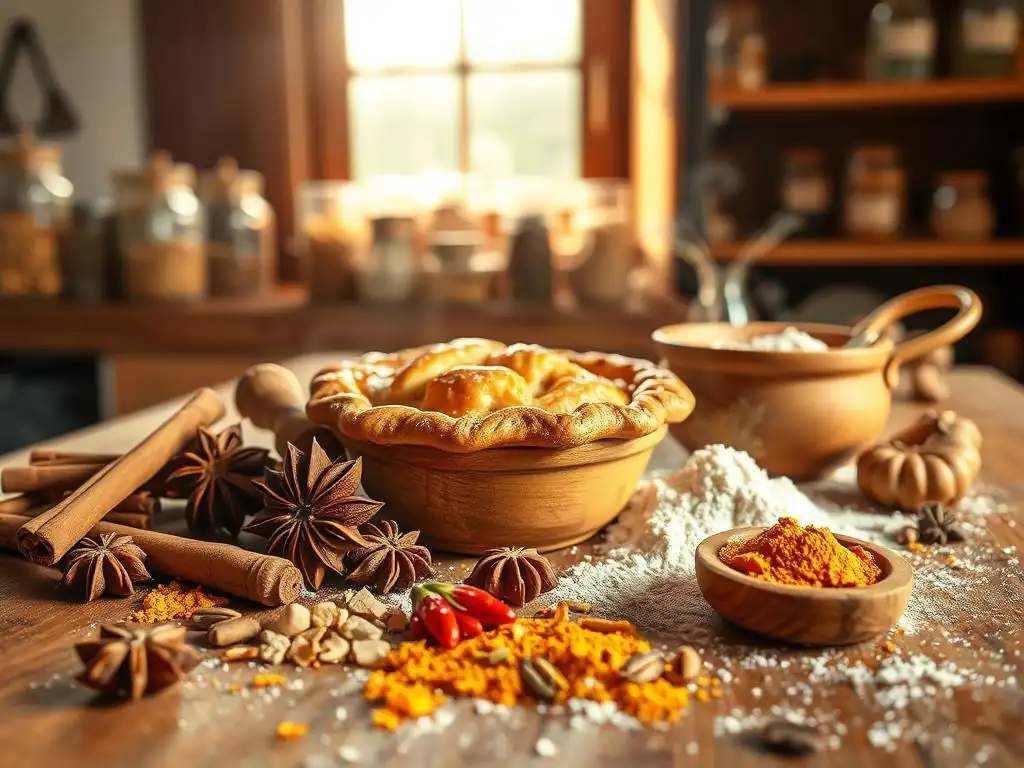
Cinnamon: Warmth and Comfort
Cinnamon is arguably the most universally loved baking spice, synonymous with warmth, comfort, and sweetness. Its inviting aroma is a cornerstone of countless spiced baking recipes for aroma, from simple cinnamon sugar toast to elaborate cakes and pastries. Derived from the bark of trees belonging to the Cinnamomum genus, cinnamon offers a sweet, woody, and slightly pungent flavor profile that pairs beautifully with fruits like apples and pears, as well as chocolate and coffee. It's a versatile spice that can be used generously to create a pronounced aromatic effect.
The warmth of cinnamon comes from its main active compound, cinnamaldehyde. This compound is highly volatile, meaning its aroma is readily released during baking, quickly filling the kitchen with that unmistakable comforting scent. Whether used in ground form, as sticks infused in liquids, or as part of a spice blend, cinnamon provides a foundational layer of aroma that enhances the overall sensory experience of baked goods. Its widespread popularity in spiced baking recipes for aroma is a testament to its ability to deliver consistent, beloved results.
Cinnamon Varieties: Ceylon vs. Cassia
When discussing cinnamon, it's important to note the primary types available: Ceylon (often called "true" cinnamon) and Cassia. Ceylon cinnamon, primarily from Sri Lanka, has a delicate, sweet, and complex flavor with subtle citrus notes. Its quills are thin and flaky, easily crumbled. Cassia cinnamon, more common in North America and typically sourced from Indonesia, China, Vietnam, or Burma, is stronger, bolder, and spicier, with a higher concentration of cinnamaldehyde. Its quills are thicker and harder.
For spiced baking recipes for aroma, Cassia varieties like Korintje or Saigon are often preferred due to their more intense flavor and aroma, which stands up well to baking temperatures. However, Ceylon cinnamon's nuanced profile can be wonderful in more delicate applications or when a lighter touch is desired. Understanding the difference allows bakers to select the type that best suits the desired outcome for their specific spiced baking recipes for aroma.
Cinnamon in Apple Pie
Apple pie is a quintessential example of how cinnamon elevates a baked good's aroma. A typical apple pie filling might call for 1-2 teaspoons of ground cinnamon per 6-8 cups of sliced apples. When the pie bakes, the heat causes the cinnamaldehyde in the spice to vaporize, mingling with the sweet, slightly tart scent of the cooked apples and butter from the crust. This creates the iconic, comforting aroma that signals "apple pie is baking!" throughout the house.
The pairing of cinnamon with apples is classic because their flavor profiles complement each other so well, and the cinnamon's aroma intensifies the natural sweetness and slight acidity of the fruit. This simple addition transforms a fruit filling into an aromatic centerpiece. Many spiced baking recipes for aroma featuring fruit rely heavily on cinnamon for this reason, leveraging its powerful and universally appealing fragrance.
Nutmeg: Depth and Complexity
Nutmeg offers a warm, slightly sweet, and complex aroma with subtle notes of pine and clove. It brings depth and sophistication to spiced baking recipes for aroma, often used in dairy-based bakes, custards, and spiced breads. Derived from the seed of the Myristica fragrans tree, nutmeg is a potent spice best used judiciously. A little goes a long way in contributing its distinctive fragrance.
The aromatic profile of nutmeg comes from compounds like sabinene, pinene, and myristicin. These compounds contribute to its unique warmth and slight pungency. While often paired with other spices like cinnamon and cloves in blends like pumpkin spice, nutmeg can also stand on its own, providing a rich, comforting aroma to dishes like rice pudding, eggnog, or simple sugar cookies. Its versatility makes it a valuable addition to any baker's spice rack when exploring spiced baking recipes for aroma.
Freshly Grated vs. Ground Nutmeg
The difference between freshly grated nutmeg and pre-ground nutmeg is significant, particularly concerning aroma. Whole nutmeg contains its volatile oils locked within the seed. When you grate it just before use, these oils are released immediately, providing the most vibrant and potent aroma. Pre-ground nutmeg, while convenient, loses its aromatic potency much faster as the surface area exposed to air increases, allowing the volatile compounds to dissipate over time.
For the richest aroma in your spiced baking recipes for aroma, using a microplane or fine grater to shave off a small amount of whole nutmeg directly into your batter or dough is highly recommended. While pre-ground nutmeg is acceptable for many uses, especially in spice blends where other aromas dominate, freshly grated provides an unparalleled depth and freshness that elevates the final baked good's fragrance noticeably.
Nutmeg Pairings: Chocolate and Cream
Nutmeg pairs exceptionally well with rich, creamy ingredients and chocolate, making it a fantastic addition to cheesecakes, custards, chocolate cakes, and hot cocoa mixes used in baking. Its warm, slightly woody notes complement the richness of dairy fats and the deep flavors of cocoa. For example, adding a pinch of freshly grated nutmeg to a chocolate chip cookie dough can add an unexpected layer of warmth and complexity to the aroma profile.
In creamy desserts like panna cotta or crème brûlée, nutmeg provides a gentle, comforting fragrance that enhances the sense of indulgence. Similarly, in chocolate spiced baking recipes for aroma, nutmeg doesn't compete with the chocolate but rather supports and deepens its flavor, contributing a subtle but noticeable aromatic nuance that invites another bite. This pairing highlights nutmeg's ability to harmonize with rich ingredients.
Ginger: Zesty and Tangy
Ginger brings a unique combination of warmth, spiciness, and a zesty, slightly tangy aroma to baking. Available in both fresh and dried forms, it's a cornerstone spice in many spiced baking recipes for aroma, particularly those for cookies, cakes, and gingerbread. The pungency and warmth of ginger come from compounds like gingerol and shogaol, which provide both flavor and a distinct aromatic kick that differentiates it from sweeter spices like cinnamon.
The aroma of ginger is invigorating and sharp, cutting through the sweetness of baked goods and adding a lively element. It pairs wonderfully with molasses, citrus, and other warm spices. Whether providing a gentle background note or a prominent spicy punch, ginger adds a layer of complexity that makes spiced baking recipes for aroma featuring this root truly memorable. Its versatility allows it to shine in everything from simple ginger snaps to elaborate multi-layered spice cakes.
Ground vs. Fresh Ginger
The form of ginger used dramatically impacts the final flavor and aroma in baking. Fresh ginger root is juicy and fibrous, containing higher levels of gingerol. When used in baking (often finely grated or minced), it provides a bright, pungent, and slightly peppery flavor with a vibrant, zesty aroma. It's excellent in recipes where moisture is welcome and a strong, fresh ginger presence is desired, like some fruit cakes or quick breads.
Ground ginger, on the other hand, is made from dried ginger root. The drying process converts some gingerol into shogaol, which is more pungent and less sharp than gingerol. Ground ginger provides a concentrated, warm, and slightly spicier flavor and a deeper, less zesty aroma compared to fresh. It integrates seamlessly into dry ingredients and is the standard for most classic spiced baking recipes for aroma like gingerbread cookies or spice cakes, where its consistent potency is valued.
Ginger in Bread and Cakes
Ginger is a beloved ingredient in various breads and cakes, adding warmth and a distinctive aroma. Gingerbread, perhaps the most famous example, relies heavily on ground ginger for its signature spicy flavor and inviting fragrance. Recipes often use 1-2 tablespoons of ground ginger for a standard loaf or batch of cookies, combined with molasses for that classic profile. The ginger's pungency balances the sweetness and richness of the bake.
In cakes, like a simple ginger cake or a more complex spice cake, ginger (often ground) contributes a warming depth. For example, a recipe for a 9-inch ginger cake might use 1.5 teaspoons of ground ginger. This provides a noticeable warmth and aromatic lift without being overly spicy. Ginger also pairs well with fruits like pear or cranberry in cakes, where its zesty notes complement the fruit's flavor in spiced baking recipes for aroma.
Cloves: Intense Warmth
Cloves possess an intensely warm, pungent, and slightly sweet aroma that is instantly recognizable. Derived from the dried flower buds of the Syzygium aromaticum tree, cloves are incredibly potent and should be used with care in spiced baking recipes for aroma. Their dominant aromatic compound is eugenol, which provides their characteristic strong scent and flavor, often described as woody and slightly medicinal.
Due to their potency, cloves are typically used in smaller quantities than spices like cinnamon or ginger, often just a pinch or a few whole buds. However, even in small amounts, they contribute a significant depth and warmth to spice blends and baked goods. They pair wonderfully with apples, pumpkin, chocolate, and other warm spices, adding a layer of complexity and a rich, lingering aroma that defines many classic spiced baking recipes for aroma.
Using Cloves Sparingly
Because of their high concentration of eugenol, cloves have a very strong flavor and aroma that can quickly become overpowering or bitter if used too generously. Most spiced baking recipes for aroma that include cloves call for relatively small amounts, often 1/4 to 1/2 teaspoon of ground cloves for an entire cake or batch of cookies, or just a few whole cloves for infusing liquids. It's always better to start with less and add more if needed, although adding more once mixed into batter is difficult.
When using whole cloves, ensure they are removed from the baked good before serving, as biting into a whole clove is an unpleasant experience. Grinding whole cloves just before use, similar to nutmeg, will yield a more potent aroma than using pre-ground cloves, which can lose their intensity over time. Mindful measurement is key to harnessing the warming power of cloves without letting them dominate other flavors in spiced baking recipes for aroma.
Cloves in Gingerbread
Cloves are a traditional and essential spice in many gingerbread recipes, contributing significantly to its characteristic deep, warm, and slightly biting flavor profile and aroma. Alongside ginger and cinnamon, cloves form the holy trinity of gingerbread spices. A typical gingerbread recipe might use about 1/4 to 1/2 teaspoon of ground cloves, complementing the larger amounts of ginger and cinnamon.
The intense warmth of the cloves balances the sweetness of molasses and sugar, providing depth and complexity. When gingerbread bakes, the eugenol in the cloves releases, mingling with the aromas of ginger and cinnamon to create that iconic, comforting scent that defines the holiday season for many. The careful inclusion of cloves is crucial for achieving the authentic flavor and powerful aroma of classic gingerbread spiced baking recipes for aroma.
Cardamom: Exotic Aroma
Cardamom offers a complex, aromatic profile that is both warm and floral, with notes of citrus and eucalyptus. It is highly prized in Scandinavian and Middle Eastern baking and adds an exotic touch to spiced baking recipes for aroma. Derived from the seeds of plants in the ginger family, cardamom comes in pods (most commonly green) that contain small, dark, fragrant seeds. The seeds themselves are used, either ground or left whole within the pod for infusion.
The vibrant aroma of cardamom comes from compounds like cineole and limonene. These contribute to its slightly medicinal, yet sweet and refreshing scent. Cardamom pairs beautifully with citrus, coffee, chocolate, and other warm spices like cinnamon and ginger. Its unique fragrance makes it a standout spice, perfect for adding a touch of sophistication and a distinctly aromatic quality to breads, pastries, and cakes, making them truly unique spiced baking recipes for aroma.
Green vs. Black Cardamom
The two main types of cardamom used in cooking are green cardamom and black cardamom, and they differ significantly in flavor and aroma. Green cardamom ( Elettaria cardamomum) is the variety most commonly used in baking. It has a bright, sweet, floral, and slightly citrusy aroma and flavor, perfect for sweet applications. The pods are small and green, containing potent black seeds.
Black cardamom ( Amomum subulatum) is larger, dark brown, and has a smoky, camphor-like aroma and a pungent, earthy flavor. It is typically used in savory dishes, particularly in Indian cuisine, and is rarely used in sweet spiced baking recipes for aroma. For baking, always specify or assume green cardamom unless a recipe specifically calls for black. For the best aroma, buy green cardamom pods and grind the seeds yourself just before use.
Cardamom in Scandinavian Baking
Cardamom is a staple spice in Scandinavian baking, featuring prominently in beloved treats like cardamom buns (kardemummabulle) and braided breads (pulla or julekake). In these spiced baking recipes for aroma, ground cardamom is often mixed directly into the dough, sometimes in surprisingly generous amounts (e.g., 1-2 tablespoons for a large loaf or batch of buns). The heat of baking releases the cardamom's volatile compounds, infusing the entire bread or bun with its distinctive sweet and floral aroma.
The use of cardamom in these bakes is not subtle; it is intended to be a primary flavor and aromatic element. The spice provides a counterpoint to the rich, often buttery dough and sweet fillings or glazes. This strong tradition highlights cardamom's power to create incredibly aromatic and flavorful baked goods, demonstrating its potential beyond just a complementary spice in spiced baking recipes for aroma.
Allspice: A Blend of Flavors
Allspice is a single spice, the dried berry of the Pimenta dioica tree, native to the Caribbean and Central America. Despite its name, it is not a blend of other spices but earned its moniker because its aroma and flavor are reminiscent of a combination of cinnamon, cloves, and nutmeg. This makes it a convenient spice for adding a complex, warm profile to spiced baking recipes for aroma with a single ingredient.
The aromatic compounds in allspice include eugenol (also found in cloves), cinnamaldehyde (in cinnamon), and various pinenes (in nutmeg). This unique combination gives allspice its signature warm, slightly sweet, and pungent fragrance. It is a key ingredient in many spice blends, including pumpkin pie spice, and is widely used in cakes, cookies, fruit pies, and quick breads, providing a comforting and familiar aroma that enhances other flavors in spiced baking recipes for aroma.
Allspice in Pumpkin Spice
Allspice is an indispensable component of the popular pumpkin pie spice blend, which is a cornerstone of autumnal spiced baking recipes for aroma. A typical pumpkin pie spice blend might contain ground cinnamon, ginger, nutmeg, and allspice, often in proportions like 2 parts cinnamon to 1 part ginger, 1 part nutmeg, and 1/2 part allspice. Allspice contributes the clove and nutmeg-like notes that are essential to the blend's characteristic warm and cozy aroma.
In pumpkin pie itself, the allspice (as part of the blend or added individually) enhances the sweetness of the pumpkin and complements the richness of the custard filling. The combination of spices releases a powerful, inviting aroma as the pie bakes, signaling the flavors of fall. The inclusion of allspice is crucial for achieving the balanced, complex fragrance that defines pumpkin pie and many other seasonal spiced baking recipes for aroma.
Allspice's Aromatic Profile
Allspice's aromatic profile is a fascinating blend of warm and slightly pungent notes. It carries the sweet warmth of cinnamon, the intense, slightly medicinal scent of clove, and the woody, slightly peppery undertones of nutmeg. This complex fragrance makes it a versatile spice in spiced baking recipes for aroma, allowing it to stand in for a combination of other spices or to add a distinct layer of aroma when used alongside them.
Whether used in cookies, muffins, or fruit crumbles, allspice provides a comforting, familiar fragrance that evokes traditional baking. Its ability to provide a multi-dimensional aroma from a single source simplifies spice blending for bakers and ensures a consistent warm, spiced scent in baked goods. This unique profile makes allspice a valuable tool for creating aromatic and flavorful spiced baking recipes for aroma.
Spiced Baking Recipes
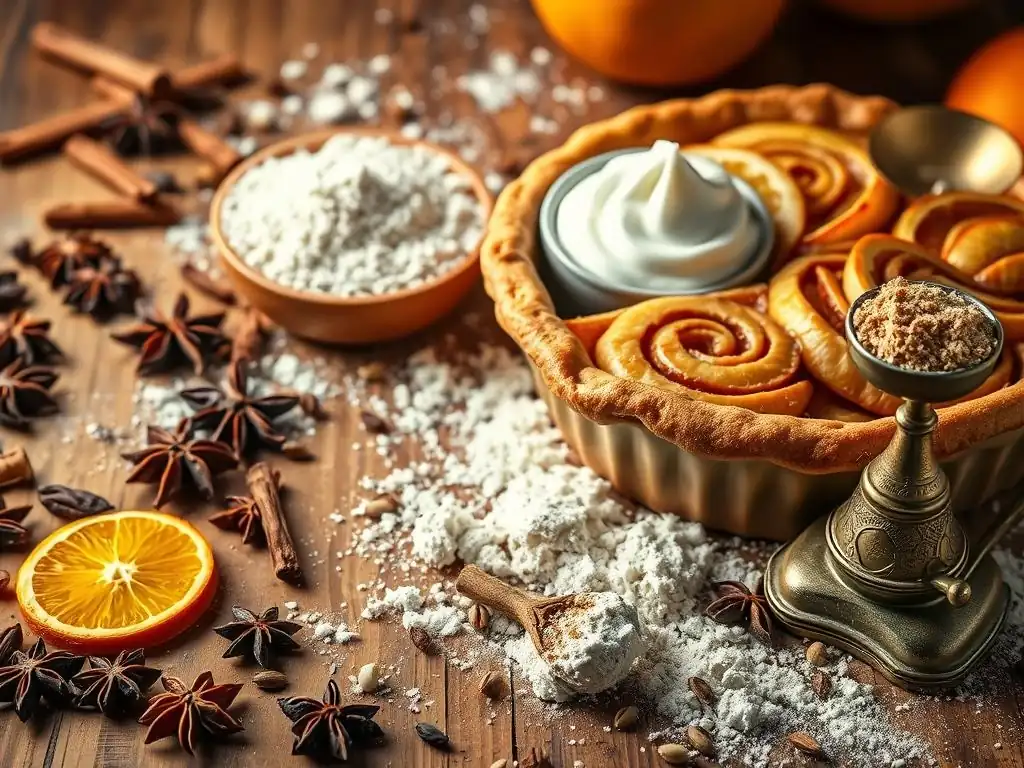
Spiced Apple Cake with Cinnamon Crumble
A spiced apple cake with a generous cinnamon crumble topping is a perfect example of how spices can create an incredibly aromatic bake. This type of cake typically uses a combination of cinnamon, nutmeg, and sometimes a pinch of allspice or ginger in the batter to complement the sweetness of the apples. As it bakes, the moisture from the apples and the heat of the oven release the volatile oils from the spices, filling the kitchen with a delightful, fruity-spicy aroma. The cinnamon crumble on top intensifies the cinnamon scent, creating an irresistible fragrance.
Creating this cake is a wonderful way to practice balancing spice flavors and maximizing aroma. The goal is a moist cake with tender apple pieces, topped with a buttery, crunchy crumble that carries a strong cinnamon presence. The interaction of the spices with the fruit and the rich batter yields a complex aroma that is both comforting and invigorating, showcasing the power of spiced baking recipes for aroma centered around fruit and warm spices.
Ingredients and Spice Blend
For a standard 9x13 inch spiced apple cake, typical ingredients include flour, sugar, butter, eggs, milk, baking powder, salt, sliced apples (about 4-6 cups), and a spice blend. A common spice blend for the batter might be 2 teaspoons ground cinnamon, 1 teaspoon ground nutmeg, and 1/4 teaspoon ground allspice. The crumble topping often uses a mix of flour, sugar, butter, and a significant amount of cinnamon, perhaps 1-2 tablespoons depending on preference, creating a potent cinnamon aroma layer.
Using fresh, high-quality spices is crucial here. The combination of cinnamon's warmth, nutmeg's depth, and allspice's complexity enhances the natural sweetness of the apples and the richness of the cake batter. The generous amount of cinnamon in the crumble ensures that its signature aroma is prominent and released effectively during baking, making this one of the most beloved spiced baking recipes for aroma.
Baking Tips
To maximize the aroma in a spiced apple cake, ensure your spices are fresh. Grinding whole nutmeg and allspice just before mixing the batter will provide a more vibrant fragrance. When making the crumble, rub the butter into the dry ingredients until coarse crumbs form, distributing the cinnamon throughout. Baking the cake until a toothpick inserted into the center comes out clean, but not overbaking, helps retain moisture, which aids in the release of volatile aromatic compounds from the spices.
Serving the cake warm is another key tip for experiencing the full aromatic potential. As the cake cools, the volatile compounds become less active, and the aroma diminishes slightly. A warm slice allows the scents of baked apples, cinnamon, and other spices to waft up, providing the most intense aromatic experience from this classic among spiced baking recipes for aroma.
Gingerbread cookies are a festive favorite, known for their distinctive spicy flavor and rich, warm aroma. The signature scent comes from a potent blend of ground ginger, cinnamon, cloves, and sometimes nutmeg or allspice, often combined with molasses and brown sugar. The proportion of ginger is usually the highest, providing the characteristic 'bite'. Baking gingerbread releases these strong, warm spice aromas, making them instantly recognizable and evocative of the holiday season.
Creating these cookies involves careful measurement of spices to achieve the perfect balance of warmth and sweetness. The aroma is just as important as the taste, contributing significantly to the nostalgic appeal of gingerbread. Whether rolled thin for crisp cut-outs or baked thicker for softer cookies, the robust fragrance of these spiced baking recipes for aroma is a key part of their charm and popularity.
Spice Balance in Gingerbread
The spice balance in gingerbread is critical to its success. A typical recipe for several dozen cookies might use 2-3 teaspoons of ground ginger, 1.5-2 teaspoons of ground cinnamon, 0.5-1 teaspoon of ground cloves, and potentially a pinch of nutmeg. The exact proportions vary depending on desired intensity. Too much clove can make them taste medicinal, while too little ginger diminishes the characteristic warmth and bite.
Molasses not only provides color and moisture but also enhances the flavor and aroma of the spices, particularly ginger. The dark, slightly bitter notes of molasses complement the pungent warmth of the spices beautifully. Achieving the right spice balance ensures that the aroma is complex, inviting, and truly representative of classic gingerbread among spiced baking recipes for aroma.
Decorating Tips
Decorating gingerbread cookies, often with royal icing or simple glazes, doesn't directly impact the baked-in aroma, but the visual appeal enhances the overall sensory experience. A beautifully decorated cookie looks as good as it smells and tastes. Using piping bags for detailed designs or simply spreading a thin layer of glaze are popular methods.
While the icing itself isn't spiced, the act of decorating and presenting these fragrant cookies adds to the joy of making and sharing spiced baking recipes for aroma. The visual charm complements the powerful scent and delicious taste, making gingerbread cookies a true sensory delight from start to finish.
Cardamom Buns with Glaze
Cardamom buns (like Swedish Kardemummabulle) are renowned for their soft, sweet dough and the intense, fragrant aroma of cardamom. These swirled buns are a prime example of how a single spice can be the star of an aromatic bake. Ground cardamom is generously incorporated directly into the enriched yeast dough, and sometimes also used in a filling with butter and sugar. As the buns bake, the heat releases the cardamom's vibrant, slightly floral, and citrusy aroma, creating a uniquely intoxicating scent.
Often finished with a sugar syrup or glaze, these buns are designed to highlight the cardamom. The soft, slightly chewy texture of the dough provides a perfect vehicle for the spice's potent fragrance. Baking cardamom buns is an excellent way to experience the power of cardamom as the dominant aromatic element in spiced baking recipes for aroma.
Fluffy Cardamom Buns
Achieving fluffy cardamom buns relies on a well-developed enriched yeast dough and a generous amount of high-quality ground green cardamom. A typical recipe for 12-16 buns might use 1-2 tablespoons of freshly ground cardamom seeds mixed into the dough ingredients (flour, milk, yeast, sugar, butter, egg). The dough needs sufficient kneading time to develop gluten, resulting in a light and airy texture after proofing and baking.
The cardamom is mixed into the dough before the first rise, allowing its flavors and aromas to permeate throughout. As the dough proofs and bakes, the heat activates the aromatic compounds, ensuring that every part of the bun is infused with the distinctive cardamom scent. This method ensures the fragrance is deeply embedded in the bake, making these a premier example of aromatic spiced baking recipes for aroma.
Cardamom Glaze
Some cardamom bun recipes are finished with a simple glaze or syrup brushed on immediately after baking. This glaze often consists of sugar and water, sometimes flavored with a little extra cardamom or vanilla. While the primary cardamom aroma comes from the spice in the dough and filling, a cardamom-infused glaze can add an extra layer of fragrance and a touch of sweetness to the exterior.
A common method is to make a simple syrup (equal parts sugar and water heated until sugar dissolves) and stir in a pinch of ground cardamom or a few crushed pods while it's warm, then brush it over the hot buns. This creates a slightly sticky, fragrant coating that enhances the overall aroma and appearance of these delightful spiced baking recipes for aroma.
Tips for Maximizing Aroma
Freshly Ground Spices
One of the most impactful ways to maximize the aroma in your spiced baking recipes for aroma is to use freshly ground spices whenever possible. Whole spices retain their volatile aromatic compounds much better than ground spices. Once a spice is ground, its surface area increases dramatically, exposing those precious oils to air, light, and heat, causing them to dissipate relatively quickly.
Investing in a small spice grinder (a dedicated coffee grinder works well) and buying whole spices like nutmeg, cloves, cardamom pods, and even cinnamon sticks to grind just before use will make a noticeable difference in the vibrancy and intensity of the aroma in your baked goods. This simple step is perhaps the single most effective way to ensure your spiced baking recipes for aroma are as fragrant as possible.
Blooming Spices
Blooming spices is a technique used to release their volatile aromatic compounds before adding them to a recipe. This is often done by gently heating ground spices in a small amount of fat (like butter or oil) on the stovetop for a minute or two. The heat helps to dissolve the fat-soluble flavor and aroma compounds and makes them more potent.
While more common in savory cooking, blooming can be beneficial in some spiced baking recipes for aroma, particularly for spices like cinnamon, ginger, or cloves used in batters. Heating them gently until fragrant before adding them to the wet ingredients can help distribute their aroma more effectively and enhance their intensity, ensuring a more powerful fragrance in the final baked product.
Storing Spices
Proper storage is crucial for preserving the potency and aroma of your spices. Spices should be stored in airtight containers, away from heat, light, and moisture. A cool, dark pantry or cupboard is ideal. Avoid storing spices above the stove, as the heat and steam will quickly degrade their quality.
Whole spices, when stored correctly, can last for several years while retaining good potency. Ground spices have a shorter shelf life, typically losing significant aroma within 6-12 months. Regularly checking the aroma of your ground spices (a quick sniff test should tell you if they still smell potent) and replacing them as needed is essential for ensuring your spiced baking recipes for aroma deliver the vibrant fragrance you expect.
Spice Blends
Creating or using pre-made spice blends is a convenient way to achieve consistent flavor and aroma in your spiced baking recipes for aroma. Popular blends like pumpkin pie spice, apple pie spice, or gingerbread spice combine complementary spices in specific ratios to provide a balanced aromatic profile. Making your own blends from fresh, whole spices ground just before mixing the blend will yield the most fragrant results.
When using spice blends, whether homemade or store-bought, ensure they are fresh. Store them in airtight containers and check their aroma periodically. Using a well-balanced, fresh spice blend simplifies the process of adding multiple spices and helps ensure that your baked goods consistently achieve the desired complex and inviting aroma.
Troubleshooting Spiced Baking
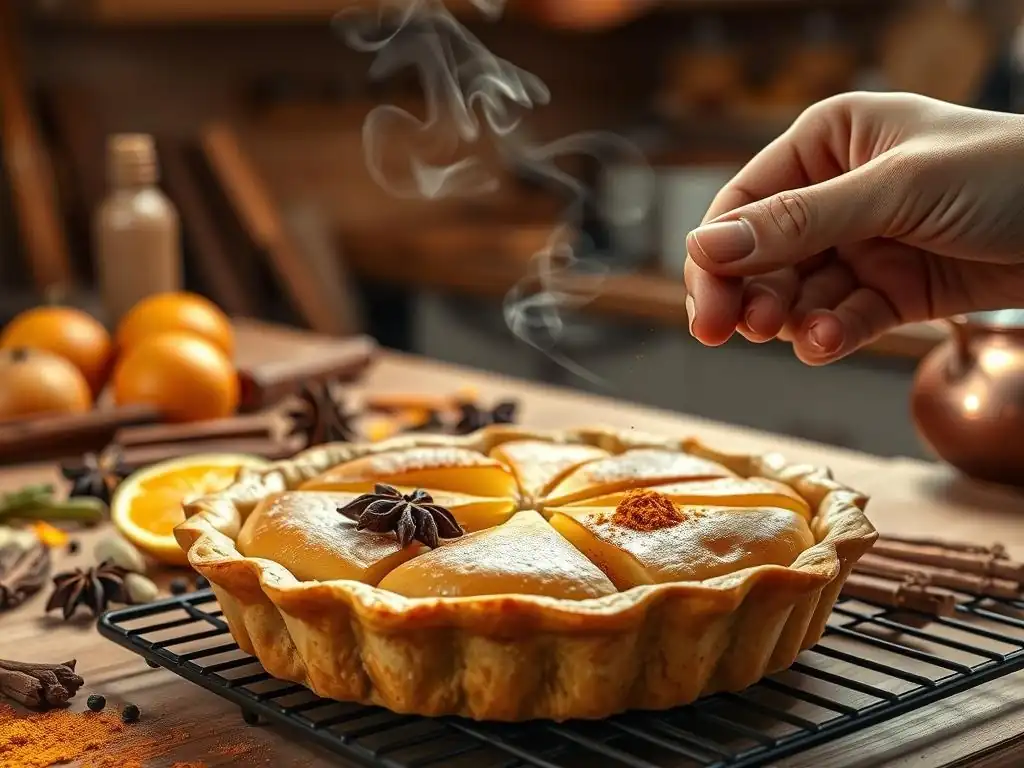
Overpowering Spice Flavors
Sometimes, in the pursuit of intense aroma, spices can become overpowering, leading to a bake that tastes too strong, bitter, or medicinal. This often happens when using too much of a potent spice like cloves or nutmeg, or if the spices aren't properly balanced with other ingredients. If you find your spiced baking recipes for aroma are coming out too strong, review the spice quantities in your recipe.
For future bakes, start with the lower end of the recommended spice range and adjust to your preference. If a batch is already too spicy, serving it with a neutral element like whipped cream, vanilla ice cream, or a plain glaze can help balance the intensity. For cakes, a simple syrup soak can sometimes help dilute the spice flavor slightly. Adjusting quantities in subsequent attempts is the best long-term solution for achieving perfect balance in your spiced baking recipes for aroma.
Faded Spice Aroma
A common disappointment is when baked goods lack the expected vibrant spice aroma. This is usually due to using old, stale spices that have lost their volatile compounds. Ground spices are particularly prone to losing their potency over time. If your spiced baking recipes for aroma consistently lack fragrance, your spices are likely the culprit.
Check the age of your ground spices and replace any that are older than a year or lack a strong scent when sniffed. Consider buying whole spices and grinding them yourself just before use for maximum freshness and aroma. Ensuring proper storage conditions (airtight, dark, cool) will also help preserve spice potency. Using fresh spices is the most effective way to combat faded aroma and ensure your spiced baking recipes for aroma are truly aromatic.
Substituting Spices
While spiced baking recipes for aroma often call for specific spices, sometimes substitutions are necessary. However, substituting spices can significantly alter both the flavor and the aroma of the final product. Direct substitutions should be made with caution, considering the potency and aromatic profile of the replacement. For example, substituting cloves for cinnamon requires using a much smaller quantity due to cloves' intensity.
If a recipe calls for a spice you don't have, look for recommended substitutions from reliable sources. Often, a blend of spices can approximate the flavor of a single spice (e.g., a mix of cinnamon, clove, and nutmeg for allspice). Be mindful that the aroma might not be exactly the same. When experimenting with substitutions in spiced baking recipes for aroma, start with a small amount and adjust as needed, keeping in mind that the goal is to maintain a harmonious aromatic profile.
Conclusion: Embrace Aromatic Spiced Baking
Elevate Baking with Spices
Spices are far more than just flavor enhancers in baking; they are the key to unlocking incredible aromas that elevate the entire sensory experience. From the comforting warmth of cinnamon in an apple pie to the exotic fragrance of cardamom in a sweet bun, spices have the power to transform simple ingredients into unforgettable creations. Mastering their use is an essential step for any baker looking to add depth, complexity, and that irresistible inviting scent to their goods. Embracing spices means embracing a world of aromatic possibilities, making every bake a richer, more rewarding experience.
By understanding the properties of different spices, how to store and prepare them, and how to balance them within a recipe, you can consistently achieve beautifully fragrant results. Experimenting with different combinations and techniques, like blooming spices or using freshly ground ones, will further enhance the aromatic quality of your bakes. Stepping into the realm of spiced baking recipes for aroma opens up a new dimension of creativity and enjoyment in the kitchen, promising delicious results that delight both taste buds and noses.
Aromatic Baking Mastery
Achieving mastery in aromatic baking is a journey that involves continuous learning, experimentation, and a deep appreciation for the power of spices. It's about developing an intuition for how different aromas interact and knowing how to adjust spice levels to suit your personal preference or the specific requirements of a recipe. With practice, you'll learn to predict the aromatic outcome of different spice combinations and techniques, becoming confident in your ability to create stunningly fragrant baked goods.
Whether you're perfecting classic spiced baking recipes for aroma like gingerbread or inventing new combinations, the principles remain the same: start with high-quality, fresh spices, understand their unique profiles, and use them thoughtfully. The reward is not just delicious treats, but a kitchen filled with intoxicating scents that invite everyone to gather 'round. Continue exploring, experimenting, and enjoying the wonderful world of aromatic spiced baking recipes for aroma.
Frequently Asked Questions
How do spices contribute to the aroma of baked goods?
Spices release volatile aromatic compounds when heated, creating complex and appealing scents. These compounds interact to produce a unique olfactory experience, enhancing the overall enjoyment of the baked item. This leads to a deeper sensory enjoyment.
What are some common spices used in "spiced baking recipes for aroma"?
Common spices include cinnamon, nutmeg, cloves, ginger, cardamom, and allspice. These spices are valued for their strong and distinctive aromas which add warmth and complexity to baked goods. The blend of spices greatly affect the final aroma.
Can I substitute spices in a recipe, and if so, how do I do it carefully?
Yes, you can, but with caution. Start with small amounts and consider the spice's strength. Research compatible flavor profiles to avoid overpowering the intended aroma. Balance is key when substituting spices.
How does the freshness of spices affect the aroma of baked goods?
Freshly ground spices have a more potent aroma than older, pre-ground spices. Over time, spices lose their volatile oils, diminishing their fragrance. Using fresh spices results in a more intense and desirable aroma.
Where can I find "spiced baking recipes for aroma" suitable for beginners?
Websites like BakeWithEase.com offer simple recipes with step-by-step guides. Look for recipes that use readily available ingredients and clear instructions, focusing on easy-to-master techniques. These recipes will help you get started.
Final Reflection: The Enduring Allure of Aromatic Baking
The art of spiced baking isn't merely about creating delicious treats; it's about crafting sensory experiences. The subtle nuances of cinnamon, the warmth of ginger, the exotic allure of cardamom – these aren't just ingredients; they're the architects of unforgettable moments, transforming ordinary baked goods into extraordinary olfactory journeys. In a world increasingly dominated by visual stimulation, the power of aroma in baking remains a potent and underappreciated force.
The influence of spices on our cultural landscape is profound, extending far beyond the kitchen. Spices have been integral to trade routes, religious ceremonies, and culinary traditions for millennia, shaping our history and influencing our palates. Their evocative power transcends language and culture, instantly transporting us to different times and places. The spice trade was the engine of globalization long before the internet.
This simple statement highlights the enduring and far-reaching impact of these seemingly small ingredients. The comforting aroma of a spiced cake, for instance, can evoke powerful memories and emotions, connecting us to cherished traditions and loved ones.
Now, consider your own baking journey. What spices resonate most deeply with you? What memories are stirred by the scent of freshly baked gingerbread or the comforting warmth of a spiced apple crumble? I encourage you to explore the world of aromatic baking further, experimenting with different spice combinations and discovering the unique sensory landscapes they create. Let the fragrant steam guide your creativity, and allow the power of aroma to enhance your baking experience and enrich the lives of those you share your creations with.
Unleash Your Inner Spice Master!
Thanks for exploring the wonderful world of spices in baking with us! We hope you've gained some delicious inspiration and new techniques to elevate your baking game. Ready to put your newfound knowledge into action?
- Experiment with a new spice blend: Try substituting the spices in your favorite recipe with a unique combination from the article – the possibilities are endless! What unexpected flavor profile will you create?
- Share your spiced creations: Post a picture of your baking masterpiece on social media and tag us – we'd love to see what you come up with!
- Dive deeper into spice exploration: Explore our website for more baking recipes featuring exciting spice combinations. We've got a treasure trove waiting for you!
What unexpected flavor will you introduce to your next batch of cookies or cakes?