
Cheesy Gougères: A Simple Savory Choux Treat Recipe

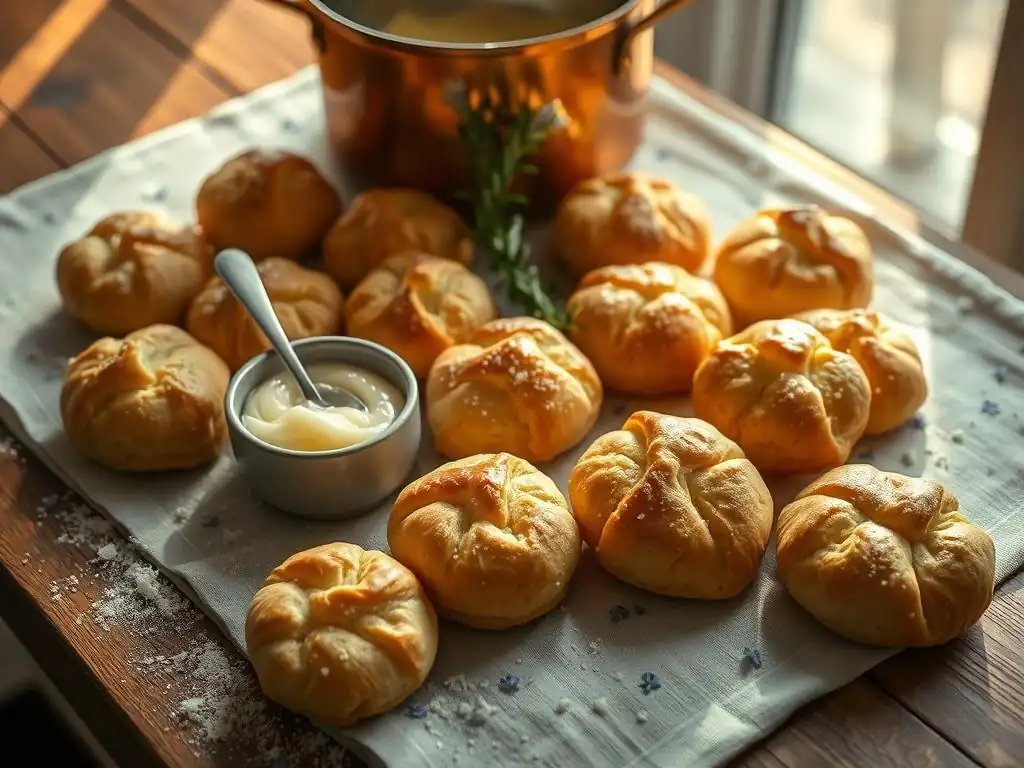
Welcome to BakeWithEase, your kitchen companion for all things baking! Ever dreamt of effortlessly whipping up elegant, savory pastries that impress? Get ready to turn that dream into reality. Today, we're diving into the delightful world of choux pastry with our easy cheesy gougères recipe. These airy, cheesy puffs are simpler to make than you think, even if you're just venturing beyond basic baking. Intrigued? Let's unlock the secrets to perfect gougères and elevate your baking game!
- Gougères: A Classic French Cheese Puff Recipe
- A Step-by-Step Guide to Perfect Gougères
- Mastering the Gougères Recipe: A Detailed Guide
- Tips and Tricks for Baking Perfect Gougères Every Time
- Serving and Storing Your Homemade Gougères
- Troubleshooting Common Gougère Baking Problems
- Savoring Your Gougères: A Recipe for Culinary Success!
-
Frequently Asked Questions
- What exactly are gougères and what makes them a " choux treat"?
- Is this "Easy Cheesy Gougères Recipe" really beginner-friendly, or is some baking experience required?
- Can I substitute different cheeses in this recipe, or is the specific cheese crucial?
- How long do gougères stay fresh, and what is the best way to store them?
- What are some serving suggestions for these cheesy gougères?
- Final Reflection: The Enduring Charm of Simple Pleasures
- Unleash Your Inner Pâtissier: Make Gougères Today!
Gougères: A Classic French Cheese Puff Recipe
A Step-by-Step Guide to Perfect Gougères
The Essence of Gougères
Gougères are a delightful savory pastry originating from the Burgundy region of France. At their heart, they are simply cheese puffs made from pâte à choux dough, the same versatile base used for eclairs and profiteroles, but with the addition of cheese. This dough is cooked on the stovetop before eggs are incorporated, creating a thick, smooth paste.
The key characteristic of gougères is their incredible lightness and airy, hollow interior, encased in a crisp, golden-brown shell. Traditionally, Gruyère cheese is the star, lending a nutty, savory depth, but many variations exist. Mastering an easy cheesy gougères recipe is a rewarding step for any baker looking to explore classic French techniques with a savory twist.
Why Gougères are a Culinary Delight
Gougères offer a unique textural contrast: a delicate crisp exterior giving way to a surprisingly spacious, tender interior. This makes them incredibly versatile. They are often served as an elegant appetizer, a sophisticated snack alongside a glass of wine, or even as a delightful accompaniment to soups and salads. Their savory, cheesy flavor profile is inherently appealing, making them a crowd-pleaser.
Beyond their delicious taste and texture, gougères are relatively quick to prepare once you understand the basics of pâte à choux. An easy cheesy gougères recipe allows bakers to create something impressive with minimal fuss, making them perfect for impromptu gatherings or simply elevating a weeknight meal. The aroma of them baking alone is enough to entice anyone into the kitchen!
Mastering the Gougères Recipe: A Detailed Guide
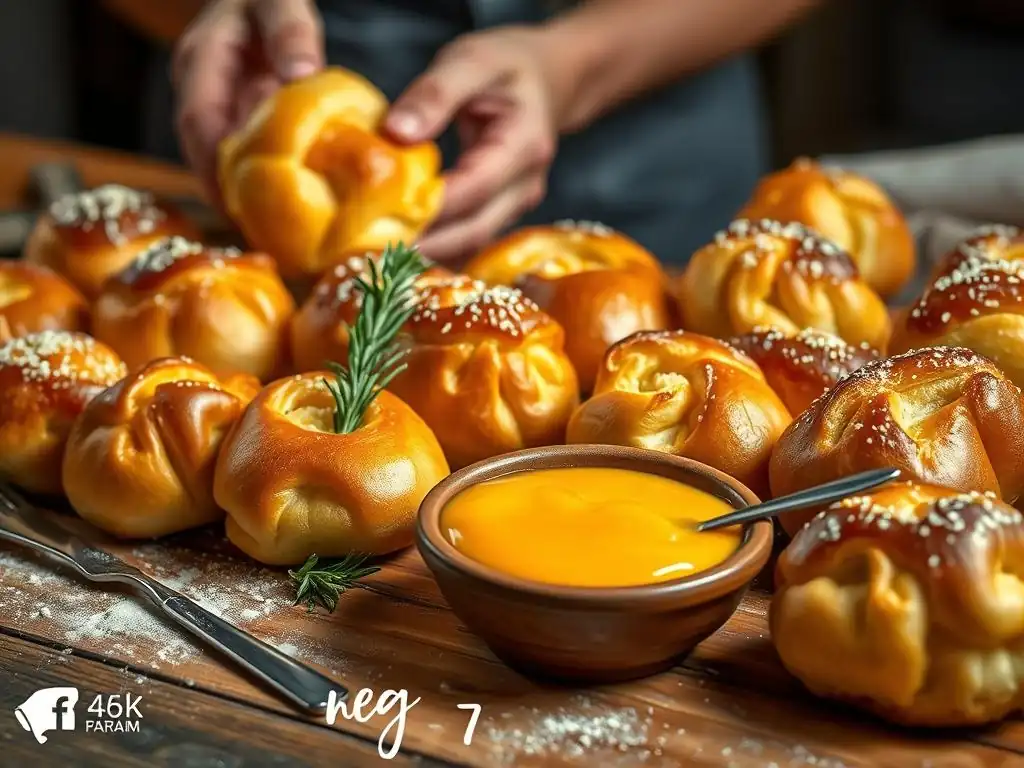
Gathering Your Ingredients for Exceptional Gougères
Success begins with quality ingredients, and for an easy cheesy gougères recipe, this is especially true. While the list is short, each component plays a crucial role in achieving the perfect texture and flavor. Using room temperature eggs, for instance, helps them incorporate more smoothly into the dough.
Selecting a good quality cheese is paramount. Gruyère offers the classic, rich flavor, but other hard cheeses like Comté or even a sharp cheddar can yield delicious results. Measuring accurately, especially the flour, is vital for the right dough consistency, which directly impacts the final puffiness.
The Essential Ingredients List:
- All-Purpose Flour
- Unsalted Butter
- Large Eggs
- Gruyère Cheese
- Water
- Salt, Black Pepper, and Nutmeg
Step 1: Preparing the Pâte à Choux
Making the base pâte à choux is the foundational step for your easy cheesy gougères recipe. It involves cooking butter and water together, adding flour, and stirring vigorously over heat until a cohesive dough ball forms and a thin film develops on the bottom of the pan. This process, known as panade, gelatinizes the starch in the flour, allowing the dough to absorb a significant amount of liquid (the eggs) later.
The key here is to cook the dough sufficiently to dry it out slightly. This ensures it's not too wet when you add the eggs, which is crucial for proper puffing. Continue stirring for 1-2 minutes over medium heat after the dough comes together, breaking it apart and bringing it back together with your spoon. This extra minute or two makes a significant difference in the final texture of your cheesy gougères.
Combining Butter, Water, and Flour in a Saucepan
Combine the water, unsalted butter (cut into pieces for faster melting), and a pinch of salt in a medium saucepan over medium heat. Bring this mixture to a rolling boil, ensuring the butter is completely melted before the water boils to prevent excessive evaporation. Remove the pan from the heat and immediately add all the all-purpose flour at once.
Stir vigorously with a wooden spoon or sturdy spatula. The mixture will look lumpy at first, but keep stirring. It will quickly come together into a ball of dough. Return the pan to low-medium heat and continue to cook, stirring and pressing the dough against the sides of the pan for about 1-2 minutes. This step dries out the dough, which is essential for creating a light, airy puff. A thin film should form on the bottom of the pan.
Achieving the Correct Dough Consistency
After cooking the dough on the stovetop, it should be smooth, cohesive, and pull away cleanly from the sides of the pan. When you press it with your spoon, it should feel somewhat firm but still pliable. Transfer the dough to a large bowl or the bowl of a stand mixer fitted with the paddle attachment. This allows it to cool down slightly before adding the eggs.
It's important that the dough cools for a few minutes (typically 5-10 minutes) before adding the eggs. If the dough is too hot, it will cook the eggs, preventing them from properly emulsifying and leavening the pastry. The goal is for the dough to be warm to the touch, but not so hot that you can't comfortably handle it for a moment.
Step 2: Incorporating Eggs into the Choux Pastry
Adding the eggs is perhaps the most critical stage in making pâte à choux for your easy cheesy gougères recipe. Each egg adds moisture and protein, which are essential for creating steam during baking and thus the hollow interior. The eggs must be added one at a time, and each egg must be fully incorporated before adding the next. This process can be done by hand with a sturdy spoon, but a stand mixer makes it much easier.
As you add the eggs, the dough will initially look like it's separating or curdling. Don't worry! Keep mixing, and it will eventually come back together into a smooth, thick batter. The final consistency is key; it should be glossy, smooth, and thick enough to hold its shape when piped or spooned, but soft enough to fall from a spoon in a "V" shape (the "bird's beak" consistency). You may not need all the eggs depending on the size of your eggs and how much you dried the dough in the first step.
Adding Eggs Gradually for a Smooth and Shiny Batter
Once the cooked dough has cooled slightly, add the first large egg. If using a stand mixer, mix on medium speed until the egg is completely absorbed and the dough is smooth again. Scrape down the sides and bottom of the bowl as needed. Add the second egg and repeat the process. Continue adding eggs one at a time, mixing thoroughly after each addition.
After the third egg, start checking the consistency. The batter should be thick, smooth, and glossy. When you lift the paddle or spoon, the batter should hang in a thick ribbon and form a "V" or "bird's beak" shape that eventually breaks off after a few seconds. If it's still too stiff, beat in a small portion of the final egg, checking the consistency frequently, as adding too much egg will result in a batter that is too wet and won't puff properly.
Tips for Successful Egg Incorporation
- Ensure eggs are at room temperature. Cold eggs are harder to incorporate smoothly.
- Mix thoroughly after each egg. Don't rush this step. It can take a minute or two for each egg to be fully absorbed.
- Scrape down the bowl frequently to ensure everything is evenly mixed.
- Pay close attention to the final consistency. This is more important than using the exact number of eggs listed in the recipe. The "bird's beak" test is your guide.
- If mixing by hand, be prepared for a workout! It requires vigorous stirring to fully incorporate the eggs.
Step 3: Adding Cheese and Seasoning for Flavor
With the perfect pâte à choux base ready, it's time to add the star flavor component for your easy cheesy gougères recipe: the cheese! Grated cheese is folded into the warm (but not hot) dough. The residual warmth helps the cheese melt slightly, distributing its flavor throughout the batter.
Beyond cheese, a touch of seasoning elevates the gougères. Salt is essential, of course, but a pinch of black pepper and a whisper of freshly grated nutmeg are traditional additions that beautifully complement the richness of the cheese and butter. Don't be afraid to taste a tiny bit of the raw dough (it's cooked flour and butter, perfectly safe) to check the seasoning before baking.
Selecting the Right Cheese: Gruyère and Beyond
While Gruyère is the classic choice for gougères due to its nutty, complex flavor and excellent melting properties, you have options. Comté, another French cheese, is very similar to Gruyère and works beautifully. A sharp aged cheddar can provide a tangier profile, though it might not melt quite as smoothly. Parmesan or Pecorino Romano can be added for a salty, pungent kick, often mixed with another cheese.
For an easy cheesy gougères recipe, aim for about 1 cup (or roughly 100-120 grams) of finely grated cheese per standard batch of dough made with 1 cup of liquid. Using finely grated cheese helps it distribute evenly and melt properly. Avoid pre-shredded cheese if possible, as it often contains anti-caking agents that can affect texture.
Seasoning Your Gougères: Balancing Flavor Profiles
Salt is crucial to bring out the flavor of the cheese and dough. Start with about 1/2 teaspoon of fine salt for a recipe using 1 cup of water, but adjust based on the saltiness of your cheese. Freshly ground black pepper adds a pleasant warmth and bite. A tiny pinch of freshly grated nutmeg is a traditional secret ingredient; it doesn't make the gougères taste like nutmeg, but rather enhances the savory, cheesy notes in a subtle way.
Consider adding other seasonings too. A pinch of cayenne pepper or paprika can add a little color and heat. Finely chopped fresh herbs like chives or thyme can be folded in with the cheese for an extra layer of flavor. About 1-2 tablespoons of chopped herbs per batch is usually sufficient to impart flavor without overwhelming the delicate puff.
Step 4: Shaping and Baking Your Gougères
Shaping gougères is straightforward. The dough can be piped using a pastry bag for uniform size and shape, or simply spooned onto the baking sheet. Piping creates neater, rounder puffs, while spooning results in a more rustic, freeform look. Both methods yield equally delicious results for your easy cheesy gougères recipe.
Baking is where the magic happens. The high initial heat creates steam from the moisture in the dough and eggs, causing the puffs to expand rapidly. Reducing the temperature partway through allows the interior to cook and the exterior to crisp up without burning. This two-temperature baking is key to achieving a large, hollow center and a stable structure that won't collapse.
Piping or Spooning the Gougères onto a Baking Sheet
Line a baking sheet with parchment paper or a silicone baking mat. If piping, use a pastry bag fitted with a plain round tip (about 1/2 inch or 1 cm in diameter) or a star tip for a different look. Fill the bag with the cheesy choux dough and pipe mounds about 1.5 to 2 inches in diameter, leaving about 2 inches of space between them as they will expand. If spooning, use two spoons to scoop and shape rough rounds of dough onto the prepared sheet.
For a neat finish when piping, stop squeezing the bag and gently twist it before lifting straight up, using a damp fingertip to smooth down any peaks if desired. For a shinier, golden crust, you can brush the tops lightly with an egg wash (one egg beaten with a tablespoon of water) before baking. This is optional for an easy cheesy gougères recipe but adds visual appeal.
Baking Gougères to a Golden Brown Perfection
Preheat your oven to a relatively high temperature, typically around 400°F (200°C). Place the baking sheet in the oven and bake for about 15 minutes at this temperature. During this time, the gougères should puff up significantly and start to turn golden brown. Do not open the oven door during this initial stage, as it can cause them to deflate.
After 15 minutes, reduce the oven temperature to about 350°F (175°C) and continue baking for another 10-15 minutes, or until the gougères are deeply golden brown all over and feel light when lifted. This lower temperature allows the interior to finish cooking and dry out, creating that essential hollow space and preventing deflation. Baking them until they are a deep golden color is crucial; pale gougères are likely underbaked and will collapse.
Achieving the Signature Puffed Texture with a Hollow Interior
The science behind the puff lies in the steam. The high moisture content in the pâte à choux, trapped by the cooked flour structure, turns to steam in the hot oven. This steam expands rapidly, pushing the dough outwards and creating the characteristic hollow cavity inside. The initial high heat provides the immediate burst of steam needed for maximum expansion.
Reducing the temperature allows the exterior crust to firm up and the interior moisture to continue evaporating slowly, cooking the inside walls of the puff. Baking until deeply golden ensures the crust is sturdy enough to support the structure and prevents the puff from collapsing as it cools. An easy cheesy gougères recipe relies on this simple steam leavening, making chemical leaveners unnecessary.
Tips and Tricks for Baking Perfect Gougères Every Time
Ensuring a Hollow Center for Lightness
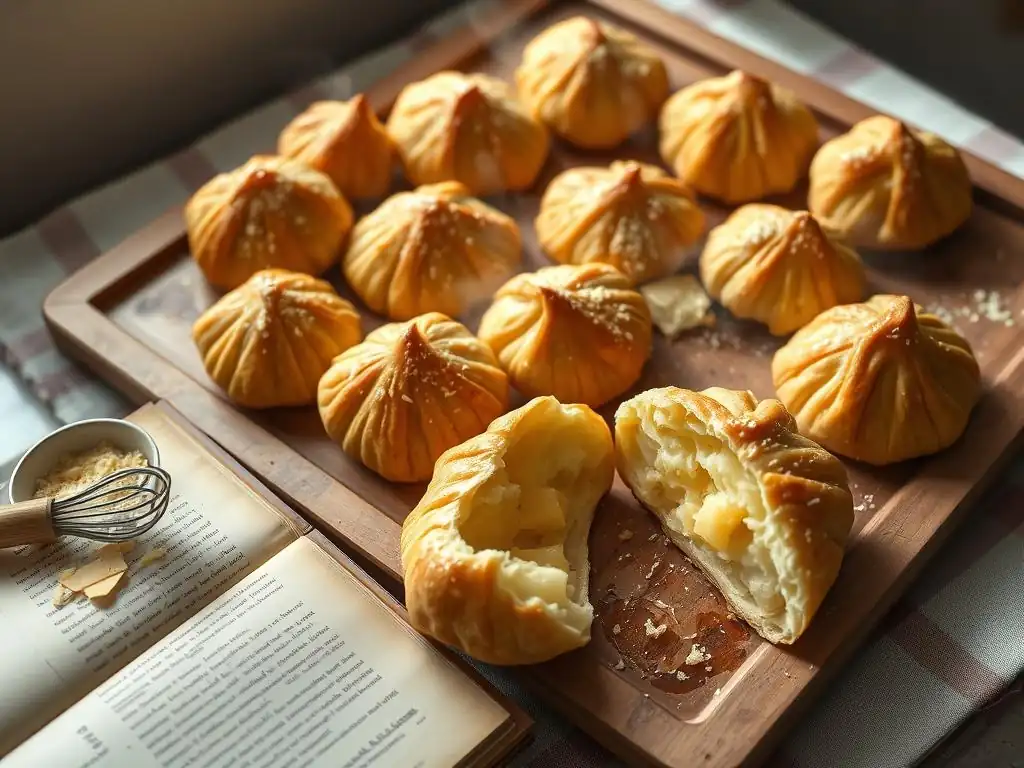
A large, hollow interior is the hallmark of a perfectly baked gougère. This is achieved by ensuring the pâte à choux is the correct consistency (the "bird's beak" test is key) and properly dried out during the stovetop cooking phase. Too much moisture in the dough will result in a dense, wet interior.
Crucially, bake the gougères long enough. They should be deeply golden brown and feel very light when picked up. Underbaking is the most common cause of a doughy interior or collapse. The two-stage baking temperature (high then lower) helps achieve a crisp exterior and a fully cooked, dry interior, maximizing the hollow space.
Preventing Gougères from Deflating After Baking
Deflation is often a sign of underbaking. If the crust isn't sturdy enough and the interior is still too moist, the puff will collapse as the steam cools. To prevent this, ensure your gougères are baked until a deep golden brown. They should feel light and sound hollow when tapped on the bottom.
Another tip is to slightly crack open the oven door after turning the oven off and let the gougères cool inside for 5-10 minutes. This gradual temperature change helps them set and reduces the shock of moving from a hot oven to cooler room air. This simple step can be the difference between a perfect puff and a sad, sunken one in your easy cheesy gougères recipe.
Experimenting with Different Cheese and Herb Variations
While Gruyère is classic, don't hesitate to get creative! A mix of cheeses often yields the most complex flavor. Try combining Gruyère with sharp cheddar, Comté, or even a bit of Parmesan. For a spicier twist, add a pinch of cayenne pepper or some finely diced jalapeño along with the cheese.
Fresh herbs like chives, rosemary, thyme, or parsley can be finely chopped and folded into the dough with the cheese. Approximately 1-2 tablespoons of fresh herbs per batch adds a lovely aromatic quality. Smoked paprika or a dash of garlic powder can also enhance the savory notes in your simple cheesy gougères.
Serving and Storing Your Homemade Gougères
Gougères are best served warm, ideally straight from the oven when their texture is at its peak crispness and their cheesy aroma is most inviting. Place them on a serving platter and watch them disappear! They are fantastic on their own as a snack or appetizer.
If you have leftovers (a rare occurrence! ), they can be stored. Proper storage helps maintain their quality, though they will lose some of their initial crispness. Reheating is key to bringing them back to life.
Serving Suggestions: Complementing Flavors
Warm gougères are a perfect accompaniment to a variety of dishes. Serve them alongside a light soup or a fresh salad for an elegant lunch. They pair beautifully with wine, particularly white wines from the Burgundy region, mirroring their origin.
Consider them as a base for small canapés; once baked and cooled slightly, you could slice them horizontally and fill them with a savory mousse, smoked salmon, or prosciutto for a more elaborate presentation. Their simple cheesy flavor makes them incredibly versatile.
Storing Leftover Gougères: Maintaining Freshness
Allow leftover gougères to cool completely on a wire rack before storing. Store them in an airtight container at room temperature for up to 2 days. For longer storage, they can be frozen. Place cooled gougères in a single layer on a baking sheet and freeze until solid, then transfer them to a freezer-safe bag or container for up to 1 month.
To reheat, place room temperature gougères on a baking sheet and warm in a preheated oven at 300°F (150°C) for 5-10 minutes, or until heated through and slightly crisped up again. Frozen gougères can be reheated directly from the freezer; add a few extra minutes to the baking time. This reheating method helps restore some of their delightful texture.
Troubleshooting Common Gougère Baking Problems
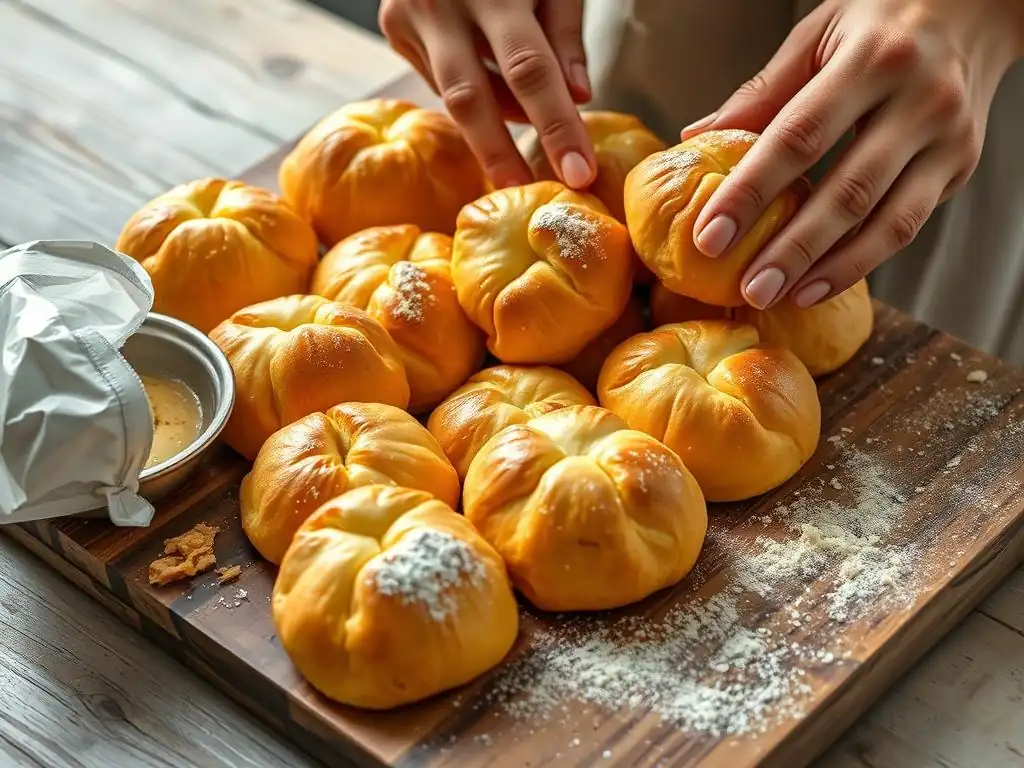
Addressing Flat Gougères: Causes and Solutions
Flat gougères are a common frustration, often indicating the dough didn't puff properly. The most frequent causes are insufficient stovetop cooking of the dough (it needs to be dried out), adding too many eggs (resulting in a batter that's too wet), or opening the oven door too early during the high-heat baking phase.
To fix this, ensure your dough is cooked on the stovetop for the recommended time until a film forms. Add eggs gradually, stopping when the batter reaches the "bird's beak" consistency. And be patient – resist the urge to peek in the oven for the first 15-20 minutes of baking. A slightly higher initial baking temperature can also help promote a strong initial puff.
Dealing with Dry Gougères: Moisture Management
Gougères that are too dry or tough might result from overcooking the dough on the stovetop or, more commonly, overbaking them in the oven. While you want a hollow interior, you don't want the walls of the puff to be brittle or excessively hard.
Ensure you follow the baking times and temperatures in your easy cheesy gougères recipe closely, looking for a deep golden color but stopping before they become excessively dark. If your oven runs hot, consider reducing the temperature slightly or shortening the baking time. Using a slightly higher ratio of butter to flour can also contribute to a more tender texture.
Achieving Optimal Puffiness: Key Factors
Optimal puffiness is a result of combining several successful steps. It starts with a properly cooked and cooled pâte à choux base that has the right amount of moisture. Incorporating the correct amount of egg to achieve the perfect batter consistency is also crucial.
Finally, the baking environment is paramount. A hot oven creates the necessary steam, and maintaining that heat (without opening the door!) for the initial phase allows the structure to set before the temperature is reduced to finish drying the interior. Fresh ingredients, accurately measured, lay the groundwork for success in any easy cheesy gougères recipe.
Savoring Your Gougères: A Recipe for Culinary Success!
Frequently Asked Questions
What exactly are gougères and what makes them a " choux treat"?
Gougères are savory baked cheese puffs made from pâte à choux, a light pastry dough. The "choux pastry" is known for its airy texture and ability to puff up.
Is this "Easy Cheesy Gougères Recipe" really beginner-friendly, or is some baking experience required?
This recipe is designed for bakers of all levels, including beginners. The instructions are clear and the ingredients are easy to find.
Can I substitute different cheeses in this recipe, or is the specific cheese crucial?
Yes, you can substitute cheeses! While this recipe focuses on a "cheesy gougères" flavor, experimenting with different cheeses like Gruyere or cheddar is encouraged.
How long do gougères stay fresh, and what is the best way to store them?
Gougères are best enjoyed fresh, but can be stored in an airtight container for up to two days. Reheating slightly will help restore their crisp texture.
What are some serving suggestions for these cheesy gougères?
They are perfect as an appetizer, a side dish, or a snack. Serve them warm on their own, or alongside soups, salads, or with a glass of wine.
Final Reflection: The Enduring Charm of Simple Pleasures
The humble gougère, a seemingly simple puff pastry, reveals a profound truth about cooking: that extraordinary flavor can arise from the most straightforward techniques. Mastering this recipe isn't about complex culinary skills, but about understanding the delicate balance of ingredients and the magic of a well-executed béchamel. It's a testament to the power of simplicity.
The enduring appeal of the gougère lies not just in its delicious cheesy crunch, but in its ability to elevate any occasion. From casual weeknight dinners to elegant gatherings, these little puffs bring a touch of sophistication without the fuss. They represent a connection to culinary traditions, a reminder that sometimes the most satisfying experiences are the ones that are both accessible and deeply rewarding. The best things in life are simple.
This adage rings particularly true when considering the joy derived from creating and sharing these delightful treats.
Now, I invite you to consider the possibilities. Don't just bake these gougères; experience them. Embrace the simplicity of the recipe, the satisfaction of the process, and the joy of sharing your culinary creation with others. Let the aroma of baking cheese fill your kitchen, a fragrant reminder that even the smallest acts of culinary creativity can bring immense pleasure. Go forth, and make some magic!
Unleash Your Inner Pâtissier: Make Gougères Today!
Thanks for taking the time to explore the delightful world of cheesy gougères! We hope you found our recipe both inspiring and easy to follow. Ready to elevate your baking game?
- Whip up a batch of these airy delights: The recipe is simpler than you think, and the results are incredibly rewarding. Don't be intimidated – even baking beginners can master this!
- Share your gougères masterpiece: Snap a picture of your creation and tag us – we'd love to see your cheesy, golden-brown creations! Use #BakeWithEaseGougères to join the fun.
- Experiment with flavors: Try adding herbs, different cheeses, or even a touch of spice to your gougères. What unique twist will you create?
So, what exciting flavor combination will you try first to personalize your gougères?