
Flour Power: Choosing the Best Flour for Your Sourdough Starter

Welcome to BakeWithEase, where every bake is a breeze!
Ready to unlock the secret to a thriving sourdough starter? The key often lies in the flour you choose. Dive into "Flour Power: Choosing the Best Flour for Your Sourdough Starter" and discover how this simple ingredient can dramatically impact your baking success. But which flour reigns supreme? Let's explore the nuances and find the perfect match for your bubbly companion. Get ready to elevate your sourdough game!
- Understanding the Importance of Flour for Sourdough Starters
-
The Best Flour Options for Your Sourdough Starter: A Comparison
- All-Purpose Flour for Sourdough Starter: Availability and Results
- Bread Flour for Sourdough Starter: Strength and Gluten Development
- Whole Wheat Flour for Sourdough Starter: Flavor and Nutrient Boost
- Rye Flour for Sourdough Starter: Unlocking Unique Flavors and Activity
- Other Flour Types for Sourdough: Spelt, Einkorn, and More
- Comparing Flour Types for Sourdough Starter
- How to Choose the Best Flour for Your Sourdough Starter
- Troubleshooting Common Issues with Sourdough Starter Flour
- Best Practices for Feeding Your Sourdough Starter with Different Flours
- Experimenting with Flour Blends for Your Sourdough Starter
- Conclusion: Finding Your Perfect Flour for Sourdough Success
-
Frequently Asked Questions
- What is the best type of flour to use when initially creating a sourdough starter?
- Can I use all-purpose flour to maintain my sourdough starter once it's established?
- Why is the type of flour important for a sourdough starter?
- What happens if I use bleached flour in my sourdough starter?
- How often should I feed my sourdough starter, and does the flour type impact this?
- Final Reflection: The Heart of the Sourdough: Flour's Vital Role
- Unleash Your Inner Baker: Level Up Your Sourdough!
Understanding the Importance of Flour for Sourdough Starters
Why Flour Choice Matters for a Healthy Sourdough Starter
The flour you choose to feed your sourdough starter is arguably the single most critical decision you'll make in its care and development. Think of flour as the primary food source for the wild yeasts and bacteria that make up your starter.
Just like different foods affect our own health and energy levels, different flours provide varying nutrients, sugars, and structures that significantly impact the vitality and activity of your microbial colony. Using the best flour for sourdough starter ensures they have the necessary fuel to multiply and thrive, leading to a vigorous starter capable of leavening your bread effectively.
A healthy starter, fueled by the right flour, will exhibit predictable rising and falling patterns, show a bubbly, active surface, and develop a pleasant, tangy aroma. Conversely, feeding a starter with flour that lacks sufficient nutrients or has been improperly stored can lead to a sluggish, inconsistent, or even unhealthy starter.
For example, a starter fed exclusively on bleached white flour might struggle compared to one receiving a mix of flours with more diverse nutrients. The quality and type of flour directly influence the starter's microbial balance, which in turn dictates its strength, flavor profile, and ability to perform reliably in your baking projects.
How Flour Affects Sourdough Starter Activity and Flavor
The composition of the flour directly influences how quickly and vigorously your sourdough starter becomes active. Different flours contain varying amounts of starches and sugars, which are the primary food for the microbes. They also differ in protein, fiber, and mineral content (ash). For instance, flours like rye or whole wheat contain more readily accessible nutrients and enzymes compared to highly refined white flours, often leading to faster initial activity and a more robust microbial population. This is why many bakers find that adding a small amount of rye or whole wheat can 'boost' a sluggish starter.
Beyond activity, the flour type profoundly shapes the flavor of your sourdough starter and, subsequently, your baked goods. The diverse microbial communities that flourish on different flours produce various metabolic byproducts, including organic acids like lactic and acetic acid, which contribute to the characteristic sourdough tang.
A starter fed with whole wheat or rye flour will typically develop a deeper, more complex, and often tangier flavor profile than one fed solely with white all-purpose flour. Experimenting with different flours for your best flour sourdough starter can unlock a wide spectrum of flavors, from mild and sweet to intensely sour and earthy.
The Best Flour Options for Your Sourdough Starter: A Comparison
All-Purpose Flour for Sourdough Starter: Availability and Results
All-purpose flour is perhaps the most accessible and commonly used flour for creating and maintaining a sourdough starter. Its wide availability in most grocery stores makes it a convenient choice for many home bakers. Typically, all-purpose flour has a moderate protein content, usually ranging from 10% to 12%. This provides enough gluten-forming potential to give the starter some structure and rise, while being relatively easy to work with.
Using all-purpose flour often results in a starter that is relatively mild in flavor, making it a versatile base for various types of bread. While it may not provide the same nutrient boost as whole grain flours, a starter consistently fed with good quality unbleached all-purpose flour can certainly be healthy and active. Many successful sourdough bakers maintain their starters solely on all-purpose flour, achieving reliable results for their loaves. It's a solid, dependable option, especially for beginners looking for the best flour sourdough starter that is easy to source and manage.
Bread Flour for Sourdough Starter: Strength and Gluten Development
Bread flour is characterized by a higher protein content than all-purpose flour, typically ranging from 12% to 14%. This higher protein level means more gluten potential, which can lead to a stronger, more elastic starter. A starter fed with bread flour often develops a robust structure, trapping more air bubbles and potentially achieving a more dramatic rise in its jar. This strength can translate into a more powerful leavening agent for your bread dough.
The increased gluten development in a bread flour starter can also make it feel thicker and more cohesive. While it provides excellent strength, some bakers find that a 100% bread flour starter can occasionally become too stiff if hydration isn't carefully managed. However, for many, the increased vigor and reliability offered by bread flour make it the best flour sourdough starter option, particularly when aiming for high-rising loaves. It provides a consistent food source that encourages strong microbial activity and gluten network formation within the starter itself.
Whole Wheat Flour for Sourdough Starter: Flavor and Nutrient Boost
Whole wheat flour is a popular choice among sourdough enthusiasts for its ability to impart rich flavor and provide a significant nutrient boost to the microbial community. Unlike refined white flours, whole wheat flour contains the entire wheat kernel – the bran, germ, and endosperm. This composition results in a higher ash content and a greater variety of enzymes and nutrients that are readily available for the yeasts and bacteria to consume.
Using whole wheat flour often leads to a more active starter, sometimes showing bubbles and rise faster than starters fed exclusively with white flour. The presence of bran and germ also contributes to a distinct, nutty, and often tangier flavor profile. While whole wheat flour can be fantastic for starting a starter or giving an existing one a boost, its high fiber content can sometimes make the starter structure weaker compared to white flours. Many bakers find that a blend incorporating whole wheat is the best flour sourdough starter approach to balance activity, flavor, and structure.
Rye Flour for Sourdough Starter: Unlocking Unique Flavors and Activity
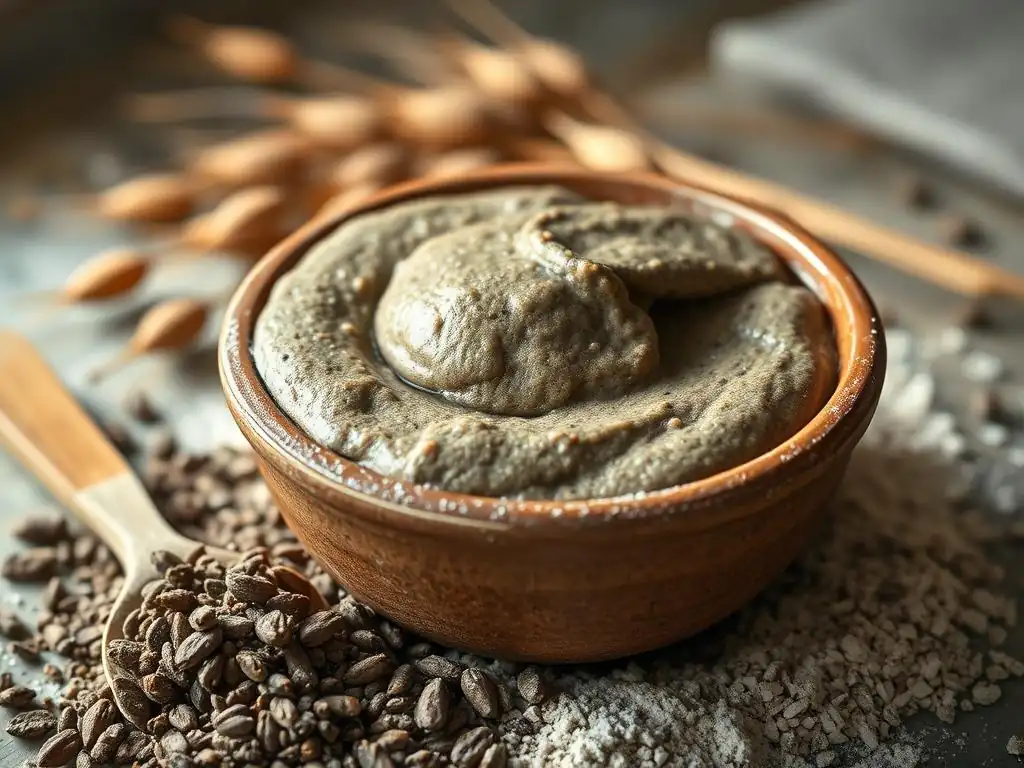
Rye flour is often considered a secret weapon for creating incredibly vigorous and flavorful sourdough starters. Even though rye flour typically has a lower protein content (around 6-10%) compared to wheat flours, its carbohydrate composition and high enzyme activity make it an exceptional food source for sourdough microbes. Rye ferments very quickly and reliably, often leading to rapid bubble formation and rise, even in cooler temperatures.
Starters fed with rye flour develop a distinct, earthy, and intensely tangy flavor. This unique profile can significantly enhance the complexity of your final bread. Due to its different protein structure (less gluten-forming potential), rye starters tend to be more liquid and less structured than wheat starters, often collapsing more quickly after peaking. Many bakers use rye flour, even if they bake with wheat, because it reliably wakes up a sluggish starter or provides a strong base for a new one. It's frequently cited as the best flour sourdough starter option for achieving high activity levels quickly.
Other Flour Types for Sourdough: Spelt, Einkorn, and More
Beyond the common wheat and rye flours, a variety of other grain flours can be used to feed a sourdough starter, each offering unique characteristics. Spelt flour, an ancient grain, has a moderate protein content (around 11-13%) and imparts a slightly nutty, sweeter flavor than modern wheat. Starters fed with spelt tend to be active and bubbly, similar to those fed with all-purpose or bread flour, but with a different taste dimension.
Einkorn flour, another ancient wheat, has a lower protein content (around 10-11%) with weaker gluten, resulting in a less structured starter but offering a rich, buttery flavor. Other options include barley, buckwheat, or even rice flour (for gluten-free starters). While these flours might be less common for regular feedings, they can be excellent for experimenting with flavor profiles or catering to specific dietary needs. Trying different flours can be a fun way to discover your personal best flour sourdough starter and explore new baking possibilities.
Comparing Flour Types for Sourdough Starter
Protein Content Comparison: Which Flour Leads to a Stronger Starter?
Protein content is a key factor influencing the structural strength and rise potential of your sourdough starter. Higher protein flours, like bread flour (12-14%) and whole wheat flour (13-15%), contain more gluten-forming proteins (glutenin and gliadin). When hydrated and mixed, these proteins form a network that traps the carbon dioxide produced by the yeast, causing the starter to rise. A starter fed with high-protein flour will generally develop a more robust gluten structure, appearing more elastic and capable of significant expansion.
In contrast, all-purpose flour (10-12% protein) provides a moderate gluten network, while rye flour (6-10% protein) and ancient grains like einkorn (10-11%) have lower protein or proteins that form a weaker gluten structure. While lower protein flours like rye might be incredibly active metabolically, they won't develop the same elastic strength as a bread flour starter. Therefore, if your primary goal is a starter that achieves a dramatic, visible rise and holds its structure well, flours with higher protein content are generally considered the best flour sourdough starter choices from a structural perspective.
Ash Content Comparison: Impact on Starter Color and Flavor
Ash content refers to the mineral content left after a sample of flour is incinerated. It's primarily an indicator of how much of the outer layers of the grain (bran and germ), which are rich in minerals, are present in the flour. White flours, like all-purpose and bread flour, have low ash content (typically 0.4-0.6%) because most of the bran and germ are removed during milling. Whole wheat flour, containing the entire grain, has a much higher ash content (around 1.5-1.8%). Rye flour also has a relatively high ash content, especially dark rye.
Higher ash content means more minerals and nutrients for the microbes, which can boost activity and contribute to more complex fermentation byproducts, influencing flavor. Flours with higher ash content will also result in a darker-colored starter.
For example, a starter fed with white flour will be pale cream, while one fed with whole wheat or rye will be significantly darker, ranging from tan to deep brown. The minerals and enzymes in higher ash flours contribute to a tangier, more robust flavor profile compared to the milder taste developed in low-ash white flours, helping define the best flour sourdough starter for specific flavor goals.
Gluten Development Potential: Choosing the Right Flour for Rise
Gluten development potential directly relates to the protein content and type of grain. Wheat flours (all-purpose, bread, whole wheat, spelt, einkorn) contain the proteins glutenin and gliadin, which form gluten when hydrated and kneaded (or simply mixed and given time, as with a starter). Bread flour, with the highest protein content of common wheat flours, offers the greatest gluten development potential, resulting in a strong, elastic network within the starter. This strength helps the starter trap gases and achieve a significant rise.
Whole wheat flour also has high protein, but the sharp edges of the bran can sometimes interfere with gluten development, potentially making the starter slightly less elastic than a pure bread flour starter at the same hydration. Rye flour contains proteins that don't form a strong, elastic gluten network like wheat, which is why rye starters are typically more liquid and don't hold their structure as well after rising. Choosing the best flour sourdough starter for maximum rise and structural integrity often points towards higher-protein wheat flours like bread flour, though whole wheat can add complementary benefits.
How to Choose the Best Flour for Your Sourdough Starter
Considering Your Baking Goals: Flavor, Texture, and Rise
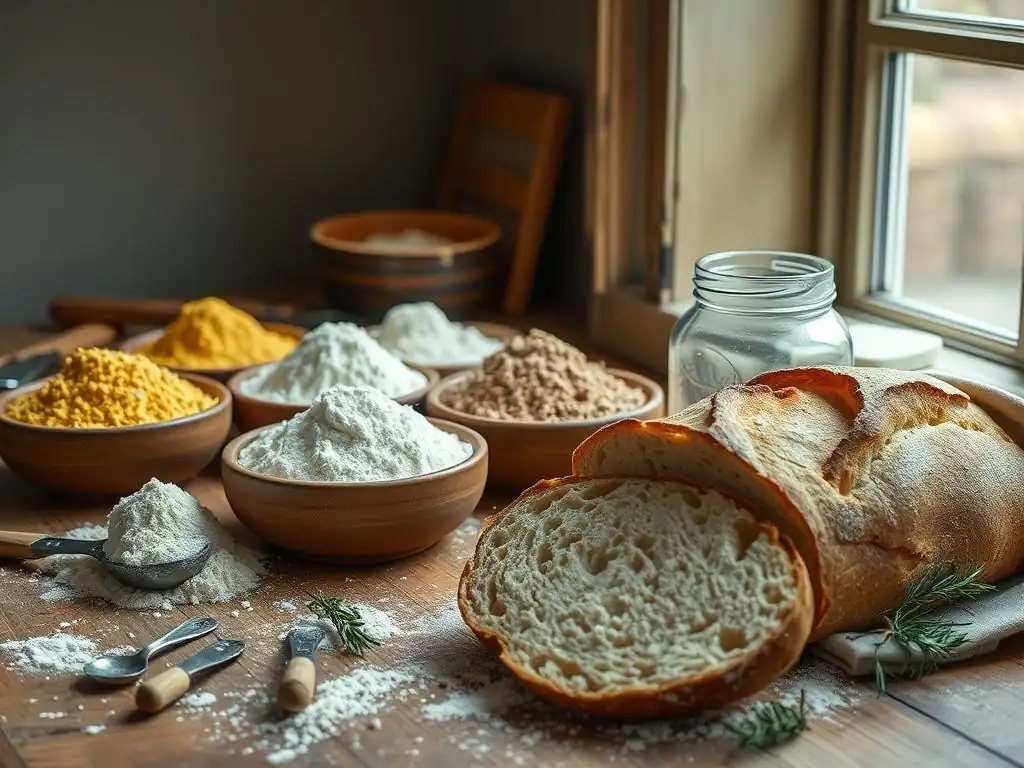
Selecting the best flour sourdough starter isn't just about finding the most active one; it's about aligning your starter's characteristics with the type of bread you intend to bake. If your goal is to bake light, airy white loaves with a moderate tang, maintaining your starter primarily on all-purpose or bread flour might be ideal. This promotes good rise and a cleaner flavor profile that won't overpower the delicate notes of white flour bread.
However, if you dream of baking rustic, hearty loaves with deep, complex flavors and a pronounced tang, incorporating whole wheat or rye flour into your starter's diet is likely the better path. These flours contribute unique flavors and encourage a more diverse microbial population, resulting in a starter that imparts more character to whole grain or blended flour doughs.
Consider the desired texture as well; a very strong, high-protein starter might perform differently in a delicate pastry dough compared to a robust country loaf. Define what you want from your final bake, and let that guide your flour choice for the starter.
Factors to Consider: Protein content, Ash content, and Gluten strength
When evaluating different flours for your sourdough starter, keep these key factors in mind:
- Protein Content: Indicates potential gluten strength. Higher protein (e.g., bread flour) generally means a stronger starter structure and better rise. Lower protein (e.g., rye) means less structure but often higher microbial activity.
- Ash Content: Reflects the presence of bran and germ, indicating mineral and nutrient levels. Higher ash (e.g., whole wheat, rye) means more food for microbes, potentially faster activity, darker color, and richer flavor. Lower ash (e.g., white flours) means fewer nutrients but a milder flavor.
- Gluten Strength: How well the flour's proteins form an elastic network. This impacts how well the starter traps gas and holds its structure. Wheat flours have varying gluten strength; rye has very little.
Understanding how these factors differ across flour types—from the ~12-14% protein and low ash of bread flour to the ~6-10% protein and high ash of rye flour—will help you predict how a starter will behave and taste when fed with a particular flour. For the best flour sourdough starter for a specific purpose, you might prioritize high protein for rise, high ash for flavor and activity, or a balance of both.
Organic vs. Non-Organic Flour: What's the Difference for Sourdough?
The choice between organic and non-organic flour for your sourdough starter is a common question. Organic flours are milled from grains grown without synthetic pesticides, herbicides, or fertilizers, and are not genetically modified. Some bakers believe that organic flours may contain a more diverse natural microbial population on the grain kernels themselves, which could potentially contribute to a more vigorous or complex starter culture initially. While this isn't definitively proven for all cases, using organic flour aligns with a natural, additive-free baking philosophy that appeals to many sourdough enthusiasts.
Non-organic flours, while grown using conventional methods, are perfectly capable of producing healthy and active sourdough starters. The milling process and inherent nutrients of the grain are the primary drivers of starter health and activity. The key is to use unbleached flour, as the bleaching process can sometimes contain additives that may negatively impact the microbial culture. Ultimately, whether you choose organic or non-organic, focusing on good quality, unbleached flour is more critical for cultivating the best flour sourdough starter.
Troubleshooting Common Issues with Sourdough Starter Flour
My Starter Isn't Rising: Could it Be the Flour?
If your sourdough starter is sluggish and not rising as expected, the flour you're using could definitely be a contributing factor. One possibility is that the flour has a low protein content or poor gluten-forming potential, especially if you've switched to a different type or brand. For instance, using a low-protein pastry flour (often 8-9%) instead of bread or all-purpose can result in a starter that struggles to build structure and trap gas, appearing less active.
Another flour-related issue could be the age or quality of the flour. Very old flour may have degraded enzymes and nutrients, making it less appealing to the microbes. Bleached flour can also sometimes inhibit starter activity due to additives.
Ensure you are using fresh, unbleached flour appropriate for bread making. If you're using a whole grain flour, ensure it hasn't gone rancid, which can happen faster due to the oils in the germ. Switching to a known reliable flour, like unbleached bread flour or a small amount of rye, can help determine if your current flour is the issue and help revive your starter towards becoming the best flour sourdough starter it can be.
Dealing with Mold or Off-Flavors: Flour Storage and Quality
Mold and unpleasant off-flavors in a sourdough starter are serious concerns, and often point to contamination or issues with the feeding environment, which includes the flour. Mold typically appears as fuzzy patches of various colors (white, green, black, pink) on the surface. Off-flavors might range from sharp, acetone-like smells (often indicating the starter is hungry and producing excess alcohol) to truly foul or rotten odors, which suggest spoilage or unwanted bacteria.
The quality and storage of your flour play a direct role here. Flour stored improperly—in a warm, humid environment or for too long—can develop mold spores or harbor unwanted bacteria before it even reaches your starter. Always store your flour in an airtight container in a cool, dry place.
Inspect your flour for any signs of clumping, off-smells, or visible mold before using it. If your starter develops mold, it's generally advised to discard it and start fresh, ensuring you use clean jars, clean tools, and fresh, high-quality flour that you store correctly for the best flour sourdough starter hygiene.
Adjusting Your Starter Feeding Schedule Based on Flour Type
Different flours are consumed at different rates by the sourdough microbes, meaning your feeding schedule might need adjustment depending on the flour you use. Flours with high enzymatic activity and readily available nutrients, such as rye and many whole wheat flours, are often fermented much faster than refined white flours. A starter fed with rye might peak and begin to fall within 4-6 hours at room temperature, while a starter fed with all-purpose flour might take 6-10 hours to reach its peak.
If you switch from a slower-fermenting flour (like all-purpose) to a faster one (like rye), you'll need to feed your starter more frequently to prevent it from becoming overly acidic or starving. Conversely, switching from a fast flour to a slower one might mean you can extend the time between feedings slightly. Observing your starter's activity—how quickly it rises and falls after feeding—is the best way to determine the optimal schedule for the specific flour you're using. Consistent observation helps you maintain the best flour sourdough starter rhythm.
Best Practices for Feeding Your Sourdough Starter with Different Flours
Feeding Ratios for Different Flour Types
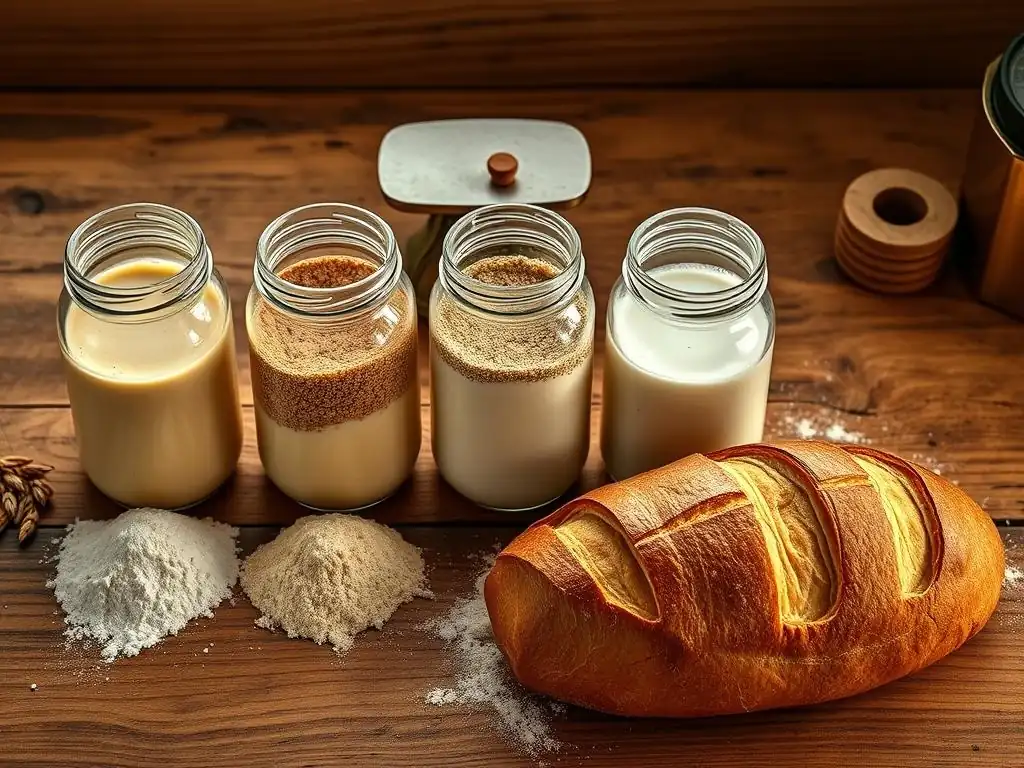
While a standard 1:1:1 ratio (starter:flour:water by weight) is a common starting point, you may find that different flours require slight adjustments, particularly in hydration, due to their varying absorption rates. Whole wheat and rye flours absorb significantly more water than white flours because of their higher fiber content. If you feed a 1:1:1 ratio using whole wheat, your starter might be very stiff compared to the same ratio with all-purpose flour.
Many bakers using whole wheat or rye increase the hydration slightly when feeding these flours. For example, they might use a 1:1:1.1 or 1:1:1.2 ratio (starter:flour:water) to achieve a similar consistency to an all-purpose starter at 100% hydration (1:1:1 ratio). Alternatively, you can keep the hydration constant but adjust the flour weight slightly. The key is to aim for a consistency you are familiar with and that indicates healthy activity for that specific flour type. Experimenting with ratios helps you find the best flour sourdough starter consistency for your needs.
Monitoring Starter Activity After Changing Flour
Whenever you change the type or brand of flour you feed your sourdough starter, it's crucial to observe its behavior closely for the next few feedings. The microbial community needs time to adjust to the new food source. You might notice a temporary change in activity level, rise time, or even aroma. A switch to a more nutritious flour like rye or whole wheat might cause a surge in activity, while a switch to a less refined flour might initially slow things down slightly.
Keep track of how long it takes your starter to double or triple in size after feeding, the size and distribution of the bubbles, and the point at which it peaks and begins to fall. This monitoring helps you understand how the new flour is impacting your starter's metabolism and allows you to make necessary adjustments to your feeding schedule or ratio. Consistent observation is key to maintaining the best flour sourdough starter regardless of the flour type.
Storage Tips to Maintain Flour Freshness
The freshness of your flour is paramount to the health and activity of your sourdough starter. Stale or improperly stored flour can lead to sluggishness, off-flavors, or even mold. Flour should always be stored in an airtight container to protect it from moisture, pests, and odors. Glass, metal, or sturdy plastic containers with tight-fitting lids are excellent choices.
Store your flour in a cool, dry place, away from direct sunlight and heat sources like ovens or stoves. A pantry or cupboard is usually suitable. For whole grain flours, which contain oils in the germ that can go rancid, refrigeration or even freezing is recommended for long-term storage, especially in warm climates. Buying flour in quantities you will use within a reasonable timeframe (e.g., a few months for white flour, a few weeks for fresh whole grain) also helps ensure you're always feeding your starter with the freshest possible ingredients, contributing to the best flour sourdough starter health.
Experimenting with Flour Blends for Your Sourdough Starter
Combining Different Flours for Complex Flavors
One of the most rewarding aspects of sourdough baking is the ability to customize your starter's characteristics, and blending flours is a fantastic way to achieve specific outcomes. Combining different flours allows you to leverage the strengths of each type – the structure from bread flour, the rapid activity and tang from rye, and the nutrients and depth of flavor from whole wheat. This approach can lead to a more resilient, active, and flavorful starter than one fed with a single type of flour.
For example, a blend might aim to balance strong rise with complex flavor. You could combine a high-protein bread flour for structure with a percentage of whole wheat or rye for boosted activity and a richer taste. Experimenting with different ratios of white, whole wheat, and rye flours can unlock a wide spectrum of starter personalities, allowing you to fine-tune your best flour sourdough starter to match your specific baking preferences and desired flavor profiles.
50% Bread Flour, 25% Whole Wheat, 25% Rye Flour Blend for Sourdough Starter
A popular and effective flour blend for sourdough starters is a mix of 50% bread flour, 25% whole wheat flour, and 25% rye flour (by weight). This blend is favored by many bakers for several reasons:
- Bread Flour (50%): Provides a strong gluten structure, ensuring the starter builds good strength and achieves a reliable rise. This contributes to a robust starter capable of leavening hearty loaves.
- Whole Wheat Flour (25%): Adds nutrients, enzymes, and a portion of the natural microbial population from the bran and germ. It contributes a subtle nutty flavor and helps boost activity.
- Rye Flour (25%): Known for its rapid fermentation and high enzyme activity, rye flour gives the starter a significant boost in vigor and contributes a characteristic tang and earthy notes.
This 50/25/25 blend offers a fantastic balance, resulting in a starter that is both strong and active, with a pleasant, complex flavor profile. It's often cited as a method to create a highly reliable and flavorful best flour sourdough starter. Many bakers find this blend performs consistently well across various temperatures and conditions.
How to Adjust Hydration When Using Flour Blends
When using a blend of flours for your sourdough starter, especially one that includes whole wheat or rye, you'll likely need to adjust your hydration (water ratio) compared to feeding with pure white flour. As mentioned, whole grain flours absorb more water than refined white flours. If you maintain a standard 100% hydration (equal parts flour and water by weight) with a blend containing whole grains, your starter might be considerably stiffer than a 100% hydrated white flour starter.
To achieve a similar consistency to a pure white flour starter at 100% hydration, you might need to increase the water percentage slightly when using blends. For the 50/25/25 blend (Bread/Whole Wheat/Rye), starting with 105% or even 110% hydration (e.g., 100g flour blend to 105g or 110g water) is common. The exact amount depends on the specific flours used and your desired consistency.
The goal is to find a hydration level where the starter is active, bubbly, and easy to mix, ensuring the microbes have enough water to access the nutrients in the blended flours. Finding the right hydration for your specific blend is key to cultivating the best flour sourdough starter with that mix.
Conclusion: Finding Your Perfect Flour for Sourdough Success
Key Takeaways for Choosing the Best Flour
Choosing the best flour sourdough starter ultimately depends on your goals, but several key principles apply. Understand that flour is the primary food source, and its composition—protein, ash, and gluten potential—directly impacts your starter's activity, structure, and flavor. Higher protein flours like bread flour offer strength and rise, while higher ash flours like whole wheat and rye provide nutrients, faster activity, and complex flavors.
Experimenting with different flours and blends is encouraged. Don't be afraid to try a mix of bread flour, whole wheat, or rye to find a balance that suits you. Always use fresh, unbleached flour and store it properly in airtight containers away from heat and moisture. Finally, observe your starter's behavior closely after feeding; its activity levels and consistency will tell you if your flour choice and feeding routine are working effectively.
We encourage you to experiment with different flours and blends and see how they impact your sourdough starter! Trying out all-purpose, bread flour, whole wheat, rye, or even unique blends can be a fascinating journey. Did switching to rye give your starter a huge boost? Did a mix of bread and whole wheat create the perfect balance of rise and flavor for your regular bakes?
Share your experiences in the comments below! What have you found to be the best flour sourdough starter for your needs? Your insights and results can help other bakers in the BakeWithEase community discover their own perfect flour combination for sourdough success. Happy experimenting!
Frequently Asked Questions
What is the best type of flour to use when initially creating a sourdough starter?
The best flour to start with is often a whole grain flour like whole wheat or rye. These flours contain more natural yeasts and bacteria needed for fermentation.
Can I use all-purpose flour to maintain my sourdough starter once it's established?
Yes, you can absolutely use all-purpose flour. While whole grain flours provide more nutrients, all-purpose is perfectly suitable for routine feedings and maintaining a healthy starter.
Why is the type of flour important for a sourdough starter?
The type of flour affects the flavor profile and activity level of your starter. Different flours contain varying amounts of gluten, starches, and nutrients that feed the yeast and bacteria.
What happens if I use bleached flour in my sourdough starter?
Bleached flour is generally not recommended for sourdough starters. The bleaching process can kill or inhibit the beneficial microorganisms crucial for fermentation.
How often should I feed my sourdough starter, and does the flour type impact this?
Feeding frequency depends on your starter's activity and environment. While the flour type can influence the speed of fermentation, a general rule is to feed it once or twice a day at room temperature.
Final Reflection: The Heart of the Sourdough: Flour's Vital Role
The quest for the perfect sourdough starter is, at its core, a quest for the perfect flour. This seemingly simple ingredient holds the key to unlocking the complex flavors and textures that make sourdough bread so captivating. Choosing the right flour isn't just about achieving a successful starter; it's about nurturing a living organism and understanding the fundamental building blocks of a culinary tradition.
The journey of exploring different flours for my sourdough starter has been a deeply rewarding one. It's highlighted the interconnectedness of nature, craft, and culinary art. Bread is the staff of life,
a simple phrase, yet it encapsulates the profound significance of this staple food and the ingredients that bring it to life. The subtle nuances in flavor and texture imparted by different flours, from the robust character of whole wheat to the delicate lightness of pastry flour, have profoundly impacted my understanding of the sourdough process and the importance of mindful ingredient selection. This exploration extends beyond the simple act of baking; it's a connection to a long history of bread making and a deeper appreciation for the natural world.
Now, consider your own sourdough journey. What flour will you choose to nurture your starter? Will you embrace the challenge of experimenting with different varieties, or will you stick with a tried-and-true favorite? The answer, ultimately, lies in your own hands and your own palate. Embrace the process, savor the results, and remember that the best flour for your sourdough starter is the one that brings you the most joy and satisfaction. The journey of discovery is as important as the destination.
Unleash Your Inner Baker: Level Up Your Sourdough!
Thanks for diving into the world of sourdough with us! You've now unlocked the secrets to choosing the perfect flour for a thriving starter. Ready to put your new knowledge into action?
- Start your own sourdough starter today! Follow the step-by-step guide in our starter guide (link removed as per instructions) and watch your bubbly masterpiece come to life. This is your first step to amazing bread!
- Experiment with different flours: Try using the tips from this article to test various flour types and discover your personal favorite. Document your results – you might uncover a hidden baking gem!
- Share your sourdough journey! Tell us about your flour choice and starter progress in the comments below – we'd love to hear from you.
What unique flour blend will you try for your next sourdough adventure?