
Ice Cream Dream: Filling Profiteroles with Gelato

Welcome to BakeWithEase, your kitchen companion for all things baking!
Ready to elevate your dessert game? Dive into our Easy Gelato Profiterole Recipe and discover how to create a stunning, crowd-pleasing treat. This isn't just about making profiteroles; it's about crafting an experience. What secrets lie within the perfect choux pastry, and how can you achieve that delicate gelato filling? Let's unlock the delicious possibilities together...
- BakeWithEase Presents: The Easy Gelato Profiterole Recipe You've Been Waiting For
- Mastering Choux Pastry for Gelato-Filled Profiteroles
- The Secret to Delicious Gelato Profiteroles: Choosing Your Gelato
- Easy Gelato Profiterole Recipe: Step-by-Step Instructions
- Variations on the Classic Gelato Profiterole: Creative Ideas
- Storing Your Gelato Profiteroles for Maximum Freshness
- Troubleshooting Your Gelato Profiteroles: Common Problems and Solutions
- Why This Easy Gelato Profiterole Recipe Will Become Your Go-To
-
Frequently Asked Questions
- What exactly is a profiterole, and why is it a good vehicle for gelato?
- Can I use any flavor of gelato for this "Easy Gelato Profiterole Recipe"?
- Are there any specific techniques for filling the profiteroles with gelato to prevent them from getting soggy?
- What if I don't have time to make profiteroles from scratch? Can I use store-bought ones?
- Besides gelato, what else can I add to my profiteroles for an extra touch?
- Final Reflection: The Sweet Symphony of Simplicity
- Unleash Your Inner Gelato Artist!
BakeWithEase Presents: The Easy Gelato Profiterole Recipe You've Been Waiting For
Baking doesn't have to be intimidating, and creating delightful treats like profiteroles filled with creamy gelato is absolutely within reach for home bakers. This easy gelato profiterole recipe is designed to guide you through each step, from mastering the simple choux pastry dough to selecting and filling with the perfect gelato. Imagine presenting a plate of these elegant, cool, and utterly delicious pastries – it's easier than you think with our straightforward approach.
Whether you're an intermediate baker looking to expand your repertoire or a beginner eager to tackle a classic, this guide simplifies the process. We'll break down the secrets to light, airy choux shells and how to pair them with the rich, intense flavor of gelato. Get ready to impress your friends and family with this stunning dessert that's surprisingly simple to execute using our easy gelato profiterole recipe.
Mastering Choux Pastry for Gelato-Filled Profiteroles
Creating the perfect shell is the foundation of any great profiterole. Choux pastry, or pâte à choux, is a versatile dough made from just a few basic ingredients: water, butter, flour, and eggs. When baked, the high moisture content turns to steam, puffing the pastry into a hollow shell – ideal for filling. Mastering this dough is a key step in our easy gelato profiterole recipe.
The beauty of choux pastry lies in its simplicity and transformation. Unlike many doughs, it relies on steam for leavening, rather than chemical leaveners or yeast. This process requires careful attention to technique, particularly during the cooking of the panade (the initial flour-butter-water mixture) and the incorporation of eggs. Achieving the right consistency is crucial for ensuring your profiteroles rise properly and hold their shape, creating sturdy yet delicate vessels for your gelato filling.
Understanding the Basics of Choux Dough: A BakeWithEase Guide
Choux dough starts on the stovetop. Typically, you combine water (or milk), butter, and a pinch of salt and sugar in a saucepan and bring it to a rolling boil. The fat content, often around 80-82% in good butter, is essential for richness and helping the dough cook correctly.
Once boiling, you add all the flour at once and stir vigorously with a wooden spoon or heatproof spatula. This step, known as dessécher, involves cooking the mixture over medium heat for a few minutes until it forms a smooth ball and a thin film coats the bottom of the pan. This process gelatinizes the starch in the flour and reduces moisture, which is vital for the dough structure.
After cooking the panade, it needs to cool slightly before incorporating the eggs. Eggs are added one at a time, and each egg must be fully incorporated before adding the next. This is where the dough develops its characteristic texture and elasticity.
The number of eggs can vary slightly depending on their size and the humidity, but generally, for a standard batch using 1 cup (240ml) liquid and ½ cup (115g) butter and 1 cup (125g) flour, you might use 3-4 large eggs. The final dough should be smooth, glossy, and thick enough to hold its shape when piped, but still soft enough to fall slowly from a spoon in a "v" shape. Getting this consistency right is paramount for successful profiteroles in your easy gelato profiterole recipe.
Achieving the Perfect Profiterole Shell: Tips and Tricks
Baking choux pastry requires specific conditions to achieve that perfect hollow shell. First, preheat your oven to a relatively high temperature, often around 400°F (200°C). This initial high heat creates a burst of steam that causes the pastry to puff rapidly. Once the profiteroles have puffed and started to set, usually after 10-15 minutes, the temperature is typically lowered to around 350°F (180°C) to allow the shells to dry out and become crisp without burning. This two-stage baking process prevents the shells from collapsing once they cool.
Consistency in piping is another key factor. Use a piping bag with a round tip (like an Ateco #806 or similar) to pipe uniform mounds of dough onto a baking sheet lined with parchment paper or a silicone mat. Leave enough space between them as they will expand significantly. Avoid opening the oven door during the initial high-heat phase, as this can cause the shells to deflate.
Once baked and golden brown, turn off the oven, prop the door open slightly (using a wooden spoon), and let the profiteroles cool inside for 10-15 minutes. This allows them to cool gradually and dry out further, ensuring a crisp shell that won't get soggy too quickly when filled with gelato. This careful baking technique is vital for a successful easy gelato profiterole recipe.
The Secret to Delicious Gelato Profiteroles: Choosing Your Gelato
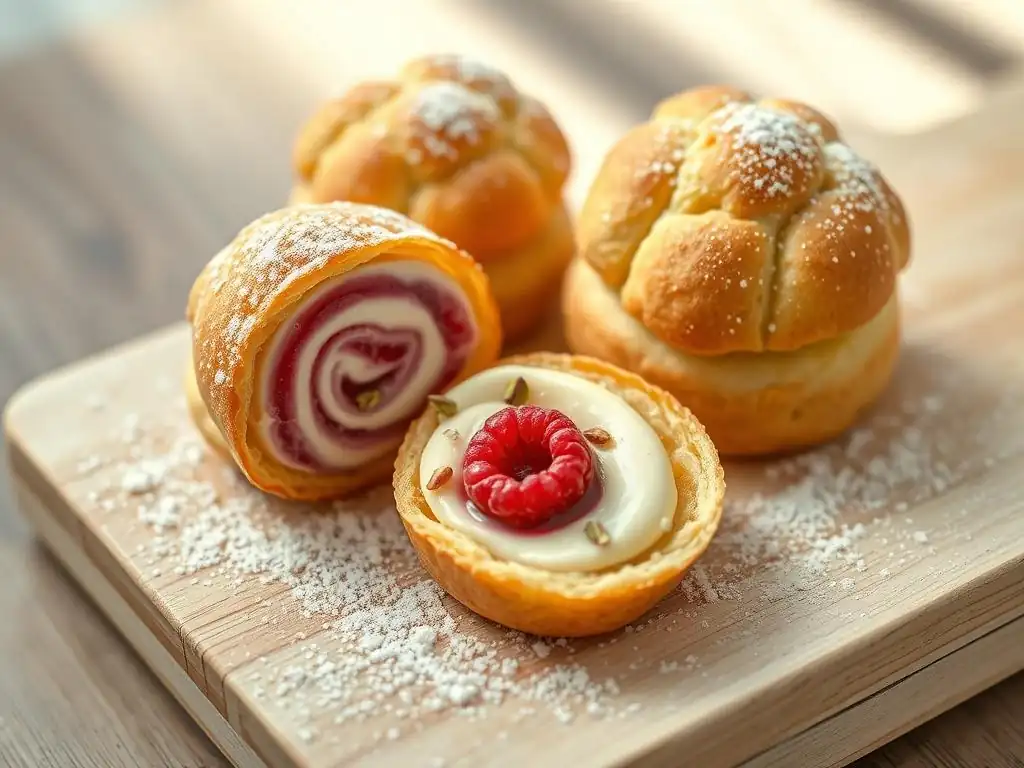
While the choux shell provides the structure, the gelato is the heart of a truly memorable gelato profiterole. Unlike traditional ice cream, gelato typically contains less fat (often around 4-8% compared to 10-16% in ice cream) and is churned at a slower speed, resulting in less incorporated air (overrun). This gives gelato a denser, smoother texture and a more intense flavor profile, making it an ideal filling that melts beautifully but not too quickly inside the pastry shell.
Selecting the right gelato isn't just about picking your favorite flavor; it's about finding one with the right texture and quality. A high-quality gelato will have a rich, creamy mouthfeel without being overly icy. Its density means it holds its shape better when scooped and placed inside the profiterole compared to lighter, airier ice cream. The intense flavor of gelato also stands up well against the neutral taste of the choux pastry, creating a balanced and delightful bite.
Selecting the Best Gelato Flavors for Your Profiteroles
The possibilities are nearly endless when it comes to pairing gelato flavors with profiteroles, but some combinations are classic for a reason. Vanilla gelato is a timeless choice, offering a clean, sweet backdrop that highlights the pastry. Chocolate gelato, with its deep, rich cocoa notes, creates a decadent experience, especially when paired with a chocolate sauce drizzle. Hazelnut ( Nocciola) or Pistachio gelatos provide nutty complexity that complements the buttery choux.
For those feeling adventurous with their easy gelato profiterole recipe, consider fruit-based gelatos like strawberry ( Fragola) or raspberry ( Lampone) for a refreshing contrast, though be mindful that these can melt slightly faster due to higher water content. Coffee ( Caffè) or Stracciatella (chocolate chip) are also popular choices.
Think about the overall flavor profile you want to achieve – creamy, fruity, nutty, or chocolatey – and choose a high-quality gelato that delivers intense flavor. A premium gelato, often recognized by its vibrant color (from natural ingredients, not artificial dyes) and smooth texture, will significantly elevate your easy gelato profiterole recipe.
Homemade vs. Store-Bought Gelato: What's the Difference for Profiteroles?
Using store-bought gelato is a fantastic way to keep your easy gelato profiterole recipe truly simple and accessible. High-quality artisanal brands offer excellent gelato with authentic flavors and the desirable dense texture. Look for brands that list simple ingredients and have a lower fat content compared to ice cream. Many supermarkets now carry a wide variety of gourmet gelato options, making it easy to find the perfect flavor pairing.
Making gelato from scratch at home allows for complete control over ingredients and flavor intensity, but it does add complexity and requires an ice cream maker. Homemade gelato can be incredibly fresh and tailored to your exact preferences. However, achieving the perfect density and texture can be challenging for beginners. For the purposes of an easy gelato profiterole recipe, opting for a premium store-bought gelato is often the most practical and reliable choice, saving time and ensuring a consistent, high-quality filling.
Easy Gelato Profiterole Recipe: Step-by-Step Instructions
Ready to make these delightful treats? This easy gelato profiterole recipe breaks down the process into manageable steps. Follow along carefully, and you'll have beautiful, filled profiteroles in no time.
Ingredients for Perfect Gelato Profiteroles
Here are the ingredients you'll need for the choux pastry shells:
- 1 cup (240ml) Water or Milk
- ½ cup (115g) Unsalted Butter, cut into pieces
- 1 teaspoon Granulated Sugar
- ¼ teaspoon Salt
- 1 cup (125g) All-Purpose Flour, sifted
- 3-4 Large Eggs (about 150-200g total weight), at room temperature
- 1-2 pints (approx 500g-1kg) High-Quality Gelato, slightly softened
The quantity of eggs is crucial; it should be enough to create a dough that pipes easily but holds its shape. Using metric weights for flour and eggs offers greater precision. The amount of gelato needed depends on how generously you plan to fill each profiterole, but 1-2 pints is generally sufficient for a batch yielding 12-15 shells.
Equipment Needed for Making Gelato Profiteroles at Home
Having the right tools makes the process smoother. For this easy gelato profiterole recipe, you'll need:
- Medium Saucepan
- Wooden Spoon or Heatproof Spatula
- Large Mixing Bowl (if using a hand mixer) or Stand Mixer with Paddle Attachment
- Piping Bag
- Large Round Piping Tip (e.g., Ateco #806)
- Baking Sheets
- Parchment Paper or Silicone Baking Mats
- Small Sharp Knife or Pastry Tip
- Ice Cream Scoop (small or medium)
Using a piping bag ensures uniform size and shape, leading to even baking. A sharp knife or pastry tip is needed to create an opening for filling.
Step 1: Baking the Profiterole Shells (with BakeWithEase Precision)
Follow these steps carefully for perfect choux shells:
- Preheat oven to 400°F (200°C). Line baking sheets with parchment paper or silicone mats.
- In the saucepan, combine water/milk, butter, sugar, and salt. Bring to a rolling boil over medium-high heat, ensuring butter is fully melted.
- Remove from heat. Add the sifted flour all at once. Stir vigorously with the wooden spoon until the mixture comes together and forms a ball.
- Return the pan to medium heat and cook, stirring constantly, for 2-3 minutes to dry out the dough. A film will form on the bottom of the pan.
- Transfer the dough to a mixing bowl or stand mixer. Let it cool for 5-10 minutes until it's warm but not hot (around 140°F / 60°C).
- Add the eggs one at a time, beating well after each addition until fully incorporated and the dough is smooth and glossy. Scrape down the sides as needed. The dough is ready when it's thick but falls slowly from the paddle or spoon in a "v" shape.
- Transfer the dough to the piping bag fitted with the round tip.
- Pipe 1-1.5 inch mounds of dough onto the prepared baking sheets, spacing them about 2 inches apart.
- Place the baking sheets in the preheated oven. Bake for 10-15 minutes at 400°F (200°C) until puffed and starting to turn golden.
- Reduce oven temperature to 350°F (180°C) and bake for another 15-20 minutes, or until the shells are golden brown and feel light and hollow.
- Turn off the oven, prop the door open slightly, and let the profiteroles cool inside for 10-15 minutes.
- Remove from oven and cool completely on a wire rack. Once cool, use a small sharp knife or pastry tip to poke a small hole in the bottom or side of each profiterole. This allows steam to escape and makes filling easier.
[ ] Preheat oven and prepare baking sheets.
[ ] Cook liquid, butter, sugar, and salt to a boil.
[ ] Add flour and cook the panade.
[ ] Cool the panade slightly.
[ ] Incorporate eggs one at a time.
[ ] Transfer dough to piping bag.
[ ] Pipe profiterole shells onto baking sheets.
[ ] Bake at high temperature to puff.
[ ] Reduce temperature and bake until golden and dry.
[ ] Cool gradually in the oven.
[ ] Poke holes in the cooled shells.
Step 2: Preparing the Gelato for Filling
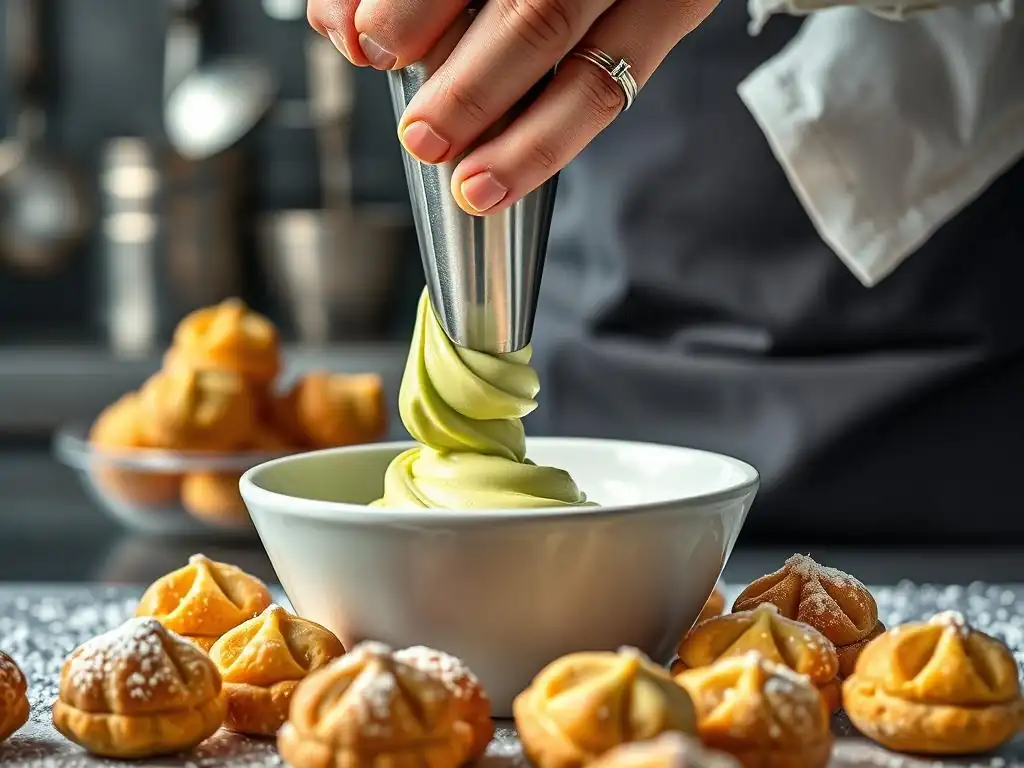
This is perhaps the easiest part of our easy gelato profiterole recipe! Remove your chosen gelato from the freezer about 10-15 minutes before you plan to fill the shells. You want it to soften just slightly, making it easier to scoop or pipe, but not so much that it becomes a melty mess. The ideal consistency is scoopable but still firm.
If your gelato is very hard, you can break it up slightly with a spoon. If you plan to pipe the gelato (using a piping bag with a large round tip), you'll need it slightly softer, but be careful not to let it melt completely. Over-softened gelato will make the filling process difficult and can lead to soggy shells.
Step 3: Assembling Your Gelato-Filled Profiteroles
Assembly is quick, especially with slightly softened gelato.
- Take a cooled profiterole shell.
- Using a small ice cream scoop or a spoon, gently push scoops of gelato through the hole you made earlier. Fill generously! Alternatively, if piping, insert the tip into the hole and squeeze until the shell feels full.
- Repeat with the remaining shells and gelato.
Work relatively quickly to prevent the gelato from melting too much. As soon as profiteroles are filled, they are best served immediately. If you need to hold them for a short time, place them back in the freezer on a tray. This simple filling method is why it's an easy gelato profiterole recipe!
Variations on the Classic Gelato Profiterole: Creative Ideas
Once you've mastered the basic easy gelato profiterole recipe, feel free to get creative with additions and toppings. These simple variations can transform your delightful pastries into even more impressive desserts.
Adding a simple glaze or drizzle is a quick way to elevate the presentation and flavor. A classic chocolate sauce or a rich caramel adds a layer of indulgence that complements the cool, creamy gelato and the crisp choux shell. These finishing touches not only make the profiteroles look more professional but also introduce additional textures and sweetness, enhancing the overall sensory experience of this easy gelato profiterole recipe.
Chocolate-Dipped Gelato Profiteroles: An Elegant Twist
Dipping the tops of your baked profiterole shells in melted chocolate before filling adds a touch of elegance and extra chocolatey goodness. Use a good quality chocolate, either dark, milk, or white, depending on your preference and the gelato flavor. Tempering the chocolate will give it a shiny finish and a crisp snap when bitten, but simply melting it (carefully, to avoid burning) will also work for a home setting.
To dip, hold the cooled, unfilled profiterole shell by the bottom and dip the top into the melted chocolate. Let the excess chocolate drip off, then place the dipped shell chocolate-side up on parchment paper to set. You can do this before or after poking the filling hole. Once the chocolate is set, proceed with filling with your chosen gelato. This simple step adds a layer of sophistication to your easy gelato profiterole recipe.
Caramel-Drizzled Gelato Profiteroles: Adding Sweetness
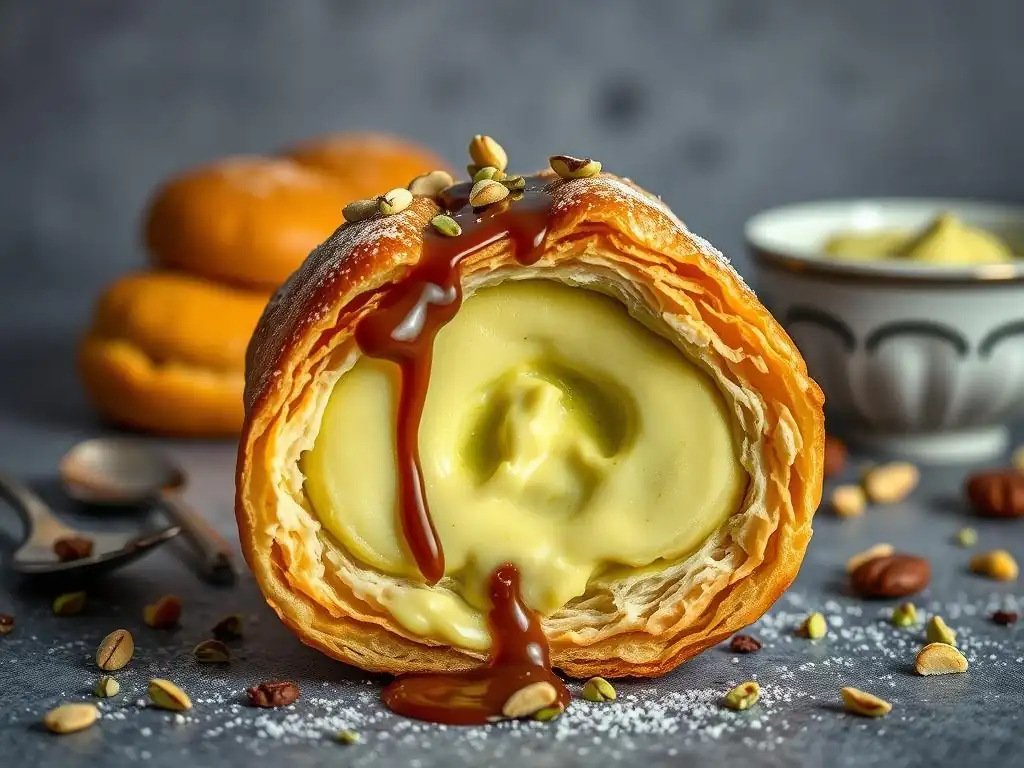
A luscious caramel drizzle is another excellent way to enhance your gelato profiteroles. You can make a simple caramel sauce by melting sugar in a saucepan, adding butter and cream, and stirring until smooth. Be cautious when making caramel, as melted sugar is extremely hot. Alternatively, a good quality store-bought caramel sauce works perfectly and keeps this an easy gelato profiterole recipe.
Once the profiteroles are filled with gelato, arrange them on a serving plate. Drizzle the caramel sauce generously over the tops just before serving. For extra flair, you can sprinkle a pinch of sea salt over the caramel for a delicious salted caramel effect. The warm, sweet caramel contrasts beautifully with the cold gelato and the light pastry.
Nutty Gelato Profiteroles: Incorporating Texture and Flavor
Adding nuts provides a wonderful textural contrast to the smooth gelato and soft pastry. Finely chopped toasted nuts like hazelnuts, almonds, or pistachios can be sprinkled over the caramel or chocolate drizzle, or simply dusted over the filled profiteroles. Toasted nuts bring out their flavor and add a delightful crunch.
Consider pairing the nuts with complementary gelato flavors. Pistachio gelato with chopped pistachios is a natural fit. Hazelnut gelato with toasted hazelnuts creates a double dose of nutty flavor. Even a simple vanilla or chocolate gelato can be elevated with the addition of toasted almonds or pecans. This simple addition adds complexity to your easy gelato profiterole recipe.
Storing Your Gelato Profiteroles for Maximum Freshness
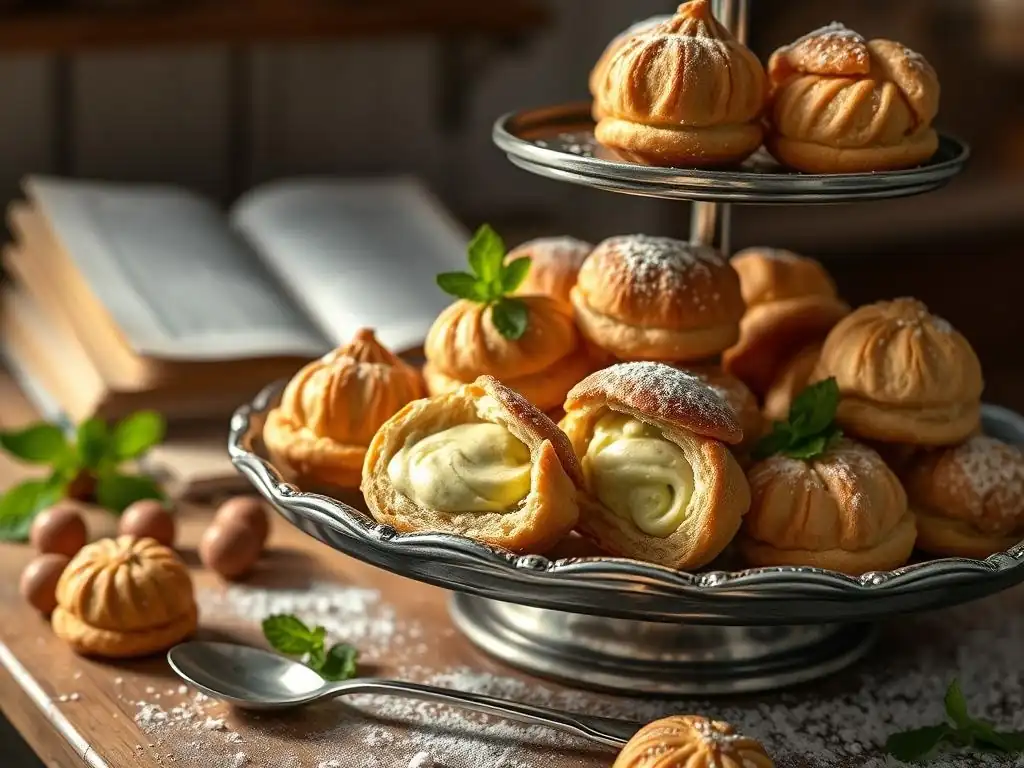
Storing gelato-filled profiteroles can be a bit tricky because the cold, moist gelato can quickly turn the crisp choux shell soggy. The best approach is to assemble and serve them immediately. However, if you need to store them, especially if you've made components ahead of time, follow these tips.
Unfilled choux pastry shells can be stored at room temperature in an airtight container for 1-2 days, or frozen for up to a month. Gelato should always be stored in the freezer. The challenge arises when the two meet. Storing assembled, filled profiteroles requires keeping them frozen to prevent the gelato from melting and soaking the pastry.
Tips for Preventing Soggy Profiteroles
The key to preventing soggy profiteroles when filled with gelato is minimizing contact time between the gelato and the pastry at room temperature. Ensure your choux shells are completely cooled and dry inside before filling. Poking the hole helps release steam and dry the interior.
Fill the profiteroles just before serving. If you need to fill them in advance, place them in a single layer on a tray lined with parchment paper and immediately transfer them to the freezer. Freezing them quickly helps to solidify the gelato before it has a chance to transfer too much moisture to the pastry. Serve them directly from the freezer; the gelato will soften slightly within a few minutes, but the shell should remain relatively crisp.
Best Practices for Freezing Gelato Profiteroles
If you've assembled your easy gelato profiterole recipe creations and need to store them, freezing is the way to go. Arrange the filled profiteroles in a single layer on a baking sheet lined with parchment paper. Place the sheet in the freezer until the profiteroles are frozen solid, which usually takes about 1-2 hours.
Once frozen, transfer the profiteroles to an airtight freezer-safe container. Layer them carefully, using parchment paper between layers if necessary, to prevent them from sticking together. Proper freezing at a consistent temperature of 0°F (-18°C) or below will help maintain their quality. While they can be stored this way for a week or two, they are best enjoyed within a few days for optimal texture.
Troubleshooting Your Gelato Profiteroles: Common Problems and Solutions
Even with an easy gelato profiterole recipe, sometimes things don't go exactly as planned. Don't get discouraged! Choux pastry can be finicky, and working with frozen gelato has its challenges. Here are solutions to a couple of common issues.
Understanding the science behind choux pastry helps in troubleshooting. Issues with rising or texture are often related to the dough consistency or baking process. Similarly, problems with the gelato filling are usually linked to temperature control. Identifying the root cause is the first step to fixing it.
Profiteroles Not Rising? Here's What to Do.
If your choux shells didn't puff up properly, there are a few potential culprits.
- Dough too wet or too dry: If the dough was too wet (too many eggs or not enough drying on the stove), it won't have enough structure to rise. If it was too dry, it will be too stiff. Ensure the dough has the correct consistency – shiny, smooth, and falling in a "v" shape.
- Oven not hot enough or opened too early: The initial high heat is crucial for the steam lift. Make sure your oven is accurately preheated and avoid opening the door during the first 10-15 minutes of baking.
- Eggs too cold: Using room temperature eggs helps them incorporate smoothly and contributes to the dough's structure.
- Not cooked long enough on the stove: The dessécher step is vital for developing the dough's structure and drying it out slightly. Ensure you cook it for the recommended 2-3 minutes after adding the flour.
Review your process and make adjustments for your next batch. Practice makes perfect with choux pastry!
Gelato Melting Too Quickly? We Have the Solution.
Gelato melting too fast inside the profiterole is usually a temperature issue.
- Gelato too soft when filling: Ensure the gelato is only slightly softened for filling, not melted. If it's too soft, it will melt into the pastry faster.
- Profiteroles not cold enough: The shells should be completely cooled. Filling warm shells will cause the gelato to melt immediately.
- Not served immediately: Gelato-filled profiteroles are best enjoyed within minutes of assembly. The longer they sit at room temperature, the faster the gelato will melt and the shell will soften.
- Gelato quality: Some gelato has a higher overrun (more air) or different composition that makes it melt faster. Using a dense, high-quality gelato helps.
If serving later, freeze the filled profiteroles as recommended. Serve them directly from the freezer, allowing guests a minute or two for the gelato to soften slightly before eating. This is key to enjoying your easy gelato profiterole recipe creations.
Why This Easy Gelato Profiterole Recipe Will Become Your Go-To
This easy gelato profiterole recipe simplifies a classic dessert, making it accessible and enjoyable for home bakers. By breaking down the choux pastry process and offering clear guidance on selecting and using gelato, we've created a method that minimizes complexity without sacrificing quality or taste. It's a recipe designed for success, allowing you to create impressive pastries with relative ease.
At BakeWithEase, our goal is to empower you in the kitchen. This recipe is a perfect example – taking something that might seem challenging and making it achievable with clear instructions and helpful tips. Mastering choux pastry is a valuable skill that opens the door to many other delicious creations, and pairing it with gelato is a delightful way to start. Get ready to add this easy gelato profiterole recipe to your favorites list!
Impress Your Friends and Family with These Delicious Treats
There's something undeniably impressive about a plate of homemade profiteroles, especially when they're filled with gourmet gelato. These treats look elegant and sophisticated, yet with this easy gelato profiterole recipe, they are surprisingly simple to make. They are perfect for dinner parties, special occasions, or just a delightful weekend dessert.
The combination of the light, airy choux pastry and the cold, creamy, intensely flavored gelato is a winning one that is sure to please any palate. Offering different gelato flavors and toppings allows you to cater to various tastes. Preparing these yourself adds a personal touch that guests will truly appreciate.
Elevate Your Baking Skills with BakeWithEase's Choux Pastry Expertise
Learning to make choux pastry is a foundational skill in baking. Once you've successfully made profiteroles using this easy gelato profiterole recipe, you'll have the confidence to tackle other choux-based pastries like éclairs, gougères (savory cheese puffs), or even a Croquembouche.
Our step-by-step approach and detailed tips aim to build your understanding and confidence in working with this unique dough. By following our guidance, you'll learn the nuances of temperature, consistency, and baking that are key to choux pastry success. This easy gelato profiterole recipe is not just about making a specific dessert; it's about gaining valuable baking knowledge that will serve you well in countless future culinary adventures.
Frequently Asked Questions
What exactly is a profiterole, and why is it a good vehicle for gelato?
A profiterole is a small, round, hollow French choux pastry. It's a great choice for gelato because its neutral flavor allows the gelato's taste to shine, and its hollow interior is perfect for filling.
Can I use any flavor of gelato for this "Easy Gelato Profiterole Recipe"?
Absolutely! Feel free to experiment with your favorite gelato flavors. Classic vanilla, chocolate, or pistachio are always a hit, but don't hesitate to try more adventurous options.
Are there any specific techniques for filling the profiteroles with gelato to prevent them from getting soggy?
The key is to fill the profiteroles just before serving to prevent them from becoming soggy. You can also partially freeze the filled profiteroles for a short time for a firmer texture.
What if I don't have time to make profiteroles from scratch? Can I use store-bought ones?
Yes, you can definitely use store-bought profiteroles to save time. Just make sure they are fresh and not stale. This is a great way to make this recipe even easier!
Besides gelato, what else can I add to my profiteroles for an extra touch?
Consider adding a chocolate drizzle, sprinkles, or a dusting of powdered sugar for an extra touch of elegance and flavor. You could also add some chopped nuts!
Final Reflection: The Sweet Symphony of Simplicity
The art of crafting exquisite gelato profiteroles lies not in complexity, but in the harmonious blend of readily available ingredients and a touch of playful creativity. This seemingly simple dessert, as explored throughout this article, offers a surprisingly versatile canvas for culinary expression, proving that extraordinary flavors can emerge from surprisingly easy techniques. The ease of the recipe, detailed step-by-step, makes it accessible to even the most novice bakers, unlocking a world of delicious possibilities.
The enduring appeal of the profiterole, a classic pastry elevated by the vibrant richness of gelato, speaks volumes about our innate desire for simple pleasures. It's a testament to the power of combining familiar flavors in unexpected ways, creating a sensory experience that transcends mere sustenance. As the great culinary philosopher, Julia Child, once said, Find something you're passionate about and keep tremendously interested in it.
For me, this recipe embodies that passion; the joy of creating something beautiful and delicious from simple ingredients is a truly rewarding experience.
Now, I invite you to embrace the simplicity and unleash your inner pastry chef. Don't be intimidated by the seemingly intricate nature of profiteroles; this recipe empowers you to create a delightful treat that will impress your friends and family, and most importantly, yourself. Experiment with different gelato flavors, add your own personal touches, and savor the sweet symphony of flavors that await. The journey of creating these delectable treats is just as rewarding as the final bite.
Unleash Your Inner Gelato Artist!
Thanks for joining us on this delicious journey into the world of profiterole-gelato perfection! We hope you've gained some inspiration and confidence to create your own stunning dessert. Ready to take your newfound skills to the next level?
- Craft your masterpiece: Experiment with different gelato flavors and profiterole fillings – think salted caramel, pistachio, or even a unique berry compote! Don't be afraid to get creative!
- Share your creations: Show off your beautiful profiteroles on social media using #BakeWithEaseGelatoProfiteroles and tag us! We'd love to see your culinary artistry.
- Challenge a friend: Why not host a gelato-profiterole tasting party and let your friends be the judges of your delicious work?
So, what unexpected flavor combination will you try first? Let us know in the comments!