
Prevent Puff Pastry Shrinkage: Essential Rolling and Baking Advice

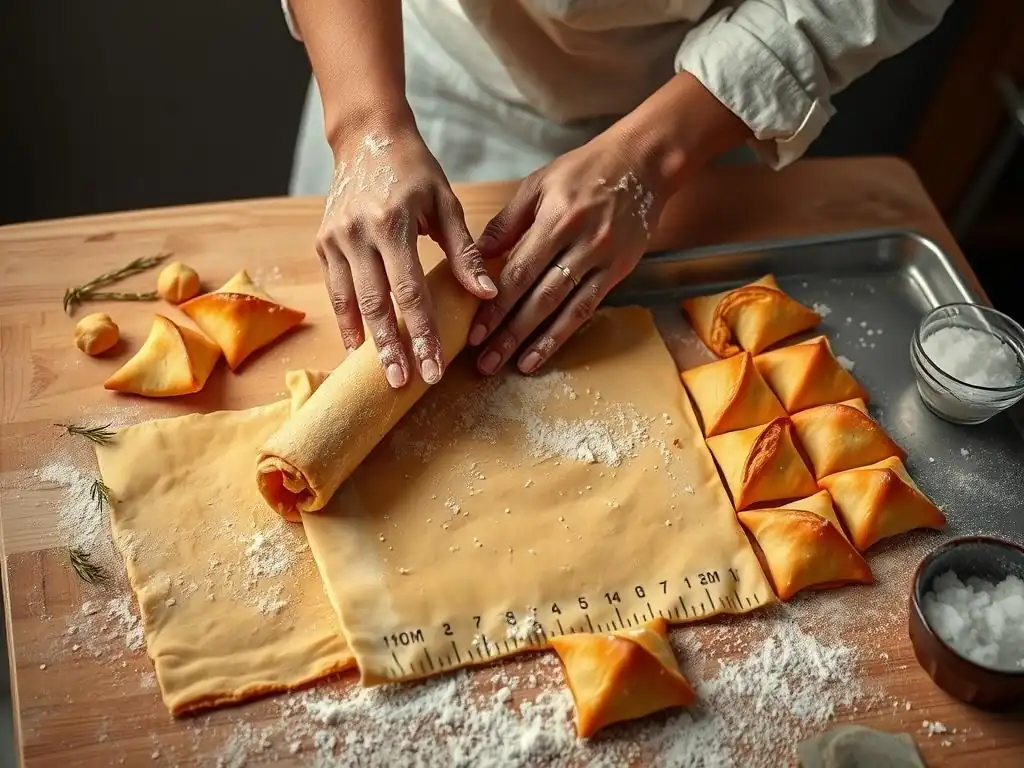
Welcome to BakeWithEase, your trusted companion in the baking journey! Ever battled frustrating shrinkage when working with delicate puff pastry? You're not alone! Dive into our comprehensive guide, " Prevent Puff Pastry Shrinkage: Essential Rolling and Baking Advice," and unlock the secrets to perfectly risen, beautifully shaped pastries. Discover proven techniques to master the rolling process and achieve bakery-worthy results every time. Intrigued? Let's get started!
- Introduction: Mastering Puff Pastry and Avoiding Shrinkage
- Understanding Puff Pastry Shrinkage: Why Does it Happen?
- Rolling Puff Pastry: Techniques to Minimize Shrinkage
- Baking Puff Pastry: Best Practices to Control Shrinkage
- Puff Pastry Shrinkage Troubleshooting: Common Mistakes and Solutions
- Advanced Techniques for Shrink-Resistant Puff Pastry
- Cutting and Shaping Puff Pastry: Preventing Shrinkage
- Recipes That Showcase Shrink-Resistant Puff Pastry Techniques
- Conclusion: Bake Puff Pastry with Confidence, Minimizing Shrinkage
-
Frequently Asked Questions
- What is the most common cause of puff pastry shrinkage during baking?
- How can I prevent puff pastry from shrinking when rolling it out?
- What temperature should my oven be to minimize puff pastry shrinkage?
- Does the type of flour used affect puff pastry shrinkage?
- Are there any specific baking techniques that help prevent puff pastry shrinkage?
- Final Reflection: Mastering the Flaky Dance: Puff Pastry Triumphs and Tribulations
- Unleash Your Inner Pastry Chef: Perfect Puffs Every Time!
Introduction: Mastering Puff Pastry and Avoiding Shrinkage
Puff pastry is a marvel of baking – layers upon layers of delicate, buttery crispness that puff up dramatically in the oven. Yet, for many home bakers, this elegant dough can present a frustrating challenge: shrinkage. You roll out a perfect sheet, cut your shapes, and pop them into the oven, only to watch them contract, distorting your carefully crafted pies, tarts, or turnovers. Understanding the why behind this common issue is the first step to achieving consistently beautiful results.
This guide is designed to demystify puff pastry shrinkage, offering practical, tried-and-true techniques for both rolling and baking. We'll explore the science, identify common pitfalls, and provide actionable advice that will empower you to create stunning, full-sized puff pastry creations every time. By mastering these essential rolling puff pastry shrinkage tips and baking strategies, you'll build confidence in handling this classic dough and unlock its full potential.
Understanding Puff Pastry Shrinkage: Why Does it Happen?
The Science Behind Puff Pastry and its Tendency to Shrink
Puff pastry's unique structure is built upon alternating layers of dough and butter. During baking, the water in the butter turns to steam, forcing the dough layers apart and causing the dramatic rise or "puff." However, the dough itself contains gluten, a protein network that develops when flour and water are mixed and kneaded (or, in the case of puff pastry, folded and rolled). This gluten network is elastic, meaning it has a tendency to spring back to its original shape, especially when warm or relaxed.
Think of gluten like a rubber band. When you roll out puff pastry, you're stretching this gluten network. If the network is tight or hasn't had time to relax, it will contract when heated in the oven, pulling the pastry inward. The quality and temperature of your ingredients, the method of lamination (folding and rolling), and the resting periods all play a significant role in how strong and elastic this gluten network becomes and, consequently, how much your pastry will shrink.
Common Causes of Puff Pastry Contraction During Baking
Several factors contribute to puff pastry shrinkage. One primary culprit is insufficient resting time. After each fold and after the final rolling, the gluten needs time to relax. Skipping these crucial chilling periods allows the stretched gluten to snap back aggressively in the oven. Another major cause is temperature – both the dough temperature during rolling and the oven temperature during baking. Warm dough becomes sticky and difficult to roll evenly, often leading to excessive stretching, while an oven that's too cool can cause the butter to melt out before the structure sets, contributing to collapse and shrinkage.
Furthermore, aggressive rolling techniques can overwork the dough and strengthen the gluten too much. Rolling back and forth repeatedly or using excessive pressure creates a very tight network. Cutting techniques also matter; using dull tools can drag and stretch the edges, which then contract during baking. Addressing these common issues through proper technique is fundamental to minimizing shrinkage and achieving those desirable, stable layers.
Rolling Puff Pastry: Techniques to Minimize Shrinkage
The Importance of Cold Butter and Dough
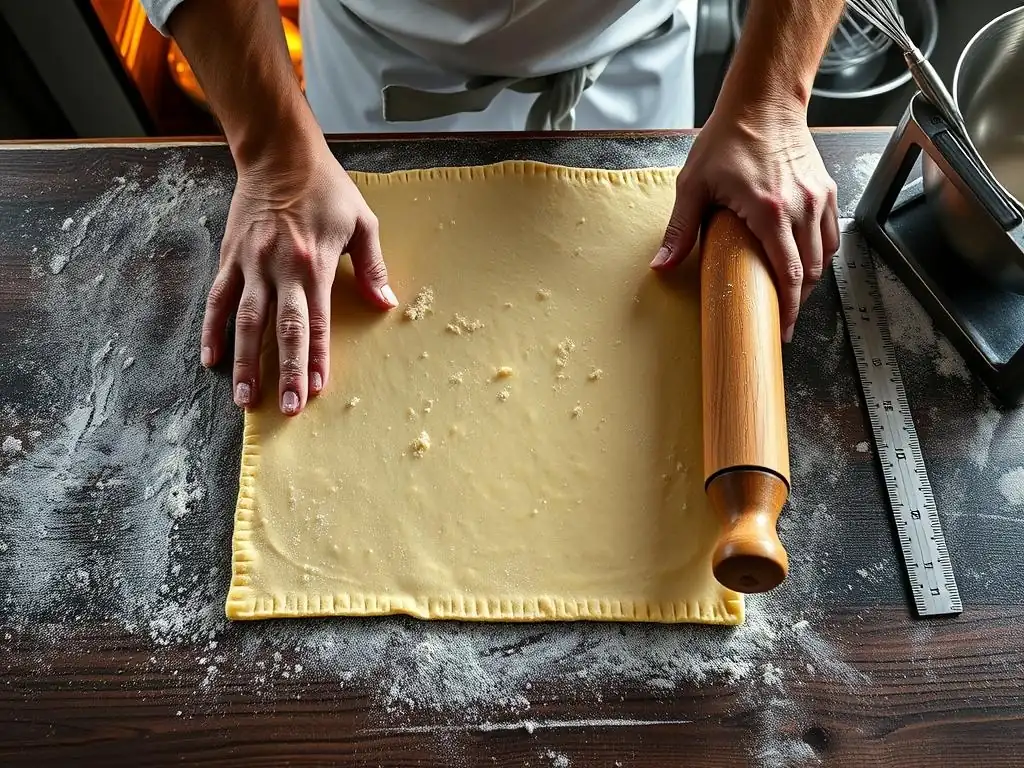
Maintaining a consistently cold temperature for both your butter block and the dough is paramount when working with puff pastry. The butter must remain solid and distinct within the layers of dough. If the butter melts into the dough before baking, you lose the essential layers that create the puff, resulting in a flat, dense, and often shrunken pastry. Cold dough, on the other hand, is less elastic and easier to roll without excessive stretching, helping to prevent the gluten from becoming too tight.
Working in a cool kitchen environment is ideal, but if that's not possible, work quickly and chill your dough frequently between folds and rolling steps. Aim for the dough to be cold but still pliable enough to roll without cracking – typically around 40-50°F (4-10°C). If your dough starts to feel warm or sticky, or the butter seems soft, wrap it tightly and return it to the refrigerator for at least 20-30 minutes before continuing. This simple step is one of the most effective rolling puff pastry shrinkage tips you can follow.
How to Roll Puff Pastry Correctly: A Step-by-Step Guide
Proper rolling is a technique that requires patience and a gentle touch. Begin with a well-chilled block of dough. Lightly flour your work surface and rolling pin, but avoid excessive flour, which can dry out the dough and interfere with lamination. Start by gently pressing the dough with your rolling pin to begin flattening it, working from the center outwards. Then, roll in one direction, away from you, applying even pressure. Lift the dough, rotate it 90 degrees, and repeat the rolling motion.
Continue this process of rolling in one direction, lifting, and rotating. This method helps to elongate the dough evenly without overworking the gluten in one area. Aim for smooth, controlled strokes rather than aggressive back-and-forth rolling. This specific approach to rolling puff pastry without shrinkage helps maintain the integrity of the layers and keeps the gluten relaxed. If the dough resists rolling or starts to spring back excessively, it needs to rest. Wrap it and refrigerate it immediately.
Achieving Uniform Thickness: Key to Preventing Uneven Shrinkage
Rolling your puff pastry to a consistent, even thickness is vital for uniform baking and puff, and it's a critical rolling puff pastry shrinkage tip. If one part of the dough is thicker than another, it will bake and puff at a different rate. Thinner sections are more prone to drying out and over-baking, which can cause them to contract more severely than thicker sections, leading to distorted shapes and uneven shrinkage across your finished product.
Tools like rolling pins with adjustable rings can help maintain a specific thickness, such as 1/8 inch or 1/4 inch, depending on your recipe. However, even without special tools, you can develop an eye for evenness with practice. Periodically hold the dough up to the light or gently feel it with your fingertips to check for thin or thick spots. Focus on applying even pressure across the entire surface as you roll. If you notice a thicker area, concentrate your rolling strokes there until it matches the surrounding dough.
Resting the Dough: A Crucial Step for Relaxation and Reduced Shrinkage
Resting the dough is arguably the most important step in preventing puff pastry shrinkage. Each time you roll or fold the dough, you are stretching the gluten network. Without adequate rest, this stretched network remains tense and will contract dramatically when heated in the oven. Chilling the dough allows the gluten strands to relax and settle into their new shape, reducing their tendency to spring back.
A minimum rest of 30 minutes in the refrigerator is usually required after the final fold and again after the final rolling and cutting of shapes. For best results, especially after the final roll-out before cutting, a rest of 1-2 hours is highly recommended. Some bakers even rest their cut shapes in the freezer for 10-15 minutes before baking for extra insurance against shrinkage. This cold rest firms up the butter and relaxes the gluten one last time, ensuring your shapes hold true in the heat of the oven.
Using the Right Amount of Flour: Preventing Stickiness and Shrinkage
Using flour on your work surface and rolling pin is necessary to prevent the dough from sticking, but using too much can negatively impact your puff pastry. Excessive flour gets incorporated into the dough layers during rolling, disrupting the delicate balance between dough and butter. This added flour can make the dough drier and tougher, contributing to a tighter gluten structure that is more prone to shrinkage.
Aim for just enough flour to prevent sticking. Lightly dust the surface and your pin, then brush away any excess flour before folding or rolling again. If your dough is properly chilled, you'll need less flour. If you find yourself needing a lot of flour because the dough is sticky, it's a sign the dough is too warm and needs to be refrigerated. A clean, lightly floured surface and minimal added flour are essential rolling puff pastry shrinkage tips for achieving tender, well-puffed layers that hold their shape.
Baking Puff Pastry: Best Practices to Control Shrinkage
Oven Temperature: Finding the Sweet Spot for Optimal Puff and Minimal Shrinkage
Baking puff pastry at the correct temperature is critical for achieving maximum puff and minimizing shrinkage. A hot oven, typically between 400°F and 425°F (200°C and 220°C), is usually recommended. This high initial heat causes the water in the butter to rapidly turn to steam, creating the lift. It also quickly sets the outer layers of the pastry, creating a stable structure before the butter has a chance to melt out completely.
If the oven temperature is too low, the butter melts and is absorbed into the dough before sufficient steam is generated and the layers set. This results in a greasy, flat pastry that is highly susceptible to shrinkage. Conversely, an oven that is too hot might brown the outside too quickly before the inside layers are fully cooked and puffed. Using an oven thermometer is highly recommended to ensure your oven is accurately reaching and maintaining the desired temperature.
Baking Sheets and Parchment Paper: Creating a Stable Base
The surface you bake your puff pastry on can also influence shrinkage and overall shape. Using a sturdy, flat baking sheet is essential. Warped or uneven sheets can cause the pastry to bake unevenly. Lining the baking sheet with parchment paper is also highly beneficial. Parchment paper prevents sticking, which is important because if the pastry sticks to the sheet, it can't expand freely and may tear or shrink unevenly as it tries to puff.
Placing the cut pastry shapes onto the parchment-lined sheet without stretching or distorting them is key. Leave adequate space between pieces to allow for expansion; crowding can lead to uneven baking and potential sticking between pieces. Some bakers even lightly mist the parchment paper with water before placing the pastry, believing the initial burst of steam helps the puff, though this is less critical than using cold dough and a hot oven.
Avoiding Overbaking: Recognizing the Signs of Doneness
Knowing when your puff pastry is perfectly baked is important for both texture and minimizing potential shrinkage or drying out. Puff pastry is done when it is significantly puffed, golden brown all over (including the sides), and feels light and crisp. If it's underbaked, the layers may collapse upon cooling, and the texture will be doughy. If it's overbaked, it can become excessively brittle and dry, potentially leading to more pronounced shrinkage as moisture is lost.
Baking time will vary depending on the size and thickness of your pastry pieces, as well as your oven. Small shapes like palmiers might take 12-18 minutes, while larger items like a tart shell could take 25-40 minutes. Start checking for doneness at the lower end of the recommended time range.
Look for that deep golden color and feel the lightness when gently lifted with a spatula. If the top is browning too quickly, you can loosely tent it with foil, but avoid opening the oven door too frequently early in the baking process, as this can cause the temperature to drop and inhibit puff.
The Role of Steam in Puff Pastry Baking
While the steam generated within the puff pastry from the melting butter is the primary leavening agent, some bakers introduce additional steam into the oven environment, particularly for larger bakes like vol-au-vents or tart shells. This external steam can help keep the surface of the pastry pliable in the initial stages of baking, allowing it to expand more freely before the crust sets. It can also contribute to a more even, golden color.
A common method for creating steam is to place a shallow pan of hot water on the bottom rack of the oven when you preheat it. The steam created helps maintain a humid environment. However, for most standard puff pastry applications like turnovers or small pastries, the internal steam from the butter is sufficient, provided the oven temperature is correct. Relying primarily on proper dough lamination, chilling, and a hot oven are generally more impactful rolling puff pastry shrinkage tips for successful results than adding external steam.
Puff Pastry Shrinkage Troubleshooting: Common Mistakes and Solutions
My Puff Pastry is Still Shrinking: Identifying Potential Problems
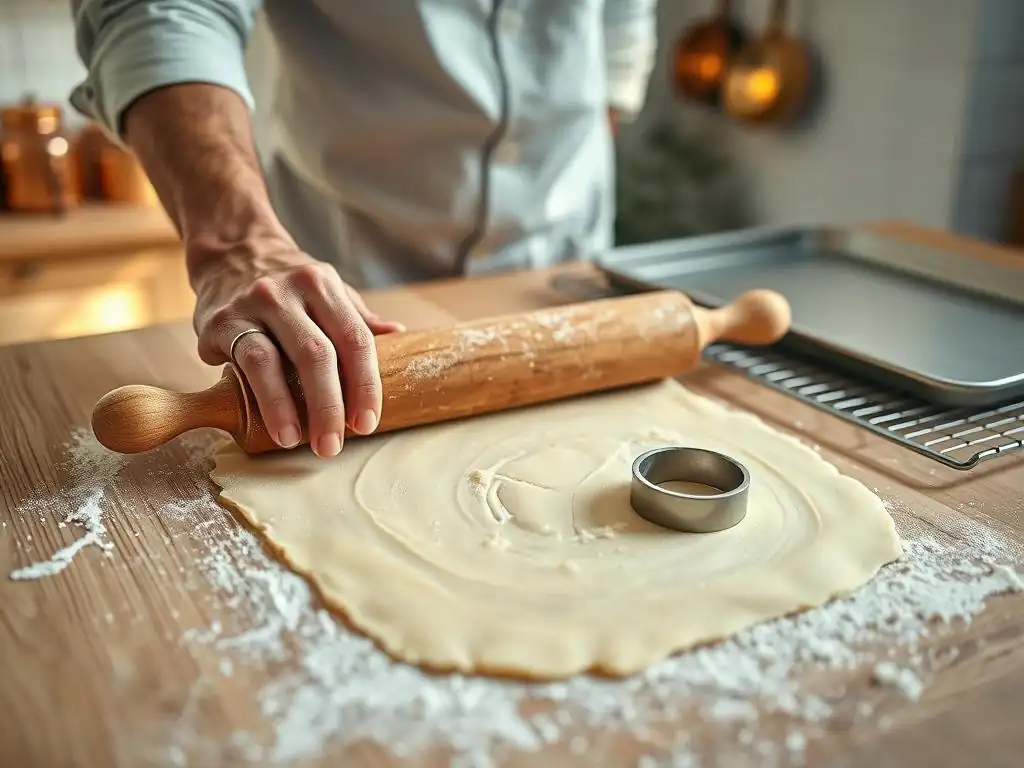
Even with careful attention to technique, you might occasionally encounter shrinkage. If your puff pastry is still shrinking significantly, it's time to play detective and review your process. Did the dough feel warm or soft at any point during rolling or cutting? Was it adequately chilled after the final roll-out? Did you use excessive flour, making the dough dry or tough? Was your oven fully preheated to the correct temperature?
Consider the elasticity of your dough. If it consistently springs back immediately after rolling, the gluten is likely too developed or hasn't rested enough. If the shrinkage is uneven, look at your rolling technique – are you rolling to a uniform thickness? Are your cuts clean, or are you dragging the knife? Systematically reviewing each step, from the initial dough preparation to the final moments before baking, will help you pinpoint the specific area causing the issue.
Correcting Dough Temperature Issues
Dough temperature is a frequent culprit behind shrinkage. If your dough is too warm, the butter is soft, and the gluten is highly elastic. This makes it difficult to roll evenly without stretching, and the stretched gluten will contract aggressively in the oven. The solution is simple but requires patience: more chilling time.
If the dough feels soft or sticky during rolling, stop immediately. Wrap it tightly in plastic wrap and refrigerate it for at least 30-60 minutes, or even longer if needed, until it is firm but still pliable. Ensure your kitchen environment isn't excessively warm. If necessary, work in shorter bursts, returning the dough to the fridge between rolling sessions. Proper chilling after the final roll-out and cutting is non-negotiable for preventing shrinkage.
Addressing Oven Temperature Fluctuations
An inaccurate oven temperature is another common reason for poor puff and shrinkage. If your oven runs cool, the butter melts out before the structure sets, leading to a flat, shrunken mess. If it runs too hot, the outside might set too fast, inhibiting full expansion. Relying solely on the oven's dial can be misleading; many home ovens have significant temperature variations.
Investing in a simple, inexpensive oven thermometer is one of the best things you can do for consistent baking results, including mastering rolling puff pastry shrinkage tips. Place it in the oven and check the actual temperature after preheating. Adjust your oven's setting accordingly. If your oven temperature fluctuates significantly, try to avoid opening the door during the first 15-20 minutes of baking to maintain a stable environment. Some ovens also have hot spots; rotating your baking sheet halfway through the baking time can help ensure even puff and browning.
Adjusting Baking Time for Different Puff Pastry Thicknesses
The recommended baking time in a recipe is a guideline, but the actual time needed will depend on the thickness and size of your specific puff pastry pieces. Thinner pieces will bake faster and are more prone to drying out and shrinking if left in too long. Thicker pieces will take longer to cook through and achieve full puff.
If you've rolled your dough thinner or thicker than the recipe specifies, be prepared to adjust the baking time. For thinner pastry (e.g., 1/8 inch), start checking for doneness a few minutes earlier than the recipe suggests. For thicker pastry (e.g., 1/4 inch or more), it will likely require a longer baking time. Look for visual cues: significant puff, deep golden brown color, and a crisp appearance. Don't be afraid to bake until it looks right, even if it's slightly longer or shorter than the recipe time.
Advanced Techniques for Shrink-Resistant Puff Pastry
Lamination Techniques: Enhancing Structure and Stability
The quality of your lamination – the process of folding and rolling the dough and butter layers – directly impacts the final structure and resilience of your puff pastry. Proper lamination creates hundreds or thousands of alternating, thin layers of dough and butter. More layers generally lead to a higher, more even puff and a stronger structure that is less prone to collapsing or shrinking unevenly.
While a standard puff pastry recipe typically involves 4-6 "turns" (each turn consisting of one or more folds followed by rolling), mastering the technique of keeping layers distinct and even is key. Ensure your butter block is the correct consistency (pliable, not hard or soft). Roll gently and evenly to distribute the butter without tearing the dough or squeezing butter out. Adequate chilling between turns is crucial for letting the gluten relax and firming up the butter, ensuring the layers remain separate during subsequent rolling and baking.
Using Different Types of Flour for Improved Results
The type of flour used can influence the gluten development and, consequently, the dough's elasticity and tendency to shrink. All-purpose flour is commonly used for puff pastry, typically containing around 10-12% protein. This level of protein develops a moderate amount of gluten, suitable for creating the necessary structure for puff while allowing for manageability during rolling.
Some bakers prefer to use a lower-protein flour, such as pastry flour (around 8-9% protein), or a blend of all-purpose and pastry flour. Lower protein content results in less gluten development, yielding a more tender pastry that is less elastic and therefore less prone to shrinkage. While this can make the dough slightly more delicate to handle, it can be beneficial for achieving minimal contraction. Experimenting with different flours or blends can be a useful strategy in your quest for shrink-resistant puff pastry.
Adding Acid to the Dough: Stabilizing Gluten and Reducing Elasticity
A less common but effective technique for reducing gluten elasticity and potential shrinkage is the addition of a small amount of acid to the dough water. Acids like lemon juice or vinegar interfere with gluten development and structure, making the dough more extensible (stretchable) and less elastic (less prone to springing back).
Only a small amount is needed – typically 1 to 2 teaspoons of lemon juice or white vinegar per cup of water used in the dough. This small addition will not significantly alter the taste of the finished pastry. By weakening the gluten slightly, the dough becomes easier to roll thinly without resistance and has a reduced tendency to contract during baking. This can be a helpful trick, especially if you find your dough is consistently too elastic despite proper resting.
Cutting and Shaping Puff Pastry: Preventing Shrinkage
Using Sharp Tools for Clean Cuts
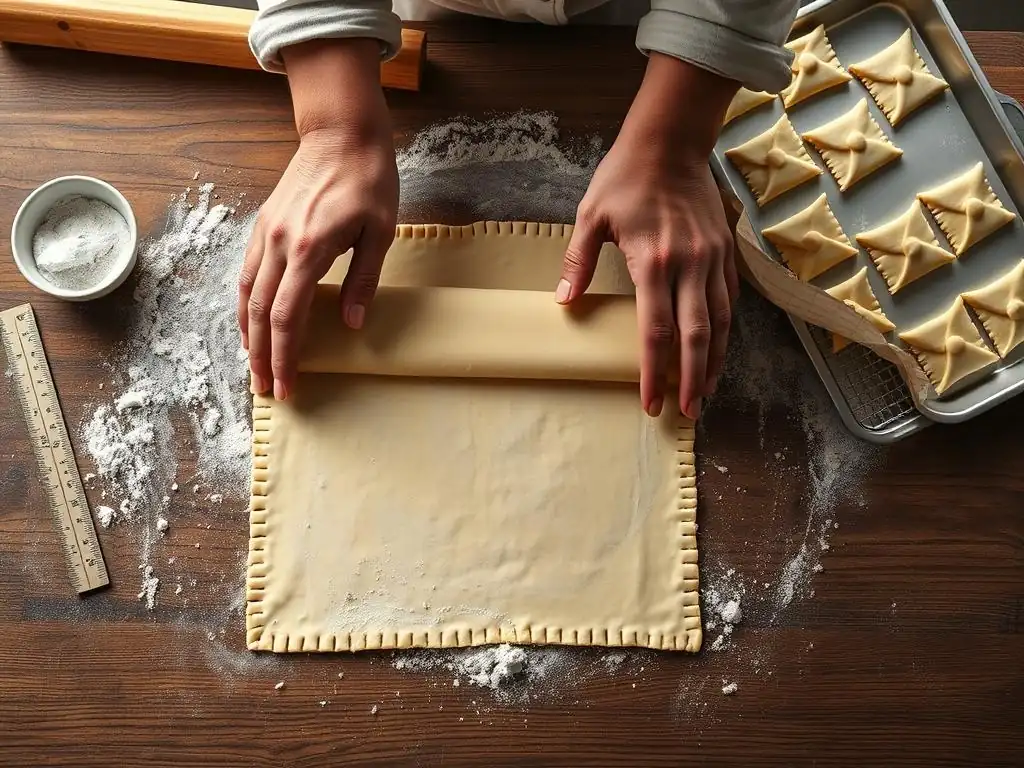
How you cut your puff pastry shapes has a direct impact on shrinkage. Using a sharp knife, pastry wheel, or cookie cutter is essential for making clean, decisive cuts. A dull tool will drag and compress the layers at the edges of the pastry. This damages the delicate structure and essentially seals the edges together, preventing them from puffing properly and encouraging shrinkage as the damaged gluten contracts.
Whether you're cutting straight lines for strips or squares, or using a cutter for circles or decorative shapes, ensure your tool is sharp. For knives or pastry wheels, use a single, firm stroke rather than sawing back and forth. For cookie cutters, press straight down without twisting. These simple rolling puff pastry shrinkage tips for cutting ensure the edges are open and ready to puff, minimizing distortion and shrinkage.
Avoiding Stretching or Distorting the Dough
Once you have rolled your puff pastry to the desired thickness, handle it gently. Avoid stretching the dough as you transfer it or arrange it on the baking sheet. Even slight stretching at this stage can introduce tension into the gluten network, which will release in the oven and cause the pastry to shrink or pull out of shape.
If you are cutting shapes, lift them carefully using a thin spatula or pastry scraper. If you are lining a tart pan, gently ease the dough into the corners rather than pulling and stretching it into place. For lattice tops or strips, measure and cut accurately so pieces fit without needing to be stretched to cover the area. Treating the rolled dough with care in these final moments before baking is crucial for maintaining its shape and achieving minimal shrinkage.
Specific Cutting Techniques for Different Shapes
Different shapes may require slightly different cutting approaches to minimize shrinkage. For straight-edged items like squares, rectangles, or strips for palmiers or cheese straws, use a sharp knife or pastry wheel and a ruler for precision. Cut in one clean stroke.
For round shapes, like circles for tartlets or vol-au-vents, use sharp cookie cutters. Press firmly and straight down. Do not twist the cutter, as this can seal the edges. For shapes with intricate details, like decorative cut-outs, ensure your cutter is very sharp and press firmly. If making turnovers or hand pies, avoid stretching the dough when filling and folding; ensure the edges meet easily before sealing. Paying attention to these specific rolling puff pastry shrinkage tips based on shape will lead to better results.
Recipes That Showcase Shrink-Resistant Puff Pastry Techniques
Classic Apple Turnovers with Homemade Puff Pastry
Making classic apple turnovers is a fantastic way to practice and showcase your shrink-resistant puff pastry skills. Start with a well-rested block of homemade puff pastry, chilled after its final turn. Roll it out on a lightly floured surface to an even 1/8-inch thickness, being mindful of the rolling puff pastry shrinkage tips – roll evenly, rotate, and avoid stretching. Cut the rolled dough into 5 or 6-inch squares using a sharp knife or pastry wheel, making clean cuts.
Chill the cut squares for at least 30 minutes. Prepare a simple apple filling (cooked or raw, depending on preference). Place a portion of cooled filling onto one half of each square. Brush the edges with egg wash or water, then fold the other half over to create a triangle or rectangle. Press the edges firmly to seal, then crimp with a fork. Place the sealed turnovers back on a parchment-lined baking sheet and chill again for 20-30 minutes before baking in a preheated 400°F (200°C) oven until golden and puffed, typically 18-25 minutes.
Savory Spinach and Feta Tartlets
Savory tartlets are another excellent application for testing your ability to prevent puff pastry shrinkage. Using chilled, store-bought or homemade puff pastry, roll it out to a consistent 1/4-inch thickness. Use a sharp round cutter, perhaps 3-4 inches in diameter, to cut out circles. Place these circles onto a parchment-lined baking sheet.
Rest the cut circles in the refrigerator for at least 30 minutes. Meanwhile, prepare a simple filling of cooked spinach, crumbled feta cheese, a little garlic, and maybe an egg yolk to bind. Gently score a smaller circle inside the edge of each pastry circle (about 1/2 inch from the edge), being careful not to cut all the way through – this creates a border that will puff higher. Prick the center area inside the score marks with a fork.
Fill the center with the spinach and feta mixture. Bake in a preheated 400°F (200°C) oven for 15-20 minutes, or until the edges are well-puffed and golden and the filling is set. The rest and clean cuts help maintain the round shape and prevent the edges from shrinking inwards.
Conclusion: Bake Puff Pastry with Confidence, Minimizing Shrinkage
Mastering puff pastry and minimizing shrinkage is a journey that combines understanding the science of dough and butter with practicing precise techniques. By focusing on maintaining cold temperatures throughout the process, rolling the dough evenly and gently, ensuring adequate resting periods, using sharp tools for clean cuts, and baking at the correct high temperature, you can significantly reduce the likelihood of shrinkage.
Implementing these essential rolling puff pastry shrinkage tips and baking best practices will transform your results. Instead of frustratingly small or misshapen pastries, you'll achieve beautifully puffed, flaky creations that hold their form. Embrace the process, be patient with chilling times, and soon you'll be baking puff pastry with confidence, creating impressive tarts, turnovers, and other delights that are as visually appealing as they are delicious. Happy baking!
Frequently Asked Questions
What is the most common cause of puff pastry shrinkage during baking?
The most common cause is gluten development during the rolling process. Overworking the dough creates too much gluten, which then tightens up when heated.
How can I prevent puff pastry from shrinking when rolling it out?
Avoid overworking the dough. Roll it out gently and in short bursts, allowing the dough to rest in the refrigerator between rolls to relax the gluten.
What temperature should my oven be to minimize puff pastry shrinkage?
Bake puff pastry at a high temperature, typically around 400-425°F (200-220°C). This creates steam quickly, helping the pastry to rise and set before it can shrink.
Does the type of flour used affect puff pastry shrinkage?
Yes, using a low-protein flour (like pastry flour) can reduce shrinkage. High-protein flours encourage more gluten development, leading to increased shrinkage.
Are there any specific baking techniques that help prevent puff pastry shrinkage?
Docking the pastry (pricking it with a fork) can help prevent it from puffing up unevenly and shrinking. Also, ensure your baking sheet is cold before baking to maintain the pastry's shape.
Final Reflection: Mastering the Flaky Dance: Puff Pastry Triumphs and Tribulations
The fight against puff pastry shrinkage isn't just about aesthetics; it's about unlocking the potential of this delicate, layered masterpiece. A perfectly risen puff pastry, golden and airy, is a testament to patience and precision, a culinary achievement that transcends mere baking. But the frustrating reality of shrinkage remains a common hurdle for even experienced bakers. This article has explored the key techniques to overcome this challenge, from chilling the dough properly to understanding the crucial role of oven temperature.
The journey of mastering puff pastry is a microcosm of the larger creative process – a constant dance between control and surrender. It's about respecting the inherent properties of the ingredients while employing skillful techniques to coax out their full potential. This delicate balance resonates far beyond the kitchen; it speaks to the challenges we face in any creative endeavor, where meticulous planning and intuitive adaptation are equally vital. The most beautiful things are the most fragile.
This sentiment, though not specifically about puff pastry, captures the essence of its delicate nature and the care required to bring it to its full glory.
Now, armed with these insights, I invite you to embrace the challenge. Don't let the fear of shrinkage deter you from experimenting with this magnificent pastry. The next time you roll out your dough, remember the lessons learned here, and approach the process with a newfound confidence. The reward? A flawlessly risen, gloriously flaky puff pastry that will not only delight your palate but also serve as a testament to your baking prowess. Go forth and conquer the shrinkage!
Unleash Your Inner Pastry Chef: Perfect Puffs Every Time!
Thanks for joining us on this puff pastry journey! We hope you now feel confident tackling even the flakiest recipes. Ready to put your new skills to the test?
- Master the art of rolling: Practice your technique with a simple recipe – the results will be amazingly different!
- Share your puff pastry triumphs: Post a picture of your creation on social media and tag us – we’d love to see them!
- Challenge yourself: Try a more complex recipe using your newly acquired knowledge and see what delicious wonders you can create.
What incredible puff pastry masterpiece will you bake next?