
Storing Viennoiseries: Keep Them Fresh and Delicious

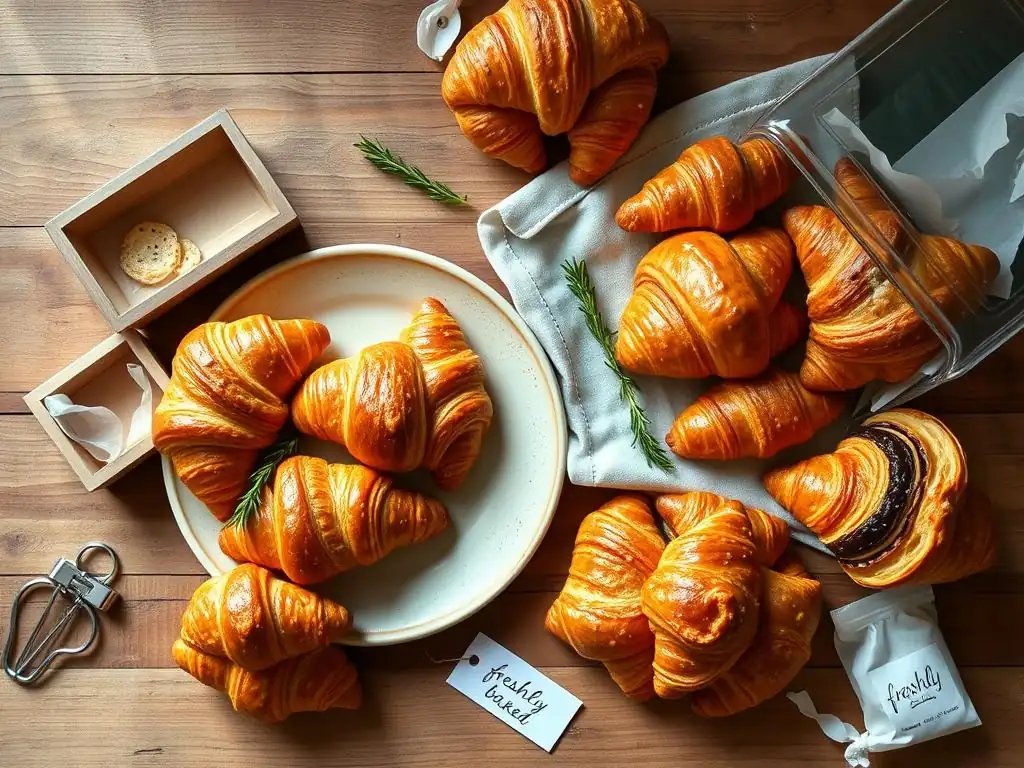
Welcome to BakeWithEase, your guide to deliciousness! Ever wondered how to keep those delicate viennoiseries as fresh and flaky as the day you baked them? You're in the right place. Our Viennoiseries Storage Tips Guide will unlock the secrets to preserving their irresistible texture and flavor. Prepare to elevate your baking game – let's get started!
- Introduction to Viennoiseries and Proper Storage
- Understanding the Enemies of Fresh Viennoiseries
- Viennoiseries Storage Methods: A Comprehensive Guide
- Specific Viennoiseries Storage Tips
- Reviving Stale Viennoiseries: Baking Rescue Techniques
- Expert Tips for Optimal Viennoiseries Freshness
- Conclusion: Mastering Viennoiseries Storage for Baking Success
- Frequently Asked Questions
- Final Reflection: The Enduring Delight of Perfectly Stored Viennoiseries
- Unlock the Secrets to Perfectly Stored Viennoiseries!
Introduction to Viennoiseries and Proper Storage
Why Proper Storage Matters for Homemade Viennoiseries
Creating beautiful, flaky viennoiseries like croissants, pain au chocolat, or brioche at home is a labor of love, often involving multiple folds, rests, and precise temperature control. After investing hours into lamination and proofing, the last thing you want is for your freshly baked pastries to lose their perfect texture and flavor prematurely. Proper storage is not just about preventing spoilage; it's about preserving the delicate balance of crisp exterior and tender interior that defines a great viennoiserie.
Without the right approach, those hard-earned layers can quickly turn soggy, stale, or hard, diminishing the enjoyment of your baking success. Implementing effective Viennoiseries storage tips is crucial to extending their delicious life.
The structure of viennoiseries, particularly laminated doughs like croissants, relies on thin layers of dough separated by butter. During baking, the butter melts, creates steam, and pushes the layers apart, resulting in that signature airy, flaky texture. Improper storage can disrupt this delicate structure. Exposing them to too much air causes them to dry out and become hard, while excess moisture makes the layers collapse and become dense or gummy. Understanding the science behind these changes is key to mastering how to store Viennoiseries correctly and ensuring they remain delightful long after they've cooled from the oven.
The Importance of Freshness in Croissants & Pain au Chocolat
The peak moment for enjoying a croissant or pain au chocolat is arguably within a few hours of it emerging from the oven. This is when the crust is at its crispiest, the interior is soft and airy, and the aroma is most intoxicating. This ephemeral freshness is what makes viennoiseries so special.
A stale or improperly stored pastry loses its textural contrast – the satisfying shatter of the crust gives way to chewiness, and the light interior can become heavy or dry. For pain au chocolat, poor storage can also lead to the chocolate within becoming hard or chalky, detracting significantly from the overall experience.
Maintaining this quality is the primary goal of any Viennoiseries storage tips guide. While capturing that "just baked" magic perfectly is challenging beyond the first day, effective storage methods can significantly slow down the staling process and preserve much of the desirable texture and flavor. For instance, a croissant stored correctly overnight might retain enough crispness to be enjoyable the next morning, perhaps with a brief reheat. Conversely, one left exposed on the counter can become unpleasantly tough or dry within hours. Mastering storage is an essential skill for any home baker who wants to savor their creations.
Understanding the Enemies of Fresh Viennoiseries
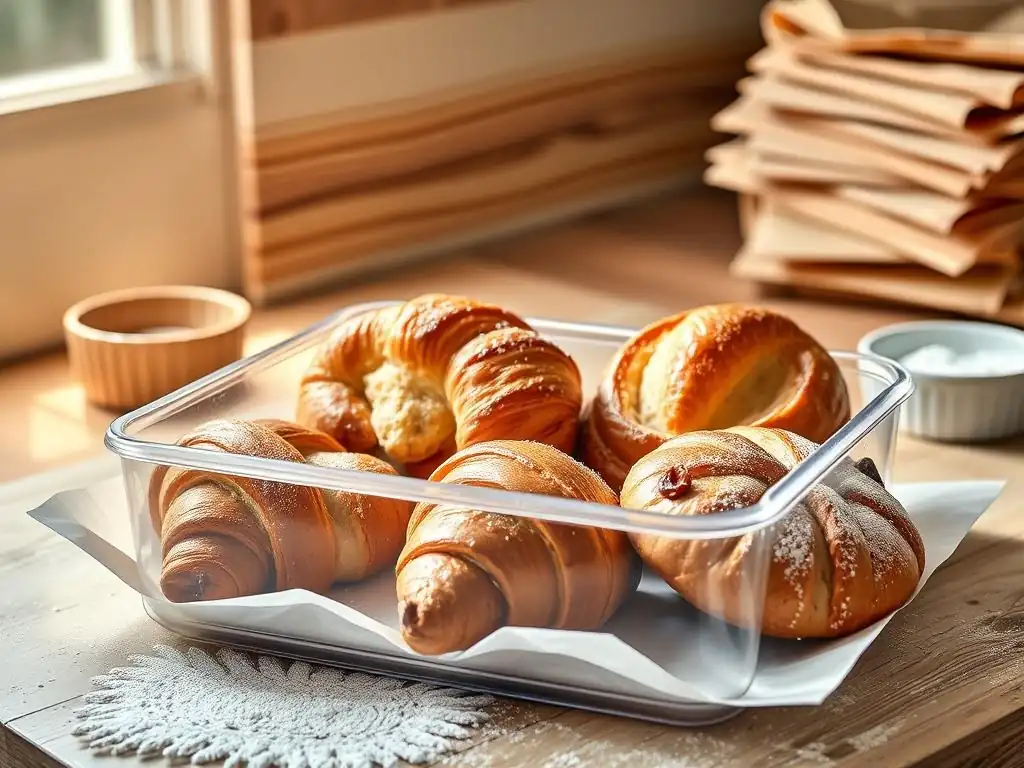
Moisture: The Number One Enemy of Crispy Layers
Excess moisture is perhaps the most significant threat to the desirable texture of laminated viennoiseries like croissants and puff pastry. The delicate, crispy layers are formed by the rapid vaporization of water from the butter and dough during baking. Once the pastry cools, it begins to absorb moisture from the surrounding environment. High humidity in the air can quickly turn a flaky crust soggy and collapse the internal structure, leading to a dense, heavy texture. This is particularly noticeable in humid climates or during rainy seasons, where pastries left exposed can lose their crispness in a matter of minutes.
Beyond environmental humidity, condensation is another major source of moisture issues. When a warm pastry is placed directly into an airtight container without cooling completely, the trapped heat causes steam to condense on the inside surfaces, wetting the pastry. Similarly, moving a cold pastry (like one from the refrigerator or freezer) into a warmer, humid environment can cause moisture to condense on its surface. This excess water is readily absorbed by the porous structure of the viennoiserie, ruining its texture. Effective Viennoiseries storage tips must address how to minimize exposure to both ambient humidity and condensation.
Air Exposure: Preventing Staling and Hardening
While excess moisture is detrimental, so is too much air exposure, particularly dry air. When viennoiseries are left open to the air, they undergo a process called staling, primarily caused by the recrystallization of starch molecules within the dough. As water migrates away from the starch granules, the pastry becomes rigid, dry, and crumbly. For croissants and similar laminated pastries, this means the flaky layers become brittle and hard rather than light and crisp. For softer viennoiseries like brioche, it results in a dry, tough crumb.
Preventing staling is a key component of any guide on how to store Viennoiseries. Limiting air exposure helps to slow down the moisture loss from the pastry's interior while also preventing it from absorbing off-flavors from the environment. However, simply sealing them in plastic isn't always the answer, as this can trap moisture and lead to sogginess (as discussed above). Finding the right balance – allowing some air circulation initially while protecting from excessive drying over time – is critical for effective Viennoiseries storage.
Temperature Fluctuations: Maintaining Optimal Texture
Temperature plays a significant role in maintaining the quality of stored viennoiseries. Extreme heat can cause residual fats to melt and seep, making the pastry greasy and potentially collapsing the structure. Conversely, refrigeration, while extending shelf life, can accelerate the staling process for some types of viennoiseries, particularly those without high fat content like leaner breads (though high-fat pastries like croissants are slightly more forgiving). The ideal storage temperature for short periods is generally cool room temperature, away from direct sunlight or heat sources.
Rapid or frequent temperature changes can also be detrimental. Moving a pastry repeatedly between warm and cool environments increases the likelihood of condensation forming on its surface, leading back to the moisture problems discussed earlier. For long-term storage like freezing, it's important to freeze quickly and keep the temperature consistently low to minimize ice crystal formation, which can damage the pastry's cellular structure and result in a less desirable texture upon thawing. Understanding how temperature impacts the pastry is fundamental to implementing effective Viennoiseries storage tips.
Viennoiseries Storage Methods: A Comprehensive Guide
Short-Term Storage: Keeping Viennoiseries Fresh Overnight
For viennoiseries intended to be eaten within 24 hours of baking, the primary goal is to maintain as much of their original texture as possible. The best method depends heavily on the ambient humidity and temperature of your kitchen. In a cool, dry environment, storing them at room temperature is often preferable to refrigeration, which can accelerate staling in some baked goods. The key is to protect them from excessive air exposure while allowing just enough ventilation to prevent condensation.
A common and often effective method for overnight storage is using a paper bag. This allows the pastry to breathe slightly, preventing the buildup of moisture that leads to sogginess, while still offering some protection from drying air and dust. However, this method is less effective in very humid conditions, where the paper bag itself can absorb moisture and transfer it to the pastry, or in very dry conditions where the pastry might still dry out. For optimal short-term Viennoiseries storage, finding the right balance of protection and ventilation is key.
Storing Viennoiseries at Room Temperature: Best Practices
When storing Viennoiseries at room temperature, ensure they are completely cool before packaging. Placing warm pastries in any container will trap steam and cause them to become soggy almost immediately. Once cool, place them in a container that offers a balance of protection and breathability. A paper bag is a classic choice for maintaining a crisp crust for a few hours. For slightly longer storage (up to 24 hours), a loosely covered container or a pastry box might be suitable, especially if your kitchen is not overly humid.
Avoid wrapping individual pastries tightly in plastic wrap if you want to preserve crispness, as this traps moisture. If using a container with a lid, consider leaving the lid slightly ajar or placing a piece of paper towel inside to absorb excess moisture. Keep the stored pastries away from direct sunlight, heat sources (like ovens or stovetops), and strong odors from cooking, as they can absorb surrounding smells. These simple Viennoiseries storage tips for room temperature can make a big difference in morning enjoyment.
Using Paper Bags for Short-Term Storage: Pros and Cons
Using a paper bag for storing Viennoiseries overnight is a popular technique, particularly for preserving a crispy exterior. The porous nature of the paper allows moisture to escape from the pastry, preventing it from becoming trapped and making the crust soggy. This works well for items like croissants or pain au chocolat where a crisp outer layer is highly desired. A standard paper bakery bag or even a clean paper lunch bag can serve this purpose effectively for short durations.
However, the paper bag method has limitations. It offers minimal protection against drying out in low humidity environments, potentially leading to a hard, stale pastry. It also provides no barrier against environmental odors or pests. Furthermore, in high humidity, the paper itself can become damp and contribute to the pastry becoming soft. Therefore, while excellent for maximizing crispness for a few hours, it's not a universal solution for all conditions or for keeping Viennoiseries fresh beyond a day. It's best suited for consuming the pastries relatively soon after baking.
Long-Term Storage: Freezing Viennoiseries for Later Enjoyment
Freezing is the most effective method for storing Viennoiseries long-term, allowing you to enjoy your homemade treats weeks or even months after baking. Both baked and unbaked viennoiseries can be frozen, though the method and results differ slightly. Freezing immediately after cooling (for baked) or shaping (for unbaked) locks in freshness and prevents staling. Properly frozen and thawed viennoiseries can come remarkably close to the quality of a freshly baked one, making this a valuable technique for managing batch baking.
The key to successful freezing is speed and protection from freezer burn. Freezer burn occurs when the surface of the food dries out due to sublimation (ice turning directly into vapor), resulting in dry, tough spots. This is prevented by minimizing air exposure and maintaining a consistent, very low temperature. Mastering the technique for freezing is essential for anyone looking for long-term Viennoiseries storage tips guide that truly works.
How to Freeze Viennoiseries to Preserve Flavor and Texture
To freeze baked viennoiseries: Ensure they are completely cooled. Place them on a baking sheet lined with parchment paper, ensuring they don't touch. Freeze until solid, usually 1-2 hours. This "flash freezing" step prevents them from sticking together. Once frozen, transfer the individual pastries to an airtight freezer bag or container, removing as much air as possible. They can be stored this way for up to 2-3 months.
To freeze unbaked viennoiseries (e.g., shaped croissants or pain au chocolat): Freeze them on a parchment-lined baking sheet until solid, just like baked ones. Once frozen, transfer them to an airtight freezer bag or container. They can be stored for up to 4-6 weeks. Freezing unbaked dough is convenient as you can bake them fresh on demand, offering the closest experience to eating them straight from the oven. Remember to adjust proofing time significantly when baking from frozen.
Best Containers for Freezing Croissants and Other Viennoiseries
Choosing the right container is vital for effective long-term Viennoiseries storage in the freezer. The goal is to create an airtight barrier to prevent freezer burn and protect the pastries from absorbing freezer odors. Heavy-duty freezer bags designed specifically for freezing are an excellent option. Squeeze out as much air as possible before sealing. Double-bagging can provide an extra layer of protection.
Alternatively, rigid, airtight freezer containers made of plastic or glass can be used. Ensure the container is filled as much as possible to minimize trapped air. If there's space, you can crumple parchment paper or plastic wrap to fill the gaps. For delicate pastries, using a rigid container might offer better protection against getting crushed in the freezer compared to a bag. Whichever container type you choose, ensure it is labeled with the date and contents for easy tracking. These are critical Viennoiseries storage tips for freezing success.
Defrosting Viennoiseries: Restoring Their Deliciousness
Proper defrosting is just as important as proper freezing when it comes to long-term Viennoiseries storage. For baked viennoiseries, the best way to defrost is usually at room temperature. Remove them from the freezer bag/container and place them on a wire rack to allow air circulation, which helps prevent condensation. Small pastries might take 30-60 minutes to thaw, while larger ones could take 1-2 hours. Avoid thawing in the refrigerator, as this can dry them out and accelerate staling. Avoid microwaving, which can make them tough.
Once thawed, baked viennoiseries can be reheated in the oven (see later section) to restore crispness. For unbaked frozen viennoiseries, they should typically be transferred directly from the freezer to a baking sheet and left to proof at room temperature until they are jiggly and significantly increased in size (this can take 8-12 hours or even longer, depending on room temperature). Some recipes might instruct an overnight proof in the refrigerator before baking. Always consult the specific recipe you used for the best thawing and proofing instructions.
Specific Viennoiseries Storage Tips
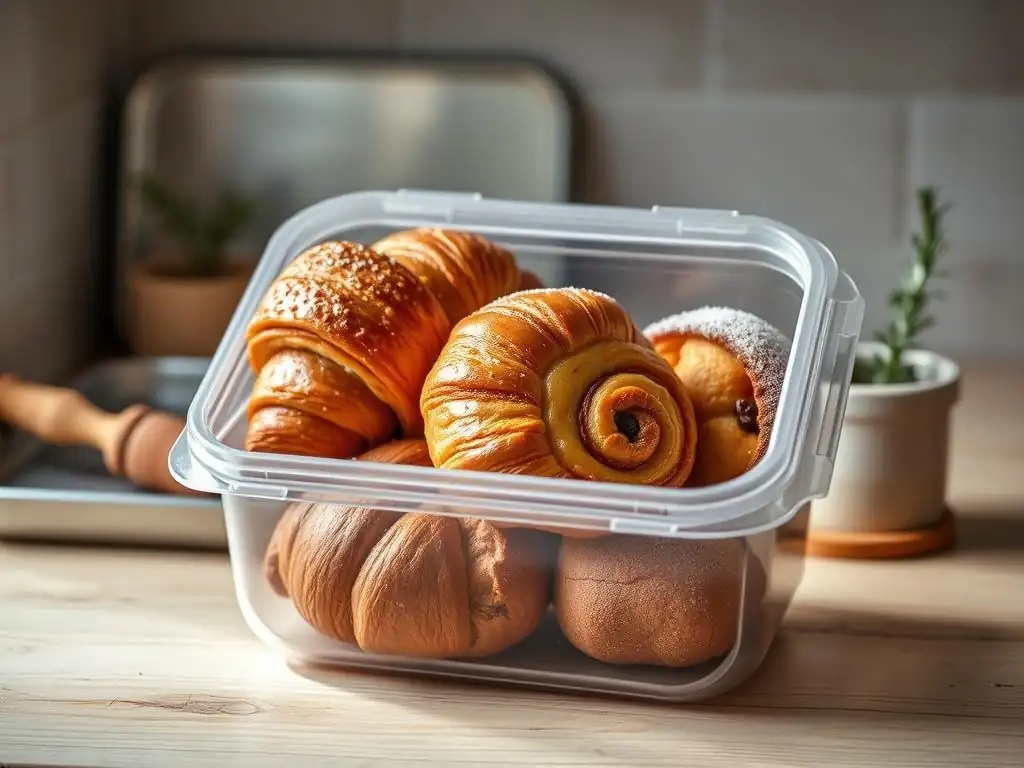
Storing Croissants: Maintaining Flakiness
The hallmark of a great croissant is its ethereal flakiness. Storing croissants requires careful consideration to preserve this delicate texture. For short-term storage (a few hours), a paper bag is often recommended to allow moisture to escape, keeping the exterior crisp. Place cooled croissants in a paper bag and fold the top over loosely. Avoid stacking too many on top of each other, as this can crush the layers.
For overnight storage or up to 24 hours, if humidity isn't excessively high, keeping them in a paper bag is still a good option. If your environment is very humid, a loosely covered container might be better, perhaps with a paper towel inside to absorb some moisture. For longer storage, freezing baked croissants is the way to go, following the flash-freeze method described earlier before transferring to an airtight freezer bag or container. These specific Viennoiseries storage tips for croissants prioritize maintaining that coveted flaky crust.
Pain au Chocolat Storage: Preventing Soggy Chocolate
Storing pain au chocolat presents a unique challenge: preserving the flaky pastry while also keeping the chocolate pieces in good condition. Like croissants, the pastry component is susceptible to moisture and staling. Follow the same principles as croissant storage for the pastry itself – paper bag for short-term crispness, loosely covered container for slightly longer, and freezing for long-term.
However, excessive moisture or temperature fluctuations during storage can affect the chocolate. High humidity can cause sugar bloom (white spots on the surface) or fat bloom (grayish streaks), although these primarily affect appearance, not safety. More importantly, trapped moisture can soften the chocolate, making it less pleasant to bite into. Ensure pain au chocolat is fully cooled before storing, especially before placing in any container, to prevent condensation around the chocolate pieces. Freezing is an excellent option for preserving both the pastry texture and the chocolate quality long-term. Applying targeted Viennoiseries storage tips helps keep that chocolate perfect.
Brioche Storage: Keeping it Soft and Moist
Brioche, being an enriched bread rather than a laminated pastry, has different storage needs. Its appeal lies in its soft, tender, and moist crumb. While croissants suffer from trapped moisture, brioche can benefit from being stored in a more airtight environment to prevent it from drying out and becoming stale. The staling process in bread is related to starch retrogradation, which happens faster at refrigerator temperatures for many bread types.
For short-term storage (1-2 days), a cooled brioche loaf or rolls should be stored in an airtight container or a tightly sealed plastic bag at room temperature. This helps retain its internal moisture and keeps the crumb soft. Avoid paper bags, which will cause it to dry out quickly. If you need to store it for longer, freezing is the best option.
Wrap the cooled brioche tightly in plastic wrap, then place it in a freezer bag or aluminum foil, removing as much air as possible. Frozen brioche keeps well for up to 3 months. These Viennoiseries storage tips specifically target the softer, more bread-like texture of brioche.
Apple Turnover Storage: Preventing a Soggy Crust
Apple turnovers, often made with puff pastry or a similar dough, face the challenge of keeping the pastry crust crisp while managing the moisture from the fruit filling. The filling naturally contains moisture that can migrate into the surrounding pastry over time, leading to a soggy bottom crust. Storing turnovers requires careful handling to minimize this moisture transfer.
Ensure turnovers are completely cool before storing. For very short-term storage (a few hours), leaving them uncovered at room temperature on a cooling rack might help keep the crust crisp, assuming low humidity. For overnight, a paper bag or a container with a paper towel underneath the turnovers can help absorb some moisture. However, the filling's moisture will inevitably soften the crust eventually.
Freezing baked turnovers is a good option for longer storage. Flash freeze them on a tray, then transfer to an airtight container or bag. Thaw at room temperature and reheat in the oven to help re-crisp the crust. These Viennoiseries storage tips for turnovers acknowledge the unique challenge posed by their filling.
Reviving Stale Viennoiseries: Baking Rescue Techniques
Reheating Viennoiseries: Bringing Back the Crisp
Even with the best Viennoiseries storage tips, pastries stored for more than a day or two might lose some of their original crispness. Fortunately, reheating can work wonders in reviving their texture. The dry heat of an oven helps to re-crisp the exterior and warm the interior. This is particularly effective for laminated pastries like croissants and pain au chocolat.
Preheat your oven to around 350°F (175°C). Place the viennoiseries directly on a baking sheet or on a wire rack set inside a baking sheet. Heat for 5-10 minutes, or until they are warm to the touch and the crust feels crisp again. Keep a close eye on them to prevent burning, especially if they contain chocolate. This process drives off some of the absorbed moisture, restoring a pleasant texture. Avoid microwaving, which heats unevenly and makes pastries rubbery.
Using Stale Viennoiseries in Recipes: Creative Ideas
Sometimes, viennoiseries are too stale to be fully revived by reheating, or perhaps you simply have an abundance of leftovers. Instead of discarding them, stale viennoiseries can be repurposed into delicious new dishes. Their enriched, buttery nature makes them excellent candidates for sweet or savory applications, transforming their texture and giving them a second life. This is a great way to minimize waste and get creative in the kitchen.
Stale croissants, pain au chocolat, or brioche can be used in much the same way as stale bread in various recipes. The slight dryness can actually be beneficial for absorbing liquids in dishes like bread pudding or for achieving crispness when made into croutons. Exploring these alternative uses is a practical extension of effective Viennoiseries storage tips guide principles – ensuring nothing goes to waste.
Viennoiseries Bread Pudding: A Delicious Transformation
Stale viennoiseries are perfect for making a rich and decadent bread pudding. The buttery layers of croissants or the soft crumb of brioche absorb the custard mixture beautifully, resulting in a luxurious dessert. To make Viennoiseries bread pudding, simply tear or cut the stale pastries into chunks and place them in a baking dish. Whisk together eggs, milk or cream, sugar, and flavorings like vanilla, cinnamon, or orange zest.
Pour the custard mixture over the pastry pieces, ensuring they are fully submerged. Let it sit for 20-30 minutes (or even longer, up to overnight in the fridge) to allow the pastries to soak up the liquid. Bake in a preheated oven at around 350°F (175°C) until the custard is set and the top is golden brown and slightly crisp. This transforms dry, stale pastries into a moist, comforting dessert.
Croissant Croutons: A Savory Snack
Stale croissants can be easily turned into incredibly flavorful croutons, perfect for topping salads or soups. The buttery nature of the croissant lends itself wonderfully to this application, creating croutons that are crisp and rich. To make croissant croutons, slice or tear stale croissants into bite-sized pieces. Toss them with olive oil or melted butter, and season with salt, pepper, herbs, or garlic powder according to your preference.
Spread the seasoned croissant pieces in a single layer on a baking sheet. Bake in a preheated oven at a moderate temperature, around 300°F (150°C) to 325°F (160°C), stirring occasionally, until they are golden brown and completely crisp. This usually takes 15-25 minutes, depending on the size of the pieces. Let them cool completely before storing them in an airtight container, where they will keep for several days.
Expert Tips for Optimal Viennoiseries Freshness
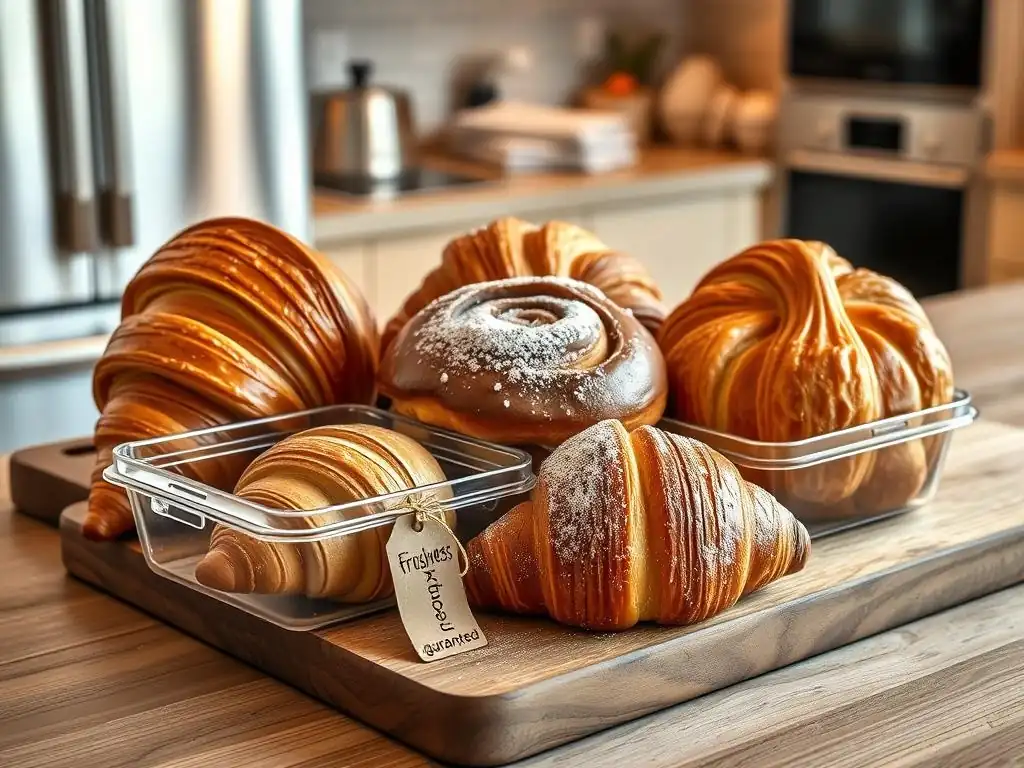
Choosing the Right Storage Location in Your Kitchen
The environment where you store your Viennoiseries significantly impacts how well they keep. The ideal location is cool, dry, and away from direct sunlight or heat sources like ovens, stovetops, or even dishwashers (which can generate humidity). A pantry shelf, a kitchen cabinet away from appliances, or even a cool countertop spot can work for short-term storage, provided the ambient conditions are suitable.
Avoid storing viennoiseries near your sink or in areas prone to humidity fluctuations. Similarly, keeping them away from strong-smelling foods like onions or garlic is crucial, as pastries can easily absorb surrounding odors, especially over longer storage periods. Thinking consciously about the microclimate of your storage spot is a simple yet effective Viennoiseries storage tip.
The Role of Humidity in Viennoiseries Storage
As highlighted earlier, humidity is a major factor in maintaining viennoiserie texture. High humidity leads to soggy pastries, while very low humidity can accelerate drying and staling, especially with paper bag storage. The ideal relative humidity for storing many baked goods is often cited as being in a moderate range, perhaps around 40-50%. However, achieving precise humidity control in a home kitchen storage environment is difficult.
The most practical approach for home bakers is to choose storage methods that counteract the prevailing humidity. In a humid environment, prioritize containers or methods that allow some moisture to escape (like paper bags for short-term, or ensuring airtight containers are fully cooled before sealing). In a dry environment, opt for more airtight containers to prevent moisture loss. Being aware of the humidity level in your kitchen is key to applying the right Viennoiseries storage tips.
Protecting Viennoiseries from Strong Flavors
Viennoiseries, with their porous structure and often delicate flavors, are susceptible to absorbing strong odors from their surroundings. Storing them next to items like onions, garlic, certain cheeses, or even strongly scented cleaning products can result in your beautiful pastries taking on undesirable off-flavors. This is particularly true during longer storage periods or when using less-than-airtight containers.
Always store viennoiseries, whether at room temperature, in the refrigerator, or the freezer, in containers or bags that are clean and free from residual odors. Ensure the storage location itself is free from strong smells. When freezing, using airtight containers or double-bagging is especially important to protect against freezer odors. This simple precaution is a vital, though sometimes overlooked, aspect of effective Viennoiseries storage tips.
Conclusion: Mastering Viennoiseries Storage for Baking Success
Enjoy Fresh Viennoiseries Every Time with These Tips
Mastering the art of baking viennoiseries is a rewarding endeavor, and knowing how to store them properly ensures that your efforts are enjoyed to the fullest. By understanding the enemies of freshness – moisture, air, and temperature fluctuations – you can choose the right storage method for your needs. Whether it's using a simple paper bag for overnight crispness, opting for an airtight container for slightly longer, or leveraging the power of the freezer for extended enjoyment, applying these Viennoiseries storage tips guide principles will help preserve the delicious texture and flavor you worked so hard to create.
Remember to always cool your pastries completely before storing, select a storage location that is cool and dry, and consider the ambient humidity. Don't be afraid to revive slightly stale pastries with a quick reheat, or get creative by incorporating them into new recipes like bread pudding or croutons. With these techniques in your baking arsenal, you can ensure that every bite of your homemade croissants, pain au chocolat, brioche, and turnovers is as delightful as possible, maximizing your baking success and minimizing waste.
Further Baking Resources for Viennoiseries and Pastries
Enhancing your Viennoiseries storage tips is just one part of the journey to mastering these delightful pastries. To truly excel, explore resources on lamination techniques, proofing times, and baking temperatures specific to different types of viennoiseries. Understanding the dough development process will give you even greater control over the final texture, which in turn influences how well the pastry stores. Look for detailed guides on creating flaky layers or achieving a perfectly soft brioche crumb.
Continually practicing your baking skills and experimenting with different recipes will deepen your understanding of viennoiseries. Consult reputable baking books, online tutorials, and baking communities for step-by-step instructions and troubleshooting advice. As you refine your techniques, you'll find that achieving delicious results and keeping Viennoiseries fresh through proper storage go hand in hand, allowing you to share and enjoy your beautiful baked goods whenever you like.
Frequently Asked Questions
What are Viennoiseries, and why is proper storage important?
Viennoiseries are yeast-leavened baked goods like croissants and pain au chocolat. Proper storage is crucial to prevent them from becoming stale or soggy, preserving their texture and flavor.
How should I store Viennoiseries at room temperature?
Store them in an airtight container or paper bag at room temperature for a maximum of 1-2 days. Avoid direct sunlight or humid environments to prevent premature spoilage.
Can I freeze Viennoiseries for longer storage?
Yes, freezing is a great option! Wrap them individually in plastic wrap, then place them in a freezer-safe bag. They can last for up to 2-3 months in the freezer.
What's the best way to reheat frozen Viennoiseries?
Thaw them at room temperature for 30-60 minutes. Then, reheat in a preheated oven at a low temperature (around 300°F/150°C) for a few minutes to restore their crispness and warmth.
How can I prevent Viennoiseries from becoming soggy after baking?
Ensure they are completely cooled before storing them. Avoid storing them in airtight containers while still warm, as this traps moisture and leads to a soggy texture.
Final Reflection: The Enduring Delight of Perfectly Stored Viennoiseries
The art of storing viennoiseries isn't merely about preserving freshness; it's about safeguarding a sensory experience. Proper storage ensures that the delicate layers, the crisp crusts, and the rich buttery aroma of these beloved pastries remain intact, allowing us to savor their full glory long after purchase or baking. This is especially crucial in a world where convenience often compromises quality.
The impact of readily available, yet often poorly stored, viennoiseries on our appreciation for truly excellent pastry is undeniable. We've become accustomed to a certain level of staleness, a compromise on texture and flavor. But the potential for a truly transcendent experience, a bite that transports you to a Parisian patisserie, remains. The best things in life are worth waiting for, and the perfect viennoiserie, properly stored, is no exception.
This simple truth reminds us to value the process, from careful baking to mindful preservation.
Now, consider your own relationship with viennoiseries. Do you rush to devour them immediately, or do you take the time to store them correctly, savoring the experience over a longer period? I encourage you to experiment with the techniques outlined in this guide. Pay attention to the subtle differences in texture and flavor, and discover the joy of enjoying perfectly preserved viennoiseries, day after day. Let the simple act of mindful storage enhance your appreciation for these exquisite pastries, transforming a routine task into a celebration of culinary excellence.
Unlock the Secrets to Perfectly Stored Viennoiseries!
Thanks for diving into the world of viennoiserie with us! We hope you now feel confident in keeping those delicate pastries fresh and delicious. Ready to put your new knowledge to the test?
- Master the Art of Viennoiserie Storage: Experiment with different methods—from the freezer to clever countertop techniques—to find what works best for your baking style and available space. This is your chance to truly perfect your pastry game!
- Share Your Viennoiserie Successes: We'd love to see your beautifully stored (and enjoyed!) creations! Share photos on social media using #BakeWithEaseViennoiseries. Let's inspire each other!
- Challenge Yourself: Try baking a new viennoiserie recipe this week, and apply your newfound storage wisdom to keep them at their peak freshness.
What’s your go-to method for keeping viennoiseries perfectly preserved? Let's discuss in the comments below!