
The Art of Filling Eclairs and Cream Puffs Neatly

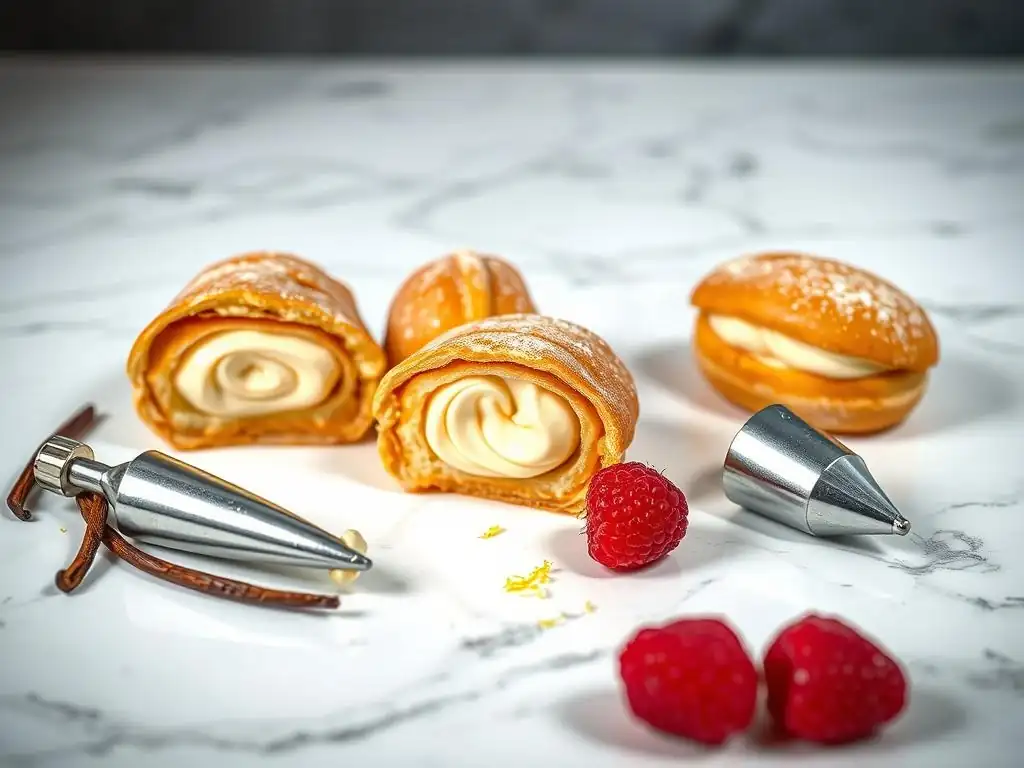
Welcome to BakeWithEase, your partner in achieving baking brilliance! Ever wondered how pastry chefs achieve that flawless, picture-perfect finish? This is your gateway to mastering the art of pastry making. Inside, we'll unlock the secrets to neatly fill eclairs cream, leaving you with professional-looking results every time. Ready to elevate your pastry game? Dive in and discover the techniques that will transform your eclairs and cream puffs from good to absolutely gorgeous!
- The Art of Neatly Filling Eclairs and Cream Puffs: A BakeWithEase Guide
- Introduction: Mastering the Neat Filling of Eclairs and Cream Puffs
- Understanding Eclair and Cream Puff Construction for Optimal Filling
- Preparing Your Filling for Eclairs and Cream Puffs
- Step-by-Step Guide to Neatly Filling Eclairs
- Step-by-Step Guide to Neatly Filling Cream Puffs
- Troubleshooting Common Filling Problems
- Professional Tips for a Polished Finish
- Storing Filled Eclairs and Cream Puffs to Maintain Freshness
- Conclusion: Elevating Your Pastry Skills with Neat Filling Techniques
-
Frequently Asked Questions
- How do I prevent the cream from leaking out of my eclairs after filling?
- What's the best tool to use for neatly filling eclairs with cream?
- How do I know when my eclairs are adequately filled with cream?
- Can I fill eclairs ahead of time, or should they be filled right before serving?
- What type of cream filling is best for eclairs to ensure they hold their shape and flavor?
- Final Reflection: The Lasting Impression of a Perfectly Filled Pastry
- Unleash Your Inner Pastry Chef!
The Art of Neatly Filling Eclairs and Cream Puffs: A BakeWithEase Guide
Introduction: Mastering the Neat Filling of Eclairs and Cream Puffs
Welcome to the delightful world of choux pastry! Eclairs and cream puffs (profiteroles) are classic treats, beloved for their light, airy texture and delicious fillings. While baking the perfect choux shell is one step, learning to neatly fill eclairs cream puffs is an equally important skill. A well-filled pastry is not only more enjoyable to eat but also looks professionally finished. This guide will walk you through the techniques and tips needed to achieve perfectly filled pastries every time, ensuring your creations are as beautiful as they are tasty.
Achieving a neat finish when filling these delicate pastries can sometimes feel daunting, especially for beginners. Common issues include bursting shells, uneven filling, or messy exteriors. However, with the right approach and a bit of practice, you can master the art of neatly filling eclairs and cream puffs, transforming simple baked shells into impressive desserts. We'll cover everything from preparing your pastry shells and filling to the actual piping techniques and troubleshooting common hurdles, helping you confidently neatly fill eclairs cream.
Understanding Eclair and Cream Puff Construction for Optimal Filling
The Importance of Proper Baking for Easy Filling
The success of neatly filling eclairs cream relies heavily on how well your choux pastry shells are baked. Properly baked shells will be firm, hollow inside, and have a sturdy structure capable of holding the filling without collapsing or becoming soggy too quickly. If shells are underbaked, they tend to be soft, dense, and prone to collapsing or tearing when you attempt to insert a piping tip. This makes it incredibly difficult to neatly fill eclairs or cream puffs.
To ensure your shells are ready for filling, they must be baked until deeply golden brown and feel light and hollow when lifted. A typical baking time for cream puffs around 1.5 to 2 inches in diameter might be approximately 25-35 minutes at temperatures ranging from 375°F to 400°F (190°C-200°C), often with a period of drying at a lower temperature. Eclairs, being longer, might require slightly longer, perhaps 35-45 minutes.
Crucially, once baked, they should be cooled completely on a wire rack. This allows steam to escape, preventing condensation inside the shell which can lead to sogginess, ensuring a dry interior cavity perfect for receiving your filling neatly.
Choosing the Right Pastry Bag and Tip for Neatness
Selecting the appropriate tools is fundamental to neatly fill eclairs cream without making a mess or damaging the delicate pastry shells. A strong, good-quality pastry bag, whether disposable or reusable, is essential. Disposable bags are convenient for easy cleanup, while sturdy reusable bags offer better grip and control for some bakers. Avoid thin or flimsy bags that might burst under the pressure of piping thick fillings.
When it comes to piping tips, a small round tip is typically preferred for creating the entry point and injecting the filling. A tip size between 4mm and 8mm (approximately 1/8 to 1/3 inch) in diameter is versatile for both eclairs and cream puffs. For eclairs, a longer, thin bismarck tip is ideal as it allows you to reach further into the shell from a single entry point, ensuring more even distribution along the length.
For cream puffs, the standard round tip is usually sufficient as the cavity is more spherical. Using the correct tip size minimizes the hole needed, contributing significantly to the ability to neatly fill eclairs cream puffs without visible damage.
Preparing Your Filling for Eclairs and Cream Puffs
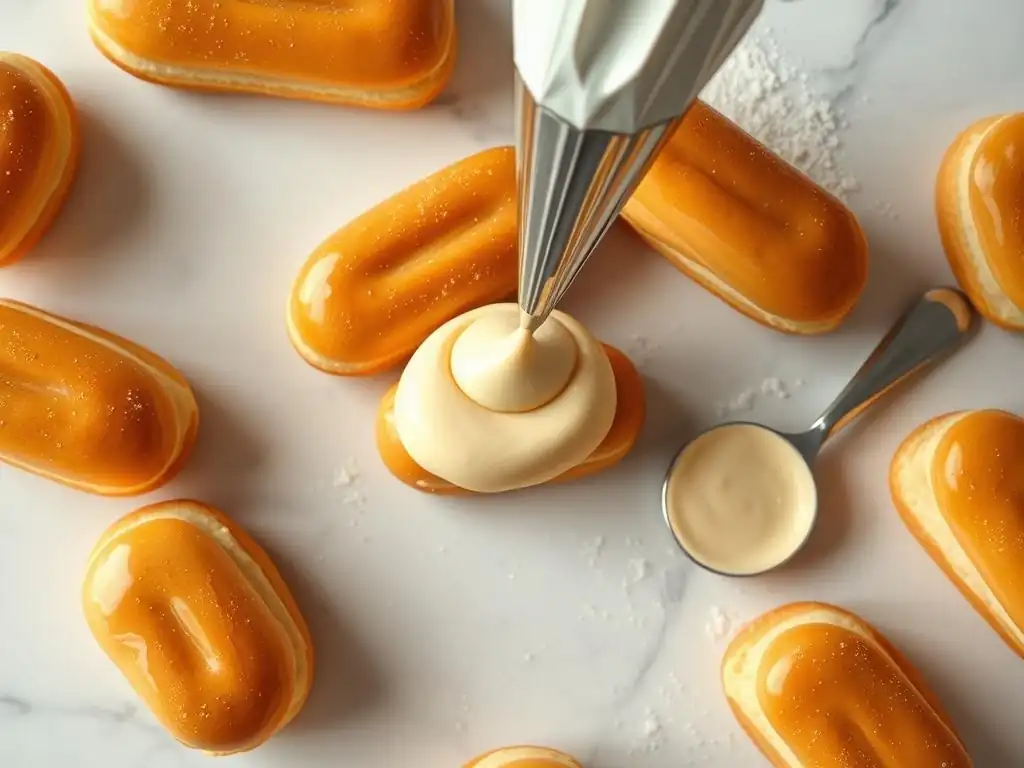
Achieving the Perfect Filling Consistency: Avoiding Runny or Stiff Textures
The consistency of your filling is paramount for successfully and neatly filling eclairs cream. A filling that is too runny will leak out of the pastry, making a mess and potentially causing the shell to become soggy. Conversely, a filling that is too stiff will be difficult to pipe smoothly, requiring excessive pressure that could burst the pastry shell. The ideal consistency should be smooth, pipeable, and hold its shape reasonably well, similar to a thick pudding or a firm yogurt.
For classic fillings like pastry cream (crème pâtissière), ensuring it's properly cooked and chilled is key. Cooking pastry cream sufficiently thickens it, and chilling for at least 2-3 hours allows it to firm up further. If it's too thick after chilling, whisking it gently can loosen it slightly.
For whipped cream or mousses, ensure they are whipped to firm peaks. If using a ganache, let it cool until it reaches a spreadable, yet firm, consistency. A well-textured filling flows smoothly under pressure but stays put once inside the choux shell, allowing you to neatly fill eclairs cream puffs without issues.
Flavor Considerations: Matching Fillings to Your Pastry
Choosing a filling flavor that complements the light, slightly eggy taste of choux pastry is part of the art. Classic pairings include vanilla bean pastry cream, chocolate ganache, or whipped cream. However, the possibilities are vast, from fruit curds like lemon or passion fruit to coffee-flavored creams, praline mousses, or even savory fillings like cheese or chicken salad for gougères (savory cream puffs).
When selecting or creating your filling, consider the overall flavor profile you want to achieve. A rich chocolate filling might be balanced by a simple glaze, while a tangy fruit curd could pair well with a light meringue topping. Ensure the filling isn't excessively wet, especially for fillings containing fresh fruit pieces, as excess moisture can compromise the pastry's structure. Thinking about the flavor harmony ensures that the effort you put into neatly filling eclairs cream results in a truly delicious pastry experience.
Step-by-Step Guide to Neatly Filling Eclairs
Step 1: Creating Filling Holes in Your Eclairs
Before you can neatly fill eclairs cream, you need access points. There are a couple of common methods for creating these holes. One popular technique is to poke 2-3 small holes along the bottom of each eclair shell using a small, pointed object like a skewer, a small paring knife tip, or even the tip of your piping bag fitted with a small round tip (4-6mm). These holes should be just large enough to insert your piping tip.
Alternatively, some bakers prefer to make a single, slightly larger hole at each end of the eclair. This method works well if you are using a bismarck tip, allowing you to inject from both ends to ensure even distribution along the length. The key is to make the holes as small and discreet as possible to maintain the aesthetic of the eclair and allow you to neatly fill eclairs cream without visible entry points once finished. Choose the method that feels most comfortable and effective for you.
Step 2: Mastering the Piping Technique for Eclair Filling
With your eclair shells prepared and your filling in a piping bag fitted with a suitable tip (a bismarck tip is excellent here), you're ready to neatly fill eclairs cream. Insert the tip gently into one of the prepared holes, pushing it about halfway into the eclair cavity. Apply steady, consistent pressure to the piping bag. You should feel the eclair shell become heavier as it fills.
If using multiple holes along the bottom, fill each hole until you feel resistance or see the filling slightly bulge from the adjacent hole. If using a bismarck tip from the ends, insert the tip into one end, push it towards the middle, and fill until you feel resistance. Then, insert the tip into the other end, push towards the middle, and fill until you feel resistance and the eclair feels adequately weighted. The goal is to fill the cavity completely without overstuffing, ensuring you neatly fill eclairs cream evenly.
Step 3: Ensuring Even Distribution of Cream Inside the Eclair
Achieving even distribution is crucial for a pleasant eating experience and to neatly fill eclairs cream successfully. As you pipe, the filling should spread throughout the internal cavity. With a bismarck tip, moving the tip slightly as you pipe can help distribute the filling along the length. If using multiple holes, filling each hole sequentially helps ensure coverage.
A good indicator of even distribution is the weight and feel of the eclair. It should feel substantial and uniformly heavy, not heavier at one end or in the middle. A slight bulge on the top surface is also a sign that the shell is full. Avoid the temptation to keep piping once you feel resistance, as this is when the shell is most likely to burst. Practice helps develop the right feel for when an eclair is perfectly and neatly filled with cream.
Tips for Filling Eclairs Without Breaking Them
Handling choux pastry shells requires a gentle touch to neatly fill eclairs cream without causing damage. Always support the eclair gently with your non-piping hand while you insert the tip and pipe. Avoid squeezing the eclair itself, as this can easily crack the shell.
Ensure your filling is at the right consistency; overly stiff filling requires too much pressure, increasing the risk of breakage. If using a bismarck tip, insert it smoothly and avoid forcing it. If you feel significant resistance while piping before the eclair feels full, the tip might be blocked, or the filling might be too cold/stiff. Stop, check your filling, and adjust if necessary. Patience and a light hand are your best allies in neatly filling eclairs cream without mishaps.
Step-by-Step Guide to Neatly Filling Cream Puffs
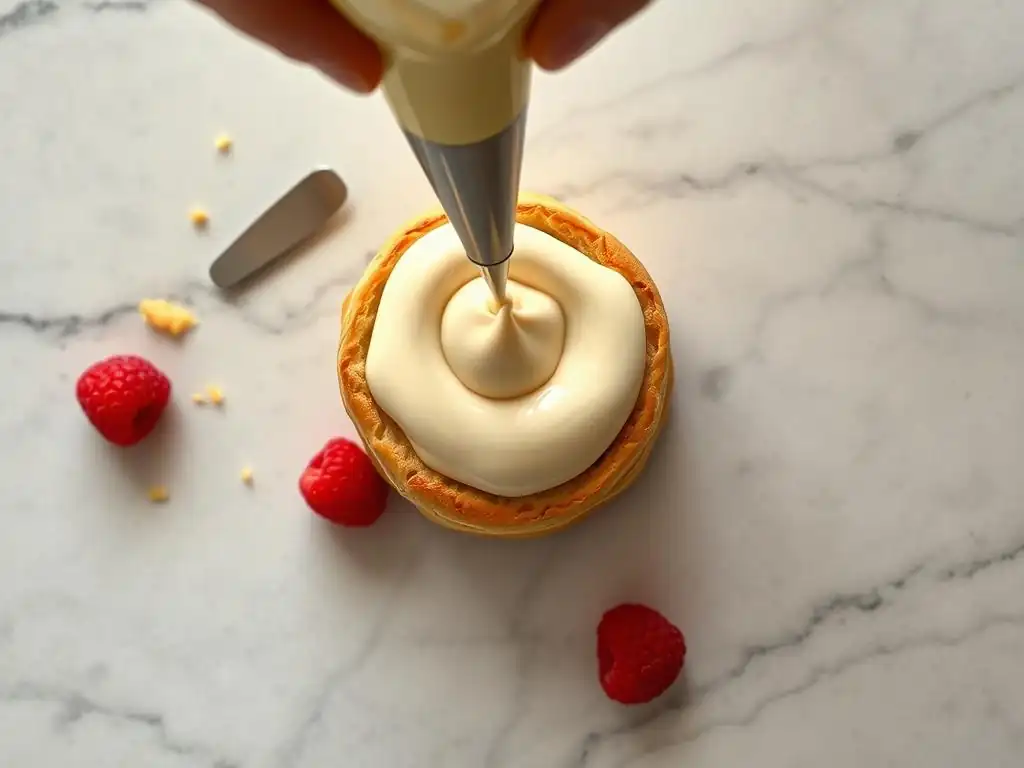
Step 1: Identifying the Best Entry Point for Cream Puff Filling
Similar to eclairs, cream puffs require an entry point for the filling. The most common method for cream puffs is to make a single hole in the bottom of the shell. This keeps the top surface smooth and ready for glazing or dusting, allowing you to neatly fill cream puffs from underneath. Use a small skewer, the tip of a small knife, or a small piping tip (4-6mm) to gently pierce the bottom crust.
Alternatively, some bakers prefer to slice the cream puff horizontally and fill it like a sandwich. While this method is easy and ensures even filling, it alters the traditional appearance. For a classic look and to neatly fill cream puffs discreetly, the single bottom hole is the preferred method. Ensure the hole is large enough to insert your piping tip but small enough to be barely noticeable after filling.
Step 2: Precise Piping Techniques for Cream Puff Filling
Once the entry hole is made, insert your piping tip (a small round tip works well here) into the cavity of the cream puff. Gently push the tip towards the center of the puff. Apply steady pressure to the piping bag, allowing the filling to expand and fill the internal space. You will feel the cream puff become heavier and may see it puff up slightly as it fills.
Continue piping until you feel a gentle resistance or see a slight bulge around the entry point or on the top surface. The spherical nature of the cream puff cavity makes it relatively easy to fill from a single point compared to the elongated eclair. The key to neatly fill cream puffs is controlled pressure and knowing when to stop, preventing the filling from oozing back out or splitting the shell.
Step 3: Determining the Right Amount of Filling for Each Cream Puff
Knowing how much filling to add is key to both taste and structural integrity when you neatly fill cream puffs. An underfilled puff is disappointing, while an overfilled one is likely to burst or leak. The goal is to fill the cavity completely so the puff feels substantial but not so much that it strains the pastry shell.
As a general guideline, a standard 2-inch cream puff can often hold approximately 20-30 grams of filling, depending on the density of the filling and the size of the internal cavity. However, the best way to determine the right amount is by feel. As you pipe, you'll feel the puff gain weight and firmness. Stop piping as soon as you feel resistance. With practice, you'll develop an intuition for the correct weight and fullness, allowing you to consistently neatly fill cream puffs to perfection.
Troubleshooting Common Filling Problems
Avoiding Overfilling: Preventing Bursting Pastries
Overfilling is perhaps the most common issue when trying to neatly fill eclairs cream puffs. It happens when too much filling is forced into the pastry cavity, causing the shell to crack or burst, often along the sides or seams. This ruins the appearance and can make the pastry difficult to handle and eat neatly.
To prevent overfilling, pay close attention to the feel of the pastry as you pipe. Stop piping as soon as you feel significant resistance or see the pastry shell start to bulge noticeably. It's better to slightly underfill your first few pastries until you get the hang of it than to consistently overfill and burst them. Using a filling with the correct consistency also helps; a very thick filling requires more pressure and is more likely to burst the shell if overdone. Learning the signs of a full pastry is crucial to neatly fill eclairs cream without damage.
Addressing Air Pockets in Eclairs and Cream Puffs
Sometimes, even after filling, you might find air pockets within the pastry, resulting in an uneven texture when bitten into. This can happen if the piping tip isn't inserted far enough into the cavity, or if the filling is piped too quickly or with inconsistent pressure. Air pockets prevent you from truly neatly filling eclairs cream puffs uniformly.
To minimize air pockets, ensure your piping tip reaches well into the pastry cavity before you begin piping. Pipe with slow, steady pressure, allowing the filling to displace the air gradually. For eclairs, using a bismarck tip and filling from both ends can help push air out. Gently tapping the filled pastry on the counter can sometimes help the filling settle and release small trapped air bubbles, contributing to a more neatly filled eclair or cream puff.
Dealing with Uneven Filling Distribution
Uneven filling distribution means some parts of the pastry are full while others are empty or sparse. For eclairs, this often results in a bite that's all pastry or all filling, rather than a harmonious mix. This is a common problem when trying to neatly fill eclairs cream, especially the longer ones, and is often due to the piping technique.
To ensure even distribution, especially in eclairs, use the bismarck tip to reach along the length of the pastry. When using multiple holes, make sure to fill each one adequately. For both eclairs and cream puffs, inserting the tip into the center of the cavity before piping helps the filling spread outwards evenly. Feeling the weight of the pastry as you fill and observing any subtle bulges can also indicate where the filling is going. Practice focusing on distributing the pressure and directing the tip inside the shell for a neatly filled result.
Professional Tips for a Polished Finish
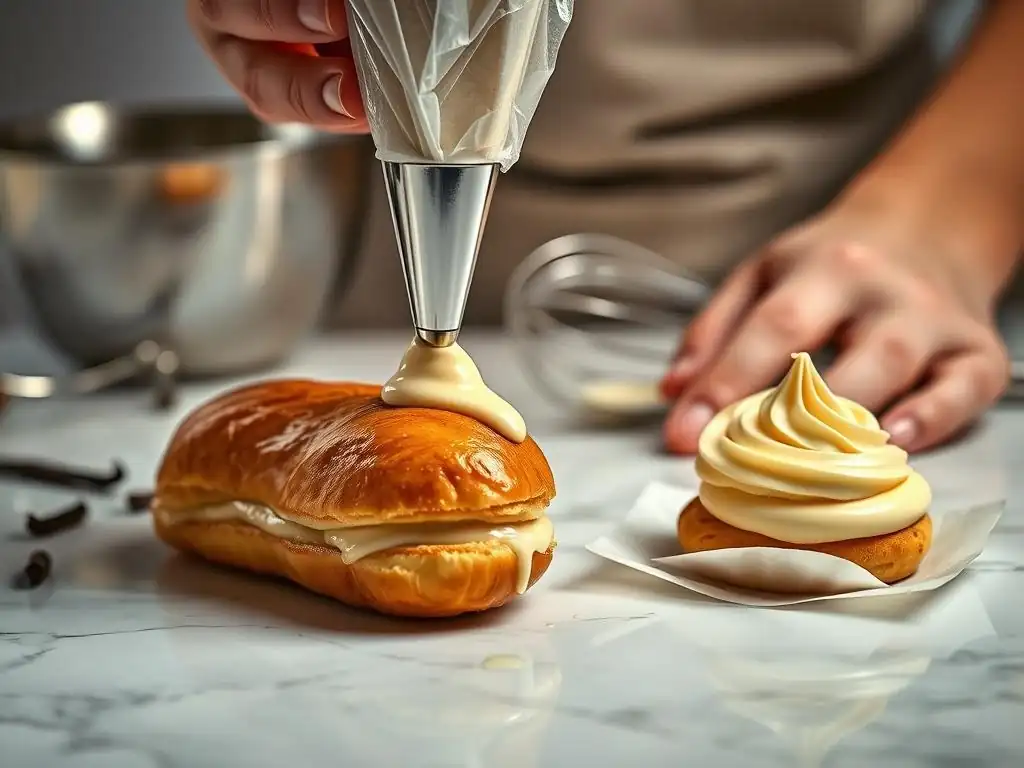
Glazing and Decorating Filled Eclairs
Once your eclairs are neatly filled with cream, adding a glaze or topping provides the final touch and elevates their appearance. The most classic eclair topping is a simple chocolate glaze, made from melted chocolate or a mixture of powdered sugar, cocoa powder, and a liquid like milk or water. Dip the top surface of the filled eclair gently into the slightly warm glaze, allowing excess to drip off.
Other options include fondant icing, caramel glaze, or even a simple dusting of powdered sugar. Ensure the glaze isn't too hot, as this can melt the filling or soften the pastry. Applying the glaze after filling prevents it from cracking during the filling process and covers the small entry holes, contributing to a perfectly presented and neatly filled eclair.
Dusting and Garnishing Filled Cream Puffs
For cream puffs, a simple dusting of powdered sugar is a traditional and elegant finish that complements the neatly filled cream puff. Use a fine-mesh sieve to dust the tops lightly just before serving. This simple touch adds a visual appeal without overpowering the delicate pastry.
Alternatively, filled cream puffs can be drizzled with melted chocolate, caramel sauce, or a fruit coulis. For a more elaborate presentation, the top can be dipped in glaze before filling, similar to eclairs, or adorned with a dollop of whipped cream and a fresh berry after filling. These finishing touches not only enhance the flavor but also showcase your skill in neatly filling cream puffs and presenting them beautifully.
Storing Filled Eclairs and Cream Puffs to Maintain Freshness
Best Practices for Refrigeration
Filled eclairs and cream puffs, especially those filled with dairy-based creams or custards, must be stored in the refrigerator to prevent spoilage and maintain food safety. Place them in a single layer in an airtight container. Avoid stacking them if possible, as the weight can crush the delicate shells and decorations.
Refrigeration helps keep the filling firm and prevents the growth of bacteria. Ideally, consume filled pastries within 1-2 days for the best quality. While the refrigerator is necessary for safety, it can slightly affect the texture of the choux pastry, which is best enjoyed fresh.
Preventing Soggy Pastries During Storage
A common challenge with storing filled choux pastry is preventing the shell from becoming soggy as moisture from the filling migrates into the crisp pastry. To minimize sogginess when you neatly fill eclairs cream and store them, ensure the shells are completely cooled before filling. Filling them only just before serving is the absolute best way to keep them crisp.
If you must store them filled, lining the airtight container with a paper towel can help absorb excess moisture. Also, ensure the container is truly airtight to prevent the pastry from absorbing moisture from the air in the refrigerator. While some softening is inevitable with refrigeration, following these steps will help preserve the texture of your neatly filled eclairs and cream puffs for as long as possible.
Conclusion: Elevating Your Pastry Skills with Neat Filling Techniques
Mastering the art of neatly filling eclairs cream puffs is a skill that transforms your choux pastry from good to exceptional. It requires attention to detail, the right tools, and a little practice, but the results are incredibly rewarding. From ensuring your shells are perfectly baked and choosing the right consistency for your filling to employing precise piping techniques and adding elegant finishing touches, each step contributes to a beautifully presented and delicious pastry.
By focusing on these techniques, troubleshooting common issues, and understanding how to properly store your creations, you can confidently create pastries that look as though they came from a professional patisserie. So, grab your piping bag, prepare your favorite filling, and enjoy the process of creating perfectly and neatly filled eclairs and cream puffs, ready to impress your friends and family with your elevated baking skills.
Frequently Asked Questions
How do I prevent the cream from leaking out of my eclairs after filling?
To prevent leakage, ensure the eclairs are completely cooled before filling. Also, avoid overfilling and consider using a thicker pastry cream for better stability.
What's the best tool to use for neatly filling eclairs with cream?
A piping bag fitted with a small, round tip is generally considered the best tool. Alternatively, you can use a pastry bag or even a ziplock bag with a corner snipped off.
How do I know when my eclairs are adequately filled with cream?
You'll feel a slight resistance as the eclair fills up. Avoid forcing too much cream in, which can cause it to burst. A gentle squeeze and a feeling of fullness are good indicators.
Can I fill eclairs ahead of time, or should they be filled right before serving?
Eclairs are best filled right before serving to prevent the pastry from becoming soggy. If you must fill them ahead of time, store them in an airtight container in the refrigerator.
What type of cream filling is best for eclairs to ensure they hold their shape and flavor?
A classic pastry cream or a stabilized whipped cream are excellent choices. These fillings are thick enough to hold their shape and complement the delicate flavor of the eclair shell.
Final Reflection: The Lasting Impression of a Perfectly Filled Pastry
The meticulous art of filling eclairs and cream puffs neatly isn't just about aesthetics; it's about respecting the delicate balance of texture and taste. A flawlessly filled pastry speaks volumes about the baker's dedication and skill, transforming a simple dessert into a miniature masterpiece. This precision elevates the culinary experience, offering a visual delight that complements the exquisite flavors within.
The pursuit of this seemingly small detail—the neat filling of a pastry—reflects a larger cultural appreciation for craftsmanship and attention to detail. We live in a world increasingly dominated by mass production, where imperfections are often overlooked. Yet, the enduring appeal of handcrafted goods, like perfectly filled eclairs, reminds us of the value of patience, precision, and the satisfaction derived from mastering a skill. The details are not the details. They make the design.
– Charles Eames. This quote perfectly encapsulates the importance of seemingly minor elements in achieving overall excellence.
Now, consider your own pursuits. What seemingly small details in your life, in your work, or in your passions, demand the same level of meticulous attention? Take a moment to reflect on the impact of precision and dedication in your own endeavors.
Perhaps it's the careful crafting of a sentence, the precise execution of a musical phrase, or the thoughtful arrangement of a flower arrangement. Embrace the challenge of perfecting the small things; for it is in these details that true mastery and lasting satisfaction reside. Let the art of the perfectly filled éclair inspire you to strive for excellence in all that you do.
Unleash Your Inner Pastry Chef!
Thanks for taking the time to learn the secrets of perfectly filled eclairs and cream puffs! We hope you gained valuable insights and are ready to impress with your baking skills. Now it's time to put your newfound knowledge into action.
- Master the Fill: Practice your piping technique with your favorite filling – aim for consistent swirls and even distribution. This is your chance to perfect that elegant look.
- Share Your Success: Post a picture of your beautiful creations on social media and tag us @BakeWithEase – we’d love to see your masterpiece!
- Explore new fillings: Don't be afraid to experiment! Try different flavor combinations, such as a salted caramel or a vibrant fruit curd.
Ready to take your pastry game to the next level? What unique filling will you create?