
Bake a Beautiful Easter Bundt Cake (It's Easier Than You Think!)

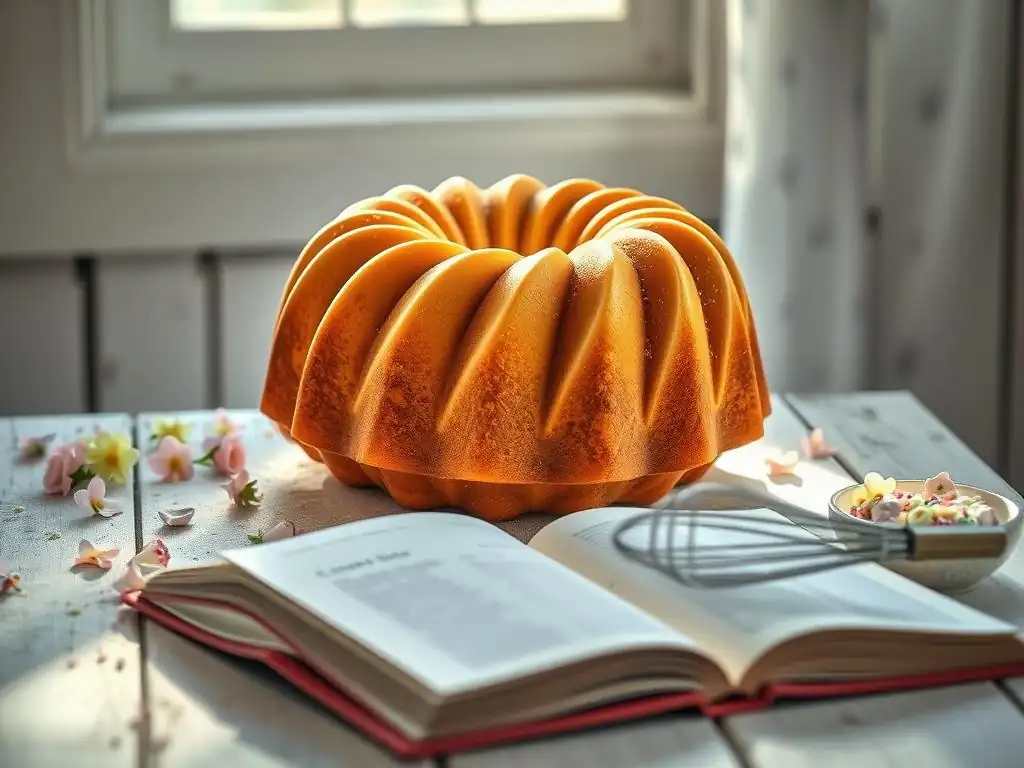
Welcome to BakeWithEase, your haven for unlocking the joy of baking! Ever dreamt of creating a show-stopping dessert without the stress? You're in the right place. This week, we're diving into the delightful world of Easter baking with a recipe that's both stunning and surprisingly simple. Discover how to bake an easy Easter bundt cake that will be the centerpiece of your celebration. Intrigued? Let's get baking!
- Why Choose a Bundt Cake for Your Easter Celebration?
- Gathering Your Ingredients for the Perfect Easter Bundt Cake
- Step-by-Step Guide: Baking Your Easy Easter Bundt Cake
- Easter Bundt Cake Decoration Ideas: From Simple to Stunning
- Flavor Variations for Your Easter Bundt Cake
- Storing Your Easter Bundt Cake for Optimal Freshness
- Troubleshooting Common Bundt Cake Baking Problems
-
Frequently Asked Questions
- What makes this Easter Bundt cake recipe "easy," especially for beginners?
- What are some creative variations I can try to customize my Easter Bundt cake?
- What type of pan is best for baking this Easter Bundt cake, and how do I prevent sticking?
- How long does the Easter Bundt cake typically take to bake, and how can I tell when it's done?
- How should I store the Easter Bundt cake to keep it fresh and moist?
- Final Reflection: The Sweetness of Shared Moments
- Unleash Your Inner Baker: Create a Stunning Easter Bundt!
Why Choose a Bundt Cake for Your Easter Celebration?
Bundt Cakes: Effortless Elegance for Easter Dessert
Bundt cakes offer a unique combination of simplicity and sophistication that makes them perfect for Easter. Their distinctive ring shape, created by the special pan, requires minimal decoration to look stunning. Unlike layer cakes that demand precise stacking and frosting techniques, a simple glaze or dusting of powdered sugar is often enough to turn a Bundt cake into a showstopping centerpiece. This means you can achieve a visually impressive dessert without spending hours on intricate decorating, freeing up your time to enjoy the holiday with family and friends.
The structure of a Bundt cake also often results in a wonderfully moist crumb. The central tube of the pan helps distribute heat more evenly during baking, ensuring the cake cooks thoroughly without drying out the edges before the center is done. This reliable outcome, combined with the easy presentation, makes baking an Easter Bundt cake a rewarding and less stressful experience, even for those who might feel intimidated by more complex cake recipes. It's a delightful way to add a touch of homemade charm to your Easter table.
The Versatility of Easter Bundt Cakes: Flavors and Decorations
One of the greatest strengths of the Bundt cake is its incredible versatility. You can adapt countless cake recipes to fit a Bundt pan, opening up a world of flavor possibilities for your Easter celebration. From bright, zesty lemon or orange cakes that capture the freshness of spring, to rich chocolate or spiced cakes for a more decadent treat, the options are nearly endless. You can also incorporate seasonal ingredients like fresh berries, rhubarb, or even shredded carrot for a festive twist that perfectly suits the Easter theme.
Beyond flavors, the unique shape provides a fantastic canvas for decorations. A simple drizzle of icing that cascades down the flutes is classic and elegant. For a more playful look, you can fill the center hole with fresh berries, chocolate eggs, or even small flowers (ensure they are food-safe!). A light dusting of powdered sugar creates a snowy, delicate effect, while sprinkles or candied zest can add pops of color. This adaptability allows you to tailor your easy Easter Bundt cake to match any taste preference or decorating style, making it a truly personal holiday dessert.
Easy Easter Bundt Cake: A Beginner-Friendly Baking Project
Don't let the impressive appearance of a Bundt cake fool you; making an easy Easter Bundt cake is surprisingly approachable for bakers of all skill levels, including absolute beginners. Many Bundt cake recipes are based on simple batters – often variations of pound cake or simple butter cakes – that require only basic mixing techniques. There's no need to worry about leveling layers, crumb coating, or piping elaborate designs. The structure of the pan does most of the work for you, ensuring a beautiful shape right out of the oven.
Furthermore, the forgiving nature of many Bundt cake recipes makes them ideal for those new to baking. Ingredients are often combined straightforwardly, and the robust nature of the batter is less prone to issues like overmixing compared to delicate sponge cakes. As long as you follow a reliable recipe and pay attention to pan preparation and baking time, you are very likely to achieve a successful result. This makes the easy Easter Bundt cake an excellent starting point for anyone wanting to bake something special for the holiday without the stress.
Gathering Your Ingredients for the Perfect Easter Bundt Cake
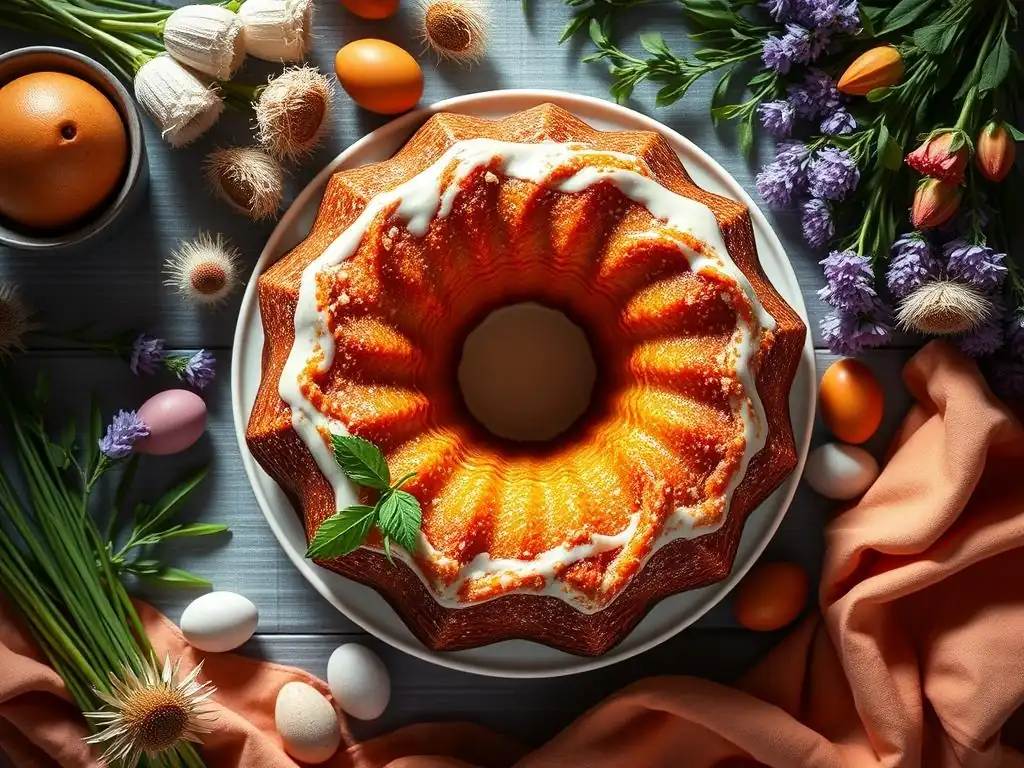
Essential Ingredients for a Moist and Flavorful Bundt Cake
To bake a delicious and moist easy Easter Bundt cake, you'll typically need a combination of pantry staples and fresh items. The base of the cake usually involves all-purpose flour, granulated sugar, and a leavening agent like baking powder or baking soda (or both). These provide structure and lift. Fats are crucial for moisture and tenderness; common choices include unsalted butter, vegetable oil, or a combination. Butter adds flavor, while oil often contributes to a moister crumb that stays soft longer.
Liquids like milk, buttermilk, or sour cream add moisture and can influence the cake's texture and tanginess. Eggs are essential binders, providing structure and richness. Flavorings are key to making it an Easter treat; vanilla extract is standard, but citrus zest (lemon or orange), almond extract, or even spices like cinnamon or nutmeg can add wonderful depth.
Depending on the specific recipe for your easy Easter Bundt cake, you might also need ingredients like cocoa powder, melted chocolate, fruit purées, or extracts specific to your desired flavor profile. Having all ingredients measured and ready before you start mixing is a pro tip for baking success.
Step-by-Step Guide: Baking Your Easy Easter Bundt Cake
Step 1: Preparing Your Bundt Pan (The Key to a Clean Release)
Greasing and Flouring Your Bundt Pan: A Detailed Guide
Properly preparing your Bundt pan is the most critical step to ensure your beautiful easy Easter Bundt cake releases cleanly and intact. Start by using a pastry brush or a piece of paper towel to generously coat every nook and cranny of the pan with softened butter or shortening. Pay special attention to the intricate designs, the central tube, and the top rim. You want a solid, opaque layer of fat covering the entire interior surface.
Once the pan is thoroughly greased, add a few tablespoons of all-purpose flour (or cocoa powder if making a chocolate cake). Rotate and tap the pan over a sink or trash can, ensuring the flour coats the entire greased surface. The flour should adhere to the fat, creating a non-stick layer.
Once fully coated, tap out any excess flour. This creates a barrier between the cake batter and the pan, dramatically reducing the chances of the cake sticking. A common issue bakers face is the cake tearing or leaving pieces behind in the pan, and meticulous greasing and flouring is the primary defense against this.
Alternative: Using Baking Spray with Flour
An excellent and often very effective alternative to the traditional grease-and-flour method is using a baking spray that contains flour. These sprays are specifically designed for baking cakes and provide both the fat and the flour in one convenient step. Look for sprays labeled "baking spray with flour" or similar; a popular brand often contains canola oil, propellant, and wheat flour.
To use baking spray, simply hold the can about 6-8 inches away from the pan and spray generously, ensuring you cover all surfaces, including the central tube and any intricate designs. You should see a visible, even coating of the spray on the pan. While often very effective, it's still wise to ensure you haven't missed any spots.
This method can be particularly helpful for pans with very detailed patterns where getting flour into every crevice can be challenging with the traditional method. Using baking spray is a quick way to prepare your pan for your easy Easter Bundt cake.
Step 2: Mixing the Bundt Cake Batter
Combining Dry Ingredients: Flour, Sugar, Baking Powder, and More
The first step in mixing your easy Easter Bundt cake batter is usually to combine the dry ingredients. This typically involves whisking together the all-purpose flour, granulated sugar, baking powder and/or baking soda, and salt in a medium bowl. Whisking them together helps to evenly distribute the leavening agents and salt throughout the flour, which is crucial for the cake to rise properly and have a consistent texture.
If your recipe includes other dry ingredients like cocoa powder, spices (such as cinnamon, nutmeg, or cardamom perfect for Easter), or even instant pudding mix for extra moisture, they should be added and whisked in at this stage. Some recipes recommend sifting the dry ingredients, especially if using cocoa powder which can be clumpy. While not always strictly necessary depending on the recipe and ingredient quality, sifting can help ensure a lighter texture and prevent lumps in the final batter.
Incorporating Wet Ingredients: Eggs, Milk, Oil, and Flavorings
After combining the dry ingredients, the wet ingredients are typically added and mixed in. This often starts with creaming together softened butter (if using) and sugar until light and fluffy, which incorporates air and contributes to the cake's texture. Eggs are then added one at a time, mixing well after each addition to ensure they are fully incorporated and emulsified into the batter. Eggs provide structure, richness, and help bind the ingredients.
Following the eggs, liquids like milk, buttermilk, or sour cream are usually added, often alternating with the dry ingredients in several additions. This method helps to prevent the batter from becoming too wet or too dry at any point and promotes proper gluten development. Oil, if used instead of or in addition to butter, might be added with the liquids or incorporated earlier depending on the specific recipe for your easy Easter Bundt cake. Finally, extracts such as vanilla, almond, or citrus zest are mixed in to add the primary flavor notes.
Achieving the Perfect Batter Consistency
The goal when mixing your easy Easter Bundt cake batter is to achieve a smooth, well-combined mixture without overmixing. Overmixing can lead to a tough cake because it develops the gluten in the flour too much. Once the wet and dry ingredients are just combined and no streaks of flour remain, stop mixing. The batter should typically be thick but pourable, easily spooned or poured into the prepared Bundt pan.
Different recipes will yield slightly different batter consistencies based on the ratio of wet to dry ingredients and the type of fat used. A batter using oil might be slightly thinner than one using creamed butter. Regardless, it should look homogenous and free of large lumps. If adding mix-ins like chocolate chips, nuts, or berries, gently fold them in by hand at the very end to avoid crushing them or overdeveloping the batter. A properly mixed batter is key to a tender and evenly baked easy Easter Bundt cake.
Step 3: Baking Your Easter Bundt Cake to Perfection
Oven Temperature and Baking Time: Achieving a Golden Brown Crust
Accurate oven temperature is crucial for baking your easy Easter Bundt cake evenly and achieving that desirable golden brown crust. Most Bundt cakes are baked in a preheated oven, typically at a temperature between 325°F (160°C) and 350°F (175°C). Baking at a slightly lower temperature for a longer time can sometimes help prevent the edges from overcooking before the center is done, which is particularly useful for larger or denser cakes. Always ensure your oven is fully preheated using an oven thermometer for accuracy, as oven temperatures can vary significantly.
The baking time for a Bundt cake varies depending on the recipe, the size and material of your pan, and your specific oven. A typical easy Easter Bundt cake might bake for anywhere from 45 minutes to 70 minutes. The cake should rise significantly, the edges should pull slightly away from the sides of the pan, and the top should be golden brown. You'll also notice a delicious aroma filling your kitchen when it's nearing readiness.
The Toothpick Test: Ensuring Your Cake is Fully Baked
The most reliable way to check if your easy Easter Bundt cake is fully baked is the toothpick test. Once the cake looks visually done – golden brown and slightly pulled away from the sides – insert a long wooden skewer or toothpick deep into the thickest part of the cake (avoiding the central tube area, as this often cooks faster).
Carefully withdraw the toothpick. If it comes out clean or with just a few moist crumbs attached, the cake is done. If it comes out with wet batter clinging to it, the cake needs more time in the oven. Check every 5-7 minutes after the initial recommended baking time until the toothpick test is successful. Overbaking can result in a dry cake, so it's better to check slightly early and add more time if needed than to bake too long.
Step 4: Cooling and Releasing Your Bundt Cake
Allowing the Cake to Cool in the Pan
Once your easy Easter Bundt cake is baked and passes the toothpick test, resist the urge to immediately flip it out of the pan. Allowing the cake to cool in the pan for a specific amount of time is vital for a successful release. Typically, this cooling period in the pan is between 10 and 15 minutes. During this time, the cake structure sets further as it cools slightly, and the cake often contracts away from the sides of the pan just enough to make releasing easier.
Cooling too long in the pan can cause the cake to become damp and stick, while flipping it out too soon can result in it breaking apart due to being too fragile. Set a timer and place the pan on a wire rack during this cooling period to allow air circulation underneath, which helps the pan cool evenly. This short, patient wait is a crucial step for your easy Easter Bundt cake.
Inverting the Cake: A Gentle Approach
After the recommended cooling time in the pan (usually 10-15 minutes), it's time to invert and release your easy Easter Bundt cake. Place the wire cooling rack upside down over the base of the Bundt pan. Holding the pan and the rack together firmly, carefully and confidently flip them over in one smooth motion.
Set the pan and rack down on the counter. You may hear a slight "thump" as the cake releases. If it doesn't release immediately, let it sit upside down for a few more minutes. Sometimes a gentle shake or a slight twist of the pan can help. Avoid prying the cake out with a knife, as this can damage the pan's non-stick surface or the cake itself. Once released, carefully lift the pan straight up, leaving the perfect easy Easter Bundt cake on the wire rack to cool completely before decorating.
Easter Bundt Cake Decoration Ideas: From Simple to Stunning
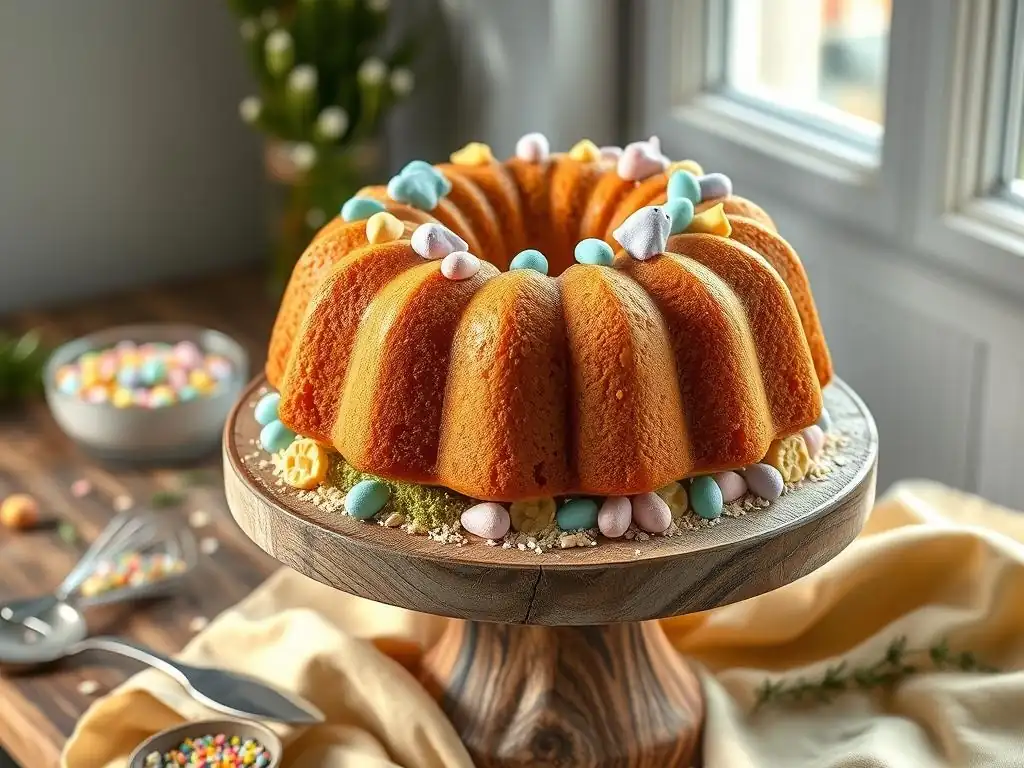
Simple Glaze for Your Easter Bundt Cake
Making a Basic Powdered Sugar Glaze
A simple powdered sugar glaze is an effortless yet elegant way to finish your easy Easter Bundt cake. It requires minimal ingredients and comes together in minutes. To make a basic glaze, whisk together about 1 to 1.5 cups of sifted powdered sugar with 2 to 3 tablespoons of liquid. The liquid can be milk, cream, or lemon juice, depending on the desired flavor and consistency.
Start by adding just a small amount of liquid to the powdered sugar and whisking until smooth. Gradually add more liquid, a teaspoon at a time, until you reach your desired consistency. For a thick glaze that coats the cake opaquely, use less liquid. For a thinner, drizzling glaze, use more. The key is to add liquid slowly, as it's much easier to add more than to fix a glaze that's too thin. Whisk until completely smooth with no lumps.
Adding Flavor and Color to Your Glaze
Elevate your simple powdered sugar glaze with flavor and color to make your easy Easter Bundt cake even more festive. Instead of milk or water, use fresh citrus juice (lemon, orange, or lime) for a bright, tangy glaze that pairs wonderfully with many cake flavors. You can also use fruit purées (strained raspberry or strawberry) for both flavor and natural color. A splash of vanilla extract, almond extract, or even a liqueur can add depth.
For Easter, adding color is a fun touch. Use a few drops of food coloring – pastel shades like pink, yellow, green, or blue are perfect for the holiday. Add the coloring one drop at a time, mixing well, until you achieve the desired hue. You can make several small batches of glaze in different colors to create a vibrant, multi-colored drizzle effect on your easy Easter Bundt cake. Drizzle the glaze over the completely cooled cake using a spoon or piping bag, letting it cascade down the sides.
Festive Decorations: Sprinkles, Candies, and More
Using Easter-Themed Sprinkles for a Festive Touch
Once your glaze is set (or even while it's still slightly wet for sprinkles to adhere), adding Easter-themed sprinkles is a quick way to make your easy Easter Bundt cake look instantly festive. Look for sprinkle mixes that include pastel colors, bunny shapes, egg shapes, or springtime nonpareils.
You can sprinkle them lightly over the entire glazed cake, concentrate them around the base or the top rim, or even fill the center hole with a pile of colorful sprinkles. The different shapes and colors add texture and visual interest, making your easy Easter Bundt cake look cheerful and inviting. A light hand with sprinkles is often best, allowing the beautiful shape and glaze of the cake to still shine through.
Adding Candied Flowers or Chocolate Shavings
For a more sophisticated or whimsical touch, consider adding candied flowers or chocolate shavings to your easy Easter Bundt cake decoration. Edible candied flowers (like violets or pansies) can be placed delicately on the glaze, adding a touch of elegance and natural beauty reminiscent of spring blooms. Ensure any flowers used are specifically labeled as edible.
Chocolate shavings or curls, made by running a vegetable peeler or knife along a block of chocolate, can be sprinkled over the top or around the base for a richer look and taste. For Easter, you could also use small chocolate eggs, jelly beans, or other holiday candies to fill the center of the Bundt cake or arrange them around the base. These elements add extra flavor and make your easy Easter Bundt cake a true holiday centerpiece.
Flavor Variations for Your Easter Bundt Cake
Lemon Bundt Cake with Raspberry Glaze
A Lemon Bundt cake is a quintessential spring dessert, and it makes a perfect easy Easter Bundt cake. The batter is typically infused with lemon zest and fresh lemon juice, providing a bright, tangy flavor that cuts through the richness of the cake. Some recipes might also include lemon extract for an extra punch of citrus.
Pairing the zesty lemon cake with a vibrant raspberry glaze adds another layer of flavor and beautiful color. A raspberry glaze can be made by puréeing fresh or frozen raspberries, straining out the seeds, and whisking the purée with powdered sugar and a little lemon juice or water until it reaches a drizzling consistency. The combination of tart lemon and sweet-tart raspberry is incredibly refreshing and perfect for an Easter celebration.
Chocolate Bundt Cake with Cream Cheese Frosting
For chocolate lovers, an easy Easter Bundt cake can be a rich Chocolate Bundt cake. This often involves using cocoa powder, melted chocolate, or both in the batter, sometimes combined with ingredients like hot coffee or buttermilk to deepen the chocolate flavor and ensure moisture. A classic pairing for chocolate is cream cheese frosting.
While a full coating of cream cheese frosting can be heavy for a Bundt, a drizzle or dollop works beautifully. A simple cream cheese glaze is made by whisking softened cream cheese with powdered sugar, a touch of butter, vanilla extract, and a little milk or cream until smooth and pourable. This tangy, sweet glaze complements the rich chocolate cake wonderfully and adds a touch of classic elegance to your easy Easter Bundt cake.
Carrot Bundt Cake with Cream Cheese Glaze
Carrot cake is a popular choice for Easter, and transforming it into an easy Easter Bundt cake is straightforward. A carrot Bundt cake batter typically includes grated carrots, warm spices like cinnamon, nutmeg, and ginger, and often nuts (walnuts or pecans) and raisins or dried cranberries. Using oil in the batter helps keep it incredibly moist.
The traditional pairing for carrot cake is cream cheese frosting. For a Bundt cake, a cream cheese glaze is often preferred as it's easier to apply and less heavy than a thick frosting. This glaze is similar to the one described for the chocolate cake but is specifically designed to complement the spices and sweetness of the carrot cake. Drizzling this tangy glaze over the warm-spiced carrot cake creates a comforting and festive easy Easter Bundt cake.
Storing Your Easter Bundt Cake for Optimal Freshness
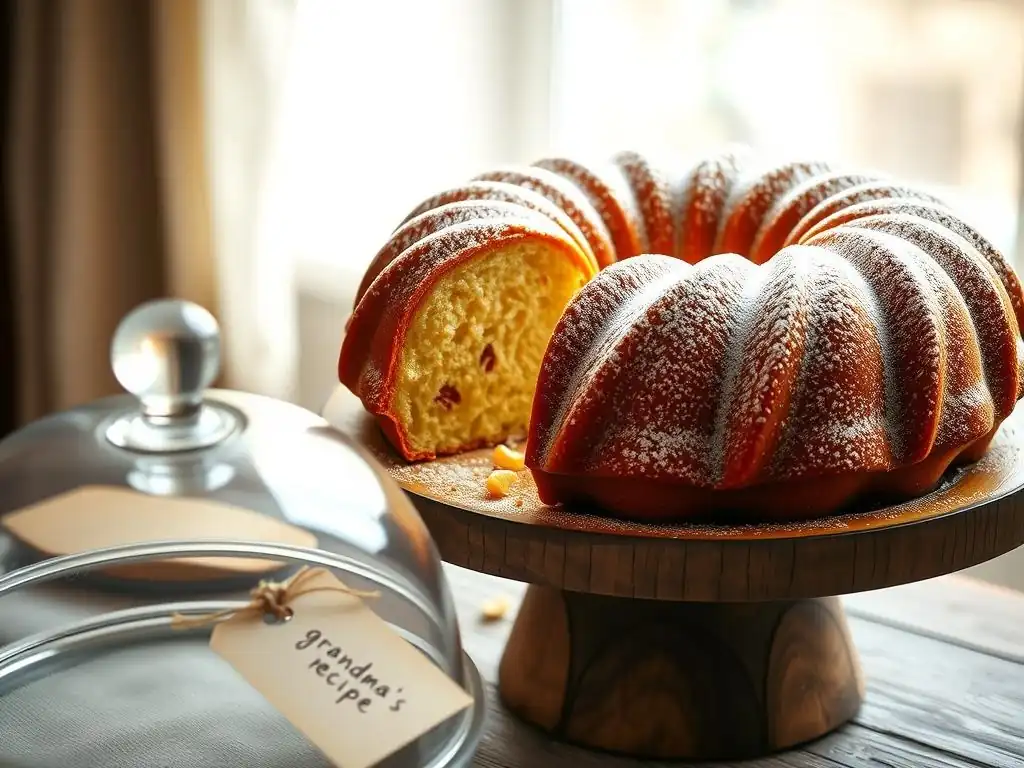
Properly Wrapping Your Bundt Cake
Properly storing your easy Easter Bundt cake is key to keeping it moist and fresh for as long as possible. Once the cake has cooled completely on the wire rack (this is important; wrapping a warm cake creates condensation, which can make it soggy), it's time to wrap it. The best method is often a two-layer approach.
First, wrap the cake tightly in plastic wrap, ensuring the wrap adheres well to the cake's surface to prevent air exposure. Then, add a second layer of protection using aluminum foil or placing the wrapped cake in an airtight container. This double layer helps maintain moisture and prevent the cake from absorbing odors from the refrigerator if you choose to store it there. Ensure the foil or container is sealed tightly around the cake.
Storage Tips: Room Temperature vs. Refrigeration
Whether to store your easy Easter Bundt cake at room temperature or in the refrigerator depends largely on its ingredients, particularly the frosting or glaze. Cakes with glazes made primarily of powdered sugar and liquid (like simple milk or citrus juice glazes) can typically be stored at room temperature for 2-3 days, as long as they are properly wrapped. Keep it in a cool, dry place away from direct sunlight.
However, if your easy Easter Bundt cake is made with or decorated with ingredients that are perishable, such as cream cheese frosting, fresh fruit fillings, or glazes made with dairy like cream cheese or sour cream, it should be stored in the refrigerator. Always store these types of cakes in an airtight container to prevent them from drying out and to protect them from refrigerator odors. Allow refrigerated cake to sit at room temperature for about 20-30 minutes before serving for the best texture and flavor.
How Long Will Your Bundt Cake Stay Fresh?
The shelf life of your easy Easter Bundt cake depends on its ingredients and how it's stored. A plain or simply glazed Bundt cake stored properly at room temperature can typically stay fresh and moist for about 2-3 days. The texture might start to change slightly after this, becoming a bit drier.
If the cake contains perishable ingredients like cream cheese frosting or fresh fruit and is stored in the refrigerator, it will generally last for 4-5 days. While still safe to eat after this point, the quality, particularly the texture and moisture, may begin to decline. For longer storage, most Bundt cakes freeze exceptionally well. Wrap cooled, unglazed cake tightly in plastic wrap and then foil, and it can be frozen for up to 2-3 months. Thaw overnight in the refrigerator before glazing or serving.
Troubleshooting Common Bundt Cake Baking Problems
Cake Sticking to the Pan
One of the most frustrating issues when baking an easy Easter Bundt cake is having it stick to the pan. This usually results in pieces of cake left behind, ruining the perfect shape. The primary cause is inadequate pan preparation. Simply greasing lightly or using a poor-quality non-stick spray might not be enough, especially with intricate pan designs.
To prevent sticking, ensure you generously grease every part of the pan (including the center tube and all crevices) with softened butter or shortening, then dust thoroughly with flour or cocoa powder, tapping out the excess. Alternatively, use a high-quality baking spray with flour. If your cake does stick, let the pan cool completely on a wire rack. Sometimes, placing a damp, warm towel over the inverted pan for a few minutes can help loosen it. As a last resort, you might need to carefully loosen edges with a thin spatula, though this risks damaging the cake.
Cake Sinking in the Middle
If your easy Easter Bundt cake sinks in the middle, it's often a sign that it wasn't fully baked when removed from the oven. The undercooked center doesn't have enough structure to support itself as it cools, causing it to collapse. This is particularly common if the oven temperature was too high, causing the outside to set quickly while the inside remains raw, or if the cake was removed based solely on visual cues rather than the toothpick test.
To avoid this, always preheat your oven accurately using a thermometer and follow the recommended baking time range, but rely on the toothpick test inserted into the thickest part of the cake to confirm doneness. Ensure the toothpick comes out clean or with only moist crumbs. Baking at a slightly lower temperature for a longer time can also help ensure the center bakes through evenly with the edges.
Dry or Crumbly Cake
A dry or crumbly easy Easter Bundt cake can be disappointing. This issue is commonly caused by overbaking or using incorrect ingredient measurements, particularly too much flour or not enough fat or liquid. Overmixing the batter can also contribute to a tough, dry texture by overdeveloping the gluten.
Ensure you measure ingredients accurately, ideally using a kitchen scale for flour for the most precise results (1 cup of all-purpose flour is typically around 120-130 grams). Follow the recipe's mixing instructions, stopping as soon as the ingredients are just combined. Most importantly, avoid overbaking; use the toothpick test and remove the cake from the oven as soon as it's done. Storing the cooled cake properly wrapped also helps maintain moisture and prevent it from drying out prematurely.
Frequently Asked Questions
What makes this Easter Bundt cake recipe "easy," especially for beginners?
The recipe focuses on simple ingredients and straightforward instructions, minimizing complex techniques and ensuring success even for novice bakers. We also emphasize clear step-by-step guidance.
What are some creative variations I can try to customize my Easter Bundt cake?
You can experiment with different frosting flavors, add seasonal fruit (like berries or citrus zest) to the batter, or include chocolate chips or nuts for added texture.
What type of pan is best for baking this Easter Bundt cake, and how do I prevent sticking?
A standard 10-inch Bundt pan is recommended. Grease the pan thoroughly with baking spray containing flour or use a butter and flour mixture to prevent sticking.
How long does the Easter Bundt cake typically take to bake, and how can I tell when it's done?
Baking time generally ranges from 45-55 minutes. The cake is done when a toothpick inserted into the center comes out clean or with a few moist crumbs attached.
How should I store the Easter Bundt cake to keep it fresh and moist?
Store the cooled cake in an airtight container at room temperature for up to 3 days. You can also freeze it (well-wrapped) for longer storage.
Baking an Easter bundt cake isn't just about the delicious result; it's about the joy of creation and the sweetness of shared moments. This seemingly simple act of baking connects us to traditions, fosters creativity, and ultimately, strengthens our bonds with loved ones. The ease of the recipe, detailed in this article, makes this accessible to everyone, regardless of baking experience.
The enduring appeal of bundt cakes, particularly around Easter, lies in their ability to transcend generations. They represent a comforting familiarity, a taste of home, and a symbol of celebration. The simple act of sharing a slice of cake with family and friends creates lasting memories. The best things in life are the people we love, the places we've been, and the memories we've made along the way.
This quote perfectly encapsulates the spirit of baking and sharing this beautiful Easter treat. It's more than just a cake; it's a tangible expression of love and connection.
This Easter, I encourage you to step away from the screen, gather your ingredients, and embrace the simple pleasure of baking. Don't be intimidated by the process; let the ease of this recipe guide you. More importantly, share the experience – the laughter, the flour dusting, the sweet aroma filling your kitchen – with those you cherish. The memories you create while baking this Easter bundt cake will be far more delicious than the cake itself.
Unleash Your Inner Baker: Create a Stunning Easter Bundt!
Thanks for joining us on this delicious journey! We hope you’ve gained the confidence to tackle a beautiful Easter Bundt cake. Ready to take the next step?
- Bake your masterpiece! Use the recipe and tips from the article to create your own show-stopping Bundt cake. Don't forget to experiment with your favorite frosting!
- Share your creation! Post a picture on social media and tag us – we’d love to see your baking success! Use #BakeWithEaseEaster
- Challenge a friend: Nominate someone to bake along with you next Easter – friendly competition always adds to the fun!
What unique twist will you add to your Easter Bundt this year? Let us know in the comments below!