
Light & Zesty Spring Desserts for a Fresh Finish

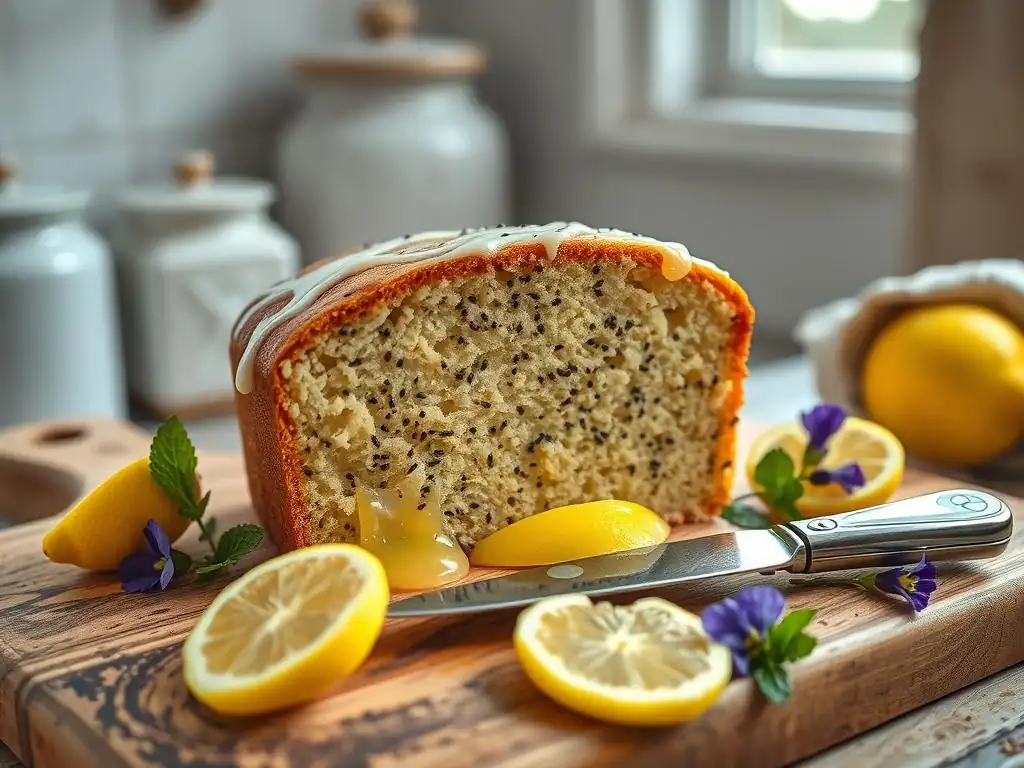
Welcome to BakeWithEase, your kitchen companion for creating delicious baked goods! Ready to brighten your day with a burst of flavor? Dive into our collection of spring desserts and discover how easy it is to bake a stunning Lemon Poppyseed Cake. This recipe, and many more simple solutions, will elevate your baking game. Curious about the secret to a perfectly moist crumb and a tangy citrus glaze? Let's get baking!
- Light & Zesty Spring Desserts for a Fresh Finish: BakeWithEase's Delightful Recipes
- Welcome Spring with Light and Zesty Desserts
- The Perfect Spring Dessert: Why Light & Zesty Flavors Shine
- Lemon Poppyseed Cake Recipe: A Spring Baking Staple
- Beyond Lemon: Other Zesty Spring Dessert Ideas
- Mastering the Art of Spring Baking: Techniques and Tips
- Refreshing Spring Dessert Presentation Ideas
- Spring Baking Resources on BakeWithEase
- Enjoy Your Light & Zesty Spring Baking Adventure!
-
Frequently Asked Questions
- What makes the Lemon Poppyseed Cake recipe on BakeWithEase stand out from other recipes?
- Are there any variations or substitutions suggested for the Lemon Poppyseed Cake recipe?
- Is the Lemon Poppyseed Cake recipe difficult to make for someone new to baking?
- What kind of ingredients are needed for the Lemon Poppyseed Cake recipe? Are they hard to find?
- What other desserts does BakeWithEase recommend alongside the Lemon Poppyseed Cake recipe for a "Light & Zesty Spring Dessert" theme?
- Final Reflection: The Enduring Allure of Lemon Poppy Seed
- Unlock Your Inner Pastry Chef: Spring Baking Awaits!
Light & Zesty Spring Desserts for a Fresh Finish: BakeWithEase's Delightful Recipes
Welcome Spring with Light and Zesty Desserts
As the days grow longer and the first blossoms appear, there's a natural shift in our culinary desires. We move away from the rich, comforting flavors of winter and begin craving something brighter, lighter, and more vibrant. Spring baking is all about capturing this feeling of renewal, incorporating fresh produce and lively tastes that awaken the palate after months of heavier fare.
At BakeWithEase, we believe spring is one of the most exciting times to get into the kitchen. It's the season for delicate sponges, tangy fruit fillings, and airy glazes. Whether you're preparing for Easter gatherings, a spring brunch, or simply want to brighten up an ordinary afternoon, focusing on light and zesty desserts offers a refreshing conclusion to any meal.
The Perfect Spring Dessert: Why Light & Zesty Flavors Shine
Embracing Seasonal Ingredients for Spring Baking
Spring offers a bounty of incredible produce that lends itself perfectly to baking. Think of the first tender rhubarb stalks, the sweet burst of strawberries, the delicate floral notes of elderflower, and, of course, the bright acidity of citrus fruits which remain fantastic well into the season. Utilizing these ingredients at their peak ensures maximum flavor and freshness in your baked goods.
Incorporating seasonal ingredients isn't just about taste; it often means working with produce that has traveled shorter distances, contributing to fresher flavor and potentially higher nutrient content. For example, strawberries harvested in spring often boast a more intense sweetness and aroma than those available year-round. Rhubarb, typically available from April to June, provides a unique tartness that balances sweetness beautifully in crumbles, pies, and cakes.
The Appeal of Zesty Flavors After Winter
After a season dominated by spices like cinnamon, nutmeg, and clove, and comforting flavors like chocolate and caramel, the sharp, clean taste of citrus is a welcome change. Zesty flavors, primarily derived from the oils in citrus peels (like lemon, lime, and orange), provide an invigorating lift that feels perfectly aligned with the energy of spring. This zing cuts through richness, leaving a clean and refreshing finish.
The brightness of zest isn't just about taste; it also impacts aroma. When you grate lemon zest, for instance, volatile oils are released, filling the air with a fresh fragrance that enhances the overall sensory experience of the dessert. This vibrant aroma and taste combination makes zesty desserts incredibly appealing as a palate cleanser and a delightful way to conclude a spring meal.
Lemon Poppyseed Cake Recipe: A Spring Baking Staple

BakeWithEase's Signature Lemon Poppyseed Cake: A Step-by-Step Guide
Our signature Lemon Poppyseed Cake recipe is designed to be simple yet yield spectacular results: a moist, tender cake bursting with bright lemon flavor and delightful poppy seed texture, finished with a tangy lemon glaze. The process typically involves creaming butter and sugar until light and fluffy, incorporating eggs and vanilla, and then alternately adding the dry ingredients (flour, baking powder, salt, poppy seeds) and wet ingredients (buttermilk or yogurt and lemon juice).
The key to this particular lemon poppyseed cake recipe is the balance of acidity from the lemon juice and zest with the richness of the butter and the tang of the buttermilk. Baking time is crucial; typically, a loaf cake bakes for 50-60 minutes at around 350°F (175°C), or cupcakes for 20-25 minutes. A simple skewer test helps determine doneness – it should come out clean when inserted into the center.
Key Ingredients for the Best Lemon Poppyseed Cake
Creating a truly outstanding lemon poppyseed cake recipe starts with selecting the finest ingredients. While the basic components like flour, sugar, and eggs are standard, paying attention to the quality of the star ingredients – lemons and poppy seeds – makes a significant difference in the final flavor and texture of your cake.
Beyond the lemons and poppy seeds, using full-fat dairy like buttermilk or Greek yogurt contributes significantly to the cake's moisture and tender crumb. Butter should be unsalted, allowing you to control the salt content in the recipe, and at room temperature for proper creaming. Using cake flour or a blend can also help achieve a finer, softer texture compared to all-purpose flour.
Selecting High-Quality Lemons for Maximum Flavor
For any lemon poppyseed cake recipe, the quality of the lemons is paramount for achieving that vibrant, zesty flavor. Look for lemons that feel heavy for their size, indicating they are juicy. The skin should be smooth and bright yellow, free from significant blemishes. Organic lemons are often preferred, especially when using the zest, as they are grown without synthetic pesticides.
The zest contains the essential oils that provide the most intense lemon flavor and aroma. You'll typically need the zest of 2-3 medium lemons for a standard loaf cake, plus the juice for both the batter and the glaze. Using a microplane zester is recommended to get only the bright yellow part of the peel, avoiding the bitter white pith underneath.
The Importance of Fresh Poppy Seeds
Poppy seeds add a delightful texture and a subtle, nutty flavor to the lemon poppyseed cake recipe. While they might seem like a minor ingredient, their freshness is surprisingly important. Stale poppy seeds can develop an off-putting, bitter taste that can detract from the overall flavor profile of the cake.
It's best to purchase poppy seeds from a store with high turnover or store them in an airtight container in the refrigerator or freezer to maintain their freshness. You'll typically use between 2 to 4 tablespoons of poppy seeds for a loaf cake, depending on how pronounced you want their presence to be. They are typically added to the dry ingredients before combining with the wet.
Tips for a Moist and Tender Lemon Poppyseed Cake
Achieving a moist and tender crumb is the goal of any great cake baker, and the lemon poppyseed cake recipe is no exception. Several factors contribute to a cake's texture, from ingredient temperature to mixing technique and baking time. Paying attention to these details can elevate your cake from good to truly exceptional.
One common pitfall is over-baking, which dries out the cake quickly. Always start checking for doneness at the lower end of the recommended baking time. Using ingredients like buttermilk, yogurt, or sour cream in the batter adds fat and acidity, which helps tenderize the gluten and keeps the cake moist over time.
Don't Overmix the Batter
Overmixing flour once it's combined with wet ingredients develops gluten, which can lead to a tough or dense cake. For a tender lemon poppyseed cake recipe, mix the dry and wet ingredients just until they are combined. A few small lumps of flour are perfectly acceptable and will disappear during baking.
This principle applies particularly after you've added the flour mixture and the wet ingredients alternately. Use a spatula or mix on the lowest speed of your mixer, stopping as soon as no dry streaks are visible. Gentle folding ensures a light and airy texture.
The Secret to a Perfect Lemon Glaze
A tangy lemon glaze is the crowning glory of many lemon poppyseed cake recipes. It adds an extra layer of bright citrus flavor and keeps the cake moist. The simplest glaze is made from powdered sugar and fresh lemon juice. The key to perfection lies in the consistency.
You want the glaze to be thick enough to coat the cake beautifully but thin enough to drizzle and spread slightly. Add the lemon juice to the powdered sugar gradually, stirring until you reach the desired consistency. For an extra punch of flavor, you can add a little lemon zest to the glaze as well. Apply the glaze while the cake is slightly warm for a more absorbed finish, or wait until it's completely cool for a thicker, more defined layer.
[ ] Bake the Lemon Poppyseed Cake
[ ] Prepare the Lemon Glaze
[ ] Glaze the cooled cake
Beyond Lemon: Other Zesty Spring Dessert Ideas
Raspberry Lemon Bars: A Tangy and Sweet Treat
Raspberry lemon bars are a delightful twist on the classic lemon bar, combining the vibrant tartness of lemon with the sweet-tart burst of raspberries. These bars typically feature a buttery shortbread crust topped with a bright, tangy lemon filling infused with fresh raspberries. The combination of textures – the crumbly base and the smooth, almost curd-like filling – is incredibly satisfying.
Making raspberry lemon bars often involves pressing a simple mixture of flour, butter, and sugar into a pan for the base, baking it until golden. The filling is then poured over the warm crust and baked again until set. A typical recipe might use 1 ½ cups of fresh raspberries scattered over a lemon filling made from eggs, sugar, lemon juice, and flour. Dusting with powdered sugar once cooled adds a final touch of sweetness and elegance.
Lime Coconut Macaroons: Tropical Spring Flavors
Lime coconut macaroons offer a taste of the tropics, bringing sunshine and warmth to your spring dessert table. Unlike French macarons, these are simple, chewy cookies made primarily from shredded coconut, sweetened condensed milk, and egg whites, often with a touch of vanilla. Adding lime zest and juice infuses them with a bright, tangy counterpoint to the sweet coconut.
A standard recipe might call for about 3 cups of shredded coconut, one can of sweetened condensed milk, two egg whites, and the zest and juice of one lime. The mixture is typically spooned onto a baking sheet and baked until golden brown, usually around 15-20 minutes at 325°F (160°C). The resulting cookies are chewy on the inside, slightly crisp on the outside, and packed with delightful lime-coconut flavor.
Strawberry Rhubarb Crisp: A Classic Spring Combination
Strawberry rhubarb crisp is a quintessential spring dessert, celebrating the harmonious pairing of sweet strawberries and tart rhubarb under a crunchy, buttery topping. This dessert is wonderfully forgiving and highlights the natural flavors of the fruit with minimal fuss. It's perfect served warm with a scoop of vanilla ice cream or a dollop of whipped cream.
A typical crisp filling might use equal parts chopped rhubarb and sliced strawberries, perhaps 3-4 cups of each, tossed with sugar and a touch of flour or cornstarch to thicken the juices. The topping is a simple mix of flour, oats, sugar (brown sugar adds depth), cinnamon, and cold butter cut in until crumbly. Baked at around 375°F (190°C) for 30-40 minutes, until the topping is golden and the fruit is bubbly, it's a comforting yet bright spring treat.
Mastering the Art of Spring Baking: Techniques and Tips

Working with Citrus Zest and Juice
Getting the most flavor from citrus is key to zesty spring desserts. Always zest the fruit before cutting and juicing it; it's much easier on a whole piece of fruit. Use a microplane or fine grater to remove only the colored part of the peel, as the white pith is bitter. One medium lemon typically yields about 1 tablespoon of zest.
When juicing, rolling the fruit on the counter under your palm before cutting can help release more juice. For a lemon poppyseed cake recipe, you'll often use both zest for intense flavor and juice for acidity and moisture. Remember that heat can diminish some of the volatile oils in zest, so sometimes adding a little extra zest towards the end of mixing or even sprinkling some over the finished dessert can boost the aroma.
Incorporating Seasonal Fruits for Optimal Flavor
Incorporating seasonal fruits at their peak ensures the best possible flavor in your spring baking. For fruits like berries or sliced rhubarb, gently tossing them with a small amount of sugar and flour or cornstarch before adding them to batters or fillings helps prevent them from sinking to the bottom and thickens their juices.
When using delicate fruits like strawberries in a cake batter, folding them in gently by hand is preferable to using a mixer to avoid crushing them. If a recipe calls for a large quantity of juicy fruit, like in a crisp or pie, consider pre-baking a crust or base slightly to prevent a soggy bottom. Adjusting sugar levels based on the sweetness of the fruit is also a good practice – taste your fruit!
Lightening Up Dessert Recipes for Spring
While indulgence is part of baking, spring often inspires lighter options. You can sometimes lighten traditional recipes by substituting some butter with unsweetened applesauce or Greek yogurt in certain cakes or muffins (though be mindful of texture changes). Using lighter flours like cake flour can also contribute to a more tender crumb.
Reducing the amount of sugar slightly in recipes where fruit is the main flavor contributor is another way to lighten things up while letting the natural sweetness of the fruit shine. For glazes or frostings, opting for a simple lemon glaze over a heavy buttercream, as is common with a lemon poppyseed cake recipe, provides a lighter, brighter finish that feels more appropriate for the season.
Refreshing Spring Dessert Presentation Ideas
Garnishing with Edible Flowers
Adding edible flowers is a simple yet stunning way to bring the beauty of spring directly onto your dessert plate. Pansies, violas, borage, and even some rose petals (ensure they are food-grade and unsprayed) can add a pop of color and delicate charm to cakes, tarts, and individual desserts.
For a lemon poppyseed cake recipe with a glaze, scattering a few colorful edible flowers over the glaze once it's set creates an instantly beautiful presentation. Edible flowers can also be pressed into frostings or arranged around the base of a cake or on top of individual servings of crisp or crumble.
Creating a Vibrant Spring Dessert Table
Planning a spring gathering? Make your dessert table a feast for the eyes as well as the palate. Use pastel colors, fresh greenery, and varying heights to create an inviting display. Arrange desserts on cake stands of different sizes, use colorful platters, and incorporate fresh spring flowers (non-edible ones in vases) as decor.
Consider offering a variety of light and zesty options, like slices of lemon poppyseed cake, individual raspberry lemon bars, and bowls of strawberry rhubarb crisp. Using small tags to label each dessert adds a professional touch and helps guests choose their favorites. The overall effect should be fresh, colorful, and welcoming, reflecting the spirit of the season.
Spring Baking Resources on BakeWithEase
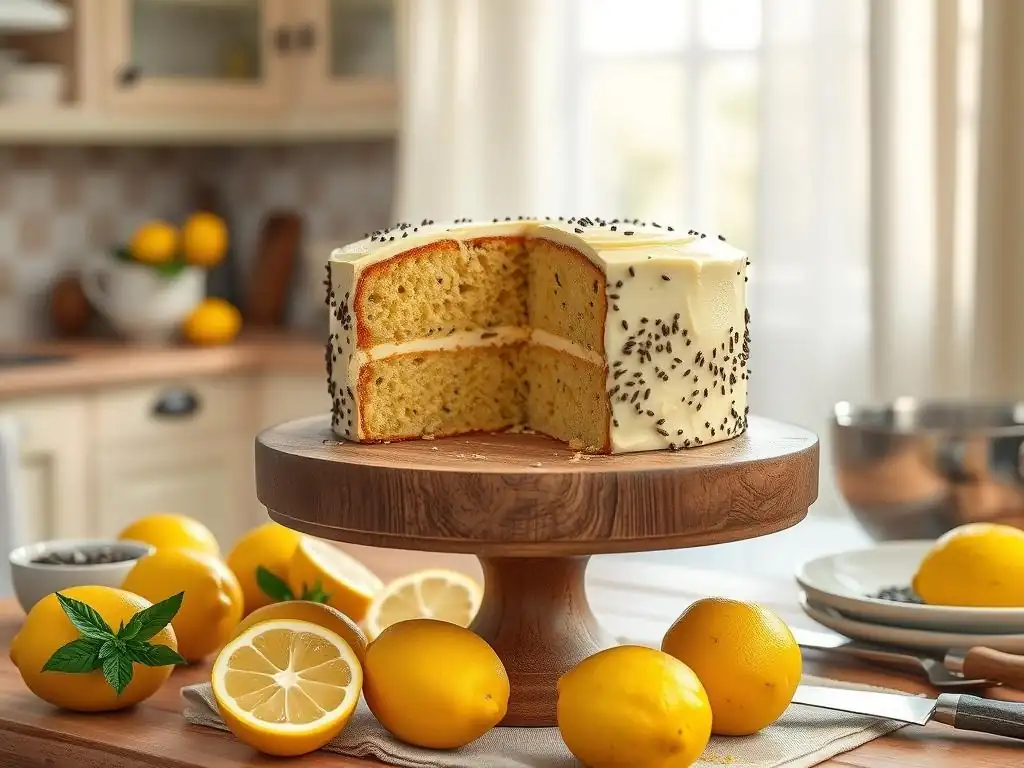
Explore More Lemon Dessert Recipes on BakeWithEase.com
If you've enjoyed baking our signature lemon poppyseed cake recipe, you'll be delighted to find a wealth of other lemon-focused desserts on BakeWithEase.com. From classic lemon meringue pie and tangy lemon tarts to simple lemon cookies and refreshing lemon sorbet, we have recipes to satisfy every lemon lover's craving.
Our collection includes recipes for various skill levels, with clear instructions and helpful tips to ensure your success. You can find guides on making lemon curd from scratch, mastering flaky pastry for tarts, or whipping up a perfect meringue. Dive into the world of lemon desserts and find your next favorite bake!
Discover Other Spring Baking Ideas for Easter and Beyond
Beyond lemon, BakeWithEase.com is packed with inspiration for all your spring baking needs. Explore our dedicated section for Easter and Spring baking, featuring recipes perfect for holiday celebrations, brunches, and everyday treats. Find ideas for hot cross buns, carrot cake variations, coconut nests, and more.
We also feature recipes highlighting other seasonal fruits like rhubarb, strawberries, and blueberries as they come into season. Whether you're looking for a showstopping centerpiece or a quick and easy weeknight dessert, our spring baking resources provide plenty of options to fill your kitchen with delightful aromas and flavors.
Enjoy Your Light & Zesty Spring Baking Adventure!
Frequently Asked Questions
What makes the Lemon Poppyseed Cake recipe on BakeWithEase stand out from other recipes?
This recipe emphasizes a light and zesty flavor profile, perfectly suited for spring. It uses easy-to-find ingredients and provides step-by-step instructions, even for beginner bakers.
Are there any variations or substitutions suggested for the Lemon Poppyseed Cake recipe?
While the recipe provides a solid base, BakeWithEase encourages experimentation! You could substitute the lemon with orange for a different citrus flavor, or add a cream cheese frosting for extra richness.
Is the Lemon Poppyseed Cake recipe difficult to make for someone new to baking?
No! BakeWithEase focuses on simple recipes and techniques. The Lemon Poppyseed Cake is designed to be beginner-friendly, with clear instructions and helpful tips.
What kind of ingredients are needed for the Lemon Poppyseed Cake recipe? Are they hard to find?
The recipe uses common baking ingredients like flour, sugar, eggs, butter, lemon, and poppy seeds. These are readily available in most grocery stores, making it easy to get started.
What other desserts does BakeWithEase recommend alongside the Lemon Poppyseed Cake recipe for a "Light & Zesty Spring Dessert" theme?
BakeWithEase offers a variety of light and zesty desserts, including fruit tarts, lemon bars, and other citrus-infused treats. Explore the "pastries" section for more ideas to complete your spring baking collection.
Final Reflection: The Enduring Allure of Lemon Poppy Seed
The vibrant zest of lemon and the delicate crunch of poppy seeds represent more than just a delicious spring dessert; they symbolize the refreshing renewal we all crave after a long winter. This simple combination, explored through various recipes in this article, speaks to a timeless desire for lightness and brightness in both our culinary experiences and our lives. The enduring popularity of the lemon poppyseed cake, as evidenced by its consistent search volume, highlights its ability to transcend fleeting trends and remain a cherished classic.
The joy of baking, and specifically the creation of this beloved cake, lies not just in the final product, but in the process itself. The act of measuring, mixing, and baking becomes a meditative practice, a moment of mindful creation that connects us to something larger than ourselves. Baking is at once child's play and adult joy. And love, of course.
- Alma Flor Ada. This quote perfectly encapsulates the emotional resonance of baking, a sentiment amplified by the bright, cheerful nature of lemon poppyseed creations. They bring a sense of sunshine and optimism to any occasion.
Consider the simple elegance of this dessert. It's not overly complicated, yet it delivers a burst of flavor and texture that delights the senses. Take this inspiration beyond the kitchen. Let the lightness of the lemon and the poppy seeds remind you to embrace simplicity and joy in your own life. Find moments of mindful creation, whether in baking, painting, gardening, or simply enjoying a quiet moment of reflection. Let the spirit of spring, embodied in this delightful cake, inspire you to embrace freshness and renewal in all that you do.
Unlock Your Inner Pastry Chef: Spring Baking Awaits!
Thanks for joining us on this delicious journey through light and zesty spring desserts! We hope you've found inspiration and a few new recipes to brighten your day. Ready to get baking?
- Whip up your favorite recipe from the article: Let's see those beautiful creations! Tag us on social media – we’d love to feature your bakes.
- Share your baking experience: Leave a comment below and tell us which dessert you're most excited to try, or share a tip you've learned.
- Challenge yourself: Try substituting one ingredient in a recipe to customize it to your tastes.
What spring flavor will you be baking next?