
Cultured vs. Sweet Cream: Discover the Best Butter for Your Next Baking Project

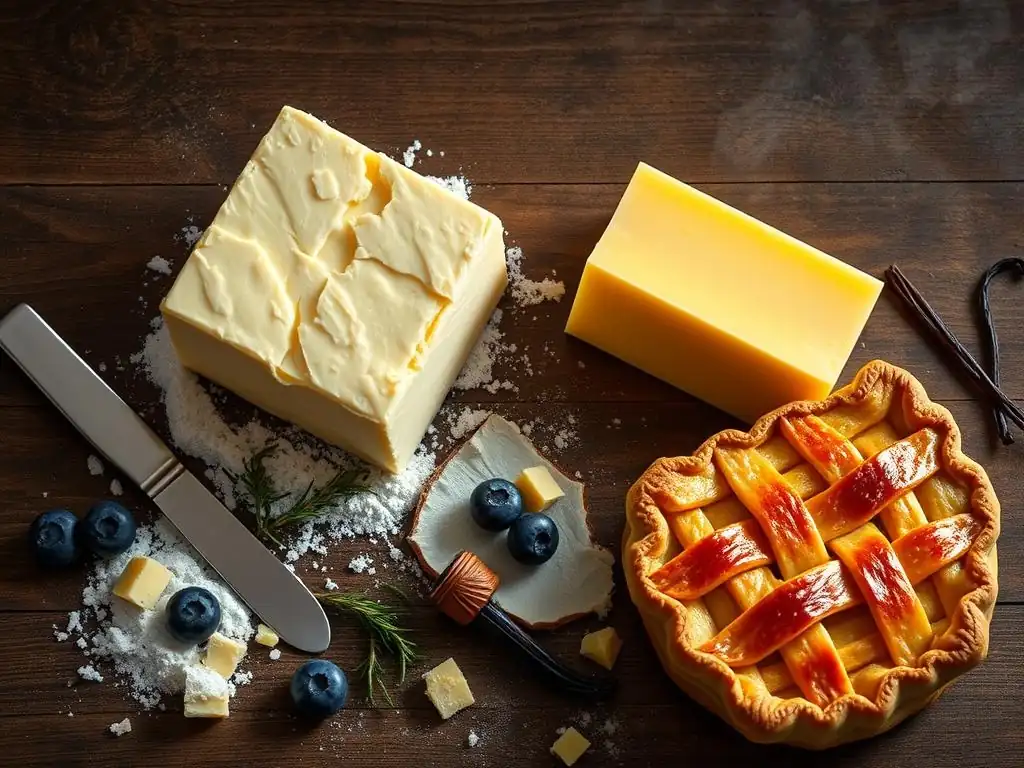
Welcome to BakeWithEase, your haven for all things baking! Are you ready to unlock a secret ingredient that could transform your next creation? Discover the surprising difference that cultured butter baking recipes can make – from richer flavors to a more tender crumb. Dive in to explore how this premium ingredient elevates your baked goods, and prepare to be amazed by the results!
- Understanding Butter Types for Baking: Cultured Butter vs. Sweet Cream Butter
- Cultured Butter Baking Recipes: Unleashing the Flavor Potential
- Taste Test Comparison: Cultured Butter vs. Sweet Cream Butter in Baking
- Choosing the Right Butter: Matching Butter to Your Baking Project
- Maximizing Your Baking Results: Tips for Using Cultured and Sweet Cream Butter
- Where to Buy the Best Butter for Baking
-
Frequently Asked Questions
- What exactly is cultured butter, and how does it differ from sweet cream butter?
- Why is cultured butter gaining popularity in baking recipes?
- Can I substitute sweet cream butter for cultured butter in all baking recipes?
- Where can I find cultured butter, and is it more expensive than regular butter?
- What types of baking recipes benefit most from using cultured butter?
- Final Reflection: The Sweet and Savory Truth About Butter in Baking
- Unlock Your Baking Potential: Master the Art of Butter Choice
Understanding Butter Types for Baking: Cultured Butter vs. Sweet Cream Butter
Butter is a fundamental ingredient in countless baking projects, providing flavor, structure, and tenderness. While seemingly simple, butter comes in different forms, primarily distinguished by how the cream is processed before churning. The two most common types found in kitchens are sweet cream butter and cultured butter, and understanding their differences is key to unlocking optimal baking results. Sweet cream butter is made from fresh cream, while cultured butter is made from cream that has been fermented with bacterial cultures. This seemingly small difference leads to significant variations in flavor, aroma, and performance in baking.
The process for making sweet cream butter involves churning fresh, pasteurized cream until the fat separates from the buttermilk. This results in a butter with a mild, creamy flavor and a relatively neutral aroma. Cultured butter, on the other hand, is produced by adding live bacterial cultures to the cream and allowing it to ferment for a period, typically 12 to 24 hours, before churning.
This fermentation process develops lactic acid, which imparts a distinct tangy flavor and a more complex aroma, often described as slightly nutty or cheesy. The choice between these two types can dramatically influence the final outcome of your baked goods.
Sweet Cream Butter: The Baking Staple
Sweet cream butter is the standard butter called for in the vast majority of baking recipes published today. It is made from fresh cream that is churned shortly after pasteurization. This process yields a butter with a clean, simple dairy flavor that doesn't compete with other ingredients. In the United States, sweet cream butter is typically required to have a minimum of 80% butterfat, though many premium brands exceed this, reaching 82% or higher. The remaining percentage is primarily water and milk solids.
Its neutral flavor profile makes sweet cream butter incredibly versatile. It provides the essential fat needed for tenderness, flakiness, and richness without introducing any dominant flavors of its own. This allows the other ingredients, such as vanilla, chocolate, or fruit, to shine. Its consistent composition and widespread availability make it a reliable choice for everything from simple cookies and cakes to pie crusts and quick breads. When a recipe doesn't specify the type of butter, sweet cream is the default assumption due to its ubiquity and balanced characteristics.
Cultured Butter: Elevating Your Baking with Tang
Cultured butter is produced from cream that has undergone a fermentation process using lactic acid bacteria. This is similar to how yogurt or sour cream is made, but with cream. The fermentation process not only develops a signature tangy flavor and aroma but also slightly lowers the pH of the cream. This lower pH can subtly affect the texture and browning of baked goods. Cultured butter often has a slightly higher butterfat content compared to standard sweet cream butter, frequently ranging from 82% to 86%.
The higher butterfat content and lower water content in many cultured butters contribute to flakier pastries and richer textures in baked goods. The developed acidity and flavor profile add complexity and depth that sweet cream butter cannot provide. While it may cost slightly more and be less readily available than standard sweet cream butter, many bakers find its unique characteristics well worth the investment, especially when seeking to enhance the flavor of their creations.
Cultured Butter Baking Recipes: Unleashing the Flavor Potential
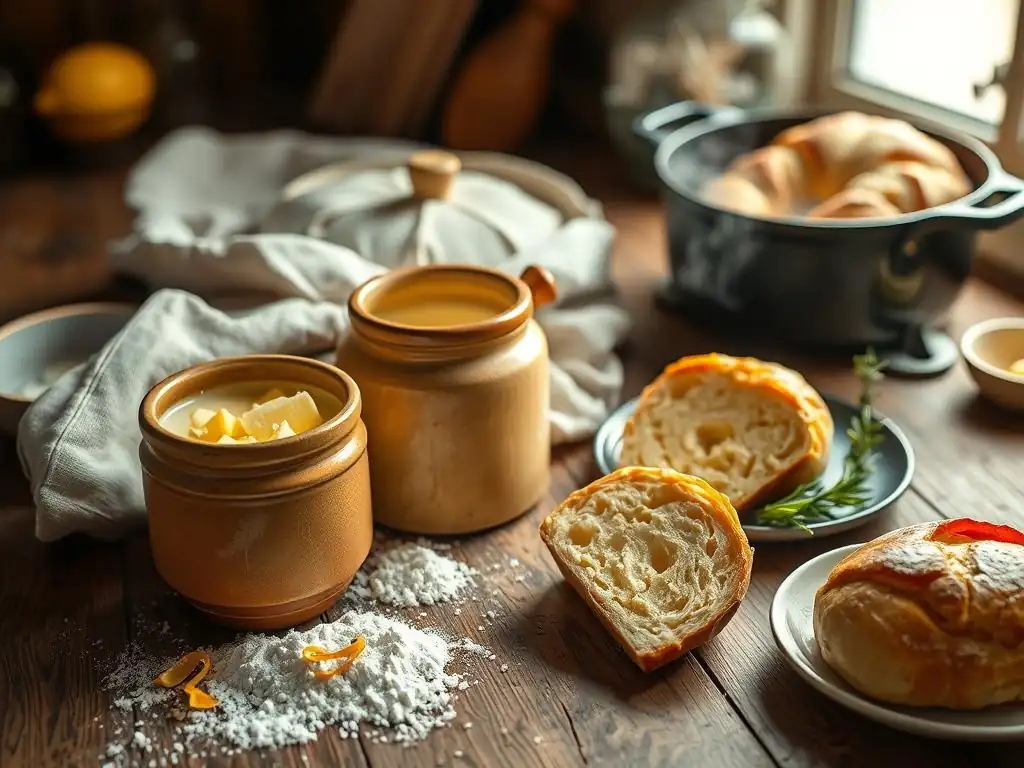
Exploring cultured butter baking recipes opens up a new dimension of flavor in your kitchen. The distinct tang and rich aroma of cultured butter can transform familiar baked goods, adding a layer of sophistication and depth. This type of butter is particularly favored in European baking traditions, where its characteristic flavor is highly prized. Incorporating cultured butter into your baking isn't just about substituting one fat for another; it's about intentionally using its unique properties to enhance the final taste and texture of your treats.
Using cultured butter in baking recipes, especially those where the butter flavor is prominent, can elevate the overall experience. Think about a simple butter cookie, a flaky croissant, or a rich pound cake. Swapping out sweet cream for cultured butter in these instances allows the complex, slightly acidic notes to come through, balancing sweetness and adding a delightful savory undertone. It's a subtle change that can make a significant difference, turning an ordinary bake into something truly special.
The Tangy Advantage: Why Use Cultured Butter in Baking?
The primary advantage of using cultured butter in baking is its unique flavor profile. The fermentation process creates lactic acid, which gives the butter a pleasant tanginess and a more pronounced, often nuttier aroma compared to sweet cream butter. This tangy note can cut through richness and sweetness, creating a more balanced and complex flavor in baked goods. For example, in a rich brioche or a sweet shortbread, the slight acidity of cultured butter provides a counterpoint that prevents the final product from tasting overly heavy or cloying.
Beyond flavor, the typically higher fat content of cultured butter can also contribute to better texture. With less water and more fat, cultured butter can help create exceptionally flaky layers in pastries like croissants, puff pastry, and pie crusts. The higher fat also melts slower, which can impact spread in cookies and contribute to a more tender crumb in cakes. When you're looking for cultured butter baking recipes, consider those where butter is a significant component, as these will best showcase the butter's unique qualities.
Sweet Cream Butter in Baking: Maintaining Balance
Sweet cream butter remains the go-to for most baking because of its reliable performance and neutral flavor. Its mildness ensures that it doesn't overpower other ingredients, making it ideal for delicate flavors or recipes where consistency is paramount. For instance, in a classic vanilla cake or a light sponge cake, the clean flavor of sweet cream butter allows the subtle notes of vanilla and egg to shine without any competing tanginess.
The consistent fat and water ratio in standard sweet cream butter (around 80% fat, 18% water) also makes it predictable in recipes. This is crucial for achieving desired results in terms of leavening, spread, and texture. While it may lack the complex flavor of cultured butter, its reliability and ability to blend seamlessly with other ingredients make it indispensable for a vast range of baking applications, from everyday muffins and brownies to elaborate layer cakes.
Taste Test Comparison: Cultured Butter vs. Sweet Cream Butter in Baking
To truly appreciate the difference between cultured and sweet cream butter in baking, a side-by-side taste test is highly revealing. Baking the same recipe using only one variable – the type of butter – allows you to isolate and identify the distinct impact each butter has on flavor, texture, and appearance. This hands-on approach demonstrates why some cultured butter baking recipes specifically call for this ingredient, while others are best suited for sweet cream.
Performing a simple baking experiment, such as making two identical batches of cookies or loaves of bread, is an excellent way to conduct this comparison. Pay close attention to how the dough handles, how the baked goods look (spread, browning), their texture (crispness, tenderness, flakiness), and, most importantly, their taste. The differences, though sometimes subtle, can be quite significant and help inform your future butter choices.
Chocolate chip cookies are a perfect candidate for a side-by-side butter comparison because butter plays a crucial role in both flavor and texture (specifically spread and chewiness). Using identical recipes and baking conditions, make one batch with sweet cream butter and another with cultured butter. You'll likely notice a difference before they even hit the oven; cultured butter dough might feel slightly different due to its composition.
After baking, observe the cookies' appearance: cookies made with cultured butter might spread slightly less or brown differently depending on the specific butter's fat content and the recipe's sugar ratio. More importantly, taste them. The sweet cream cookies will have a classic, straightforward buttery flavor. The cultured butter cookies, however, will exhibit a subtle tanginess that complements the sweetness of the chocolate and sugar, adding a layer of complexity that many find appealing. This demonstrates how exploring cultured butter baking recipes can add new dimensions to familiar favorites.
Side-by-Side Baking Experiment: Sourdough Bread
Sourdough bread, while not always containing butter in the dough, often benefits from butter served alongside it, or butter is incorporated into enriched sourdough recipes like brioche or dinner rolls. For a direct comparison within the dough, consider baking enriched sourdough or simple butter rolls. Use the same starter, flour, hydration, and process, varying only the butter type.
In enriched doughs, cultured butter can contribute to a richer flavor profile and potentially affect the crumb structure dueability to its higher fat content and slightly different melting point. When used as a spread, cultured butter's tanginess pairs exceptionally well with the characteristic sourness of sourdough, creating a harmonious flavor combination. While sweet cream butter provides simple richness, cultured butter enhances the overall tangy experience, making it a preferred choice for many sourdough enthusiasts looking for cultured butter baking recipes that complement their bread.
Choosing the Right Butter: Matching Butter to Your Baking Project
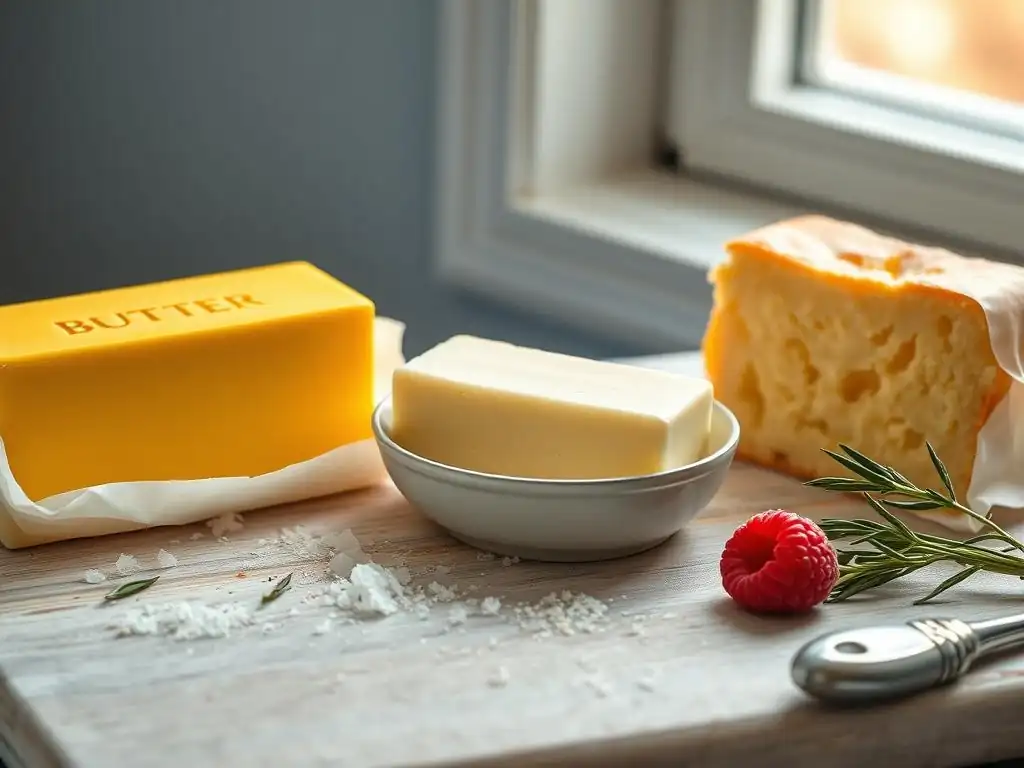
Selecting the appropriate butter is not just about following a recipe; it's about understanding how each type will interact with the other ingredients and contribute to the desired outcome. The best butter for your project depends on the specific recipe, the desired flavor profile, and the texture you aim to achieve. While sweet cream butter is the safe and versatile default, knowing when to reach for cultured butter can significantly improve certain baked goods.
Consider the role butter plays in your recipe. Is it primarily for richness and tenderness (like in a cake)? Is it for creating flaky layers (like in puff pastry)? Or is it meant to be a prominent flavor component (like in shortbread or butter cookies)? Answering these questions will help guide your choice and help you decide if exploring cultured butter baking recipes is right for a particular bake.
Considerations for Recipe Selection
When choosing between sweet cream and cultured butter, think about the dominant flavors in your recipe. If you're making something with delicate flavors you don't want to overpower, like a light vanilla bean cake or a simple sugar cookie, sweet cream butter is usually the best choice. Its neutrality allows other flavors to shine.
However, if you're making a recipe where a slightly tangy, rich, and complex flavor is desired, or where maximum flakiness is paramount, cultured butter is often superior. This includes croissants, danishes, brioche, and certain types of cookies or shortbread where the butter flavor is central. For those specifically seeking cultured butter baking recipes, look for those that highlight butter's role, such as recipes for French pastries or European-style butter cookies.
Recommendations Based on Baking Project
- Flaky Pastries (Croissants, Puff Pastry, Pie Crusts): Cultured butter, often with its higher fat content, is excellent for creating distinct, flaky layers. The lower water content helps prevent gluten development and promotes separation during baking.
- Cakes and Muffins: Sweet cream butter is generally preferred for its neutral flavor, which allows other ingredients (like vanilla, fruit, or chocolate) to be the stars. Its consistent performance ensures reliable leavening and crumb structure.
- Cookies: For classic, chewy chocolate chip cookies or sugar cookies where a straightforward buttery taste is desired, sweet cream works perfectly. For shortbread or butter cookies where you want a richer, more complex flavor and potentially less spread, cultured butter can be a fantastic choice, adding depth to cultured butter baking recipes for cookies.
- Enriched Breads (Brioche, Challah, Dinner Rolls): Both can work. Sweet cream provides richness without altering the flavor profile much. Cultured butter adds a subtle tang that can complement the bread's flavor, especially if it's a slightly sweet or savory bread.
- Frostings and Buttercreams: Sweet cream butter is almost always used here for its smooth texture when creamed and its neutral base that can be flavored easily. Cultured butter's tang would typically be undesirable in a sweet frosting.
Maximizing Your Baking Results: Tips for Using Cultured and Sweet Cream Butter
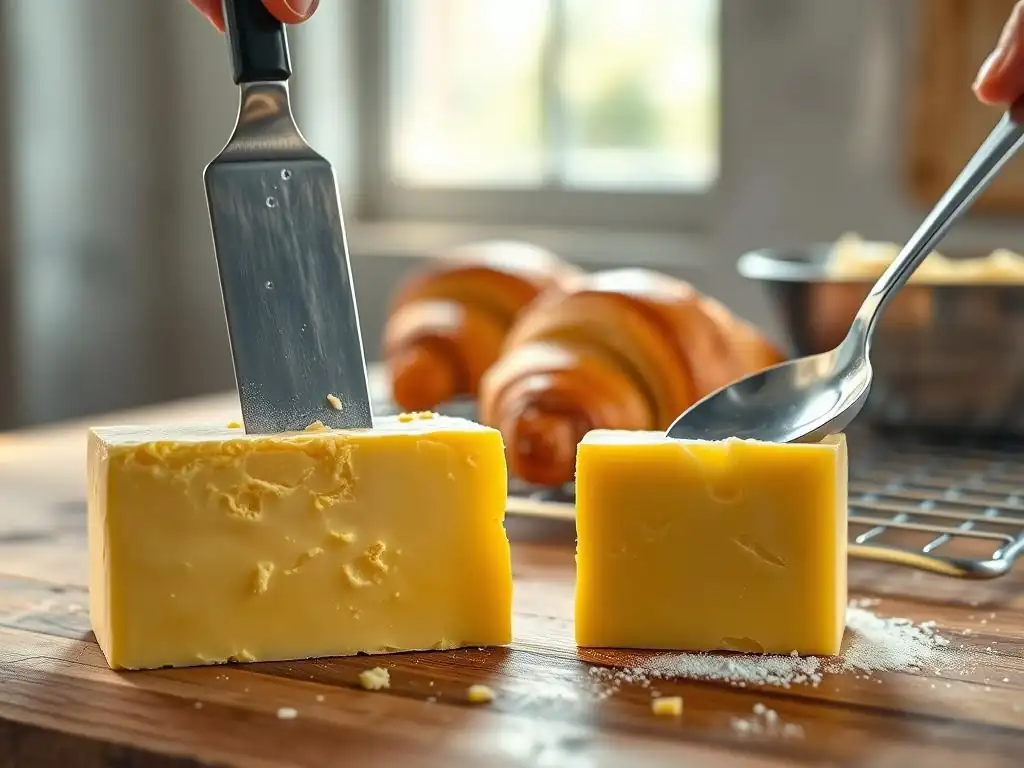
Regardless of whether you're using sweet cream or cultured butter, proper handling and storage are crucial for achieving the best possible baking results. Butter is a sensitive ingredient, and its temperature and freshness significantly impact how it performs in a recipe, from creaming with sugar to creating flaky layers.
Paying attention to the details, such as bringing butter to the correct temperature specified in the recipe and storing it properly to maintain its quality, will ensure that you get the most out of your chosen butter. These simple steps can make a substantial difference in the texture, flavor, and overall success of your baked goods, whether you're working on standard recipes or exploring cultured butter baking recipes.
Temperature Considerations for Each Butter Type
The temperature of your butter is paramount in baking. Most recipes call for butter that is either cold, room temperature (softened), or melted.
- Cold Butter: Used for pastries like pie crusts, biscuits, and puff pastry. The goal is to cut cold butter into the dry ingredients, creating small pockets of fat that melt during baking, producing steam and creating flaky layers. Both sweet cream and cultured butter should be well-chilled for this application. Using very cold butter (around 35-40°F or 2-4°C) is essential.
- Room Temperature (Softened) Butter: Used for creaming with sugar in cakes, cookies, and some enriched breads. Softened butter (around 65-68°F or 18-20°C) incorporates air efficiently when beaten with sugar, which is vital for leavening and creating a tender crumb. It should be pliable but not greasy or melted. This temperature is critical for both butter types when making cultured butter baking recipes that require creaming.
- Melted Butter: Used in recipes like brownies, some cookies, and quick breads where chewiness or density is desired, or to coat pans. Ensure melted butter is not hot when added to other ingredients unless specified, as it can cook eggs or affect leavening.
Storage Tips for Optimal Freshness
Butter is susceptible to absorbing odors and flavors from its surroundings, and its fat can go rancid over time. Proper storage is key to maintaining its quality.
- Keep butter wrapped tightly in its original packaging, or transfer it to an airtight container.
- Store butter in the coldest part of your refrigerator, away from strong-smelling foods like onions or garlic.
- For longer storage, butter freezes exceptionally well. Wrap it tightly in plastic wrap and then place it in a freezer bag or airtight container. Frozen butter can last for several months (typically 6-9 months) without significant loss of quality. Thaw frozen butter in the refrigerator before use.
Task List for Butter Usage:

*   [ ] Check recipe for specified butter temperature (cold, softened, melted).
*   [ ] Plan ahead to bring butter to the correct temperature.
*   [ ] Ensure butter is fresh and properly stored.
*   [ ] Consider butter type (sweet cream vs. cultured) based on desired flavor/texture.
*   [ ] For cultured butter baking recipes, verify the recipe specifically benefits from the tang.
Where to Buy the Best Butter for Baking
Finding high-quality butter is essential for successful baking, whether you're sticking to classic sweet cream or exploring cultured butter baking recipes. The quality of the cream, the churning process, and the fat content all play a role in the final product. While most grocery stores carry standard sweet cream butter, finding premium or cultured options might require looking in specific places.
The availability of cultured butter has increased significantly in recent years, moving from specialty stores to many mainstream supermarkets. However, the selection can vary widely depending on your location. Knowing where to look will help you source the best ingredients for your baking endeavors.
Online Retailers
Several online retailers specialize in gourmet food items, including high-quality butters from various regions and producers. Websites focusing on artisanal dairy products or specialty baking ingredients are good places to start.
Purchasing butter online can offer access to a wider variety of brands and types, including imported European butters known for their high fat content and often cultured nature. Be mindful of shipping costs and methods, as butter needs to stay cold during transit. Look for retailers who use insulated packaging and expedited shipping. This option is particularly useful if local availability of specific cultured butter brands is limited, helping you find the perfect fit for your cultured butter baking recipes.
Local Stores
Your local grocery store is the most convenient place to buy butter. Most supermarkets carry several brands of sweet cream butter, often including both salted and unsalted varieties (unsalted is generally preferred for baking as it gives you control over the salt level). Check the dairy or baking aisle.
For cultured butter, explore the dairy section carefully. Many larger or upscale supermarkets now stock domestic and imported cultured butters alongside the standard sweet cream options. Specialty food stores, cheese shops, and farmers markets are also excellent sources for high-quality, often locally produced, cultured butter. Don't hesitate to ask staff for recommendations or information about the butter's origin and fat content.
Frequently Asked Questions
What exactly is cultured butter, and how does it differ from sweet cream butter?
Cultured butter is made by adding beneficial bacteria to cream and allowing it to ferment before churning, resulting in a richer, tangier flavor. Sweet cream butter, on the other hand, is made from fresh, unfermented cream, offering a milder taste.
Why is cultured butter gaining popularity in baking recipes?
Cultured butter's complex flavor profile enhances baked goods, adding depth and a subtle tang that sweet cream butter lacks. This makes it a popular choice for recipes where the butter flavor is prominent.
Can I substitute sweet cream butter for cultured butter in all baking recipes?
While you can substitute sweet cream butter, the final product will lack the distinct tang and depth of flavor provided by cultured butter. The results may not be exactly the same.
Where can I find cultured butter, and is it more expensive than regular butter?
Cultured butter is often found in specialty grocery stores or stores with a wider selection of dairy products. It typically is more expensive than sweet cream butter due to the fermentation process.
What types of baking recipes benefit most from using cultured butter?
Recipes where the butter flavor is central, such as shortbread cookies, croissants, and some cakes, particularly benefit from cultured butter. Its unique taste elevates the overall flavor.
Final Reflection: The Sweet and Savory Truth About Butter in Baking
The choice between cultured and sweet cream butter significantly impacts the final product in baking, a detail often overlooked by home bakers. This seemingly small decision can elevate a simple recipe to something truly exceptional, or conversely, leave a dish lacking the depth of flavor and texture it deserves. Understanding the nuances of each type of butter is key to unlocking your baking potential.
The subtle tang of cultured butter, born from the bacterial fermentation process, adds a complexity that elevates even the simplest recipes. It's a depth of flavor that resonates with the rich history of butter-making, connecting us to traditional techniques and the artistry of food production. The best things in life are simple, but not easy.
This quote rings true when considering the seemingly small but impactful choice between butter types. The effort to understand the difference yields significant rewards in the final baked good.
Now, consider your next baking project. Will you reach for the familiar sweetness of sweet cream butter, or will you embrace the intriguing complexity of cultured butter? I encourage you to experiment, to taste the difference, and to discover the unique magic each type brings to the table. The journey of culinary exploration is a rewarding one, and the perfect butter is just the beginning.
Unlock Your Baking Potential: Master the Art of Butter Choice
Thanks for taking the time to explore the fascinating world of butter! We hope you now feel confident in choosing the perfect butter for your next baking masterpiece. Ready to put your newfound knowledge into action?
- Bake a batch of your favorite cookies, using the butter type you discovered is best for that recipe. This is your chance to taste the difference!
- Share your baking creations and butter experiences on social media using #BakeWithEaseButter. Let's inspire other bakers!
- Consider experimenting with different butter types in your go-to recipes – even ones you thought were perfect as-is! You might just uncover your new favorite baking secret.
What exciting baking adventures will your newfound butter expertise unlock?