
Flavor, Texture, and Performance: Rating the Top Butters for Serious Bakers

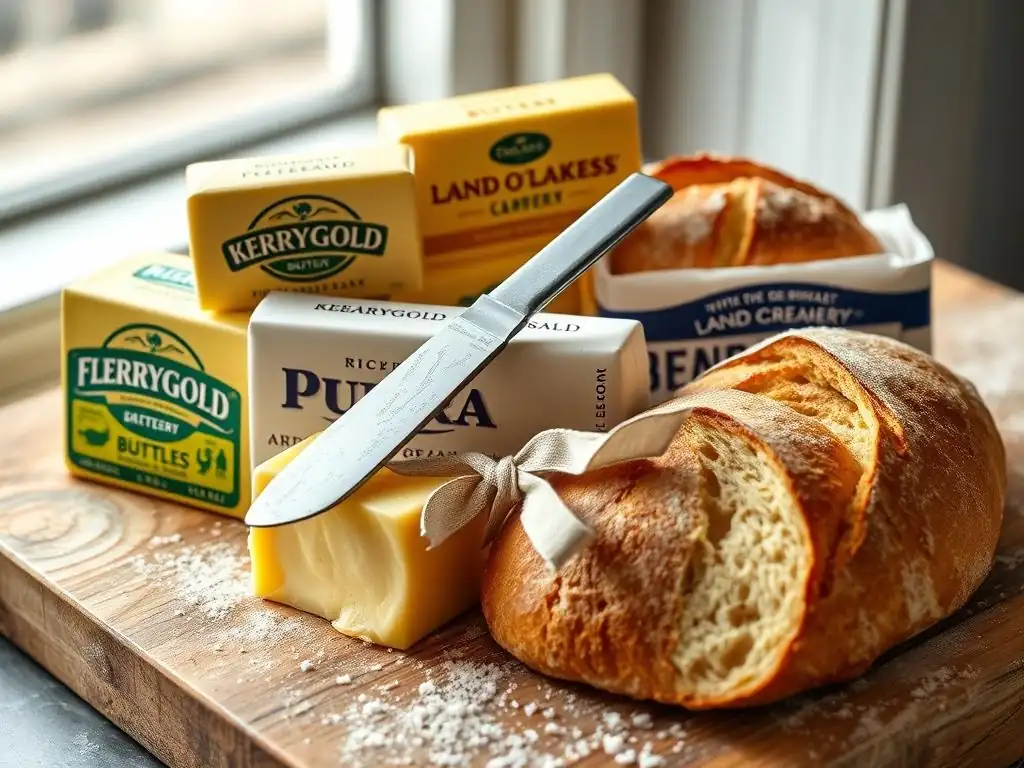
Welcome to BakeWithEase, your trusted guide to baking bliss! Ever wondered if your butter is holding your sourdough back? Dive in to discover our comprehensive rating of the best butter for sourdough bread, and unlock the secret to a superior crust and unforgettable flavor. Get ready to elevate your baking game – the answers you’re searching for are just a scroll away!
- Finding the Best Butter for Sourdough Bread & Beyond: A Baker's Guide
- Top Butter Brands Compared: A BakeWithEase Taste Test
- The Best Butter for Sourdough Bread: Our Top Picks
- Beyond Sourdough: Butters for Other Baking Applications
- Understanding Butterfat Content: The Key to Baking Success
- Tips for Storing and Handling Butter for Optimal Baking Results
- Conclusion: Elevate Your Baking with the Right Butter
-
Frequently Asked Questions
- What makes butter so important in sourdough bread baking?
- Which types of butter are not recommended for baking sourdough bread?
- Is there a noticeable difference between salted and unsalted butter in sourdough?
- How does butterfat percentage affect the final result of my sourdough?
- Can I use vegan butter alternatives when baking sourdough bread?
- Final Reflection: The Golden Standard of Sourdough Success
- Unleash Your Inner Pastry Chef: Butter Up Your Baking!
Finding the Best Butter for Sourdough Bread & Beyond: A Baker's Guide
Why Butter Choice Matters: The Secret Ingredient to Baking Success
Butter is far more than just a fat; it's a foundational ingredient that dictates the flavor, texture, and overall success of your baked goods. Its unique composition of fat, water, and milk solids interacts dynamically with other ingredients during mixing, fermentation (in the case of sourdough), and baking.
The quality and type of butter can profoundly impact everything from the crispness of a cookie edge to the flakiness of a croissant and, crucially, the crust and crumb development of your beloved sourdough loaf. Using the best butter for sourdough bread can elevate a good loaf to a truly exceptional one.
Choosing the right butter is especially critical when aiming for specific results. A high-fat butter, for instance, contributes less water to your dough or batter, which can lead to more tender cakes, flakier pastries, and a more defined crumb structure in sourdough. The flavor profile of the butter itself—whether it's sweet cream, cultured, or grass-fed—imparts subtle or distinct notes that become part of the final product's taste. Understanding these nuances allows bakers to make informed decisions, moving beyond simply grabbing the first stick of butter and instead selecting the ingredient that will best serve their recipe goals.
Top Butter Brands Compared: A BakeWithEase Taste Test
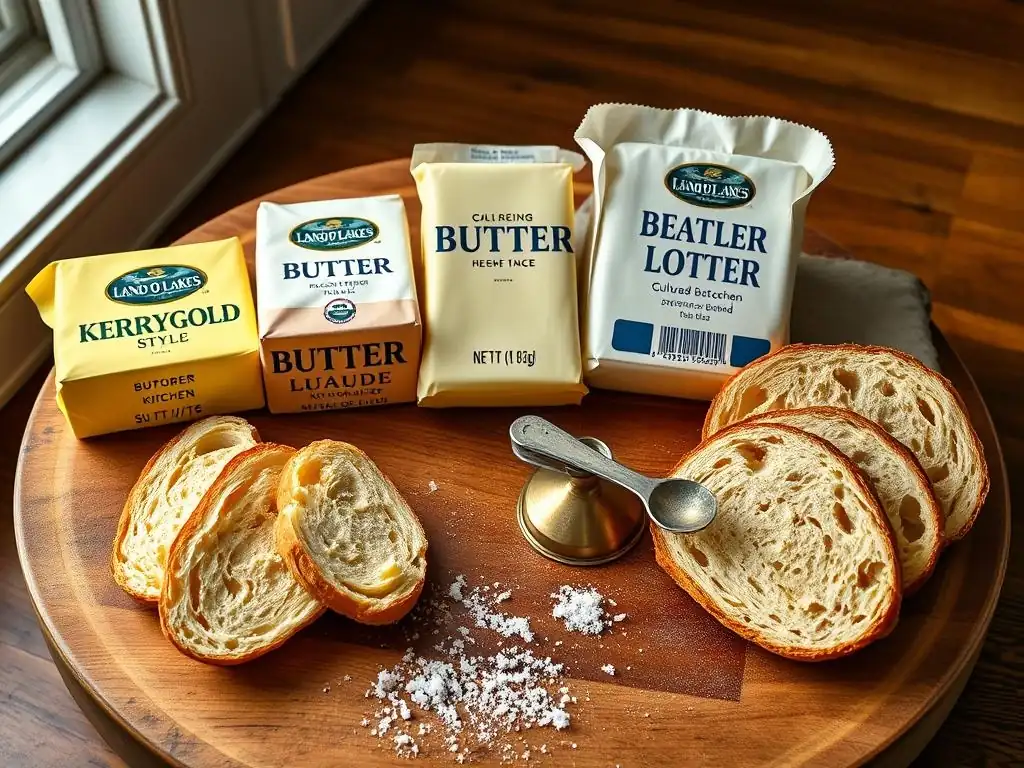
To help you navigate the dairy aisle, we put several popular and highly-regarded butter brands to the test. Our comparison focused on key factors relevant to serious bakers: flavor profile (sweetness, tang, richness), texture (firmness, melt), and performance in various baking applications, with a particular eye on how they performed when baking sourdough bread. We considered factors like butterfat content, moisture level, and how well they creamed or contributed to dough structure. This taste test aims to provide practical insights to help you find the best butter for sourdough bread and all your baking adventures.
The Best Butter for Sourdough Bread: Our Top Picks
1. Kerrygold Irish Butter: The Gold Standard for Sourdough Crusts
Kerrygold Irish butter, sourced from grass-fed cows, is renowned for its vibrant golden hue and rich, creamy flavor. This butter typically boasts a higher butterfat content, often around 82%, compared to the standard 80% found in many American butters. This elevated fat percentage means less water is introduced into your sourdough dough, which can significantly impact the final bake. For sourdough bakers, this often translates to a crispier, more golden crust and a slightly more tender crumb, as the fat interferes less with gluten development than excess moisture might.
The distinct, slightly sweet, and grassy flavor of Kerrygold butter also adds a subtle depth to your sourdough. While the flavor might be more pronounced in enriched doughs like brioche or challah, its richness still contributes positively to the overall taste of a lean sourdough loaf, especially in the crust. Its firm yet pliable texture when cold makes it excellent for incorporating into doughs, and its relatively low moisture content helps achieve that desirable crackly crust that is a hallmark of a well-baked sourdough bread. It's consistently a top contender when searching for the best butter for sourdough bread.
2. Vermont Creamery Cultured Butter: Tangy Delight for Sourdough Starters
Vermont Creamery's Cultured Butter is a favorite among bakers seeking complexity and a tangy edge. This butter is made by adding live bacterial cultures to the cream before churning, similar to how yogurt or sour cream is made. This process develops a slightly acidic flavor profile and a richer, more complex taste compared to sweet cream butter. With a high butterfat content, often exceeding 82%, it offers the benefits of reduced moisture and increased richness, similar to other European-style butters.
For sourdough bread, the tangy notes of cultured butter can complement the natural acidity developed by the sourdough starter, enhancing the overall flavor complexity of the loaf. While you wouldn't add the butter directly to a lean sourdough dough, using this butter as a spread on the finished bread is an absolute revelation, marrying its cultured tang with the bread's own.
Furthermore, its high fat content makes it perform exceptionally well in enriched sourdough recipes, contributing to a tender crumb and beautiful structure. It's an excellent choice if you're exploring different flavor dimensions in your sourdough journey and seeking the best butter for sourdough bread with added zest.
3. Plugrá European-Style Butter: High Fat, High Performance Baking
Plugrá, whose name is derived from the French "plus gras" meaning "more fat," lives up to its name with a butterfat content of 82%. This higher fat percentage and lower moisture content are precisely what makes European-style butters like Plugrá a go-to for many professional and serious home bakers. The reduced water allows for less gluten development interference, which is crucial for achieving tenderness and flakiness in baked goods. In sourdough, while not added to the basic dough, its characteristics are invaluable when used as an accompaniment or in enriched variations.
When used in enriched sourdoughs like milk bread or enriched sandwich loaves, Plugrá's high fat content contributes to an incredibly soft and moist crumb. Its relatively neutral, clean flavor profile ensures that the natural flavors of the sourdough and other ingredients shine through without being overshadowed. For bakers who prioritize technical performance and consistent results, especially in recipes where butter's physical properties are key, Plugrá is a reliable choice. Its workability and performance make it a strong contender when considering the best butter for sourdough bread applications that go beyond the basic loaf.
4. Challenge Butter: A Budget-Friendly Option for Everyday Sourdough
Challenge Butter is a widely available and more budget-friendly option that serves as a reliable workhorse for everyday baking. Typically an American-style butter with around 80% butterfat, it contains slightly more moisture than its European counterparts. While it may not offer the intense richness or unique flavor profiles of premium butters, it performs consistently well in a vast majority of baking recipes and is a perfectly capable choice for complementing your sourdough bread.
For those just starting their sourdough journey or baking frequently on a budget, Challenge Butter provides a solid baseline. It creams well for enriched doughs and performs adequately when melted or used at room temperature. While the higher moisture might mean a slightly less crisp crust compared to an 82% butterfat butter, the difference is often minimal for home bakers. It's a practical and accessible option that proves you don't need the most expensive butter to enjoy delicious sourdough bread, making it a viable candidate when discussing the best butter for sourdough bread from a value perspective.
Beyond Sourdough: Butters for Other Baking Applications
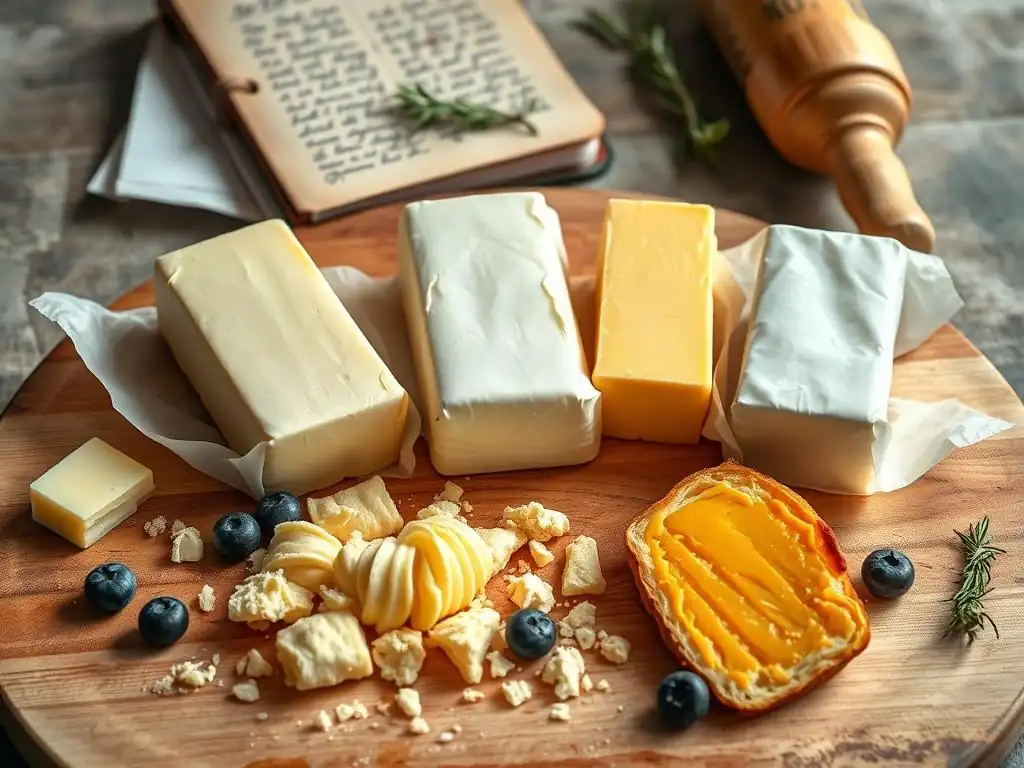
For cookies, unsalted butter with a standard 80% butterfat content is often the preferred choice. Using unsalted butter gives you complete control over the salt level in your recipe, which is critical for balancing sweetness and flavor. The 80% butterfat provides enough structure while the 18-20% moisture content contributes to the spread and chewiness of the cookie. Butter that is properly softened to room temperature is essential for creaming with sugar, creating air pockets that give cookies their lift and tender texture.
A slightly higher butterfat butter (like 82%) can result in cookies that spread less and have a slightly firmer texture, which might be desirable for cut-out cookies or shortbread. However, for classic chewy chocolate chip cookies or soft sugar cookies, the standard unsalted 80% butter is typically ideal. The key is consistency and temperature; ensuring the butter is softened evenly allows for proper emulsification and structure development during mixing, leading to that perfect chewy center and slightly crisp edge.
Best Butter for Pastry: High Fat Butter for Flaky Layers
Creating flaky pastries like croissants, puff pastry, or pie crusts hinges on using cold, high-fat butter. European-style butters with 82% butterfat or higher are superior for this task because their lower moisture content creates more defined layers of fat within the dough. As the pastry bakes, the water in the butter turns to steam, which pushes the layers of dough apart, creating hundreds of delicate, airy flakes. The higher fat content also results in a more tender and rich final product.
Working with cold, firm butter is non-negotiable for pastry. The butter needs to remain in distinct pieces or layers within the dough until it hits the oven. Butters with a higher melting point or firmer texture when cold can be easier to work with, especially in warmer kitchens. The quality of the butter's flavor is also important, as its richness becomes a defining characteristic of the finished pastry. Prioritizing a high-fat, good-quality butter is the single most impactful choice you can make for successful flaky pastry.
Best Butter for Cakes: Unsalted Butter for Moist and Tender Crumb
Unsalted butter is generally recommended for cakes to control the overall sodium content and ensure consistent results. A standard 80% butterfat unsalted butter works beautifully in most cake recipes. For cakes made using the creaming method (where butter and sugar are beaten together), the butter's ability to incorporate air is paramount. Softened, room-temperature butter is essential for this process, creating a light and airy base that contributes to the cake's rise and tender crumb.
The butterfat contributes richness and moisture to the cake crumb, preventing it from being dry. While a higher fat butter could theoretically make a cake even more tender, the difference is often negligible in standard cake recipes compared to the impact on pastries. Consistency in butter quality and, most importantly, using it at the correct temperature are the most significant factors for cake success. The butter's flavor is also absorbed into the cake, so using a fresh, good-tasting butter will enhance the overall flavor profile.
Understanding Butterfat Content: The Key to Baking Success
The Impact of Butterfat on Texture and Flavor
Butterfat is the primary component of butter, typically making up 80-82% of its weight in standard varieties. The remaining percentage consists mostly of water and milk solids. This ratio is critical in baking because butterfat is where much of the flavor resides, and it plays a significant role in texture development. Higher butterfat butters, like those found in European styles (often 82% or more), contain less water. This reduced water content directly impacts how butter behaves in doughs and batters.
Less water means less interference with gluten development, leading to more tender results in cakes and cookies. In pastries, the higher fat content creates more defined layers, resulting in flakiness. For sourdough bread, while butter isn't typically in the lean dough, higher fat content in butter used with the bread (like in compound butters or simply spread) provides a richer mouthfeel and carries flavors more effectively. The fat also contributes to browning, aiding in the formation of a desirable crust on baked goods, including sourdough.
Choosing the Right Butterfat Percentage for Your Baking Project
Selecting the appropriate butterfat percentage depends largely on the desired outcome of your baking project. For general-purpose baking like cookies, muffins, or standard cakes, an 80% butterfat unsalted butter is often perfectly adequate and is the standard assumed by many recipes. It provides a good balance of fat and moisture for reliable results and is widely available.
However, for recipes where texture is paramount, such as puff pastry, croissants, or even enriched sourdough bread where maximum tenderness and flakiness are desired, opting for a butter with 82% or higher butterfat content can make a noticeable difference. The lower moisture content allows for better layering in laminated doughs and contributes to a finer, more tender crumb in enriched breads. While not essential for every bake, understanding how butterfat impacts results allows you to choose the best butter for sourdough bread or any other specific baking goal you have.
Tips for Storing and Handling Butter for Optimal Baking Results
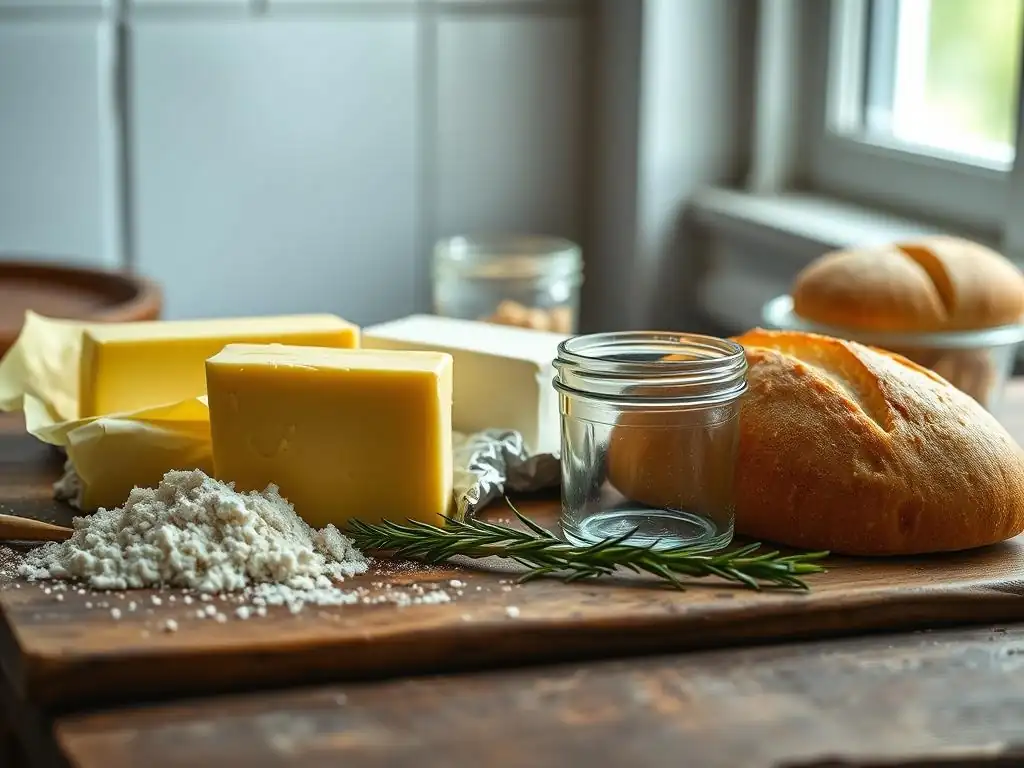
Keeping Your Butter Fresh: Proper Storage Techniques
Proper storage is crucial to maintaining the quality and performance of your butter. Butter is susceptible to absorbing odors from its surroundings and can go rancid if exposed to light, air, and fluctuating temperatures.
For short-term storage (a few days), butter can be kept in an airtight butter dish at cool room temperature if your kitchen isn't too warm, especially if you plan to use it for spreading. However, for baking purposes, it's best to store butter wrapped tightly in its original packaging and placed in an additional airtight container or zip-top bag in the coldest part of your refrigerator.
For longer storage, butter freezes exceptionally well. Wrap sticks individually in plastic wrap, then place them in a freezer-safe bag or container. Frozen butter can last for several months. Thaw frozen butter in the refrigerator before use. Always check your butter before baking; it should smell fresh and clean, not cheesy or off. Using fresh, properly stored butter ensures that its flavor and physical properties contribute positively to your baked goods.
Bringing Butter to Room Temperature: The Baker's Secret
Many baking recipes, particularly those using the creaming method for cakes and cookies or certain enriched bread doughs, require butter at a specific "room temperature." This doesn't mean warm or greasy; it means the butter is soft enough to easily indent with your finger but still holds its shape and is cool to the touch, typically around 65-68°F (18-20°C). Properly softened butter creams smoothly with sugar, creating a stable emulsion that incorporates air, essential for leavening and texture.
Avoid rushing this process by microwaving butter, which melts the fat unevenly and disrupts its structure, leading to poor creaming results and potentially greasy baked goods. The best way is to leave wrapped butter out on the counter for 1-2 hours, depending on your kitchen temperature.
If you're in a hurry, you can cut the butter into smaller pieces to speed up the process, or gently tap the stick with a rolling pin to flatten it slightly, increasing surface area. Using butter at the correct temperature is a simple but critical step for achieving optimal results in many baking applications, including enriched sourdough recipes.
Conclusion: Elevate Your Baking with the Right Butter
Choosing the right butter is a fundamental step in mastering the art of baking, impacting everything from the foundational structure to the final flavor of your creations. While a good quality standard butter will serve you well in most recipes, understanding the nuances of butterfat content, flavor profiles, and how different types behave can unlock new levels of baking excellence. Experimenting with varieties like high-fat European-style or cultured butters can significantly enhance specific bakes, particularly when seeking the best butter for sourdough bread to achieve that perfect crust or a richer crumb.
From achieving flaky pastry layers to ensuring tender cakes and, yes, baking the best butter for sourdough bread, your butter choice matters. Pay attention to the type, fat content, and how you store and handle it. Don't be afraid to try different brands and styles to see how they affect your favorite recipes. By treating butter as the essential ingredient it is and making informed choices, you can truly elevate your baking results and enjoy even more delicious outcomes from your kitchen.
Frequently Asked Questions
What makes butter so important in sourdough bread baking?
Butter contributes significantly to the flavor and texture of sourdough. It adds richness and tenderness to the crumb, and helps develop a golden-brown crust.
Which types of butter are not recommended for baking sourdough bread?
Avoid using spreadable butters or those with added oils. These typically have a higher water content, which can negatively affect the bread's structure and texture.
Is there a noticeable difference between salted and unsalted butter in sourdough?
Yes, there is. Unsalted butter allows for greater control over the salt content in your recipe, leading to more consistent and predictable results.
How does butterfat percentage affect the final result of my sourdough?
A higher butterfat percentage generally results in a richer flavor and a more tender crumb. European-style butters, known for their high butterfat content, are often preferred.
Can I use vegan butter alternatives when baking sourdough bread?
While possible, vegan butters may yield different results. Look for high-fat vegan butters specifically designed for baking, and be prepared to adjust your recipe slightly.
Final Reflection: The Golden Standard of Sourdough Success
The quest for the perfect sourdough loaf hinges on more than just technique; it's a deeply intertwined dance between flour, water, and, crucially, the butter. This exploration into the world of premium butters reveals that seemingly small differences in flavor profiles and textures can dramatically impact the final product, elevating a good loaf to a truly exceptional one. The subtle nuances we uncovered highlight the importance of ingredient selection in achieving baking excellence.
This journey through various butter brands has underscored the profound impact seemingly minor details can have on the sensory experience of sourdough bread. The rich, nutty notes of some butters contrasted sharply with the more delicate, almost grassy flavors of others, each profoundly altering the final taste and aroma. The proof of the pudding is in the eating,
and the proof of a great sourdough is undeniably in its buttery richness. The right butter elevates the entire experience, transforming a simple loaf into a culinary masterpiece.
Ultimately, the "best" butter for your sourdough remains a matter of personal preference, shaped by your palate and baking style. But hopefully, this exploration has equipped you with the knowledge to make an informed decision, to appreciate the subtleties of butter's contribution to your baking, and to embark on your own quest for that perfect, golden-crusted loaf. Consider the nuances we've discussed, experiment with different brands, and discover the butter that unlocks the full potential of your sourdough creations. The journey, as much as the destination, is a rewarding one.
Unleash Your Inner Pastry Chef: Butter Up Your Baking!
Thanks for diving into the world of butter with us! We hope you discovered your new favorite ingredient for creating those amazing baked goods. Ready to take your baking to the next level?
- Try out your top-rated butter choice: This week, bake your favorite recipe using the butter we highlighted as your best match! Pay close attention to the texture and flavor differences.
- Share your baking triumphs (or challenges!): Post a picture of your creation on social media using #BakeWithEaseButterChallenge and tag us—we'd love to see your results!
- Explore our other baking guides: Dive deeper into the BakeWithEase library for more expert tips and tricks to elevate your baking game!
What surprising flavor or texture changes did you notice when using a higher-quality butter? Share your experience in the comments!