
Baking with Maple Syrup: A Complete Substitution Handbook

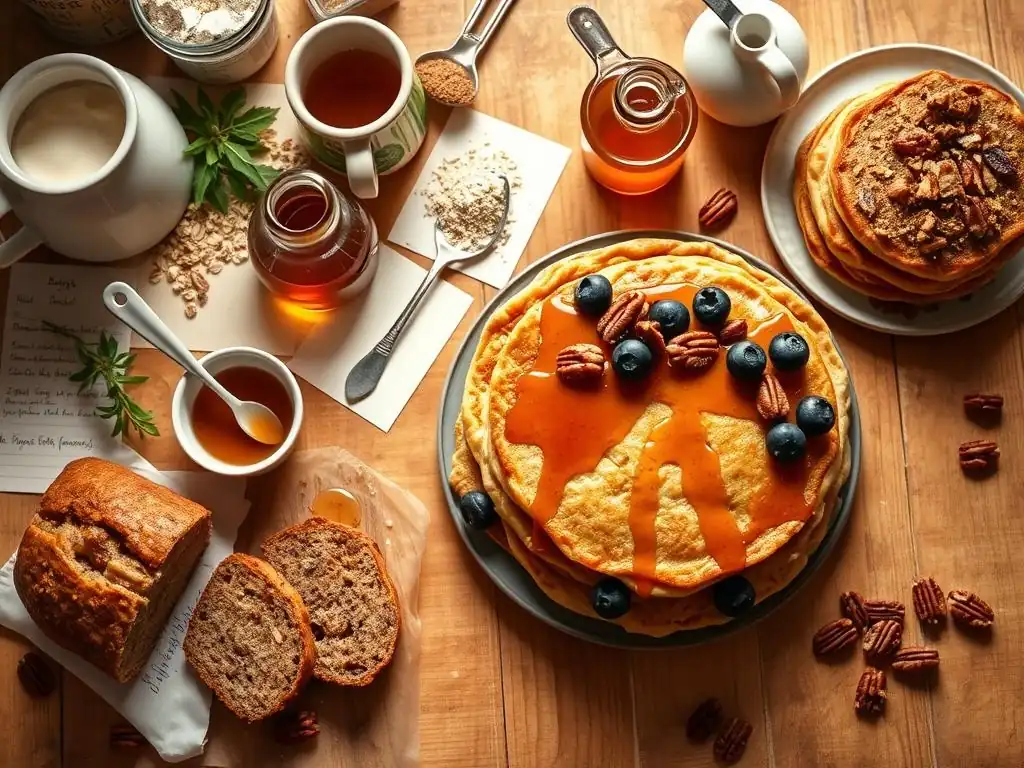
Welcome to BakeWithEase, your guide to unlocking baking brilliance! Ever wondered how to elevate your recipes with nature's sweetest touch? Dive into our Maple Syrup Baking Substitution Guide and discover a world of flavor and texture. We'll show you how to seamlessly replace refined sugars with this golden elixir, adding a unique depth to your breads, cakes, and beyond. Ready to transform your baking? Let's get started!
- Understanding Maple Syrup for Baking: Your Complete Guide
- Maple Syrup Baking Substitution Guide: A Step-by-Step Approach
- Mastering Maple Syrup Conversions in Different Baked Goods
- Troubleshooting Common Maple Syrup Baking Issues
- High-Quality Maple Syrup Recommendations for Baking Success
- Advanced Maple Syrup Baking Techniques for the Expert Baker
- Conclusion: Elevate Your Baking with the Magic of Maple Syrup.
-
Frequently Asked Questions
- What is the primary benefit of using maple syrup as a sugar substitute in baking?
- How does the liquid nature of maple syrup affect baking recipes?
- Can I substitute maple syrup for all types of sugar in baking?
- What is the best type of maple syrup to use for baking?
- What adjustments should I make to the oven temperature when baking with maple syrup?
- Final Reflection: The Sweetness of Adaptability in Baking
- Unlock the Sweetness: Your Maple Baking Journey Starts Now!
Understanding Maple Syrup for Baking: Your Complete Guide
Why Choose Maple Syrup in Your Baking Recipes?
Maple syrup offers a compelling alternative to refined sugars in baking, bringing not just sweetness but also a distinct flavor profile and several potential health considerations. Unlike highly processed white sugar, pure maple syrup contains trace amounts of minerals such as manganese and zinc, along with antioxidants.
While the quantities aren't massive, they contribute slightly more nutritional value compared to empty calories from refined sugar. Furthermore, maple syrup has a lower glycemic index than granulated sugar, meaning it may cause a slightly slower rise in blood sugar levels, though this can vary depending on the individual and the overall recipe composition.
Beyond the nutritional nuances, choosing maple syrup aligns with a desire for more natural or less processed ingredients. For many home bakers, using pure maple syrup feels like a step towards simpler, more wholesome baking. It connects the baked good to the natural world, evoking images of maple trees and the traditional process of tapping and boiling sap. This appeal, combined with its liquid form which can impact texture, makes it a popular choice for experimenting with a different kind of sweetness in everything from cakes and cookies to breads and glazes.
Maple Syrup's Unique Flavor Profile and Baking Applications
The flavor of maple syrup is complex and varies significantly depending on its grade. Generally described as having notes ranging from vanilla and caramel to slightly woody or even smoky, this unique profile adds depth that refined sugar simply cannot. The lighter grades, like Grade A Golden Color Delicate Taste, offer a subtle sweetness that complements delicate pastries, light cakes, or fruit tarts without overpowering other flavors.
Darker grades, such as Grade A Dark Color Robust Taste or Very Dark Color Strong Taste, possess a more pronounced maple flavor that stands up well in recipes with strong ingredients like chocolate, spices (cinnamon, nutmeg, ginger), or whole grains. These robust flavors are fantastic in gingerbread, spice cakes, brownies, or hearty breakfast goods like pancakes and waffles (though this article focuses on baking into the batter). Understanding these flavor nuances is key to successfully using maple syrup as a baking substitute and enhancing your creations.
Debunking Myths: Maple Syrup vs. Refined Sugar in Baking
One common misconception is that maple syrup is significantly "healthier" than refined sugar to the point where you can use unlimited amounts. While it does contain minerals and antioxidants, it is still primarily a concentrated source of sugar (about 67% sucrose, glucose, and fructose) and should be used in moderation. The calorie count is comparable to sugar by weight, though you use less by volume due to its liquid nature and higher sweetness intensity per unit volume compared to granulated sugar.
Another myth is that you can simply swap maple syrup 1:1 for sugar in any recipe without making adjustments. This is incorrect. Maple syrup is a liquid sweetener, and introducing a significant amount of liquid into a recipe designed for dry sugar will drastically alter the batter or dough consistency, leading to potential failures like gummy cakes or flat cookies. Successful maple syrup baking substitution requires careful adjustments to both the liquid and dry ingredients, as well as often the baking temperature, to achieve the desired results. A proper maple syrup baking substitution guide takes these factors into account.
Maple Syrup Baking Substitution Guide: A Step-by-Step Approach
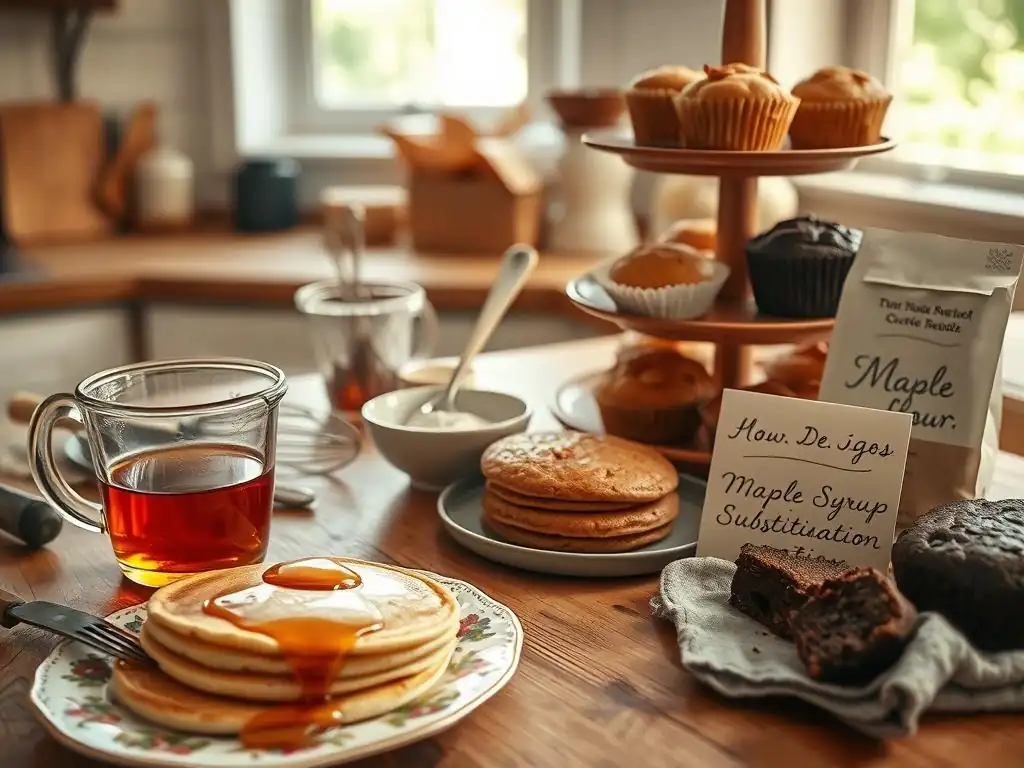
General Maple Syrup Substitution Ratio: Sugar to Maple Syrup Conversion
When substituting granulated sugar with maple syrup in baking, the most common starting point is a ratio that accounts for both sweetness and liquid content. A widely accepted guideline is to use approximately 3/4 cup of maple syrup for every 1 cup of granulated sugar called for in a recipe. This adjustment accounts for maple syrup being slightly sweeter by volume than sugar and introduces less bulk but more liquid.
For example, if a cookie recipe requires 1 cup of granulated sugar, you would begin by using 3/4 cup of maple syrup. This ratio provides a good balance for many standard baking recipes, though it may need fine-tuning based on the specific recipe and your desired level of sweetness. Remember that this is just the first step in the maple syrup baking substitution guide; further adjustments for liquid and temperature are crucial.
Adjusting Liquid Ingredients When Using Maple Syrup: Moisture Management
Because maple syrup is a liquid, adding it to a recipe means you are adding significant moisture that wasn't there when using dry sugar. To compensate for this, you must reduce the amount of other liquids in the recipe. A general rule of thumb is to reduce the total amount of other liquids (like milk, water, yogurt, or even eggs, depending on the recipe) by about 1/4 cup for every 3/4 cup of maple syrup you used to replace 1 cup of sugar.
So, if you replaced 1 cup of sugar with 3/4 cup of maple syrup, you would typically decrease the other liquids in the recipe by 1/4 cup. This could mean using 1/4 cup less milk in a cake batter or slightly less water in a bread dough. This adjustment helps maintain the correct wet-to-dry ingredient balance, preventing a soggy or dense final product. Mastering this moisture management is a key part of any effective maple syrup baking substitution guide.
Reducing Oven Temperature: Preventing Over-Browning with Maple Syrup
Maple syrup contains natural sugars that caramelize and brown faster than refined white sugar. This means baked goods made with maple syrup tend to brown more quickly, especially on the surface. To prevent the edges or tops from burning before the inside is fully cooked, it's often necessary to reduce the oven temperature.
A common recommendation is to lower the baking temperature by 25°F (about 15°C) from what the original recipe calls for. For instance, if a recipe specifies baking at 350°F (175°C), you would bake at 325°F (160°C) when using maple syrup. You might also need to increase the baking time slightly to ensure the interior is cooked through. Keeping a close eye on the baked goods is essential, and tenting with foil is an option if the top is browning too quickly.
Mastering Maple Syrup Conversions in Different Baked Goods
Cakes and Muffins: Achieving the Perfect Texture with Maple Syrup
Cakes and muffins rely on a careful balance of wet and dry ingredients to achieve a tender, moist crumb. When using maple syrup in these recipes, paying close attention to the liquid adjustment is paramount. Too much liquid will result in a dense, gummy texture, while too little (if you overcompensate) can make them dry. The lower baking temperature also helps prevent domes from cracking and ensures even cooking.
Maple syrup can lend a lovely subtle flavor to cakes and muffins, especially when using a lighter grade. For instance, substituting maple syrup in a lemon poppy seed muffin recipe can add a delightful background note without overpowering the citrus. A slightly darker grade works wonderfully in spice cakes or apple muffins, complementing the warm spices.
Example: Replacing Sugar in a Classic Vanilla Cake with Grade A Dark Color Robust Taste Maple Syrup
Imagine a classic vanilla cake recipe that calls for 2 cups of granulated sugar and 1 cup of milk. Following the maple syrup baking substitution guide, you would replace the 2 cups of sugar with 1.5 cups (2 * 3/4 cup) of Grade A Dark Color Robust Taste Maple Syrup. This grade is chosen to add a noticeable maple depth that pairs well with vanilla.
With the addition of 1.5 cups of liquid maple syrup, you need to reduce other liquids. For every 3/4 cup of maple syrup used (which replaced 1 cup of sugar), you reduce liquid by 1/4 cup. Since you used 1.5 cups of maple syrup (equivalent to replacing 2 cups of sugar), you would reduce the total liquid by 1/2 cup (2 * 1/4 cup). If the recipe called for 1 cup of milk, you would now use only 1/2 cup of milk. The oven temperature should also be reduced, perhaps from 350°F to 325°F (175°C to 160°C).
Recipe Adjustment: Reducing Milk by 1/4 Cup per Cup of Maple Syrup
As detailed in the example above, the key liquid adjustment for cakes and muffins often involves reducing the dairy or water component. For every 1 cup of granulated sugar you replace with approximately 3/4 cup of maple syrup, you should remove 1/4 cup of other liquid from the recipe. This could be milk, buttermilk, sour cream, or water.
This adjustment is critical for maintaining the correct batter consistency. Without it, the extra liquid from the maple syrup would thin the batter significantly, leading to a cake or muffin that doesn't rise properly and has a heavy, wet crumb. Always measure your liquids carefully after making this reduction.
Substituting maple syrup for sugar in cookies and brownies can significantly impact their texture. The liquid nature of maple syrup tends to result in a chewier, less crisp cookie or brownie compared to those made with granulated sugar, which contributes to spread and crispness as it melts and caramelizes. This can be a desirable outcome, adding a pleasant chewiness, but it's something to anticipate.
The flavor contribution of maple syrup is particularly noticeable in cookies and brownies, especially when using darker grades. A chocolate chip cookie made with dark maple syrup will have a more complex, less one-dimensional sweetness. Brownies can gain a wonderful fudgy texture and a hint of caramel-maple depth.
Example: Using Dark Color Robust Taste Maple Syrup in Chocolate Chip Cookies for a Deeper Flavor
Consider a standard chocolate chip cookie recipe calling for 1 cup of granulated sugar and 1/2 cup of packed brown sugar. For a rich, deep flavor, you could replace both sugars with maple syrup, adjusting for sweetness and liquid. If you replace the total 1.5 cups of sugar with maple syrup, you'd use roughly 1.125 cups (1.5 * 0.75) of Dark Color Robust Taste Maple Syrup.
To adjust the liquid, you'd reduce other liquids by approximately 1.5 * 0.25 = 0.375 cups (a little over 1/3 cup). If the recipe calls for eggs and vanilla extract as the main liquids, you might slightly reduce the egg quantity or omit any extra liquid (like a splash of milk if the recipe includes it). The baking temperature would be lowered, perhaps from 375°F to 350°F (190°C to 175°C), and baking time potentially increased. The resulting cookies would likely be chewier and have a lovely maple undertone complementing the chocolate.
Product Spotlight: Nielsen-Massey Vanillas Maple Extract for Intensified Maple Flavor
While this guide focuses on using maple syrup as a sweetener, you can enhance the maple flavor in baked goods without adding extra liquid or altering the sugar balance by using maple extract. Products like Nielsen-Massey Vanillas Maple Extract offer a concentrated burst of maple flavor.
Adding just a teaspoon or two of a high-quality maple extract alongside your chosen sweetener (whether sugar or maple syrup) can significantly intensify the maple notes in cookies, brownies, or cakes without changing the recipe's structure. This is a great trick when you want pronounced maple flavor but aren't ready to tackle the liquid adjustments required for substituting large amounts of maple syrup.
Breads and Scones: Adding Moisture and Sweetness with Maple Syrup
Maple syrup can be a wonderful addition to breads and scones, contributing both sweetness and moisture. In yeast breads, the sugars in maple syrup can help feed the yeast, aiding in fermentation and rise, similar to other liquid sweeteners like honey or molasses. In quick breads and scones, it adds tenderness and a delicate sweetness.
Because bread and scone doughs are often less liquid-sensitive than cake batters, incorporating maple syrup might be slightly more forgiving, though adjustments are still necessary. It imparts a lovely golden hue and a subtle maple aroma to the final product.
Example: Substituting Sugar in a Whole Wheat Scone Recipe with Maple Syrup
Consider a whole wheat scone recipe calling for 1/4 cup of granulated sugar and 1/2 cup of milk. To use maple syrup, you'd replace the 1/4 cup sugar with approximately 3 tablespoons (1/4 * 0.75 cups = 0.1875 cups; 0.1875 cups * 16 tablespoons/cup ≈ 3 tablespoons) of maple syrup.
To compensate for the liquid, you'd reduce the milk by about 1/16 cup (1/4 * 0.25 cups = 0.0625 cups; 0.0625 cups * 16 tablespoons/cup = 1 tablespoon). So, instead of 1/2 cup (8 tablespoons) of milk, you'd use about 7 tablespoons. The baking temperature would be slightly reduced, perhaps from 400°F to 375°F (200°C to 190°C). The resulting scones would be slightly more moist and have a hint of maple sweetness.
Tip: Brush Scones with Maple Syrup Before Baking for a Glazed Finish
For an extra touch of maple flavor and a beautiful, slightly shiny crust, consider brushing the tops of your scones with a thin layer of maple syrup just before placing them in the oven. This adds a touch more sweetness directly to the surface and helps create a lovely golden glaze as they bake.
This technique is simple and doesn't require altering the main dough recipe's sugar content. It's a great way to introduce maple flavor without dealing with the complexities of substituting maple syrup within the dough itself, especially for beginners exploring this maple syrup baking substitution guide.
Pies and Tarts: Creating Delicious Fillings with Maple Syrup
Maple syrup shines in pie and tart fillings, especially those featuring nuts, apples, or other fruits that pair well with its flavor profile. It contributes a unique depth of sweetness compared to corn syrup or granulated sugar often used in these fillings. However, using maple syrup in fillings requires careful consideration of its liquid content and sweetness intensity.
Custard-based fillings might need starch adjustments (like flour or cornstarch) to thicken properly when using maple syrup, as the extra liquid can affect the set. Pecan pie, a classic use case, often uses maple syrup alongside or instead of corn syrup, resulting in a less cloyingly sweet and more flavorful filling.
Example: Making a Maple Pecan Pie Filling with Organic Maple Syrup
A traditional pecan pie might call for 1 cup of corn syrup and 1 cup of brown sugar. To make a maple version using Organic Maple Syrup, you could replace the corn syrup entirely with maple syrup and perhaps reduce or replace the brown sugar as well. A common approach is to use about 1.5 to 2 cups of maple syrup total, potentially with a small amount of brown sugar for texture and flavor complexity.
For instance, you might use 1.5 cups of Organic Maple Syrup and 1/4 cup of packed brown sugar, along with the eggs, butter, pecans, and vanilla. This significantly increases the liquid from the original recipe's sugar component, but the maple syrup replaces the liquid corn syrup, balancing it out. You might still need a touch more flour or cornstarch (perhaps 1-2 tablespoons) to ensure the filling sets firmly, as maple syrup can sometimes make fillings slightly runnier than corn syrup.
Alternative: Maple Sugar for a more Intense Maple Flavor in the Crust
While this section focuses on fillings, it's worth noting that maple sugar, the granulated form of maple syrup, can be used in pie crusts. Substituting some or all of the granulated sugar in a pie crust recipe with maple sugar (typically a 1:1 substitution by weight or slightly less by volume) adds a subtle maple flavor directly to the crust.
Maple sugar behaves more like granulated sugar than liquid maple syrup, so it doesn't require the same liquid adjustments. Using it in the crust complements a maple-sweetened filling beautifully and provides an alternative way to incorporate maple flavor if you're hesitant about using liquid maple syrup in the filling itself.
Troubleshooting Common Maple Syrup Baking Issues
Batter Consistency Problems: Too Wet or Too Dry
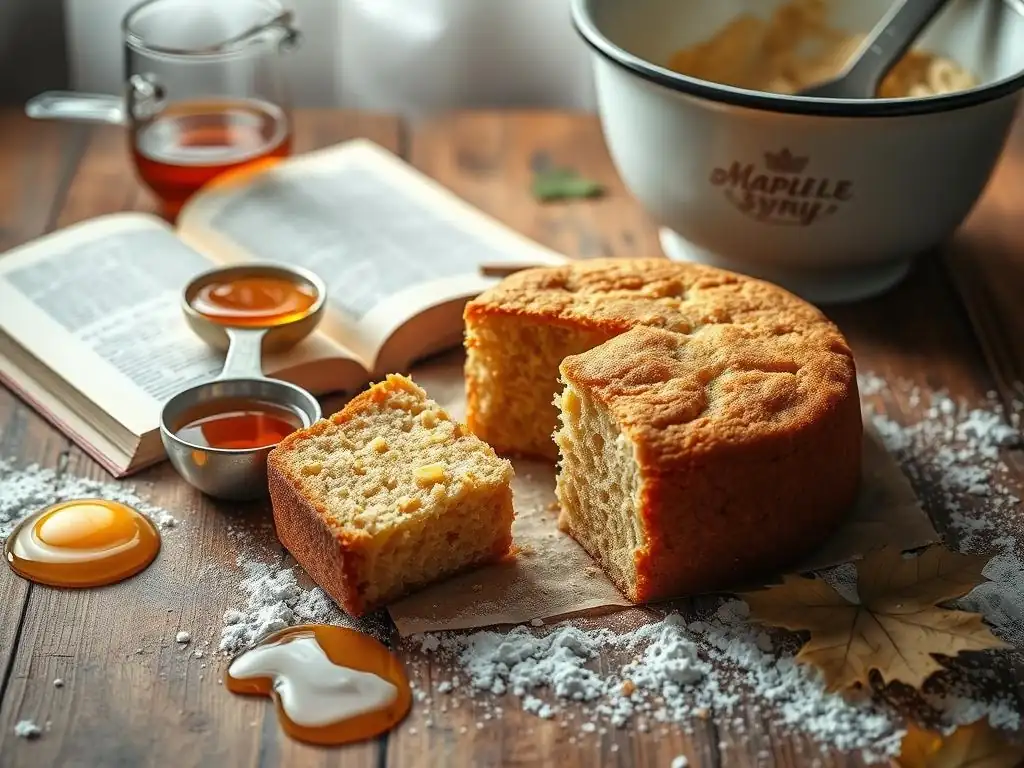
The most frequent issue when first using a maple syrup baking substitution guide is getting the batter or dough consistency wrong. If your batter is too wet, it's almost certainly because you haven't reduced the other liquids enough to compensate for the liquid maple syrup. This results in cakes that sink in the middle, muffins that are gummy, or cookies that spread excessively and are thin and greasy.
If the batter seems too dry, it could be an overcompensation error, where you reduced the liquids too much. This is less common but can happen. It's also possible if the original recipe was already on the dry side. To fix a wet batter mid-process (though prevention is key), you can try adding a tablespoon or two of extra flour very carefully, mixing minimally. For a dry batter, a teaspoon or two of extra milk or yogurt might help, but significant adjustments mid-mix are difficult. Always double-check your liquid reduction calculation before mixing.
Over-Browning and Burning: Temperature Control Solutions
As mentioned earlier, maple syrup leads to faster browning. If your baked goods are consistently browning too much on the outside before the inside is cooked, the oven temperature is likely too high. The primary solution is to reduce the oven temperature by 25°F (15°C) from the original recipe's instruction.
If you've already reduced the temperature and still experience over-browning, especially around the edges or on the top, you can use aluminum foil. Loosely tenting the pan with foil about halfway or two-thirds of the way through the baking time can shield the surface and edges, slowing down the browning process while allowing the interior to continue cooking. Ensure the foil doesn't touch the batter or dough.
Maple Syrup Flavor Overpowering Other Ingredients: Balancing Flavors
Sometimes, particularly when using a dark, robust maple syrup grade, the maple flavor can become dominant and mask other intended flavors in the baked good, like vanilla, fruit, or chocolate. This is often a matter of personal preference and grade selection.
If you find the maple flavor too strong, try using a lighter grade of maple syrup (Grade A Golden Color Delicate Taste or Amber Color Rich Taste) in that specific recipe next time. Alternatively, you can use a blend of maple syrup and another sweetener (like brown sugar) to reduce the overall maple impact while still benefiting from some of its characteristics. Ensure your other flavorings, like vanilla extract or spices, are fresh and potent enough to stand up to the maple notes.
High-Quality Maple Syrup Recommendations for Baking Success
Grade A Golden Color Delicate Taste: Ideal for Light-Flavored Baked Goods
This grade of maple syrup is the lightest in color and has the most subtle, delicate maple flavor. It's perfect for baking where you want sweetness and moisture without a strong maple presence that might compete with other flavors. Think light vanilla cakes, fruit tarts, or delicate scones.
Product Recommendation: Runamok Maple Sugarmaker's Cut
Runamok Maple offers a Sugarmaker's Cut which often aligns with this delicate profile, providing a clean, sweet taste that enhances rather than dominates light baked goods.
Grade A Amber Color Rich Taste: Versatile for a Wide Range of Recipes
Amber Color Rich Taste is the most popular grade for general use and is highly versatile in baking. It has a more pronounced maple flavor than Golden but isn't as intense as the darker grades. It works well in a broad spectrum of recipes, from muffins and quick breads to cookies and even some cakes.
Product Recommendation: Crown Maple Dark Color Robust Taste Organic Maple Syrup
While the name specifies "Dark Color Robust Taste," Crown Maple also produces an Amber Rich Taste organic syrup that is excellent. Their organic practices ensure a pure product, and the Amber grade offers a balanced maple flavor suitable for many baking applications.
Grade A Dark Color Robust Taste: Best for Strong Flavors and Dark Breads
This grade has a deeper color and a noticeably stronger, more caramelized maple flavor. It's the go-to choice when you want the maple flavor to be a prominent element in the baked good. It pairs wonderfully with chocolate, spices, nuts, and whole grains. Use it in gingerbread, chocolate chip cookies, brownies, or hearty whole wheat breads.
Product Recommendation: Anderson's Maple Syrup Dark Robust Taste
Anderson's Maple Syrup provides a reliable and flavorful Dark Robust Taste syrup. Its strong profile makes it ideal for recipes where the maple flavor is intended to stand out against other bold ingredients.
Maple Sugar: A Dry Sugar Alternative for Baking
Maple sugar is granulated maple syrup, offering the flavor of maple in a dry form. It can often be substituted 1:1 by weight for granulated sugar in recipes, making it simpler to use than liquid maple syrup as it doesn't require liquid adjustments. It provides a pure maple flavor.
Product Recommendation: Hoosier Hill Farm Maple Sugar
Hoosier Hill Farm offers pure maple sugar that can be used as a direct substitute for granulated sugar in many baking applications, adding maple flavor without changing the moisture balance.
Advanced Maple Syrup Baking Techniques for the Expert Baker
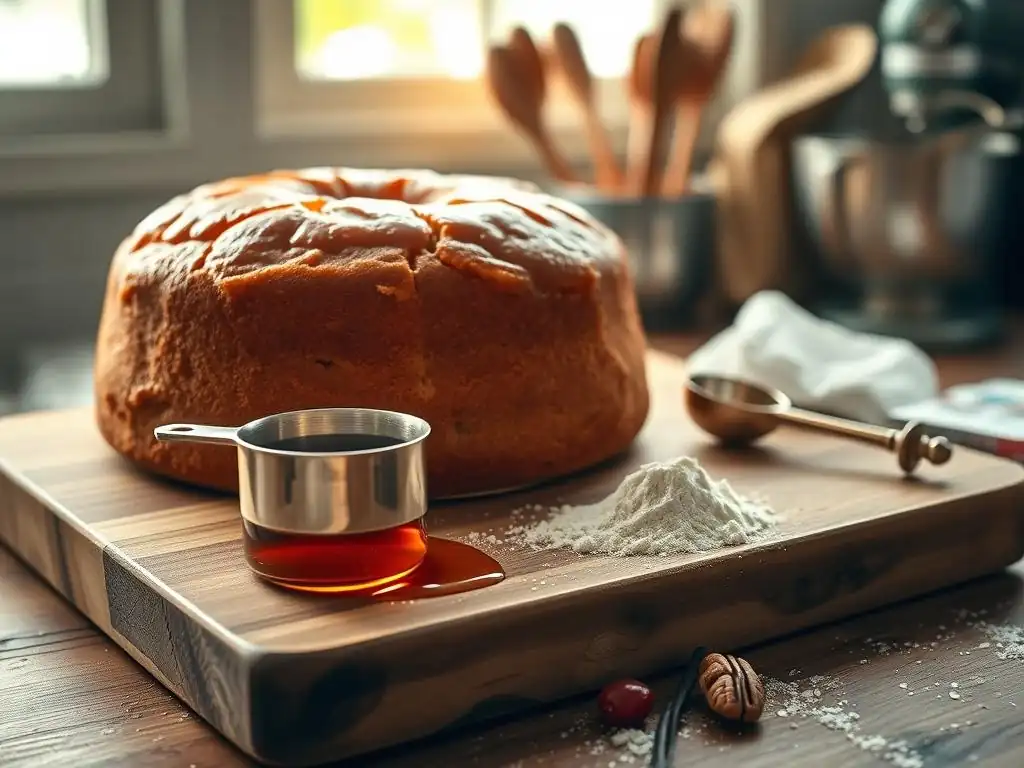
Making Maple Candied Nuts: A Sweet and Crunchy Topping
Maple syrup is excellent for candying nuts, creating a sweet, crunchy topping or snack. This process involves heating maple syrup (often with a little butter, salt, or spices) to a specific temperature, then coating nuts and letting them cool and harden.
Recipe: Maple Roasted Pecans using Diamond of California Pecan Halves
To make Maple Roasted Pecans: Toss 2 cups of Diamond of California Pecan Halves with 1/4 cup Grade A Dark Color Robust Taste Maple Syrup, 1 tablespoon melted butter, a pinch of salt, and 1/2 teaspoon cinnamon. Spread on a baking sheet lined with parchment paper. Roast at 300°F (150°C) for 15-20 minutes, stirring halfway, until fragrant and coated. Let cool completely on the sheet; they will crisp as they cool. These are fantastic on salads, yogurt, or as a topping for maple-sweetened cakes or muffins.
Creating Maple Glazes and Icings: Adding a Finishing Touch
Maple syrup is a natural base for simple glazes and icings, adding flavor and a beautiful sheen to baked goods. A basic maple glaze can be made by whisking maple syrup with powdered sugar until smooth. The consistency can be adjusted by adding more syrup (for a thinner glaze) or more powdered sugar (for a thicker icing).
Tip: Use a Balloon Whisk for a Smooth and Glossy Maple Glaze
When making a maple glaze or icing, using a balloon whisk is highly effective for incorporating the powdered sugar into the maple syrup and achieving a smooth, lump-free consistency. The multiple wires help break up clumps of powdered sugar and aerate the mixture slightly, resulting in a glossier finish. Start with a small amount of maple syrup and gradually add powdered sugar until the desired thickness is reached.
Experimenting with Maple-Infused Extracts and Flavors
Beyond pure maple syrup and maple extract, you can explore other maple-flavored products to enhance your baking. Maple flavorings, while sometimes artificial, can provide a strong maple note without adding significant liquid or sugar, useful when precise recipe chemistry is critical.
Product: LorAnn Oils Maple Flavor
LorAnn Oils offers concentrated maple flavorings that are often stronger than extracts. These can be used sparingly (often just a few drops) to boost the maple taste in batters, frostings, or even candy making, providing a pure flavor without the sweetness or liquid of syrup.
Conclusion: Elevate Your Baking with the Magic of Maple Syrup.
Frequently Asked Questions
What is the primary benefit of using maple syrup as a sugar substitute in baking?
Maple syrup offers a unique flavor profile and adds moisture to baked goods, resulting in a softer texture and distinct taste. It also provides some beneficial minerals.
How does the liquid nature of maple syrup affect baking recipes?
You need to reduce other liquids in the recipe to compensate for the added moisture from the maple syrup. A general rule is to reduce the liquid by approximately 1/4 cup for every 1 cup of maple syrup.
Can I substitute maple syrup for all types of sugar in baking?
While maple syrup can replace many sugars, it works best in recipes where its flavor complements the other ingredients. It may not be suitable for recipes requiring the structural properties of granulated sugar.
What is the best type of maple syrup to use for baking?
Generally, darker grades of maple syrup, such as Grade A Dark Color, Robust Taste (formerly Grade B), offer a more intense maple flavor that stands out in baked goods. This is crucial for flavor impact.
What adjustments should I make to the oven temperature when baking with maple syrup?
Maple syrup can cause baked goods to brown more quickly. It's recommended to lower the oven temperature by 25 degrees Fahrenheit and monitor the baking process closely to prevent burning.
Final Reflection: The Sweetness of Adaptability in Baking
The versatility of maple syrup extends far beyond its delightful taste; it's a testament to the power of resourceful substitution in the culinary arts. This handbook has explored the myriad ways maple syrup can replace other sweeteners, showcasing its unique properties and potential in a wide range of baked goods. From cakes to cookies, and even savory applications, we've uncovered the secrets to successfully incorporating this natural sweetener into your baking repertoire.
The journey through this guide has highlighted not only the practical aspects of maple syrup substitution but also the deeper cultural significance of adapting recipes to suit available ingredients and personal preferences. Baking is an act of love, often improvised and always evolving.
This quote perfectly encapsulates the spirit of experimentation and adaptation that lies at the heart of successful baking. My own exploration of maple syrup's potential has been a testament to this, revealing unexpected flavor combinations and inspiring creative approaches to familiar recipes.
Now, it's your turn to embrace the sweetness of adaptability. Don't be afraid to experiment, to deviate from traditional recipes, and to discover the unique magic that maple syrup can bring to your baking. Consider the nuances of flavor, the texture variations, and the potential for creating truly unique and delicious treats. The next time you're faced with a missing ingredient, remember the lessons learned here and unlock the potential of maple syrup in your own kitchen. Let your baking journey be one of exploration, creativity, and delicious discovery.
Unlock the Sweetness: Your Maple Baking Journey Starts Now!
Thanks for exploring the delightful world of maple syrup baking with us! We hope you've discovered new ways to infuse your recipes with its unique, rich flavor. Ready to put your newfound knowledge into practice?
- Bake your first maple masterpiece! Choose your favorite recipe (or try one of the many we've suggested!) and substitute maple syrup for your usual sweetener. Let us know how it turns out!
- Share your sweet success: Post a picture of your creation on social media and tag us – we'd love to see your culinary adventures!
- Explore the maple syrup aisle! Discover the different grades and flavors available and experiment with them in your future baking projects.
What unique maple-infused treat will you create first?