
The Butter Factor: Why the Right Choice Can Transform Your Baking

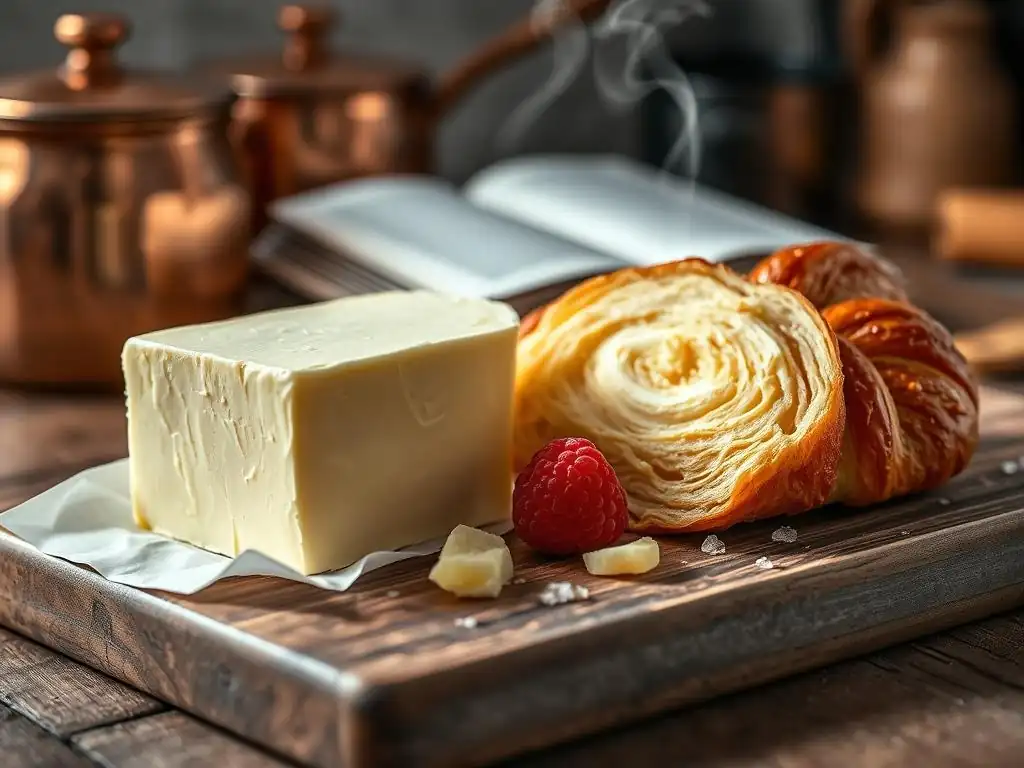
Welcome to BakeWithEase, your guide to unlocking baking brilliance!
Ever wondered how a simple ingredient can completely transform your creations? Dive into our latest exploration of premium baking ingredients and discover the butter baking flavor transformation. We'll reveal how choosing the right butter can elevate your pastries, breads, and cakes from ordinary to extraordinary. Intrigued? Keep reading to learn the secrets!
- Mastering Baking with Butter: A Guide to Flavor and Texture
- The Essential Role of Butter in Baking
- Exploring Different Types of Butter for Baking
- Butter Comparison: Finding the Best Butter for Your Needs
- Butterfat Content and its Impact on Baking
- Optimizing Butter Usage in Baking
- Specialty Butters for Baking: Expanding Your Flavor Palette
- Choosing the Right Butter for Baking Success
-
Frequently Asked Questions
- What exactly is meant by "butter baking flavor transformation"?
- Why does the type of butter matter so much in baking?
- How does browned butter contribute to flavor transformation in baking?
- Can salted butter be used in all baking recipes?
- What are some examples of how butter can transform a simple recipe?
- Final Reflection: The Enduring Power of Butter in Baking
- Unlock Your Baking Potential: Master the Butter Factor!
Mastering Baking with Butter: A Guide to Flavor and Texture
The Essential Role of Butter in Baking
Why Butter is More Than Just Fat in Baking
Butter is a cornerstone ingredient in countless baking recipes, far exceeding the simple function of adding fat. It's a complex mixture of fat, water, and milk solids, and its unique composition is what makes it so crucial. When you cream butter and sugar, you're not just mixing; you're incorporating air into the fat matrix. This trapped air expands during baking, contributing significantly to leavening and creating light, tender textures in cakes and cookies.
Beyond leavening, butter's fat coats flour particles, inhibiting gluten development. This results in baked goods that are tender and crumbly, rather than tough and chewy. Think of a flaky pie crust or a delicate scone – much of that desirable texture is thanks to butter's interaction with flour.
Furthermore, butter contributes significantly to the structure and stability of baked goods. As it melts during baking, the water evaporates, creating steam that helps lift layers in pastries like croissants or puff pastry. The fat then coats the layers, preventing them from sticking together and ensuring that characteristic flakiness. Later, as the baked item cools, the fat solidifies, providing structure and helping the product hold its shape. This structural contribution, combined with its role in leavening and tenderness, makes butter an indispensable ingredient that goes far beyond merely adding richness.
Understanding Butter's Impact on Flavor and Texture
The transformative power of butter in baking is perhaps most evident in its profound impact on both flavor and texture. Butter contains volatile flavor compounds, primarily diacetyl, which impart that signature rich, slightly tangy, and creamy taste we associate with delicious baked goods. As butter melts and browns during baking, these compounds develop further, creating even more complex, nutty, and caramelized notes that are impossible to replicate with shortening or oil. This butter baking flavor transformation is a key reason why recipes calling for butter often yield results with a superior taste profile.
Texture is equally influenced by butter. Its melting point determines how it behaves during baking – whether it melts quickly to create steam for flakiness or gradually melts and spreads for chewiness. In cookies, for instance, using melted butter often results in chewier cookies because the fat coats the flour more thoroughly, reducing gluten development and promoting spread.
Creaming softened butter, on the other hand, incorporates air and leads to cookies that are lighter and more cake-like. In pastries, cold, solid butter cut into flour creates pockets of fat that melt and produce steam, lifting layers and resulting in extraordinary flakiness. The type of butter, its temperature, and how it's incorporated all play vital roles in achieving the desired texture.
Exploring Different Types of Butter for Baking
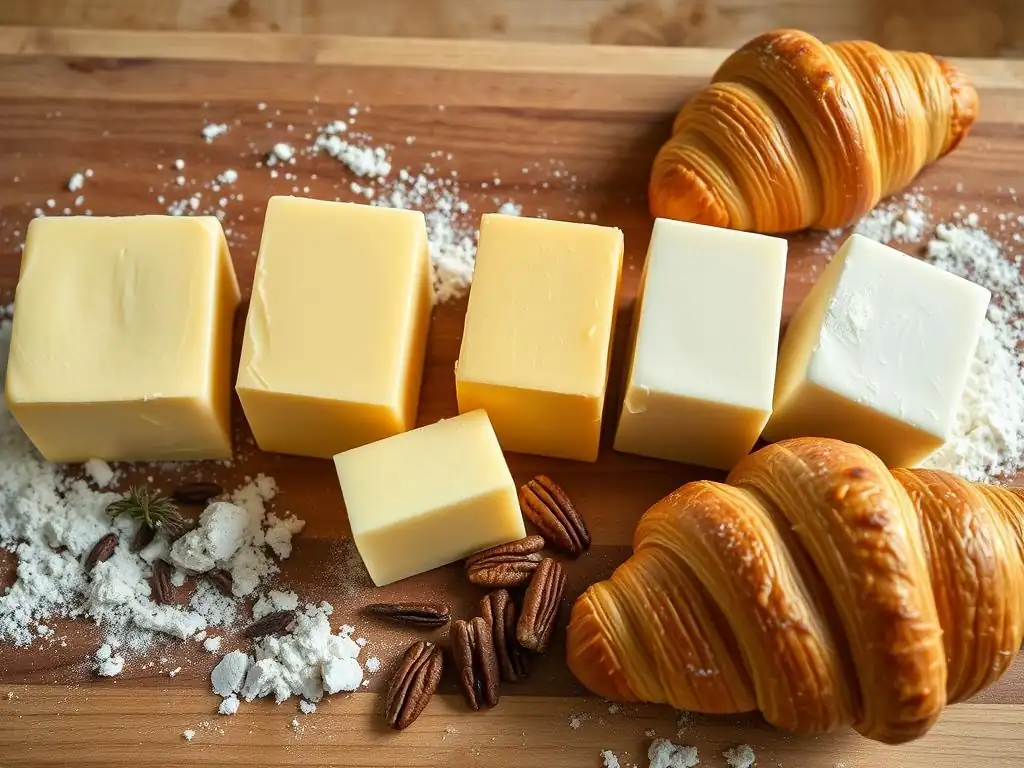
How Different Butters Affect Your Baked Goods
Not all butter is created equal, and the subtle differences between types can lead to noticeable variations in your baked goods. The primary distinctions lie in butterfat content, water content, and whether salt is added. Higher butterfat content, typically found in European-style butters, means less water.
Less water can lead to flakier pastries because there's less moisture to activate gluten development and more fat to create steam pockets. It also contributes to a richer mouthfeel. Conversely, butters with lower butterfat and higher water content, common in standard American butter, can sometimes result in slightly tougher textures if not handled correctly, but they are often preferred for recipes where spread is desired, like certain cookies.
Beyond fat and water, the presence of salt dramatically impacts flavor. Unsalted butter is the standard for most baking recipes because it gives the baker control over the total salt content in the finished product. Salted butter contains added salt, which varies by brand (typically 1.5% to 2.5% salt by weight).
Using salted butter introduces an unknown variable of saltiness, which can throw off the delicate balance of flavors in a recipe, especially in sweet baked goods. While it can be used in a pinch by adjusting added salt, unsalted butter is generally recommended for consistency and optimal flavor control, ensuring the true butter baking flavor transformation shines through without being overshadowed by excessive saltiness.
Decoding Butter Types: Salted vs. Unsalted, European vs. American
The most common distinction encountered by bakers is between salted and unsalted butter. As mentioned, unsalted butter offers precision, allowing you to add the exact amount of salt specified in a recipe. This is crucial because salt enhances other flavors, including sweetness, and too much or too little can significantly alter the intended taste profile. Salted butter, while convenient for spreading on toast, is less ideal for baking due to the variable salt content and the fact that the salt can mask the subtle, nuanced flavors that butter develops during baking.
Another significant classification is European-style versus American butter. The key difference is butterfat content. Standard American butter typically contains around 80% butterfat and about 18% water. European-style butter, on the other hand, is churned longer, resulting in a higher butterfat content, usually between 82% and 86%, and consequently less water. This higher fat percentage not only contributes to a richer flavor and creamier texture but also makes it superior for pastries where flakiness is paramount, as the lower water content inhibits gluten formation and allows for more distinct layers.
Butter Comparison: Finding the Best Butter for Your Needs
European-Style Butter: Richness and Flavor
European-style butter is celebrated for its luxurious texture and pronounced dairy flavor, largely thanks to its higher butterfat content (82-86%) compared to standard American butter (around 80%). This extra fat contributes to a richer taste and a creamier mouthfeel in baked goods. The lower water content also means it behaves differently in doughs and batters, often resulting in flakier pastries and more tender cakes. Many European-style butters are also cultured, meaning beneficial bacteria are added to the cream before churning, which develops a slightly tangy, complex flavor profile that adds another layer of depth to baking.
Using European-style butter can significantly enhance the flavor transformation in baking. Its inherent richness and sometimes cultured notes provide a more complex base flavor than standard butter. When used in recipes like croissants, puff pastry, or brioche, the higher fat content creates superior lamination and a wonderfully flaky texture, while the flavor adds a sophisticated dimension. Even in simple cookies or cakes, the difference in richness is often discernible, elevating the overall taste experience.
Case Study: Kerrygold Butter - Enhancing Flavor in Pastries and Cakes
Kerrygold is a widely recognized brand of Irish butter, known for its golden color and rich flavor, attributed to cows grazing on nutrient-rich grass. This butter is a prime example of European-style quality, typically containing 82% butterfat. Bakers often reach for Kerrygold when they want to ensure a pronounced buttery flavor and excellent texture in their creations. For instance, using Kerrygold in a pound cake can result in a moister crumb and a deeper, more satisfying flavor compared to using a standard 80% butterfat butter.
In pastries like croissants or puff pastry, the higher fat content of Kerrygold facilitates better lamination. The solid fat melts slower, creating more steam and distinct layers. A side-by-side comparison of croissants made with standard butter versus Kerrygold often reveals the latter having a flakier texture and a richer, more complex butter flavor. This demonstrates Kerrygold's ability to contribute significantly to the desired butter baking flavor transformation and textural quality in demanding recipes.
Kerrygold Butter Price and Availability
Kerrygold butter is widely available in most major supermarkets across the United States and Europe. It is typically found in the dairy aisle alongside other butters. Price-wise, Kerrygold is considered a premium butter and is generally more expensive than standard American butter. A 1/2 pound (8 oz) package might range from approximately $4 to $6, while a 1-pound package could cost between $7 and $10, depending on the retailer and location. It's often sold in both salted and unsalted varieties, though unsalted is preferred for most baking applications.
Availability is generally good, though specific package sizes or salted/unsalted options might vary by store. Many larger retailers and specialty food stores stock Kerrygold consistently. Its popularity makes it one of the most accessible European-style butters for home bakers looking to upgrade their ingredients and experience the benefits of higher butterfat.
American Butter: Versatility and Reliability
Standard American butter, typically containing around 80% butterfat and 18% water, is the workhorse of the baking world. It's widely available, consistently priced, and performs reliably in a vast range of recipes. While it has a slightly lower fat content than European-style butter, it still provides essential fat for tenderness, structure, and flavor. Its higher water content can sometimes make it less ideal for extremely flaky pastries, but it works wonderfully in cookies, cakes, muffins, quick breads, and frostings.
The reliability of American butter makes it a go-to for everyday baking. Recipes developed in the US are often formulated specifically for this butterfat level. It creams beautifully with sugar, incorporates well into batters, and provides a familiar, comforting butter flavor. While it may not offer the intense richness of a high-fat European butter or the tang of a cultured butter, its consistent performance and neutral flavor profile make it incredibly versatile and a staple in most kitchens.
Case Study: Challenge Butter - A Go-To for Cookies and Quick Breads
Challenge Dairy is a prominent American butter brand, known for its standard 80% butterfat butter. It's a popular choice for home bakers due to its consistent quality and widespread availability. Challenge butter performs exceptionally well in recipes like chocolate chip cookies or banana bread. In cookies, it contributes to spread and chewiness, typical characteristics desired in many American cookie recipes. When creamed with sugar, it creates a stable base for cakes and quick breads, helping with leavening and tenderizing the crumb.
Using Challenge butter in a classic chocolate chip cookie recipe, for example, yields predictable results: cookies that spread nicely, have slightly crispy edges, and a chewy center, with a pleasant, straightforward butter flavor. This is a testament to its reliability as a standard baking ingredient. While a higher-fat butter might change the texture slightly (less spread, perhaps more cakey), Challenge provides the expected outcome for countless beloved recipes, showcasing the dependable butter baking flavor transformation achievable with standard butter.
Challenge Butter Price and Availability
Challenge butter is one of the most readily available butter brands in the United States, found in virtually every supermarket. It is typically priced affordably, falling within the standard range for American butter. A 1-pound package (four sticks) of Challenge butter usually costs between $4 and $7, depending on the store, promotions, and location. It is available in both salted and unsalted varieties, as well as different forms like sticks, tubs, and whipped.
Its widespread distribution and competitive pricing make Challenge butter a convenient and economical choice for daily baking needs. It's a reliable option that delivers consistent results for a wide array of baked goods, reinforcing its status as a staple in the American baking landscape.
Brown Butter: Elevating Flavor Through Transformation
Brown butter, also known as beurre noisette (hazelnut butter) in French, is not a type of butter itself but rather a product of heating unsalted butter until the milk solids toast and turn brown. This process is a dramatic butter baking flavor transformation, taking simple butter and developing deep, nutty, and caramelized notes. The water evaporates during heating, leaving behind pure butterfat and toasted milk solids, which are the source of the rich, complex flavor.
The flavor profile of brown butter is far more intense and complex than melted butter. It adds a layer of sophistication to baked goods, introducing hints of caramel, toasted nuts, and toffee. This makes it particularly excellent in recipes where butter flavor is central, like financiers, madeleines, or certain cookies and blondies. Using brown butter requires careful attention during preparation, as the milk solids can burn quickly, but the resulting depth of flavor is well worth the effort.
How to Make Brown Butter for Intense Depth of Flavor
Making brown butter is a simple process but requires vigilance. Start with unsalted butter, as the salt in salted butter can interfere with the browning process and make it harder to gauge the color. Cut the butter into pieces to help it melt evenly. Place the butter in a light-colored saucepan (a light pan helps you see the color change) over medium heat. The butter will first melt, then foam as the water evaporates. Swirl or stir frequently.
After the foaming subsides, you'll start to see small brown bits forming at the bottom of the pan. These are the milk solids browning. Continue to cook, swirling constantly, until the milk solids are a deep golden brown and the butterfat is amber-colored. You'll smell a distinct nutty aroma. Immediately remove the pan from the heat and pour the brown butter, including the browned bits, into a heatproof container to stop the cooking process. Be careful not to overcook, as the solids can quickly go from brown to burnt.
Recipe Idea: Brown Butter Blondies with Toasted Pecans
### Brown Butter Blondies with Toasted Pecans

Yields: 16 servings
Prep time: 15 minutes
Bake time: 25-30 minutes

**Ingredients:**

*   1 cup (2 sticks) unsalted butter, browned and slightly cooled
*   1 3/4 cups all-purpose flour
*   1 tsp baking powder
*   1/2 tsp salt
*   1 1/2 cups packed light brown sugar
*   2 large eggs
*   1 tsp vanilla extract
*   1 cup chopped pecans, toasted

**Instructions:**

1.  Preheat oven to 350°F (175°C). Grease and flour a 9x13 inch baking pan.
2.  In a medium bowl, whisk together flour, baking powder, and salt.
3.  In a large bowl, whisk together the cooled brown butter and brown sugar until smooth.
4.  Whisk in the eggs one at a time, then stir in the vanilla extract.
5.  Add the dry ingredients to the wet ingredients and mix until just combined. Do not overmix.
6.  Fold in the toasted pecans.
7.  Spread the batter evenly into the prepared pan.
8.  Bake for 25-30 minutes, or until a toothpick inserted into the center comes out with moist crumbs attached. The edges should be lightly golden.
9.  Let cool completely in the pan before cutting into squares.

Enjoy the deep, nutty flavor transformation from the brown butter!
Butterfat Content and its Impact on Baking
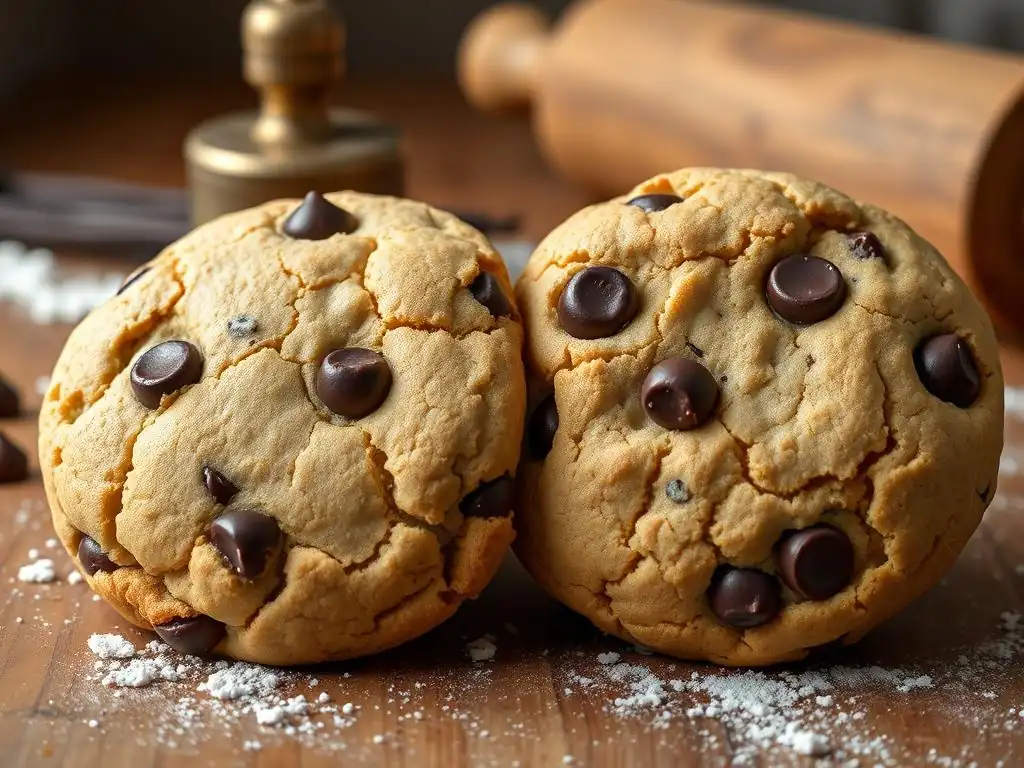
The Science of Butterfat: Texture, Moisture, and Flavor
Butterfat is the primary component of butter, making up 80-86% of its weight. This fat is crucial for baking science. It tenderizes baked goods by coating strands of gluten, preventing them from forming a strong, chewy network. The more butterfat, the more effectively it can tenderize. Fat also shortens the gluten strands, contributing to a tender, crumbly texture, particularly noticeable in pastries and shortbread.
Beyond tenderness, butterfat influences moisture and spread. As butter melts during baking, the fat spreads, carrying flavor compounds throughout the product. It also helps retain moisture, resulting in a richer, more succulent crumb. The melting point of butterfat affects how a baked good spreads; higher fat butters tend to spread less than lower fat butters when used cold in recipes like cookies, leading to thicker cookies. This interaction between butterfat and other ingredients dictates much of the final texture and mouthfeel.
High-Fat Butter vs. Low-Fat Butter: Choosing the Right One for Your Project
The choice between high-fat butter (like European-style, 82-86% fat) and lower-fat butter (like standard American, ~80% fat) depends heavily on the desired outcome for your specific baking project. For applications where flakiness and richness are paramount, such as croissants, puff pastry, pie crusts, or brioche, high-fat butter is generally superior. Its lower water content and higher fat content create better separation between layers, resulting in maximum lift and flakiness. The extra fat also contributes a more luxurious flavor and tender crumb.
For recipes where spread, tenderness, and a more neutral butter flavor are desired, or where the recipe was specifically developed with standard butter in mind, 80% butterfat butter is perfectly suitable and often preferred. Cookies, cakes, muffins, brownies, and frostings often perform beautifully with standard American butter. While you can substitute high-fat butter in many of these recipes, it might slightly alter the texture (e.g., less spread in cookies, a slightly different crumb in cakes). Understanding the goal of your recipe helps you make the best choice for a successful butter baking flavor transformation and texture.
Optimizing Butter Usage in Baking
Temperature Matters: Achieving Perfect Creaming
The temperature of your butter is one of the most critical factors in successful baking, particularly when recipes call for creaming butter and sugar. "Softened butter" doesn't mean melted or greasy; it means butter that is pliable and holds a slight indentation when pressed gently, typically around 65-68°F (18-20°C). At this temperature, butter has the ideal consistency to trap air bubbles when beaten with sugar. These tiny air pockets expand in the oven, contributing significantly to the leavening and creating a light, airy texture in cakes and cookies.
If butter is too cold, it won't cream properly with the sugar; the sugar crystals won't be able to cut into the butter effectively to create air pockets, resulting in a dense, heavy baked good. If butter is too warm or melted, it can't hold air at all. Creaming melted butter and sugar simply combines them without incorporating air, leading to flat, dense results. Achieving the correct softened temperature is essential for building structure and ensuring a desirable texture through the creaming method.
Clarified Butter (Ghee): Ideal for High-Heat Baking and Frying
Clarified butter, or ghee, is made by melting butter and simmering it gently to separate the water and milk solids from the butterfat. The milk solids are skimmed off or strained out, leaving behind pure butterfat. This process significantly raises the smoke point of the butterfat (to around 450-480°F or 230-250°C, compared to whole butter's 300-350°F or 150-175°C). This higher smoke point makes clarified butter ideal for high-heat applications like frying doughnuts, searing, or sautéing where whole butter would burn.
While not used in the same way as solid or softened butter in traditional baking methods like creaming, clarified butter can be useful. It can be brushed onto pastry layers for richness or used in specific recipes like some types of cookies or flatbreads where its liquid form and high smoke point are beneficial. Ghee, a type of clarified butter popular in Indian cuisine, is often simmered longer to develop a nutty flavor, adding another dimension when used in baking or cooking.
Salted Butter vs. Unsalted Butter: Balancing Flavor and Control
The debate between salted and unsalted butter in baking is often settled in favor of unsalted for reasons of control. Unsalted butter provides a neutral fat base, allowing the baker to precisely control the amount of salt in the recipe. This is crucial because salt plays a complex role in flavor – it enhances sweetness, balances richness, and can even temper bitterness. The amount of salt needed can vary greatly depending on the recipe, ingredients (like salted nuts or chocolate), and desired outcome.
Using salted butter introduces an unpredictable variable. The amount of salt in salted butter varies between brands, sometimes by a significant margin (from under 1.5% to over 2.5%). Substituting salted butter for unsalted means you are adding an unknown quantity of salt, which can easily lead to an overly salty or improperly balanced final product. For consistent, reliable results and the ability to fine-tune the flavor profile, sticking to unsalted butter and adding salt separately as directed by the recipe is the standard practice.
Specialty Butters for Baking: Expanding Your Flavor Palette
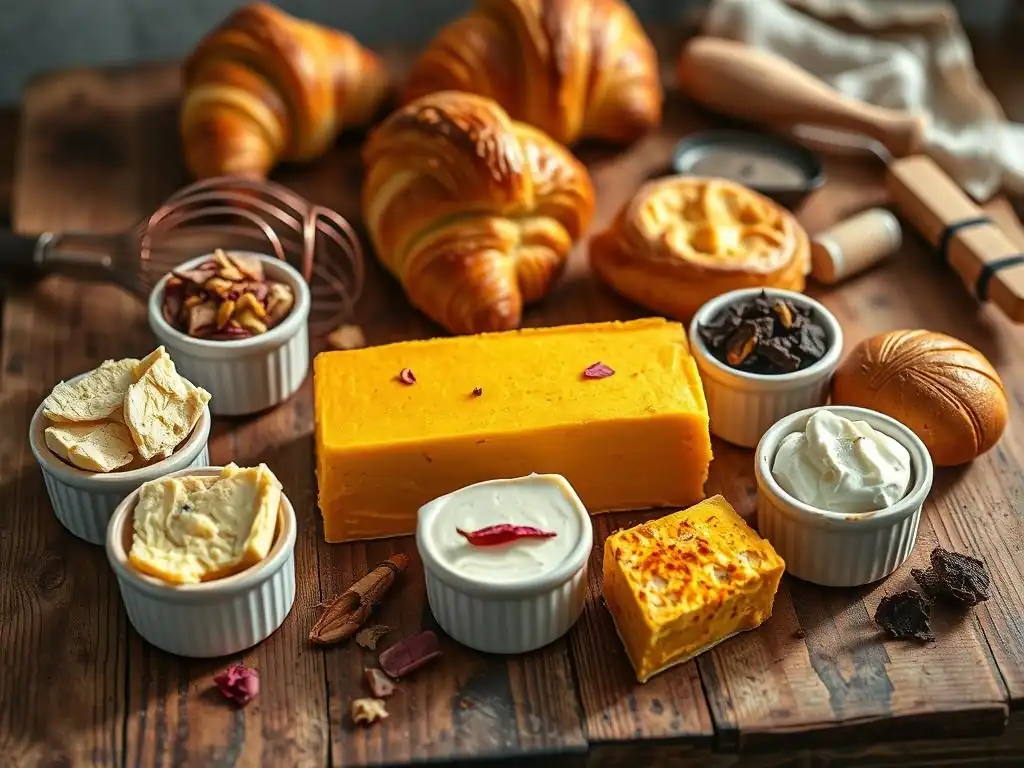
Cultured Butter: Tangy and Complex Flavor
Cultured butter is made from cream that has been fermented with bacterial cultures before churning, similar to how yogurt or sour cream is made. This fermentation process develops lactic acid, which gives the butter a distinct, slightly tangy flavor and a more complex aroma than sweet cream butter. It also often results in a higher butterfat content (typically 82% or higher) and a creamier texture. This unique flavor profile can add a wonderful dimension to baked goods, contributing to a more sophisticated butter baking flavor transformation.
The tangy notes of cultured butter pair particularly well with recipes that benefit from a slight acidity to balance sweetness or richness. It's excellent in pastries, scones, biscuits, and even certain cakes. The culture also subtly affects texture, sometimes contributing to a more tender crumb. While more expensive and less widely available than standard butter, cultured butter is a valuable ingredient for bakers looking to add depth and nuance to their creations.
Case Study: Straus Family Creamery Cultured Butter - Enriching Sourdough Baking
Straus Family Creamery is known for its organic dairy products, including a highly regarded cultured butter. This butter, with its high butterfat content and distinct tang from the culturing process, is a favorite among bakers, especially those working with sourdough. The inherent acidity of sourdough bread harmonizes beautifully with the slight tang of the cultured butter. Using Straus cultured butter in enriched sourdough doughs, like for brioche or dinner rolls, adds a layer of rich, complex flavor and contributes to a tender crumb.
Beyond enriched doughs, simply serving warm sourdough bread with Straus cultured butter highlights the wonderful flavor pairing. The butter's creamy texture and tangy notes complement the crusty exterior and slightly sour interior of the bread perfectly. This showcases how a specialty butter can elevate even the simplest serving, demonstrating a specific instance of enhanced flavor transformation in baking and its enjoyment.
Straus Family Creamery Cultured Butter Price and Availability
Straus Family Creamery products, including their cultured butter, are primarily available on the West Coast of the United States, though their distribution is expanding. You can find their products in natural food stores, co-ops, and many mainstream supermarkets in their service area. Straus cultured butter is a premium product, and its price reflects this. A 1-pound package might cost approximately $8 to $12, placing it in the higher price range for butter.
Availability can be more limited outside of their main distribution region compared to national brands. It's best to check the Straus Family Creamery website for a store locator or look for it in stores that prioritize organic and artisanal dairy products. Despite potentially higher cost and limited availability, many bakers seek it out for its quality and unique flavor contribution.
Browned Butter Solids: Concentrated Flavor in Powder Form
When you make brown butter, the milk solids that settle at the bottom and turn brown are packed with intense, nutty, caramelized flavor. While often included in the brown butter itself, these solids can also be strained out and used separately, or butter can be browned specifically to isolate these solids. These browned milk solids are essentially concentrated flavor bombs. They can be used in various ways to add a deep, complex flavor profile without adding significant moisture or fat in liquid form.
These solids can be crumbled into cookie doughs, sprinkled over roasted vegetables, incorporated into frostings, or even ground into a fine powder. Because they are pure flavor derived from the maillard reaction during browning, they offer a unique way to add that desirable nutty, toasted butter flavor to baked goods, contributing to a distinct butter baking flavor transformation in the final product. Using the solids allows for more control over texture compared to using liquid brown butter.
Recipe Idea: Browned Butter Sugar Cookies with a Hint of Cardamom
### Browned Butter Sugar Cookies with a Hint of Cardamom

Yields: About 24 cookies
Prep time: 20 minutes + chilling
Bake time: 10-12 minutes

**Ingredients:**

*   1 cup (2 sticks) unsalted butter, browned and solids reserved (discard or save the liquid fat for another use, or use it here if preferred)
*   1 1/2 cups granulated sugar
*   2 large eggs
*   1 tsp vanilla extract
*   2 3/4 cups all-purpose flour
*   1 tsp baking powder
*   1/2 tsp salt
*   1/4 tsp ground cardamom
*   All of the browned butter solids

**Instructions:**

1.  Make brown butter and carefully strain out the browned solids. Let solids cool. Cream the cooled browned butter solids with granulated sugar in a large bowl until well combined.
2.  Beat in the eggs one at a time, then stir in the vanilla extract.
3.  In a medium bowl, whisk together flour, baking powder, salt, and cardamom.
4.  Gradually add the dry ingredients to the wet ingredients, mixing until just combined. The dough will be stiff.
5.  Divide dough in half, shape into discs, wrap in plastic wrap, and chill for at least 1 hour.
6.  Preheat oven to 375°F (190°C). Line baking sheets with parchment paper.
7.  On a lightly floured surface, roll out dough to about 1/4 inch thickness. Cut into shapes using cookie cutters.
8.  Place cookies 1 inch apart on prepared baking sheets.
9.  Bake for 10-12 minutes, or until edges are lightly golden.
10. Let cool on baking sheets for a few minutes before transferring to a wire rack to cool completely.

These cookies feature the intense nutty flavor of the browned butter solids, enhanced by the subtle warmth of cardamom.
Choosing the Right Butter for Baking Success
Quick Guide: Butter Recommendations for Various Baking Projects
Selecting the right butter can make a noticeable difference in your baking results. Here is a quick guide to help you choose:
- Flaky Pastries (Croissants, Puff Pastry, Pie Crust): High-fat European-style unsalted butter (82%+ butterfat) is ideal for maximum flakiness and richness.
- Cakes, Muffins, Quick Breads: Standard unsalted American butter (around 80% butterfat) works reliably and is often what recipes are designed for. High-fat butter can also be used for added richness.
- Cookies (Chewy): Melted standard unsalted American butter often promotes spread and chewiness.
- Cookies (Cakey or Structured): Creamed softened standard unsalted American butter is best for incorporating air and limiting spread. High-fat butter can result in less spread and a slightly thicker cookie.
- Brownies: Standard unsalted American butter (melted or creamed depending on desired texture) is common. Brown butter adds a wonderful nutty depth.
- Frostings & Buttercreams: Softened unsalted butter is crucial for proper emulsification and texture. Standard American butter is common, but higher-fat butter can result in a smoother, richer frosting.
- Scones & Biscuits: Cold, cubed unsalted butter (standard or European-style) cut into the flour creates flakiness. Cultured butter adds a nice tang.
- Financiers & Madeleines: Brown butter is traditionally used to give these French treats their signature nutty flavor.
Remember that using unsalted butter gives you control over the salt content, allowing for the best flavor balance and enabling the true butter baking flavor transformation to shine.
Where to Buy Quality Butters: Online and Local Resources
Accessing quality butter is key to elevating your baking. Most standard American butters like Challenge, Land O'Lakes, or store brands are readily available in the dairy aisle of virtually all supermarkets. For European-style butters or specialty butters, your options expand.
Major supermarkets often carry popular European-style brands like Kerrygold, Plugrá (an American brand with 82% butterfat), and sometimes brands like President or Lurpak. Natural food stores, specialty grocery stores, and co-ops are excellent resources for a wider variety, including organic butters, grass-fed options, and cultured butters from smaller dairies like Straus Family Creamery or Vermont Creamery.
Online retailers specializing in gourmet foods or baking ingredients also offer a selection of harder-to-find butters, though shipping cold items can add to the cost. Checking local farmers' markets or dairy farms directly can sometimes yield exceptional quality artisanal butters specific to your region.
Frequently Asked Questions
What exactly is meant by "butter baking flavor transformation"?
It refers to how different types and preparations of butter can significantly impact the final flavor of your baked goods. Choosing the right butter can elevate your recipes.
Why does the type of butter matter so much in baking?
Different butters contain varying levels of butterfat, water content, and added salt. These variations directly affect the texture, moisture, and taste of your baked goods.
How does browned butter contribute to flavor transformation in baking?
Browning butter creates a nutty, caramelized flavor that adds depth and complexity to recipes. This process significantly enhances the overall taste profile, making it richer and more intense.
Can salted butter be used in all baking recipes?
While convenient, salted butter's salt content varies, potentially affecting the recipe's balance. It's generally better to use unsalted butter and add salt separately for precise control.
What are some examples of how butter can transform a simple recipe?
Using cultured butter in a simple shortbread recipe can add a tangy, complex flavor. Similarly, clarifying butter enhances the crispness and texture of pie crusts.
Final Reflection: The Enduring Power of Butter in Baking
The seemingly simple choice of butter profoundly impacts the final product, transforming a good bake into a truly exceptional one. This isn't just about achieving the perfect texture; it's about unlocking a symphony of flavor and aroma that elevates the entire baking experience. From the subtle nutty notes to the rich, creamy mouthfeel, the right butter makes all the difference.
The impact of butter on baking extends far beyond mere functionality; it's deeply intertwined with our cultural heritage and personal memories. The smell of freshly baked bread or cookies, often inextricably linked with butter's aroma, evokes powerful feelings of comfort, nostalgia, and home. As Julia Child famously said, Find something you're passionate about and keep tremendously interested in it.
For many, that passion is baking, and butter is an essential ingredient in that passion, a key to unlocking its full potential and creating lasting memories.
Now, consider your own baking journey. What kind of butter do you typically use? Have you experimented with different types to see how they affect the final product? I encourage you to explore the world of butter, to taste the subtle differences, and to discover the transformative power it holds. Don't just bake; experience the difference the right butter can make. Embrace the possibilities, and let the butter be your guide to unlocking the full potential of your baking.
Unlock Your Baking Potential: Master the Butter Factor!
Thanks for taking the time to explore the fascinating world of butter and its impact on your baking! You've now learned how choosing the right butter can elevate your creations. Ready to put your newfound knowledge into practice?
- Bake a test batch: Try a recipe you already know well, substituting your chosen butter type. Note the texture, taste, and overall improvement. This is your chance to discover the difference firsthand!
- Share your baking triumph (or even your experiments!) with our community on social media. Use the hashtag #BakeWithEaseButter.
- Dive deeper: Explore our other articles on baking techniques and ingredient selection to further enhance your skills!
What unique butter-based treat will you bake next, and what delightful results do you anticipate?