
The Butter Bible for Bakers: Our Comprehensive Taste Test & Comparison

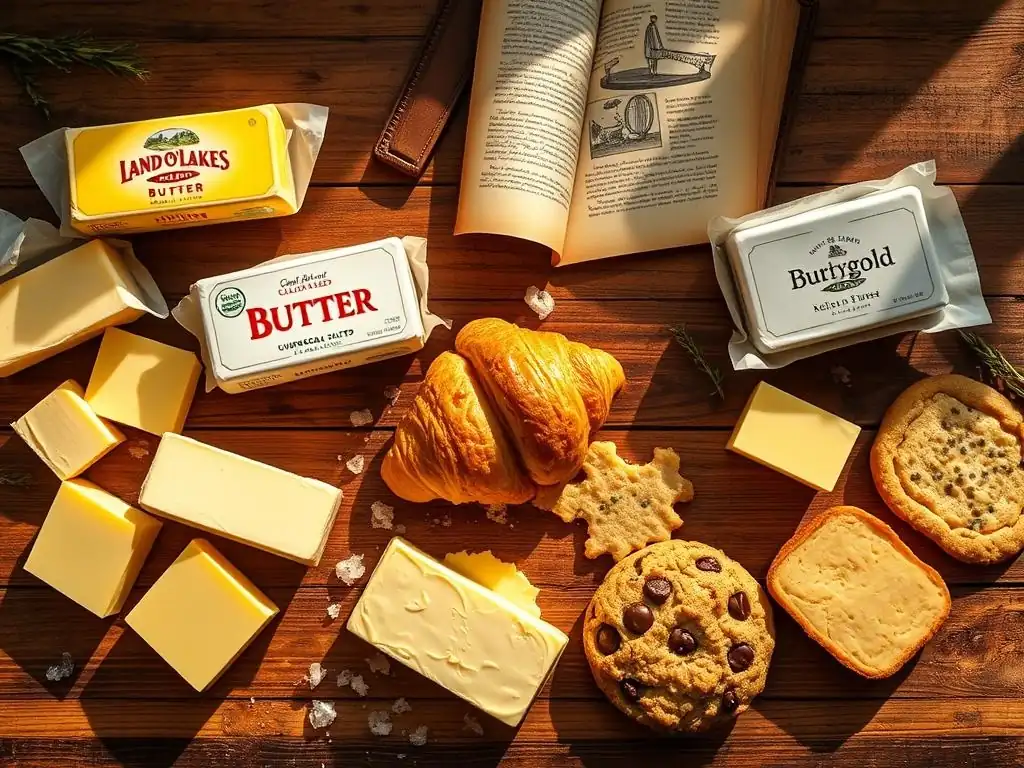
Welcome to BakeWithEase, your trusted companion in the world of baking! Ever wondered if all butter is created equal? Prepare to uncover the secrets in our latest article, "The Butter Bible for Bakers: Our Comprehensive Taste Test & Comparison." Dive deep into the creamy depths and discover the best butter for baking recipes, unlocking a whole new level of flavor and texture in your creations. Curious to know which brand reigned supreme? Let's get baking!
- Finding the Best Butter for Baking Recipes: An In-Depth Guide
- Our Taste Test Methodology: How We Determined the Best Butters
- The Contenders: A Detailed Look at the Best Butters for Baking
- Butter Comparison Chart: At a Glance
- Baking Recipes and Butter Pairings: Maximize Your Baking
- Alternatives to Butter in Baking: When to Use and What to Choose
- Tips for Using Butter in Baking: Expert Advice
- Conclusion: Our Top Picks for the Best Butter for Baking Recipes
-
Frequently Asked Questions
- What makes butter so crucial in baking recipes?
- What are the key differences between salted and unsalted butter for baking?
- Does the fat content of butter impact the final product?
- How does European-style butter differ from standard butter, and is it better for baking?
- Can I substitute margarine or other butter alternatives in baking recipes?
- Final Reflection: The Golden Standard of Baking
- Unleash Your Inner Pastry Chef: Take Your Baking to the Next Level!
Finding the Best Butter for Baking Recipes: An In-Depth Guide
Why Butter Matters: Elevating Your Baking with the Right Fat
Butter is more than just a fat in baking; it's a fundamental ingredient that dramatically influences the texture, flavor, and appearance of your final product. Its unique composition of fat, water, and milk solids interacts with other ingredients during mixing, creaming, and baking in ways that shortenings or oils simply cannot replicate. The fat coats flour particles, creating tenderness, while the water turns to steam, contributing to lift and flakiness in pastries.
The milk solids brown during baking, adding delicious depth of flavor and contributing to crust development. Understanding these roles highlights why choosing the best butter for baking recipes is a crucial step for any baker aiming for exceptional results.
Beyond its functional properties, butter is a primary source of flavor. The distinct taste of butter, whether sweet, nutty, or tangy, permeates your baked goods, becoming a key part of their overall appeal. Different types of butter, with varying fat contents and production methods, will impart different flavor profiles and behave differently under heat.
For instance, a higher fat butter often leads to more tender crumbs and flakier layers. Selecting the right butter can mean the difference between a good cookie and a truly unforgettable one, making the quest for the best baking butter a worthwhile endeavor for anyone serious about mastering their craft.
Understanding Butter Types: A Baker's Guide to Cultured, European, and More
When browsing the dairy aisle for the best butter for baking recipes, you'll encounter various labels like "sweet cream," "cultured," "European-style," and "unsalted." Sweet cream butter, the most common type in North America, is made from fresh cream churned into butter. Unsalted sweet cream butter is often preferred by bakers because it gives them complete control over the salt content in their recipes, which is essential for consistent results and preventing excessive browning or altering leavening agents.
European-style butter, often featuring a higher fat percentage (typically 82% compared to the standard 80% in regular butter), is churned longer or contains less water. This higher fat content contributes to richer flavor, more tender textures, and superior flakiness in pastries like croissants and pie crusts. Cultured butter, a type of European-style butter, is made from cream that has been fermented with bacterial cultures before churning.
This process develops a more complex, slightly tangy flavor profile reminiscent of buttermilk or yogurt, adding a sophisticated dimension to baked goods and making it a contender for the best butter for baking where flavor is paramount. Understanding these distinctions is key to selecting the ideal butter for your specific baking project.
Our Taste Test Methodology: How We Determined the Best Butters
Blind Taste Testing: Eliminating Bias in Our Butter Evaluation
To ensure an unbiased evaluation of flavor, we conducted a blind taste test of each butter on its own. Samples of each butter, brought to room temperature, were presented to our panel of bakers without revealing the brand or type. Each panelist tasted a small amount of each butter, noting its aroma, initial flavor, mouthfeel, and lingering aftertaste. This allowed us to assess the pure, unadulterated flavor profile of each butter, identifying nuances like sweetness, creaminess, tanginess, and richness without being influenced by brand perception or price.
The blind taste test focused solely on the intrinsic qualities of the butter's flavor. Panelists recorded their observations and rated each sample based on criteria such as intensity, complexity, cleanliness of flavor, and overall appeal. This initial step was crucial for identifying butters that offered exceptional taste, a key characteristic when determining the best butter for baking recipes, as butter flavor significantly impacts the final baked good.
Beyond flavor, the performance of butter in baked goods is paramount. We tested each butter in three classic recipes: chocolate chip cookies (assessing spread, texture, and browning), vanilla cake (evaluating crumb structure, moistness, and rise), and simple puff pastry (measuring flakiness and layers). Standardized recipes were used, with only the butter type varied, and all other ingredients and baking conditions kept constant.
For the chocolate chip cookies, we measured the diameter of spread, observed the texture (chewy vs. crispy edges, tender centers), and assessed the degree and evenness of browning. In the vanilla cake, we evaluated the height of the cake, the tenderness and openness of the crumb, and the overall moistness after cooling.
The puff pastry test focused on the number and distinctness of the layers, as well as the crispness and flakiness of the baked dough. These performance tests provided concrete data points to complement our flavor assessment and help us identify the best butter for baking recipes across different applications.
Key Factors Considered: Flavor, Texture, and Browning Capabilities
Our evaluation process synthesized findings from both the blind taste test and the baking performance metrics, focusing on three core factors: flavor, texture contribution, and browning capabilities. Flavor notes identified in the blind tasting were cross-referenced with how those flavors translated into the baked goods. For example, did a particularly rich butter maintain its intensity in a cake?
Texture analysis involved observing how each butter affected the crumb of the cake, the chewiness or crispness of cookies, and the flakiness of pastry. Butter's melting point and fat content play significant roles here. Finally, we assessed browning – how evenly and deeply each butter contributed to the golden crust of cookies and pastries, a result of the Maillard reaction involving the milk solids. By weighing these three factors together, we could form a holistic picture of each butter's strengths and weaknesses, guiding our recommendations for the best butter for baking recipes in various contexts.
The Contenders: A Detailed Look at the Best Butters for Baking
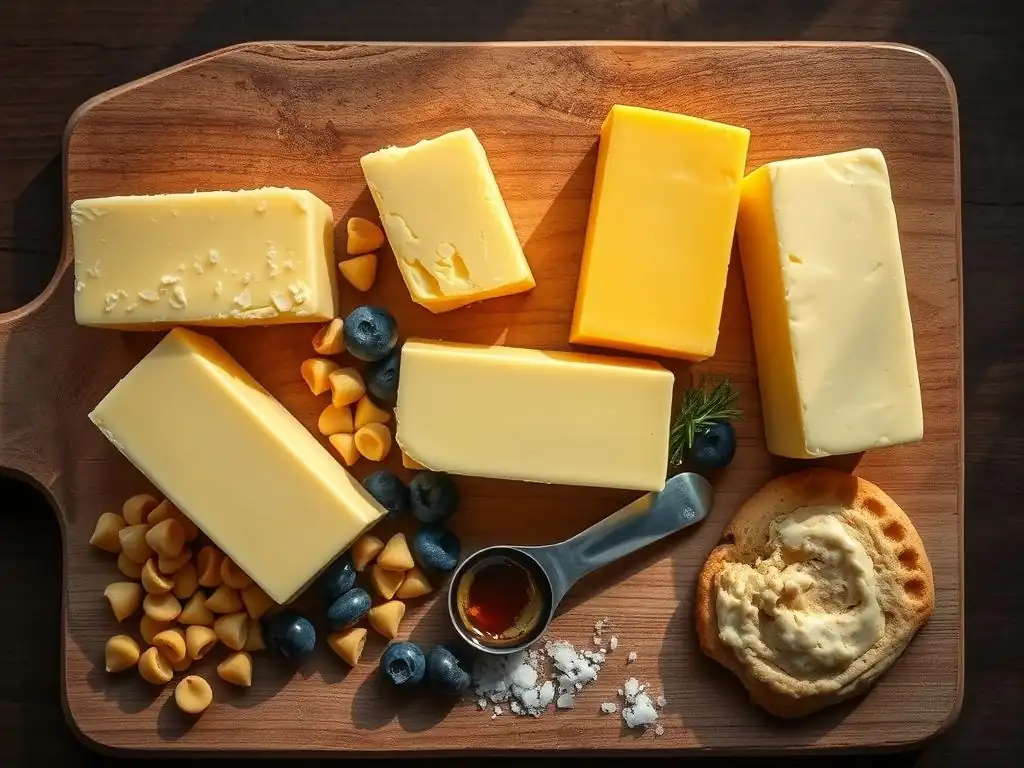
Land O'Lakes Unsalted Butter: The All-Around Workhorse for Baking
Land O'Lakes Unsalted Butter is a staple in many North American kitchens, widely available and consistently reliable. It's typically made from sweet cream and has a standard fat content around 80%. Its widespread availability and predictable performance make it a go-to for many bakers, especially when following recipes that assume a standard butter profile. It's often cited as a dependable choice for a variety of baked goods, from everyday cookies to cakes.
This butter is known for its consistent quality batch after batch, which is crucial for bakers who need repeatable results. Its neutral flavor profile doesn't overpower other ingredients, allowing the natural flavors of flour, sugar, and flavorings like vanilla or chocolate to shine. This makes it an excellent foundation for a vast range of baking projects, solidifying its reputation as a versatile and effective option when searching for the best butter for baking recipes that require a balanced fat.
Flavor Profile: A Balanced and Versatile Taste
Land O'Lakes Unsalted Butter offers a clean, relatively mild, and balanced sweet cream flavor. It's not intensely buttery or complex, but rather provides a pleasant, straightforward dairy taste that complements rather than competes with other ingredients. This neutrality is a significant advantage in recipes where you want the primary flavor to come from chocolate, fruit, or spices, making it a versatile choice.
During our blind taste test, panelists noted its clean finish and lack of off-flavors. While it might not win awards for its depth of character compared to cultured or high-fat European styles, its reliable, non-dominant flavor makes it an excellent canvas for a wide variety of baked goods. This makes it a strong contender for the title of best butter for baking recipes that benefit from a consistent, unobtrusive fat base.
Performance in Cookies: Chewy vs. Crispy?
In our chocolate chip cookie test, Land O'Lakes Unsalted Butter performed admirably, yielding cookies with a desirable balance of chewy centers and slightly crisp edges. The cookies spread moderately, resulting in a classic thickness. The browning was even and golden, contributing to both visual appeal and a pleasant caramelized flavor on the edges.
The standard fat content and water ratio of this butter contribute to this balanced texture. When creamed with sugar, it incorporates air effectively, which helps with lift and structure. Its melting characteristics during baking allow for sufficient spread without resulting in excessively thin or greasy cookies, making it a reliable choice for many cookie recipes, including those seeking the best butter for baking classic chocolate chip cookies.
Cake Results: Moistness and Texture Analysis
Using Land O'Lakes Unsalted Butter in our vanilla cake recipe produced a cake with a tender, relatively fine crumb and good overall moistness. The cake rose well, exhibiting an even dome. The crumb structure was consistent, holding together nicely without being dense or overly fragile.
The emulsifying properties of this butter, when creamed with sugar, help create a stable batter that bakes into a cake with a desirable texture. While a higher-fat butter might potentially yield a slightly more luxurious or tender crumb, Land O'Lakes provides a solid, reliable outcome that meets the expectations for a classic cake texture, proving its capability as a general-purpose butter for baking cakes.
Price Point and Availability
One of the major advantages of Land O'Lakes Unsalted Butter is its widespread availability across most supermarkets in North America. It is typically found in the dairy or baking aisle of virtually any grocery store. Its price point is generally mid-range, making it an accessible option for most home bakers.
A one-pound package (four sticks) typically falls within an affordable range, offering good value for its consistent quality and performance. This combination of accessibility and reasonable cost makes it a very practical choice for everyday baking needs and a popular option when considering the best butter for baking recipes on a regular basis.
Pros & Cons: A Quick Summary
- Pros:
- Excellent availability.
- Consistent quality batch-to-batch.
- Neutral flavor that works well in most recipes.
- Reliable performance in various baked goods.
- Mid-range, accessible price point.
- Cons:
- Flavor is less complex than cultured or European-style butters.
- Standard fat content (around 80%) means it won't produce quite the same flakiness as higher-fat options in certain pastries.
Kerrygold Irish Butter: The Rich and Creamy European-Style Option
Kerrygold Irish Butter is a well-loved European-style butter known for its vibrant golden color, creamy texture, and rich flavor. Made from the milk of grass-fed cows, it boasts a higher fat content, typically around 82%, which contributes significantly to its desirable baking properties and intense taste. Its reputation precedes it, often considered a premium choice for those seeking elevated flavor and texture in their baked goods.
This butter's higher fat percentage means it contains less water than standard butter, resulting in a firmer texture at room temperature and superior performance in recipes where fat structure is crucial, such as laminated doughs. The grass-fed diet of the cows is often credited with contributing to the butter's distinctive color and richer flavor profile, setting it apart as a strong contender for the best butter for baking recipes where richness is desired.
Flavor Profile: Intense Buttery Notes
Kerrygold Irish Butter delivers a noticeably richer, more intense buttery flavor compared to standard sweet cream butters. Panelists in our blind taste test described it as having a deep, almost nutty or caramel-like undertone, with a pronounced creaminess. Its flavor is more assertive, making it a star ingredient rather than just a background fat.
This rich flavor translates beautifully into baked goods, imparting a distinct, luxurious taste. While its strong flavor might slightly mask very delicate nuances in some recipes, it enhances the overall richness and depth in others, particularly those featuring ingredients like brown sugar, chocolate, or caramel. This intense flavor is a key reason why many bakers consider it among the best butter for baking when aiming for a rich, decadent result.
Performance in Pastries: Flakiness and Rise
Kerrygold's higher fat content makes it exceptional for pastries, particularly laminated doughs like croissants, puff pastry, and danishes. In our puff pastry test, it produced significantly more distinct, crisp, and airy layers compared to standard butter. The higher fat melts more slowly and evenly, creating better separation between dough layers.
The firmer texture of Kerrygold at cool temperatures also makes it easier to work with when folding into dough for lamination. This superior handling and melting characteristic directly results in enhanced flakiness and a higher rise in pastry applications. If your baking goals involve achieving perfect, airy layers, Kerrygold is undoubtedly one of the best butter for baking pastries.
Cake Results: Dense and Flavorful
When used in our vanilla cake test, Kerrygold Irish Butter produced a cake with a slightly denser, yet incredibly moist and tender crumb. The higher fat content contributes to a luxurious mouthfeel and helps keep the cake moist over time. The rich buttery flavor was noticeable in the finished cake, adding depth that wasn't present with standard butter.
While some might prefer a lighter, airier crumb achievable with lower-fat butter, the density provided by Kerrygold is desirable in certain cake styles, such as pound cakes or butter cakes, where a close, moist crumb is traditional. It imparts a wonderful richness that elevates a simple cake, making it a great option for baking cakes where flavor is a priority.
Price Point and Availability
Kerrygold Irish Butter is generally considered a premium butter and is priced higher than standard domestic butters. Its availability has increased significantly over recent years and can now be found in many major supermarkets, though it might be located in a specialty or international foods section in some stores.
A one-pound package (four sticks, or sometimes sold as two larger blocks) typically costs more than Land O'Lakes or budget options. However, many bakers find the enhanced flavor and performance worth the higher price, especially for specific recipes where butter is a star ingredient. Its premium positioning reflects its quality and status as a top-tier option for those seeking the best butter for baking recipes that demand superior flavor and texture.
Pros & Cons: A Quick Summary
- Pros:
- Rich, intense buttery flavor.
- Higher fat content (around 82%) excellent for pastries.
- Contributes to tender, moist baked goods.
- Made from grass-fed cow milk.
- Cons:
- More expensive than standard butters.
- Strong flavor might overpower very delicate recipes.
- Slightly less accessible than widely distributed domestic brands in some areas.
Great Value Unsalted Butter: The Budget-Friendly Baking Butter
Great Value Unsalted Butter, often found in Walmart stores, represents a budget-friendly option for bakers. Like other standard butters, it is typically made from sweet cream and has a fat content around 80%. Its primary appeal lies in its low cost, making it an accessible choice for high-volume baking or for bakers keeping a close eye on expenses.
Despite its lower price point, Great Value unsalted butter aims to provide reliable performance for everyday baking tasks. While it may not boast the premium characteristics of higher-end or European-style butters, it serves as a functional fat source that can produce satisfactory results in many common baking recipes. It's a practical consideration when seeking the best butter for baking recipes on a limited budget.
Flavor Profile: Mild and Reliable
The flavor profile of Great Value Unsalted Butter is generally mild and straightforward, similar to other standard sweet cream butters but perhaps less pronounced than Land O'Lakes. It provides a clean, basic butter flavor without any strong off-notes, though it lacks the complexity or richness found in premium options.
In our blind taste test, panelists found its flavor to be pleasant but unremarkable. It acts primarily as a neutral fat base, allowing other flavors in the recipe to dominate. This can be advantageous in recipes with strong flavorings or when butter is not the primary flavor component, positioning it as a functional and reliable choice for general baking needs.
Performance in Brownies: Fudgy vs. Cakey?
While we didn't specifically test brownies in our core methodology, standard unsalted butter like Great Value typically performs well in brownie recipes. Its standard fat content contributes to a good balance between fudgy and cakey textures, depending on the recipe's other ratios (like flour and egg content). When melted, it combines easily with sugar and cocoa.
Its melting point and water content allow for the characteristic chewiness often desired in brownies. While a higher-fat butter might yield a slightly richer or denser brownie, Great Value butter provides a solid foundation for achieving a classic brownie texture and flavor profile without added expense. It's a perfectly capable option for baking brownies and other bar cookies.
Cake Results: A Solid Foundation
Using Great Value Unsalted Butter in our vanilla cake test produced a cake with a structure and texture comparable to that made with Land O'Lakes. The crumb was tender, and the cake had a decent rise. It provided a solid, reliable base for the cake without introducing any off-flavors.
While it may not impart the same level of richness or moistness as a higher-fat butter, it performs effectively as the primary fat, contributing to structure and tenderness. For standard cake recipes where cost is a consideration, Great Value butter provides a perfectly acceptable outcome, proving that you don't always need the most expensive option to achieve good results in baking cakes.
Price Point and Availability
As a store-brand product, Great Value Unsalted Butter is specifically available at Walmart stores and typically boasts one of the lowest price points on the market. This makes it an extremely attractive option for bakers looking to minimize ingredient costs, especially for large-batch baking or recipes requiring significant amounts of butter.
Its low price per pound (four sticks) is its most significant selling point. While availability is limited to Walmart, its widespread presence makes it accessible to a large portion of the population. For bakers prioritizing budget while still needing a functional unsalted butter, Great Value stands out as a strong contender for the title of best butter for baking recipes based purely on cost-effectiveness.
Pros & Cons: A Quick Summary
- Pros:
- Significantly lower price point than most other butters.
- Reliable performance for basic baking needs.
- Neutral flavor doesn't interfere with other ingredients.
- Widely available at Walmart stores.
- Cons:
- Flavor lacks complexity and richness.
- Standard fat content (around 80%) offers less advantage for flakiness in pastries.
- Availability limited to one retailer.
Vermont Creamery Cultured Butter: The Cultured Butter for Serious Flavor
Vermont Creamery Cultured Butter is an American-made European-style butter that stands out due of its production method: cream is cultured with beneficial bacteria before churning. This fermentation process develops lactic acid, resulting in a butter with a distinct, tangy flavor and a higher fat content, often around 82-85%. It's favored by professional bakers and serious home cooks alike for its unique characteristics.
This butter's rich flavor and higher fat content make it a premium ingredient designed to enhance the taste and texture of baked goods. The culturing process not only develops flavor but also contributes to a slightly different texture and melting point compared to sweet cream butter. It represents a step up for bakers looking to explore more complex flavors and achieve superior results in specific applications, making it a strong contender for the best butter for baking where a sophisticated flavor profile is desired.
Flavor Profile: Tangy and Complex
The defining characteristic of Vermont Creamery Cultured Butter is its complex, tangy flavor. Unlike sweet cream butter, it has a slight acidity and a pronounced "buttermilk" or "yogurt" note that adds depth and sophistication. Panelists in our blind taste test immediately identified its unique, slightly sour and intensely creamy taste, setting it apart from all other contenders.
This tangy flavor translates beautifully into baked goods, adding a subtle but noticeable complexity. It pairs particularly well with ingredients like fruit, spices, and even chocolate, where the acidity can balance sweetness and enhance other flavors. While not suitable for every recipe, its unique profile makes it the best butter for baking when you want the butter itself to contribute a distinctive, gourmet flavor.
Performance in Sourdough: Enhanced Flavor Development
While not part of our standard cookie/cake/pastry test, cultured butter is renowned for its synergy with sourdough baking. When incorporated into sourdough bread dough (either enriched doughs like brioche or even as a spread on finished bread), its tangy flavor complements the natural acidity of the sourdough starter, enhancing the overall flavor profile of the bread.
The higher fat content also contributes to tenderness in enriched sourdough loaves. Using cultured butter in sourdough can transform a simple loaf into something with layers of fermented flavor, where the tang of the butter echoes the tang of the bread. This makes it a highly recommended choice for bakers exploring the world of sourdough, solidifying its place as a specialized but excellent butter for baking specific types of bread.
Cake Results: Unique and Delicious
Using Vermont Creamery Cultured Butter in our vanilla cake recipe resulted in a cake with a tender, moist crumb and a delightful, subtle tang that elevated the overall flavor. The higher fat content contributed to a luxurious texture, similar to the Kerrygold, but with the added complexity of the cultured notes.
The slight acidity in the butter can also interact favorably with leavening agents, potentially contributing to a tender crumb. While the tangy flavor might not be desired in every cake application, it adds a unique and delicious dimension to recipes where a hint of complexity is welcome, such as lemon cakes, spice cakes, or even chocolate cakes. It offers a distinct result compared to sweet cream butters, showcasing its potential as a premium butter for baking unique cakes.
Price Point and Availability
Vermont Creamery Cultured Butter is a premium, artisanal product and is priced accordingly, often being the most expensive option among our contenders. Its availability is growing but may still be limited to specialty food stores, natural grocery stores, or larger supermarkets with a dedicated dairy or cheese section. It is less widely distributed than mass-market brands.
Its higher price per pound (often sold in smaller quantities like 8 ounces or 1 pound blocks) reflects its specialized production process and high quality. While it's an investment, many bakers find the unique flavor and superior performance worth the cost for special occasions or recipes where butter flavor is paramount. It's a top-tier choice for those seeking the best butter for baking recipes and are willing to pay a premium for exceptional results.
Pros & Cons: A Quick Summary
- Pros:
- Complex, tangy, rich flavor profile.
- Higher fat content (around 82-85%) excellent for texture.
- Adds unique depth to baked goods, especially sourdough and enriched doughs.
- Premium, high-quality product.
- Cons:
- Most expensive option.
- Availability is more limited than standard butters.
- Tangy flavor not suitable for all recipes.
Butter Comparison Chart: At a Glance
Comparing the characteristics of different butters can help you decide which is the best butter for baking recipes you plan to make. Here's a quick look at how our contenders stack up based on key factors from our tests:
Land O'Lakes Unsalted Butter
- Flavor: Clean, mild, balanced sweet cream.
- Texture Contribution: Reliable, good balance of chewy/crispy in cookies, tender crumb in cake.
- Browning: Even, golden.
- Typical Price (per lb): Mid-range.
- Best For: All-purpose baking, classic recipes, consistent results.
Kerrygold Irish Butter
- Flavor: Rich, intense, nutty/caramel notes.
- Texture Contribution: Superior flakiness in pastries, dense/moist crumb in cake.
- Browning: Promotes deep golden color.
- Typical Price (per lb): Premium/Higher.
- Best For: Pastries, rich cakes, recipes where intense butter flavor is desired.
Great Value Unsalted Butter
- Flavor: Mild, neutral sweet cream.
- Texture Contribution: Solid performance for standard recipes, good for brownies/cookies.
- Browning: Standard, even.
- Typical Price (per lb): Budget/Lowest.
- Best For: Budget baking, large batches, recipes where butter is not the primary flavor.
Vermont Creamery Cultured Butter
- Flavor: Complex, tangy, cultured/buttermilk notes.
- Texture Contribution: Very tender/moist crumb in cake, excellent for enriched doughs/sourdough.
- Browning: Good, adds complexity to crust flavor.
- Typical Price (per lb): Premium/Highest.
- Best For: Sourdough, recipes benefiting from tangy flavor, gourmet baking.
Comparing Flavor, Texture, and Overall Baking Performance
When choosing the best butter for baking recipes, flavor is a personal preference, but texture and performance are more objective. Standard butters like Land O'Lakes and Great Value offer reliable texture outcomes for common recipes due to their consistent 80% fat content. They produce classic cookie spread and tender cakes.
Higher-fat butters like Kerrygold and Vermont Creamery excel when texture relies heavily on fat structure. Their 82%+ fat content means less water, leading to superior flakiness in laminated doughs. They also contribute to a richer, more tender crumb in cakes. Flavor varies significantly, from the neutrality of Great Value to the richness of Kerrygold and the tang of Vermont Creamery. Overall performance should consider both how the butter tastes and how it behaves in the specific recipe you are making.
Price Comparison: Which Butter Offers the Best Value?
Value is subjective and depends on your priorities. If the lowest possible cost is your main concern, Great Value Unsalted Butter offers the best price point for standard baking. You get reliable performance for significantly less per pound than other options.
If you're looking for a balance of quality, performance, and price for everyday baking, Land O'Lakes sits comfortably in the mid-range, providing consistent, good results without breaking the bank. For those willing to invest more for superior flavor and texture in specific applications, Kerrygold and Vermont Creamery represent premium value, offering characteristics that standard butters simply cannot match, justifying their higher cost for the best butter for baking recipes where quality is paramount.
Baking Recipes and Butter Pairings: Maximize Your Baking
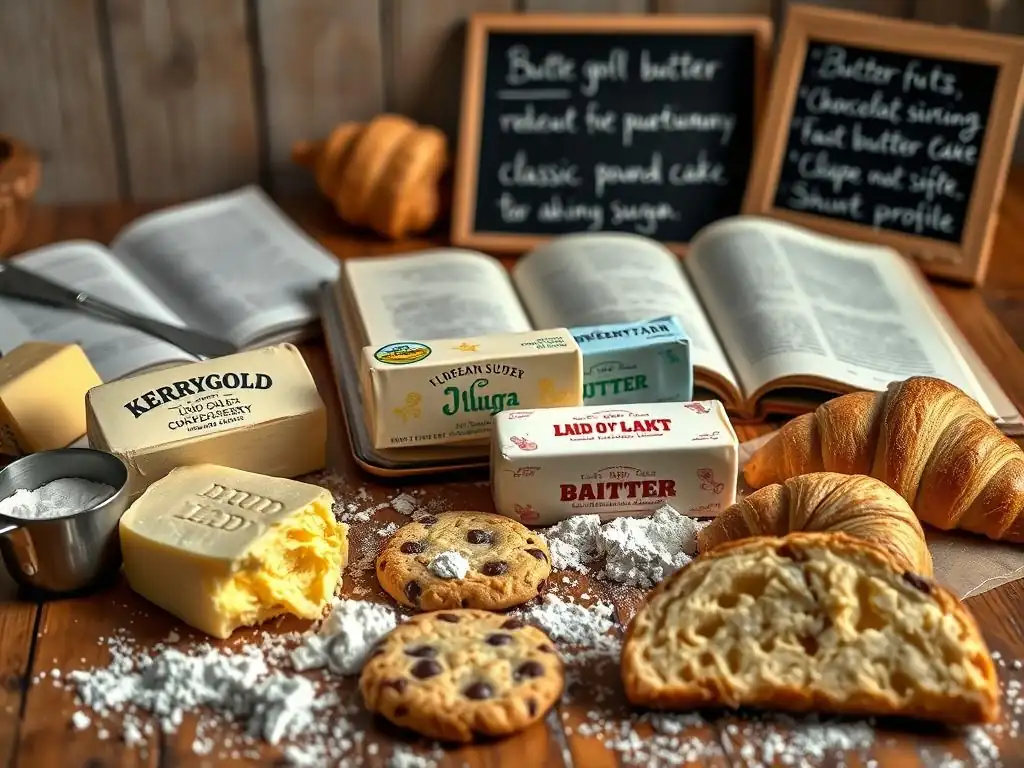
Matching the right butter to your recipe can elevate your results. Here are some suggested pairings based on our taste test findings, highlighting how the best butter for baking recipes can enhance specific outcomes.
For many home bakers, Land O'Lakes Unsalted Butter is the default for classic chocolate chip cookies, and for good reason. Its balanced flavor allows the notes of brown sugar, vanilla, and chocolate chips to shine through, while its standard fat content provides that universally loved texture: a chewy center and slightly crisp edge with moderate spread.
Using Land O'Lakes ensures predictable results batch after batch, which is essential when perfecting a favorite cookie recipe. Creaming it properly with the sugars incorporates the right amount of air for structure. This pairing is a testament to its reliability as an all-purpose butter for baking, proving you don't always need fancy ingredients for beloved classics.
Croissants Using Kerrygold Irish Butter: Elevating Flavor
Making croissants is a technical challenge, and the quality of your butter is critical for achieving those signature flaky layers and rich flavor. Kerrygold Irish Butter, with its high fat content (around 82%) and firmer texture, is an ideal choice. The lower water content and higher fat percentage create better separation between the dough layers during baking, resulting in a more pronounced rise and exceptional flakiness.
Furthermore, Kerrygold's rich, intense flavor permeates the delicate layers of the croissant, providing that luxurious, deeply buttery taste that defines a truly great pastry. While standard butter can work, using a high-fat, flavorful butter like Kerrygold is key to elevating your croissants from good to extraordinary, making it arguably the best butter for baking these delicate pastries.
Vanilla Cake Using Great Value Unsalted Butter: Reliable and Affordable
For a simple vanilla cake, especially when baking for a crowd or keeping costs down, Great Value Unsalted Butter provides a reliable and affordable foundation. Its neutral flavor allows the vanilla to be the star, and its standard fat content yields a tender crumb and good rise, perfectly suitable for frosting and decorating.
While a premium butter might add a nuanced richness, Great Value performs the essential functions of butter in a cake – providing structure, tenderness, and moisture – effectively and economically. It demonstrates that you can achieve a perfectly delicious and structurally sound cake without opting for the most expensive ingredients, proving its worth as a practical butter for baking everyday cakes.
Sourdough Bread Using Vermont Creamery Cultured Butter: Explore Complex Flavors
Incorporating Vermont Creamery Cultured Butter into enriched sourdough doughs, like brioche or challah, or even simply spreading it on a warm slice of sourdough bread, is an excellent way to explore complex flavor interactions. The tangy notes of the cultured butter complement the natural acidity of the sourdough starter, creating layers of fermented flavor that are incredibly satisfying.
In enriched doughs, the high fat content of the cultured butter also contributes to a tender, soft crumb. The unique flavor profile adds a gourmet touch that standard butter cannot replicate. For sourdough enthusiasts looking to deepen the flavor experience of their loaves, pairing them with or enriching them with cultured butter is a highly recommended technique, showcasing its potential as a specialized butter for baking specific types of bread.
Alternatives to Butter in Baking: When to Use and What to Choose
Sometimes, butter isn't the right fit for a recipe, whether due to dietary restrictions, desired texture, or simply not having any on hand. Understanding common butter substitutes and their properties is useful for any baker.
Exploring Shortening, Oils, and Vegan Butter Options
- Shortening: Hydrogenated vegetable oil, shortening (like Crisco) is 100% fat. It produces very tender, soft, and sometimes crumbly textures, especially in cookies and pie crusts. It doesn't melt and spread quite like butter, leading to taller, less-spread cookies. It lacks butter's flavor and browning capabilities.
- Oils: Liquid fats like vegetable oil, canola oil, or olive oil are 100% fat. They contribute significant moisture and tenderness but don't provide the structure or creaming properties of solid fats like butter or shortening. Best used in recipes specifically calling for oil (like many muffins, quick breads, and some cakes) where a moist, dense crumb is desired. They do not contribute to flakiness.
- Vegan Butter: Plant-based spreads designed to mimic butter's properties, typically made from a blend of vegetable oils (like palm, soy, canola, or coconut oil) and emulsifiers. Quality varies widely by brand. Some are formulated specifically for baking and can be good substitutes for butter in many recipes, offering similar fat content and creaming ability, though flavor and melting characteristics may differ.
For vegan chocolate chip cookies, a high-quality vegan butter stick specifically formulated for baking is generally the best substitute for traditional dairy butter. Look for brands that come in sticks, as they often have a fat content closer to dairy butter (around 80%) and a texture suitable for creaming with sugar.
Liquid oils will result in a very different texture (more cakey, less chewy), and shortening lacks the flavor and browning. A good vegan butter will allow you to use the creaming method, contributing to structure and spread similar to dairy butter, helping you achieve that classic chewy-crispy cookie texture while adhering to a vegan diet.
Tips for Using Butter in Baking: Expert Advice
Getting the most out of your butter involves understanding how temperature affects its properties and mastering techniques like creaming.
Mastering the Art of Creaming Butter and Sugar
Creaming butter and sugar is a fundamental technique in many cookie and cake recipes. It involves beating softened (but not melted) butter with sugar until the mixture is lightened in color and fluffy. This process incorporates air pockets into the fat matrix. These air pockets expand during baking, contributing to the rise and tender texture of the finished product.
Proper creaming takes time – often 3 to 5 minutes with an electric mixer, sometimes longer. The butter should be at the ideal "room temperature," which means it's pliable enough to leave an indentation when pressed gently, but still cool to the touch, around 65-68°F (18-20°C). If the butter is too cold, it won't cream properly; if it's too warm or melted, the air pockets will collapse, resulting in a dense or greasy bake. Mastering this technique is crucial for achieving the best results with any butter for baking.
The Importance of Butter Temperature for Optimal Results
Butter temperature is critical for almost every baking application.
- Cold Butter: Essential for pastries, pie crusts, scones, and biscuits. Cold, hard butter is cut into the dry ingredients (flour, etc.). As it melts in the oven, the steam creates pockets, resulting in flakiness. Using cold butter in these recipes is non-negotiable for achieving the correct texture.
- Room Temperature (Softened) Butter: Ideal for creaming with sugar in cakes, cookies, and some frostings. As discussed, this temperature allows the butter to hold air and emulsify properly.
- Melted Butter: Used in recipes where chewiness or density is desired, like brownies, some cookies, and quick breads. Melted butter doesn't create air pockets during mixing but contributes moisture and richness. Ensure it's not hot when adding to other ingredients, especially eggs, to avoid cooking them.
Using butter at the temperature specified in a recipe is key to successful baking. It's one of the simplest yet most impactful ways to ensure your baked goods turn out as intended, regardless of whether you're using the best butter for baking recipes or a more standard option.
Conclusion: Our Top Picks for the Best Butter for Baking Recipes
Choosing the best butter for baking recipes depends on your specific goals, budget, and the type of bake you're undertaking. Based on our comprehensive taste tests and performance evaluations, we have identified top contenders for various needs.
The Best Overall Butter for Most Baking Needs: Land O'Lakes Unsalted Butter Recommendation
For the average home baker seeking a reliable, consistently performing butter that works well across a wide range of recipes – from cookies and cakes to muffins and quick breads – Land O'Lakes Unsalted Butter is our top recommendation for the best butter for baking recipes overall. Its balanced flavor, predictable performance, and widespread availability make it an indispensable pantry staple. While not the most exciting option, its versatility and dependability provide excellent results for everyday baking.
The Best Butter for Flavor: Vermont Creamery Cultured Butter Recommendation
If your priority is to infuse your baked goods with a rich, complex, and unique flavor, Vermont Creamery Cultured Butter is the standout choice for the best butter for baking where flavor is paramount. Its tangy, cultured notes add sophistication to everything from sourdough bread to pound cake. While it comes at a premium price and isn't universally available, its distinctive taste makes it worth seeking out for special projects or when you want the butter itself to be a star ingredient.
The Best Budget Butter: Great Value Unsalted Butter Recommendation
For bakers who need a functional, unsalted butter at the lowest possible price point, Great Value Unsalted Butter is the clear winner as the best budget butter for baking recipes. It provides reliable basic performance in standard recipes like cookies and cakes, allowing you to bake in large quantities or minimize costs without sacrificing acceptable results. While it lacks the nuanced flavor or high-fat benefits of premium butters, its value for money is undeniable.
Final Thoughts: Choosing the Right Butter for Your Baking Goals.
Ultimately, the "best" butter for baking recipes is the one that best fits your recipe, your budget, and your desired outcome. Don't be afraid to experiment! While our top picks provide excellent starting points, exploring different butters can deepen your understanding of how this essential ingredient impacts your baking. Whether you choose a reliable workhorse, a flavorful premium option, or a budget-friendly staple, using unsalted butter and paying attention to temperature and technique are universal keys to baking success. Happy baking!
Frequently Asked Questions
What makes butter so crucial in baking recipes?
Butter provides flavor, texture, and structure to baked goods. Its fat content contributes to tenderness and richness, while its water content helps with gluten development and rise.
What are the key differences between salted and unsalted butter for baking?
Salted butter contains added salt, which can affect the overall flavor and chemical reactions in a recipe. Unsalted butter gives bakers greater control over the salt content.
Does the fat content of butter impact the final product?
Yes, the fat content significantly impacts texture. Higher fat content generally leads to a more tender and flavorful result, especially in delicate pastries.
How does European-style butter differ from standard butter, and is it better for baking?
European-style butter has a higher fat content than standard American butter. This often results in richer, more flavorful baked goods and is preferred by many bakers.
Can I substitute margarine or other butter alternatives in baking recipes?
While possible, margarine and other substitutes may affect the taste and texture. They often contain more water and less fat than butter, potentially leading to different results.
Final Reflection: The Golden Standard of Baking
The quest for the perfect butter for baking is far more than a simple ingredient choice; it's a journey into the heart of flavor and texture. Our comprehensive taste test revealed surprising nuances in seemingly similar products, highlighting the significant impact butter quality has on the final product. From flaky croissants to tender cakes, the right butter truly makes all the difference.
This exploration into the world of baking butters has underscored the often-overlooked importance of ingredient selection. It's a reminder that even seemingly minor details can dramatically alter the outcome of a recipe. The best things in life are simple, but not easy.
This quote perfectly encapsulates the effort involved in finding the ideal butter, yet the simple pleasure it brings to the final baked good. The subtle differences we uncovered – in richness, mouthfeel, and overall flavor – demonstrate the profound connection between ingredients and the artistry of baking.
Now, consider your own baking journey. What have you learned about the importance of quality ingredients? I challenge you to experiment with different butters, to taste the subtle variations, and to discover your own "golden standard" for baking. Embrace the process, savor the results, and remember that even the smallest detail can elevate your baking to new heights. The perfect butter awaits your discovery.
Unleash Your Inner Pastry Chef: Take Your Baking to the Next Level!
Thanks for diving into our butter taste test – we hope you discovered your new favorite! You’ve gained valuable insights into the world of butter and how it impacts your baking. Now it’s time to put that knowledge to work!
- Bake a masterpiece: Choose your top butter from our comparison and bake your favorite recipe. See how much of a difference the right butter makes!
- Share your experience: Tell us (and other bakers!) which butter you chose and how your baking turned out! Leave a comment below.
- Explore new recipes: Try a new recipe that utilizes the unique characteristics of your chosen butter – think flaky croissants or rich chocolate chip cookies!
Ready to experiment with your newfound butter knowledge? What delicious creation will you bake first?