
We Baked With 8 Different Butters: Here's What Happened

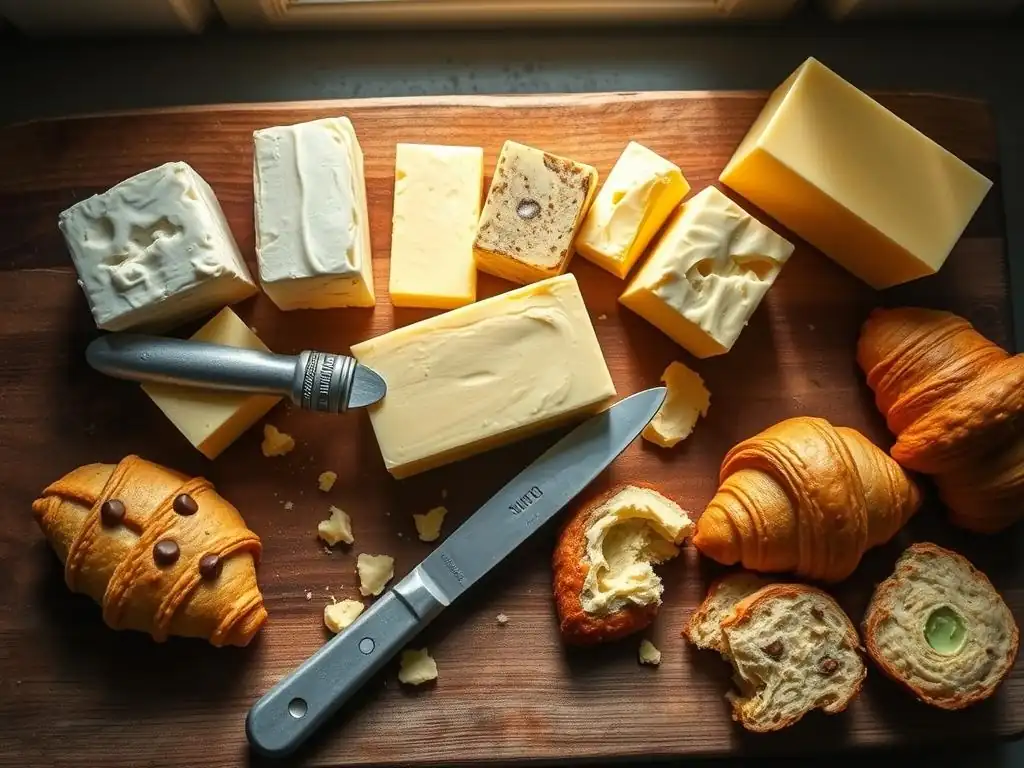
Welcome to BakeWithEase, your trusted guide to the delicious world of baking! Ever wondered how much difference really exists between butters when baking? Our latest experiment dives deep into the butter baking differences you need to know. We baked with 8 different types and the results might surprise you. Read on to discover which butter reigns supreme and how it can transform your next masterpiece!
Why Butter Matters in Baking: Understanding its Role
Butter is far more than just a flavoring agent in baking; it's a foundational ingredient whose composition and properties directly influence the texture, structure, leavening, and overall success of your baked goods. Composed primarily of fat (typically around 80-82% in standard butter, and 82-84% in European-style), water (about 16-18%), and milk solids (around 1-2%), each component plays a crucial role.
The fat coats flour particles, preventing excessive gluten development, which is essential for creating tender cakes, flaky pastries, and crumbly cookies. When butter melts during baking, the water content turns to steam, contributing to leavening and creating pockets of air, particularly noticeable in puff pastry or croissants.
The milk solids brown during baking through the Maillard reaction, adding rich, complex flavors and contributing to the golden crust we often see on cookies and breads. Understanding these fundamental roles highlights why even subtle butter baking differences between types can lead to varied results.
The specific characteristics of the butter used significantly impact the final outcome. For instance, the melting point of butter, which is relatively low compared to other fats, contributes to the desirable spread and tenderness in cookies. Cold, solid butter cut into flour creates layers that expand when the water evaporates, resulting in flakiness in pie crusts or biscuits.
The state of the butter – whether cold, softened, melted, or browned – at the time of mixing also dictates its function and the resulting texture. Using softened butter in creaming methods incorporates air for lighter cakes, while melted butter provides chewiness in brownies.
The presence or absence of salt and the flavor compounds developed in cultured or grass-fed varieties introduce further butter baking differences, altering not just the texture and structure but also the nuanced flavor profile of the finished product. These variations are precisely why exploring different butters is so valuable for any baker looking to elevate their craft.
- What are the key butter baking differences that bakers should be aware of?
- How did BakeWithEase determine the impact of the butter baking differences in their experiment?
- Can the butter baking differences be noticeable even for beginner bakers?
- What kind of butter baking differences can be expected when using European-style butter versus American butter?
- What is the most important factor to consider regarding butter baking differences when choosing butter for a recipe?
Frequently Asked Questions
What are the key butter baking differences that bakers should be aware of?
Different butters can significantly impact the texture and flavor of baked goods. Factors like fat content, water content, and salt levels vary and affect the final result. These differences can lead to variations in rise, tenderness, and overall taste.
How did BakeWithEase determine the impact of the butter baking differences in their experiment?
BakeWithEase baked identical recipes using eight different butters. The results were then compared based on observable differences in texture, taste, appearance, and overall performance. This allowed for a direct comparison of each butter's impact.
Can the butter baking differences be noticeable even for beginner bakers?
Yes, even beginners can often detect the subtle nuances in flavor and texture. The differences are more pronounced in certain recipes, such as those relying heavily on butter's flavor like shortbread or butter cookies.
What kind of butter baking differences can be expected when using European-style butter versus American butter?
European-style butter generally has a higher butterfat content than American butter. This typically results in richer, more tender baked goods with a more pronounced buttery flavor. The lower water content also contributes to a flakier texture in pastries.
What is the most important factor to consider regarding butter baking differences when choosing butter for a recipe?
The most important factor is understanding how fat content and water content affect the final product. Some recipes benefit from higher fat content for richness, while others require lower water content for proper gluten development.
Final Reflection: The Unexpected World of Butter in Baking
The subtle nuances of butter, often overlooked, profoundly impact the final product in baking. From flaky pastries to tender cakes, the choice of butter isn't merely a matter of preference; it's a crucial ingredient that dictates texture, flavor, and overall success. This exploration into eight different butters revealed a surprising depth to this seemingly simple ingredient.
This journey through various butter types highlighted the interconnectedness of ingredients and the artistry involved in baking. The differences, sometimes subtle, sometimes dramatic, underscored the importance of understanding your ingredients. It's not just about following a recipe; it's about understanding the why behind each choice. The best bakers are the ones who understand the science behind the art.
This quote perfectly encapsulates the experience of meticulously comparing these butters and observing their unique contributions to the final baked goods. The impact of this understanding extends beyond the kitchen, reminding us that attention to detail and a deep understanding of materials are crucial in any creative endeavor.
Now, consider your own baking. What butter do you typically use? Have you ever considered the potential impact of switching to a different type? I encourage you to experiment, to explore the subtle differences, and to discover the butter that best suits your baking style and desired results. Embrace the unexpected, for within the seemingly simple act of choosing a butter lies a world of flavor and texture waiting to be explored. The journey of discovery is just as important as the final product.
Unleash Your Inner Baker: Master the Art of Butter!
Thanks for joining us on this buttery adventure! We hope you discovered the delightful nuances of different butters and how they impact your baking. Ready to take your baking to the next level?
- Try baking with your newfound favorite butter: Experiment with a recipe you love, substituting your preferred butter type. Note the differences in texture and flavor!
- Share your baking triumphs (and even your flops!) with us in the comments below. Let's build a community of butter-loving bakers!
- Explore our other articles for more baking tips and tricks – you might uncover a new ingredient obsession!
What unexpected flavor combinations will you create with your newfound butter expertise?