
Troubleshooting Your Bakes: Avoiding Dense Results with Natural Sweeteners

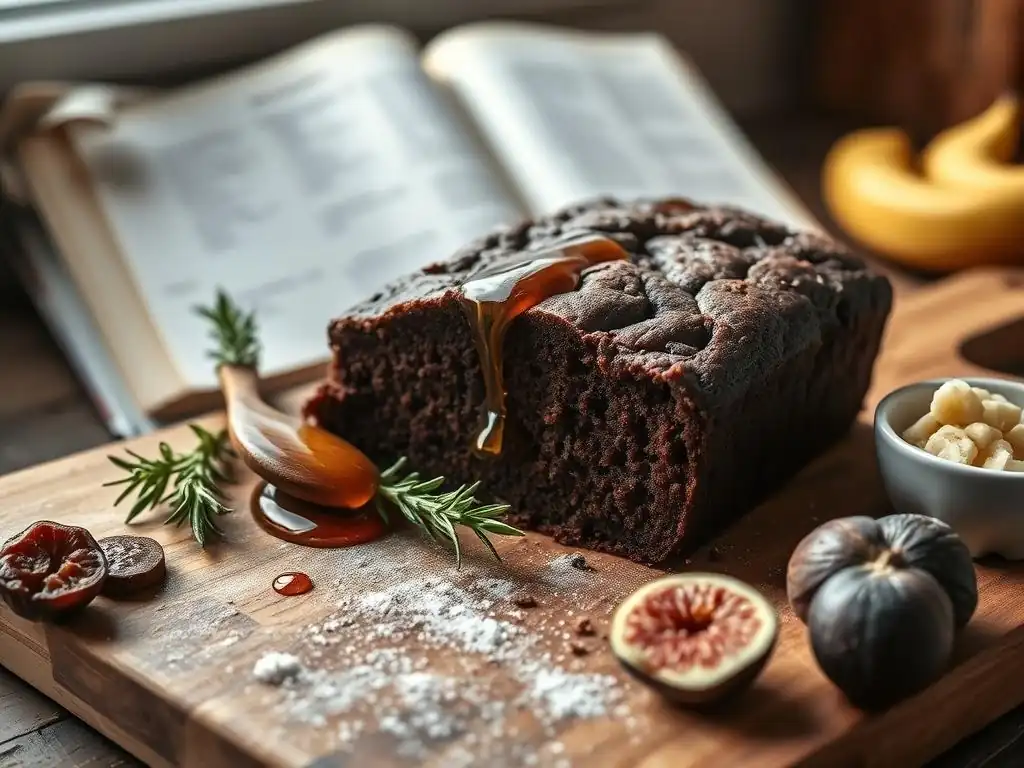
Welcome to BakeWithEase, your trusted guide to baking bliss! Ever wondered why your naturally sweetened creations sometimes fall flat? Dive into our comprehensive guide, " Troubleshooting Your Bakes: Avoiding Dense Results with Natural Sweeteners," to uncover the secrets to perfectly light and airy textures. Unlock the full potential of your baking with premium ingredients and expert techniques. Curious to learn how to achieve bakery-worthy results without refined sugar? Let's get baking!
- Troubleshooting Dense Baked Goods with Natural Sweeteners
- Understanding Density in Natural Sweetener Baking
- Solutions: Achieving Light and Fluffy Results
- Product Recommendations: Tools and Ingredients
- Troubleshooting Recipes: Real-World Examples
- Conclusion: Mastering Natural Sweetener Baking
-
Frequently Asked Questions
- Why are my baked goods coming out dense when using natural sweeteners?
- Which natural sweeteners are most likely to cause dense baked goods?
- How can I adjust my recipes to avoid density when using natural sweeteners?
- What is the role of gluten development in dense baked goods when using natural sweeteners?
- Are there specific baking techniques I can use to improve the texture of baked goods with natural sweeteners?
- Final Reflection: The Sweet Truth About Light & Fluffy Bakes
- Unlock Lighter, Fluffier Bakes!
Troubleshooting Dense Baked Goods with Natural Sweeteners
Understanding Density in Natural Sweetener Baking
When you swap refined sugar for natural alternatives like honey, maple syrup, or agave, you're introducing different properties into your baking. These sweeteners aren't just about flavor; they significantly impact the texture and structure of your finished goods. Achieving light, airy results instead of dense baked goods natural sweetener requires understanding these differences.
The Science: How Natural Sweeteners Impact Texture
Natural liquid sweeteners like honey and maple syrup are primarily composed of fructose and glucose, along with a significant amount of water (honey typically contains around 17-18% water, maple syrup around 33-34%). Refined granulated sugar, on the other hand, is nearly 100% sucrose and contains negligible water.
This inherent moisture in natural sweeteners adds liquid to your batter or dough, which can throw off the delicate balance of dry and wet ingredients crucial for proper structure. The hygroscopic nature of fructose (its tendency to absorb and retain moisture) also means baked goods made with honey or agave can stay moist longer, but this can contribute to a heavy or dense baked goods natural sweetener if not balanced correctly.
Furthermore, the way these sugars interact with proteins (like gluten in flour) and fats differs from sucrose. The higher moisture content and different sugar profiles can lead to increased gluten development if overmixed, resulting in a tough, dense baked goods natural sweetener. They also affect the caramelization process and how fats melt and spread, impacting crumb structure. Understanding these scientific nuances is the first step to successfully avoiding undesirable density when baking with these wonderful alternatives.
Common Causes of Density with Honey, Maple Syrup, and Dates
-
Excessive Moisture: Sweetener Imbalance
One of the most frequent culprits behind dense baked goods natural sweetener is the extra liquid introduced by sweeteners like maple syrup or honey. Simply substituting cup-for-cup for granulated sugar without adjusting other liquids will result in a batter that is too wet. This excess moisture prevents the structure from setting properly during baking, leading to a heavy, soggy, and dense crumb. It's crucial to account for the water content of your chosen natural sweetener.
For example, if a recipe calls for 1 cup of granulated sugar and you swap in 1 cup of maple syrup, you've added roughly 5-6 tablespoons of extra water compared to the original recipe. This might not seem like much, but in baking, especially in delicate cakes or muffins, this can be the difference between a light crumb and a dense, sunken result. Date paste, while less liquid than syrup, also contains more moisture than sugar and can contribute to density if not used mindfully.
-
Flour Ratio Issues: Compensating for Liquid
Following directly from the moisture issue, if you don't adjust the dry ingredients, particularly flour, when using liquid natural sweeteners, your liquid-to-dry ratio will be off. A batter or dough with too much liquid relative to flour won't have enough structure to support the leavening agents, resulting in a collapse or simply failing to rise adequately. This lack of structural support inevitably leads to dense baked goods natural sweetener.
Many recipes developed for granulated sugar require a specific flour-to-liquid ratio to create the optimal batter consistency for proper rise and structure. When you add extra liquid via the sweetener without increasing the flour slightly (or decreasing other liquids), you dilute the structural components provided by the flour proteins and starches. This results in a weaker network, unable to hold the air bubbles created by leavening, leading to dense results.
-
Overmixing: Gluten Development with Added Liquid
Gluten, the protein network formed when flour is mixed with liquid, provides structure to baked goods. While essential, too much gluten development, especially in cakes, muffins, or quick breads, leads to a tough, chewy, and dense baked goods natural sweetener. Natural liquid sweeteners, with their inherent moisture, facilitate gluten formation more readily than dry granulated sugar.
When you combine flour and liquid and agitate them (mix), gluten strands begin to form. The presence of extra liquid from natural sweeteners accelerates this process. Overmixing a batter made with honey or maple syrup can quickly develop too much gluten, trapping air unevenly and resulting in tunnels and a heavy crumb. Gentle mixing is key to developing just enough structure without creating toughness.
-
Leavening Agent Imbalances: Sweeteners and Rise
Natural sweeteners have varying pH levels and sugar compositions that interact differently with chemical leavening agents like baking soda and baking powder. Baking soda requires an acid to react and produce carbon dioxide gas for lift. While some natural sweeteners like molasses or darker maple syrups have slight acidity, others like agave or lighter honeys are more neutral. If a recipe relies on the sweetener's acidity to activate baking soda and you use a neutral natural sweetener, you won't get the necessary lift, leading to dense baked goods natural sweetener.
Baking powder contains both an acid and a base and reacts with liquid and heat. However, the sugar content and moisture level of natural sweeteners can influence the speed and effectiveness of baking powder's reaction. Getting the balance of baking soda, baking powder, and the specific natural sweetener right is crucial for achieving the desired airy texture and avoiding those frustratingly dense results.
Solutions: Achieving Light and Fluffy Results
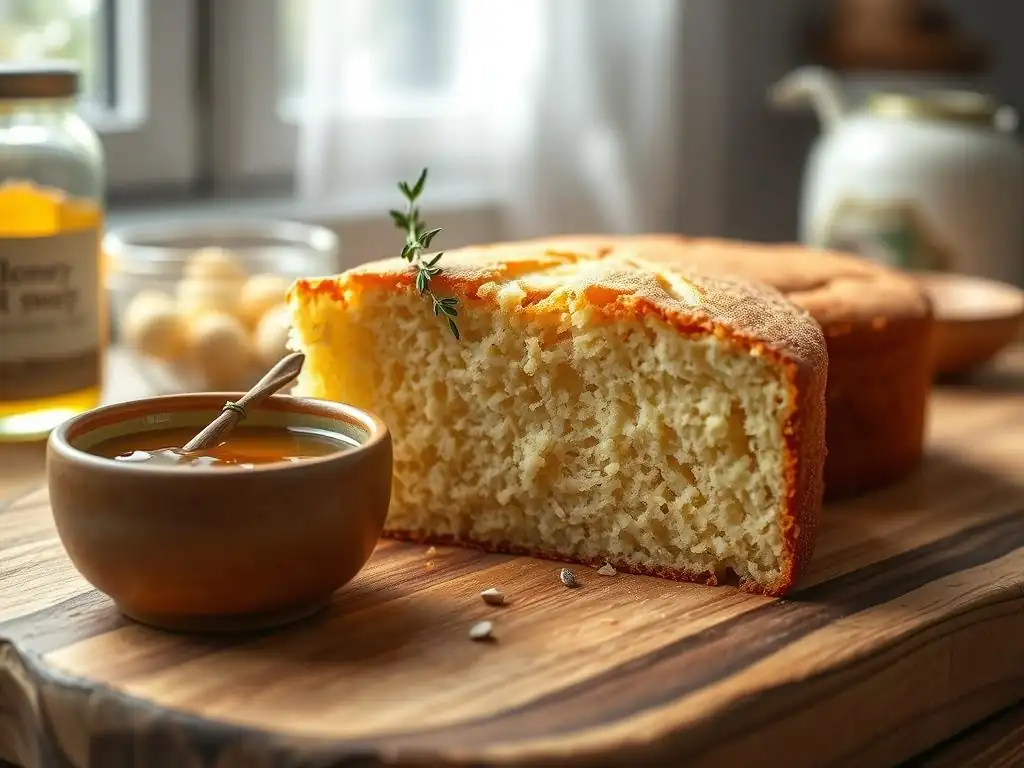
Preventing dense baked goods natural sweetener is entirely achievable with a few strategic adjustments to your recipes and techniques. It's often about understanding the unique properties of your chosen sweetener and compensating accordingly.
Moisture Management: Perfecting Liquid Ratios
-
Reduce Added Liquids: Milk, Water, Fruit Purees
Since natural liquid sweeteners add significant moisture, the most direct way to prevent a wet, dense baked goods natural sweetener batter is to reduce other liquids in the recipe. If a recipe calls for 1 cup of granulated sugar and 1 cup of milk, and you switch to 1 cup of maple syrup, you should typically reduce the milk by about 1/4 to 1/3 cup to compensate for the extra liquid in the syrup. This adjustment helps maintain the proper balance between wet and dry ingredients, ensuring the batter isn't too loose to hold its structure during baking.
Pay close attention to the consistency of your batter after mixing. It should resemble the texture you'd expect from a recipe made with granulated sugar. If it looks much thinner, you likely need to reduce other liquids further. This often involves a bit of trial and error when adapting recipes, but starting with a reduction of 1/4 cup of other liquid per cup of liquid natural sweetener substituted is a good rule of thumb to avoid immediate issues with dense baked goods natural sweetener.
-
Consider Powdered Sweeteners for Less Liquid
While not always a direct substitute for liquid options in terms of flavor or function in certain recipes, using powdered natural sweeteners like powdered erythritol, xylitol (use with caution around pets), or even date sugar (which is essentially ground dates, retaining fiber but less liquid than date paste) can help avoid the moisture issues associated with liquid sweeteners. These options behave more similarly to granulated sugar in terms of moisture contribution.
Date sugar, for instance, can often be substituted cup-for-cup for granulated sugar in some recipes, though it behaves differently due to its fiber content and doesn't melt the same way. Powdered sugar alternatives can be swapped volumetrically or by weight depending on the product, adding sweetness without the bulk liquid that can lead to dense baked goods natural sweetener. Always check the manufacturer's recommendations for substitution ratios.
-
Balancing Fruit Purees with Honey
Many recipes using natural sweeteners also incorporate fruit purees like mashed banana, applesauce, or pumpkin for added moisture, flavor, and sweetness. While wonderful additions, these purees also contain a high percentage of water. When combining them with liquid natural sweeteners like honey, you are doubling down on the moisture.
To prevent dense baked goods natural sweetener in recipes heavy on both fruit puree and honey, it's essential to balance the overall liquid content. This might mean slightly reducing both the amount of fruit puree and the amount of honey, or significantly increasing the dry ingredients (like flour or oats) to absorb the extra moisture. Consider the combined volume and consistency of your wet ingredients before adding them to the dry, aiming for a total liquid volume that aligns with a standard recipe for that type of baked good.
Flour Choices: Selecting the Right Type and Amount
-
Using Gluten-Free Blends for Lighter Texture
When baking with natural sweeteners, especially liquid ones, the potential for over-developing gluten is high due to the added moisture and different sugar interactions. Using a good quality gluten-free flour blend can be an excellent strategy to prevent tough, dense baked goods natural sweetener. Gluten-free blends often contain a mix of rice flour, tapioca starch, potato starch, and sometimes sorghum or millet flour, along with binders like xanthan gum.
These blends eliminate the gluten issue entirely, allowing you to focus on moisture balance and leavening. While gluten-free baking presents its own challenges, using a reliable blend designed for cakes or muffins can yield a much lighter crumb compared to an overmixed wheat flour batter when using liquid natural sweeteners. Look for blends that specifically mention suitability for cakes or quick breads to avoid a gummy or dense baked goods natural sweetener texture often associated with some GF flours.
-
The Importance of Weighing Flour
Accurate measurement is paramount in baking, and this becomes even more critical when dealing with the moisture variables introduced by natural sweeteners. Scooping flour directly from the bag with a measuring cup can result in vastly different amounts depending on how packed the flour is. Just 10-20 grams of extra flour can significantly impact the dry-to-wet ratio, leading to a heavy or dense baked goods natural sweetener.
Using a digital kitchen scale to weigh your flour provides a consistent and precise measurement every time. For example, a standard cup of all-purpose flour is generally considered to be about 120-125 grams when properly weighed. Relying on volume measurements can easily add an extra 20-30% flour, throwing off the balance needed for a light texture. Weighing ensures your flour amount is exactly as intended, giving your recipe the best chance for success.
-
Experimenting with Flour Types: Whole Wheat vs. All-Purpose
The type of flour you choose also impacts the final texture. All-purpose flour, with its moderate protein content, is a versatile choice for many baked goods and provides a good balance of structure and tenderness. Whole wheat flour, while more nutritious, has a higher protein content and absorbs more liquid. Using 100% whole wheat flour with liquid natural sweeteners can result in a drier, more dense baked goods natural sweetener because the flour competes with the sweetener for moisture and develops gluten more readily.
Consider using a blend of all-purpose and whole wheat flour, or stick to all-purpose flour when first adapting recipes with natural sweeteners. If you opt for whole wheat, you may need to slightly increase the overall liquid (including the natural sweetener or other liquids) or reduce the flour amount compared to an all-purpose recipe to compensate for its absorbency and prevent a dry, dense baked goods natural sweetener crumb. Experimentation with different flour types and ratios is key to finding the perfect balance.
Mixing Techniques: Gentle Handling for Tender Bakes
-
The "Fold-In" Method: Preserving Air
Once wet and dry ingredients are combined when using natural sweeteners, aggressive mixing can quickly lead to over-development of gluten, resulting in tough, dense baked goods natural sweetener. The "fold-in" method is ideal for incorporating dry ingredients into wet ones, or for adding delicate components like whipped egg whites or chocolate chips, without deflating the batter. This technique involves gently cutting through the mixture and lifting the ingredients from the bottom, turning them over onto the top.
Using a spatula and a gentle hand, you combine the ingredients just until no streaks of dry flour remain. This minimal mixing develops just enough gluten for structure while preserving the air bubbles created during creaming (if applicable) and from leavening agents. This gentle handling is crucial for ensuring a tender, light crumb, especially in batters made wetter by natural sweeteners.
-
Avoiding Overmixing: Recognizing the Signs
Knowing when to stop mixing is vital for preventing dense baked goods natural sweetener. For most cakes, muffins, and quick breads, you want to mix the dry ingredients into the wet just until they are combined. The batter might still look slightly lumpy, and that's okay! Overmixing continues to develop gluten and can also pop the tiny air bubbles that contribute to a light texture.
Signs of overmixing include a batter that becomes smooth and elastic, or if you see tunnels forming in the baked good after it's done. A properly mixed batter for muffins or quick bread using natural sweeteners should look slightly shaggy, with maybe a few small pockets of dry flour visible. Stopping at this point ensures a tender crumb, preventing the dense, tough texture that comes from excessive gluten development.
-
Low-Speed Mixing for Even Incorporation
If you are using an electric mixer, opt for the lowest speed when combining wet and dry ingredients after creaming (if the recipe involves butter and sweetener). High speeds introduce more air initially but can also quickly lead to overmixing once the flour is added, especially with the extra moisture from liquid natural sweeteners. Low speed allows you to incorporate the ingredients evenly without aggressively developing gluten.
Mix only until the flour streaks disappear. You can even finish the last few turns by hand with a spatula to ensure you don't accidentally overmix. This controlled, low-speed approach minimizes the risk of creating a tough gluten network, helping you achieve the desired light and airy texture instead of dense baked goods natural sweetener.
Leavening: Balancing Baking Powder, Soda, and Sweeteners
-
The Role of Acidity: Sweeteners and Leavening Reactions
Baking soda (sodium bicarbonate) is a base and requires an acid to react and produce carbon dioxide gas, which creates rise. Baking powder contains both an acid and a base and reacts when wet and heated. The acidity of your natural sweetener impacts its interaction with baking soda. Lighter honeys and agave are relatively neutral, while darker honeys, molasses, yogurt, buttermilk, or even brown sugar alternatives can provide the necessary acid.
If your recipe calls for baking soda and relies on granulated sugar (which is neutral) and another acid source (like buttermilk), and you switch to a neutral natural sweetener like agave without adding another acid, your baking soda won't fully react. This results in poor rise and dense baked goods natural sweetener. You may need to add a touch of acid like lemon juice, vinegar, or cream of tartar, or ensure your recipe includes another acidic ingredient to activate the baking soda effectively.
-
Balancing Baking Soda with Maple Syrup
Maple syrup has a slightly acidic pH, typically ranging from 4.5 to 7.0 depending on the grade (darker grades are often slightly more acidic). This mild acidity can react with baking soda. However, the reaction might not be as vigorous as with stronger acids like buttermilk or vinegar. If you are using maple syrup and baking soda, ensure the ratio is correct, and consider if the recipe also includes baking powder for a more reliable lift, especially if no other acidic ingredients are present.
Sometimes, recipes using maple syrup benefit from a combination of both baking soda and baking powder. The baking soda reacts with the slight acidity of the syrup (and any other acids), while the baking powder provides a secondary lift from its internal acid/base reaction. This dual leavening approach can help overcome potential issues with insufficient rise when relying solely on the mild acidity of maple syrup, preventing dense baked goods natural sweetener.
-
Using Double-Acting Baking Powder
Double-acting baking powder provides two phases of leavening: an initial reaction when mixed with liquid, and a second, more significant reaction when heated in the oven. This makes it a very reliable leavening agent and often a good choice when working with the variable moisture and acidity of natural sweeteners. It ensures you get a good lift even if the interaction between your specific natural sweetener and baking soda isn't as strong as expected.
Incorporating double-acting baking powder, sometimes in addition to baking soda (if the recipe has sufficient acid), provides a consistent source of carbon dioxide gas. This steady production of gas helps the batter expand in the oven, creating a light and airy texture and counteracting the tendency towards dense baked goods natural sweetener that can occur with insufficient leavening. Always check the expiration date of your baking powder, as old powder is a common cause of poor rise.
Product Recommendations: Tools and Ingredients
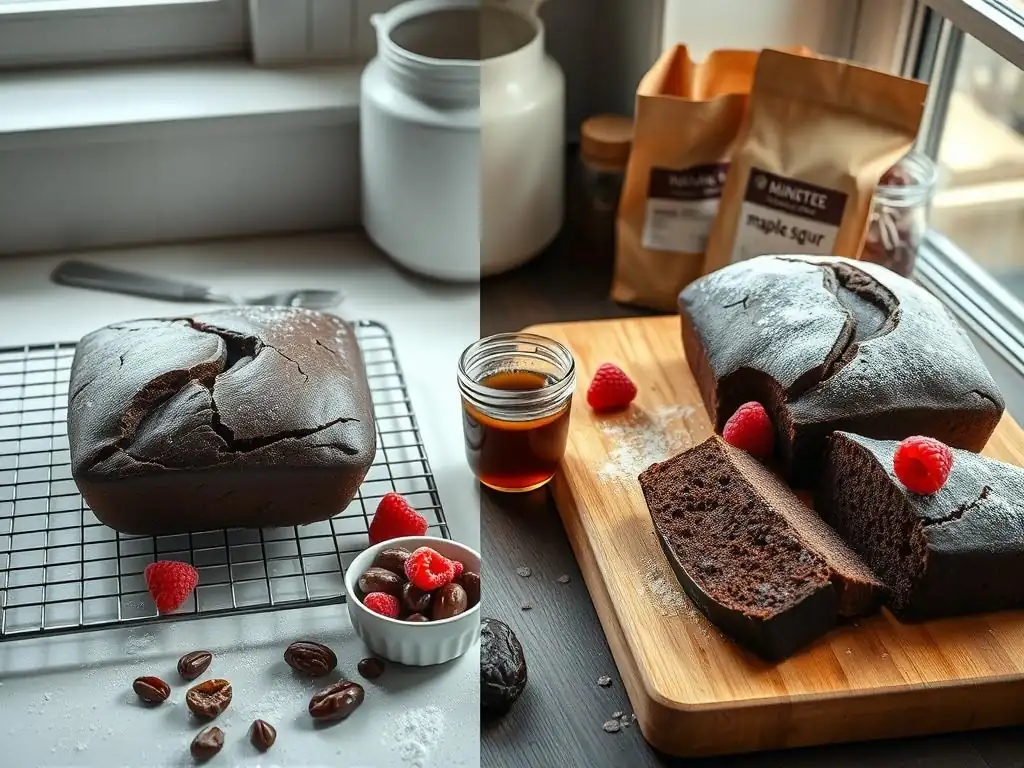
Having the right tools and selecting quality ingredients can make a significant difference in your baking success, particularly when navigating the nuances of working with natural sweeteners to avoid dense baked goods natural sweetener.
Essential Measuring Tools: Achieving Accuracy
-
Digital Food Scale: Precise Measurement
As highlighted earlier, weighing ingredients, especially flour and natural sweeteners, is the most accurate way to ensure consistent results and avoid dense baked goods natural sweetener. A digital food scale allows you to measure ingredients by weight (grams or ounces) rather than volume (cups or tablespoons). This eliminates the variability that comes from how ingredients are packed or scooped, giving you confidence that your dry-to-wet ratios are spot on, which is crucial when adapting recipes or dealing with the extra moisture of liquid sweeteners.
Many recipes now provide measurements by weight for this very reason. Investing in a reliable digital scale, which can be found for around $20-$30, is one of the best steps you can take to improve your baking accuracy and consistency. It's indispensable for controlling the exact amount of flour needed to balance the liquid from natural sweeteners like honey or maple syrup.
-
Distinguishing Liquid and Dry Measuring Cups
While weighing is preferred, if you are using volume measurements, it is crucial to use the correct type of measuring cup for liquid and dry ingredients. Liquid measuring cups are clear, have a spout for pouring, and markings below the rim so you can read the liquid level at eye level. Using these helps you accurately measure the volume of runny natural sweeteners like honey or maple syrup.
Dry measuring cups are designed to be filled to the brim and leveled off. Using a liquid measuring cup for dry ingredients like flour can result in inaccurate measurements (often too little flour), just as using a dry measuring cup for liquid sweeteners can be messy and imprecise. Using the appropriate tool ensures you are getting the intended volume, which is a piece of the puzzle in preventing dense baked goods natural sweetener when precise ratios matter.
-
Heat-Resistant Measuring Cups
Some recipes might require warming natural sweeteners like honey or maple syrup, or measuring hot liquids. Using heat-resistant measuring cups, typically made of tempered glass or certain plastics, is safer and more convenient for these tasks. Glass measuring cups are particularly good for liquid natural sweeteners as they don't retain odors or flavors and are easy to clean.
While not directly preventing dense baked goods natural sweetener, using the correct measuring tools consistently reduces the risk of errors in ingredient ratios. Accurate measurements are the foundation of successful baking, especially when dealing with the subtle differences that natural sweeteners introduce compared to granulated sugar. Precision helps ensure your ingredients are in the correct proportion to achieve the desired texture.
Flour Recommendations for Light and Airy Bakes
-
All-Purpose Flour: Consistent Results
For many home bakers, all-purpose flour is the go-to, and it works well with natural sweeteners when managed correctly. Its moderate protein content (around 10-12%) provides sufficient structure for cakes, muffins, and cookies without being prone to excessive gluten development, provided you use gentle mixing techniques. When adapting recipes using liquid natural sweeteners, using all-purpose flour and carefully managing the overall liquid content is a reliable approach.
Starting with a high-quality, unbleached all-purpose flour provides a consistent base. Remember to weigh it for accuracy. With careful moisture adjustment and minimal mixing, all-purpose flour can yield wonderfully light and tender baked goods even when sweetened with honey or maple syrup, helping you avoid that common pitfall of dense baked goods natural sweetener.
-
Almond Flour: Adding Moisture and Texture
Almond flour is a popular gluten-free option that adds moisture and a tender crumb to baked goods. It has a higher fat content and no gluten, meaning you don't have to worry about overmixing leading to toughness. When used in combination with natural sweeteners, almond flour can contribute to a rich, moist texture. However, it can also make baked goods more delicate and sometimes dense baked goods natural sweetener if used alone in large quantities without proper binders or leavening adjustments.
Often, almond flour is best used in combination with other flours or starches (like tapioca or arrowroot) or in specific recipes designed for its properties. It's particularly good in cakes, muffins, or cookies where a slightly denser, moister crumb is desired, or where its unique flavor complements the natural sweetener. Experimenting with blends can help achieve the desired balance of texture and structure.
-
Using Whole Wheat Flour Sparingly
As mentioned earlier, whole wheat flour is more absorbent and has higher protein than all-purpose, making it more prone to developing gluten and resulting in dense baked goods natural sweetener, especially with the extra liquid from natural sweeteners. While nutritious, using it in moderation or in recipes specifically designed for it is advisable when prioritizing a light texture.
If you want to incorporate whole wheat flour, consider substituting only a portion (e.g., 25-50%) of the all-purpose flour with whole wheat. Ensure you weigh both flours for accuracy. You may also need to slightly increase the liquid content overall or allow the batter to rest briefly to allow the whole wheat flour to fully hydrate before baking. This careful approach helps mitigate the risk of a heavy crumb.
Recommended Natural Sweetener Brands
Choosing quality natural sweeteners can contribute to both the flavor and texture of your baked goods. While many brands exist, focusing on quality and purity is important.
-
Organic Raw Honey: Rich Flavor
Organic raw honey is minimally processed, retaining more of its natural enzymes, antioxidants, and nuanced flavor profile. The specific flavor varies depending on the flowers the bees visited (e.g., clover, wildflower, buckwheat). Its viscosity and moisture content are relatively consistent, making it a reliable choice for baking. Its rich sweetness pairs wonderfully with ingredients like nuts, oats, and spices.
When using organic raw honey, remember it is sweeter than sugar by volume, so you often need less. Its distinct flavor can dominate delicate bakes, so consider the flavor profile of your recipe. Its hygroscopic nature helps keep baked goods moist, but managing its liquid content is key to avoiding dense baked goods natural sweetener.
-
Organic Maple Syrup: Authentic Taste
Organic maple syrup, particularly Grade A Dark Color, Robust Taste or Grade A Very Dark Color, Strong Taste, offers a deep, authentic maple flavor that enhances many baked goods. Like honey, it's a liquid sweetener, primarily composed of sucrose, glucose, and fructose, with significant water content. Its unique flavor makes it ideal for pancakes, muffins, cakes, and cookies where a maple note is desired.
When substituting organic maple syrup for sugar, remember to reduce other liquids. Its slightly lower viscosity compared to honey makes it easy to measure. Its distinct flavor profile works best in recipes where it can shine, pairing well with spices like cinnamon and nutmeg. Managing its moisture is crucial to prevent dense baked goods natural sweetener with a gummy texture.
-
Organic Agave: Low Glycemic Index
Organic agave nectar is a liquid sweetener derived from the agave plant. It is primarily fructose and has a lower viscosity than honey or maple syrup and a relatively neutral flavor, making it versatile in baking. It is often marketed as having a lower glycemic index than sugar, though its high fructose content is a consideration for some.
Agave is sweeter than sugar by volume, so less is needed. Its neutral flavor makes it a good choice when you want sweetness without adding a distinct taste like honey or maple provides. However, its liquid nature still requires adjusting other liquids in the recipe to avoid dense baked goods natural sweetener. Because it's mostly fructose, baked goods with agave can brown faster, so watch your baking times and temperatures.
Troubleshooting Recipes: Real-World Examples
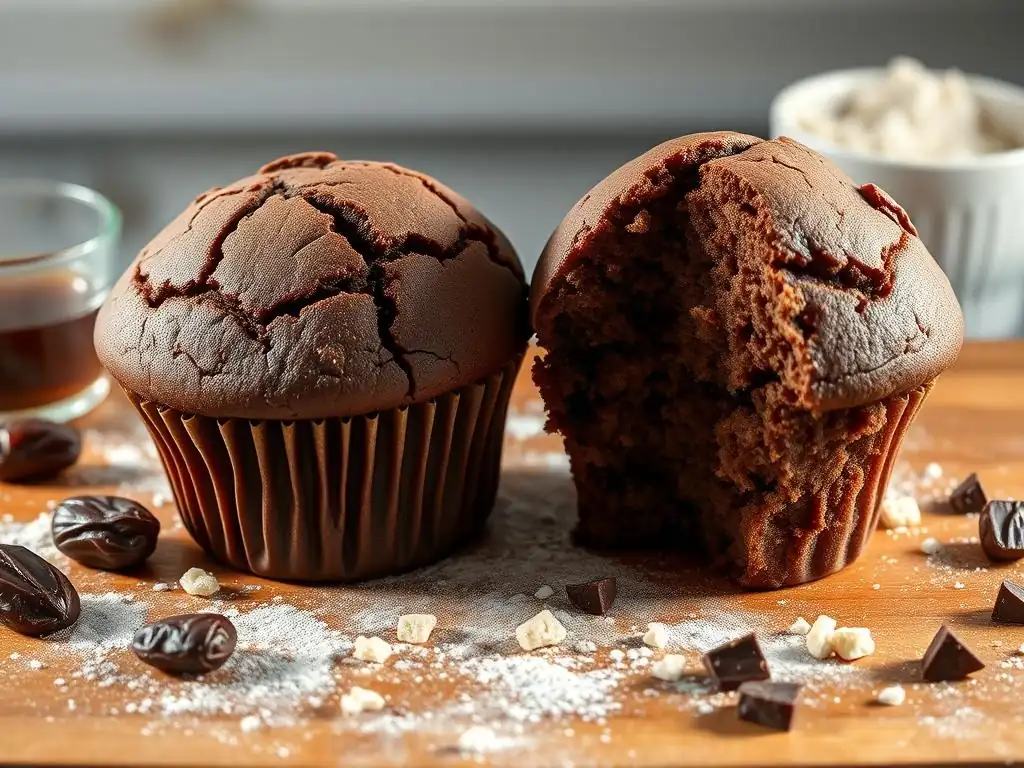
Let's look at a couple of hypothetical scenarios involving common issues that result in dense baked goods natural sweetener when using natural alternatives and how to fix them.
Case Study 1: Dense Honey Cake – Diagnosis and Solution
-
Recipe Analysis: Identifying Moisture Overload
Imagine you baked a simple honey cake recipe adapted from a standard sugar cake. You replaced 1 cup of granulated sugar with 1 cup of honey and didn't change anything else. The result is a beautiful-looking cake that is heavy, moist to the point of being slightly gummy, and dense baked goods natural sweetener. The crumb is tight and doesn't spring back when touched.
The most likely diagnosis is excessive moisture. Honey contains about 17-18% water, whereas granulated sugar is virtually dry. By swapping cup-for-cup, you added significant extra liquid to the batter. This throws off the crucial balance between wet and dry ingredients, leading to a batter that is too thin and heavy to rise properly, resulting in a dense, sunken, or gummy texture. The standard substitution rule of reducing liquid by 1/4 cup per cup of honey was overlooked.
-
Adjusting the Recipe: Reducing Liquid and Flour
To fix this dense baked goods natural sweetener issue, you need to rebalance the wet and dry ingredients. For the next attempt, start by reducing another liquid in the recipe (like milk or oil) by about 1/4 cup for every cup of honey used. For example, if the original recipe had 1 cup milk, reduce it to 3/4 cup.
Additionally, you might consider slightly increasing the flour amount by 1-2 tablespoons per cup of honey used, weighing it for accuracy (e.g., add 15-25 grams of flour). This helps absorb the extra moisture from the honey and provides more structure. Ensure you are also mixing gently, just until combined, to avoid overdeveloping gluten with the increased liquid.
-
The Result: A Lighter Honey Cake
By reducing the other liquid and slightly increasing the flour, the batter consistency should be closer to that of a standard cake batter made with sugar – thick but pourable. Baked with these adjustments, the honey cake will have a lighter, more tender crumb. It will still retain the signature moisture and flavor from the honey but without the heavy, dense baked goods natural sweetener texture of the first attempt. The cake will rise better in the oven and have a more open, airy structure.
-
Recipe Analysis: Sweetener Ratio Problem
Let's say you adapted a classic chocolate chip cookie recipe that uses butter and granulated sugar by swapping the sugar for maple syrup cup-for-cup. The cookies spread excessively thin on the baking sheet, are crispy around the edges, but lack structure and are dense baked goods natural sweetener in the center where they pool. The texture is not the chewy or slightly puffy cookie you were aiming for.
Maple syrup adds significant liquid (about 33-34% water) compared to granulated sugar. It also doesn't provide the same structure that granulated sugar granules do by cutting into the fat during creaming. The extra liquid and lack of sugar's structural support cause the cookies to spread too much in the oven before the flour and eggs can set the structure, resulting in flat, dense baked goods natural sweetener discs instead of cookies with some height and chew.
-
Chilling the Dough: Preventing Spreading
A crucial step when using liquid natural sweeteners in cookies is chilling the dough. After mixing, form the dough into balls and refrigerate them for at least 30 minutes, or preferably several hours. Chilling solidifies the fat (butter or oil) in the dough, which helps the cookies hold their shape better in the oven before the fat melts. This gives the structure a chance to set slightly before spreading becomes excessive.
For cookies prone to spreading when made with maple syrup or honey, chilling is often non-negotiable. It slows down the melting of the fat and the flow of the liquid sweetener, allowing the cookie to bake upwards slightly rather than just outwards, which helps prevent those frustratingly flat, dense baked goods natural sweetener results.
-
Adding Binding Agents: Tapioca Starch for Texture
To further combat the spread and improve the texture beyond just chilling, adding a small amount of a binding agent or thickener can help. Ingredients like tapioca starch, cornstarch, or a small amount of extra flour can absorb some of the excess moisture from the maple syrup and provide additional structure. For example, adding 1-2 tablespoons of tapioca starch per cup of maple syrup used can help bind the dough and prevent excessive spread.
Alternatively, slightly increasing the flour amount (weighed, of course) can also help absorb moisture. These adjustments, combined with chilling, help create a cookie dough that holds its shape better, resulting in cookies that are thicker, chewier, and not dense baked goods natural sweetener from spreading too thin.
Conclusion: Mastering Natural Sweetener Baking
Successfully baking with natural sweeteners like honey, maple syrup, and agave opens up a world of flavor and provides alternatives to refined sugar. While they can sometimes lead to dense baked goods natural sweetener if not handled correctly, understanding their unique properties – particularly their moisture content and how they interact with other ingredients and leavening – is the key to overcoming these challenges. By making thoughtful adjustments to moisture levels, flour ratios, mixing techniques, and leavening agents, you can achieve light, tender, and delicious results.
Key Takeaways for Avoiding Density
- Always account for the moisture content of liquid natural sweeteners by reducing other liquids in the recipe.
- Accurately weigh your flour to ensure the correct dry-to-wet ratio.
- Use gentle mixing techniques to avoid overdeveloping gluten, which is more easily formed with the extra liquid from natural sweeteners.
- Ensure your leavening agents (baking soda and powder) are balanced with the acidity of your chosen sweetener for adequate rise.
- Don't be afraid to experiment and make small adjustments to find the perfect balance for your specific recipe and sweetener.
Further Resources and Recipes on BakeWithEase.com
Ready to put these tips into practice? Explore our collection of recipes specifically developed for natural sweeteners on BakeWithEase.com. Find guides on substituting sweeteners, recipes featuring honey, maple syrup, and agave, and more in-depth articles on baking science. We have plenty of resources to help you master baking with natural sweeteners and consistently achieve light, fluffy results, leaving dense baked goods natural sweetener firmly in the past.
Frequently Asked Questions
Why are my baked goods coming out dense when using natural sweeteners?
Dense baked goods often result from the interaction of natural sweeteners with other ingredients. Some natural sweeteners can affect the moisture content and gluten development, leading to a heavier texture.
Which natural sweeteners are most likely to cause dense baked goods?
Certain natural sweeteners, like molasses or honey, are hygroscopic, meaning they attract and hold moisture. This excess moisture can weigh down your baked goods, resulting in a dense crumb.
How can I adjust my recipes to avoid density when using natural sweeteners?
Adjusting the liquid content is crucial. Reduce the amount of liquid in your recipe slightly and consider adding binding agents like eggs or psyllium husk to improve the structure.
What is the role of gluten development in dense baked goods when using natural sweeteners?
Some natural sweeteners can interfere with gluten development, which is essential for a light and airy texture. Try kneading the dough for a longer duration or using a stronger flour to compensate.
Are there specific baking techniques I can use to improve the texture of baked goods with natural sweeteners?
Yes! Sifting your dry ingredients, using the creaming method for fats and sweeteners, and avoiding overmixing can all contribute to a lighter texture when baking with natural sweeteners.
Final Reflection: The Sweet Truth About Light & Fluffy Bakes
The quest for naturally sweetened, light-as-air baked goods is far from over, but understanding the nuances of different sweeteners is a crucial first step. This article highlighted the common pitfalls of using natural sweeteners in baking, emphasizing how their unique properties can lead to dense, heavy results if not handled correctly. The information presented here isn't just about avoiding a disappointing cake; it's about unlocking the full potential of healthier baking.
The shift towards natural sweeteners reflects a broader cultural movement towards healthier eating and a greater awareness of the impact of refined sugar on our bodies. This isn't just a trend; it's a fundamental change in how we approach food and baking. The best things in life are worth fighting for, and a perfectly light and fluffy cake, naturally sweetened, is definitely one of them.
This sentiment, while playful, underscores the dedication and understanding required to master this aspect of baking. The journey to perfect naturally sweetened treats is ongoing, and each successful bake is a testament to the knowledge gained and the patience applied.
Now, it's your turn. Don't let dense baked goods discourage you from exploring the world of natural sweeteners. Take the knowledge you've gained here, experiment with different techniques and sweeteners, and most importantly, embrace the learning process. Each failed attempt brings you closer to mastering the art of creating light and fluffy treats that are both delicious and healthy. The reward? The satisfaction of a perfectly baked creation, naturally sweetened and bursting with flavor – a testament to your dedication and a delicious treat to share.
Unlock Lighter, Fluffier Bakes!
Thanks for exploring the world of natural sweeteners and their impact on baking! We hope you gained valuable insights into achieving lighter, fluffier results. Now, let's put that knowledge into practice:
- Experiment with different natural sweeteners: Try substituting ingredients in your favorite recipes with options like maple syrup, honey, or agave nectar—observe how they affect the texture and flavor. This is the best way to discover your ideal natural sweetener.
- Share your baking successes (and challenges!): Join our BakeWithEase community on social media and share your experiences with natural sweeteners. Let's learn from each other!
- Dive deeper into our recipe collection: Explore our extensive library of recipes designed specifically for natural sweeteners and find your new favorite treat!
Ready to create your next light-as-air masterpiece? Which natural sweetener are you most excited to try next?