
Baking from Puglia: Easy Recipes from the Heel

Welcome to BakeWithEase!
Ever dreamt of capturing the sun-drenched flavors of Southern Italy in your own kitchen? Get ready to embark on a delicious journey! Discover the secrets of Easy Puglia Baking Recipes – a collection of authentic, uncomplicated bakes from the heel of Italy. Unveil the rustic charm and simple elegance of Pugliese breads, pastries, and more, and learn how to recreate these regional treasures with ease. Are you ready to bring a taste of Puglia to your table? Let's get baking!
- Baking from Puglia: Easy Recipes from the Heel of Italy
- Discovering the Delights of Puglia Baking: Easy Recipes for Home Bakers
- Understanding Puglia's Baking Traditions: A Region of Simple Flavors
- Easy Puglia Baking Recipes: A Selection for Every Skill Level
- Mastering Puglia Baking Techniques: Tips and Tricks
- Adapting Puglia Baking Recipes for Modern Kitchens
- Enjoy the Taste of Puglia: Serving and Storing Your Baked Goods
- More Italian Baking Adventures with BakeWithEase
- Frequently Asked Questions
- Final Reflection: The Sweet Taste of Puglia, A Legacy Baked In
- Unlock the Flavors of Puglia: Start Baking Today!
Baking from Puglia: Easy Recipes from the Heel of Italy
Discovering the Delights of Puglia Baking: Easy Recipes for Home Bakers
BakeWithEase Explores Authentic Pugliese Baking
Puglia, the sun-drenched heel of Italy, boasts a rich culinary heritage, particularly when it comes to baking. It's a region where the land's bounty, especially its durum wheat and olive oil, forms the foundation of simple yet profoundly flavorful baked goods. From iconic breads like focaccia and the renowned Pane di Altamura to savory taralli and sweet pasticciotti, Pugliese baking traditions are deeply rooted in history and local ingredients.
At BakeWithEase, we believe that everyone can capture a piece of this delicious tradition right in their own kitchen, even if you're just starting out. Our focus is on bringing these authentic flavors to you through easy Puglia baking recipes designed for home bakers of all skill levels.
Venturing into Pugliese baking means embracing simplicity and quality. Unlike some Italian regions known for complex pastries, Puglia's strength lies in letting the natural flavors of its ingredients shine. Think of the golden hue of bread made with local semola rimacinata, or the rich aroma of focaccia drizzled generously with regional extra virgin olive oil.
These are not just ingredients; they are cornerstones of the local identity and flavor profile. Our goal is to break down these traditional methods into accessible steps, making it possible for you to recreate the taste of a Pugliese bakery, whether you're whipping up a batch of crispy taralli or mastering a simple focaccia dough. These easy Puglia baking recipes are your gateway to exploring a delightful corner of Italian cuisine.
Understanding Puglia's Baking Traditions: A Region of Simple Flavors
The Heart of Italian Baking: Puglia's Unique Ingredients
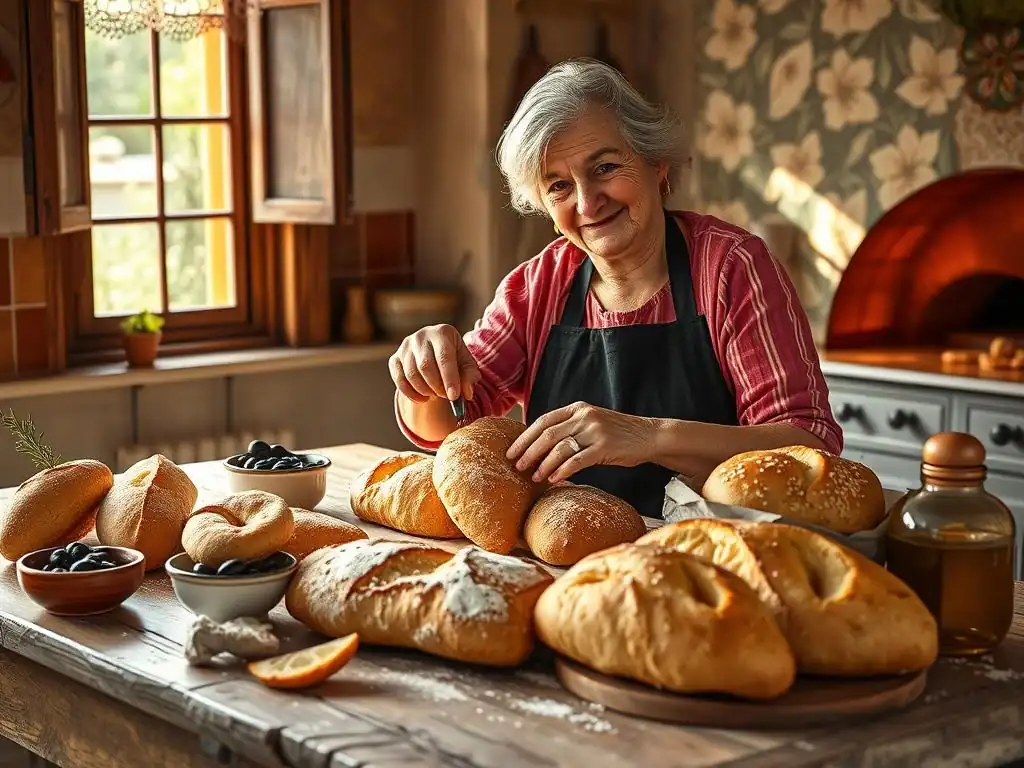
The soul of Pugliese baking resides in its exceptional local ingredients, foremost among them being durum wheat flour, particularly semola rimacinata (twice-milled semola). Puglia is Italy's leading producer of durum wheat, with vast fields covering much of its landscape. This specific flour, finer than standard semolina but coarser than all-purpose flour, imparts a unique texture and golden color to breads and pasta, giving them a characteristic chewiness and robust flavor.
It's the foundation for famous loaves like Pane di Altamura DOP, known for its long shelf life and distinctive crust and crumb. Using authentic semola rimacinata is key to achieving the true character of many easy Puglia baking recipes.
Another indispensable element is extra virgin olive oil. Puglia is the largest olive oil producing region in Italy, accounting for roughly 40% of the national output, with millions of olive trees dotting the countryside. The quality of the oil here is exceptional, ranging from intensely fruity to delicately mild.
In baking, olive oil is not just a fat; it's a flavor enhancer and texturizer. It's generously drizzled over focaccia before baking, incorporated into doughs for softness and aroma, and even used as the primary fat in certain cookies and taralli. The specific type of olive oil used can significantly impact the final taste, making it a crucial component in mastering easy Puglia baking recipes.
From Wheat Fields to Oven: The Puglia Baking Heritage
Puglia's baking heritage is intrinsically linked to its agricultural landscape and historical reliance on wheat. For centuries, bread was the staple food, and its production was a communal or family ritual. The region's history of mezzadria (sharecropping) meant that wheat was abundant, fostering a culture centered around its transformation into nourishing and delicious baked goods.
This history is visible in the traditional communal ovens found in many old towns, where families would bring their prepared dough to be baked. The focus was always on maximizing flavor and shelf life using simple, readily available ingredients – wheat, water, salt, and natural leaveners.
This deep-rooted connection to the land and its produce has preserved traditional techniques and recipes through generations. While modern kitchens offer convenience, the fundamental principles remain the same: understanding your dough, working with natural fermentation where possible, and appreciating the quality of the ingredients.
The baking heritage is not just about the recipes themselves but also the rhythm of life tied to the harvest and the seasons. Learning easy Puglia baking recipes today connects us to this rich past, allowing us to replicate not just the taste, but a piece of the cultural story embedded in each loaf and pastry.
Easy Puglia Baking Recipes: A Selection for Every Skill Level
Recipe 1: Focaccia Barese - The Quintessential Puglia Bread
Focaccia Barese is perhaps the most iconic baked good from Puglia, specifically from the city of Bari. It's characterized by its soft, airy interior and a delightfully crisp, oily crust studded with cherry tomatoes and olives. It's incredibly forgiving and makes for a fantastic introduction to easy Puglia baking recipes.
Ingredients for Authentic Focaccia Barese
To make a standard pan of Focaccia Barese (roughly 30x40 cm), you'll typically need:
- 500g semola rimacinata (or a mix of semola and strong bread flour)
- 400ml lukewarm water
- 10g fresh yeast (or 3-4g active dry yeast)
- 10g salt
- 2-3 tablespoons extra virgin olive oil for the dough + generous amount for the pan and topping
- 200-300g cherry tomatoes, halved
- 100-150g black olives (Pugliese olives like Bella di Cerignola or Cellina di Nardò are ideal), pitted
- Optional: Oregano, coarse sea salt
Step-by-Step Guide to Baking Focaccia Barese at Home
- Activate Yeast: In a large bowl, dissolve the yeast in lukewarm water. If using fresh yeast, ensure it's bubbly after 5-10 minutes.
- Mix Dough: Add the semola (and plain flour if using), salt, and olive oil to the water/yeast mixture. Mix with a spoon or in a stand mixer until a wet, sticky dough forms. It won't be smooth initially.
- Knead: Knead the dough for 5-10 minutes until it becomes slightly smoother and more elastic, though it will remain quite wet.
- First Rise: Cover the bowl and let the dough rise in a warm place for 1.5 to 2 hours, or until doubled in size.
- Prepare Pan: Generously grease a rectangular baking pan with olive oil. Pour the risen dough into the pan.
- Second Rise & Dimpling: Gently stretch the dough to fill the pan, taking care not to deflate it completely. Dimple the surface deeply with your fingertips. Press the halved cherry tomatoes (cut-side up) and olives into the dimples. Drizzle generously with more olive oil and sprinkle with coarse salt and oregano if desired. Let it rest for another 30-45 minutes.
- Bake: Preheat your oven to a high temperature, around 220-230°C (430-450°F). Bake the focaccia for 20-30 minutes, or until golden brown and cooked through.
- Cool: Let it cool slightly in the pan before slicing and serving warm.
Tips for the Perfect Focaccia Barese Texture
Achieving the characteristic soft interior and crisp base of Focaccia Barese relies heavily on hydration and heat. Using a high hydration dough (like the one outlined above with around 80% hydration relative to the flour) is crucial for that light, airy crumb. Don't be afraid of the wetness; it's what makes it tender. Handling it gently during the second rise and dimpling prevents knocking out too much air.
Equally important is the generous amount of olive oil, both in the pan and on top. This not only adds flavor but helps create that signature crispy, almost fried base and a glistening, appealing top crust. Baking at a high temperature ensures a quick rise and sets the crust before the interior dries out. If your oven has a pizza stone, preheating the stone and placing the pan on it can improve the crispness of the bottom crust. These simple techniques are key to mastering this easy Puglia baking recipe.
Recipe 2: Taralli - Savory Puglia Crackers
Taralli are ubiquitous in Puglia, found in every bakery, bar, and home. These small, ring-shaped crackers are simple, addictive, and surprisingly easy to make, making them a perfect candidate for easy Puglia baking recipes. Their unique texture comes from a brief boiling step before baking.
Making Crispy Taralli: A Simple Recipe
A basic taralli recipe typically involves flour (often a mix of all-purpose and semola), white wine, olive oil, and salt. The dough is mixed until smooth and elastic, then rolled into thin ropes and formed into rings. The key step is boiling: the taralli are dropped into boiling water until they float to the surface. This pre-cook gelatinizes the starch, resulting in an incredibly crispy texture after baking. They are then baked at a moderate temperature until golden and hard. This two-step process is simple but essential for the classic taralli crunch.
Flavor Variations for Your Homemade Taralli
While plain taralli are delicious on their own, they are a fantastic base for various flavorings. The most classic additions include fennel seeds, black pepper, or a pinch of peperoncino (red pepper flakes) for a little heat. Other popular variations incorporate ingredients directly into the dough or sprinkled on top before boiling/baking.
*   **Fennel Seed Taralli:** Add 1-2 tablespoons of fennel seeds to the dough mix.
*   **Black Pepper Taralli:** Incorporate 1-2 teaspoons of freshly ground black pepper into the dough.
*   **Onion Taralli:** Sauté finely minced onion until soft and mix into the dough.
*   **Olive Taralli:** Add finely chopped olives to the dough.
*   **Rosemary Taralli:** Mix finely chopped fresh rosemary into the dough.
*   **Multigrain Taralli:** Substitute a portion of the flour with whole wheat or other grain flours.
Experimenting with these simple additions allows you to customize your easy Puglia baking recipes for taralli to your personal taste preferences.
Recipe 3: Pasticiotto - A Sweet Treat from Lecce
Pasticiotto is a beloved oval-shaped pastry originating from Lecce in the Salento sub-region of Puglia. It consists of a shortcrust pastry shell filled with a smooth, rich crema pasticcera (pastry cream) and traditionally baked until golden. It's a delightful, not-too-sweet treat, perfect with coffee, and surprisingly straightforward for those looking for easy Puglia baking recipes on the sweeter side.
The Sweet Side of Puglia: Baking Pasticiotto
While Puglia is renowned for its savory baked goods, pasticiotto showcases its sweet capabilities. The pastry dough used is typically a pasta frolla (shortcrust pastry) made with flour, sugar, eggs, and often lard or butter, giving it a tender, crumbly texture. The filling is a classic Italian pastry cream, thickened with egg yolks and flour or cornstarch, and often flavored with lemon zest. The magic happens when these two simple components come together and bake, creating a warm, comforting pastry.
Baking Pasticiotto: A Beginner-Friendly Guide
Making pasticiotti involves preparing the pastry dough, making the pastry cream, assembling, and baking.
- Prepare Pastry Cream: Whisk egg yolks with sugar, then whisk in flour or cornstarch. Heat milk (often with lemon zest) and temper the egg mixture. Cook gently, stirring constantly, until thickened. Cool completely.
- Prepare Pastry Dough: Combine flour, sugar, and cold, diced fat (lard or butter). Rub together until crumbly, then add eggs and mix until a dough forms. Chill for at least 30 minutes.
- Assemble: Roll out the chilled dough and cut out oval shapes for the base and top. Press a dough oval into a greased pasticiotto mold (small oval tins are traditional, but muffin tins can work in a pinch). Fill with cooled pastry cream, leaving some space at the top. Cover with another oval of dough, pressing the edges to seal.
- Bake: Bake in a preheated oven at around 180-190°C (350-375°F) for 20-30 minutes, or until the pastry is golden brown.
- Cool: Let them cool slightly in the molds before turning them out. Pasticiotti are often enjoyed warm.
This process, while involving two components, uses standard techniques making it an accessible and rewarding addition to your repertoire of easy Puglia baking recipes.
Mastering Puglia Baking Techniques: Tips and Tricks
Working with Semola Rimacinata: A Puglia Baking Staple
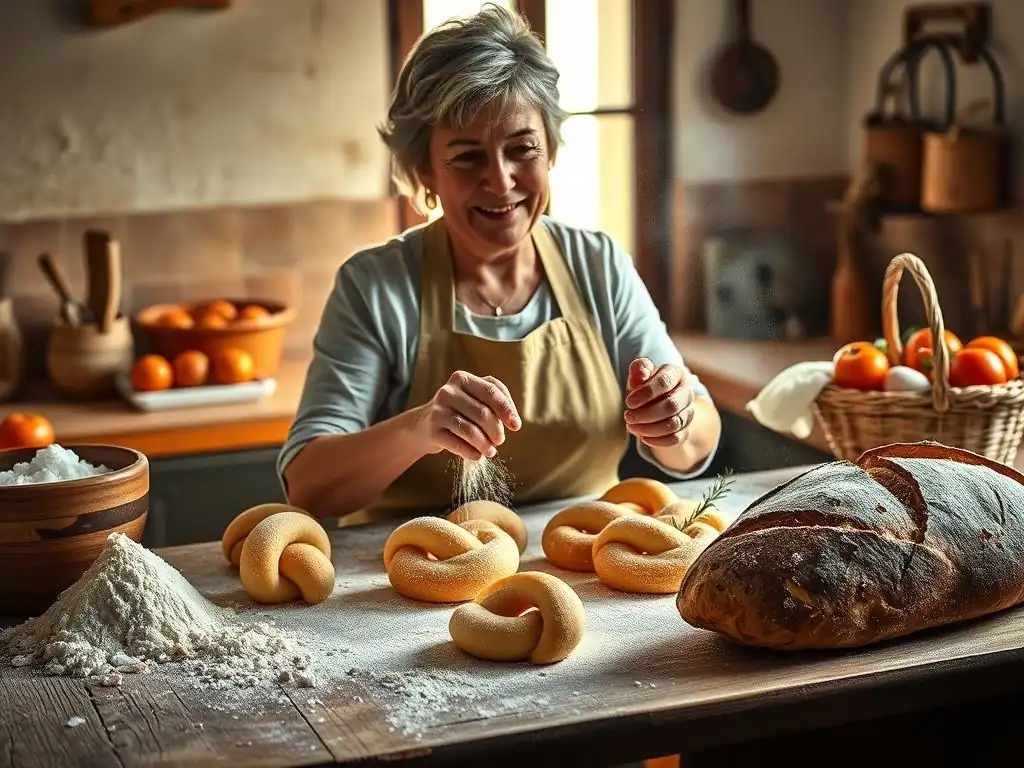
Semola rimacinata behaves differently from standard all-purpose or bread flour. It absorbs liquid more slowly but can handle high hydration, which contributes to the moist crumb of Pugliese breads. When mixing, allow sufficient time for the flour to fully hydrate – an autolyse step (mixing flour and water and letting it rest before adding other ingredients) can be particularly beneficial.
The gluten development in semola rimacinata results in a dough with less elasticity initially compared to strong wheat flour, but it develops a unique network that provides structure while keeping the crumb tender. Kneading might feel different; the dough might be stickier. Don't be tempted to add too much extra flour. Rely on techniques like stretch and folds during bulk fermentation to build strength in high-hydration semola doughs. Understanding these characteristics is key to successfully implementing easy Puglia baking recipes that call for this flour.
The Importance of Olive Oil in Puglia Baking
Olive oil's role in Puglia baking extends beyond just lubrication or flavor. In doughs like focaccia, it contributes to tenderness and helps create a fine, even crumb structure. When used generously on the surface and in the pan, it facilitates heat transfer, resulting in a wonderfully crisp exterior. The high smoke point of good extra virgin olive oil also makes it suitable for the relatively high temperatures used for baking focaccia and some breads.
Furthermore, olive oil acts as a natural preservative, contributing to the longevity of some Pugliese baked goods like taralli. Its antioxidants can help prevent staling. Choosing a good quality extra virgin olive oil, preferably Pugliese, will significantly elevate the flavor profile of your easy Puglia baking recipes, imparting a distinct fruity or peppery note that is characteristic of the region's baked goods. Don't be shy with the oil where the recipe calls for it – it's integral to the authentic experience.
Shaping and Baking Traditional Puglia Breads
Traditional Pugliese breads often feature rustic shapes that reflect their handmade nature. Focaccia is typically baked in a rectangular or round pan. Pane di Altamura is known for its distinctive, often folded or hat-like shape, which helps create a varied crust texture. Shaping these breads isn't about perfect uniformity but about managing the dough's structure and ensuring even baking. For high-hydration doughs, using wet hands or a bench scraper can make handling easier.
Baking temperatures for Pugliese breads, especially those with a robust crust like Pane di Altamura or Focaccia Barese, are often quite high, typically ranging from 200°C to 230°C (390°F to 450°F). This high heat helps create a strong crust and encourages a good oven spring. Using a preheated baking stone or steel can further improve crust development. For easy Puglia baking recipes, ensuring your oven is fully preheated to the specified temperature is crucial for achieving the desired texture.
Adapting Puglia Baking Recipes for Modern Kitchens
Substituting Ingredients in Puglia Recipes
While authentic Pugliese baking often relies on specific local ingredients, it's possible to achieve delicious results in a modern kitchen with substitutions. The most common challenge is finding semola rimacinata. If unavailable, a mix of high-quality bread flour and fine semolina (the type used for pasta) can approximate the texture. A ratio of 70% bread flour to 30% fine semolina is a common starting point, though results will vary. For recipes where the golden color is less crucial, strong bread flour can often be used on its own, though the crumb might be slightly different.
For olive oil, while Pugliese extra virgin is ideal, any good quality extra virgin olive oil will work. Avoid light or refined olive oils, as they lack the flavor crucial for these recipes. In sweet recipes like Pasticiotto, if lard is specified and you prefer not to use it, unsalted butter is a standard substitute in pasta frolla, typically used in a 1:1 ratio by weight. These simple swaps make many easy Puglia baking recipes accessible regardless of your local grocery store's stock.
Scaling Puglia Recipes for Different Serving Sizes
Scaling easy Puglia baking recipes requires careful attention, particularly with leavening agents and baking times. If you double a recipe, you generally double the ingredients, but yeast or sourdough starter might need slight adjustment – sometimes slightly less than double is sufficient, as a larger mass of dough ferments more quickly. Baking times will also likely increase, as a larger or thicker item takes longer to cook through. Conversely, halving a recipe might require a touch more yeast relative to the flour weight to ensure proper leavening in a smaller mass.
When scaling, it's also important to consider the pan size. For focaccia, a larger batch needs a larger pan to maintain the desired thickness. If you scale down, use a smaller pan. Baking time is often more reliably judged by the internal temperature of breads (around 90-95°C or 195-205°F) or the visual cue of golden-brown crust than by strictly adhering to scaled time estimates. Starting with the original recipe and understanding its dynamics will help you make informed adjustments when scaling easy Puglia baking recipes.
Enjoy the Taste of Puglia: Serving and Storing Your Baked Goods
Pairing Puglia Breads and Crackers with Regional Dishes
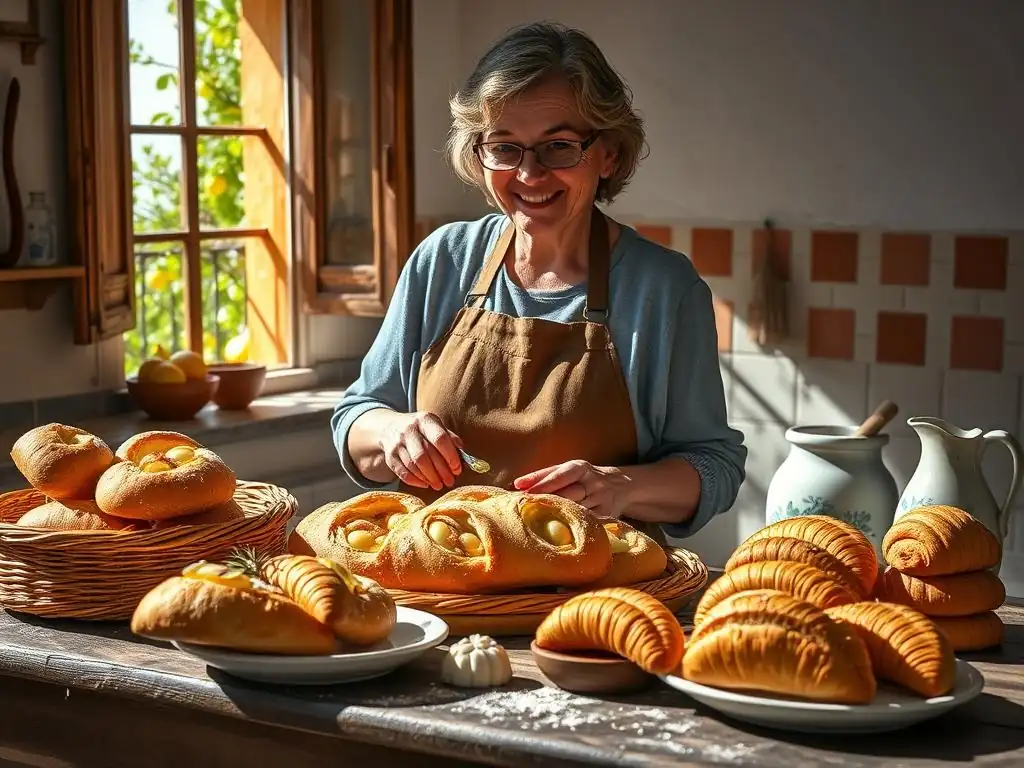
Puglia's baked goods are designed to complement the region's vibrant cuisine. Focaccia Barese, still warm from the oven, is perfect on its own, but also pairs wonderfully with local cheeses like burrata or caciocavallo, or alongside grilled vegetables. Taralli are the ultimate aperitivo snack, often served with platters of cured meats (like capocollo or soppressata), olives, and cheeses.
- Pair Focaccia Barese with a simple salad of tomatoes and basil, or use it to mop up the sauce from a fish stew (like ciambotta).
- Serve Taralli with a selection of Pugliese antipasti, such as fried panzerotti, marinated anchovies, or broad bean puree ( fave e cicorie).
- Use sturdy Pugliese bread slices ( Pane di Altamura, if you bake it) for bruschetta topped with local produce, or as an accompaniment to hearty legume soups or stews.
These easy Puglia baking recipes provide perfect edible vessels and accompaniments for exploring the wider flavors of the region.
Storing Your Homemade Puglia Baked Goods for Freshness
Proper storage is key to enjoying your easy Puglia baking recipes for more than just the first day. Breads like focaccia are best enjoyed fresh, ideally within 24 hours. Store cooled focaccia in a paper bag at room temperature to maintain its crust, or in an airtight container if you prefer a softer crust. For longer storage, focaccia freezes well; wrap tightly in plastic wrap and then foil, and reheat in a moderate oven from frozen or thawed.
Taralli, being dry crackers, have a much longer shelf life. Once completely cooled, store them in an airtight container at room temperature. They should remain crisp for several weeks. Pasticiotti are best enjoyed warm from the oven. If you have leftovers, store them in an airtight container in the refrigerator for 1-2 days due to the cream filling. They can be gently reheated in a low oven to restore some of their warmth and texture.
More Italian Baking Adventures with BakeWithEase
Exploring Other Regional Italian Baking Traditions
Italy is a mosaic of culinary traditions, and baking varies significantly from region to region. Beyond the rustic charm of Puglia, you can explore the elaborate pastries of Sicily, like cannoli and cassata, or the simple, hearty breads of Tuscany, such as Pane Toscano (made without salt). Campania offers Neapolitan pizza and sfogliatelle, while the North boasts enriched doughs and festive cakes like panettone and pandoro.
Each region tells a different story through its baked goods, influenced by local ingredients, history, and culture. Exploring these diverse traditions allows you to appreciate the breadth and depth of Italian baking. From leavened doughs to delicate pastries, there's a lifetime of discovery for the home baker eager to expand their skills beyond easy Puglia baking recipes.
Advanced Baking Techniques for Italian Breads and Pastries
Once you've mastered easy Puglia baking recipes and explored other regional basics, you might be ready to delve into more advanced techniques. This could include working with sourdough starters (lievito madre) for complex, naturally leavened breads like Pane di Altamura or Pane Casereccio, which develop deeper flavors and unique textures over longer fermentation periods.
Other advanced areas include mastering lamination for pastries like cornetti (Italian croissants), working with enriched doughs for festive breads, or perfecting the intricate shaping required for specific regional specialties. Understanding dough hydration levels more deeply, controlling fermentation temperatures, and utilizing steam in your oven are all techniques that elevate your baking. BakeWithEase offers resources to guide you on this journey, helping you tackle more challenging but incredibly rewarding Italian baking projects.
[ ] Explore semola rimacinata sources for future easy Puglia baking recipes.
[ ] Research historical communal ovens in Puglia.
[ ] Plan the next Italian regional baking deep-dive article.
Frequently Asked Questions
What makes Puglia baking unique and desirable?
Puglia baking is known for its simple, rustic flavors using readily available ingredients like durum wheat, olive oil, and fresh vegetables. It emphasizes traditional techniques passed down through generations, resulting in hearty and flavorful baked goods.
Are Puglia baking recipes suitable for beginner bakers?
Yes, many Puglia baking recipes are perfect for beginners because they often require few ingredients and straightforward methods. BakeWithEase offers easy-to-follow instructions to ensure success, even for those new to baking.
What are some essential ingredients commonly used in Puglia baking?
Key ingredients include durum wheat flour, which gives bread a distinctive texture, extra virgin olive oil for richness, and fresh ingredients like tomatoes, olives, and oregano for flavor.
Where can I find authentic Puglia baking recipes?
BakeWithEase.com offers a curated collection of easy Puglia baking recipes, focusing on simplicity and accessibility. Our recipes provide step-by-step guidance to help you recreate authentic flavors at home.
What types of baked goods are popular in the Puglia region of Italy?
Popular items include Taralli (savory crackers), Focaccia Barese (a thick, olive oil-rich flatbread), and various types of rustic breads and pastries featuring local ingredients.
Final Reflection: The Sweet Taste of Puglia, A Legacy Baked In
The simple act of baking, imbued with the sun-drenched flavors of Puglia, offers more than just delicious treats; it's a connection to history, culture, and a simpler way of life. These easy recipes, passed down through generations, are a testament to the enduring power of tradition and the joy found in sharing culinary heritage. The accessibility of these recipes makes them a perfect entry point for anyone wanting to explore the rich culinary landscape of Southern Italy.
The influence of Puglian baking extends far beyond the kitchen; it's woven into the fabric of daily life, a comforting presence at family gatherings, and a symbol of hospitality. It's a reminder that the most cherished recipes are often the simplest, reflecting a deep connection to the land and its people. Food is symbolic of love when words are inadequate.
- Alan D. Wolfelt. This sentiment perfectly captures the essence of Puglian baking – a language of love expressed through flour, sugar, and the warmth of an oven.
Now, I invite you to roll up your sleeves, gather your ingredients, and embark on your own Puglian baking journey. Don't be afraid to experiment, to adapt, and to share the delicious results with those you love. Let the aroma of these simple recipes fill your home, transporting you to the sun-kissed shores of Puglia, even if only for a moment. The legacy of Puglian baking awaits – embrace it, and let its sweet taste linger long after the last crumb is gone.
Unlock the Flavors of Puglia: Start Baking Today!
Thank you for joining us on this culinary journey through the sun-drenched landscapes of Puglia! We hope you've discovered some delicious inspiration and newfound confidence in your baking abilities. Ready to bring a taste of Italy into your kitchen?
- Bake your favorite Pugliese recipe: Choose one recipe from the article that excites you most and get baking! Don't be afraid to experiment with ingredients and techniques.
- Share your creations: Tag us on social media with your Pugliese baking triumphs – we'd love to see your culinary masterpieces!
- Explore more Italian baking: Dive deeper into the world of Italian baking by browsing our other regional guides on BakeWithEase.com (Note: No actual link will be used as per instructions).
What unique Pugliese twist will you add to your next baking adventure?