
Dive into Easy Italian Biscotti Recipes

Welcome to BakeWithEase, your partner in crafting delicious baked goods!
Ever dreamt of creating authentic Italian biscotti without the fuss? Unlock the secrets to perfectly crisp and flavorful treats with our Easy Italian Biscotti Recipes Guide. Discover simple techniques and ingredient hacks that will have you baking like a pro in no time. Intrigued? Let's get baking!
- Dive into Italian Biscotti Recipes: A Baking Guide
- Introduction to Italian Biscotti Baking
- Essential Ingredients for Authentic Italian Biscotti
- Italian Biscotti Recipes: Step-by-Step Guides
- Biscotti Baking Tips and Techniques for Success
- Variations and Adaptations: Expanding Your Biscotti Repertoire
- Troubleshooting Common Biscotti Baking Problems
- Serving and Enjoying Your Homemade Biscotti
- Conclusion: Mastering Italian Biscotti
-
Frequently Asked Questions
- What exactly are biscotti, and why are they so popular?
- Are biscotti recipes difficult to master for a beginner baker?
- What are some common ingredients I'll need to bake biscotti at home?
- How does the double-baking process affect the final texture of the biscotti?
- Can I customize the flavors in my biscotti recipes?
- Final Reflection: The Enduring Allure of Simple Italian Biscotti
- Unlock Your Inner Biscotti Baker!
Dive into Italian Biscotti Recipes: A Baking Guide
Introduction to Italian Biscotti Baking
What are Biscotti? Exploring the History and Origins
Biscotti, known in Italy as cantucci or cantuccini, are traditional Italian almond biscuits that originated in the Tuscan city of Prato. The name "biscotti" literally means "twice-cooked" ( bis - twice, cotti - cooked) in Italian, referring to their unique baking process. This double baking method is what gives biscotti their characteristic dry, crunchy texture, perfect for dipping. Historical records suggest biscotti date back to Roman times, used by travelers and legions because their dryness made them extremely durable and resistant to spoilage over long journeys.
The modern biscotti, specifically the cantucci with almonds, became popular in the 16th century. Antonio Mattei, a baker from Prato, is credited with standardizing the recipe in the 19th century, making his bakery famous for these delightful cookies. The classic recipe includes flour, sugar, eggs, and almonds, often flavored with anise or citrus zest. Following an easy Italian biscotti recipes guide today allows home bakers to connect with centuries of culinary tradition, creating treats that are simple yet steeped in history.
Why Biscotti are Perfect for Home Baking: Ease and Versatility
Biscotti stand out as an excellent choice for home bakers of all skill levels, making them a staple in any easy Italian biscotti recipes guide. Unlike delicate pastries or complex cakes, the dough for biscotti is forgiving and requires minimal special equipment. A basic mixing bowl, a baking sheet, and an oven are typically all you need. The shaping process, usually forming logs, is straightforward, and the double bake, while unique, is simple to execute. This inherent simplicity reduces the intimidation factor often associated with baking more elaborate treats.
Beyond their ease of preparation, biscotti offer incredible versatility. The basic dough serves as a fantastic canvas for a wide array of flavors and additions. You can incorporate different nuts like pistachios or hazelnuts, dried fruits such as cranberries or cherries, spices like cinnamon or cardamom, or even chocolate chips. This adaptability means you can easily customize an easy Italian biscotti recipes guide to suit personal tastes or seasonal ingredients, ensuring you never run out of delicious variations to try.
Your Guide to Mastering Biscotti
Embarking on the journey of baking biscotti is a rewarding experience that brings the taste of Italy right into your kitchen. This easy Italian biscotti recipes guide is designed to walk you through the process, from understanding the core ingredients to mastering the double bake that defines these delightful cookies. We'll explore classic recipes and exciting variations, providing tips and techniques to help you achieve that perfect crunchy texture every time.
Whether you're a complete beginner or looking to perfect your existing skills, this guide aims to demystify biscotti baking. We'll cover common pitfalls and how to avoid them, ensuring your baking adventure is smooth and successful. By following these steps and insights, you'll gain the confidence to bake beautiful, delicious biscotti that are perfect for dipping, gifting, or simply enjoying on your own. Let's dive into the essentials needed to start baking.
Essential Ingredients for Authentic Italian Biscotti
Flour Power: Choosing the Right Flour for Biscotti
The foundation of any great biscotti is the flour, and choosing the right type is crucial for achieving the desired texture. Most easy Italian biscotti recipes guides call for all-purpose flour. This type of flour has a moderate protein content (typically around 10-12%), which provides enough structure for the cookie logs to hold their shape during the first bake but isn't so high that it makes the final biscotti excessively tough. Using bleached or unbleached all-purpose flour is generally acceptable, with unbleached often preferred by some for slightly better flavor.
While all-purpose flour is standard, some recipes might suggest a blend, perhaps incorporating a small amount of bread flour for extra chewiness or cake flour for a more tender crumb (though less common for classic biscotti). The key is consistency; using the specified type and amount is vital.
For instance, a standard batch might require about 2 to 2.5 cups (approximately 240-300g) of all-purpose flour. Measuring accurately, preferably by weight using a kitchen scale, helps ensure the dough has the correct consistency—firm enough to shape but not dry and crumbly—which is a key step in any successful easy Italian biscotti recipes guide.
Sweeteners: Sugar and Other Options for Biscotti
Sugar plays a vital role in biscotti, not only providing sweetness but also contributing to the structure and browning of the cookies. Granulated sugar is the most commonly used sweetener in easy Italian biscotti recipes. Its fine crystals dissolve well in the dough, ensuring even sweetness and contributing to the cookie's crispness. A typical recipe might use around 1 cup (about 200g) of granulated sugar. The amount can be adjusted slightly based on personal preference, but reducing it significantly can affect the texture and spread.
Beyond granulated sugar, some variations might incorporate brown sugar for a hint of molasses flavor and added moisture, or even a small amount of honey or maple syrup for different flavor profiles and slight chewiness. However, for classic, crisp biscotti, granulated sugar is usually the go-to. For those seeking low-sugar options, using alternative sweeteners is possible, but it often requires experimentation as they can behave differently than sugar, potentially affecting the dough's consistency and the final texture of your biscotti. Always check if your easy Italian biscotti recipes guide specifies a particular type or amount of sugar.
Nuts and Flavors: Adding Depth to Your Biscotti Recipes
Nuts are perhaps the most iconic addition to traditional Italian biscotti, with whole or chopped almonds being the classic choice. These provide a delightful crunch and nutty flavor that complements the simple cookie base. Using unroasted almonds is common, as they toast beautifully during the double-baking process, enhancing their flavor. A typical batch might include 1 to 1.5 cups (approximately 120-180g) of whole or roughly chopped almonds. Toasting the nuts lightly before adding them to the dough is an optional step that can deepen their flavor even further.
The flavor profile of biscotti extends beyond just nuts. Anise seeds are a traditional flavoring, offering a subtle licorice-like note that is distinctly Italian. Citrus zest, particularly lemon or orange, adds a bright, fragrant element that cuts through the sweetness. Vanilla extract is also a common addition, providing a warm, classic flavor. Modern easy Italian biscotti recipes guides often include variations with chocolate chips, dried cranberries, pistachios, hazelnuts, or even spices like cinnamon or cardamom, allowing for endless customization and creativity in your baking.
Italian Biscotti Recipes: Step-by-Step Guides
Classic Almond Biscotti Recipe
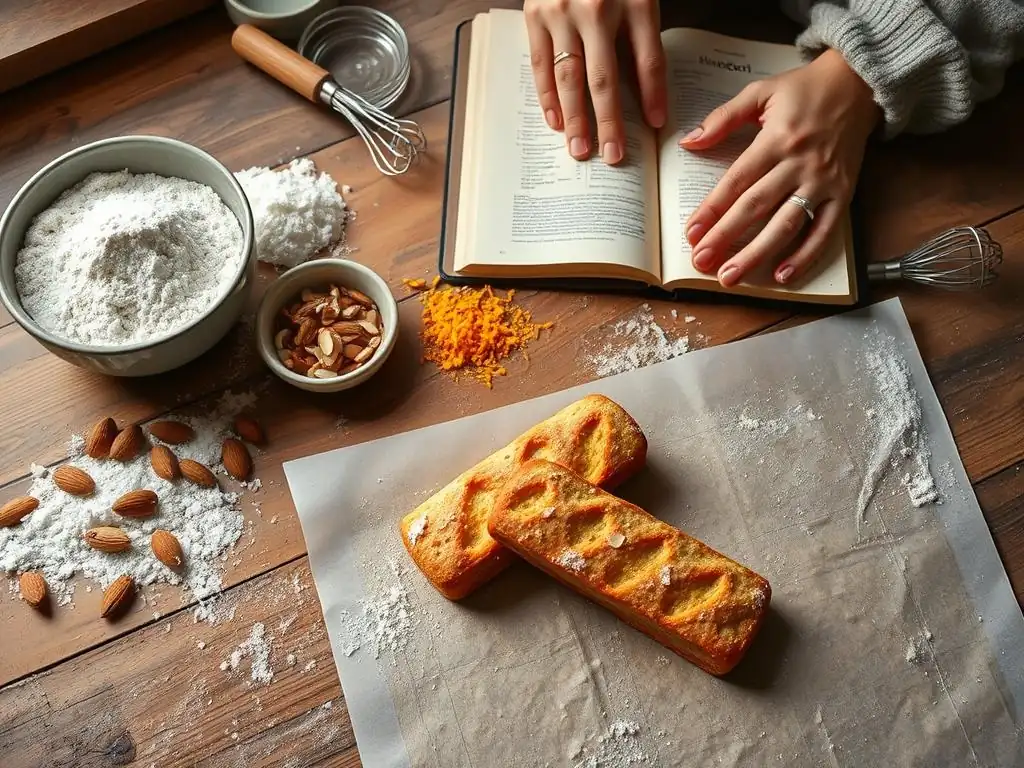
Let's dive into a foundational recipe that serves as the basis for many variations. This classic almond biscotti is a perfect starting point for anyone following an easy Italian biscotti recipes guide. You'll typically need about 2 cups of all-purpose flour, 1 cup of granulated sugar, 2 large eggs, 1 teaspoon of baking powder, a pinch of salt, 1 teaspoon of vanilla extract, and 1 cup of whole or roughly chopped almonds. Preheat your oven to 350°F (175°C) and line a baking sheet with parchment paper.
In a large bowl, whisk together the flour, sugar, baking powder, and salt. In a separate bowl, whisk the eggs and vanilla extract. Create a well in the center of the dry ingredients and pour in the wet ingredients. Mix with a wooden spoon or spatula until a cohesive dough starts to form. It will be quite stiff. Gently fold in the almonds until evenly distributed. The dough will be sticky but manageable. Turn the dough out onto a lightly floured surface and gently knead a few times to bring it together.
Preparing the Almond Biscotti Dough
Preparing the dough for classic almond biscotti is a relatively simple process that requires minimal effort. Once your dry and wet ingredients are combined and the almonds are folded in, you'll have a firm, slightly sticky dough. Avoid overworking the dough, as this can lead to tough biscotti. The goal is just to bring the ingredients together until they form a cohesive mass.
Divide the dough in half. On a lightly floured surface or directly on your parchment-lined baking sheet, shape each half into a log. The logs should be about 10-12 inches long and 2-3 inches wide, and about 1/2 to 3/4 inch thick. Try to make them as uniform as possible so they bake evenly during the first phase. Placing them on the prepared baking sheet, leaving several inches between them as they will spread slightly during the first bake.
Shaping and Baking the Biscotti Logs
Shaping the dough logs is a key step in the first bake. As mentioned, aim for logs roughly 10-12 inches long and 2-3 inches wide. The height is also important; keeping them relatively flat (around 1/2 to 3/4 inch tall) helps ensure they bake through properly before slicing. Some bakers find it helpful to lightly wet their hands when shaping sticky dough. Place the logs on your parchment-lined baking sheet, giving them ample space – perhaps 4-5 inches between them, depending on the size of your sheet and logs.
Bake the logs in the preheated oven (350°F / 175°C) for the first bake. This usually takes about 25-30 minutes. You'll know they are ready when they are firm to the touch, slightly puffed, and lightly golden brown around the edges. They won't look fully baked through, and that's perfectly normal – the second bake will handle the rest. Remove the baking sheet from the oven and let the logs cool on the sheet for about 10-15 minutes. This cooling period is crucial as it allows the logs to firm up before slicing, preventing them from crumbling.
The Double Bake: Achieving Biscotti Perfection
The signature characteristic of biscotti is the double bake, which is essential for achieving that classic dry, crunchy texture perfect for dipping. After the logs have cooled slightly (about 10-15 minutes, they should still be warm but firm enough to handle), carefully transfer one log to a cutting board. Using a serrated knife, slice the log on the diagonal into cookies about 1/2 inch thick. A sharp serrated knife is key here to get clean cuts without crushing the delicate, partially-baked log.
Arrange the sliced biscotti back on the baking sheet, cut side down. You might need a second baking sheet if you have a large batch. Reduce the oven temperature to about 300°F (150°C). Return the biscotti to the oven for the second bake. This second bake typically lasts about 10-15 minutes per side.
Bake for 10-15 minutes, then carefully flip each biscotti and bake for another 10-15 minutes, or until they are dry to the touch and golden brown. The exact timing depends on your oven and desired level of crispness. Let them cool completely on a wire rack. This double bake ensures the biscotti are dried out internally, giving them their long shelf life and signature snap.
Anise Biscotti: A Traditional Italian Flavor
Anise biscotti are a beloved variation, capturing a distinct Italian flavor profile often associated with holiday baking. The subtle, sweet licorice-like taste comes from anise seeds or extract. This version follows a similar easy Italian biscotti recipes guide structure as the classic almond, but with the addition of this unique flavoring. It's a flavor that evokes tradition and is often enjoyed with coffee or a sweet wine like Vin Santo.
To make traditional anise biscotti, you'll use a basic dough base similar to the almond version (flour, sugar, eggs, baking powder, salt) but omit the vanilla. The key addition is anise. You can use whole anise seeds, typically 1 to 2 teaspoons, or anise extract, usually 1/2 to 1 teaspoon. Some recipes include both for a more pronounced flavor. The seeds add tiny pops of flavor and visual interest, while the extract disperses the flavor more evenly throughout the cookie.
Anise Seed vs. Anise Extract: Choosing the Right Flavor
When adding anise flavor to your biscotti, you have two main options: anise seeds or anise extract. Each offers a slightly different experience. Anise seeds are small, whole seeds that provide a gentle, slightly sweet licorice flavor. When baked, they release their aromatic oils. Using seeds (typically 1-2 teaspoons per batch) results in a more subtle flavor and adds tiny, visually appealing flecks to the biscotti. Some bakers lightly toast the seeds before adding them to intensify their aroma.
Anise extract, on the other hand, is a liquid flavoring that provides a more potent and evenly distributed anise taste. A little goes a long way; typically, 1/2 to 1 teaspoon of extract is sufficient for a standard batch. Using extract ensures that every bite has a consistent anise flavor. While seeds are perhaps more traditional in some regions, extract offers convenience and a reliable flavor strength. Your choice depends on your preference for intensity and whether you want the visual element of the seeds in your easy Italian biscotti recipes.
Anise Biscotti Recipe: Detailed Instructions
To make anise biscotti, begin by combining the dry ingredients: about 2 cups all-purpose flour, 1 cup granulated sugar, 1 teaspoon baking powder, and a pinch of salt. If using anise seeds, whisk 1-2 teaspoons of seeds into the dry mix. In another bowl, whisk together 2 large eggs. If using anise extract, whisk 1/2 to 1 teaspoon of extract into the eggs.
Add the wet ingredients to the dry and mix until a stiff dough forms. At this point, you can fold in nuts if desired (almonds pair well, or omit for pure anise flavor). Divide the dough in half and shape into logs about 10-12 inches long and 2-3 inches wide on a parchment-lined baking sheet. Bake at 350°F (175°C) for 25-30 minutes until firm and lightly golden.
Let cool for 10-15 minutes, then slice diagonally into 1/2-inch thick cookies using a serrated knife. Arrange slices on the baking sheet, cut side down. Reduce oven temperature to 300°F (150°C) and bake for a second time for 10-15 minutes per side, until dry and crisp. Let cool completely on a wire rack.
Chocolate Biscotti: A Modern Twist on a Classic
Chocolate biscotti offer a delightful contemporary spin on the traditional Italian cookie, appealing to chocolate lovers everywhere. This variation demonstrates the versatility of the basic biscotti dough. You can incorporate chocolate in several ways: by adding cocoa powder to the dough itself, by folding in chocolate chips or chunks, or even by dipping the finished biscotti in melted chocolate. A popular approach in many easy Italian biscotti recipes guides is to add both cocoa powder and chocolate chips for a double dose of chocolatey goodness.
Making chocolate biscotti typically involves adjusting the dry ingredients slightly from the classic recipe. For example, you might use about 1 3/4 cups of all-purpose flour and replace 1/4 cup with unsweetened cocoa powder. This gives the dough a rich brown color and chocolate flavor.
Then, you can fold in 1/2 to 1 cup of chocolate chips or chopped chocolate (dark, milk, or white) along with any nuts or other mix-ins. This creates a cookie that is both crunchy and filled with pockets of melted chocolate, especially enjoyable when following an easy Italian biscotti recipes guide focused on modern variations.
Adding Chocolate: Tips and Tricks
Incorporating chocolate into your biscotti dough requires a few considerations to ensure the best results. If adding cocoa powder, make sure it's unsweetened natural or Dutch-process cocoa powder. Dutch-process cocoa tends to be less acidic and provides a darker color and smoother flavor, while natural cocoa is more acidic and can react differently with leavening agents, though this is less critical in a recipe with only baking powder. Sifting the cocoa powder with the flour helps prevent clumps and ensures even distribution.
When adding chocolate chips or chunks, consider the type of chocolate and the size of the pieces. Mini chips distribute more evenly, while larger chunks provide more intense pockets of melted chocolate. About 1/2 to 1 cup per batch is a good starting point. If you want to dip the finished biscotti, tempering the chocolate will give it a glossy finish and prevent melting at room temperature, though simply melting and dipping is fine for a home treat. Ensure the biscotti are completely cool and dry before dipping.
Chocolate Biscotti Recipe
To make chocolate biscotti, start by whisking together about 1 3/4 cups all-purpose flour, 1/4 cup unsweetened cocoa powder, 1 cup granulated sugar, 1 teaspoon baking powder, and a pinch of salt. In a separate bowl, whisk 2 large eggs and 1 teaspoon vanilla extract. Combine wet and dry ingredients, mixing until a stiff dough forms. Fold in 1/2 to 1 cup of chocolate chips or chopped chocolate, and optionally, 1/2 cup of nuts like walnuts or pecans.
Divide the dough in half and shape into logs (10-12 inches long, 2-3 inches wide) on a parchment-lined baking sheet. Bake at 350°F (175°C) for 25-30 minutes. Let cool for 10-15 minutes, then slice diagonally into 1/2-inch pieces using a serrated knife. Arrange slices cut side down on the baking sheet. Reduce oven to 300°F (150°C) and bake for a second time for 10-15 minutes per side, until dry and crisp. Let cool completely on a wire rack. For extra indulgence, you can dip one end of the cooled biscotti in melted chocolate.
Biscotti Baking Tips and Techniques for Success
Achieving the Perfect Biscotti Texture: Crunchy Yet Not Too Hard
The ideal biscotti texture is a delightful balance: firm and crunchy, perfect for dipping, but not so hard that you risk breaking a tooth. This texture is primarily achieved through the double baking process. The first bake cooks the log through, and the second bake dries out the sliced cookies. The duration and temperature of the second bake are critical. Baking at a lower temperature (around 300°F or 150°C) for a longer time (total 20-30 minutes, flipping halfway) helps dry the biscotti gently without burning the edges.
Monitoring the biscotti during the second bake is key. They should feel dry and firm when you tap them. If they still feel slightly soft or moist in the center, they need more time. However, overbaking at this stage will result in excessively hard cookies. Ovens vary, so pay close attention and adjust timing as needed. Allowing the biscotti to cool completely on a wire rack after the second bake is also important; they will continue to crisp up as they cool. The right balance ensures your easy Italian biscotti recipes yield cookies that are satisfyingly crisp for dipping.
Preventing Biscotti from Spreading: Dough Consistency is Key
One common issue when following an easy Italian biscotti recipes guide is the dough spreading too much during the first bake, resulting in flatter, wider cookies than intended. The primary culprit is often the consistency of the dough. If the dough is too wet or soft, it won't hold its log shape well in the heat of the oven. This can happen if you use too much liquid (like eggs or extract), don't use enough flour, or measure ingredients inaccurately (especially if measuring flour by volume instead of weight).
Ensuring the dough is properly mixed to a firm, but not dry, consistency is vital. It should be stiff enough to hold its shape when formed into a log on the baking sheet. If your dough feels too sticky or wet after mixing, you can add a tablespoon or two of extra flour until it's more manageable. Conversely, if it's too dry and crumbly, add a tiny bit more egg or a teaspoon of milk or water. Also, avoid placing the logs too close together on the baking sheet, as overcrowding can affect how they bake and spread.
Storing Biscotti for Optimal Freshness
Proper storage is essential for maintaining the signature crunch and freshness of your homemade biscotti. Because they are twice-baked to remove moisture, biscotti have a naturally long shelf life compared to many other cookies. Once they are completely cooled after the second bake – and this is crucial, ensure they are fully cooled – store them in an airtight container.
Airtight containers, such as cookie tins with tight-fitting lids or glass jars with rubber seals, are ideal. Store the container at room temperature in a cool, dry place away from direct sunlight or humidity. Stored correctly, biscotti can remain fresh and crunchy for several weeks, sometimes even longer. Avoid storing them in the refrigerator, as condensation can introduce moisture and make them soft. If they do lose some crispness over time, you can briefly re-bake them at a low temperature (around 250°F / 120°C) for 5-10 minutes to dry them out again.
Variations and Adaptations: Expanding Your Biscotti Repertoire
Gluten-Free Biscotti Recipe: A Delicious Alternative
For those following a gluten-free diet, enjoying delicious biscotti is still entirely possible with a few simple adaptations to an easy Italian biscotti recipes guide. The main change involves substituting the all-purpose flour with a gluten-free flour blend. It's important to use a high-quality, all-purpose gluten-free blend that is designed for baking and contains a mix of flours and starches, often including xanthan gum to provide structure that gluten would normally offer.
When adapting a recipe, a straight 1:1 substitution of gluten-free blend for wheat flour often works, but sometimes minor adjustments to liquid may be needed as gluten-free flours can absorb moisture differently. A typical gluten-free recipe might use around 2 to 2.5 cups of a gluten-free blend. Adding a binder like an extra egg or a bit of psyllium husk powder can also improve the dough's structure and prevent crumbling. The baking process—the double bake—remains the same, ensuring the gluten-free versions achieve a similar crunchy texture.
Biscotti Recipe with Dried Cranberries and Pistachios
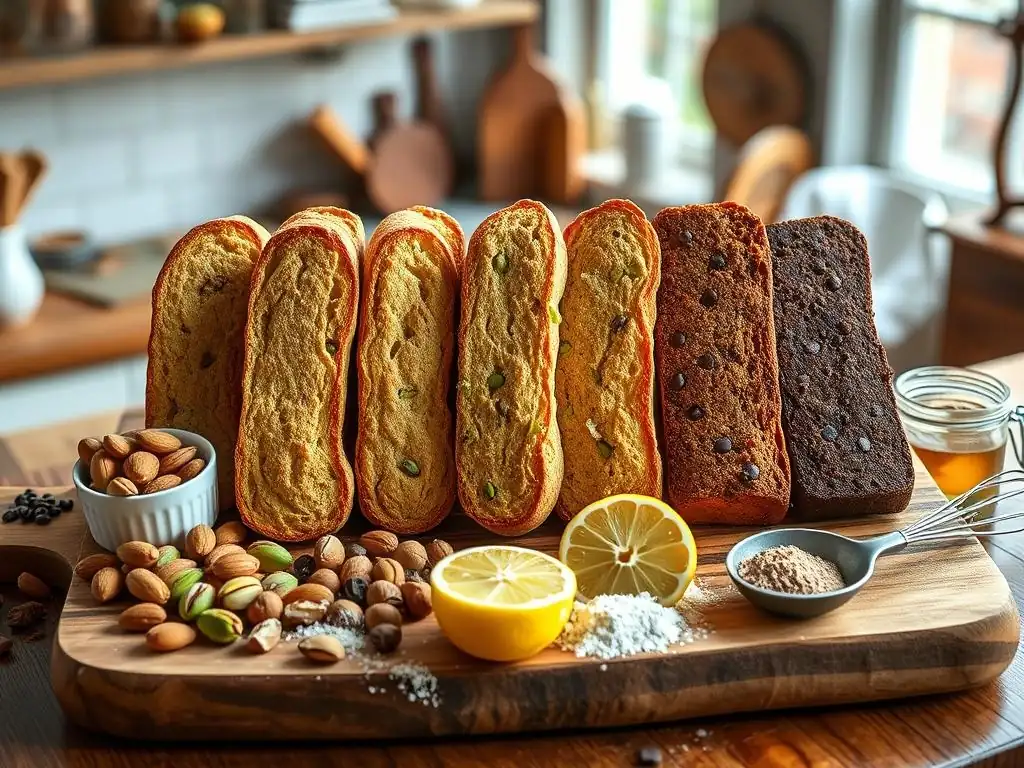
Adding dried fruit and different nuts is a popular way to customize biscotti, offering a delightful combination of textures and flavors. Dried cranberries provide a chewy texture and tart sweetness that contrasts beautifully with the crunch of the cookie and the richness of nuts. Pistachios, with their vibrant green color and distinct flavor, are an excellent nut choice that pairs well with cranberries.
To make this variation using your easy Italian biscotti recipes guide base, simply fold in about 1/2 to 1 cup of dried cranberries and 1/2 to 1 cup of shelled pistachios (whole or chopped) into the dough after the dry and wet ingredients are combined. These quantities can be adjusted based on how loaded you want your biscotti to be. The baking times and temperatures remain the same as the classic recipe. This combination results in visually appealing biscotti with bursts of flavor and varying textures in every bite.
Lemon Biscotti
Lemon biscotti offer a bright, zesty alternative to the classic flavors, perfect for those who enjoy citrus notes in their baked goods. The vibrant flavor comes primarily from fresh lemon zest. The oils in the zest are packed with flavor and aroma, which infuse into the dough during mixing and baking. Some recipes might also include a touch of lemon juice, but zest provides a more concentrated flavor without adding excess liquid that could alter the dough consistency.
To create lemon biscotti using an easy Italian biscotti recipes guide, incorporate the zest of one or two medium lemons into the wet ingredients or whisk it directly into the dry ingredients before combining. A standard recipe using 2 cups of flour might benefit from the zest of two lemons for a noticeable citrus punch. You can also add a teaspoon of lemon extract for an even stronger flavor, though fresh zest is often preferred for its natural brightness. Almonds still pair wonderfully with lemon, or you can omit nuts for a pure lemon flavor.
Troubleshooting Common Biscotti Baking Problems
Biscotti Too Hard? Solutions and Prevention
If your biscotti turn out excessively hard, almost like bricks, it's a common issue that can usually be traced back to the baking process. The most frequent cause is over-baking during the second bake. Remember, the goal is to dry them out, not turn them into rock candy. Baking at too high a temperature or for too long will remove too much moisture, resulting in a very hard cookie.
To prevent this, ensure your oven temperature is accurate (an oven thermometer can help!) and stick to the recommended lower temperature (around 300°F / 150°C) for the second bake. Start checking for doneness around the minimum recommended time (e.g., 10 minutes per side) and bake only until they are dry to the touch and lightly golden, not deep brown.
Also, ensure your dough wasn't too dry to begin with; a dough that's too stiff can lead to hard biscotti even if baked correctly. If your current batch is too hard, they are still perfect for dipping into hot beverages like coffee or tea, which softens them beautifully.
Biscotti Spreading Too Much? Adjusting Your Technique
Excessive spreading during the first bake is another frequent problem for home bakers following an easy Italian biscotti recipes guide. As discussed earlier, a dough that is too wet is often the culprit. This can stem from inaccurate measuring of flour or using too much liquid (eggs, extracts). Using volume measurements (cups) for flour can be less precise than weight (grams), as flour can compact differently.
To adjust, if your dough feels too sticky after combining ingredients, add a tablespoon of flour at a time until it's firm enough to hold its shape when formed into logs. It should feel stiff but not dry and crumbly. Ensure your logs are not too thin or wide, as this can also encourage spreading. Baking on parchment paper helps, but the primary solution lies in correcting the dough consistency. If the issue persists, try slightly reducing the amount of liquid in your next batch or increasing the flour by a small percentage (e.g., 5-10%).
Biscotti Not Baking Evenly? Oven Temperature and Placement
Uneven baking can result in some biscotti being perfectly golden and crunchy while others are pale or still soft. This is usually related to your oven's performance and how you arrange the cookies. Ovens often have hot spots, meaning certain areas bake faster or hotter than others. Additionally, overcrowding the baking sheet can impede air circulation, leading to uneven results.
To promote even baking, make sure your oven is fully preheated before putting the biscotti in. Rotating the baking sheet halfway through each bake (the first bake of the logs and the second bake of the slices) can help compensate for hot spots. Avoid placing logs or slices too close together on the sheet; leave ample space around each piece for hot air to circulate freely. If using multiple baking sheets, swap their positions on the racks halfway through the bake as well. Using an oven thermometer can verify if your oven is heating to the correct temperature consistently.
Serving and Enjoying Your Homemade Biscotti
Pairing Biscotti with Coffee, Tea, and Wine
One of the greatest joys of baking biscotti is pairing them with beverages. Their dry, crunchy texture makes them ideal for dipping, absorbing just enough liquid to soften them without falling apart. The most classic pairing is with coffee, particularly espresso or a strong brewed coffee. The bitterness of the coffee complements the sweetness of the biscotti, and the heat softens the cookie perfectly for a delightful bite.
Tea is another excellent companion. Whether it's black tea, green tea, or herbal infusions, the variety of tea flavors allows for diverse pairings. For example, almond biscotti pair well with black tea, while lemon biscotti might be lovely with a light green tea or herbal blend. In Italy, biscotti (especially cantucci) are traditionally served with Vin Santo, a sweet Tuscan dessert wine. The wine's rich, honeyed notes are a perfect match for the nutty, slightly sweet cookies. Don't hesitate to experiment with different beverages to find your favorite pairing from your easy Italian biscotti recipes guide creations.
Biscotti as Gifts: Presentation and Packaging Ideas
Homemade biscotti make wonderful gifts, offering a personal touch and the delicious taste of Italian tradition. Because they store well, they are perfect for preparing in advance. Attractive packaging enhances their appeal. Consider stacking them neatly in clear cellophane bags tied with ribbon, or arranging them in decorative tins or glass jars.
Layering different flavors of biscotti in a single container creates an appealing assortment. Adding a small tag with the name of the biscotti flavor (e.g., "Classic Almond Biscotti," "Chocolate Pistachio Biscotti") and a note about their homemade nature adds charm. For a truly special gift, include a small bottle of Vin Santo or a selection of gourmet coffee or tea to complement the cookies. Gifting biscotti made following an easy Italian biscotti recipes guide is a thoughtful way to share your baking skills and a taste of Italy.
Biscotti Crumb Topping for Desserts
Even broken or less-than-perfect biscotti can be put to delicious use! Their dry, crunchy texture makes them an excellent candidate for creating a crumb topping for various desserts. Simply crush biscotti pieces using a food processor, a rolling pin, or by hand until you achieve a desired crumb consistency, from fine sand-like crumbs to coarser pieces.
These crumbs can be sprinkled over ice cream, yogurt, or puddings for added texture and flavor. They can also be used as a base for cheesecakes or tarts, similar to graham cracker crusts. For example, crushed almond biscotti crumbs mixed with a little melted butter make a flavorful crust. A chocolate biscotti crumb topping adds a delightful crunch to mousse or tiramisu. This is a great way to ensure no part of your easy Italian biscotti recipes efforts goes to waste.
Conclusion: Mastering Italian Biscotti
Celebrate the Art of Italian Baking
Baking biscotti is more than just following a recipe; it's an invitation to participate in a long-standing Italian culinary tradition. From the simple, rustic ingredients to the unique double-baking method, each step connects you to centuries of history and the simple pleasure of creating something delicious with your own hands. Mastering biscotti, guided by an easy Italian biscotti recipes guide, builds confidence and opens the door to exploring countless variations and flavors.
The process, while straightforward, teaches valuable baking principles, from understanding dough consistency to controlling oven temperatures. The reward is a batch of perfectly crunchy cookies, ready to be enjoyed with a warm drink or shared with loved ones. Embracing the art of Italian baking through biscotti is a satisfying endeavor that yields delightful results every time.
Your Next Biscotti Baking Adventure Awaits
You now have the knowledge and guidance to confidently bake classic Italian biscotti and explore exciting variations. Whether you started with the simple almond, ventured into traditional anise, or experimented with modern chocolate twists, this easy Italian biscotti recipes guide has provided the foundation. Remember the key steps: accurate measuring, proper dough consistency, careful shaping, and the essential double bake.
Don't be afraid to try new combinations of nuts, fruits, and flavors. Perhaps a batch with hazelnuts and dried cherries, or one flavored with orange zest and dark chocolate chunks? The possibilities are vast. With practice, you'll find your rhythm and perfect your technique, creating biscotti that are exactly to your liking. So preheat your oven, gather your ingredients, and embark on your next delicious biscotti baking adventure!
Frequently Asked Questions
What exactly are biscotti, and why are they so popular?
Biscotti are twice-baked Italian cookies, known for their dry and crunchy texture. Their popularity stems from their long shelf life and suitability for dipping in coffee or wine.
Are biscotti recipes difficult to master for a beginner baker?
Not at all! While some recipes can be complex, BakeWithEase focuses on easy Italian biscotti recipes perfect for beginners. Our guides emphasize simple steps and readily available ingredients.
What are some common ingredients I'll need to bake biscotti at home?
You'll typically need flour, sugar, eggs, baking powder, nuts (like almonds or hazelnuts), and flavorings like vanilla or anise. Our easy Italian biscotti recipes often include variations with chocolate chips or dried fruit.
How does the double-baking process affect the final texture of the biscotti?
The double-baking process is crucial. The first bake creates a loaf, and the second bake dries out the biscotti, resulting in their signature hard and crunchy texture.
Can I customize the flavors in my biscotti recipes?
Absolutely! One of the best things about biscotti is their versatility. Feel free to experiment with different nuts, spices, extracts, and even citrus zest to create your own unique and easy Italian biscotti recipes.
Final Reflection: The Enduring Allure of Simple Italian Biscotti
The crisp snap of a perfectly baked biscotti, dipped in Vin Santo, remains a timeless pleasure, and the ease of making them at home is a revelation many are only just discovering. This guide has explored a variety of simple Italian biscotti recipes, demonstrating that crafting these delightful treats doesn't require years of culinary expertise or a professional kitchen. The accessibility of these recipes makes the tradition of biscotti baking open to everyone, regardless of skill level.
The enduring appeal of biscotti lies not just in their delicious taste, but in the sense of connection they foster. They represent a bridge between generations, a taste of heritage passed down through families, and a simple pleasure that can be shared with loved ones. Food is symbolic of love when words are inadequate.
– Alan D. Wolfelt. This sentiment perfectly captures the essence of sharing homemade biscotti – a gesture of care and affection expressed through a simple, yet deeply satisfying, act of baking.
Now, it's your turn. Don't let this guide gather dust on your digital shelf. Choose a recipe that speaks to you, gather your ingredients, and embark on your own biscotti baking adventure. The aroma filling your kitchen, the satisfying crunch of the finished product, and the joy of sharing your creations will be a reward far greater than any store-bought cookie. Embrace the simplicity, embrace the tradition, and embrace the deliciousness of homemade Italian biscotti.
Unlock Your Inner Biscotti Baker!
Thanks for joining us on this delicious journey into the world of Italian biscotti! We hope you’ve gained some inspiration and newfound confidence in your baking abilities. Ready to take your newfound skills to the next level?
- Bake your own masterpiece: Grab those ingredients and try out one of the recipes – we bet you'll be surprised how simple it is! Let us know which one you choose!
- Share your biscotti creations: Snap a photo of your baking triumph and share it with us on social media using #BakeWithEaseBiscotti. We'd love to see your results!
- Explore more delightful recipes: Dive deeper into our collection of easy-to-follow baking recipes on BakeWithEase.com. There's a whole world of deliciousness waiting for you!
So, what flavor of biscotti will you be creating first? Let’s hear your plans in the comments below!