
Mastering Ricotta in Italian Baked Goods

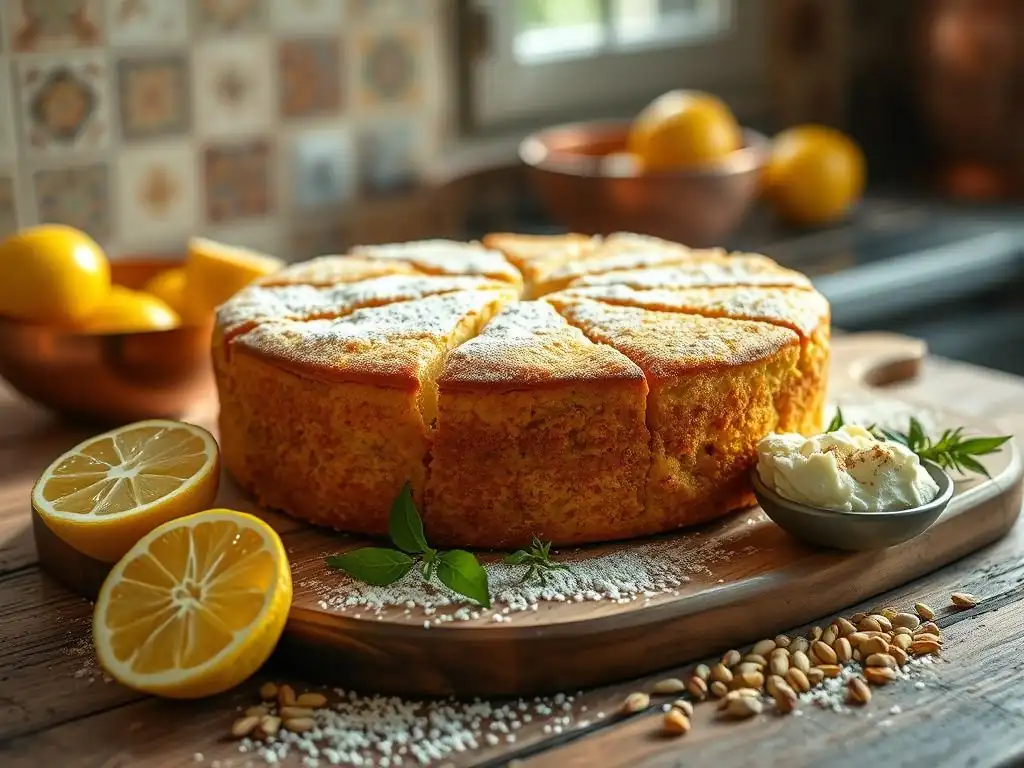
Welcome to BakeWithEase, your kitchen companion for unlocking baking brilliance! Ever wondered how the humble ricotta cheese elevates Italian desserts to a whole new level of creamy, decadent perfection? Prepare to be amazed! Dive into our exploration of Ricotta cake baking recipes and discover the secrets to crafting authentic Italian baked goods that will impress your family and friends. What makes ricotta so special in these delightful treats? Let's find out…
- Introduction to Ricotta Cake Baking
- Understanding Ricotta for Baking
- Essential Ricotta Cake Baking Recipes
- Advanced Ricotta Baking Techniques
- Troubleshooting Common Ricotta Cake Baking Issues
- Beyond Cakes: Other Italian Baked Goods with Ricotta
- Tips for Selecting the Best Ricotta
- Serving and Enjoying Your Ricotta Creations
- Conclusion: The Versatility of Ricotta in Baking
-
Frequently Asked Questions
- What makes ricotta cake baking recipes different from other cake recipes?
- Can I substitute other cheeses for ricotta in ricotta cake baking recipes?
- What are some common flavor pairings for ricotta cake baking recipes?
- Are ricotta cake baking recipes suitable for beginner bakers?
- How should I store ricotta cake to maintain its freshness?
- Final Reflection: The Enduring Allure of Ricotta in Baking
- Unlock Ricotta's Baking Secrets!
Introduction to Ricotta Cake Baking
The Magic of Ricotta in Baking
Ricotta cheese, a staple of Italian cuisine, brings a unique moisture, richness, and subtle sweetness to baked goods, making it a star ingredient in countless Italian desserts. Unlike heavier cheeses or fats, ricotta contributes a light, delicate crumb and a creamy texture that is simply unparalleled.
Its versatility means it can be used in everything from simple tarts to elaborate pastries, but it truly shines in the realm of cakes, particularly in classic Italian ricotta cake baking recipes. The traditional process often involves folding ricotta into a batter, creating a cake that is moist without being overly dense, perfect for enjoying with a cup of coffee or as a light dessert.
The history of using ricotta in Italian baking dates back centuries, rooted in the tradition of using all parts of dairy production. Ricotta, meaning "recooked," is made from the whey leftover from cheese production, making it an economical and flavorful addition to both sweet and savory dishes. This resourceful approach led to the creation of iconic desserts where ricotta provides structure, moisture, and a characteristic delicate flavor profile that complements other ingredients beautifully. When you explore ricotta cake baking recipes, you're engaging with a long and rich culinary heritage that values simple ingredients transformed into something extraordinary.
Exploring Italian Baking Traditions
Italian baking traditions are deeply regional, with each area boasting its own signature pastries and techniques. From the crisp cannoli of Sicily to the rich pastiera napoletana, ricotta plays a significant role across the peninsula. These traditions often highlight fresh, seasonal ingredients and time-tested methods passed down through generations. The use of ricotta in these recipes is not merely about adding moisture; it's about achieving a specific texture and flavor that is integral to the identity of the dessert. Understanding these regional nuances can elevate your own ricotta cake baking recipes, giving them an authentic touch.
Many classic Italian ricotta cake baking recipes stem from celebratory occasions or religious holidays, adding layers of cultural significance to the act of baking. For instance, Pastiera Napoletana, a famous Easter pie, relies heavily on ricotta mixed with cooked wheat berries, citrus, and spices. While not strictly a cake, its structure and the importance of ricotta illustrate the ingredient's centrality in festive baking. Exploring these traditional uses provides context and inspiration for modern ricotta cake baking recipes, showing how a humble ingredient can be transformed into something truly special.
Understanding Ricotta for Baking
Types of Ricotta: Whole Milk vs. Part Skim for Cakes
When selecting ricotta for your baking projects, particularly for delicate items like cakes, the choice between whole milk and part-skim ricotta can significantly impact the final result. Whole milk ricotta is richer and creamier due to its higher fat content, typically ranging from 10% to 13% fat. This extra fat contributes to a more moist and luxurious texture in cakes, preventing dryness and adding a depth of flavor. Many traditional Italian ricotta cake baking recipes call for whole milk ricotta to achieve that characteristic richness and tender crumb.
Part-skim ricotta, on the other hand, contains less fat, usually between 4% and 8%. While a healthier option, it tends to be drier and may result in a cake that is slightly less moist and flavorful. If using part-skim ricotta in your ricotta cake baking recipes, you might need to adjust other ingredients, such as adding a bit more liquid or fat, to compensate for the lower moisture content. For the best texture and flavor in classic ricotta cakes, whole milk ricotta is generally the preferred choice, offering the ideal balance of moisture and richness.
Draining Ricotta: Achieving Optimal Consistency
One of the most crucial steps when using ricotta in baking, especially for cakes and pastries where excess moisture can be problematic, is draining the cheese properly. Ricotta naturally contains a significant amount of whey. If this liquid isn't removed, it can lead to a soggy texture, an uneven bake, or even prevent your cake from setting correctly. Draining the ricotta helps concentrate its flavor and gives you a firmer, drier cheese that will integrate better into your batter or filling.
There are several effective ways to drain ricotta. A simple method is to place the ricotta in a fine-mesh sieve set over a bowl and let it sit in the refrigerator for several hours, or even overnight. For quicker draining, you can line the sieve with cheesecloth and gently press down on the ricotta.
Some bakers even wrap the ricotta tightly in cheesecloth and place a weight on top. Aim to remove as much liquid as possible until the ricotta has a consistency similar to thick Greek yogurt or soft cream cheese. This step is essential for achieving the perfect texture in your ricotta cake baking recipes.
Ricotta's Impact on Cake Texture and Flavor
Ricotta's unique composition makes it a transformative ingredient in cake baking. Its fine, grainy texture (if not smoothed first) adds a pleasant, subtle structure to the crumb, while its inherent moisture ensures the cake stays tender and does not dry out easily. Unlike butter or oil, which add richness through fat, ricotta adds moisture and creaminess through both fat and protein, resulting in a lighter feel despite the richness. This is why many ricotta cake baking recipes result in cakes that feel substantial yet are surprisingly light on the palate.
In terms of flavor, ricotta has a mild, slightly sweet, milky taste. It doesn't overpower other ingredients but rather acts as a perfect canvas or complement. It pairs exceptionally well with citrus flavors like lemon and orange, warm spices like cinnamon and nutmeg, and fruits like berries. The delicate flavor profile of ricotta allows these other ingredients to shine, while the ricotta itself provides a pleasant, milky undertone. This subtle flavor contribution is key to the appeal of many traditional ricotta cake baking recipes.
Essential Ricotta Cake Baking Recipes
Classic Italian Ricotta Cake Recipe
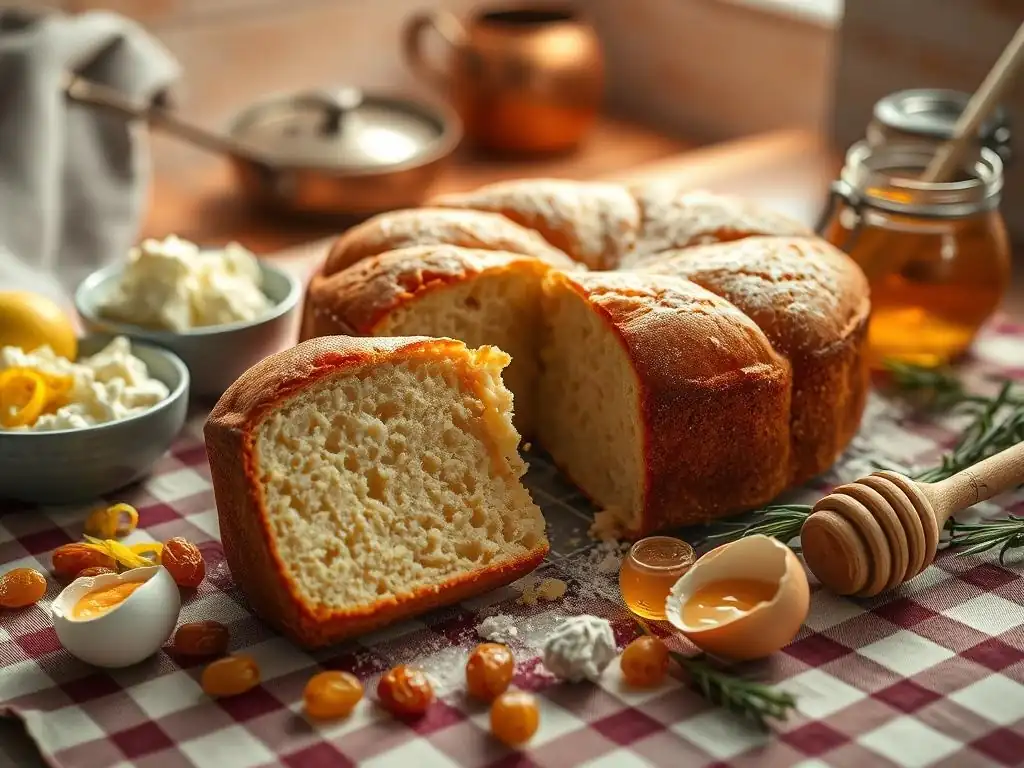
The classic Italian ricotta cake is a beloved dessert known for its moist, tender crumb and delicate flavor. It's often a simple loaf or round cake, sometimes dusted with powdered sugar or glazed. The beauty of this cake lies in its simplicity, allowing the quality of the ricotta and other core ingredients to stand out. Many home bakers consider mastering a basic ricotta cake recipe a rite of passage into Italian baking.
A typical classic ricotta cake baking recipe balances the richness of ricotta with flour, sugar, eggs, and often a touch of citrus zest. The texture is usually dense but moist, almost cheesecake-like in its richness but lighter due to the inclusion of flour and leavening agents. While variations exist, the core idea is to create a cake that is comforting, flavorful, and celebrates the star ingredient.
Ingredients for the Classic Ricotta Cake
A standard classic ricotta cake baking recipe might call for:
- 1.5 - 2 cups (approximately 300-400g) whole milk ricotta, well-drained
- 1.5 cups (approximately 300g) granulated sugar
- 3 large eggs
- 1 teaspoon vanilla extract
- Zest of one lemon or orange
- 2 cups (approximately 250g) all-purpose flour
- 2 teaspoons baking powder
- 0.5 teaspoon salt
- 0.5 cup (approximately 113g) unsalted butter, melted and slightly cooled
- 0.5 cup (approximately 120ml) milk
These quantities are typical for a standard 9x5 inch loaf pan or a 9-inch round pan. Using specific measurements like 300g ricotta or 250g flour provides clarity often preferred by bakers. The exact proportions can vary slightly between different classic ricotta cake baking recipes, but these represent a common starting point.
Baking Instructions: Achieving the Perfect Bake
Achieving the perfect bake for a classic ricotta cake involves careful mixing and temperature control.
- Preparation: Preheat your oven to 350°F (175°C). Grease and flour your chosen baking pan.
- Wet Ingredients: In a large bowl, cream together the drained ricotta and sugar until light and fluffy, often taking 3-5 minutes with an electric mixer. Beat in the eggs one at a time, followed by the vanilla extract and citrus zest.
- Dry Ingredients: In a separate bowl, whisk together the flour, baking powder, and salt.
- Combine: Gradually add the dry ingredients to the wet ingredients, alternating with the melted butter and milk, beginning and ending with the dry ingredients. Mix until just combined; do not overmix.
- Bake: Pour the batter into the prepared pan and smooth the top. Bake for 50-65 minutes, or until a toothpick inserted into the center comes out clean. The time can vary significantly depending on the oven and pan size.
- Cool: Let the cake cool in the pan for 10-15 minutes before inverting it onto a wire rack to cool completely.
Following these steps helps ensure the cake rises evenly and develops a beautiful golden crust while remaining moist inside. Precision in mixing and baking time is key to successful ricotta cake baking recipes.
Variations on the Classic: Flavor Explorations
While the classic ricotta cake is wonderful on its own, ricotta's versatility allows for numerous flavor variations. Adding different ingredients can transform the cake, catering to diverse palates. Exploring these variations keeps ricotta cake baking recipes exciting and allows for personalization.
Common additions include fresh or dried fruits, nuts, chocolate, and various extracts or spices. These ingredients pair harmoniously with the mild, creamy base provided by the ricotta.
Lemon Ricotta Cake: A Zesty Delight
Lemon is a natural partner for ricotta, its bright acidity cutting through the richness and adding a refreshing zest. A lemon ricotta cake baking recipe typically involves incorporating fresh lemon zest and sometimes lemon juice into the batter.
- Ingredients: In addition to the classic ingredients, add the zest of 2-3 lemons and 1-2 tablespoons of fresh lemon juice. Some recipes also include a lemon glaze made from powdered sugar and lemon juice drizzled over the cooled cake.
- Method: Incorporate the lemon zest and juice with the wet ingredients. The acidity of the lemon juice might slightly alter the batter consistency, but it contributes significantly to the flavor.
This variation is particularly popular in warmer months, offering a light and fragrant dessert. The combination of creamy ricotta and tangy lemon creates a delightful contrast that is both comforting and invigorating.
Chocolate Ricotta Cake: A Decadent Treat
For chocolate lovers, adding cocoa powder or chocolate chips transforms the classic into a rich, decadent experience. Chocolate ricotta cake baking recipes often balance the sweetness of chocolate with the creamy texture of ricotta.
- Ingredients: Add 1/4 to 1/2 cup (approximately 20-40g) unsweetened cocoa powder to the dry ingredients, or fold in 1 cup (approximately 170g) of chocolate chips into the batter before baking. A combination of both is also possible for extra chocolate intensity.
- Method: If using cocoa powder, whisk it thoroughly with the flour and baking powder. If using chocolate chips, gently fold them in after the batter is mixed.
The ricotta helps keep the chocolate cake moist and tender, preventing it from becoming dry or crumbly, which can sometimes happen with chocolate cakes. The result is a fudgy, moist cake with a subtle ricotta undertone.
Almond Ricotta Cake: Nutty and Fragrant
Almond and ricotta are another classic Italian pairing, found in many pastries and desserts. Adding almonds gives the cake a lovely nutty flavor and a slightly different texture. Almond ricotta cake baking recipes often use almond extract, ground almonds (almond flour), or sliced almonds.
- Ingredients: Incorporate 1/2 teaspoon of almond extract with the vanilla. Replace a portion of the all-purpose flour (e.g., 1/4 to 1/2 cup) with almond flour for a denser, nuttier crumb, or fold in 1/2 cup (approximately 50g) of sliced or chopped almonds into the batter.
- Method: If using almond flour, whisk it with the other dry ingredients. If using almond extract, add it with the other liquid flavorings. Fold in chopped nuts just before pouring the batter into the pan.
This variation offers a more sophisticated flavor profile, perfect for special occasions. The subtle bitterness of almonds complements the mild sweetness of the ricotta beautifully.
Advanced Ricotta Baking Techniques
Achieving a Light and Airy Ricotta Cake
While classic ricotta cakes are often dense, some ricotta cake baking recipes aim for a lighter, airier texture. This requires specific techniques that incorporate more air into the batter and manage the moisture content of the ricotta.
One key technique is whipping the eggs and sugar extensively before adding the ricotta. This creates a foamy base that holds air. Another method is separating the eggs, whipping the yolks with sugar and ricotta, and then gently folding in stiffly beaten egg whites at the end. This meringue-like addition significantly lightens the batter. Additionally, ensuring the ricotta is very well-drained is crucial, as excess moisture weighs down the cake. Using a combination of chemical leaveners (baking powder/soda) and mechanical leavening (whipped eggs/whites) is often employed in these lighter ricotta cake baking recipes.
Preventing a Soggy Bottom
A common issue in ricotta cake baking recipes, especially those with a significant amount of ricotta, is a soggy bottom layer. This is primarily caused by excess moisture from the cheese settling at the base of the pan during baking.
To prevent this, thorough draining of the ricotta is paramount, as discussed earlier. Another effective strategy is to bake the cake at a slightly higher temperature initially (e.g., 375°F or 190°C for the first 15-20 minutes) to help set the base quickly, then reduce the temperature to finish baking (e.g., 350°F or 175°C).
Some bakers also recommend coating the bottom of the pan with a thin layer of fine breadcrumbs or semolina after greasing and flouring, which can absorb some surface moisture. Ensuring the cake is baked through to the center is also important; an underbaked cake will have a wet, heavy bottom.
Incorporating Fruits and Nuts: Achieving Flavor Balance
Adding fruits and nuts to ricotta cake baking recipes enhances flavor and texture, but requires careful consideration to avoid common pitfalls like sunken additions or uneven distribution.
For fruits, particularly fresh berries which release moisture, tossing them lightly in a tablespoon or two of flour before folding them into the batter can help prevent them from sinking to the bottom and can absorb some of the released juices. Dried fruits, like raisins or cranberries, can be plumped in warm liquid (like rum or orange juice) before adding, which keeps them moist during baking. Nuts should ideally be toasted lightly before being added to bring out their full flavor.
When incorporating either, fold them in gently just before pouring the batter into the pan to ensure even distribution without overmixing. A typical ratio might be 1/2 to 1 cup of total additions per standard cake recipe.
Troubleshooting Common Ricotta Cake Baking Issues
Addressing a Dry Ricotta Cake
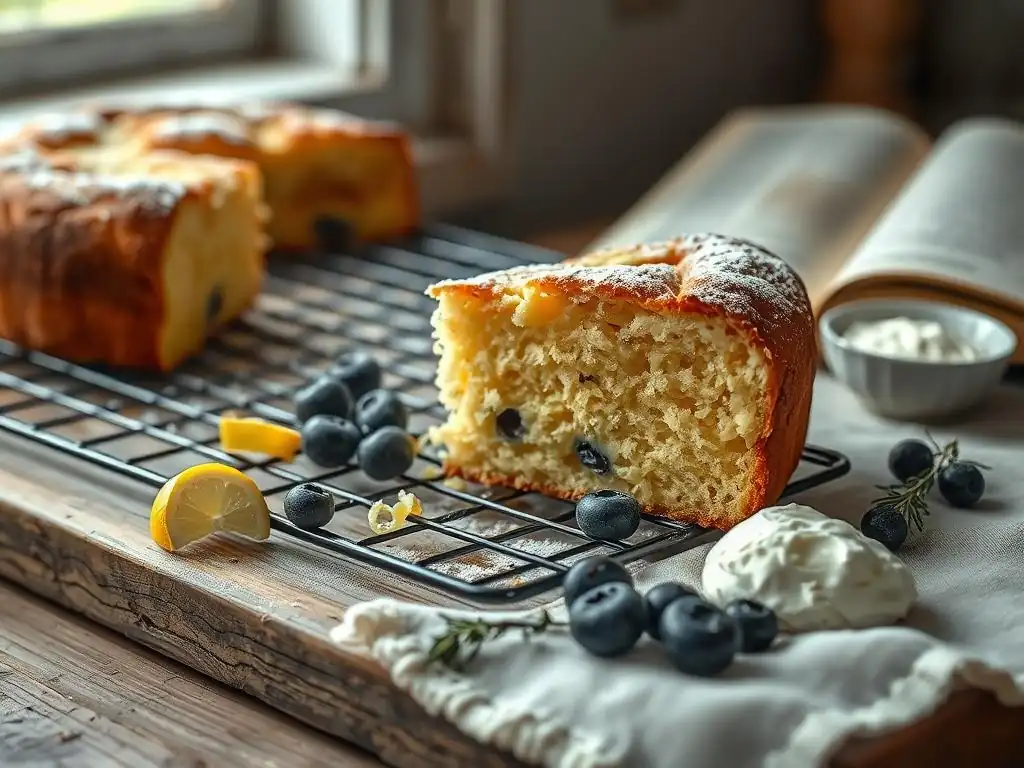
While ricotta is known for adding moisture, sometimes a ricotta cake can still turn out dry. This is often due to overbaking or using part-skim ricotta without compensating for the lower fat content.
If your cake is dry, check your baking time and oven temperature with an oven thermometer. Overbaking evaporates too much moisture. Ensure you're using well-drained whole milk ricotta for maximum moisture. If using part-skim, consider adding an extra tablespoon or two of melted butter, a bit more milk, or even a tablespoon of sour cream or yogurt to the batter. Mixing the batter gently and only until just combined is also crucial; overmixing develops gluten, which can lead to a tougher, drier crumb. Storing the cake properly (airtight at room temperature or in the fridge) also helps maintain moisture.
Avoiding a Dense Texture
A dense texture is another common challenge in ricotta cake baking recipes, often resulting from overmixing the batter or insufficient leavening.
To avoid excessive density, cream the ricotta and sugar well initially to incorporate air. If the recipe calls for eggs, beat them until pale and fluffy. When combining wet and dry ingredients, mix only until no streaks of flour remain. Overmixing develops gluten, making the cake tough and dense. Ensure your baking powder (and baking soda, if used) is fresh; expired leaveners won't provide adequate lift. Using well-drained ricotta is also important; while some density is characteristic of these cakes, excessive moisture makes them heavy rather than moist and tender.
Preventing Cracking During Baking
Cracking on the top surface is a frequent occurrence in many cakes, including those made with ricotta. While often just cosmetic, excessive cracking can indicate issues with oven temperature or batter consistency.
Sudden temperature changes or an oven that is too hot can cause the outside of the cake to set too quickly while the inside is still rising, leading to cracks. Baking at a consistent, slightly lower temperature (like 325°F or 160°C) might help, though it will increase baking time. Ensuring the batter has enough moisture and isn't too stiff can also prevent cracking.
Some bakers place a pan of water on the rack below the cake to create steam, which keeps the surface moist and allows it to expand more evenly. Don't overfill the pan; leaving about an inch of space from the top allows the cake to rise without pressing against the pan edges too forcefully, which can cause cracking.
Beyond Cakes: Other Italian Baked Goods with Ricotta
Ricotta's role in Italian baking extends far beyond cakes, featuring prominently in a variety of pastries, cookies, and savory dishes. Its creamy texture and mild flavor make it incredibly versatile. Exploring these other uses highlights just how integral ricotta is to the diverse landscape of Italian baked goods.
From delicate cookies to complex layered pastries and savory pies, ricotta provides moisture, richness, and that signature creamy element. Understanding its behavior in these different contexts can also inform your ricotta cake baking recipes.
Italian ricotta cookies are small, soft, cake-like cookies, often topped with a simple glaze and sprinkles. They are incredibly popular, especially around holidays.
- Texture: The ricotta gives these cookies their signature softness and slightly chewy texture, distinct from butter-based cookies. A typical recipe might use 1 cup (approximately 240g) of ricotta for about 3-4 dozen cookies.
- Flavor: They have a mild, sweet flavor, often enhanced with lemon zest or vanilla, making them a perfect base for glazes and decorations. The dough is usually soft and might require chilling before scooping.
Ricotta cookie baking recipes are generally straightforward, making them accessible even for beginner bakers. The key is not to overbake them, preserving their tender interior.
Sfogliatella: Mastering the Art of the Shell-Shaped Pastry
Sfogliatella, a famous shell-shaped pastry from Campania (specifically Naples), features a rich filling primarily made from ricotta, semolina, candied fruit, and spices, encased in crisp layers of pastry.
- Filling: The traditional filling uses ricotta, often mixed with cooked semolina (or sometimes pasta like broken spaghetti), sugar, eggs, cinnamon, and finely diced candied orange peel. The consistency is thick and creamy.
- Pastry: The distinctive shell is made from a very thin dough stretched and rolled with lard or butter to create numerous flaky layers when baked.
Mastering sfogliatella is a significant baking challenge, requiring skill in both pastry making and creating the perfect ricotta-based filling. The contrast between the crunchy layers and the warm, aromatic ricotta filling is what makes this pastry so beloved.
Savory Ricotta Baking: Ricotta and Spinach Pie
Ricotta isn't limited to sweet applications; it's a cornerstone of many savory Italian baked goods, perhaps most famously in torta salata (savory pie) with spinach.
- Ingredients: A typical filling combines ricotta (often mixed with Parmesan or other hard cheeses), sautéed spinach (with garlic and sometimes nutmeg), eggs, and seasonings. Approximately 1.5 to 2 cups (350-450g) of ricotta might be used for a standard 9-10 inch pie.
- Structure: This filling is often encased in a simple shortcrust or puff pastry shell and baked until golden and set.
The ricotta provides a creamy binder for the vegetables and cheese, creating a moist and flavorful interior for the savory pie. This demonstrates ricotta's incredible versatility across the entire spectrum of Italian baking.
Tips for Selecting the Best Ricotta
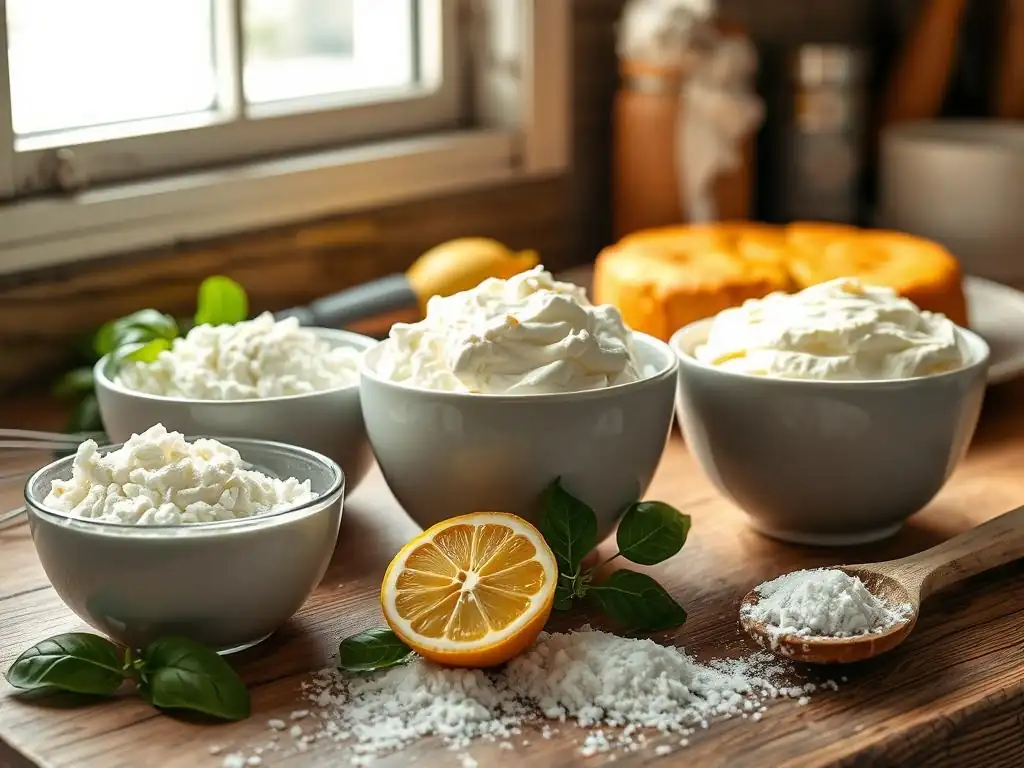
The quality of your ricotta significantly impacts the outcome of your ricotta cake baking recipes and other baked goods. Choosing the right type and ensuring freshness are key.
Assessing Ricotta Cheese Quality
High-quality ricotta should have a fresh, milky aroma and a creamy texture, even if it's the firmer, drier kind suitable for baking. Avoid ricotta that smells sour or has separated significantly in its container.
Look for ricotta that is made from whole milk for the richest flavor and texture in most baking applications. Traditional ricotta is made from sheep's milk whey, but cow's milk ricotta is more common. Artisanal or small-batch ricotta often has a better flavor and texture than mass-produced versions. The color should be pure white, not yellowish.
Sourcing High-Quality Ricotta
Finding high-quality ricotta can sometimes be a challenge depending on your location. Italian specialty stores or delis are often the best source for fresh, artisanal ricotta. Some local dairies also produce excellent ricotta.
Supermarket options vary widely. Look for brands that specify "whole milk" and ideally mention traditional production methods. In some areas, you might find ricotta sold by weight from a large container, which is often fresher than pre-packaged tubs. Don't be afraid to ask store staff about their ricotta sources and turnover. Using fresh, good-quality ricotta is one of the simplest ways to elevate your ricotta cake baking recipes.
Proper Ricotta Storage for Freshness
Ricotta is a fresh cheese and is highly perishable. Proper storage is essential to maintain its quality and prevent spoilage.
Store ricotta in its original container, tightly sealed, in the coldest part of your refrigerator (typically the back). It's best to use ricotta within a few days of opening, or by the "best by" date printed on the package, whichever comes first. If you've drained the ricotta, store it in a clean, airtight container.
Do not freeze ricotta intended for baking, as freezing changes its texture, making it grainy and watery upon thawing, which is detrimental to the outcome of delicate items like ricotta cake baking recipes. Always check the ricotta for any signs of spoilage (off smell, discoloration, mold) before use.
Serving and Enjoying Your Ricotta Creations
Once you've successfully baked your ricotta cake or other Italian treats, presenting and serving them properly enhances the enjoyment.
Pairing Suggestions for Ricotta Cakes
Ricotta cakes, with their mild sweetness and moist crumb, pair beautifully with a variety of accompaniments.
- Beverages: Coffee is a classic pairing, especially espresso or cappuccino. Sweet dessert wines like Vin Santo or Moscato d'Asti also complement the cake's flavors. For a non-alcoholic option, tea or even a glass of cold milk works well.
- Toppings: A simple dusting of powdered sugar is traditional. Other options include fresh berries, a dollop of whipped cream, a fruit compote (especially berry or cherry), or a light citrus glaze (like lemon or orange). A drizzle of honey or a sprinkle of toasted nuts can also be lovely.
Consider the flavor profile of your specific ricotta cake baking recipe (e.g., lemon, almond) when choosing pairings to ensure they complement rather than clash.
Storing Leftover Ricotta Cake
Proper storage keeps your ricotta cake fresh and moist for longer. Because of the high moisture content from the ricotta, these cakes should generally be stored in the refrigerator.
Let the cake cool completely before storing. Wrap it tightly in plastic wrap or aluminum foil, or place it in an airtight cake keeper or container. Stored this way, ricotta cake typically lasts for 3-4 days in the refrigerator. For longer storage, you can freeze ricotta cake. Wrap individual slices or the whole cake (cooled) tightly in plastic wrap, then in aluminum foil. Frozen ricotta cake can last for up to 2-3 months. Thaw in the refrigerator overnight before serving.
Enhancing Your Ricotta Cake Presentation
Presentation adds to the enjoyment of any baked good. Making your ricotta cake visually appealing is easy with a few simple touches.
If baking in a loaf pan, a simple dusting of powdered sugar through a sieve creates an elegant finish. For round cakes, a light glaze, fresh fruit arranged on top, or a sprinkle of chopped nuts around the base can enhance its look. Serving slices on pretty plates, perhaps with a small garnish like a mint sprig or a berry, elevates the experience. Even for rustic ricotta cake baking recipes, ensuring clean cuts and a tidy presentation makes a difference.
Conclusion: The Versatility of Ricotta in Baking
From classic loaf cakes to intricate pastries and savory pies, ricotta cheese is an indispensable ingredient in Italian baking. Its ability to impart moisture, richness, and a delicate flavor makes it unique. Mastering ricotta cake baking recipes opens the door to a world of delicious possibilities, allowing bakers to create tender, flavorful cakes that are both comforting and elegant.
Whether you prefer the simple charm of a classic recipe or enjoy experimenting with lemon, chocolate, or almond variations, understanding how to select, drain, and work with ricotta is key to achieving perfect results every time. So grab your ricotta and get baking – the rewards are truly delightful!
Frequently Asked Questions
What makes ricotta cake baking recipes different from other cake recipes?
Ricotta cake baking recipes often result in a moist and tender crumb due to the high moisture content of the ricotta cheese. They also tend to be slightly denser than cakes made without cheese.
Can I substitute other cheeses for ricotta in ricotta cake baking recipes?
While it's possible, it's not recommended. Ricotta's mild flavor and smooth texture are crucial for the desired outcome. Other cheeses will significantly alter the taste and texture of the final product.
What are some common flavor pairings for ricotta cake baking recipes?
Ricotta pairs exceptionally well with citrus flavors like lemon and orange. It also complements almonds, vanilla, and chocolate beautifully, creating a range of delicious possibilities.
Are ricotta cake baking recipes suitable for beginner bakers?
Yes, many ricotta cake recipes are relatively simple and don't require advanced baking skills. Focusing on accurate measurements and following the instructions carefully is key to success.
How should I store ricotta cake to maintain its freshness?
Ricotta cake is best stored in an airtight container in the refrigerator due to the cheese content. This helps prevent it from drying out and maintains its optimal flavor and texture for several days.
Final Reflection: The Enduring Allure of Ricotta in Baking
The creamy versatility of ricotta cheese transcends mere ingredient status; it's a cornerstone of Italian baking, a testament to the power of simple ingredients elevated by skillful technique. From the delicate lightness of a classic ricotta cake to the rich textures found in other baked goods, ricotta offers a unique depth of flavor and a pleasing, almost ethereal, texture that continues to captivate bakers worldwide. Its enduring popularity speaks volumes about the timeless appeal of traditional recipes and the enduring search for culinary perfection.
Ricotta's influence on Italian baking, and indeed global pastry, is undeniable. It's a symbol of resourcefulness, transforming a byproduct of cheesemaking into a star ingredient. Its presence in countless recipes reflects a culinary heritage passed down through generations, a testament to the enduring power of tradition. Simplicity is the ultimate sophistication,
as Leonardo da Vinci wisely observed, and ricotta embodies this perfectly – its understated elegance shining through in every bite. The subtle sweetness, the creamy texture, the ability to absorb other flavors – these are the qualities that make it so beloved.
Now, I invite you to explore the world of ricotta baking further. Don't be afraid to experiment with the recipes you've learned, to adapt them to your own tastes and preferences. The journey of mastering ricotta in your baking is a personal one, filled with delicious discoveries and the satisfaction of creating something truly special. Embrace the process, savor the results, and share the joy of these delightful treats with those you love. The possibilities are as endless as your imagination, so let the creamy magic of ricotta inspire your next culinary adventure.
Unlock Ricotta's Baking Secrets!
Thanks for diving into the world of ricotta with us! We hope you now feel confident and inspired to elevate your baking. Ready to put your new knowledge into practice?
- Bake your dream ricotta creation! Choose your favorite recipe (or try a new one!) and let us know how it turns out. We'd love to see your masterpieces!
- Share your ricotta baking journey with friends on social media using #BakeWithRicotta and tag @BakeWithEase (imaginary social media handle). Let's build a community of ricotta enthusiasts!
- Explore our archive for more delicious recipes featuring this versatile cheese. You might discover your new signature dish!
What incredible ricotta recipe will you bake first?