
Simple German Cheesecake (Käsekuchen) Variations You Must Try

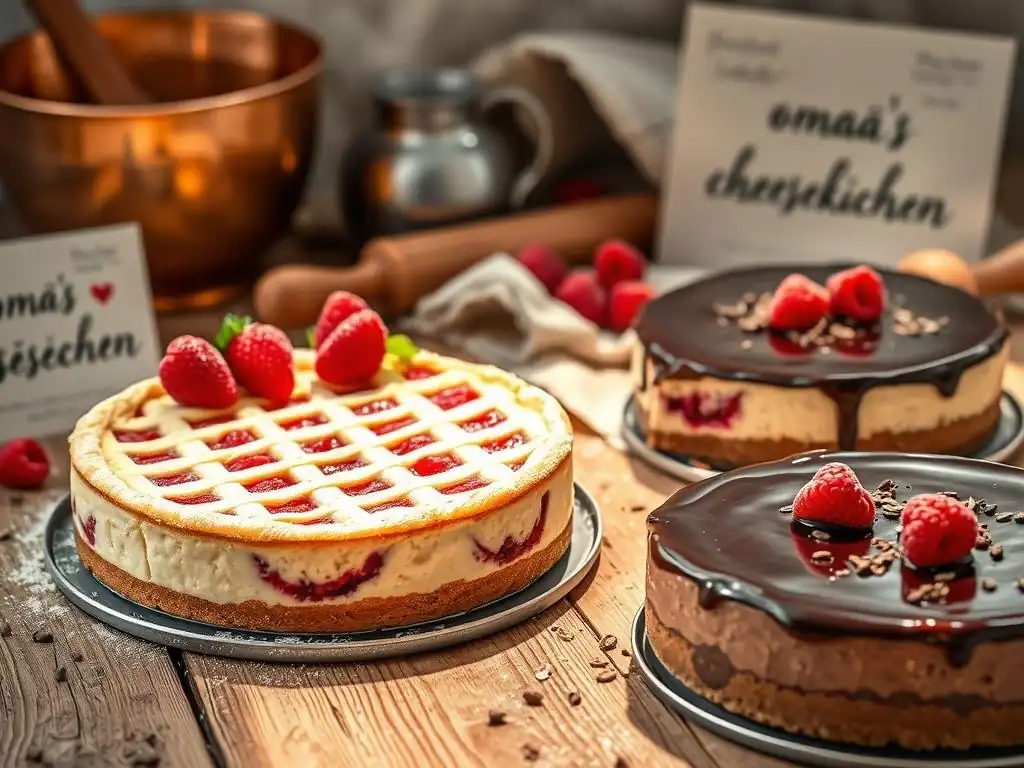
Welcome to BakeWithEase, your trusted guide to baking brilliance! Ever wondered how to elevate your dessert game with a touch of German tradition? Our latest exploration dives deep into the world of Käsekuchen, unlocking a treasure trove of easy German cheesecake recipe variations that will tantalize your taste buds. Prepare to discover simple tweaks that transform this classic into something truly extraordinary. Ready to embark on a delicious adventure?
- Mastering German Cheesecake (Käsekuchen): Classic and Creative Twists
- Explore Delicious and Authentic German Cheesecake Recipes
- Understanding the Fundamentals of German Cheesecake (Käsekuchen)
-
Elevating Your Baking: Diverse German Cheesecake Variations
- Variation 1: Authentic Quark Käsekuchen - The Timeless Classic
- Variation 2: Lemon Ricotta Käsekuchen - A Zesty and Light Variation
- Variation 3: Cherry Käsekuchen - A Burst of Fruity Goodness
- Variation 4: Marble Käsekuchen - A Visually Stunning Delight
- Variation 5: Vanilla Bean Käsekuchen - A Simple yet Elegant Flavor
- Essential Baking Techniques for All Käsekuchen Recipes
- Serving and Storing Your German Cheesecake
- The Art of German Cheesecake: Final Thoughts
-
Frequently Asked Questions
- What makes German cheesecake (Käsekuchen) different from other cheesecakes?
- Can I substitute quark cheese in an easy German cheesecake recipe?
- What are some easy variations I can try with a basic German cheesecake recipe?
- How do I prevent my German cheesecake from cracking while baking?
- What are some tips for achieving the perfect texture in an easy German cheesecake?
- Final Reflection: A Slice of Tradition, A World of Flavor
- Unleash Your Inner Bäcker: Master German Cheesecake!
Mastering German Cheesecake (Käsekuchen): Classic and Creative Twists
Explore Delicious and Authentic German Cheesecake Recipes
German cheesecake, or Käsekuchen, is a beloved classic in the world of baking, known for its unique texture and delightful flavor. Unlike its American counterpart, which often relies on cream cheese, traditional Käsekuchen typically uses quark, a fresh dairy product similar to strained yogurt or ricotta, resulting in a lighter, often tangier filling.
This difference fundamentally changes the structure and taste, offering a wonderful baking experience that's both familiar and distinct. Exploring these easy German cheesecake recipe variations opens up a world of possibilities for bakers of all levels, allowing you to master the classic and experiment with exciting twists.
Whether you're a beginner taking your first steps into German baking delights or an experienced hand looking to perfect your technique, understanding the nuances of Käsekuchen is key. From achieving that signature smooth, cloud-like texture to selecting the right ingredients, each element plays a vital role. This guide will walk you through the fundamentals of authentic German cheesecake and introduce you to several appealing variations, providing the knowledge and confidence you need to bake stunning Käsekuchen right in your own kitchen.
Käsekuchen Beyond the Traditional: A Bake at Home Guide
Moving beyond the standard German cheesecake requires a willingness to experiment with flavors and textures while respecting the core principles that make Käsekuchen unique. While the classic quark version is a masterpiece in itself, introducing elements like fruits, chocolate, or alternative dairy bases can transform the dessert into something new and exciting. Think about the regional variations found across Germany – some include a Mürbeteig (shortcrust) base, others a sponge cake base, and fillings can range from pure quark to mixtures incorporating sour cream or even a touch of pudding powder for stability.
This guide aims to empower you to try various easy German cheesecake recipe variations, providing insights into how simple ingredient swaps or additions can lead to dramatically different, yet equally delicious, results. We'll cover popular adaptations that are well-loved in German households and offer tips on how to successfully bake them at home. By understanding the impact of ingredients like different types of flour for the crust, the moisture content of various fruits, or the fat percentage of dairy used in the filling, you can confidently tackle any Käsekuchen variation and tailor it to your personal taste.
Understanding the Fundamentals of German Cheesecake (Käsekuchen)
The Essence of German Cheesecake: Texture, Ingredients, and Technique
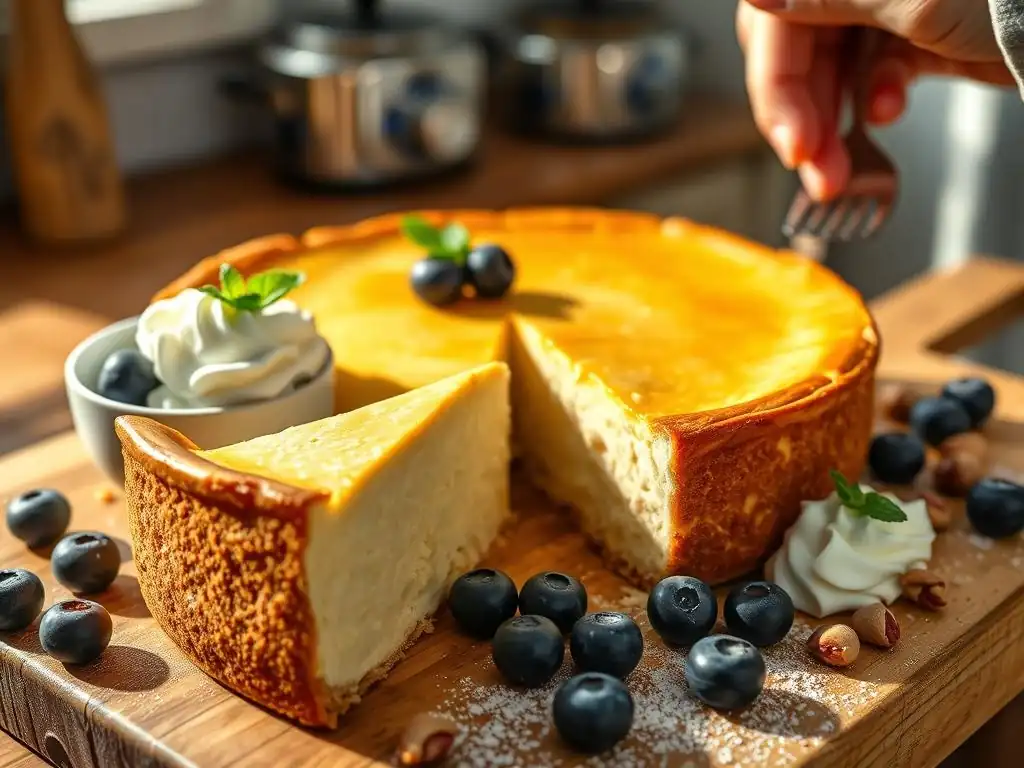
The true essence of German cheesecake lies in its distinct texture and the specific ingredients used. Unlike dense, rich American cheesecakes, a classic Käsekuchen boasts a lighter, often slightly airy, yet creamy filling. This texture is primarily achieved through the use of quark, which provides a unique tang and firmness without being heavy. The traditional crust is typically a simple Mürbeteig (shortcrust pastry) made from flour, sugar, butter, and sometimes an egg yolk, which provides a crumbly base that complements the smooth filling.
Mastering the technique involves careful mixing to avoid overworking the batter, gentle baking at a moderate temperature, and proper cooling. Overmixing can incorporate too much air, leading to cracks, while baking too hot or cooling too quickly can also cause structural issues. The goal is a filling that is set but still slightly wobbly in the center when removed from the oven, which will firm up as it cools. This delicate balance is what defines authentic German Käsekuchen.
Key Ingredients for an Exceptional Käsekuchen
Achieving an exceptional Käsekuchen starts with sourcing the right ingredients. The most crucial component is high-quality quark. Ideally, you want 'Magerquark' (low-fat quark) or a standard quark with around 20% fat content, depending on how light or rich you prefer the filling. If quark is difficult to find, a good substitute can be made by straining full-fat yogurt or using a blend of ricotta and sour cream, although the flavor and texture will differ slightly from the authentic version.
Other essential ingredients include fresh eggs, sugar (often a mix of granulated and sometimes a little vanilla sugar), a touch of starch (like cornstarch or pudding powder) to help set the filling, and often lemon zest or juice for brightness. The crust requires good quality butter and all-purpose flour. Using ingredients at room temperature is often recommended for a smooth, homogenous batter. Paying attention to the quality and type of each ingredient will significantly impact the final taste and texture of your German cheesecake.
Elevating Your Baking: Diverse German Cheesecake Variations
Variation 1: Authentic Quark Käsekuchen - The Timeless Classic
The authentic Quark Käsekuchen is the benchmark against which all other variations are measured. It's a testament to simplicity and quality ingredients, resulting in a cheesecake that is both comforting and elegant. The filling is typically a blend of quark, eggs, sugar, and a touch of lemon zest or vanilla, often stabilized with a small amount of flour or cornstarch. The crust is usually a simple shortcrust pastry pressed into a springform pan.
Baking this classic correctly involves patience. It's often baked at around 160-180°C (320-350°F) for 60-75 minutes, or until the edges are set and the center is still slightly soft. The cooling process is equally important, often done gradually inside the turned-off oven with the door ajar, followed by chilling in the refrigerator for several hours, ideally overnight. This careful process ensures a smooth, crack-free top and a perfectly set interior, showcasing the pure flavor of the quark.
Recipe Overview: Authentic Quark Käsekuchen
This classic easy German cheesecake recipe variation features a simple shortcrust base and a creamy, tangy filling primarily made from quark. Key components typically include about 500g to 1kg of quark, 3-6 eggs, 150-250g sugar, and flavorings like lemon zest and vanilla. A small amount of starch, perhaps 30-50g, is often included to provide structure.
The process involves creaming sugar and eggs, then gently incorporating the quark and other wet ingredients, followed by the starch and flavorings. The mixture is poured into the prepared crust and baked. While seemingly straightforward, the magic is in the details – the temperature of the ingredients, the gentle mixing technique, and the controlled baking environment.
Achieving the Ideal Texture in Classic Quark Käsekuchen
The ideal texture for a classic Quark Käsekuchen is light, smooth, and creamy, without being overly dense or rubbery. This is achieved through several factors. First, using the right type of quark is crucial; a finer-textured quark yields a smoother filling. Second, avoid overbeating the eggs and quark mixture; incorporating too much air can lead to a soufflé-like rise and subsequent collapse or cracking. Gentle mixing on low speed or by hand is often preferred after the initial creaming of sugar and eggs.
Temperature management during baking is also key. A lower, consistent oven temperature prevents the outside from setting too quickly while the inside is still liquid, which is a major cause of cracks. Baking until the center is almost set (it should still jiggle slightly) and then allowing it to cool gradually in the oven prevents sudden temperature changes that can shock the cheesecake and cause fissures. This gentle approach results in that coveted smooth, uniform texture.
Variation 2: Lemon Ricotta Käsekuchen - A Zesty and Light Variation
For those seeking a lighter, perhaps slightly sweeter profile than the traditional quark, the Lemon Ricotta Käsekuchen offers a delightful alternative. While not strictly traditional German, using ricotta is a popular adaptation, especially outside of Germany where quark might be harder to source. Ricotta provides a creaminess that is distinct from quark, often resulting in a slightly less tangy and sometimes richer filling, depending on the fat content of the ricotta used. The addition of lemon zest and juice is often more pronounced in this variation to provide a necessary counterpoint to the ricotta's mild sweetness.
This variation tends to be very forgiving, making it an excellent option for bakers exploring easy German cheesecake recipe variations. The texture is typically very smooth and moist. Baking times might vary slightly compared to the quark version, often requiring a similar low temperature but potentially a slightly shorter or longer duration depending on the depth of the pan and the moisture content of the ricotta. It's a refreshing twist perfect for spring or summer.
Recipe Overview: Lemon Ricotta Käsekuchen
This variation substitutes quark with ricotta, usually in combination with a smaller amount of sour cream or crème fraîche to enhance creaminess and add a touch of tang. A typical recipe might use 750g-1kg of ricotta, 100-150g sour cream, 4-5 eggs, 150-200g sugar, and the zest and juice of 1-2 lemons. The crust can be a standard shortcrust or even a crushed cookie base.
The preparation is similar to the classic: beat eggs and sugar, then gently fold in the ricotta, sour cream, lemon zest/juice, and any stabilizing starch. Pour into the prepared crust and bake. The key is to ensure the ricotta is well-drained if it seems overly wet, as excess moisture can affect the baking time and final texture.
Balancing Lemon Flavor in Ricotta Käsekuchen
Achieving the perfect balance of lemon flavor in a Ricotta Käsekuchen is crucial to prevent it from being either bland or overly tart. Using both fresh lemon zest and juice is recommended; the zest contains essential oils that provide a fragrant, bright lemon flavor, while the juice adds acidity and tang. Start with the zest of one large lemon and the juice of half, then taste the batter (before adding eggs if you prefer) and adjust.
Remember that lemon flavor can mellow slightly during baking, so don't be afraid if the batter tastes quite lemony. However, excessive juice can add too much liquid to the filling, potentially affecting the set. For a consistent and vibrant lemon note, consider adding a teaspoon or two of pure lemon extract in addition to the fresh zest and juice. This ensures the lemon flavor shines through the creamy ricotta base without making the cheesecake too wet or sour.
Variation 3: Cherry Käsekuchen - A Burst of Fruity Goodness
Cherry Käsekuchen, or Kirsch-Käsekuchen, is a popular and visually appealing variation that marries the creamy tang of the cheesecake filling with the sweet and slightly tart burst of cherries. This adds not only flavor but also a delightful textural contrast. Cherries can be incorporated in several ways: mixed directly into the filling, layered on top before baking, or arranged decoratively on the surface. Often, sour cherries (like Morello cherries), either fresh or from a jar (well-drained), are preferred as their tartness provides a lovely balance to the richness of the cheesecake.
This variation is a fantastic way to utilize seasonal fruit and introduce vibrant color to your German baking repertoire. It's one of the more beloved easy German cheesecake recipe variations because the addition of fruit feels intuitive and always yields delicious results. The key challenge lies in managing the moisture from the cherries to prevent the filling from becoming watery.
Recipe Overview: Cherry Käsekuchen
This recipe starts with a standard Käsekuchen filling (quark or a blend) and incorporates cherries. You might use 300-500g of fresh or drained jarred cherries. If using fresh, pitting is essential. If using jarred, drain them thoroughly, perhaps even patting them dry with paper towels.
Cherries can be gently folded into the batter, layered over the crust before adding the filling, or scattered on top of the filling before baking. A common method is to mix about half the cherries into the batter and place the rest on top. Baking time might be slightly longer due to the added moisture from the fruit.
Choosing the Best Cherries for Käsekuchen
The best cherries for Käsekuchen are typically sour cherries (Sauerkirschen), such as Morello or Amarena varieties. Their tartness cuts through the richness of the cheesecake filling beautifully. Sweet cherries can also be used, but the overall result will be less tangy and more purely sweet. Whether using fresh or preserved cherries, managing their moisture content is critical.
If using jarred or canned cherries, ensure they are very well-drained. You can even toss them with a tablespoon or two of cornstarch or flour before adding them to the batter or placing them on top; this helps absorb excess juice during baking. If using fresh cherries, make sure they are ripe but firm. Freezing fresh cherries and then adding them frozen can sometimes help them retain their shape and prevent sinking, but ensure they are still tossed with a bit of starch.
Variation 4: Marble Käsekuchen - A Visually Stunning Delight
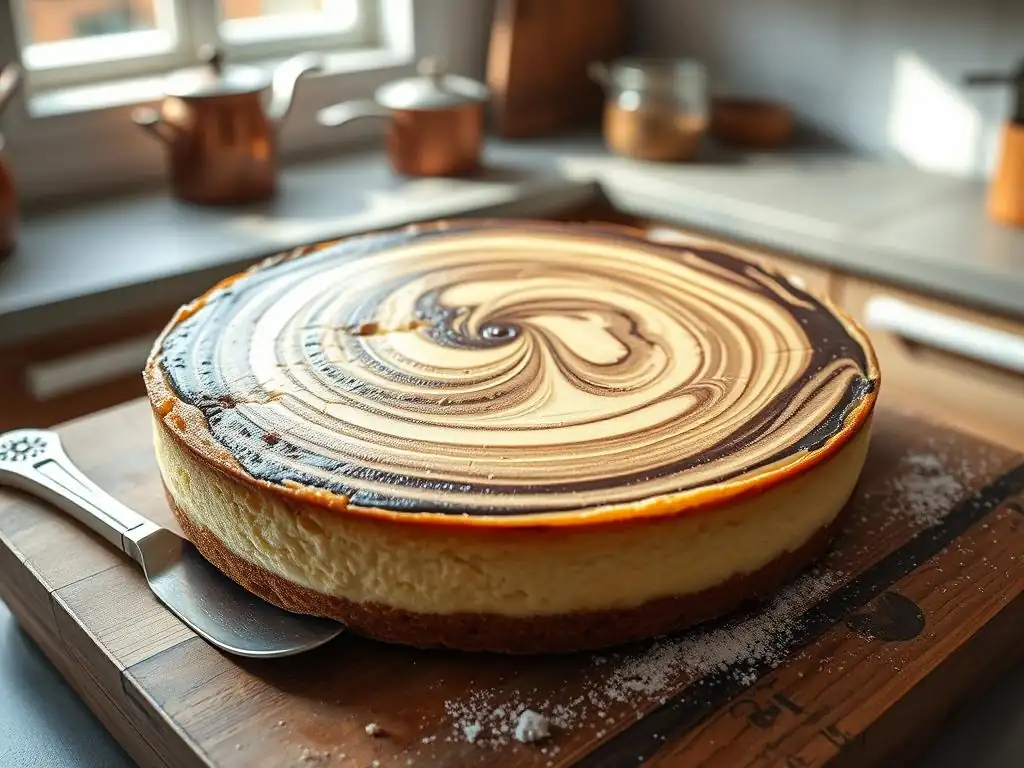
Marble Käsekuchen, or Marmor-Käsekuchen, is a playful and visually appealing variation that adds a touch of chocolate to the classic German cheesecake. This is achieved by swirling a portion of chocolate-flavored batter into the main cheesecake filling, creating beautiful patterns. It's a simple technique that yields impressive results, making it a favorite for special occasions or simply to add a bit of flair to your baking.
This variation is relatively easy German cheesecake recipe variation to execute, primarily involving separating a small amount of the prepared cheesecake batter and mixing it with melted chocolate or cocoa powder before swirling it into the rest of the batter. The contrast between the light, tangy cheesecake and the rich, slightly bitter chocolate is delightful.
Recipe Overview: Marble Käsekuchen
Start with a standard Käsekuchen filling recipe. Once the main batter is prepared, reserve about one-quarter to one-third of it in a separate bowl. Melt 50-100g of good quality dark or milk chocolate, or mix 2-3 tablespoons of cocoa powder with a tablespoon or two of hot water or milk to form a paste. Stir the melted chocolate or cocoa paste into the reserved batter until well combined.
Pour the plain batter into the prepared crust. Then, dollop spoonfuls of the chocolate batter over the plain batter. Use a knife or skewer to gently swirl the two batters together, creating a marble effect. Be careful not to over-swirl, which can mix the batters completely and obscure the pattern.
Creating Distinct Marble Patterns
Creating distinct and beautiful marble patterns is easier than it looks, requiring just a gentle hand and a little practice. After dolloping the chocolate batter onto the plain batter, insert a knife or skewer into the batter, touching the bottom crust. Move the knife or skewer in a swirling or figure-eight motion through the batter.
Aim for just a few passes through the cheesecake. Over-swirling will blend the colors too much, resulting in a muddy appearance rather than distinct swirls. You can also create lines by dragging the knife back and forth across the surface. For best results, clean your knife or skewer occasionally between swirls. The beauty of marble is its imperfection, so don't worry about making it look "perfect"; each swirl will be unique!
Variation 5: Vanilla Bean Käsekuchen - A Simple yet Elegant Flavor
Sometimes, the simplest variations are the most elegant. Vanilla Bean Käsekuchen elevates the classic by focusing on the pure, aromatic flavor of real vanilla. While vanilla extract is commonly used in many recipes, incorporating the seeds from a fresh vanilla bean imparts a deeper, more complex vanilla note that complements the tangy quark beautifully. This variation is perfect for those who appreciate subtle, sophisticated flavors.
This is another easy German cheesecake recipe variation that highlights the quality of its core ingredients. The visual appeal comes from the tiny black specks of vanilla bean seeds distributed throughout the creamy filling. It's a simple change that makes a significant difference in the overall aroma and taste of the cheesecake.
Recipe Overview: Vanilla Bean Käsekuchen
Begin with your preferred Käsekuchen filling recipe (quark or blend). Instead of relying solely on vanilla extract, split one or two high-quality vanilla beans lengthwise and scrape out the tiny seeds using the tip of a knife. Add these seeds directly to the wet ingredients (eggs, sugar, quark) and mix them in.
A typical recipe might use the seeds from 1-2 vanilla beans for 750g-1kg of dairy base. You can also add a splash of vanilla extract for an extra boost of flavor, but the characteristic speckles and nuanced aroma come from the bean itself. Bake as you would the classic Käsekuchen.
Maximizing Vanilla Bean Flavor in Käsekuchen
To maximize the flavor from your precious vanilla beans, ensure they are mixed thoroughly into the wet ingredients. Gently whisking the seeds with the sugar before adding the dairy can help distribute them evenly and release their aromatic oils. Some bakers also like to warm the milk or cream (if the recipe includes it) slightly and steep the split vanilla bean pod in it for about 15-20 minutes off the heat before removing the pod and adding the infused liquid to the batter.
Using high-quality vanilla beans is paramount; Bourbon or Tahitian varieties are popular choices, each offering a slightly different aromatic profile. Ensure the beans are plump and moist, indicating freshness. Storing your vanilla beans properly in an airtight container will help preserve their potency for future baking projects.
Essential Baking Techniques for All Käsekuchen Recipes
Perfecting the Crust: Pre-Baking and Crust Options
A good Käsekuchen starts with a well-executed crust. The most traditional is a Mürbeteig, a simple shortcrust pastry. To prevent a soggy bottom, it's often recommended to partially pre-bake, or "blind bake," the crust before adding the filling. This involves pressing the dough into the pan, chilling it, lining it with parchment paper, filling it with pie weights or dried beans, and baking for about 15-20 minutes at 180-190°C (350-375°F) until the edges are lightly golden. Then, remove the weights and parchment and bake for another 5-10 minutes to dry out the bottom.
Other crust options include a simple crushed cookie base (like German Butterkeks or digestive biscuits mixed with melted butter) which requires less effort and no pre-baking, or even a sponge cake base, which is common in some regional German variations. Whichever crust you choose, ensure it is properly sealed against the sides of the springform pan to prevent the filling from leaking out during baking.
Preventing Cracks: Temperature Management and Cooling Methods
Cracks are a common frustration when baking cheesecakes, but they are largely preventable with careful temperature management and cooling techniques. The primary cause of cracks is uneven expansion and contraction – the outside sets and cools faster than the inside. Baking at a lower temperature (typically 160-180°C or 320-350°F) for a longer time helps the cheesecake bake more evenly from edge to center.
Using a water bath (placing the springform pan, wrapped in foil to prevent leaks, inside a larger pan filled with hot water) is an excellent method to ensure gentle, even heat and add moisture to the oven environment, further reducing the risk of cracks. Equally important is the cooling process: once baked, turn off the oven and leave the cheesecake inside with the door propped open for an hour or more. This gradual cooling prevents a sudden temperature drop, allowing the cheesecake to settle without cracking. Only transfer to the refrigerator once it's cooled significantly at room temperature.
Achieving a Silky Smooth Cheesecake Filling
A silky smooth filling is the hallmark of a perfectly baked Käsekuchen. This texture is achieved through proper ingredient preparation and mixing. Ensure all cold ingredients, particularly the dairy and eggs, are at room temperature before mixing; this helps them emulsify smoothly without lumps. Sifting any dry ingredients like flour or starch before adding them to the wet mixture prevents pockets of powder.
Mixing technique is crucial: beat the eggs and sugar until creamy and light, but once the quark or other dairy is added, mix gently on low speed or fold by hand. Overmixing at this stage develops gluten in any flour present and incorporates too much air, leading to a coarse or rubbery texture and potentially cracks. Mixing just until everything is combined is sufficient. If your quark seems grainy, you can try whisking it vigorously by hand or blending it briefly before adding other ingredients.
Serving and Storing Your German Cheesecake
Serving Suggestions for Käsekuchen
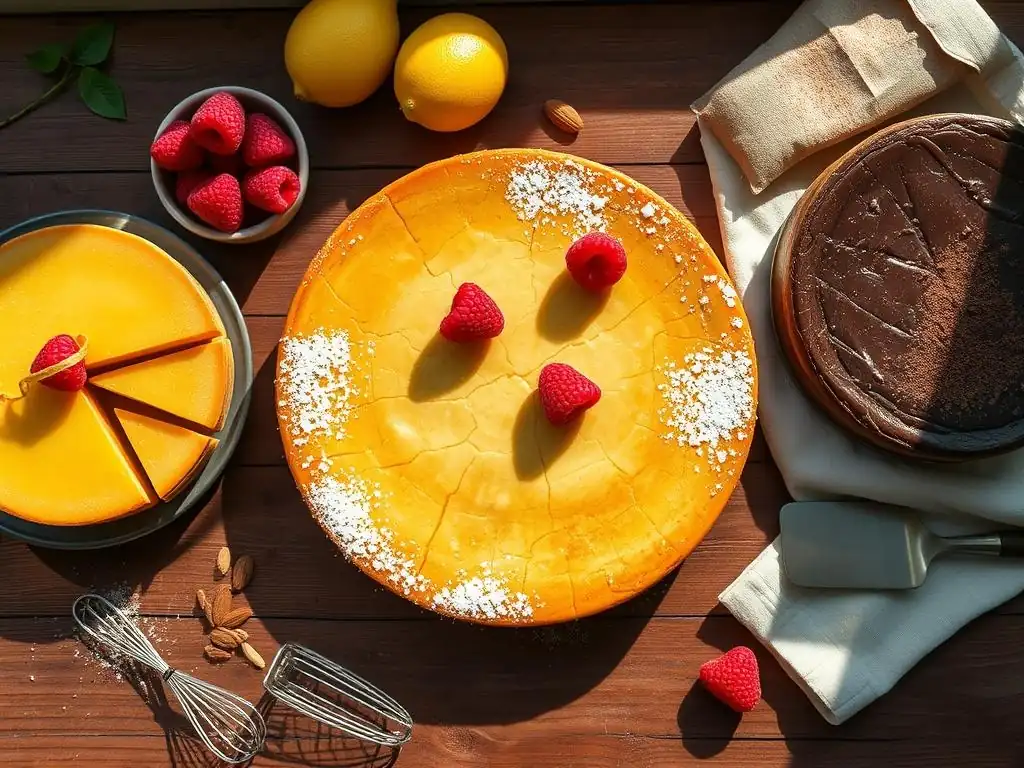
Classic German Käsekuchen is often enjoyed simply, dusted with powdered sugar. The tangy flavor of the cheesecake is often enough on its own. However, there are many delicious ways to serve it. Fresh berries or a berry compote (such as raspberries or strawberries) make an excellent accompaniment, providing a lovely contrast in flavor and texture. A dollop of Schlagrahm (whipped cream) is also a popular addition.
For variations like Cherry Käsekuchen, serving it slightly warm can enhance the fruit flavor, while others like Lemon Ricotta or Vanilla Bean are best served well-chilled. Consider serving with a drizzle of fruit sauce, a sprinkle of cinnamon, or even a side of vanilla ice cream for a more decadent dessert experience. The key is to complement, not overpower, the delicate flavor of the cheesecake.
Optimal Storage Practices for Freshness
Proper storage is essential to maintain the freshness, texture, and flavor of your German cheesecake. Once completely cooled, the cheesecake should be stored in the refrigerator. An airtight container is ideal to prevent the cheesecake from absorbing odors from other foods in the fridge and to keep the surface from drying out. If an airtight container large enough isn't available, cover the cheesecake securely with plastic wrap, ensuring the wrap doesn't touch the surface if possible to avoid condensation.
Käsekuchen is typically best enjoyed within 3-4 days of baking when stored correctly in the refrigerator. For longer storage, cheesecake freezes reasonably well. Wrap individual slices or the whole cooled cheesecake (without toppings or sauces) tightly in plastic wrap, then in a layer of aluminum foil. Frozen cheesecake can last for 1-2 months. Thaw it slowly in the refrigerator overnight before serving.
The Art of German Cheesecake: Final Thoughts
Discover the Endless Possibilities of Käsekuchen Baking
Exploring the world of German cheesecake is a rewarding journey for any baker. From the foundational techniques of the classic Quark Käsekuchen to the delightful twists offered by variations like cherry, marble, or lemon ricotta, there's a vast landscape of flavors and textures to discover. Mastering the simple German cheesecake recipe variations allows you to confidently bake a dessert that is both traditional and versatile. Don't be afraid to experiment with different crusts, add various fruits or flavorings, or adjust the sweetness to your preference.
The beauty of Käsekuchen lies in its ability to be both elegantly simple and wonderfully adaptable. Each variation tells a story, whether it's a regional specialty or a modern adaptation. By understanding the core principles – the importance of quark (or a suitable substitute), gentle mixing, and controlled baking/cooling – you can confidently tackle any Käsekuchen recipe. So, preheat your oven, gather your ingredients, and get ready to bake some delicious German cheesecake!
Baking is often best when shared. We encourage you to try these easy German cheesecake recipe variations and share your successes! Whether it's your first classic Quark Käsekuchen, a vibrant Cherry Käsekuchen, or a visually stunning Marble Käsekuchen, your baking triumphs can inspire others.
Think about documenting your process, noting any challenges you faced and how you overcame them. Did you find a perfect quark substitute? Did you discover a new favorite flavor combination? Sharing your experiences, perhaps detailing the type of quark you used or how you achieved a perfectly smooth top, helps build a community of enthusiastic bakers. Happy baking!
Frequently Asked Questions
What makes German cheesecake (Käsekuchen) different from other cheesecakes?
German cheesecake typically uses quark cheese, which gives it a lighter and less dense texture compared to American cheesecakes that rely on cream cheese. The crust is also often a shortcrust pastry rather than a graham cracker crust.
Can I substitute quark cheese in an easy German cheesecake recipe?
While quark is traditional, you can substitute it with a combination of cream cheese and Greek yogurt to achieve a similar texture. Adjust the ratios to your liking, but aim for a tangy and slightly less rich result.
What are some easy variations I can try with a basic German cheesecake recipe?
Popular variations include adding lemon zest and juice for a citrusy flavor, incorporating raisins soaked in rum, or swirling in fruit preserves before baking.
How do I prevent my German cheesecake from cracking while baking?
Bake the cheesecake in a water bath, which provides gentle and even heat. Also, avoid opening the oven door frequently and allow the cheesecake to cool slowly inside the oven after baking.
What are some tips for achieving the perfect texture in an easy German cheesecake?
Ensure all ingredients are at room temperature before mixing. Don't overmix the batter, as this can lead to a tough cheesecake. Finally, bake at a low temperature for a longer period to achieve a creamy and smooth texture.
Final Reflection: A Slice of Tradition, A World of Flavor
The enduring appeal of German Käsekuchen transcends mere dessert; it's a testament to the power of simple ingredients elevated by creativity. This exploration of easy variations proves that even a classic recipe can be endlessly reinvented, offering a delightful journey for both seasoned bakers and enthusiastic novices alike. The accessibility of these recipes ensures that the joy of homemade Käsekuchen can be shared far and wide.
The impact of this humble cake on the cultural landscape is undeniable. It's more than just a sweet treat; it's a symbol of home, comfort, and shared experiences. A piece of cake can be more than just a piece of cake; it can be a memory, a celebration, a moment of pure joy.
This sentiment perfectly encapsulates the emotional resonance of Käsekuchen, a feeling amplified by the ease with which these variations can be made, allowing everyone to create their own cherished memories around this beloved dessert.
Now, it's your turn. Don't just read about these variations – bake them. Experiment with flavors, textures, and presentations. Let the simple act of creating a Käsekuchen become a source of personal satisfaction and a way to share a piece of German culinary heritage with those you love. Embrace the possibilities, and discover your own signature variation – your own slice of happiness.
Unleash Your Inner Bäcker: Master German Cheesecake!
Thanks for joining us on this delicious journey into the world of Käsekuchen! We hope you've gained some inspiration and newfound confidence in tackling this classic dessert. Now it's time to put your newfound knowledge to the test!
- Bake your dream Käsekuchen: Choose your favorite variation from the article and get baking! Don't be afraid to experiment with flavors and toppings – that's where the true magic lies!
- Share your masterpiece: Snap a picture of your creation and share it on social media using #BakeWithEaseCheesecake – we'd love to see your culinary triumphs!
- Explore our other German recipes: Discover more traditional German baking delights on our website – from pretzels to stollen, there's a whole world of flavor waiting for you!
What unique twist will you add to your next Käsekuchen creation? Let us know in the comments!