
The Intriguing Taste of Taro: Easy Dessert Ideas

Welcome to BakeWithEase!
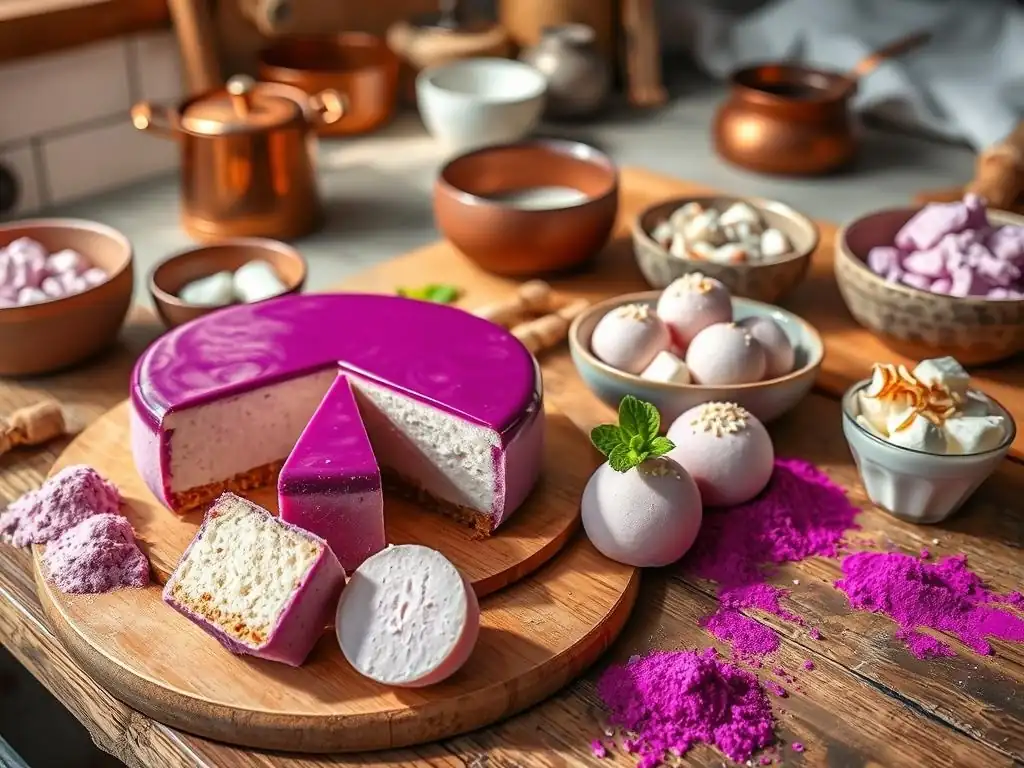
Dive into the delightfully understated world of taro, a root vegetable transforming kitchens worldwide! Are you ready to unlock the secrets to easy taro dessert recipes? Prepare to be surprised by the versatility and unique flavor profile of this underappreciated ingredient as we explore regional and cultural baking traditions. Curious about where to begin? Let's uncover some tempting treats that are easier to make than you might think...
- The Allure of Ube: Simple Dessert Creations
- Unveiling Ube's Magic: An Introduction to Ube Desserts
- Easy Ube Dessert Recipes for Home Bakers
- Elevate Your Ube Baking: Tips and Tricks
- Exploring Variations: Ube Dessert Adaptations
- Ube Baking Made Easy: A Recap for Success
- Frequently Asked Questions
- Final Reflection: The Enduring Sweetness of Taro
- Unlock Your Inner Taro Master!
The Allure of Ube: Simple Dessert Creations
Unveiling Ube's Magic: An Introduction to Ube Desserts
Ube, the vibrant purple yam from the Philippines, has taken the dessert world by storm. Its striking color and unique flavor profile make it a fascinating ingredient for bakers looking to explore new tastes. Far from being just a colorful novelty, ube offers a creamy texture and a subtle sweetness that lends itself beautifully to a variety of sweet treats. Whether you're a seasoned baker or just starting out, incorporating ube into your repertoire can add an exciting dimension to your homemade desserts.
The popularity of ube has surged globally, moving from traditional Filipino households to trendy cafes and bakeries worldwide. This humble root vegetable transforms into visually stunning and delicious creations, ranging from simple jams to intricate cakes and pastries. Its versatility allows for easy adaptation into many familiar dessert formats, making it accessible for home bakers eager to try something different. Get ready to discover why ube is so beloved and how you can easily bake with this enchanting ingredient.
What is Ube and Why Bake with It?
Ube (pronounced OO-beh) is a purple yam, scientifically known as Dioscorea alata. Native to Southeast Asia, it is particularly prominent in Filipino cuisine. Unlike the common orange sweet potato or even white potatoes, ube boasts a naturally vivid purple hue, which is retained even after cooking. This striking color is one of its most appealing characteristics in baking, providing a natural food coloring alternative that is both beautiful and functional.
Beyond its visual appeal, ube offers a unique flavor profile and texture that makes it excellent for desserts. When cooked and mashed, it becomes incredibly smooth and creamy, similar to mashed potatoes but with a distinct sweetness. Its flavor is often described as subtly sweet, slightly nutty, with hints of vanilla or pistachio. This mild yet complex taste pairs wonderfully with dairy, coconut, and other common dessert ingredients, making it a versatile base for easy ube dessert recipes. Baking with ube allows you to create visually stunning treats with a taste that is both familiar and exotic.
Ube's Distinct Flavor Profile: A Baker's Inspiration
The flavor of ube is one of its most intriguing aspects for bakers. It's not overwhelmingly sweet like some other yams or sweet potatoes; instead, it offers a gentle, earthy sweetness with delicate floral or vanilla-like undertones. This subtle complexity means ube doesn't compete with other flavors but rather complements them, allowing for creative pairings. Common complementary ingredients include coconut milk, condensed milk, cheese (especially in Filipino baking), and various spices like vanilla or cinnamon.
Its natural creaminess after cooking also contributes significantly to its appeal in baking. This texture helps create smooth fillings, moist cakes, and tender doughs. For instance, in traditional ube halaya (ube jam), the mashed yam provides a rich, velvety base. When used in cakes or bread, it adds moisture and a tender crumb. Understanding ube's unique flavor and texture is key to developing successful easy ube dessert recipes that highlight its best qualities.
Easy Ube Dessert Recipes for Home Bakers
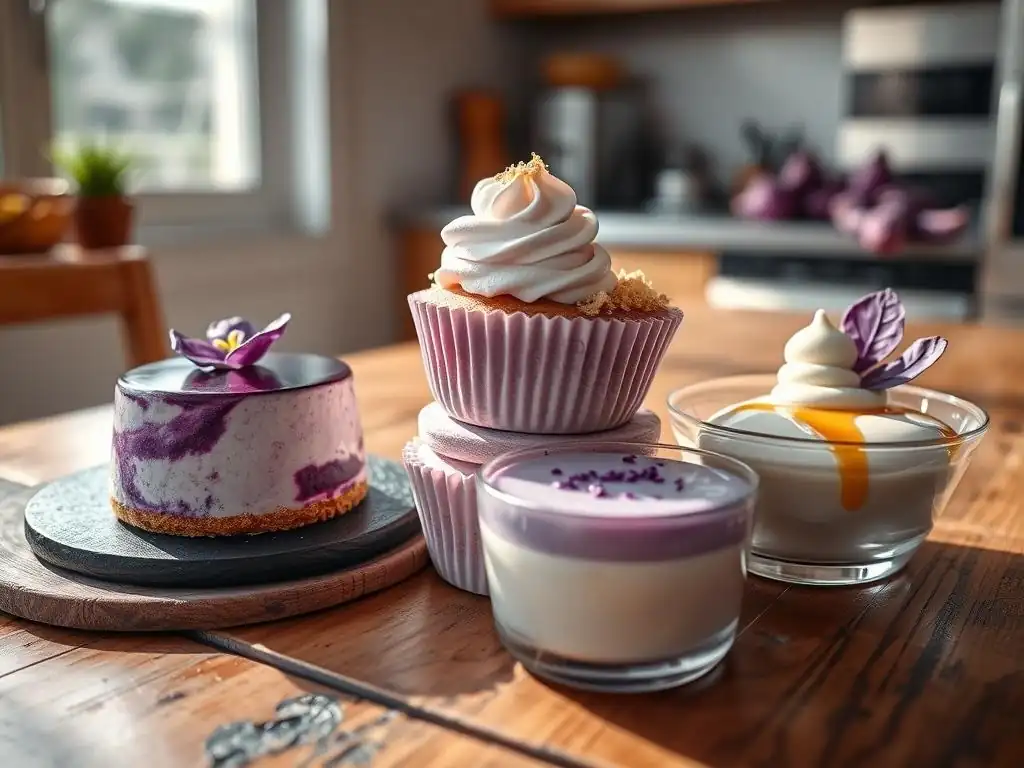
Ready to start baking with ube? Here are a few simple recipes perfect for home bakers. These easy ube dessert recipes are designed to be straightforward, allowing you to experience the magic of ube without complicated techniques.
Recipe 1: Quick Ube Halaya (Purple Yam Jam)
Ube Halaya is a staple Filipino dessert, a sweet jam or pudding made from boiled and mashed ube. It's simple to make and serves as a delicious stand-alone treat or an ingredient in other desserts. This quick version streamlines the process for home kitchens.
Ingredients for Ube Halaya
Here's what you'll need for a basic batch of Ube Halaya:
- Approximately 500g grated or mashed cooked ube (fresh, frozen, or powder rehydrated)
- 1 can (about 400ml) coconut milk
- 1 can (about 300ml) condensed milk
- 1/2 cup granulated sugar (adjust to taste)
- 1/4 cup butter or margarine
- 1 teaspoon vanilla extract (optional)
- Pinch of salt
These quantities yield a generous serving, perfect for sharing or using in multiple dessert applications. Using pre-cooked or frozen ube significantly reduces preparation time, making this one of the easiest ube dessert recipes to start with. Ensure your ube is fully cooked and mashed smoothly for the best texture.
Step-by-Step Instructions for Making Ube Halaya
Making Ube Halaya involves slow cooking and stirring to achieve a thick, smooth consistency.
- In a large, heavy-bottomed pot or deep pan, combine the grated or mashed ube, coconut milk, condensed milk, sugar, and salt.
- Place the pot over medium heat, stirring constantly to prevent sticking. Bring the mixture to a gentle simmer.
- Reduce the heat to low and continue to cook, stirring frequently. This process can take anywhere from 30 minutes to over an hour, depending on the moisture content of your ube and the desired thickness.
- As the mixture thickens and pulls away from the sides of the pot, stir in the butter (and vanilla extract, if using). Continue stirring until the butter is fully incorporated and the halaya reaches your desired consistency – it should be thick enough to hold its shape slightly.
- Remove from heat and transfer the ube halaya to sterilized jars or molds. Allow it to cool completely before chilling in the refrigerator. It will thicken further as it cools.
This process requires patience and consistent stirring, but the result is a rich, creamy, and flavorful ube jam that is incredibly satisfying.
Tips for Achieving Smooth Ube Halaya
Achieving a smooth, lump-free Ube Halaya is key to its delightful texture. Here are a few tips:
- Start with well-cooked ube: Ensure your ube is cooked until very tender before mashing or grating. If using fresh ube, boiling or steaming it until soft is crucial.
- Mash thoroughly: Use a potato masher, fork, or even a food processor to get the ube as smooth as possible before adding it to the pot. Any lumps will likely remain in the final product.
- Constant stirring: This is the most important step. Continuous stirring prevents the ube from sticking to the bottom and burning, which can introduce off-flavors and lumps. Stirring also helps break down any remaining small pieces and promotes even thickening.
- Low and slow heat: Cooking over low heat prevents scorching and allows the ube to cook evenly and become creamy without drying out too quickly. Patience is rewarded with a smoother, richer halaya.
Following these tips will help you create a velvety smooth Ube Halaya, perfect for enjoying on its own or as part of other easy ube dessert recipes.
Recipe 2: Creamy Ube Flan: A Simple Delight
Ube Flan combines the rich creaminess of traditional leche flan with the unique flavor and color of ube. This baked custard dessert is surprisingly simple to make and impressive to serve.
Preparing the Ube Flan Base
The base for Ube Flan is similar to a classic leche flan, involving eggs, milk, and sugar, with the addition of ube.
- You'll need about 6-8 egg yolks (reserve the whites for another use).
- 1 can (about 300ml) condensed milk.
- 1 can (about 370ml) evaporated milk (or fresh milk).
- Approximately 1/2 cup of smooth Ube Halaya or ube puree (see Recipe 1 or use store-bought).
- 1 teaspoon ube extract (for enhanced color and flavor).
- 1/2 cup granulated sugar for the caramel layer.
Whisk the egg yolks gently in a bowl. In a separate bowl, combine the condensed milk, evaporated milk, ube halaya/puree, and ube extract. Whisk until the ube is fully incorporated and the mixture is smooth. Gradually whisk the milk mixture into the egg yolks, being careful not to create too many bubbles. Strain the mixture through a fine-mesh sieve at least once (preferably twice) to ensure a silky-smooth texture. This straining step is crucial for removing any unincorporated ube bits or egg chalazae.
Adding Ube Essence: Variations and Techniques
To really highlight the ube flavor and color in your flan, using ube extract is highly recommended.
- Ube Extract: A few drops of high-quality ube extract can dramatically enhance the vibrant purple color and intensify the ube flavor without adding significant volume or altering the texture. Start with 1 teaspoon and add more if desired.
- Ube Halaya vs. Puree: Using smooth ube halaya adds sweetness and richness directly to the base. Ube puree (plain cooked and mashed ube) is less sweet but adds natural flavor and color. You can adjust the amount of sugar in the base depending on which ube form you use.
- Infusing Milk: For a more subtle flavor, you could gently heat the milk with some ube powder or small pieces of cooked ube, let it steep, and then strain before combining with the other ingredients. However, adding ube puree or halaya directly to the mixture is the simplest and most common method for easy ube dessert recipes like flan.
Experiment with the amount of ube extract and puree/halaya to achieve your preferred intensity of color and flavor.
Chilling and Serving Your Creamy Ube Flan
Once your flan mixture is ready and the caramel has set in the mold, it's time to bake.
- Pour the strained ube mixture carefully over the hardened caramel in your llanera (flan mold) or ramekins.
- Cover the mold tightly with aluminum foil to prevent water from entering during baking.
- Place the covered mold in a baking pan and carefully pour hot water into the baking pan, creating a water bath (bain-marie). The water level should come at least halfway up the sides of the flan mold.
- Bake in a preheated oven at around 160°C (320°F) for 45-70 minutes, or until the center is just set (a knife inserted near the edge should come out clean, but the center might still be slightly jiggly).
- Carefully remove the mold from the water bath and remove the foil. Let it cool completely at room temperature.
- Once cool, refrigerate for at least 4 hours, preferably overnight, to allow the flan to set fully and the flavors to meld.
- To serve, run a knife around the edge of the mold, place a serving plate upside down over the mold, and invert quickly. The caramel should pour over the flan.
This creamy ube flan is a delightful and relatively easy ube dessert recipe that showcases the smooth texture and unique taste of ube beautifully.
Recipe 3: Baked Ube Pandesal: A Sweet and Savory Treat
Pandesal is a classic Filipino bread roll, typically slightly sweet and rolled in breadcrumbs before baking. Ube Pandesal incorporates ube into either the dough or, more commonly, as a sweet filling, creating a delicious sweet-and-savory combination. This recipe focuses on the filled version, which is a popular variation.
Making the Ube Filling for Pandesal
The ube filling for pandesal is often a thicker version of Ube Halaya or a sweetened ube paste.
- You'll need about 1 cup of thick Ube Halaya (see Recipe 1, cooked longer until very firm) or a store-bought ube jam.
- Optional: 1/4 cup grated cheese (like cheddar or processed cheese for a classic Filipino pairing).
The filling should be firm enough to hold its shape when wrapped inside the dough. If your ube halaya is too soft, you can cook it down further in a pan over low heat, stirring constantly, until it reaches a thicker, paste-like consistency. Allow it to cool completely before using. For the popular cheese filling variation, simply mix the grated cheese into the cooled ube halaya. The combination of sweet ube and slightly salty cheese is surprisingly addictive and characteristic of many Filipino ube treats.
Assembling and Baking the Ube Pandesal
Once your pandesal dough is ready (you can use your favorite sweet roll dough recipe or a standard pandesal recipe), it's time to fill and shape them.
- Divide the dough into equal portions, typically around 40-50 grams each.
- Roll each portion into a ball, then flatten it into a disc.
- Place a tablespoon or two of the cooled ube filling (with or without cheese) in the center of the dough disc.
- Carefully gather the edges of the dough around the filling, pinching them tightly to seal completely. Ensure there are no gaps where the filling could leak out during baking.
- Roll the filled ball gently between your palms to create a smooth surface.
- Roll the top side of each filled roll in fine breadcrumbs (preferably dry, unsweetened ones).
- Place the rolls seam-side down on a baking sheet lined with parchment paper, leaving space between them for rising.
Allow the filled pandesal to proof in a warm place for about 45-60 minutes, or until they have doubled in size. Preheat your oven during the last 15-20 minutes of proofing.
Glazing and Garnishing Your Baked Ube Pandesal
Ube Pandesal is typically baked until golden brown. A simple glaze can add shine and extra flavor.
- Before baking, some bakers lightly brush the top of the rolls (the breadcrumb side) with milk or melted butter.
- Bake in a preheated oven at around 180°C (350°F) for 15-20 minutes, or until the rolls are golden brown and sound hollow when tapped on the bottom.
- Immediately after removing from the oven, you can brush the tops again with melted butter for a soft crust and glossy finish.
Serve Ube Pandesal warm, ideally fresh from the oven, to enjoy the soft bread, warm ube filling, and melted cheese (if added). This is a comforting and relatively easy ube dessert recipe that doubles as a delicious snack or breakfast roll.
Elevate Your Ube Baking: Tips and Tricks
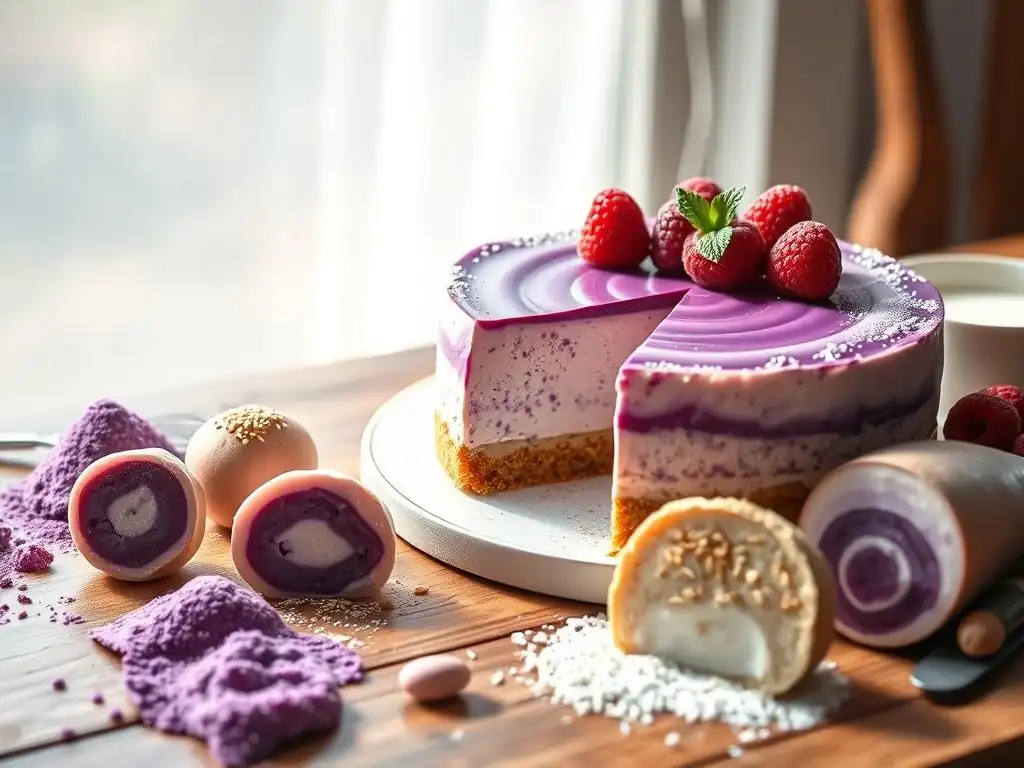
Taking your ube creations to the next level involves understanding how to best work with the ingredient. Here are some tips to enhance your easy ube dessert recipes.
Mastering Ube Color: Achieving Vibrant Purple Hues
Ube's natural purple color is one of its biggest draws. However, the intensity can vary greatly depending on the type of ube used (fresh vs. powder vs. extract) and the cooking process.
- Ube Extract: This is your best friend for consistent, vibrant color. A few drops can turn a pale purple mixture into a deep, rich violet. Use a high-quality extract for the best results.
- Ube Powder: Using ube powder reconstituted with liquid provides good color, but can sometimes result in a slightly muted tone compared to extract. Ensure it's fully dissolved and smooth.
- Fresh Ube: The color of fresh ube can vary. Steaming or boiling fresh ube tends to preserve its color better than roasting. Mash it finely to distribute the color evenly.
- Acidity: Be mindful of acidic ingredients, as they can sometimes affect the vibrancy of natural purple pigments. Most dessert recipes are not acidic enough to cause a major issue, but it's worth noting.
Combining ube puree/halaya with a touch of ube extract is often the most reliable way to achieve that signature, eye-catching ube purple in your easy ube dessert recipes.
Enhancing Ube Flavor: Ingredient Combinations
While delicious on its own, ube's flavor shines when paired with complementary ingredients.
- Coconut: Coconut milk, cream, or shredded coconut are classic pairings that enhance ube's tropical notes. Think ube coconut cake or ube panna cotta with toasted coconut flakes.
- Dairy: Condensed milk, evaporated milk, and butter are frequently used to add richness and creaminess, as seen in Ube Halaya and Ube Flan. Cheese, particularly mild cheddar or processed cheese, is a popular sweet-and-savory pairing in Filipino ube baked goods like Ube Pandesal or Ube Cheese Tarts.
- Vanilla: Vanilla extract or vanilla beans complement ube's subtle vanilla-like undertones and add warmth to the flavor profile.
- Sweetness Balance: Ube is naturally sweet, but often requires added sugar, condensed milk, or other sweeteners in desserts. Taste and adjust sweetness to balance the earthiness of the yam. Using condensed milk adds both sweetness and creaminess, contributing significantly to the texture of easy ube dessert recipes.
Experimenting with these combinations will help you find your favorite ways to highlight the unique taste of ube.
Storing Your Delicious Ube Desserts
Proper storage ensures your ube creations remain fresh and delicious.
- Ube Halaya: Store in airtight containers in the refrigerator for up to 1-2 weeks. It can also be frozen for several months. Thaw in the refrigerator.
- Ube Flan: Keep covered in the refrigerator. It is best consumed within 3-5 days. The caramel syrup will continue to develop flavor over time.
- Baked Goods (Cakes, Pandesal): Store at room temperature in an airtight container for 2-3 days. For longer storage, refrigerate for up to a week or freeze for up to 2-3 months. Reheat pandesal gently in an oven or microwave for the best texture.
Always ensure desserts are completely cooled before storing to prevent condensation, which can lead to sogginess or spoilage. Following these storage guidelines helps you enjoy your easy ube dessert recipes for longer.
Exploring Variations: Ube Dessert Adaptations
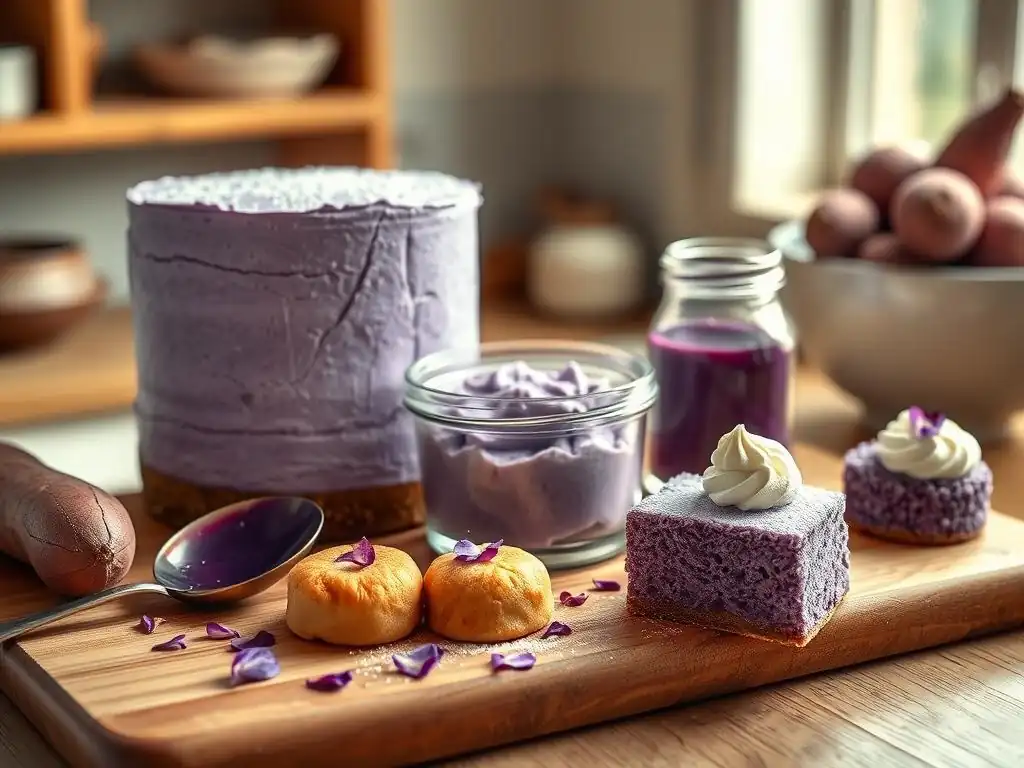
Ube's versatility makes it suitable for adapting many classic dessert recipes. You can easily create vegan or gluten-free versions, or explore traditional Filipino ube cakes.
Vegan Ube Dessert Options: Plant-Based Baking
Creating vegan ube desserts is relatively simple, as ube pairs well with plant-based ingredients.
- Milk Substitutes: Replace dairy milk and condensed milk with coconut milk, almond milk, or oat milk. Vegan condensed coconut milk is readily available and works perfectly in recipes like Ube Halaya or Ube Flan.
- Butter Substitutes: Use vegan butter or refined coconut oil instead of dairy butter.
- Egg Substitutes: For custards like flan, this is the trickiest part. Silken tofu, cornstarch, or agar-agar can be used as thickening agents, though the texture will differ from traditional egg-based flan. For cakes and breads, common egg replacers like applesauce, mashed banana, flax eggs, or commercial egg replacers work well.
- Ube Halaya: Can be made vegan by using plant-based milk, vegan butter, and a plant-based sweetener like agave or maple syrup if not using vegan condensed milk.
Many easy ube dessert recipes can be adapted with simple swaps to become delicious vegan treats, allowing everyone to enjoy the unique taste of ube.
Gluten-Free Ube Dessert Ideas: Baking without Wheat
For those avoiding gluten, ube can be a fantastic ingredient. Since ube itself is gluten-free, the focus is on replacing wheat flour in baked goods.
- Flour Blends: Use a gluten-free all-purpose flour blend as a direct substitute in recipes for ube cakes, muffins, or cookies.
- Rice Flour/Sweet Rice Flour: These are commonly used in Filipino desserts and pair well with ube. Recipes like Mochi Ube (using sweet rice flour) are naturally gluten-free and offer a delightful chewy texture.
- Almond Flour/Coconut Flour: These can be used in combination with other gluten-free flours to create cakes or bars with unique textures and flavors that complement ube.
- Naturally Gluten-Free: Desserts like Ube Halaya, Ube Flan, or Ube Ice Cream are typically gluten-free by nature, provided no wheat-based thickeners or additions are used.
Creating gluten-free easy ube dessert recipes is quite achievable, opening up a world of possibilities for delicious and vibrant treats suitable for various dietary needs.
Filipino Ube Dessert: Ube Macapuno Cake
A quintessential Filipino ube dessert is Ube Macapuno Cake. This layer cake combines soft ube-flavored sponge cake layers with a creamy filling typically made from macapuno strings (a type of mutant coconut with gelatinous flesh) and often incorporates ube halaya or ube cream.
- Cake Layers: A standard sponge cake recipe is adapted by adding ube extract for color and flavor, and sometimes a small amount of ube puree for moisture. The goal is a light, airy purple cake.
- Filling: The filling is usually a rich custard or whipped cream mixed with macapuno strings and often sweetened with condensed milk. Some versions incorporate ube halaya directly into the filling for a double dose of ube flavor.
- Frosting: Often frosted with a smooth ube-flavored buttercream or whipped cream frosting, creating a stunning purple exterior.
While perhaps slightly more involved than the "easy" recipes listed above due to multiple layers and fillings, Ube Macapuno Cake is a beloved classic that perfectly showcases ube in a grand dessert format and is a worthy goal for any home baker exploring ube.
Ube Baking Made Easy: A Recap for Success
Working with ube can be a delightful experience. Its unique color and flavor bring a touch of magic to any dessert. By starting with simple recipes and understanding the key characteristics of this fascinating ingredient, you're well on your way to creating stunning and delicious purple treats.
Key Takeaways for Easy Ube Dessert Recipes
- Ube is a versatile purple yam with a subtle, sweet, and slightly nutty flavor, and a creamy texture when cooked.
- Ube extract is essential for achieving vibrant purple color and enhancing flavor in many recipes.
- Classic pairings like coconut, condensed milk, and butter complement ube beautifully. Cheese offers a popular sweet-and-savory twist.
- Basic recipes like Ube Halaya, Ube Flan, and Filled Ube Pandesal are great starting points for home bakers.
- Patience is key when cooking Ube Halaya; constant stirring ensures smoothness.
- Proper straining and water baths are crucial for a silky Ube Flan.
- Sealing dough well is important when making filled pandesal.
- Many ube desserts can be easily adapted to be vegan or gluten-free.
- Proper storage in airtight containers keeps your ube treats fresh.
Embracing ube in your baking opens up a world of colorful and flavorful possibilities. Start simple, experiment with pairings, and most importantly, have fun!
Where to Find the Best Ube for Baking
Finding ube depends on your location.
- Asian Grocery Stores: These are typically the best source. Look for frozen grated ube, ube powder, or jars of smooth ube halaya. Some may even carry fresh ube yams seasonally.
- Online Retailers: Many online stores specializing in Asian ingredients or baking supplies carry ube powder, extract, and sometimes frozen ube or halaya.
- Specialty Food Stores: As ube's popularity grows, some larger or specialty grocery stores might start stocking ube products, particularly extracts or jams.
When buying frozen or powdered ube, check the ingredients to ensure you're getting pure ube or a product with minimal additives if you want the most authentic flavor. Ube extract is usually found in the baking aisle of Asian markets. Armed with the right ingredients and these easy ube dessert recipes, you're ready to bring the vibrant taste of ube into your kitchen.
Frequently Asked Questions
What is taro, and why is it becoming popular in desserts?
Taro is a root vegetable with a slightly sweet and nutty flavor. It's becoming popular due to its unique taste and vibrant purple hue, which adds visual appeal to desserts.
Where can I find taro for baking?
You can typically find taro at Asian supermarkets or specialty grocery stores. Look for it in the produce section, either fresh or frozen.
Are taro desserts difficult to make?
Not necessarily! BakeWithEase offers easy taro dessert recipes suitable for various skill levels. Many recipes use simple ingredients and straightforward instructions.
What are some examples of easy taro desserts I can make?
Some easy options include taro mochi, taro milk tea, and taro-filled pastries. BakeWithEase provides recipes for these and other delicious taro treats.
How can I ensure my taro dessert has the best flavor?
Properly cooking the taro is key! Make sure to cook it thoroughly until it's soft and easily mashable. Using high-quality taro will also enhance the flavor.
Final Reflection: The Enduring Sweetness of Taro
The humble taro root, often overlooked, offers a surprisingly versatile and delicious canvas for easy desserts. Its creamy texture and subtly sweet flavor profile provide a unique and satisfying experience, a fact increasingly appreciated by home bakers and dessert enthusiasts alike. The recipes explored in this article demonstrate just how accessible and rewarding creating taro-based treats can be.
The enduring appeal of taro transcends simple culinary enjoyment; it speaks to a deeper connection with cultural heritage and the simple pleasures of homemade goodness. For many, taro evokes memories of family gatherings and cherished traditions. Food is symbolic of love when words are inadequate.
– Alan D. Wolfelt. This quote beautifully captures the emotional resonance that food, especially homemade desserts like those featuring taro, can hold. Its increasing popularity in global cuisine reflects a growing appreciation for unique flavors and a renewed interest in exploring diverse culinary traditions.
Now, it's your turn. Consider the simple recipes outlined in this article as a starting point for your own culinary adventures. Experiment with different flavor combinations, explore variations on the presented recipes, and most importantly, share the sweetness of taro with those you love. Let the creamy texture and subtle sweetness of this remarkable root inspire you to create your own delicious memories in the kitchen. The possibilities are as endless as your imagination.
Unlock Your Inner Taro Master!
Thanks for exploring the wonderfully versatile world of taro with us! We hope you’ve discovered some delicious inspiration for your next baking adventure. Ready to transform your kitchen into a taro paradise?
- Bake your own Taro Mochi: This is your chance to put your newfound knowledge to the test! Our recipe section (coming soon!) will feature a step-by-step guide.
- Share your taro creations: Tag us on social media – we’d love to see your culinary masterpieces!
- Experiment with different taro varieties: Purple, white, even yellow – the possibilities are endless! What unique flavor combinations will you create?
What unexpected taro treat will you bake next? Let's discuss in the comments below!