
Easy Pasta Frolla Recipe for Italian Tarts & Cookies

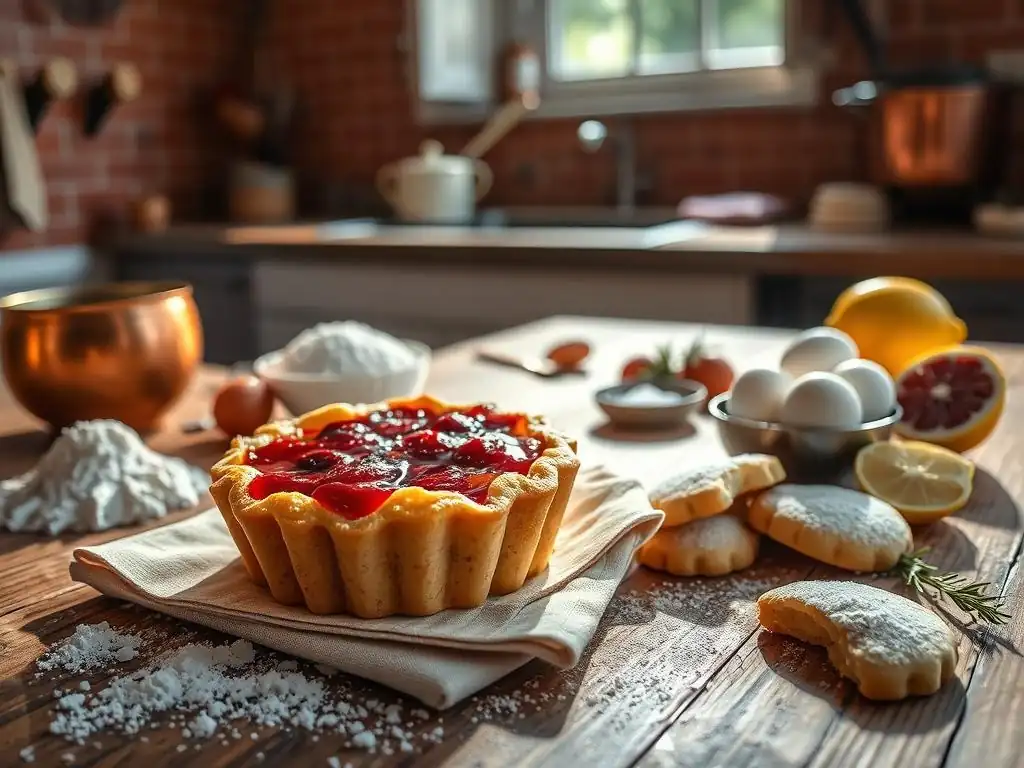
Welcome to BakeWithEase, your trusted guide to unlocking the joy of baking! Ever dreamt of effortlessly creating authentic Italian treats? Prepare to be amazed! This month, we're diving deep into the delicious world of regional and cultural baking, starting with a recipe that will transform your pastry game: our easy Pasta Frolla recipe. But what makes this Italian pastry so special, and how can you master it at home? Read on to discover the secrets to creating perfectly crumbly tarts and cookies that will transport you straight to Italy!
- Classic Lemon Pasta Frolla Recipe for Italian Tarts & Cookies
- Baking Bliss: Mastering Pasta Frolla for Authentic Italian Baking
- What is Pasta Frolla? An Introduction to Italian Sweet Shortcrust Pastry
- Easy Italian Pastry Recipe: Your Step-by-Step Guide to Perfect Pasta Frolla
- Mastering the Technique: How to Make Pasta Frolla Dough
- Tips for a Flawless Pasta Frolla Crust
- Using Your Pasta Frolla: Recipes for Italian Tarts and Cookies
- Storing Your Pasta Frolla: Keeping it Fresh
- Variations on the Easy Italian Pastry Recipe
- Troubleshooting Your Pasta Frolla: Common Issues and Solutions
- Enjoy the Taste of Italy: Baking with Ease Using Pasta Frolla
-
Frequently Asked Questions
- What exactly is Pasta Frolla, and what is it typically used for?
- Is this Pasta Frolla recipe truly "easy," even for beginner bakers?
- What are the essential ingredients required for this Easy Pasta Frolla recipe?
- Can I make Pasta Frolla ahead of time and store it?
- What are some variations or fillings I can use with this Easy Pasta Frolla recipe for tarts?
- Final Reflection: The Enduring Allure of Simple Italian Baking
- Unleash Your Inner Pastry Chef!
Baking Bliss: Mastering Pasta Frolla for Authentic Italian Baking
Baking is a journey, and mastering foundational doughs is a crucial step towards creating authentic and delicious pastries. Among the most beloved in Italian baking is Pasta Frolla, a simple yet incredibly versatile sweet shortcrust pastry. This dough is the cornerstone of countless Italian desserts, from rustic tarts bursting with fruit or ricotta to delicate, buttery cookies perfect with a cup of coffee. Learning this easy Italian pastry recipe opens up a world of traditional treats right in your own kitchen.
Embarking on the path to making perfect Pasta Frolla is surprisingly straightforward. Unlike some complex pastry doughs, its success relies more on technique and understanding the role of each simple ingredient than on intricate steps. With just a few basic components – flour, sugar, butter, and eggs, often enhanced with the bright zest of lemon – you can create a dough that is tender, crumbly, and holds its shape beautifully, making it ideal for both molded cookies and sturdy tart shells. This guide will walk you through every step to ensure your Pasta Frolla is a triumph every time.
What is Pasta Frolla? An Introduction to Italian Sweet Shortcrust Pastry
Pasta Frolla, literally translating to "crumbly dough" or "friable pastry" in Italian, is a type of shortcrust pastry characterized by its high fat content, typically butter, which gives it a tender, melt-in-your-mouth texture. It differs from some other shortcrusts by often incorporating egg yolks (or whole eggs) and sugar, making it specifically suited for sweet applications. The presence of sugar inhibits gluten development, further contributing to its desired crumbly texture, while the eggs add richness and help bind the dough.
This fundamental easy Italian pastry recipe is incredibly adaptable. While the basic ratio of ingredients provides the classic structure, variations in flavorings like lemon zest, orange zest, vanilla, or even cocoa powder are common. The key to a successful Pasta Frolla lies in keeping the ingredients cold and handling the dough minimally to avoid developing tough gluten strands. When done correctly, it bakes into a crisp, golden shell or cookie that perfectly complements sweet fillings or stands delightfully on its own.
Exploring the Roots of Pasta Frolla in Italian Baking Traditions
The history of Pasta Frolla is deeply intertwined with Italian culinary heritage, particularly its tradition of creating elaborate tarts, known as crostate, and a vast array of biscotti (cookies). While the exact origins are difficult to pinpoint, sweet shortcrust pastries have been documented in Italian cookbooks dating back centuries, with variations appearing across different regions. For instance, ingredients like lard were historically used before butter became widely accessible, and regional preferences influenced additions like spices or nuts.
Pasta Frolla became a staple dough because of its stability and ability to hold shape, making it perfect for the lattice tops characteristic of many crostate. It provided a sturdy base for fillings ranging from simple fruit preserves to complex creams and cheeses. Historical texts suggest that early versions might have been less refined, but over time, with the standardization of ingredients and techniques, the Pasta Frolla we know today emerged as a refined, versatile easy Italian pastry recipe celebrated throughout Italy.
Why Pasta Frolla is Essential for Italian Baking
Pasta Frolla is not just an Italian pastry dough; it is arguably the foundational dough for a significant portion of Italian pasticceria (pastry-making). Its unique balance of tenderness and structure makes it indispensable. For tarts, it creates a reliable shell that doesn't collapse under the weight of fillings, whether it's a moist ricotta mixture, a delicate fruit custard, or thick jam. The slight sweetness of the dough also perfectly complements the sweetness of the filling, creating a harmonious dessert.
Furthermore, Pasta Frolla's ability to be rolled thin and cut into various shapes makes it the base for countless types of Italian cookies. From simple cut-outs decorated with sprinkles to filled cookies or those molded into intricate designs, the dough provides a consistent, delightful texture. Its ease of preparation and versatility mean that mastering this easy Italian pastry recipe is a fundamental skill for anyone wanting to explore the breadth and depth of traditional Italian sweets, serving as the starting point for literally hundreds of distinct recipes.
Easy Italian Pastry Recipe: Your Step-by-Step Guide to Perfect Pasta Frolla
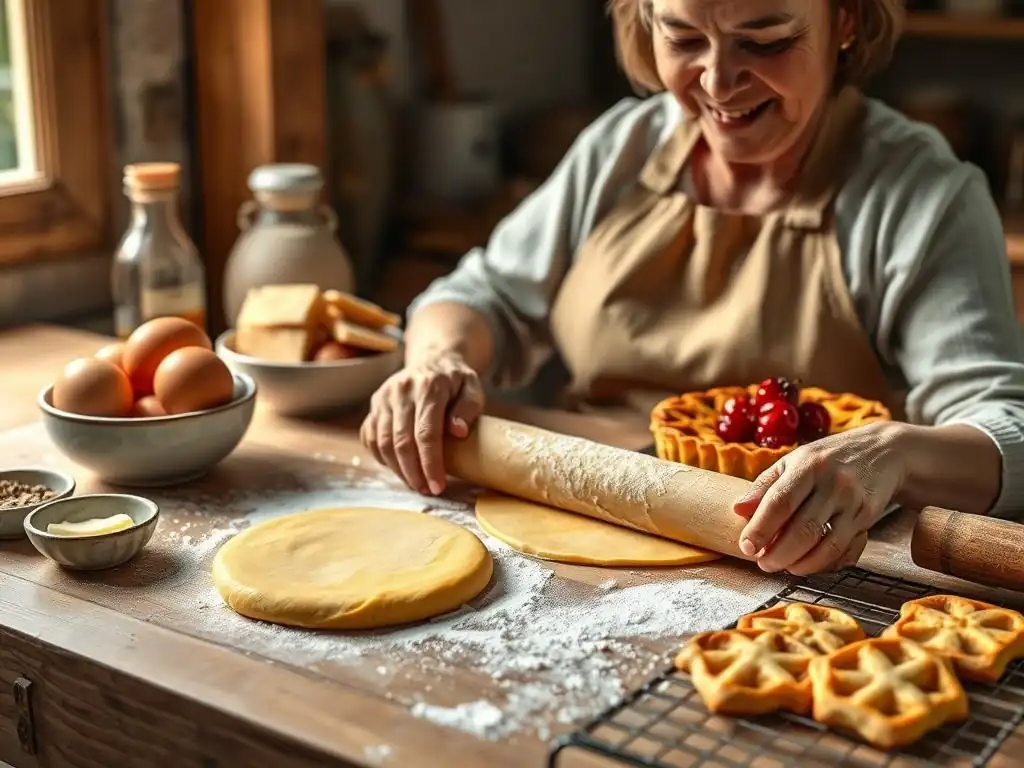
Ready to make your own classic Lemon Pasta Frolla? This easy Italian pastry recipe follows a standard method that ensures tender, crumbly results every time. We'll guide you through selecting the right ingredients and equipment, then detail each step of the mixing process. Remember, the key is often in the temperature of your ingredients and minimizing handling.
Follow this guide closely, and you'll soon have a batch of perfect Pasta Frolla dough ready to be transformed into delicious tarts or cookies. This recipe yields enough dough for approximately one 9-10 inch tart or about 2-3 dozen medium-sized cookies, depending on thickness and shape. It's a generous amount that's easy to scale up or down once you've made it a few times.
Ingredients for a Simple Lemon Pasta Frolla Recipe
To make this classic dough, you'll need a few basic pantry staples, plus the star flavor enhancer, lemon zest. Using cold ingredients is paramount for achieving the desired crumbly texture.
Here's what you'll need:
- [ ] 250 grams (about 2 cups) all-purpose flour
- [ ] 100 grams (about 1/2 cup) granulated sugar
- [ ] 125 grams (about 1/2 cup + 1 tbsp) cold unsalted butter, cut into small cubes
- [ ] 1 large egg
- [ ] 1 large egg yolk
- [ ] Zest of 1 organic lemon
- [ ] Pinch of salt
Using cold butter helps create flaky layers as it melts during baking. The combination of a whole egg and an extra yolk adds richness and tenderness. The lemon zest provides that signature bright, aromatic flavor characteristic of many Italian pastries.
Equipment Needed for Making Pasta Frolla
You don't need fancy equipment to make excellent Pasta Frolla. Most of the tools are standard kitchen items.
Here is a list of essential equipment:
- Large mixing bowl
- Pastry blender or fork (or a food processor)
- Whisk
- Measuring cups and spoons or, preferably, a kitchen scale for accuracy
- Plastic wrap
- Rolling pin
- Parchment paper or silicone baking mat
- Baking sheets
- Tart pan or cookie cutters (depending on what you're making)
A kitchen scale is highly recommended for accuracy, especially with flour and butter, as volume measurements can vary. Using a food processor can speed up step 2, but the manual method works perfectly well and is often preferred by traditionalists who want to feel the dough.
Mastering the Technique: How to Make Pasta Frolla Dough
Making Pasta Frolla is a technique-driven process. Patience and a light touch are your best friends. The goal is to combine the ingredients without developing too much gluten, which would make the dough tough. Follow these steps for a perfect result.
Working quickly helps keep the butter cold. If at any point your butter seems to be softening too much, pop the bowl (or food processor bowl) into the refrigerator for 5-10 minutes before continuing. This easy Italian pastry recipe is quite forgiving if you respect the cold temperatures.
Step 1: Combining the Dry Ingredients and Lemon Zest
In a large mixing bowl, whisk together the 250 grams of all-purpose flour, 100 grams of granulated sugar, and a pinch of salt. This ensures all the dry ingredients are evenly distributed. Next, add the finely grated zest of one organic lemon to the dry mixture.
Use your fingertips to rub the lemon zest into the dry ingredients. This action releases the fragrant oils from the zest, infusing the flour and sugar with bright lemon flavor right from the start. This simple step significantly enhances the final aroma and taste of your easy Italian pastry recipe.
Step 2: Adding the Cold Butter for a Flaky Crust
Add the 125 grams of cold unsalted butter, which you've cut into small cubes, to the bowl with the dry ingredients. The key here is to incorporate the butter into the flour mixture until it resembles coarse crumbs, similar to the texture of wet sand or small peas.
You can do this using a pastry blender, two forks, or your fingertips. If using your fingertips, work quickly and lightly to avoid melting the butter with the heat of your hands. Alternatively, you can pulse the flour, sugar, salt, and cold butter in a food processor until the mixture reaches the desired crumbly consistency. Aim for some pieces of butter still visible, roughly the size of small lentils.
Step 3: Incorporating the Egg Yolks and Lemon Juice
In a small separate bowl, whisk together the 1 large egg and 1 large egg yolk. If you like, you can add about 1-2 teaspoons of fresh lemon juice here for an extra citrus kick, though this is optional and depends on the desired moisture level.
Make a well in the center of the dry ingredients and butter mixture. Pour the whisked egg mixture into the well. Using a fork or your hands, gently start incorporating the wet ingredients into the dry, working from the center outwards. The dough will start to come together in clumps.
Step 4: Kneading and Resting the Pasta Frolla Dough
Once the dough starts to form large clumps and looks shaggy, turn it out onto a clean, lightly floured surface. Gather the dough together and gently knead it very briefly until it just comes together into a cohesive ball. This should only take about 30 seconds to a minute. Avoid overworking the dough, as this develops gluten and makes the pastry tough.
Flatten the dough into a disc, wrap it tightly in plastic wrap, and refrigerate it for at least 1 hour, or ideally 2 hours. This resting period is crucial: it allows the gluten to relax (further preventing toughness) and the butter to firm up again, making the dough much easier to roll out. This chilling step is non-negotiable for a successful easy Italian pastry recipe.
Tips for a Flawless Pasta Frolla Crust
Making Pasta Frolla is relatively simple, but a few key techniques can elevate your results from good to truly exceptional. Paying attention to temperature and handling is critical.
Achieving the perfect texture – tender yet crisp – is the hallmark of great Pasta Frolla. Avoiding common pitfalls will ensure your easy Italian pastry recipe turns out beautifully every time you bake.
Achieving the Perfect Texture: Preventing a Tough Crust
The primary enemy of a tender Pasta Frolla crust is overdeveloped gluten. Gluten develops when flour is mixed with liquid and kneaded. Since you want a "crumbly" pastry, you need to minimize gluten formation. This is why using cold ingredients is so important – cold butter coats the flour particles, preventing them from fully hydrating and forming strong gluten bonds.
Furthermore, work the dough as little as possible after adding the wet ingredients. Just bring it together until it forms a cohesive mass, and no more. The brief kneading mentioned in Step 4 is just to unify the dough, not to develop elasticity. Chilling the dough extensively after mixing is also vital, as it allows any stressed gluten strands to relax before rolling and baking. For best results, aim for a chilling time of at least 90 minutes.
Working with Pasta Frolla: Handling Techniques
Pasta Frolla, particularly after chilling, can be quite firm. To make it easier to roll, let it sit out of the refrigerator for 5-10 minutes before you begin, but don't let it get too soft. The best way to roll out Pasta Frolla is between two sheets of parchment paper or on a lightly floured surface using a lightly floured rolling pin.
Rolling between parchment paper prevents sticking and allows you to easily transfer the rolled dough to a tart pan or baking sheet by simply peeling off one layer of paper. If rolling directly on a surface, lift and rotate the dough frequently to ensure it's not sticking. Roll from the center outwards, applying even pressure. Aim for a thickness of about 3-5 mm (about 1/8 to 1/4 inch) for tart shells and typically 5-7 mm (about 1/4 to 1/3 inch) for cookies, depending on the recipe.
Common Mistakes to Avoid When Making Pasta Frolla
Several common errors can lead to less-than-ideal Pasta Frolla. One of the most frequent is using butter that is too soft or even melted; this incorporates too much fat into the flour, resulting in a greasy, tough dough instead of a crumbly one. Always start with cold, cubed butter straight from the fridge.
Another mistake is overworking the dough. As discussed, excessive kneading develops gluten, leading to a tough, bread-like texture rather than a tender, crumbly one. Mix only until the dough just comes together. Finally, not chilling the dough for a sufficient amount of time before rolling and baking is a common error. Chilling is essential for ease of handling, preventing shrinkage during baking, and ensuring the best possible texture. Resist the urge to skip or shorten this crucial step in this easy Italian pastry recipe.
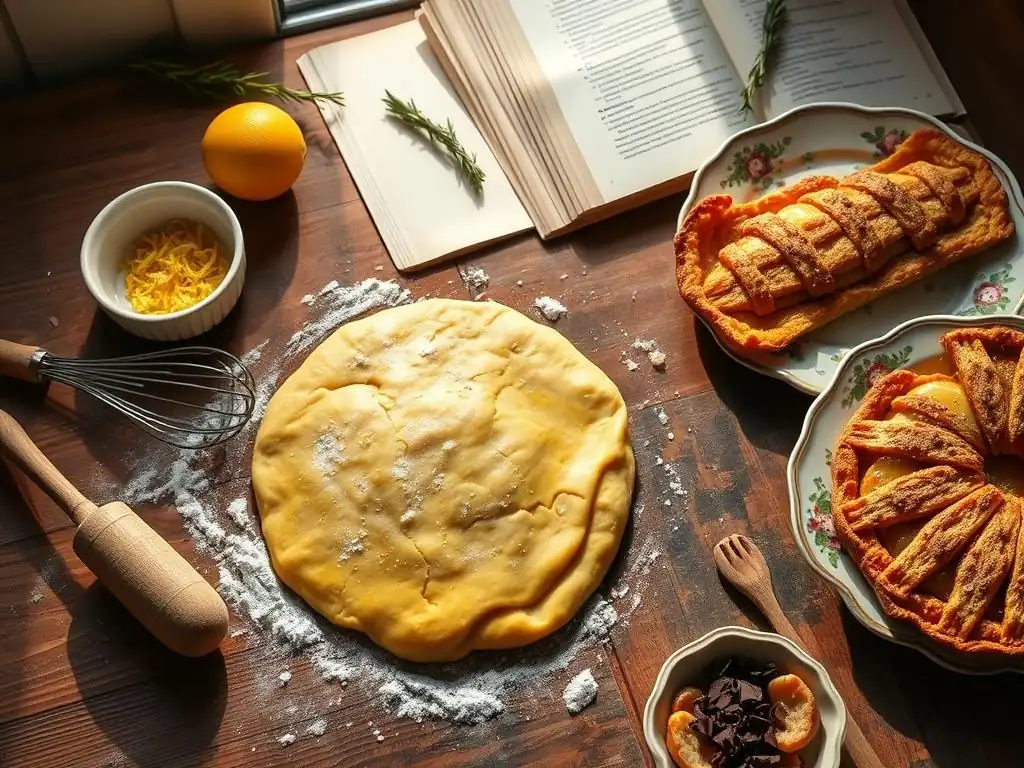
Once you have a perfect batch of Pasta Frolla dough, the possibilities are nearly endless! This versatile easy Italian pastry recipe is the foundation for many classic Italian desserts.
Let's explore two iconic ways to use your freshly made Pasta Frolla: as the base for a delightful tart and shaped into simple, delicious cookies. These examples showcase the dough's ability to hold various fillings or maintain its shape and texture when baked alone.
Classic Italian Tart Recipe with Pasta Frolla: Ricotta and Pear Tart
A Ricotta and Pear Tart ( Crostata di Ricotta e Pere) is a wonderful example of how Pasta Frolla shines as a tart base. While the classic Neapolitan version often uses a different filling base, a simpler version layered with sweetened ricotta cheese and soft, sliced pears is a popular variation that works beautifully with a standard Pasta Frolla crust.
To make this, you would roll out about two-thirds of your chilled Pasta Frolla dough to fit a 9 or 10-inch tart pan. Press the dough into the bottom and up the sides, trimming any excess. The filling typically involves whisking about 500 grams of fresh ricotta cheese with 100-150 grams of sugar, a whisked egg, and some lemon zest or vanilla. Sliced, lightly sautéed or poached pears (about 2-3 medium pears) are layered over the base, and the ricotta mixture is poured on top. The remaining dough can be used for a lattice top or simple cut-outs. Bake at around 180°C (350°F) for 35-45 minutes, or until the crust is golden and the filling is set. This tart highlights the crisp, buttery contrast of the Pasta Frolla against the creamy filling and soft fruit.
While "biscotti" often refers to the twice-baked crunchy cookies, many other Italian cookies are made from Pasta Frolla dough. Simple cut-out cookies flavored with lemon and almond are a fantastic way to use your easy Italian pastry recipe. The dough's structure holds shapes well, and its tender crumb is perfect for a simple cookie.
To make these, roll out your chilled Pasta Frolla dough to about 5-7 mm thickness. Use cookie cutters to create shapes – simple rounds, squares, or traditional Italian shapes. You can brush the tops with an egg wash and sprinkle with granulated sugar or sliced almonds before baking. Bake on a parchment-lined baking sheet at around 170°C (340°F) for 15-20 minutes, or until the edges are lightly golden. The result is a buttery, crumbly cookie infused with bright lemon and subtle almond flavor. This demonstrates the dough's versatility beyond tart shells, providing a simple yet satisfying Italian treat.
Storing Your Pasta Frolla: Keeping it Fresh
One of the great advantages of making Pasta Frolla is that it can be made ahead of time. Proper storage ensures your dough stays fresh and ready to use when you need it, maintaining its perfect texture.
Whether you've made the dough in advance or have leftovers, knowing how to store it correctly is key to preserving this easy Italian pastry recipe's quality. Both unbaked dough and finished baked goods require specific storage methods.
How to Store Unbaked Pasta Frolla Dough
Unbaked Pasta Frolla dough stores exceptionally well in the refrigerator and freezer. After making the dough and forming it into a disc, wrap it tightly in plastic wrap. Ensure there are no air pockets, which can cause the dough to dry out or absorb refrigerator odors.
Stored in the refrigerator, the dough will keep for 3 to 4 days. This is convenient if you want to prepare the dough a day or two before baking. For longer storage, wrap the plastic-wrapped disc again in aluminum foil or place it in a freezer-safe bag. Frozen Pasta Frolla dough will last for up to 1 to 2 months. When ready to use frozen dough, transfer it to the refrigerator to thaw overnight before rolling. Avoid thawing at room temperature, as the butter might soften too much.
Baked Pasta Frolla items, whether they are tart shells (baked blind) or cookies, also store well, though the method depends slightly on the finished product. Plain baked cookies or empty tart shells should be stored in an airtight container at room temperature.
Cookies will typically stay fresh and crisp for 5 to 7 days when stored properly. Tart shells, if kept dry, can also last several days. Tarts with moist fillings, like the Ricotta and Pear Tart, should be stored in the refrigerator due to the perishable ingredients. Cover the tart loosely with plastic wrap or place it in a cake carrier. Refrigerated tarts with moist fillings are best consumed within 2-3 days. For maximum crispness of the crust, sometimes storing the filling separately and assembling just before serving is ideal, though not always practical.
Variations on the Easy Italian Pastry Recipe
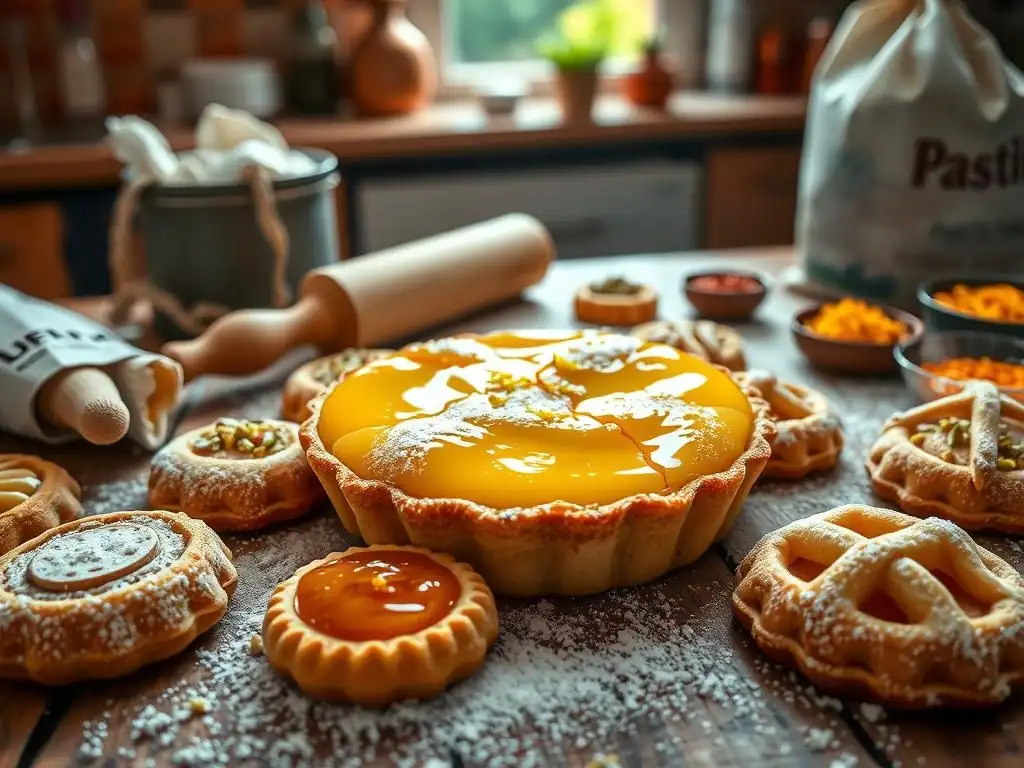
The classic Lemon Pasta Frolla is just one version of this versatile dough. The basic easy Italian pastry recipe serves as an excellent starting point for numerous variations, allowing you to customize the flavor and accommodate different dietary needs.
Experimenting with different additions or ingredient substitutions can lead to exciting new applications for your Pasta Frolla. From catering to dietary restrictions to simply changing the flavor profile, the possibilities are vast.
Gluten-Free Pasta Frolla Recipe Adaptation
Adapting Pasta Frolla to be gluten-free requires substituting the wheat flour with a gluten-free blend. A good quality all-purpose gluten-free flour blend that contains a mix of starches and grains (like rice flour, potato starch, tapioca starch, and sorghum flour) is usually the best starting point. You'll use the same quantity of gluten-free blend as wheat flour (250 grams).
Often, gluten-free doughs benefit from a binder like xanthan gum, as they lack the natural elasticity of gluten. Add about 1/2 teaspoon of xanthan gum per 250 grams of flour blend. The rest of the ingredients and the method (cold butter, minimal handling, chilling) remain largely the same. Gluten-free Pasta Frolla can sometimes be a bit more delicate to work with, so rolling it between parchment paper is particularly helpful. The baking time might also need slight adjustment, so watch for visual cues like golden edges.
Vegan Pasta Frolla Recipe: Dairy-Free Options
Creating a vegan version of this easy Italian pastry recipe involves substituting the butter and eggs. For the butter, use a high-quality vegan butter or plant-based margarine designed for baking. Look for one that is relatively firm when cold, similar in consistency to dairy butter. Use the same amount, 125 grams.
Replacing the egg and egg yolk requires a bit more creativity. A common substitute is a "flax egg" (1 tablespoon ground flaxseed mixed with 3 tablespoons water, let sit for 5-10 minutes until gelled) or a commercial egg replacer. Some recipes simplify this by using a small amount of plant-based milk (like almond or soy milk, perhaps 2-3 tablespoons) instead of eggs, adjusting the liquid slightly until the dough just comes together. The resulting dough might be slightly less rich than the traditional version but still provides a tender, workable pastry perfect for vegan Italian treats.
Adding Flavor: Experimenting with Pasta Frolla Variations
Beyond the classic lemon zest, Pasta Frolla is incredibly receptive to other flavorings. You can easily create numerous variations by swapping or adding ingredients to the basic easy Italian pastry recipe.
Consider adding 20-30 grams of unsweetened cocoa powder to the dry ingredients for a chocolate Pasta Frolla, perfect for chocolate tarts or cookies. Ensure you reduce the flour slightly if adding a significant amount of cocoa. Another popular variation is using orange zest instead of lemon for a different citrus profile, or adding the scraped seeds of half a vanilla bean or 1 teaspoon of vanilla extract for a pure vanilla flavor.
Ground spices like cinnamon (1/2 teaspoon), nutmeg, or cardamom can also be added to the dry ingredients for warmer, spiced notes, especially lovely in tarts with apple or pumpkin fillings. You can even incorporate finely ground nuts, like almond flour (substituting a small portion of the all-purpose flour, perhaps 20-30 grams), for added richness and flavor.
Troubleshooting Your Pasta Frolla: Common Issues and Solutions
Even with an easy Italian pastry recipe, sometimes things don't go exactly as planned. Don't worry! Many common issues with Pasta Frolla are easily fixable or preventable once you understand the cause.
Being able to identify and address problems like dough consistency issues or shrinkage during baking will help you gain confidence and ensure your future Pasta Frolla attempts are successful.
Dough is Too Dry: How to Fix It
If your Pasta Frolla dough feels excessively crumbly and won't come together into a cohesive mass even after minimal kneading, it's likely too dry. This can happen if your flour measurement was slightly off, or if the size of your egg was smaller than average.
To fix dry dough, add a very small amount of liquid, half a teaspoon at a time. You can use cold water, cold milk, or even a little extra lemon juice (if using). Add the liquid, then gently try to bring the dough together again. Only add just enough liquid until the dough forms a ball without dry, crumbly patches remaining. Be careful not to add too much, as overly wet dough will be sticky and difficult to work with, and can lead to a tough crust.
Dough is Too Sticky: How to Handle It
Conversely, if your Pasta Frolla dough is too sticky to handle or roll, it likely has too much liquid, or the butter has become too soft. This is a less common issue if you follow the recipe carefully and use cold ingredients, but it can happen, especially in warm kitchens.
The first step to fix sticky dough is chilling. Wrap the dough tightly and refrigerate it for at least 30-60 minutes. Often, simply chilling the dough will make it firm enough to handle. If after chilling it's still too sticky, you can try lightly dusting your work surface and rolling pin with a small amount of flour (no more than a tablespoon). Work quickly and use minimal flour, as adding too much can make the dough dry.
Crust Shrinks During Baking: Preventing Shrinkage
Shrinkage is a common problem when baking tart shells with Pasta Frolla. If your crust pulls away from the sides of the pan or collapses, it's typically due to the dough not being properly relaxed before baking or being stretched too much when fitting it into the pan.
To prevent shrinkage, ensure you chill your dough thoroughly for at least 1-2 hours after mixing and for another 30 minutes after lining the tart pan. When lining the pan, gently press the dough into the corners and up the sides without stretching it taut. If you stretch it, the gluten (even though minimal) will cause it to spring back as it bakes.
"Blind baking" (partially baking the shell with weights) is also crucial for tart shells; line the chilled dough with parchment paper, fill with pie weights or dried beans, and bake for about 15-20 minutes before removing the weights and continuing baking (if required by the recipe). This sets the structure before the edges can slump.
Enjoy the Taste of Italy: Baking with Ease Using Pasta Frolla
Mastering Pasta Frolla is a rewarding step in your baking journey. This easy Italian pastry recipe is a true workhorse in the Italian kitchen, providing the perfect base for an incredible variety of beloved desserts. From rustic, jam-filled crostate that evoke images of Italian grandmothers baking in the countryside to delicate, buttery cookies perfect for dipping in espresso, Pasta Frolla delivers consistent, delicious results.
By following the techniques outlined here – focusing on cold ingredients, minimal handling, and sufficient chilling – you can confidently create a tender, crumbly dough every time. Don't be afraid to experiment with flavors or try adapting the recipe for different dietary needs. This fundamental dough is not just a recipe; it's a gateway to exploring the rich traditions of Italian pasticceria with ease and joy. Happy baking!
We love seeing what our community bakes! Once you've made your batch of this easy Italian pastry recipe and transformed it into beautiful tarts or delicious cookies, snap a photo. Share your creations and tell us what you made.
Frequently Asked Questions
What exactly is Pasta Frolla, and what is it typically used for?
Pasta Frolla is a sweet, shortcrust pastry dough commonly used in Italian baking. It's primarily used for making crostate (Italian tarts) and a variety of Italian cookies.
Is this Pasta Frolla recipe truly "easy," even for beginner bakers?
Yes! This recipe focuses on simplicity and clear instructions, making it accessible for beginners. We provide step-by-step guidance to ensure success.
What are the essential ingredients required for this Easy Pasta Frolla recipe?
The key ingredients are typically flour, butter, sugar, eggs, and sometimes lemon zest or vanilla. The quality of the butter significantly impacts the final flavor and texture.
Can I make Pasta Frolla ahead of time and store it?
Absolutely! You can wrap the dough tightly in plastic wrap and store it in the refrigerator for a few days or freeze it for longer storage. Just be sure to thaw it properly before using.
What are some variations or fillings I can use with this Easy Pasta Frolla recipe for tarts?
The possibilities are endless! Popular fillings include fruit preserves (jam), custard, ricotta cheese, and chocolate. Feel free to experiment with different flavors to create your own unique tart.
Final Reflection: The Enduring Allure of Simple Italian Baking
The ease of making delicious Italian pastries is a powerful antidote to the complexities of modern life. This simple pasta frolla recipe, shared in detail above, proves that achieving authentic Italian flavors doesn't require hours of laborious work or specialized skills. The joy lies in the process, the aroma filling your kitchen, and the satisfaction of creating something beautiful and delicious from humble ingredients.
The enduring appeal of Italian baking, particularly the simplicity of recipes like this pasta frolla, lies in its ability to connect us to a rich culinary heritage. It's a tradition passed down through generations, a comforting presence in kitchens worldwide. The act of baking itself becomes a meditative practice, a way to slow down and appreciate the small things. Food is symbolic of love when words are inadequate.
– Alan D. Wolfelt. This sentiment perfectly encapsulates the emotional connection we forge with food, especially when sharing homemade treats with loved ones.
Now, I invite you to roll up your sleeves, gather your ingredients, and embark on your own pasta frolla adventure. Don't be intimidated by the seemingly technical aspects; embrace the process, experiment with flavors, and most importantly, enjoy the journey. The reward? Not just delectable tarts and cookies, but a deeper appreciation for the simple pleasures and the enduring power of culinary tradition. Let the aroma of freshly baked Italian pastries fill your home and your heart.
Unleash Your Inner Pastry Chef!
Thanks for joining me on this delicious journey into the world of pasta frolla! You've now unlocked the secrets to creating flawlessly crisp and buttery Italian tarts and cookies. Ready to put your new skills to the test?
- Bake a batch of your favorite pasta frolla recipe today! Use the techniques you learned to create something amazing. Let your creativity shine!
- Share your creations on social media! Tag us @BakeWithEase – we'd love to see your beautiful tarts and cookies.
- Experiment with different fillings and flavors. What unique combination will you create next?
What delicious adventure will your pasta frolla take you on?