
Secrets to Perfectly Steamed Rice Cakes (Fa Gao)

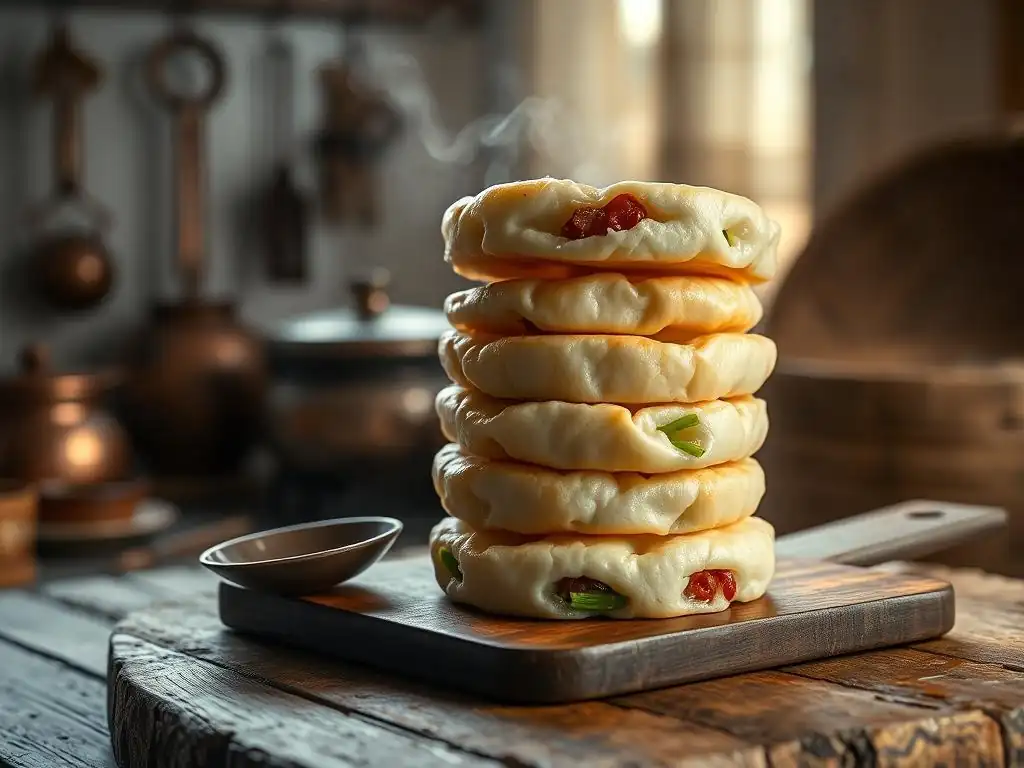
Welcome to BakeWithEase, your culinary compass guiding you through the delicious world of baking! Ever wondered how to achieve that elusive, cloud-like texture in perfectly steamed rice cakes? In this article, we unlock the secrets behind this beloved treat, exploring its cultural significance and providing a foolproof recipe. Get ready to elevate your baking skills and discover the joy of creating authentic, regional delights. Intrigued? Let's get started!
- Introduction to Steamed Rice Cakes (Fa Gao)
- The Ultimate Perfectly Steamed Rice Cakes Recipe
- Step-by-Step Guide to Making Fa Gao
- Achieving the Perfect "Smile" on Your Fa Gao
- Flavor Variations and Creative Twists on Traditional Fa Gao
- Tips and Tricks for the Best Steamed Rice Cakes
- Common Problems and Solutions When Making Fa Gao
- Serving and Enjoying Your Homemade Fa Gao
- Conclusion: Mastering the Art of Steamed Rice Cakes
-
Frequently Asked Questions
- What exactly are Fa Gao, and why are they important in some cultures?
- What are the key ingredients needed for a perfectly steamed Fa Gao recipe, and are there any substitutions I can make?
- What are the most common mistakes people make when steaming rice cakes, and how can I avoid them?
- How do I know when my Fa Gao are perfectly steamed and ready to eat?
- Can I add different flavors or colors to my steamed rice cakes, and if so, what are some popular options?
- Final Reflection: The Enduring Magic of Perfectly Steamed Rice Cakes
- Unlock the Fluffy Secrets of Perfect Fa Gao!
Introduction to Steamed Rice Cakes (Fa Gao)
What is Fa Gao and Its Significance?
Fa Gao, often translated as "prosperity cake," is a traditional Chinese steamed rice cake deeply embedded in cultural celebrations, particularly during the Lunar New Year. Its name is a homophone for "發財" (fā cái), meaning "to become wealthy" or "to prosper," and "高" (gāo), meaning "tall" or "high."
The signature split or cracked top of the cake, often referred to as a "smile," symbolizes blooming prosperity and good fortune, signifying that the coming year will be fruitful and successful. Making and sharing Fa Gao is a cherished tradition, believed to bring good luck to both the baker and those who consume it.
These delightful cakes are typically made from rice flour, sugar, and a leavening agent, which can be yeast or baking powder. The process involves steaming rather than baking, resulting in a soft, slightly chewy, and often porous texture. While simple in ingredients, mastering the technique to achieve that perfect, auspicious crack requires attention to detail, particularly regarding batter consistency, proofing time, and steaming conditions. Historically, families would gather to make large batches, sharing techniques passed down through generations, making Fa Gao not just a dessert, but a symbol of family unity and hope for the future.
Why Fa Gao is a Must-Try Asian Dessert
Fa Gao offers a unique textural experience unlike many Western baked goods. Its steamed nature gives it a light, airy crumb that's distinct from baked cakes. It's naturally gluten-free when made purely with rice flour, making it an accessible treat for those with gluten sensitivities. Furthermore, the sweetness is often subtle, allowing the natural flavor of the rice to come through, providing a comforting and satisfying experience.
Exploring a perfectly steamed rice cakes recipe is a wonderful way to delve into the world of Asian desserts. It introduces bakers to steaming as a primary cooking method for sweets and highlights the importance of ingredient quality and precise technique in achieving specific results, such as the desired "smile" crack.
Beyond its cultural significance and unique texture, Fa Gao is versatile; while the basic recipe is simple, it serves as a canvas for various flavor additions, from brown sugar for a caramel note to pandan extract for a fragrant twist. It's a rewarding challenge for any home baker looking to expand their repertoire beyond traditional oven-baked goods.
The Ultimate Perfectly Steamed Rice Cakes Recipe
Essential Ingredients for Fluffy Fa Gao
Creating a perfectly steamed rice cakes recipe starts with selecting the right ingredients. The foundation is rice flour, specifically fine rice flour (often labeled glutinous rice flour or sweet rice flour is not typically used for the main batter, though small amounts can be added for chewiness; standard white rice flour is key). You'll need approximately 250 grams of good quality rice flour.
Granulated sugar is essential for sweetness and structure, usually around 150-200 grams, depending on desired sweetness. A leavening agent is crucial for lift and the signature crack; traditional recipes use active dry yeast (about 5-7 grams), while quicker versions use baking powder (around 10-15 grams).
Liquid is needed to form the batter, typically water, about 250-300 ml, though the exact amount can vary slightly based on the absorbency of your rice flour. Some recipes incorporate a small amount of milk or coconut milk (e.g., 50 ml) for added richness and tenderness. A pinch of salt (around 1/4 teaspoon) balances the sweetness.
Optional additions might include a tablespoon of vegetable oil for a softer crumb or a splash of vinegar (like 1/2 teaspoon white vinegar) or lemon juice, which can react with baking powder to enhance the rise and help achieve that iconic crack. Using fresh ingredients, especially the yeast or baking powder, is paramount for successful rising and a fluffy texture.
Detailed Equipment List for Steaming Rice Cakes
To execute a perfectly steamed rice cakes recipe, you'll need specific tools primarily focused on steaming. The most important piece of equipment is a steamer. This can be a traditional bamboo steamer placed over a pot of boiling water, or a modern multi-tiered metal steamer pot. Ensure your steamer is large enough to hold the molds or cups you plan to use, allowing ample space for steam circulation. A pot large enough to fit the steamer (or the base of the steamer) and hold sufficient water for at least 20-30 minutes of continuous steaming is also necessary.
You will also need individual molds or cups to steam the batter in. Small ceramic bowls, heat-resistant glass cups, or even aluminum foil cups shaped like small bowls work well. Traditional Fa Gao is often steamed in small, round cups. You might need 6-8 cups depending on their size. A large mixing bowl is needed to prepare the batter.
A whisk or spatula will be useful for mixing. Measuring cups and spoons are essential for accurate ingredient amounts. Finally, parchment paper or small paper liners are often used to line the cups, preventing the cakes from sticking and making them easy to remove. Some bakers also use a fine-mesh sieve to sift the rice flour, which helps prevent lumps and ensures a smoother batter.
Prep Time and Cook Time Overview
Crafting a perfectly steamed rice cakes recipe involves several stages, each contributing to the final outcome. The initial preparation, including measuring ingredients and mixing the batter, typically takes about 15-20 minutes. If you are using yeast as your leavening agent, you will need to factor in a significant proofing time. Yeast-leavened Fa Gao batter usually requires 1 to 2 hours to proof in a warm place, allowing the yeast to produce carbon dioxide and create air pockets, which are vital for the cake's texture and the desired crack.
The active cooking time, which is the steaming process, generally takes between 20 to 30 minutes. It's crucial to ensure the water in the steamer pot is boiling vigorously before placing the filled molds inside. Steaming time can vary slightly depending on the size and depth of your molds and the efficiency of your steamer.
Once steaming is complete, the cakes should be left to cool slightly before serving. Therefore, while the hands-on time is relatively short (around 30-40 minutes total for prep and steaming), the overall process including yeast proofing can take 1.5 to 2.5 hours from start to finish for a traditional recipe, or about 45-60 minutes for a quick baking powder version.
Step-by-Step Guide to Making Fa Gao
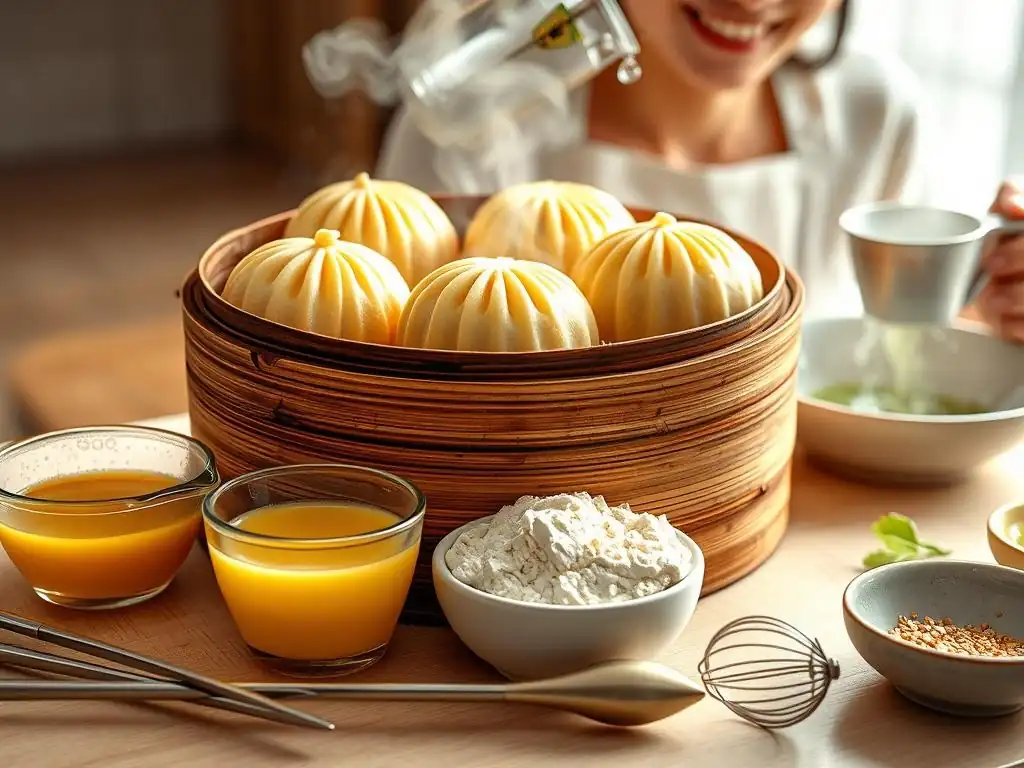
Step 1: Preparing the Rice Flour Mixture
Begin your journey to making a perfectly steamed rice cakes recipe by preparing the dry ingredients. In a large mixing bowl, measure out the specified amount of fine rice flour. It is highly recommended to sift the rice flour through a fine-mesh sieve, even if it looks fine straight from the bag. Sifting helps to aerate the flour, remove any potential clumps, and ensures a smoother batter texture, which is crucial for achieving a uniform rise. Add the granulated sugar and a pinch of salt to the sifted rice flour.
Whisk these dry ingredients together thoroughly. This step ensures that the sugar and salt are evenly distributed throughout the flour before the liquid is added. Proper mixing of dry ingredients prevents pockets of sugar or salt in the final cake and contributes to consistent texture. Set this dry mixture aside while you prepare the leavening agent, especially if you are using yeast, as it often requires separate activation.
Step 2: Activating the Yeast
If your perfectly steamed rice cakes recipe calls for active dry yeast, this step is critical for ensuring a good rise. In a separate small bowl or cup, combine the active dry yeast with warm water. The water temperature is important; it should be around 105-115°F (40-46°C). Water that is too cold won't activate the yeast, and water that is too hot can kill it. Add a pinch of sugar (you can take this from the total sugar amount in your recipe) to the warm water and yeast mixture.
Gently stir the mixture and let it sit for 5-10 minutes. During this time, the yeast should become frothy and bubbly on the surface. This indicates that the yeast is alive and active.
If the mixture doesn't become foamy, your yeast may be old or the water temperature was incorrect, and you should start this step over with fresh yeast. Once activated, the yeast mixture is ready to be combined with the dry ingredients. If your recipe uses instant yeast or baking powder, you can typically skip this activation step and mix the leavening agent directly with the dry ingredients or wet ingredients as specified.
Step 3: Combining the Ingredients
Now it's time to bring everything together to form the batter for your perfectly steamed rice cakes recipe. Create a well in the center of the dry rice flour, sugar, and salt mixture. Pour the activated yeast mixture (or the specified amount of water/liquid if using baking powder) into the well. Begin mixing from the center, gradually incorporating the dry ingredients into the liquid.
Continue stirring or whisking until all the dry ingredients are fully incorporated and you have a smooth batter. The consistency should be similar to pancake batter – thick but pourable, without any lumps. If the batter seems too thick, you can add a tablespoon or two more water until the desired consistency is reached. Overmixing isn't as critical as with wheat flour batters, but ensure everything is just combined until smooth. If your recipe includes oil or vinegar, add them during this step as well, mixing them in until fully incorporated into the batter.
Step 4: Proofing the Fa Gao Batter
Proofing is a crucial step for yeast-leavened perfectly steamed rice cakes recipes, allowing the batter to rise and develop air pockets. Cover the mixing bowl containing the batter loosely with plastic wrap or a damp kitchen towel. Place the bowl in a warm, draft-free place. An oven with the light on (but not heated) is often an ideal spot, maintaining a temperature slightly above room temperature.
Allow the batter to proof for 1 to 2 hours, or until it has noticeably increased in volume and appears bubbly on the surface. The exact time will depend on the temperature of your proofing environment and the activity of your yeast. A well-proofed batter is essential for achieving a light texture and the characteristic "smile" crack during steaming. If using a baking powder-based recipe, this proofing step is usually much shorter or omitted entirely; the batter is often left to rest for only 15-30 minutes before steaming to allow the baking powder to start reacting.
Step 5: Steaming the Rice Cakes
With the batter ready, it's time for the final step in making your perfectly steamed rice cakes recipe: steaming. Prepare your steamer by filling the pot with water and bringing it to a rolling boil over high heat. While the water heats, place paper liners or parchment paper squares into your individual steaming cups or molds. Carefully pour the proofed batter into each mold, filling them about 80-90% full. Do not overfill, as the cakes will expand significantly during steaming.
Once the water is boiling vigorously and producing a lot of steam, carefully place the filled molds into the steamer basket. Ensure there is space between the molds for steam to circulate freely. Place the steamer basket over the pot of boiling water and cover tightly with the lid. Crucially, maintain high heat throughout the steaming process.
Steam the cakes for 20-30 minutes. Do not open the lid during the first 15-20 minutes, as this can cause the cakes to collapse. The high heat and continuous steam are key to achieving the explosive rise and the desired crack. You'll know they are done when a skewer inserted into the center comes out clean, and the tops have split open beautifully.
Achieving the Perfect "Smile" on Your Fa Gao
Understanding the Crack: The Sign of Success
The signature "smile" or cracked top of Fa Gao is more than just an aesthetic feature; it's a traditional indicator of a successfully made prosperity cake. This dramatic split occurs when the batter rises rapidly and forcefully during steaming, causing the surface to burst open. It symbolizes growth, expansion, and prosperity, aligning perfectly with the cake's name and cultural significance. Achieving this crack demonstrates that the leavening agent was active, the batter consistency was correct, and the steaming conditions were optimal, resulting in a light and airy texture inside.
The science behind the crack involves the rapid production of steam and carbon dioxide within the batter when exposed to high heat. As these gases expand, they push upwards. If the batter's surface sets just slightly slower than the internal rise rate, or if there's a slight structural weakness on top, the pressure from within forces a rupture, creating the characteristic splits. Multiple cracks or a large, wide-open crack are often seen as particularly auspicious signs. A perfectly steamed rice cakes recipe specifically aims for this outcome through careful control of ingredients and process.
Factors Influencing the "Smile" Effect
Several key factors significantly influence whether your Fa Gao develops that coveted "smile." First, the leavening agent's strength and activity are paramount. Using fresh, active yeast or potent baking powder is non-negotiable.
The amount of leavening agent must also be precise, as too little won't provide enough lift, and too much can lead to a poor texture or collapse. Second, batter consistency plays a vital role. A batter that is too thick may not rise sufficiently, while one that is too thin might not have enough structure to support the rapid expansion, resulting in a flat top or a soft, uneven rise rather than a sharp crack.
Third, proper proofing (for yeast recipes) is essential. The batter needs sufficient time to develop gas bubbles before steaming. Fourth, the steaming environment is critical. The steamer must be preheated with water at a rolling boil, generating high heat and abundant steam from the moment the cakes are placed inside.
Steaming over consistently high heat for the entire duration is necessary for the rapid rise needed for the crack. Finally, filling the cups to the correct level (typically 80-90% full) provides enough batter volume to build internal pressure and force the top open. Overfilling can sometimes prevent the crack or cause the batter to spill over.
Troubleshooting: Why Your Fa Gao Didn't Crack
If your perfectly steamed rice cakes recipe resulted in cakes with flat tops or only small, hesitant splits instead of a full "smile," several issues could be the cause. One common problem is inactive or insufficient leavening. Check the expiration date on your yeast or baking powder, and ensure yeast was properly activated if using it. Not enough leavening agent for the amount of flour and sugar can also hinder the rise needed for the crack.
Another frequent issue is insufficient heat or steam during cooking. The steamer must be at a rolling boil before you put the cakes in, and the heat must remain high throughout the steaming process. Opening the lid too early can also cause the temperature to drop, disrupting the rapid rise.
Batter consistency is also critical; a batter that is too thick or too thin might not rise correctly. Finally, improper proofing (for yeast batters) can be a culprit; if the batter didn't rise sufficiently before steaming, it won't have the internal gas pressure needed to burst open the top. Ensure your proofing environment was warm enough and the batter proofed for the recommended time.
Flavor Variations and Creative Twists on Traditional Fa Gao
Adding Natural Food Coloring
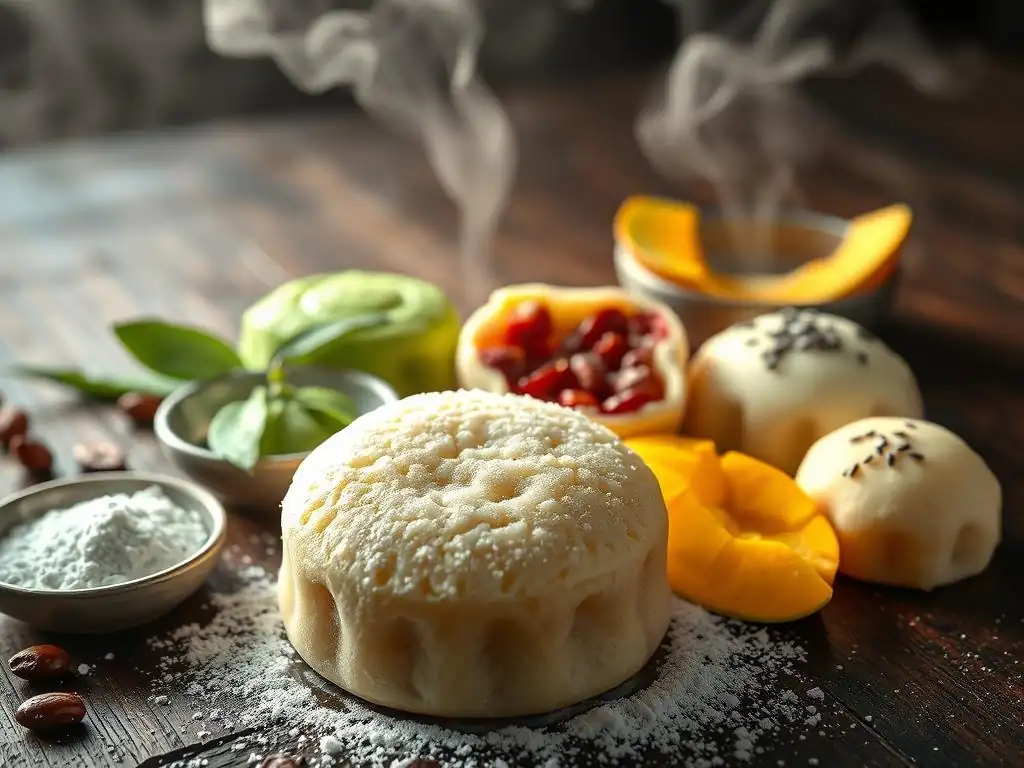
While traditional Fa Gao is typically white or light brown (if using brown sugar), adding natural food coloring is a popular way to make them more festive and visually appealing. You can easily incorporate colors into your perfectly steamed rice cakes recipe batter before pouring it into the molds. Natural options include a small amount of matcha powder for a vibrant green color and subtle tea flavor, or a few drops of beetroot juice for a soft pink hue.
Turmeric can provide a lovely yellow color, though use sparingly as it can impart a flavor. For a gentle purple, a small amount of ube extract (which also adds flavor) works well. Simply mix the natural coloring agent into the liquid portion of your batter before combining it with the dry ingredients, or stir it in gently after the batter is mixed, ensuring it's evenly distributed. Aim for a slightly stronger color in the batter than you desire in the final cake, as steaming can sometimes slightly dull the intensity of natural colors.
Incorporating Flavor Extracts
Beyond color, flavor extracts offer an easy way to add delicious dimensions to your perfectly steamed rice cakes recipe. Vanilla extract is a classic addition that complements the subtle sweetness of the rice cake. A teaspoon or two is usually sufficient for a standard batch. Almond extract is another popular choice, providing a distinct, slightly nutty aroma and taste that pairs wonderfully with rice flour.
For a more distinctly Asian-inspired flavor, consider pandan extract. Pandan is a tropical plant widely used in Southeast Asian cooking for its unique, slightly floral and vanilla-like aroma and bright green color. A few drops of pandan extract can transform plain Fa Gao into a fragrant treat. Rose water or orange blossom water can also be used sparingly for a delicate floral note. Add extracts during the liquid mixing stage (Step 3) to ensure they are fully incorporated into the batter.
Adding Toppings and Garnishes
While often served plain to highlight their texture and the symbolic crack, steamed rice cakes can be enhanced with simple toppings or garnishes, either added before steaming or just before serving. A classic addition is sprinkling a few sesame seeds (black or white) on top of the batter in the cups before steaming. These add a subtle crunch and nutty flavor.
For a touch of sweetness and visual appeal, you could place a single date or a small piece of candied fruit, like dried longan or a strip of candied ginger, in the center of the batter in each cup before steaming. This adds a burst of concentrated flavor. After steaming, once the cakes have cooled slightly, you could lightly brush the tops with a little melted butter or coconut oil for shine, or sprinkle a tiny amount of shredded coconut or chopped nuts for texture. These additions can make your perfectly steamed rice cakes recipe even more delightful.
Tips and Tricks for the Best Steamed Rice Cakes
Choosing the Right Rice Flour
The type of rice flour you use is perhaps the most critical factor in achieving the correct texture for your perfectly steamed rice cakes recipe. Do not use glutinous rice flour (also known as sweet rice flour), as this will result in a very sticky, chewy mochi-like texture, which is not characteristic of Fa Gao. The ideal flour is non-glutinous, fine white rice flour. Look for flour specifically labeled "rice flour" or "plain rice flour" made from long-grain or medium-grain white rice.
The fineness of the grind matters. Very coarse rice flour can result in a grainy texture, while a fine grind yields a smoother, more tender cake. Brands can vary significantly in their grind and absorbency, so you might need to slightly adjust the amount of liquid based on the specific flour you use.
Sifting the flour, as mentioned in the recipe steps, helps ensure even distribution and a lighter texture, regardless of the initial grind. Some traditional recipes might use a small percentage (e.g., 10-20%) of wheat flour or even a tiny amount of glutinous rice flour mixed with the main rice flour for a slightly different texture profile, but the base should be non-glutinous rice flour.
Mastering the Art of Steaming
Mastering the steaming process is key to a successful perfectly steamed rice cakes recipe, particularly for achieving that coveted "smile." The most important rule is to start with a pot of water that is already at a rolling boil and producing abundant steam before you place the cakes in the steamer. Placing cakes into cold or simmering water will result in a slow, uneven rise and likely no crack.
Maintain high heat throughout the entire steaming time. The rapid, intense heat is what causes the batter to rise quickly and burst open. Avoid the temptation to lift the steamer lid during the first 15-20 minutes of steaming.
Each time the lid is opened, the temperature inside the steamer drops significantly, which can disrupt the rising process and cause the cakes to collapse or fail to crack. Ensure your steamer lid is tightly fitted to prevent steam from escaping and water droplets from falling onto the cakes (though you can also wrap the lid in a cloth to absorb condensation). Proper spacing between the molds in the steamer also allows for even steam circulation, ensuring all cakes cook uniformly.
Storing Fa Gao Properly
To keep your perfectly steamed rice cakes fresh and maintain their texture, proper storage is important. Once the cakes are steamed and have cooled down completely on a wire rack, they should be stored in an airtight container at room temperature for up to 1-2 days. Keep them away from direct sunlight or heat sources. Leaving them exposed to air will cause them to dry out and become hard quickly.
For longer storage, Fa Gao freezes very well. Wrap individual cakes tightly in plastic wrap, then place them in a freezer-safe bag or container. They can be frozen for up to 1-2 months. To reheat frozen Fa Gao, the best method is to re-steam them for 5-10 minutes until heated through and soft again. Microwaving can sometimes make them slightly tough or chewy. Avoid refrigerating Fa Gao, as this tends to make them hard and dense much faster than leaving them at room temperature or freezing them.
Common Problems and Solutions When Making Fa Gao
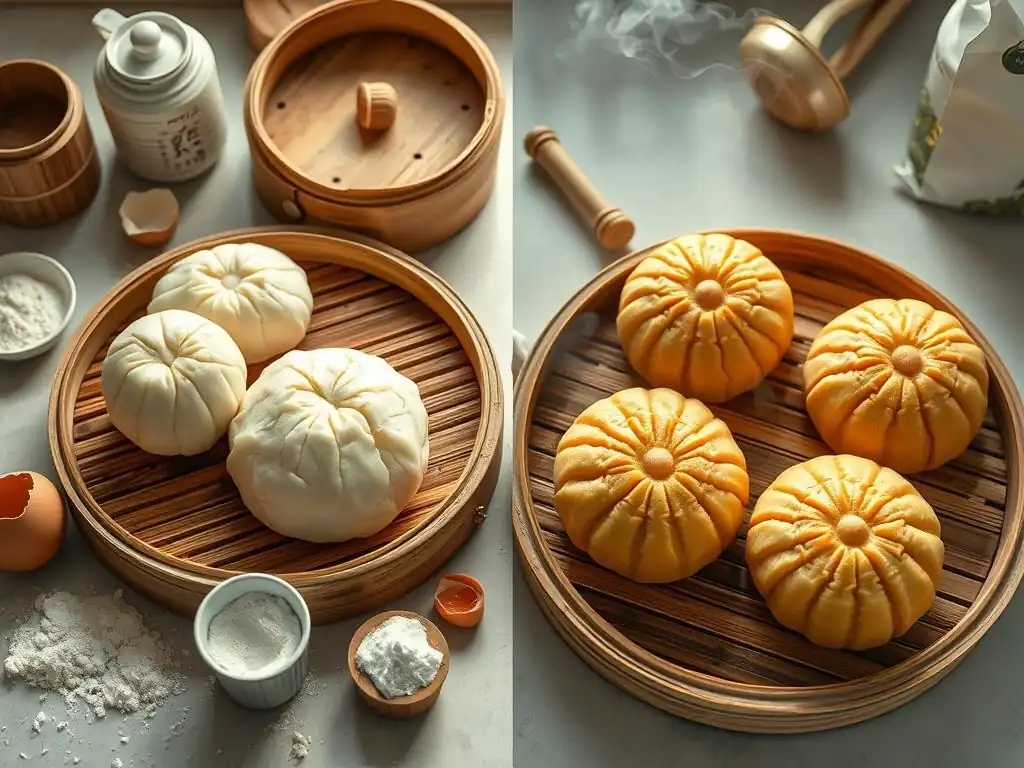
Troubleshooting Sticky or Dense Rice Cakes
A common issue encountered when making a perfectly steamed rice cakes recipe is ending up with cakes that are too sticky or overly dense. This can happen for several reasons. One primary cause is using the wrong type of rice flour, such as glutinous rice flour instead of non-glutinous white rice flour. Ensure you are using fine, plain rice flour. Another potential issue is incorrect batter consistency; a batter that is too thick can result in dense cakes, while one that is too thin might become overly sticky after steaming. Adjust the liquid slightly if needed.
Under-steaming is another frequent culprit. If the cakes aren't steamed for the full required time, the center might remain wet and sticky. Ensure your water is boiling vigorously and steam for the recommended duration (typically 20-30 minutes for medium-sized cups). Also, check that there is enough water in the pot throughout the steaming process; running out of water will stop the cooking. Finally, allowing condensation to drip onto the cakes during steaming can make the surface sticky; wrap the lid in a cloth or ensure a tight-fitting lid.
Addressing Issues with Uneven Rising
Sometimes, your perfectly steamed rice cakes recipe might result in cakes that rise unevenly, with some cracking beautifully while others stay flat or only partially rise. This often points to inconsistencies in the batter or the steaming environment. Ensure your batter is thoroughly mixed and uniform before pouring into the cups; pockets of unmixed flour or leavening can cause unevenness.
Filling the cups with approximately the same amount of batter is also important for consistent results. Uneven temperatures or steam circulation within the steamer is a major factor. Ensure your steamer is large enough for the number of cups, allowing space between them. Also, check that the heat source is consistent and the water is boiling evenly throughout the steaming process. If using multiple layers in a steamer, you might find that cakes on the bottom layer (closer to the heat) rise better; you could try rotating the layers halfway through steaming, though this risks losing steam.
Preventing Water Droplets
Water droplets falling from the steamer lid onto your perfectly steamed rice cakes can create unsightly marks, affect the texture of the surface, and sometimes lead to sticky tops. This condensation is a natural byproduct of steaming. The most effective way to prevent this is to wrap the steamer lid tightly with a clean, absorbent kitchen towel before covering the steamer pot.
The towel will absorb the condensation that forms on the inside of the lid, preventing it from dripping onto the cakes below. Ensure the towel is tucked up and doesn't hang down onto the cakes. Alternatively, some modern steamers have lids designed to channel condensation away, but a towel is a reliable method for most setups. Ensure your lid is tightly fitted to minimize steam escaping, which can also reduce condensation issues. Steaming over consistently high heat also helps, as it keeps the temperature high enough to minimize significant condensation buildup.
Serving and Enjoying Your Homemade Fa Gao
Traditional Ways to Serve Steamed Rice Cakes
Traditionally, perfectly steamed rice cakes (Fa Gao) are served warm or at room temperature. They are often presented as part of a festive spread during Lunar New Year celebrations, family gatherings, or other auspicious occasions. The cakes are usually served plain, allowing the focus to remain on their auspicious appearance (the "smile") and their unique, soft, slightly chewy texture.
They are typically eaten as a light dessert or a sweet snack. In some regions, they might be enjoyed as part of breakfast alongside tea. Serving them in their individual paper liners or cups is common, making them easy to handle and share. The act of sharing Fa Gao itself is part of the tradition, symbolizing the spreading of good fortune among family and friends. Their simple, comforting nature makes them a welcome treat any time of day.
Pairing Fa Gao with Complementary Dishes
While often enjoyed on their own, Fa Gao can be paired with beverages or other light items. A cup of traditional Chinese tea, such as green tea, jasmine tea, or Pu-erh tea, is a classic accompaniment. The slightly bitter and aromatic tea provides a nice contrast to the subtle sweetness of the rice cake and aids digestion.
For a more substantial snack or light meal, Fa Gao can be served alongside other dim sum items or small pastries. However, given their significant rise and often porous texture, they are quite filling on their own. They are generally not paired with heavy sauces or strong flavors that would overpower their delicate taste. Think of them as similar to a light scone or plain muffin that pairs well with a warm drink. Their primary role is often symbolic and textural rather than being a base for other ingredients.
Fa Gao as a Festive Treat
Fa Gao truly shines as a festive treat, particularly during the Lunar New Year. Their name and the symbolic "smile" make them a must-have item on the celebratory table. Making a batch of perfectly steamed rice cakes recipe is often a family activity during this time, with the process itself being part of the tradition. The higher and wider the crack on the cake, the more prosperous the coming year is believed to be, adding a fun element of anticipation when the steamer lid is lifted.
Beyond Lunar New Year, Fa Gao can be made for birthdays, weddings, or any occasion where wishes for prosperity and good fortune are desired. Their simple ingredients and steaming method make them accessible to many households. Presenting a plate of beautifully cracked Fa Gao is a thoughtful way to share good wishes with loved ones, embodying hope and optimism for the future. They are a delightful example of how food and cultural beliefs are intertwined.
Conclusion: Mastering the Art of Steamed Rice Cakes
Mastering a perfectly steamed rice cakes recipe, or Fa Gao, is a rewarding endeavor that connects you with a rich cultural tradition. It's a journey into the subtle art of steaming, where ingredient quality, precise technique, and careful timing culminate in a cake that is not only delicious but also deeply symbolic. From selecting the right rice flour to achieving that coveted "smile," each step contributes to the final, auspicious outcome.
By understanding the role of leavening, the importance of high heat steaming, and how to troubleshoot common issues like stickiness or lack of cracking, you can confidently create these delightful prosperity cakes at home. Whether enjoyed plain with tea or shared during festive celebrations, homemade Fa Gao offers a unique texture and a taste of good fortune. Keep practicing, pay attention to the details, and you'll soon be steaming perfectly cracked rice cakes that are sure to bring smiles and wishes for prosperity to everyone who enjoys them.
Frequently Asked Questions
What exactly are Fa Gao, and why are they important in some cultures?
Fa Gao are steamed rice cakes, often made for celebrations and special occasions. Their cracked top is a sign of good luck and prosperity.
What are the key ingredients needed for a perfectly steamed Fa Gao recipe, and are there any substitutions I can make?
The basic ingredients include rice flour, sugar, water, and a leavening agent like baking powder. Substitutions are tricky, but some recipes allow for minor variations in flour type.
What are the most common mistakes people make when steaming rice cakes, and how can I avoid them?
Common mistakes include uneven steaming, too much or too little water, and improper leavening. Ensuring consistent heat and accurate measurements are crucial.
How do I know when my Fa Gao are perfectly steamed and ready to eat?
The Fa Gao should be fully expanded with a distinct cracked top. A toothpick inserted into the center should come out clean.
Can I add different flavors or colors to my steamed rice cakes, and if so, what are some popular options?
Yes, you can add flavors like pandan extract, rose water, or different food colorings. Natural extracts provide the best flavor.
Final Reflection: The Enduring Magic of Perfectly Steamed Rice Cakes
The pursuit of the perfect fa gao is more than just a culinary quest; it's a journey into tradition, a testament to the enduring power of simple ingredients transformed by mindful technique. The seemingly straightforward recipe for these steamed rice cakes holds within it layers of history, cultural significance, and the satisfaction of creating something beautiful and delicious from scratch. This article has explored those layers, offering a pathway to achieving that perfect, fluffy texture and delicate sweetness.
The influence of fa gao extends far beyond the kitchen table. It's a dish that evokes memories of family gatherings, celebrations, and the comforting warmth of home. Food is symbolic of love when words are inadequate.
This quote perfectly encapsulates the emotional resonance of fa gao, a dish that transcends mere sustenance and becomes a vehicle for connection and shared experience across generations. Its presence at festivals and special occasions underscores its deep cultural roots and its continued importance in preserving culinary heritage.
Now, as you embark on your own fa gao adventure, remember that the journey itself is as important as the destination. Don't be afraid to experiment, to adjust the recipe to your own taste, and to embrace the imperfections that often add to the charm of homemade food. The true secret to perfectly steamed rice cakes lies not just in following the recipe precisely, but in the love and intention you pour into the process. So, gather your ingredients, summon your inner chef, and create a fa gao experience that is uniquely yours.
Unlock the Fluffy Secrets of Perfect Fa Gao!
Thanks for joining us on this delicious journey into the world of perfectly steamed rice cakes! We hope you've picked up some valuable tips and tricks to elevate your Fa Gao game. Ready to put your newfound knowledge to the test?
- Master the art of fluffy Fa Gao: Try making your own batch today using our recipe (or your favorite! ), focusing on the precise water-to-rice ratio and steaming time we discussed. Let us know how it turns out!
- Share your Fa Gao success (or questions!): Post a picture of your creations on social media using #BakeWithEaseFaGao – we'd love to see them!
- Explore other BakeWithEase delights: Discover more amazing Asian-inspired recipes and baking techniques on our website – you might just find your new favorite treat!
What unique flavor or ingredient will you experiment with in your next batch of Fa Gao? Let’s talk in the comments!