
Cold vs. Warm: The Best Ways to Serve Cream Pies & Custard Tarts

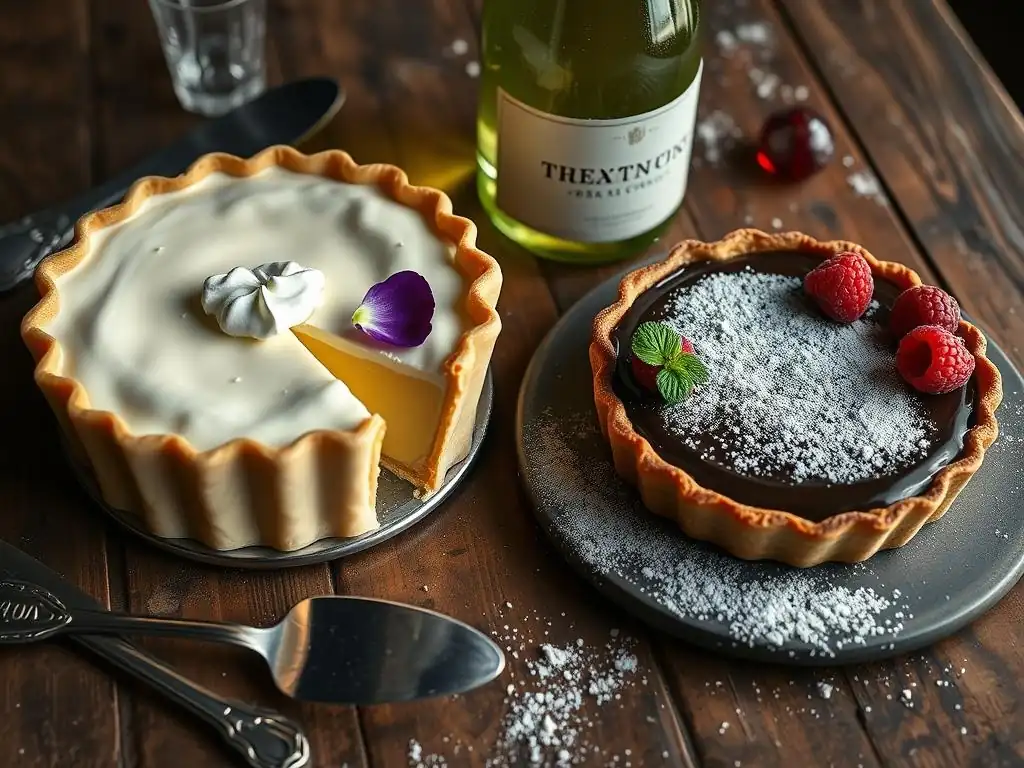
Welcome to BakeWithEase, your kitchen companion for all things baking! Ever wondered if you're serving your cream pie just right? Dive into our guide, " Cold vs. Warm: The Best Ways to Serve Cream Pies & Custard Tarts," and unlock the secrets to maximizing flavor and texture. Discover the surprising nuances that elevate this classic pastry from simple dessert to unforgettable experience. Which temperature truly unlocks the perfect bite? Read on to find out!
- Understanding the Art of Serving Cream Pies and Custard Tarts
- Serving Cream Pies: Cold is King?
- Custard Tarts: Warmth for the Win?
- Cold vs. Warm: A Detailed Comparison of Serving Temperatures
- How to Serve Cream Pie for Optimal Flavor and Texture
- Serving Custard Tarts: Achieving the Ideal Warmth
- Beyond Cold and Warm: Exploring Serving Variations
- Mastering the Art: Tips for Serving Perfect Cream Pies & Custard Tarts Every Time
-
Frequently Asked Questions
- How does temperature affect the taste of cream pies?
- What types of cream pies are best served cold?
- Can you warm up a cream pie that was initially refrigerated?
- What are some creative ways to serve cream pie besides just on a plate?
- Does the crust type influence the ideal serving temperature of a cream pie?
- Final Reflection: The Sweet Science of Serving
- Unlock the Perfect Pie Serving Secret!
Understanding the Art of Serving Cream Pies and Custard Tarts
The Importance of Serving Temperature for Cream Pies
Serving temperature is a crucial factor in unlocking the full potential of a cream pie. Cream pies, often filled with delicate custards, mousses, or puddings bound by gelatin or cornstarch and topped with whipped cream, rely heavily on being kept cold. Refrigeration, typically at temperatures around 4°C (39°F), is essential not just for food safety, preventing bacterial growth in dairy-rich fillings, but also for stabilizing the structure of the pie.
A properly chilled pie holds its shape beautifully when sliced, allowing for clean cuts and an appealing presentation. The cold also firms up fats in the filling and crust, contributing to a desirable texture – a crisp crust and a smooth, set filling.
Furthermore, temperature significantly impacts the flavor perception of a cream pie. Cold temperatures can mellow out sweetness and allow other subtle flavors, like vanilla, chocolate, or coconut, to come forward more distinctly. Think of how a warm soda tastes overly sweet compared to a cold one; the same principle applies to many desserts.
Serving a cream pie straight from the refrigerator ensures that the rich, creamy filling is refreshing and not cloying, providing a balanced sensory experience. This is particularly true for pies with intense flavors or those topped with airy whipped cream, which benefits from being served cold to maintain its structure and cool, light texture. Understanding how to serve cream pie cold is key to enjoying its intended taste and consistency.
The Delicate Nature of Custard Tarts and Serving Suggestions
Custard tarts, with their simple yet elegant filling of eggs, sugar, milk or cream, and often vanilla, present a different set of considerations when it comes to serving temperature. Unlike some cream pies that rely on gelatin for structure, classic custard tarts set primarily through the coagulation of egg proteins during baking. This creates a filling that is wonderfully smooth and tender but also quite sensitive to temperature fluctuations.
If a custard tart is too cold, the filling can become overly firm, losing its characteristic melt-in-your-mouth texture. The flavors might also be muted, as is often the case with chilled desserts.
Conversely, serving a custard tart too warm can lead to a different set of issues. If heated too much, the delicate custard can become watery or grainy as the protein structure breaks down. The ideal temperature often lies somewhere between chilled and hot – typically served at room temperature or slightly warm, perhaps in the range of 20-25°C (68-77°F).
This gentle warmth enhances the aromatic qualities of the vanilla and dairy, allowing the creamy richness to shine without overwhelming the palate. It also ensures the custard retains its silky, yielding texture. Considering the specific type of custard and its ingredients is crucial when deciding on the best way to serve it.
Serving Cream Pies: Cold is King?
Why Chilling Enhances Cream Pie Flavors
Chilling cream pies down to refrigerator temperature (around 4°C) is often considered the gold standard for a reason. At this temperature, the fats in the pie crust become solid, ensuring that satisfying flake and crispness with every bite, rather than a greasy or soft texture. More importantly, the cold temperature firms up the creamy filling.
Fillings made with pudding, mousse, or stabilized whipped cream rely on being cold to set properly. Without adequate chilling, these fillings can be runny, making slicing and serving difficult and resulting in a less appealing presentation. For instance, a French silk pie, essentially a chocolate mousse pie, requires several hours of chilling to achieve its dense, fudgy texture.
Beyond texture, chilling profoundly affects flavor. Cold temperatures can slightly suppress the perception of sweetness, allowing other nuances in the filling to come through more clearly. The subtle notes of vanilla bean in a vanilla cream pie, the rich depth of cocoa in a chocolate cream pie, or the tropical sweetness of coconut in a coconut cream pie are often more pronounced and balanced when the pie is cold.
The refreshing coolness also provides a pleasant contrast to the richness of the dairy and fat, making each bite invigorating rather than heavy. This cooling effect is a key part of the sensory pleasure derived from a well-made cream pie served cold.
Best Practices for Refrigerating Cream Pies
Proper refrigeration is vital for both the quality and safety of cream pies. After baking and cooling on a wire rack until it reaches room temperature (typically 1-2 hours), a cream pie should be covered loosely and refrigerated immediately. Covering prevents the pie from absorbing odors from the refrigerator and protects the surface (like whipped cream) from drying out or forming a skin. However, covering it too tightly while it's still warm can trap condensation, leading to a soggy crust. Using plastic wrap tented over the pie or a pie carrier is effective.
The pie should chill for a minimum of 2-4 hours for simple pudding fillings, and often 6-8 hours, or preferably overnight, for fillings that rely heavily on gelatin or mousse to set firmly. This extended chilling time ensures the filling is completely set and the flavors have melded. Aim for a consistent refrigerator temperature of 4°C (39°F) or below.
Once chilled, the pie is ready to be sliced and served directly from the refrigerator. For optimal texture, avoid letting the pie sit at room temperature for extended periods before serving, especially on a warm day, as this can cause the filling to soften and the crust to lose its crispness.
Delicious Cold Cream Pie Serving Ideas
When considering how to serve cream pie, the cold temperature opens up a world of refreshing possibilities.
Classic Chocolate Cream Pie: Served Chilled
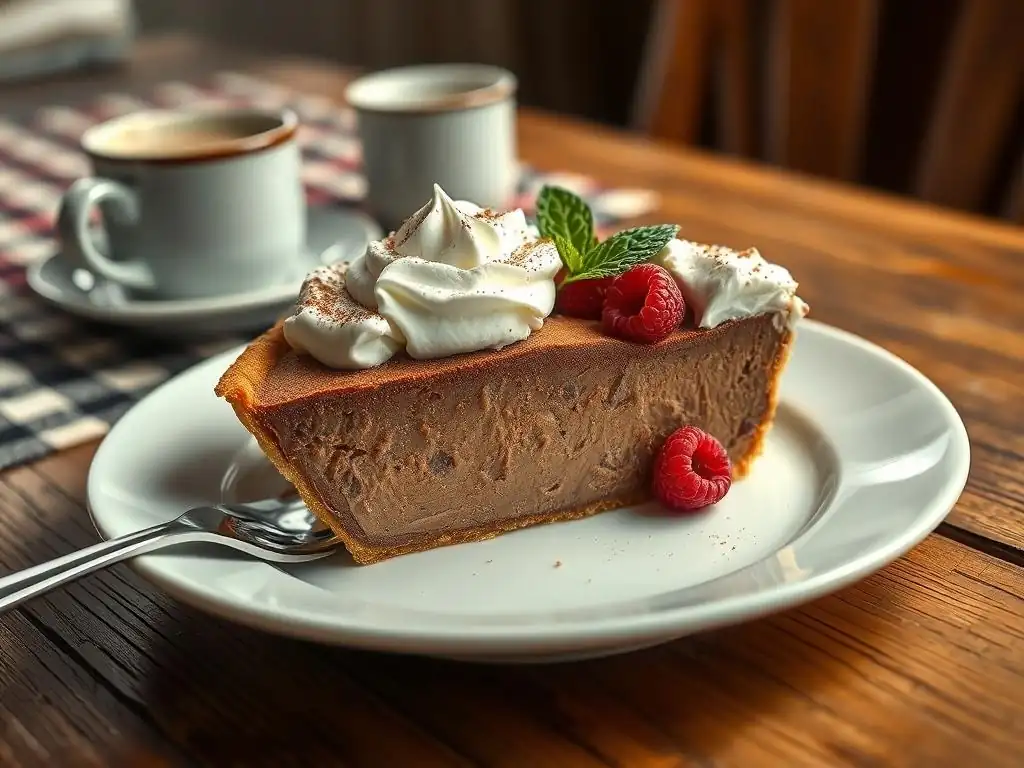
A classic chocolate cream pie is perhaps the quintessential dessert best served cold. The rich, often intense chocolate filling, whether a pudding or a mousse, benefits immensely from being chilled. The cold temperature gives the filling a firm, almost fudge-like texture that contrasts beautifully with a flaky butter crust and a dollop of light, cold whipped cream. Serving it straight from the fridge ensures the chocolate flavor is deep and satisfying without being overly sweet.
To enhance the experience, consider a simple garnish. A dusting of cocoa powder, a scattering of chocolate shavings, or a few chocolate curls add visual appeal and reinforce the chocolate theme. A single fresh raspberry or a swirl of chocolate sauce on the plate can also elevate the presentation of this beloved chilled dessert.
Coconut Cream Pie: A Refreshing Cold Treat
Coconut cream pie, with its tropical flavors and often substantial amount of coconut flakes, is another prime example of a pie designed to be served cold. The creamy coconut filling, often made with coconut milk and flakes, is incredibly refreshing when chilled. The cold temperature solidifies the fats from the coconut and dairy, giving the filling a smooth, almost ice-cream-like consistency that is incredibly pleasant, especially in warmer weather. The contrast between the cold, sweet filling and a crisp, cold crust is delightful.
Garnishing a cold coconut cream pie is simple and effective. Toasted coconut flakes scattered over the top add texture and intensify the coconut flavor. A few toasted slivered almonds can also complement the tropical notes. A dollop of whipped cream is almost mandatory, adding a light, airy counterpoint to the dense, chilled filling. A slice of fresh lime on the side, though not typically eaten with the pie, can add a pop of color and hint at complementary flavors.
Custard Tarts: Warmth for the Win?

The Benefits of Serving Custard Tarts Slightly Warm
While cream pies often prefer the chill, many classic custard tarts truly shine when served at room temperature or gently warmed. The primary benefit is the enhancement of the custard's texture. A slightly warm custard is softer and more yielding than a cold one, achieving that perfect, delicate wobble and melt-in-your-mouth quality that defines a great tart. The warmth allows the custard to relax just enough to feel incredibly luxurious and smooth on the palate, avoiding the potentially rubbery or overly firm texture that can result from deep chilling.
Beyond texture, serving custard tarts slightly warm significantly boosts their aromatic profile and flavor complexity. Gentle heat helps volatile flavor compounds evaporate, carrying the rich scent of vanilla, eggs, and dairy to your nose before the tart even reaches your mouth. This enhances the overall sensory experience. The subtle sweetness and richness of the custard become more pronounced and harmonious when not suppressed by cold temperatures. It allows the pure, comforting flavor of baked custard to take center stage, offering a different, often more nuanced, experience compared to a cold dessert.
Techniques for Gently Warming Custard Tarts
When it comes to warming a custard tart, "gentle" is the operative word. Overheating can ruin the delicate structure of the custard, causing it to weep, become grainy, or even curdle. The goal is not to make it hot, but to bring it just above room temperature. If the tart has been refrigerated, allow it to sit at room temperature for 30-60 minutes, depending on its size and the room temperature, to take the chill off naturally. This is often sufficient for smaller, individual tarts.
For larger tarts or if you want a bit more warmth, a very low oven can be used cautiously. Preheat your oven to the absolute lowest setting, perhaps 100-120°C (200-250°F). Place the tart on a baking sheet and warm it for just 5-15 minutes, checking frequently. The tart should feel just warm to the touch, not hot. Alternatively, individual slices can be warmed briefly in a microwave on a very low power setting for 15-30 seconds – again, check frequently to avoid overheating. The filling should be slightly loose and warm, not bubbling or steaming.
Enhancing the Custard Experience: Serving Suggestions
Serving custard tarts allows for showcasing their inherent simplicity and rich flavor.
Vanilla Custard Tart: A Hint of Warmth
A classic vanilla custard tart is the perfect candidate for being served slightly warm. The warmth accentuates the pure, comforting flavor of the vanilla and creamy custard. Imagine the aroma filling the air as you gently warm a slice – it's part of the experience. The texture becomes incredibly silky and smooth, a delightful contrast to a crisp pastry shell.
A simple dusting of powdered sugar is a traditional and elegant garnish. A grating of fresh nutmeg over the top just before serving adds a classic spice note that pairs wonderfully with custard. For a touch of brightness, a few fresh berries, like raspberries or strawberries, can be served alongside, offering a contrast in both temperature and flavor.
Lemon Custard Tart: Balancing Tartness and Warmth
Lemon custard tarts, often called lemon tarts or tarte au citron, are a slightly different case. While the custard itself is delicate, the presence of lemon juice adds acidity which can affect the texture and flavor perception at different temperatures. A deeply chilled lemon tart can be bracingly tart, which some people prefer. However, serving it slightly warm can soften the acidity and allow the sweetness and creamy texture of the custard to come through more harmoniously. The warmth also releases the fragrant citrus oils, enhancing the overall lemon aroma.
Serving suggestions for a warm lemon custard tart often include accompaniments that balance the tartness. A dollop of lightly sweetened whipped cream or a meringue topping (if not already present) provides a creamy counterpoint. A raspberry coulis or a few fresh berries add a burst of sweetness and color. A dusting of powdered sugar or a sprinkle of lemon zest can also enhance the presentation and aroma.
Cold vs. Warm: A Detailed Comparison of Serving Temperatures
Flavor Profile: How Temperature Affects Taste
The temperature at which a dessert is served significantly impacts how its flavors are perceived. Generally, cold temperatures tend to suppress volatility, meaning fewer aromatic compounds reach your nose, leading to a less intense aroma but often a cleaner, more focused taste. Cold can also reduce the perception of sweetness and bitterness while enhancing acidity and coolness.
This is why a very sweet cream pie can taste perfectly balanced when chilled, or why the tartness in a lemon pie is more prominent when cold. For cream pies, cold enhances the refreshing aspect and firms up the fats, allowing for a crisp texture that complements the creamy filling.
Conversely, warmer temperatures increase volatility, releasing more aromas and intensifying the perception of sweetness and richness. This is why a slightly warm custard tart smells so inviting and tastes richer and sweeter than a cold one. However, excessive warmth can make flavors seem muddled or overly sweet and can highlight off-notes if ingredients aren't perfectly fresh. For delicate custards, gentle warmth brings out their subtle dairy and egg flavors and enhances their smooth texture.
Texture and Consistency: The Impact of Cold and Warmth
Texture is perhaps the most dramatically affected element when comparing cold and warm serving temperatures for pies and tarts. Cream pies, particularly those relying on gelatin, cornstarch, or mousse, require cold temperatures to set properly and maintain their structure. A chilled cream pie will have a firm, sliceable filling and a crisp crust. Serving it warm would likely result in a runny, unstable filling and a soft, potentially greasy crust, completely altering the intended texture. This is a key consideration in how to serve cream pie correctly.
Custard tarts, whose structure comes from baked egg proteins, react differently. While they hold their shape when cold, the filling can become quite firm and dense, losing its signature silky texture. A slightly warm temperature, however, allows the custard to soften just enough to become wonderfully smooth, tender, and almost spoonable, melting in the mouth. The crust remains relatively crisp unless it is heated too high or for too long. The difference in texture between a cold and slightly warm custard tart is significant and often dictates the preferred serving method.
Ingredient Integrity: Maintaining Quality at Different Temperatures
Serving temperature also plays a role in maintaining the integrity and quality of the ingredients in pies and tarts. For cream pies, keeping them cold is crucial for food safety, especially those made with dairy and eggs that are not fully cooked in the final product (like some mousse or no-bake fillings). Refrigeration inhibits bacterial growth. Cold also keeps the fats in the crust solid, preventing sogginess and maintaining flakiness. Whipped cream toppings stay firm and airy when cold but will quickly deflate and become watery if left at room temperature or warmed.
For custard tarts, while gentle warming is often preferred for texture, it must be done carefully to avoid compromising the custard. Overheating can cause the egg proteins to denature further, leading to a grainy or curdled texture. It can also cause the custard to 'weep' liquid. If custard tarts are stored at room temperature for extended periods, there's a food safety risk, similar to cream pies, although the baking process offers some protection. Therefore, if not serving immediately, they should be refrigerated and then gently warmed just before serving.
How to Serve Cream Pie for Optimal Flavor and Texture
Tips for Achieving the Perfect Cold Serving Temperature
To ensure your cream pie is served at its absolute best, aim for a core temperature of around 4°C (39°F). This means the pie should have been refrigerated for at least 4-6 hours, ideally longer, after cooling to room temperature. When ready to serve, take the pie directly from the refrigerator. Use a sharp knife dipped in hot water and wiped clean between slices to get the cleanest possible cuts – the cold temperature helps the filling hold together, making this technique very effective.
Once sliced, serve the pie immediately. Avoid letting slices sit out at room temperature for too long before consumption, as the filling will start to soften and the crust can lose its crispness. If you need to transport a cream pie or keep it out for a gathering, use a cooler with ice packs to maintain the cold temperature. Serving cream pie straight from the fridge ensures that every bite offers that desired contrast of crisp crust and firm, refreshing, creamy filling.
Garnishing Ideas for Cold Cream Pies
Garnishes for cold cream pies should ideally complement the flavors and textures while also being temperature-appropriate. Whipped cream is the classic topping and should also be kept cold until just before serving. Pipe or dollop it onto individual slices or the whole pie just before cutting.
Other effective garnishes include:
- Chocolate shavings or curls for chocolate or banana cream pies.
- Toasted coconut flakes for coconut cream pie.
- Fresh fruit slices (like bananas or berries) that pair with the filling.
- Chopped nuts, such as pecans or walnuts, for added crunch.
- A light dusting of powdered sugar or cocoa powder.
- A drizzle of complementary sauce, like caramel or chocolate, applied just before serving.
These elements add visual appeal and enhance the flavor profile of the chilled pie without compromising its cold temperature or delicate structure.
Serving Custard Tarts: Achieving the Ideal Warmth
Safe Warming Methods for Custard Tarts
Safely warming a custard tart is about achieving a pleasant temperature without cooking the custard further or risking food safety. If the tart has been refrigerated, the simplest method for a large tart is to let it sit at room temperature for 30-60 minutes before slicing and serving. This allows the chill to dissipate, bringing it closer to the desired slightly warm state.
For individual slices or a whole tart you want slightly warmer than room temperature, use a low oven. Preheat to 100-120°C (200-250°F). Place the tart on a baking sheet and warm for 5-15 minutes. Check the center by gently touching it – it should feel warm, not hot. For individual slices, a microwave on low power (e.g., 30-50%) for 15-30 seconds can work, but watch it carefully as microwaves can heat unevenly and quickly overheat custard. The goal is gentle warmth that enhances texture and aroma, not cooking.
Complementary Flavors and Toppings for Warm Custard Tarts
Serving custard tarts slightly warm allows their pure, rich flavors to shine, and toppings should complement rather than overpower this.
Consider these ideas:
- A simple dusting of powdered sugar or a light grating of fresh nutmeg.
- A dollop of lightly sweetened whipped cream or créme fraîche, providing a cool, creamy contrast to the warm custard.
- Fresh berries or a simple berry coulis, adding brightness and a touch of acidity that cuts through the richness.
- Caramelized sugar topping (like on a tarte Tatin or crème brûlée), though this is often applied before the initial baking or cooling.
- A sprinkle of toasted nuts or seeds for a textural contrast.
The key is simplicity, allowing the exquisite texture and flavor of the warm custard to remain the star of the show.
Beyond Cold and Warm: Exploring Serving Variations
Serving with Accompaniments: Fruits, Sauces, and More
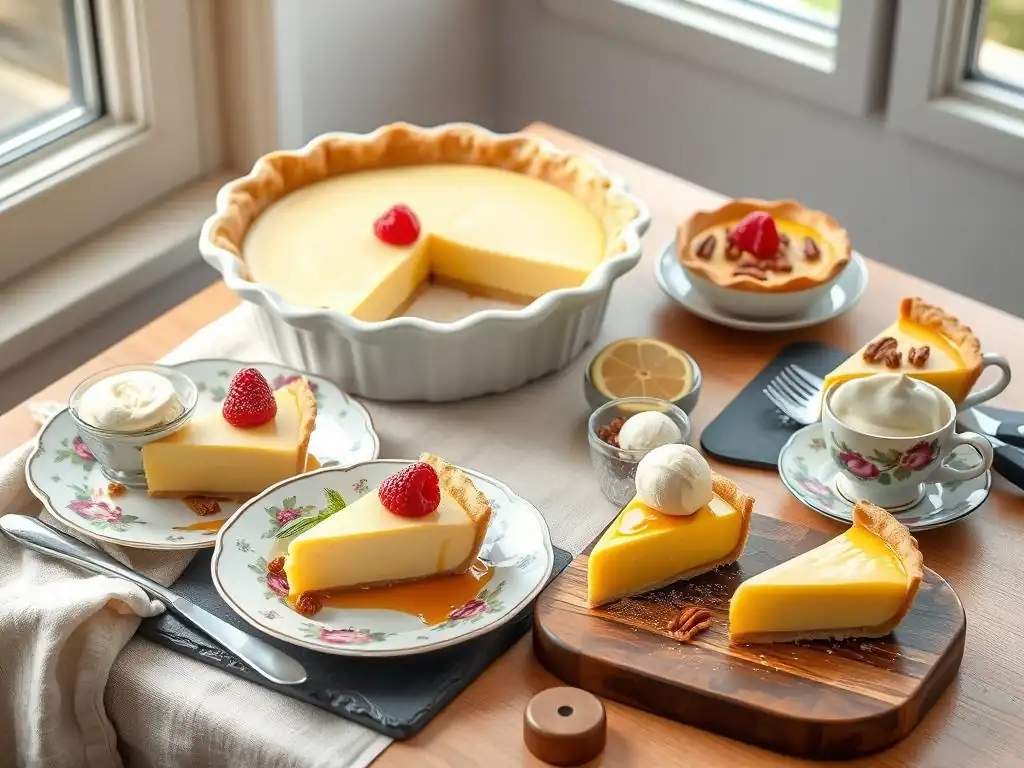
Serving cream pies and custard tarts often involves more than just the dessert itself. Accompaniments can elevate the experience by adding contrasting textures, temperatures, and flavors. For cold cream pies, a side of fresh berries (strawberries, raspberries, blueberries) adds a burst of refreshing, slightly tart flavor that cuts through the richness. A drizzle of fruit coulis, like raspberry or passion fruit, can do the same. For chocolate cream pies, a warm fudge sauce or caramel sauce offers a delightful temperature contrast and intensifies the dessert's decadence. Chopped toasted nuts can add a welcome crunch.
For custard tarts, particularly when served warm, accompaniments that provide a cool counterpoint are excellent. A scoop of vanilla ice cream, while perhaps more common with fruit pies, can work if the custard tart isn't overly rich. More traditionally, a dollop of cold whipped cream or créme fraîche provides a lovely contrast in both temperature and texture. A side of poached fruit or a simple fruit compote can also pair beautifully, adding moisture and a different kind of sweetness or tartness.
Seasonal Considerations for Serving Cream Pies and Custard Tarts
The ideal way to serve cream pie or custard tart can also be influenced by the season. In the heat of summer, a cold cream pie is incredibly refreshing and a perfect ending to a meal. Think of a chilled key lime pie or a light and airy lemon meringue pie (often served cold due to the meringue and filling). These cold, often tangy or fruity, pies provide a welcome coolness. Coconut cream pie or banana cream pie also feel particularly appropriate as chilled summer treats.
In cooler months, the comforting warmth of a slightly warmed custard tart can be incredibly appealing. A classic vanilla custard tart or a spiced pumpkin custard tart (often considered a type of custard pie/tart) served at room temperature or gently warmed feels cozy and satisfying. While cream pies are certainly enjoyed year-round, their refreshing nature makes them a natural fit for warmer weather, while the comforting warmth of custard tarts makes them perfect for autumn or winter.
Mastering the Art: Tips for Serving Perfect Cream Pies & Custard Tarts Every Time
Choosing the Right Serving Utensils
Using the correct serving utensils is essential for presenting clean, appealing slices of both cream pies and custard tarts. A sharp knife is paramount for cutting through both the crust and the filling cleanly, especially for cold cream pies where the filling is firm. Dipping the knife in hot water and wiping it dry between each slice helps create smooth edges and prevents the filling from sticking and dragging.
For lifting slices, a wide pie server or spatula is necessary. Choose one that is thin enough to slide easily between the crust and the pie plate but sturdy enough to support the full weight of a slice. For very delicate custard tarts, a slightly flexible but wide spatula can help prevent the slice from breaking as you lift it onto the plate. Having the right tools makes the process of serving much smoother and results in a better-looking dessert.
Plating and Presentation Techniques
Presentation matters when serving any dessert. For pies and tarts, clean plating is key. Ensure plates are clean and free of smudges. Use the hot-knife technique for clean slices of cold cream pies. When placing the slice on the plate, try to do it in one smooth motion to avoid disrupting the structure.
Consider adding a simple garnish directly on the plate alongside the slice, like a swirl of sauce, a sprinkle of nuts, or a few fresh berries. For cream pies topped with whipped cream, piping the whipped cream onto the slice just before serving adds height and elegance. For custard tarts, a dusting of powdered sugar or a small dollop of créme fraîche on the side of the slice looks sophisticated. The goal is to make the slice itself look appealing while adding simple touches that enhance the visual appeal without overcrowding the plate.
Storing Leftover Cream Pie and Custard Tart
Proper storage is crucial for maintaining the quality and safety of leftover pie and tart. Both cream pies and custard tarts, due to their dairy and egg content, must be refrigerated. Cover the remaining pie or tart loosely with plastic wrap or aluminum foil, or place it in an airtight container. This prevents it from drying out, absorbing refrigerator odors, and inhibits bacterial growth. Store leftovers in the refrigerator at 4°C (39°F) or below.
Cream pies are typically best consumed within 3-4 days of being made. Custard tarts also generally last 3-4 days when properly refrigerated. If you plan to serve a custard tart warm again, only warm the portion you plan to eat immediately. Avoid repeatedly warming and cooling the same piece, as this can compromise both texture and safety. Always use your best judgment – if a pie or tart looks or smells off, it's best to discard it.
Frequently Asked Questions
How does temperature affect the taste of cream pies?
Temperature significantly impacts taste. Cold cream pies often have a firmer texture and a more refreshing flavor, while warm cream pies can have a softer, melt-in-your-mouth feel and intensified sweetness.
What types of cream pies are best served cold?
Pies with delicate fillings, like chocolate cream or coconut cream, are generally best served cold. This helps maintain their structure and prevents the filling from becoming too runny.
Can you warm up a cream pie that was initially refrigerated?
Yes, but carefully. You can gently warm slices in a low-temperature oven or microwave, but be mindful of the filling's consistency. Avoid overheating to prevent separation or a soggy crust.
What are some creative ways to serve cream pie besides just on a plate?
Consider serving cream pie with fresh fruit toppings like berries or peaches. You could also add a drizzle of chocolate sauce, a sprinkle of chopped nuts, or a dollop of whipped cream for added flavor and presentation.
Does the crust type influence the ideal serving temperature of a cream pie?
Yes, to some extent. A sturdy, buttery crust can hold its shape better at warmer temperatures, while a more delicate, graham cracker crust might become soggy if served warm.
Final Reflection: The Sweet Science of Serving
The perfect slice of cream pie isn't just about the recipe; it's about the experience. From the initial anticipation to the final, lingering sweetness, the way we serve these delectable treats significantly impacts their enjoyment. This article explored the nuances of temperature, presentation, and accompanying elements, highlighting the surprising impact of seemingly small details.
The debate between serving cream pies and custard tarts warm versus cold is far more than a culinary curiosity; it's a reflection of our evolving relationship with food and tradition. Many of us hold cherished memories associated with these desserts, memories often tied to specific temperatures and serving styles. Food is symbolic of love when words are inadequate.
- Alan D. Wolfelt. This quote perfectly encapsulates the emotional connection we have with these simple pleasures, and how the way we serve them can enhance or diminish that connection. The subtle shifts in texture and flavor brought about by temperature changes can evoke powerful nostalgic responses, shaping our overall perception of the experience.
Consider the impact of your next dessert presentation. Will you embrace the classic chill, allowing the creamy filling to hold its shape and offer a refreshing contrast to a warm summer evening? Or will you dare to experiment with a gently warmed tart, releasing aromatic notes and creating a comforting, almost decadent experience? The choice is yours, and the journey of discovery is just as rewarding as the final bite. Embrace the art of serving, and elevate your dessert game to a whole new level of deliciousness.
Unlock the Perfect Pie Serving Secret!
Thanks for diving into the delicious world of cream pies and custard tarts! We hope you’ve gained some valuable insights into achieving the ideal serving temperature. Ready to put your newfound knowledge into practice?
- Master the art of chilling: Experiment with different chilling times for your favorite pie recipe to discover the perfect balance of creamy texture and delightful coolness. Share your chilling time discoveries with other bakers in the comments below!
- Elevate your presentation: Try serving your pies with unique garnishes or on elegant platters. This adds a professional touch and enhances the overall enjoyment.
- Embrace the temperature contrast: Consider serving your cool pies alongside a warm beverage like coffee or tea – the contrasting temperatures will heighten the flavor experience.
What's your go-to method for serving chilled desserts? Let’s chat!