
Essential Italian Baking Techniques for Home Bakers

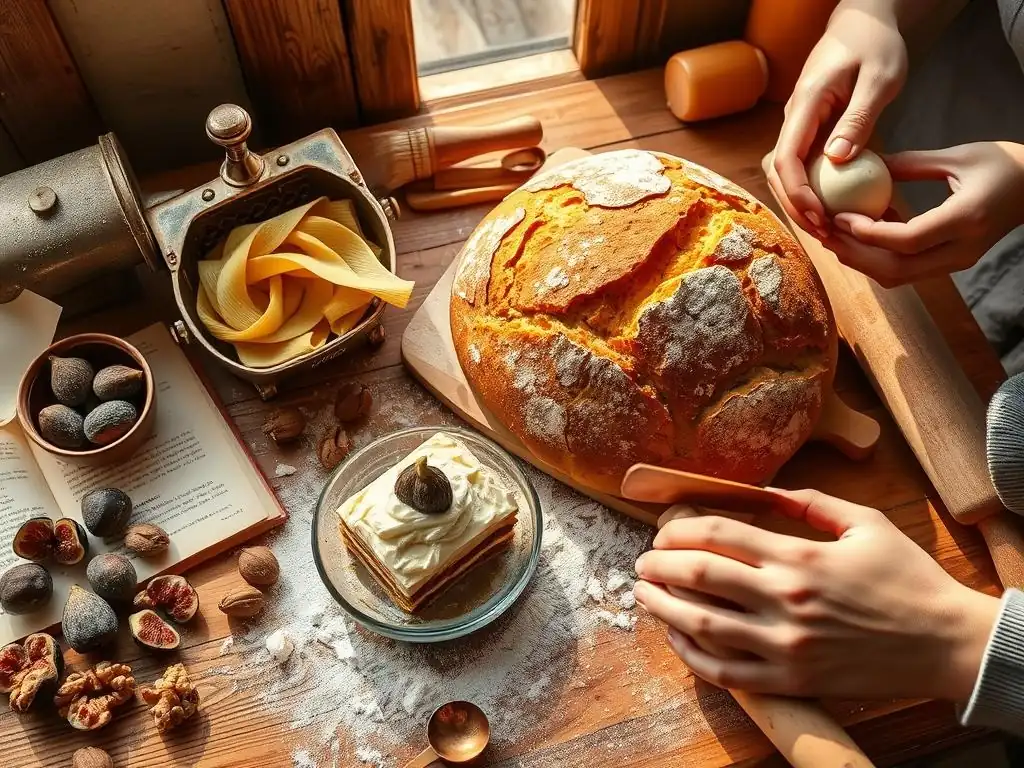
Welcome to BakeWithEase, your ultimate guide to unlocking the delicious world of baking! Are you ready to embark on a culinary journey to Italy? Discover the secrets and time-honored Italian baking techniques for beginners that will transform your kitchen into a trattoria. Curious to learn how to achieve that perfect focaccia crust or master the art of biscotti? Read on and let's begin baking!
- Mastering Italian Baking at Home
- Understanding Core Italian Baking Principles
- Mastering Key Italian Baking Techniques
- Recipes to Practice Your Italian Baking Skills
- Expand Your Italian Baking Knowledge
-
Frequently Asked Questions
- What makes Italian baking techniques unique and beginner-friendly?
- What are some essential ingredients commonly used in Italian baking?
- How can I achieve the perfect crust when baking Italian breads at home?
- What is the importance of lievito madre (sourdough starter) in Italian baking?
- What are some simple Italian baking recipes perfect for beginners to start with?
- Final Reflection: Mastering the Art of Italian Baking at Home
- Unleash Your Inner Italian Baker!
Mastering Italian Baking at Home
Welcome to the warm and inviting world of Italian baking! For home bakers looking to expand their repertoire, learning essential Italian baking techniques for beginners is a fantastic starting point. Italian baking is deeply rooted in tradition, emphasizing simple, high-quality ingredients and time-honored methods. From rustic breads that grace every table to delicate pastries perfect with coffee, these techniques are surprisingly accessible and incredibly rewarding to master right in your own kitchen. This guide will walk you through the fundamental principles and key skills needed to bring a taste of Italy into your home.
Embarking on this baking journey means understanding the soul of Italian baked goods. It's about patience, using your senses, and appreciating the transformation of simple ingredients into delicious creations. Whether you dream of pulling a perfect pizza from your oven or crafting delicate almond biscotti, the core Italian baking techniques for beginners covered here will provide a solid foundation. We'll explore everything from the importance of specific ingredients to mastering doughs and understanding traditional methods, equipping you with the knowledge to bake like a nonna.
Understanding Core Italian Baking Principles
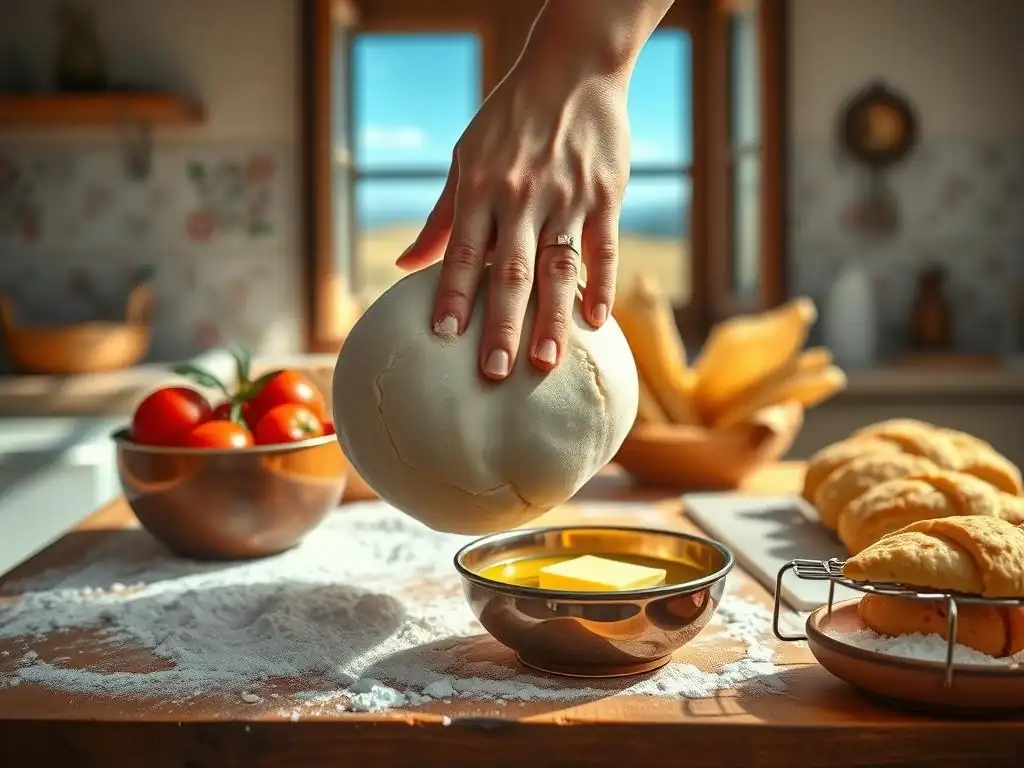
Italian baking is built upon a foundation of quality ingredients and respect for tradition. Understanding these core principles is the first step in mastering Italian baking techniques for beginners. It's not just about following a recipe; it's about appreciating the role each element plays and how techniques have been passed down through generations. This section delves into the essential building blocks that differentiate Italian baking.
The Importance of Flour, Olive Oil, and Fresh Herbs
In Italian baking, the quality of your ingredients is paramount. Flour, often Type '00' or '0', is finer than standard all-purpose flour and is crucial for achieving the desired texture in many Italian recipes, from pasta to pizza dough. For example, authentic Neapolitan pizza dough traditionally uses Type '00' flour because its low protein content (around 10-11%) results in a tender, airy crust when baked at high temperatures. Using the right flour is one of the most fundamental Italian baking techniques for beginners to grasp.
Olive oil, particularly extra virgin olive oil, is another cornerstone. It's used not just for greasing pans or drizzling over finished focaccia but often incorporated directly into doughs, adding flavor, tenderness, and helping with crust development. A good quality extra virgin olive oil can impart fruity or peppery notes that elevate the final product significantly.
Fresh herbs like rosemary, basil, and oregano are also vital, providing aromatic depth and authentic Italian flavor to breads, savory pastries, and even some sweet items. Understanding how these simple ingredients contribute to the overall profile is key when learning Italian baking techniques for beginners.
Essential Tools: Stand Mixer, Pizza Stone, and Rolling Pin
While some traditional Italian baking techniques can be done by hand, certain tools make the process significantly easier, especially for beginners. A stand mixer with a dough hook attachment is invaluable for kneading doughs like those for pizza or bread, saving time and effort while ensuring proper gluten development. Many Italian doughs require significant kneading, and a mixer can handle this efficiently, allowing beginners to focus on other aspects of the technique.
A pizza stone or steel is highly recommended for baking pizzas and certain breads. These tools absorb and retain heat effectively, providing a hot surface that helps create a crispy crust. Placing dough directly on a preheated stone mimics the floor of a traditional wood-fired oven more closely than a standard baking sheet. A sturdy rolling pin is also essential for shaping doughs, from rolling out thin pasta frolla for tarts to shaping pizza dough. While not strictly necessary for all Italian baking techniques for beginners, these tools certainly enhance the results and make the process more enjoyable.
Mastering Key Italian Baking Techniques
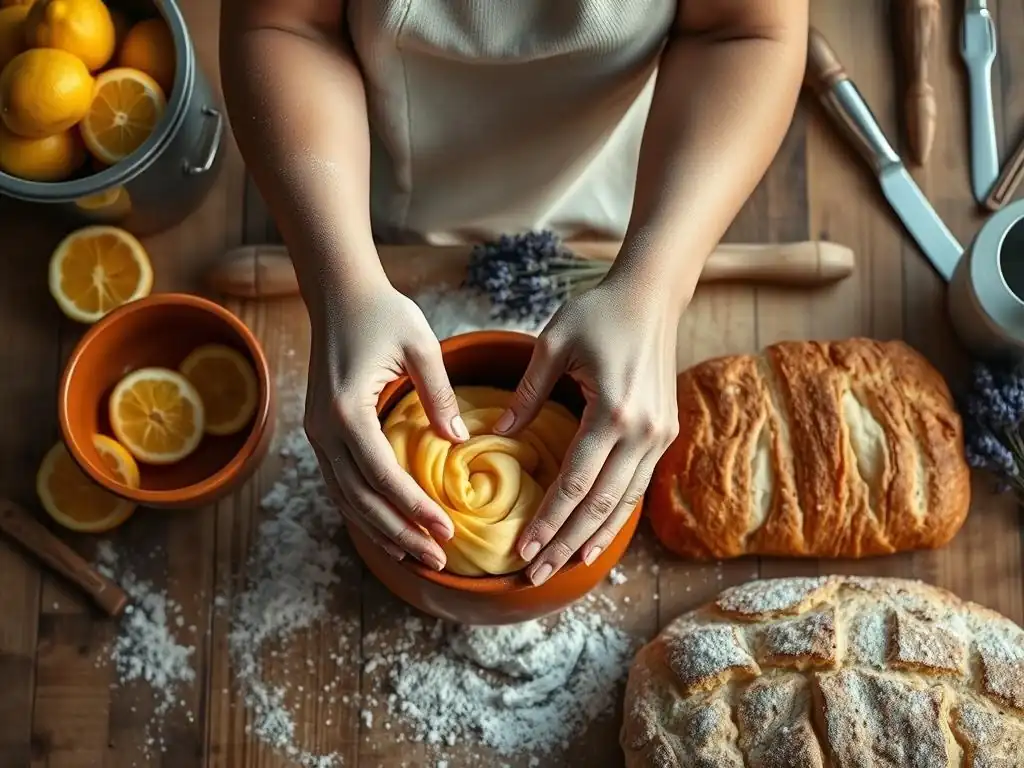
Diving into the practical skills is where the fun really begins for home bakers learning Italian baking techniques for beginners. This section breaks down some of the most fundamental and rewarding techniques, from creating versatile doughs to shaping traditional breads and mastering classic pastry components. Each technique is a building block that will unlock a world of delicious Italian treats.
The Art of Making Authentic Italian Doughs
Italian cuisine is famous for its diverse and delicious doughs, each serving a specific purpose. Mastering these doughs is central to learning Italian baking techniques for beginners. Understanding the hydration levels, kneading times, and fermentation processes is crucial for achieving the desired texture and flavor in your finished baked goods, whether it's a chewy pizza crust or a tender cookie base.
Creating authentic Italian doughs often involves specific flour types and hydration levels, as discussed earlier. For instance, a rustic bread dough might have a hydration level of 70% or more (meaning the water weight is 70% of the flour weight), resulting in a wet, sticky dough that yields an open crumb structure. In contrast, a pasta frolla dough for cookies is low in hydration and high in fat, creating a crumbly, tender texture. Learning to handle these different dough consistencies is a key part of mastering Italian baking techniques for beginners.
Preparing a Biga for Pizza and Bread
A biga is a type of pre-ferment used in many Italian breads and pizzas. It's a stiff dough (usually 50-60% hydration) made from flour, water, and a small amount of yeast, allowed to ferment for 12-24 hours at room temperature or longer in the refrigerator. This slow fermentation develops complex flavors and aromas, improves the dough's structure, and contributes to a better crust.
- Mix flour and water until just combined, then add yeast.
- Knead briefly until no dry flour remains.
- Cover and let ferment.
Using a biga is one of the more advanced Italian baking techniques for beginners to try, but it significantly elevates the quality of the final product. It adds a slight tang and depth of flavor that cannot be achieved with a direct dough alone.
Perfecting Pizza Dough: A Step-by-Step Guide
Perfecting pizza dough is a rite of passage for anyone learning Italian baking techniques for beginners. A classic Italian pizza dough uses minimal ingredients: flour, water, yeast, salt, and sometimes a little olive oil. The magic lies in the technique: proper kneading, long fermentation, and gentle handling.
- Combine flour, yeast, and salt.
- Gradually add water while mixing.
- Knead until smooth and elastic (about 10-15 minutes by hand, 5-8 minutes by mixer).
- Let dough rise until doubled (1-2 hours).
- Divide, shape into balls, and rest again (at least 30 minutes, ideally longer in the fridge).
The fermentation period is crucial for flavor development. Many pizzaiolos ferment their dough for 24-48 hours in the refrigerator, which makes it easier to digest and enhances the taste. Stretching the dough by hand, rather than rolling, also helps maintain the airy structure developed during fermentation.
Creating Pasta Frolla for Tarts and Cookies
Pasta frolla, or Italian shortcrust pastry, is a versatile dough used for tarts, pies, and cookies (like biscotti or crostata). Unlike bread dough, it relies on minimal gluten development and a high ratio of fat to flour for its characteristic tender, crumbly texture.
Creating pasta frolla is one of the essential Italian baking techniques for beginners interested in pastries. The key is to keep the ingredients cold and handle the dough minimally to prevent gluten formation.
- Combine flour, sugar, and cold butter (cut into cubes).
- Cut in the butter until the mixture resembles coarse crumbs (
sablagemethod). - Add egg yolks and a splash of cold water or milk.
- Mix until dough just comes together.
- Wrap and chill for at least 30 minutes.
This chilling step is vital; it firms up the butter, making the dough easier to roll out and ensuring a flaky texture when baked. Working quickly and keeping ingredients cold are key principles when mastering this Italian baking technique for beginners.
Traditional Italian Bread Baking Methods
Italian bread baking techniques are diverse, reflecting regional variations across the country. From the airy holes of ciabatta to the rustic crust of pane toscano, each bread has its unique method of preparation, shaping, and baking. Learning these methods is a core part of mastering Italian baking techniques for beginners.
Understanding the hydration level of different doughs is crucial. Ciabatta, for instance, is a very high-hydration dough (often 80% or more), which makes it challenging but results in its signature open crumb. Focaccia is slightly lower hydration but requires ample olive oil and a long proofing time to achieve its fluffy texture.
Shaping Techniques for Ciabatta, Focaccia, and Pane Toscano
Shaping is where the character of Italian breads truly emerges. For ciabatta, the wet dough is typically poured or scraped onto a heavily floured surface, gently stretched or folded, and then cut into pieces without much handling, preserving the air pockets.
Focaccia shaping involves pressing the proofed dough into an oiled pan, often using fingertips to create indentations (dimpling) that hold olive oil and toppings. Pane Toscano, a salt-free bread from Tuscany, is often shaped into simple rounds or loaves and baked directly on a hot surface. Mastering these distinct shaping techniques is a key step in learning Italian baking techniques for beginners.
Understanding Oven Temperatures and Baking Times for Italian Breads
Achieving the perfect crust and crumb requires precise oven control. Most Italian breads are baked at high temperatures, typically between 400°F (200°C) and 450°F (230°C). High heat helps the dough rise quickly (oven spring) before the crust sets, leading to a lighter interior.
Baking times vary depending on the size and type of bread. A small focaccia might bake in 20-25 minutes, while a larger loaf of pane toscano could take 40-50 minutes. Using a preheated pizza stone or baking steel helps maintain a consistent high temperature and contributes to a crispy bottom crust. For beginners, understanding the relationship between oven temperature, baking time, and crust development is essential for successful Italian baking techniques.
Italian Pastry Techniques for Beginners
Italian pastries offer a delightful array of textures and flavors, from creamy fillings to delicate meringues. Mastering a few core Italian pastry techniques for beginners can open the door to making classics like Tiramisu, Crostata, or Biscotti. Two fundamental components are pastry cream and meringue.
These techniques require precision but are accessible with practice. They form the base for many beloved Italian desserts, proving that Italian baking techniques for beginners extend well beyond just bread and pizza.
Mastering Crema Pasticcera (Pastry Cream)
Crema Pasticcera is a rich, smooth custard used as a filling for tarts, cakes, and pastries like Bomboloni (Italian doughnuts). It's made from egg yolks, sugar, milk, flour or cornstarch, and often flavored with lemon zest or vanilla.
Mastering the cooking process is key to avoiding lumps and achieving the right consistency.
- Whisk egg yolks and sugar until pale.
- Whisk in flour or cornstarch.
- Heat milk with flavoring (e.g., lemon zest).
- Temper the egg mixture with hot milk.
- Return to saucepan and cook, whisking constantly, until thickened (
about 2-3 minutesafter boiling starts). - Remove from heat, stir in vanilla, and cool completely, covered directly with plastic wrap to prevent a skin.
The consistency should be thick enough to hold its shape but still smooth and creamy. Cooking it for just long enough is crucial to prevent a raw starch taste while avoiding scorching.
Perfecting Italian Meringue
Italian meringue is made by whisking a hot sugar syrup ( 238-245°F or 114-118°C) into stiffly beaten egg whites. This method results in a stable, glossy meringue that is cooked and safe to eat without further baking, making it perfect for frosting cakes (like Lemon Meringue Tart) or incorporating into mousses.
Perfecting Italian meringue involves simultaneous tasks: heating the sugar syrup to the 'soft ball' stage and whipping the egg whites.
Task List:
- [ ] Prepare sugar syrup.
- [ ] Start whipping egg whites when syrup reaches
~220°F. - [ ] Whip whites to stiff peaks.
- [ ] Slowly pour hot syrup into whites while whipping.
- [ ] Continue whipping until meringue is cool and glossy.
The resulting meringue is much more stable than French meringue and less sweet than Swiss meringue, offering a beautiful texture and mild sweetness ideal for balancing richer fillings or bases.
Essential Tips for Italian Baking Success
Beyond specific techniques, a few overarching tips can significantly improve your results when learning Italian baking techniques for beginners. These tips focus on understanding ingredients, recognizing key stages in the baking process, and knowing how to troubleshoot common issues.
Patience is perhaps the most important ingredient in Italian baking. Many traditional recipes rely on slow fermentation and proper resting times, which cannot be rushed without compromising flavor and texture. Trust the process, observe your dough or batter, and learn to read its cues.
Achieving the Perfect Texture in Italian Breads and Pastries
Texture is paramount in Italian baked goods. For breads, this means achieving a light, open crumb and a satisfyingly crisp crust. This is influenced by proper kneading (developing gluten), adequate fermentation (creating air pockets), high baking temperatures, and sometimes steam in the oven. For beginners, learning to handle wet doughs gently is key to preserving the airy structure needed for breads like ciabatta.
For pastries like pasta frolla, the desired texture is crumbly and tender. This is achieved by minimizing gluten development (using cold butter, not overmixing) and proper chilling. For creams and meringues, achieving smoothness and stability relies on precise cooking temperatures and careful whisking techniques. Paying close attention to ingredient temperatures and mixing times is vital for mastering these Italian baking techniques for beginners.
Troubleshooting Common Italian Baking Problems
Even experienced bakers encounter issues, and learning to troubleshoot is part of mastering Italian baking techniques for beginners. Common bread problems include dense crumb (under-kneading, under-proofing, not enough steam), pale crust (oven not hot enough, not enough sugar/fat in dough), or tough crust (over-baking, lack of steam).
- Dense bread: Check kneading time, proofing time, oven temperature, and consider using a baking stone or steam.
- Crumbly pastry: Ensure butter is cold and you haven't overmixed after adding liquid.
- Lumpy pastry cream: Cook over medium heat, whisk constantly, and ensure starch is fully cooked.
For any issue, revisit the fundamentals: check ingredient measurements, verify yeast activity, confirm oven temperature with a thermometer, and pay attention to fermentation times. Often, minor adjustments to technique or timing can resolve the problem.
Recipes to Practice Your Italian Baking Skills
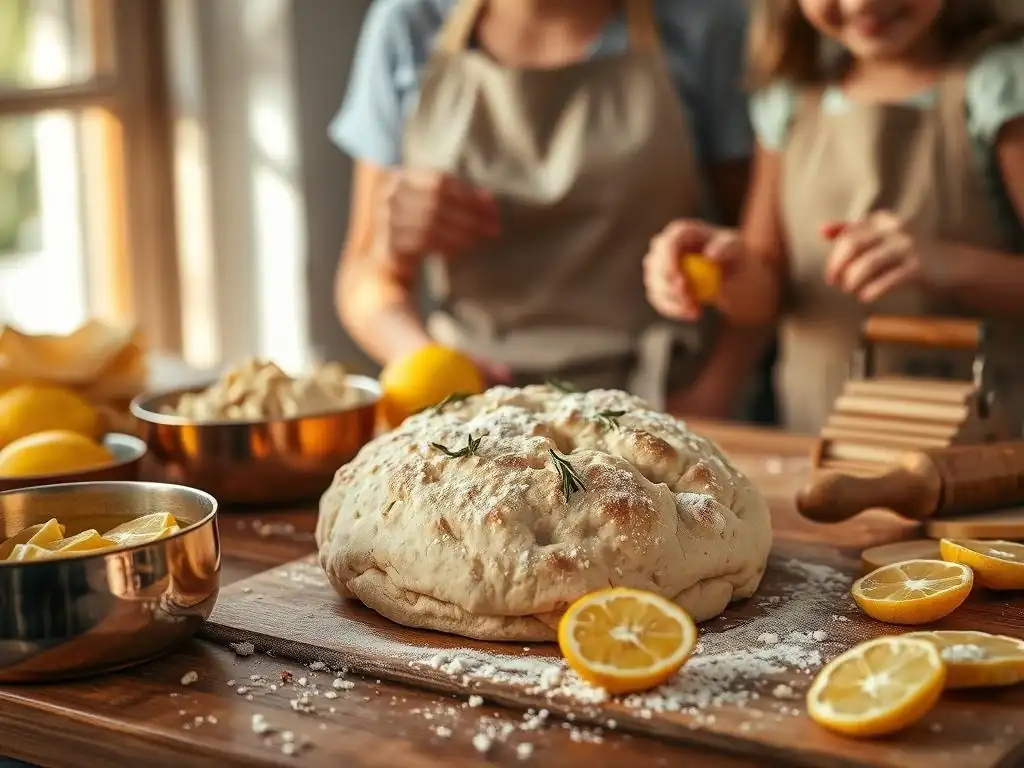
Putting newly learned Italian baking techniques for beginners into practice with simple, delicious recipes is the best way to build confidence. These selected recipes are perfect for honing fundamental skills like dough handling, shaping, and understanding fermentation or pastry making.
Starting with less complex recipes allows you to focus on mastering the technique itself before tackling more elaborate creations. These two examples are accessible and yield incredibly rewarding results, showcasing classic Italian flavors and textures.
Beginner-Friendly Italian Bread Recipe: Focaccia with Rosemary
Focaccia is an excellent starting point for beginners interested in Italian bread baking techniques. Its dough is relatively forgiving, and the shaping is straightforward – essentially pressing it into a pan. This recipe allows you to practice working with a slightly wet, enriched dough, understanding proofing, and learning to use ample olive oil for flavor and texture.
Baking focaccia teaches you about the importance of a long, slow rise (often 1-2 hours for the first rise, and another 30-60 minutes after shaping) for developing lightness and flavor. The dimpling technique is also a fun and easy skill to master, crucial for creating the signature look and texture of this popular bread. It's a perfect way to apply basic Italian baking techniques for beginners.
Easy Italian Pastry Recipe: Almond Biscotti
Biscotti, the twice-baked Italian cookies, are another great recipe for beginners. They involve making a simple dough, shaping it into logs, baking, slicing, and baking again. This introduces you to the concept of baking to achieve a specific texture – in this case, a dry, crunchy cookie perfect for dipping.
Making biscotti helps beginners practice basic dough mixing (often by hand), shaping logs, and understanding the two-stage baking process. While not a complex dough like pasta frolla, it's a fundamental cookie technique. Plus, the result is a delightful treat that keeps well, making it a rewarding project for anyone learning Italian baking techniques for beginners.
Expand Your Italian Baking Knowledge
Mastering Italian baking techniques for beginners is just the start of a lifelong culinary adventure. Italy's baking traditions are incredibly rich and diverse, with countless regional specialties waiting to be explored. As you become more comfortable with the basics, you can delve into more complex doughs like panettone or pandoro, explore regional breads like Pugliese, or tackle intricate pastries such as sfogliatelle.
Continue practicing the fundamental techniques discussed here, experiment with different flour types and ingredients, and don't be afraid to adapt recipes to your taste. Baking is a journey of learning and discovery, and the world of Italian baking offers endless possibilities for creativity and delicious results in your home kitchen.
Frequently Asked Questions
What makes Italian baking techniques unique and beginner-friendly?
Italian baking often emphasizes simple, high-quality ingredients and traditional methods, making it accessible for beginners. Many recipes require fewer complicated steps compared to other baking styles.
What are some essential ingredients commonly used in Italian baking?
Key ingredients include 00 flour (a finely ground wheat flour), olive oil, fresh herbs, and high-quality cheeses like ricotta and mascarpone. These ingredients contribute to the distinctive flavors of Italian baked goods.
How can I achieve the perfect crust when baking Italian breads at home?
Achieving a perfect crust involves using high oven temperatures, a hydration level that works for your flour, and potentially adding steam during the initial baking phase.
What is the importance of lievito madre (sourdough starter) in Italian baking?
Lievito madre is a traditional Italian sourdough starter that adds a unique flavor and texture to breads and pastries. It requires careful maintenance but offers a complex flavor profile.
What are some simple Italian baking recipes perfect for beginners to start with?
Beginners can start with recipes like focaccia, cantucci (almond biscotti), or basic pizza dough. These recipes offer a great introduction to Italian baking techniques and flavors.
Final Reflection: Mastering the Art of Italian Baking at Home
The enduring appeal of Italian baking lies not just in the delicious results, but in the journey of mastering fundamental techniques. These techniques, often passed down through generations, are the key to unlocking the secrets of perfectly crisp crusts, airy interiors, and the authentic flavors that define Italian pastries and breads. This isn't just about following recipes; it's about understanding the why behind each step, empowering you to adapt and innovate in your own kitchen.
The influence of Italian baking on the global culinary landscape is undeniable. From the ubiquitous pizza to the delicate biscotti, these techniques have shaped our understanding of bread and pastry making worldwide. The simplest things are often the most beautiful,
a sentiment perfectly encapsulating the elegance and simplicity at the heart of many Italian baking traditions. This simplicity, however, belies the precision and skill required to achieve truly exceptional results. It's a journey of learning, patience, and a deep appreciation for quality ingredients – a journey I hope this article has helped you begin.
Now, it's your turn. Don't be afraid to experiment, to embrace the occasional imperfection, and to find joy in the process. Each loaf, each pastry, represents a step forward in your baking journey. Pick a recipe, gather your ingredients, and let the aroma of freshly baked Italian bread or the sweetness of a perfectly crafted biscotti fill your home. The rewards are far greater than just a delicious treat; they're a connection to a rich culinary heritage and a celebration of your own growing skills. Embrace the challenge, and savor the journey.
Unleash Your Inner Italian Baker!
Thanks for taking the time to explore the wonderful world of Italian baking with us! We hope you've gained valuable insights and inspiration to elevate your baking skills. Ready to put your new knowledge into practice?
- Master your first Italian pastry: Start with a simple recipe like biscotti or sfogliatella—the techniques you've learned will make all the difference! This is your chance to shine.
- Share your baking journey: Post a picture of your creation on social media and tag #BakeWithEaseItalianBaking – we'd love to see your delicious results!
- Explore our other resources: Dive deeper into the art of Italian baking by browsing our collection of recipes and technique guides on BakeWithEase.com. You might discover your next favorite treat!
What Italian baking masterpiece will you create next?