
Secrets to a Perfectly Set Custard Pie Every Time

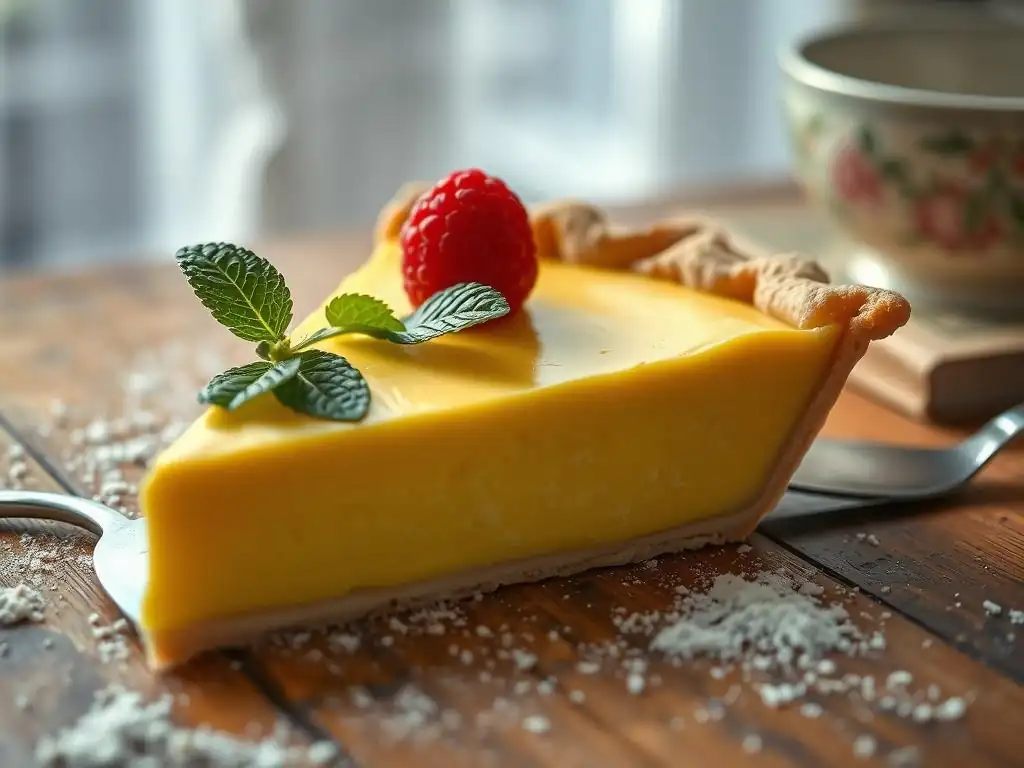
Welcome to BakeWithEase, your secret weapon for baking bliss! Ever dream of a perfectly set custard pie, one with that irresistible creamy texture and golden crust? We're about to unlock the secrets. Forget wobbly disasters and cracked surfaces – prepare to master this classic dessert with our foolproof guide and easy-to-follow recipe. Intrigued? Let's get baking!
- Secrets to a Perfectly Set Custard Pie Every Time - Baking Bliss
- Introduction: Mastering the Perfect Custard Pie Recipe
- Understanding the Key Ingredients for a Flawless Custard Pie
- Step-by-Step Guide to Baking a Perfect Custard Pie
- Troubleshooting Common Custard Pie Problems
- Flavor Variations and Creative Custard Pie Ideas
- Tips for Serving and Storing Your Custard Pie
- Conclusion: Enjoy Your Perfectly Baked Custard Pie
- Frequently Asked Questions
- Final Reflection: The Enduring Allure of the Perfect Custard Pie
- Unlock Your Inner Pastry Chef: Master the Custard Pie!
Secrets to a Perfectly Set Custard Pie Every Time - Baking Bliss
Introduction: Mastering the Perfect Custard Pie Recipe
Why Custard Pie Can Be Tricky (and How to Avoid Common Mistakes)
Baking a perfect custard pie can sometimes feel like navigating a minefield. The seemingly simple combination of dairy, eggs, and sugar holds a delicate balance that, if disturbed, can lead to disappointing results. Common pitfalls include a soggy bottom crust, a cracked or rubbery custard surface, or a filling that simply refuses to set, remaining a runny mess.
These issues often stem from imbalances in ingredients or incorrect baking techniques. For instance, overbaking the custard can cause the proteins in the eggs to seize up and curdle, leading to a tough texture and surface cracks. Conversely, not baking it long enough leaves the center liquid and unset.
Understanding the science behind a perfect custard pie recipe is key to avoiding these common errors. Custard sets through the gentle coagulation of egg proteins when heated. This process requires precise temperature control – too high and it cooks too fast and unevenly; too low and it might never set properly.
The moisture content is also critical; the high liquid content makes it susceptible to temperature fluctuations and can contribute to a soggy crust if not managed correctly. Even the ratio of egg yolks to whites impacts the final texture, influencing richness and firmness. Mastering this delicate balance is the secret to achieving that smooth, silky, perfectly set custard pie every time.
Baking Bliss's Guide to a Foolproof Custard Pie
Welcome to Baking Bliss's comprehensive guide to achieving your perfect custard pie recipe! We're here to demystify the process and equip you with the knowledge and techniques to bake a flawless pie that impresses every time. Our approach focuses on understanding the fundamental principles behind custard making, from selecting the right ingredients to mastering the baking temperature and crucial cooling stage. We believe that by understanding the 'why' behind each step, you'll be better equipped to troubleshoot and adapt.
This guide will walk you through everything you need to know, covering ingredient specifics, step-by-step instructions for crafting both the filling and the crust, and expert tips for avoiding those frustrating baking mishaps. We'll also explore delicious flavor variations to inspire your creativity in the kitchen. Whether you're attempting your very first custard pie or looking to perfect your long-standing recipe, our aim is to make the process accessible, enjoyable, and, most importantly, successful, leading you to that ultimate perfect custard pie recipe result.
Understanding the Key Ingredients for a Flawless Custard Pie
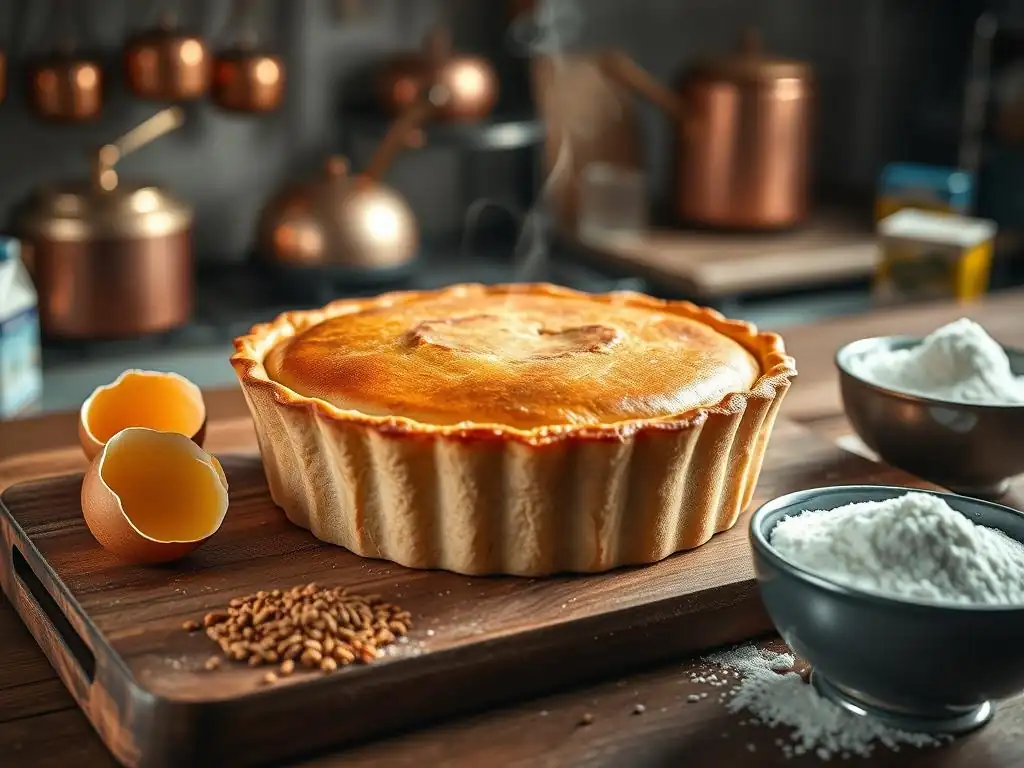
Choosing the Right Dairy: Milk, Cream, and Their Impact on Texture
The dairy component is the foundation of any perfect custard pie recipe, providing the liquid base and contributing significantly to the final texture and richness. Whole milk is a common choice, offering a good balance of liquid and fat (around 3.5%). Using whole milk results in a lighter, more delicate custard.
However, substituting some or all of the milk with half-and-half or heavy cream (which can contain 30-36% or more fat) adds luxurious richness and a smoother, more velvety mouthfeel. The higher fat content in cream also contributes to a more stable custard structure, less prone to weeping after chilling.
Consider the desired outcome when selecting your dairy. For a classic, slightly lighter perfect custard pie recipe, whole milk might be sufficient. For a richer, denser, and more decadent filling, a blend of whole milk and heavy cream is often preferred. Using lower-fat milk or non-dairy alternatives can impact the texture, potentially resulting in a thinner or less stable custard that might require slight adjustments to the egg ratio to compensate for the lack of thickening fat. Experimenting with different dairy combinations can help you discover your personal ideal texture for a perfect custard pie.
The Role of Eggs: Achieving the Ideal Custard Consistency
Eggs are the star of the show in a perfect custard pie recipe, acting as the primary thickener. When gently heated, the proteins in the eggs coagulate, transforming the liquid dairy into a semi-solid, creamy custard. The ratio of egg yolks to whites, as well as the total amount of egg used, is critical for achieving the desired consistency. Egg yolks contain more fat and lecithin, contributing richness, smoothness, and a softer set. Egg whites contain more protein, providing structure and firmness, but too many can lead to a rubbery texture.
A common ratio for a classic, creamy perfect custard pie recipe might involve using a combination of whole eggs and extra egg yolks. For instance, a recipe might call for 2 whole eggs and 4 egg yolks for a standard 9-inch pie. This balance provides both structure from the whites and richness and tenderness from the extra yolks.
Using only whole eggs will result in a firmer, less rich custard, while using only yolks will yield a very rich, tender custard that might be too delicate to slice cleanly. The total quantity of eggs must also be balanced with the amount of liquid; too few eggs will result in a runny custard, while too many will make it tough or rubbery.
Sweeteners and Flavorings: Enhancing Your Custard Pie's Taste
Sweeteners in a perfect custard pie recipe serve not only to add sweetness but also to influence texture and color. Granulated sugar is the most common choice. The amount of sugar needs to be balanced; too little and the custard can taste bland, too much and it can interfere with the egg proteins' ability to set properly, potentially leading to a softer or even runny custard.
A typical 9-inch perfect custard pie recipe might use between 1/2 cup and 3/4 cup of sugar, depending on desired sweetness and other ingredients. Some recipes might incorporate brown sugar for a subtle caramel note or maple syrup for a different flavor profile, but these can introduce more moisture or acidity, requiring careful balancing.
Flavorings are essential for elevating a perfect custard pie from plain to sublime. Pure vanilla extract is the classic choice, complementing the rich dairy and egg flavors beautifully. Adding it after the custard base is heated helps preserve its delicate aroma. Other popular flavorings include nutmeg (often sprinkled on top before baking), cinnamon, lemon zest, or even a touch of bourbon or rum for adult versions. These additions should be used judiciously so as not to overpower the delicate custard flavor. For example, just a pinch of freshly grated nutmeg is usually sufficient for a standard pie.
Step-by-Step Guide to Baking a Perfect Custard Pie
Preparing the Pie Crust: From Scratch or Store-Bought?
The foundation of a perfect custard pie recipe is a well-prepared crust. You have two main options: making your own from scratch or using a store-bought variety. A homemade all-butter or butter-shortening crust offers superior flavor and texture – flaky and tender. If making from scratch, ensure your ingredients are cold and avoid overworking the dough to prevent toughness.
Roll it out evenly and fit it into your pie plate, crimping the edges beautifully. Blind baking the crust is absolutely crucial for a custard pie to prevent a soggy bottom. This involves partially or fully baking the crust before adding the filling.
For blind baking, line the raw crust with parchment paper or foil and fill it with pie weights, dried beans, or rice. Bake in a preheated oven, typically around 375-400°F (190-200°C), for about 15-20 minutes until the edges are set and lightly golden. Remove the weights and liner, then continue baking for another 5-10 minutes until the bottom is just starting to color.
Let it cool slightly before adding the custard filling. Using a good quality store-bought crust is a perfectly acceptable shortcut, especially for busy bakers. Just make sure it's suitable for blind baking and follow the package instructions, ensuring it's sufficiently pre-baked to stand up to the wet custard filling.
Making the Custard Filling: A Detailed Recipe
Crafting the filling for a perfect custard pie recipe involves careful mixing and tempering. While specific quantities vary, a general outline for a 9-inch pie involves combining about 4-6 large egg yolks and 1-2 whole large eggs with 1/2 to 3/4 cup of granulated sugar, whisking until well blended and slightly pale. In a separate saucepan, gently heat about 2 to 2 1/2 cups of dairy (a mix of whole milk and heavy cream works well) over medium heat until it's just simmering, not boiling. Scalding the milk helps it thicken the custard more effectively.
Once the dairy is heated, it's crucial to temper the eggs. Slowly whisk about half of the hot milk mixture into the egg-sugar mixture in a thin stream, whisking constantly. This gradually raises the temperature of the eggs without scrambling them. Then, pour the tempered egg mixture back into the saucepan with the remaining hot milk, whisking continuously.
Cook this mixture over low to medium heat, stirring constantly with a spoon or spatula, until it thickens slightly – it should coat the back of the spoon. Do not boil. This process usually takes about 5-10 minutes. Remove from heat, stir in vanilla extract (about 1 teaspoon), and strain the mixture through a fine-mesh sieve into a clean bowl or directly into the pre-baked pie shell to remove any potential lumps or bits of cooked egg.
Baking to Perfection: Temperature and Timing Secrets
Baking a perfect custard pie recipe requires a gentle, even heat to ensure the custard sets smoothly without curdling or cracking. The ideal oven temperature is typically lower than for many other pies, usually between 325°F and 350°F (160°C and 175°C). A water bath (bain-marie) is highly recommended.
Place the filled pie shell in a larger baking pan, then carefully pour hot water into the larger pan until it comes halfway up the sides of the pie plate. This creates a moist, even cooking environment that prevents the edges from setting too quickly and helps the center cook at the same rate, significantly reducing the risk of cracking and ensuring a silky texture.
Baking time will vary depending on your oven and the specific recipe volume, but a standard 9-inch perfect custard pie recipe typically takes between 45 and 60 minutes. You know the custard is done when the edges are set and appear slightly puffed, but the center (about 2-3 inches in diameter) is still slightly wobbly when you gently shake the pie.
A knife inserted about an inch from the edge should come out clean, but one inserted in the very center should have some liquid custard on it. Overbaking is the enemy here; it leads to cracks and a rubbery texture.
Achieving a Golden-Brown Crust Without Overbaking the Custard
Getting a beautifully golden-brown edge on your crust while ensuring the delicate custard isn't overbaked requires a bit of strategic protection. Since the custard bakes at a lower temperature for a longer time, the exposed crimped edge of the pie crust can easily brown too much or even burn before the center of the custard is set. This is especially true if you did a full blind bake on your crust initially.
The simplest and most effective method is to shield the edges of the crust during baking. You can use pie crust shields (silicone or aluminum rings designed for this purpose) or create your own using strips of aluminum foil. Once the crust edges have reached your desired level of goldenness, typically after about 20-30 minutes of baking the filled pie, carefully place the shields or foil strips around the perimeter of the pie.
This protects the edges from further direct heat while allowing the center of the custard to continue cooking and set properly. Remove the shields for the last 5-10 minutes of baking only if you feel the edges need a final touch of color, but often they are kept on until the pie is removed from the oven.
Cooling and Setting: The Crucial Final Stage
The cooling process is just as critical as the baking itself for a perfect custard pie recipe. Once the pie is removed from the oven (and the water bath, if used), resist the urge to move it immediately or cut into it. The custard is still quite delicate and needs time to finish setting and firm up.
First, carefully remove the pie from the water bath if you used one. Place the pie on a wire rack to cool completely. Initial cooling on the counter for 2-3 hours allows the residual heat to continue cooking the custard gently and evenly.
After the initial cooling period at room temperature, the pie must be chilled in the refrigerator for at least 3-4 hours, and preferably longer (up to 6-8 hours or even overnight). This extended chilling time is essential for the custard to achieve its final, perfectly set consistency. Skipping or shortening this step will result in a runny or overly soft custard that won't slice cleanly. The pie should be fully cold before serving. This patient cooling and chilling ensures that all the effort put into baking results in that desired smooth, sliceable, perfect custard pie texture.
Troubleshooting Common Custard Pie Problems
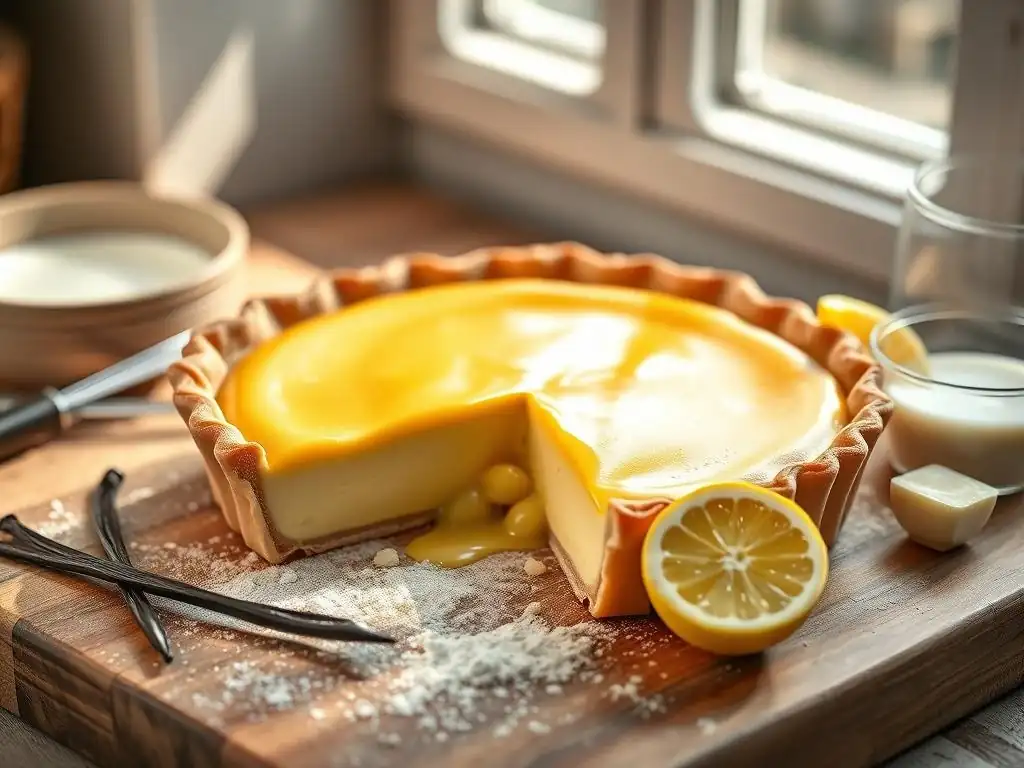
Soggy Crust Solutions: Preventing and Fixing
A soggy bottom crust is one of the most common and disappointing issues when baking a perfect custard pie recipe. This occurs when moisture from the filling or steam during baking saturates the unbaked or underbaked crust. The primary prevention method, as discussed earlier, is thorough blind baking of the pie shell before adding the filling. Ensure the bottom of the crust is lightly golden and feels dry, not just the edges. Using pie weights across the entire bottom helps keep the crust flat and promotes even baking.
Another preventative measure is to brush the blind-baked crust with a thin layer of egg wash (a whisked egg or just egg white) or melted butter immediately after removing the weights and before the final blind baking step. This creates a seal that helps repel moisture from the filling.
If you find your crust is still slightly soggy after baking, you can sometimes salvage it by placing the pie back in a hot oven (around 400°F / 200°C) for a few minutes, perhaps on the bottom rack, to crisp up the base, but be very careful not to overbake the custard. Unfortunately, a severely soggy crust is difficult to fully fix after the fact, emphasizing the importance of preventative blind baking for your perfect custard pie recipe.
Avoiding Cracks: Tips for a Smooth Custard Surface
Surface cracks on a perfect custard pie recipe are often a sign of uneven cooking or cooling, usually caused by too-high temperatures or rapid temperature changes. The outside edges of the custard set and firm up much faster than the center. If the temperature is too high or the pie is baked for too long, the edges continue to contract as they cook, pulling on the still-soft center and causing it to crack as it finally sets.
Using a water bath (bain-marie) during baking is the most effective way to prevent cracks. The water bath provides gentle, even heat, allowing the custard to cook uniformly from edge to center. Baking at a lower temperature (325-350°F / 160-175°C) also helps. Avoid overbaking; remember the center should still be slightly wobbly when you remove it from the oven. Crucially, let the pie cool gradually. Do not place a hot pie directly into the refrigerator. Allow it to cool at room temperature for 2-3 hours before chilling completely. Sudden temperature shifts are a major culprit for cracking.
Custard Not Setting? Understanding the Causes and Remedies
A perfect custard pie recipe that remains stubbornly runny is usually a sign that the egg proteins haven't coagulated sufficiently. The most common reasons are not enough egg for the amount of liquid, the custard not being cooked to the correct temperature during the stovetop preparation (if applicable), or not being baked for long enough in the oven. The ratio of eggs to dairy is paramount; if you significantly increase the liquid without increasing the eggs, it won't set.
Ensure you are using the correct number and size of eggs as specified in your perfect custard pie recipe or guideline. When cooking the custard base on the stovetop, heat it gently, stirring constantly, until it visibly thickens and coats the back of a spoon. If you skipped this step (some recipes don't require it, relying solely on oven heat), ensure your oven temperature is accurate and bake the pie until the center is just slightly wobbly.
Unfortunately, once a baked custard pie has cooled and is still runny, it's very difficult to "re-bake" it successfully without ruining the texture or crust. Understanding the science and ensuring correct ratios and cooking times during the initial process is the best remedy.
Flavor Variations and Creative Custard Pie Ideas
Classic Vanilla Custard Pie Recipe
The classic vanilla perfect custard pie recipe is a timeless favorite, celebrated for its simple elegance and comforting flavor. It typically uses whole milk or a blend of milk and cream, a generous amount of egg yolks for richness, sugar, and pure vanilla extract. Sometimes a touch of nutmeg is grated over the top before baking, adding a subtle warmth.
The beauty of the classic version lies in the purity of its flavor, allowing the quality of the dairy and vanilla to shine through. Achieving the perfect set is paramount here, as there are no other ingredients to mask any textural imperfections. It's the benchmark against which other variations are often measured.
Chocolate Custard Pie: A Decadent Twist
For chocolate lovers, transforming the perfect custard pie recipe into a decadent chocolate version is a simple and rewarding variation. This is typically achieved by whisking melted bittersweet or semi-sweet chocolate, or incorporating high-quality cocoa powder, into the warm custard base after it has thickened on the stovetop and been removed from the heat.
The amount of chocolate or cocoa will depend on the desired intensity, often ranging from 4-6 ounces of melted chocolate or 1/4 to 1/3 cup of cocoa powder per pie. Ensure the chocolate is fully melted and smoothly incorporated. The richness of the chocolate pairs wonderfully with the creamy custard texture, creating a luxurious dessert.
Coconut Custard Pie: A Tropical Delight
A coconut perfect custard pie recipe brings a tropical twist to the classic. This variation often involves infusing the dairy with shredded or flaked coconut, or adding coconut milk or cream alongside or in place of some of the dairy. Sweetened shredded coconut is often stirred directly into the custard filling before baking, providing texture and intense coconut flavor.
Using a combination of regular dairy and full-fat coconut milk can yield a wonderfully creamy result. Baking time might be slightly longer due to the added moisture from the coconut. This version is often topped with whipped cream and toasted coconut flakes after cooling.
Pumpkin Spice Custard Pie: An Autumn Favorite
While technically a type of custard pie, the pumpkin spice version is so popular it warrants its own mention, especially as an autumn favorite. This perfect custard pie recipe incorporates pumpkin puree and a blend of warm spices like cinnamon, nutmeg, ginger, and cloves into the classic base.
The pumpkin puree adds body and a distinct flavor and color. The ratio of pumpkin to dairy and eggs is key for achieving the correct consistency, as too much pumpkin can make it dense, while too little results in a weak flavor. Pumpkin pie spice blends make this variation easy, delivering that quintessential fall taste in a creamy custard form.
Tips for Serving and Storing Your Custard Pie
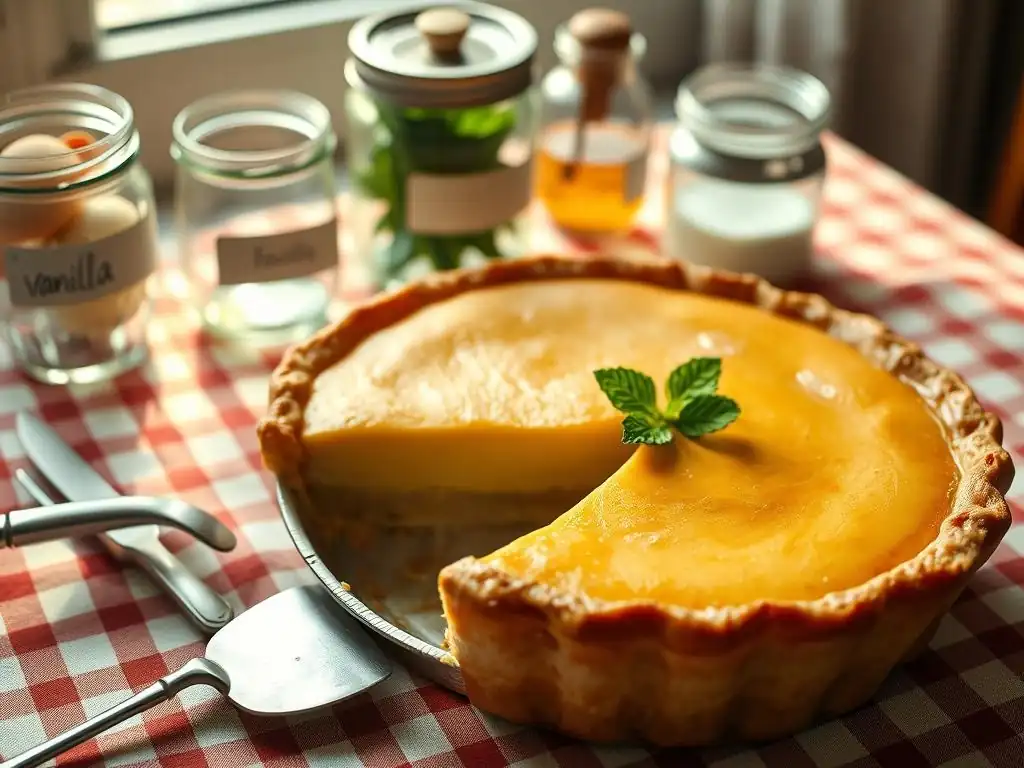
Serving Suggestions: Toppings and Pairings
A perfectly set custard pie is delicious enjoyed simply on its own, but a few thoughtful additions can elevate the experience. The most classic topping is a simple dusting of freshly grated nutmeg. Lightly sweetened whipped cream is another popular choice, providing a lovely contrast in texture and richness. For a touch of elegance, consider a dollop of créme fraîche or a drizzle of caramel sauce.
Fruit pairings should be considered carefully, as the delicate custard flavor can be easily overpowered. Fresh berries, especially raspberries or strawberries, offer a bright, slightly tart counterpoint. For a classic vanilla perfect custard pie recipe, a side of stewed fruit or a fruit compote can also be delightful. Always add toppings just before serving to prevent them from making the crust soggy or altering the custard's texture.
Storing Custard Pie: Maintaining Freshness and Texture
Proper storage is essential to maintain the freshness and perfect texture of your baked custard pie. Because custard is a dairy and egg-based filling, it is perishable and must be refrigerated. Once the pie has completely cooled at room temperature (which is crucial for setting), cover it loosely with plastic wrap or aluminum foil.
Store the pie in the refrigerator for up to 3-4 days. For the best quality and texture, it's ideal to consume it within the first 2-3 days. Freezing custard pie is generally not recommended, as the texture of the custard can become grainy or watery upon thawing. If you need to store it for longer, consider freezing the blind-baked crust separately and making the filling fresh when you plan to bake. Always keep the perfect custard pie recipe chilled until ready to serve.
Conclusion: Enjoy Your Perfectly Baked Custard Pie
Recap: Key Takeaways for a Successful Custard Pie Every Time
Achieving a perfect custard pie recipe consistently boils down to mastering a few key principles. First, understand the role of your ingredients: the right balance of dairy for richness, sufficient eggs for proper setting, and sweeteners/flavorings for taste. Second, pay close attention to technique: blind baking your crust thoroughly is non-negotiable for preventing sogginess.
Third, control your heat: use a lower oven temperature, consider a water bath for even cooking, and avoid overbaking – look for that slightly wobbly center. Finally, be patient with cooling: allow ample time at room temperature before chilling completely in the refrigerator. By following these steps, you significantly increase your chances of baking a smooth, creamy, perfectly set custard pie every time.
We hope this comprehensive guide has empowered you to bake your most successful perfect custard pie recipe yet! There's immense satisfaction in pulling a beautifully set, golden-edged pie from the oven. We encourage you to put these tips and techniques into practice.
Have you tried our suggestions? Did you experiment with a flavor variation? We love seeing your baking triumphs! Share photos of your perfectly baked custard pies and tell us about your experience. Join the Baking Bliss community and inspire fellow bakers on their journey to mastering the perfect custard pie recipe and beyond! Happy Baking!
Frequently Asked Questions
How do I prevent my custard pie from cracking?
Cracking often occurs due to rapid temperature changes during baking or cooling. To avoid this, bake at a lower temperature and let the pie cool gradually in the oven with the door ajar.
What's the best way to achieve a smooth custard filling?
Achieving a smooth filling depends on proper mixing and baking. Avoid over-mixing the custard base to prevent air bubbles, and bake the pie using a water bath to ensure even heat distribution for a silky texture.
Can I use a pre-made pie crust for this recipe?
Yes, you can absolutely use a pre-made pie crust! However, for the best flavor and texture, consider making your own homemade crust. This will significantly enhance the final result.
What ingredients are essential for a perfect custard pie?
The key ingredients are eggs, dairy (cream or milk), sugar, and vanilla extract. The ratio of eggs to dairy is crucial for achieving the correct custard consistency, and high-quality vanilla enhances the flavor.
How do I know when my custard pie is done baking?
The pie is done when the edges are set but the center still jiggles slightly. It should appear lightly golden brown. A slight wobble is normal, as it will continue to set as it cools.
Final Reflection: The Enduring Allure of the Perfect Custard Pie
The pursuit of the perfect custard pie transcends mere culinary skill; it's a journey into the heart of comfort, tradition, and the simple joys of baking. This article has explored the seemingly subtle yet crucial techniques that elevate a custard pie from good to unforgettable – from the precise temperature control of the oven to the careful selection of ingredients. These seemingly small details, when mastered, unlock a world of creamy, rich perfection.
The enduring appeal of the custard pie lies in its ability to evoke powerful memories and emotions. It's a dish that connects generations, a taste of home, a symbol of comfort and celebration. A slice of pie is a slice of heaven.
This sentiment, though simple, perfectly captures the emotional resonance of this classic dessert. The process of creating a perfect custard pie, from carefully measuring ingredients to the anticipation of the first golden-brown crackle, is as rewarding as the final product itself. It's a meditative practice, a chance to slow down and connect with something timeless.
Now, I invite you to step away from the screen, gather your ingredients, and embark on your own custard pie adventure. Don't be afraid to experiment, to tweak the recipe to your liking, to personalize this classic dessert and make it your own. The journey to the perfect custard pie is a personal one, filled with learning, discovery, and ultimately, the sweet reward of sharing a slice of happiness with those you love. Let the aroma of baking custard fill your kitchen, and savor the moment. You might just surprise yourself with the masterpiece you create.
Unlock Your Inner Pastry Chef: Master the Custard Pie!
Thanks for joining us on this delicious journey into the world of perfect custard pies! We hope you gained valuable insights and newfound confidence in your baking skills. Ready to put your new knowledge to the test?
- Bake your dream custard pie today! Use the tips and techniques we shared to create a masterpiece. Don't be afraid to experiment with flavors!
- Share your custard pie creations with us on social media using #BakeWithEaseCustardPie – we'd love to see your stunning results!
- Challenge a friend to a custard pie-off! It’s a fun way to share your new skills and see who reigns supreme.
What unique flavor combination will you try in your next custard pie adventure?