
The Baker's Secret to Perfectly Aged and Chewy Macarons

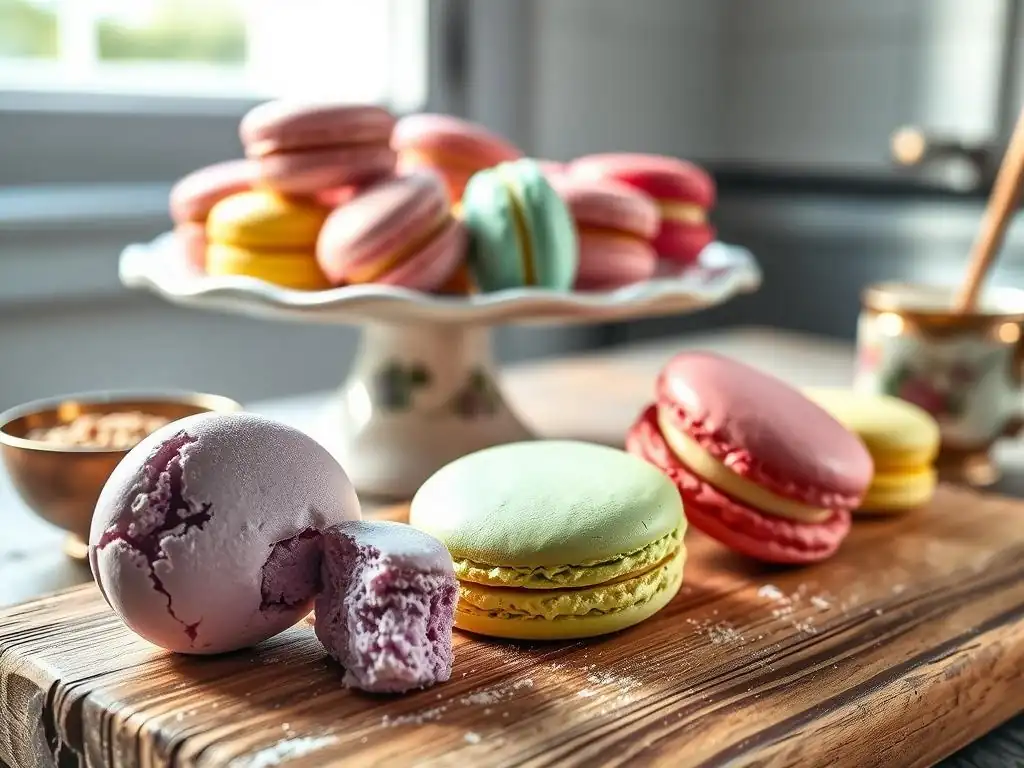
Welcome to BakeWithEase, your baking sanctuary! Ever wondered what separates a good macaron from a perfectly aged and chewy one? We're about to unveil the baker's secret. Prepare to be amazed as we delve into a meticulously crafted recipe that promises to elevate your macaron game. Intrigued? Let's get baking!
- BakeWithEase Presents: Mastering the Art of Aged Macarons
- Unveiling the Secret: Achieving Chewy Macarons with Aging Techniques
- The Perfectly Aged Chewy Macarons Recipe: A Step-by-Step Guide
- The Aging Process: Transforming Your Macarons
- Troubleshooting Aged Macarons: Common Issues and Solutions
- Tips and Tricks for Perfect Aged Chewy Macarons
- Elevate Your Baking: Beyond the Perfectly Aged Macaron
- Enjoy Your Perfectly Aged and Chewy Macarons!
-
Frequently Asked Questions
- How important is aging the macaron batter for a perfectly chewy macaron?
- What is the ideal amount of time to age macaron batter according to BakeWithEase?
- Can I skip the aging process if I'm short on time?
- What ingredients are most important for achieving the chewy texture BakeWithEase promises?
- What are some common mistakes that prevent macarons from being chewy, even with aging?
- Final Reflection: The Enduring Allure of the Perfectly Aged Macaron
- Unlock Your Macaron Mastery!
BakeWithEase Presents: Mastering the Art of Aged Macarons
Welcome, fellow bakers, to the delightful world of macarons! While achieving those perfect, glossy shells with a delicate foot is a victory in itself, the true magic often happens after they're baked. We're talking about the secret to unlocking that wonderfully chewy texture that distinguishes a good macaron from a truly exceptional one: aging. This process, sometimes called "maturation," is a non-negotiable step in many classic French bakeries and is key to mastering the art of the perfectly aged chewy macarons recipe.
Aging allows the macaron shell, which is essentially a dried meringue, to absorb moisture from its filling. This exchange transforms the crisp shell into a tender, slightly yielding layer that offers just the right amount of resistance before melting away, complemented by the soft interior of the filling. Without this crucial step, you might find your freshly filled macarons feeling dry or brittle, lacking that signature chewiness that makes them so addictive. Let's dive into the nuances of how to achieve this coveted texture.
Unveiling the Secret: Achieving Chewy Macarons with Aging Techniques
The journey to a perfectly aged chewy macaron doesn't end when the shells cool. It's a deliberate step involving time, temperature, and patience. Many home bakers skip this, eager to enjoy their creations immediately, but professional pâtissiers know that waiting is rewarded with superior texture and flavor. The aging process allows the different components – the crisp shell and the often-moist filling – to harmonize, creating a single, delightful bite rather than two separate textures.
Understanding the 'why' behind aging is as important as knowing the 'how.' It's not just about waiting; it's about facilitating a controlled exchange of moisture. This ensures the shell softens uniformly without becoming soggy, developing that sought-after chewiness. Integrating this technique into your baking routine is essential for anyone serious about mastering the perfectly aged chewy macarons recipe.
Why Age Macarons? The Science Behind the Chewy Texture
The science behind aging macarons is primarily about moisture migration and structural change. When macaron shells are baked, they become quite dry and brittle. Simultaneously, most macaron fillings, whether ganache, buttercream, or jam, contain a significant amount of moisture. Placing these two components together initiates a process where the moisture from the filling begins to migrate into the porous structure of the dried meringue shell.
Over time, typically 12 to 24 hours under refrigeration, this moisture absorption softens the shell's structure, transforming it from fragile and crisp to tender and chewy. This isn't just about texture; it also allows the flavors of the filling to permeate the shell, creating a more cohesive and integrated taste experience. Think of it like marinating – the longer it sits, the more the flavors meld. Achieving this specific moisture balance is critical for the perfect aged chewy macarons recipe.
The Benefits of Aging Your Macarons: Enhanced Flavor and Texture
The primary benefit of aging macarons is the dramatic improvement in texture. Freshly baked shells might be crisp, but they lack the characteristic chewiness that defines a great macaron. Aging introduces moisture from the filling into the shell, resulting in a soft, slightly yielding texture that gives way to a delightful chew before melting in your mouth. This transformation is profound and truly elevates the macaron experience.
Beyond texture, aging significantly enhances the flavor. As moisture moves from the filling to the shell, flavor compounds also migrate. This allows the distinct tastes of the filling – be it rich chocolate, tart raspberry, or sweet caramel – to infuse the meringue shell. The result is a more harmonious and intense flavor profile where the shell no longer tastes like just sugar and almond, but is subtly flavored by its counterpart, making every bite of your perfectly aged chewy macarons a more integrated sensory delight.
The Perfectly Aged Chewy Macarons Recipe: A Step-by-Step Guide
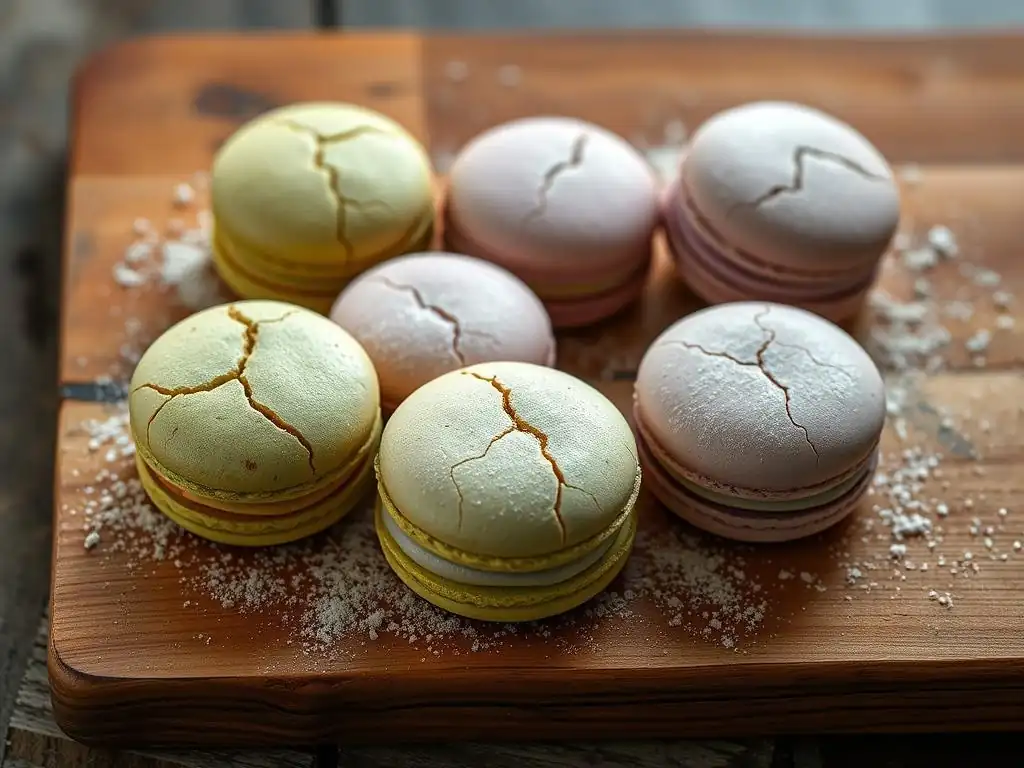
Crafting the perfect aged chewy macarons recipe involves precision at every stage, from preparing the batter to the final maturation. This guide walks you through the essential steps, emphasizing techniques that promote optimal texture development during the aging process. While specific measurements can vary slightly based on meringue method (French, Swiss, or Italian), the principles remain consistent for achieving that desired chewiness.
Success hinges on using quality ingredients and executing techniques like macaronage and baking correctly, as these lay the foundation for how well the shells will age. Follow these steps diligently, and you'll be well on your way to baking macarons that boast that signature chewy texture and deep, melded flavors.
Ingredients for Perfectly Aged Macarons: Finely Ground Almond Flour, Icing Sugar, Egg Whites, Granulated Sugar
The quality and preparation of your ingredients are paramount in any macaron recipe, especially when aiming for that perfect aged chewiness. You'll need superfine almond flour, often referred to as almond meal, but ideally ground even finer and sifted to remove larger particles. Using a mesh sieve around 100-200 mesh can help ensure a smooth shell surface, crucial for even moisture absorption during aging. Icing sugar (powdered sugar) is also a key component, providing structure and sweetness; it too should be lump-free.
Fresh egg whites are essential for creating a stable meringue, but many bakers find that "aged" egg whites – separated a day or two in advance and left covered loosely in the refrigerator – whip up better. This slight drying process reduces their moisture content, leading to a more stable meringue that can better withstand the baking process and prepare the shell for the moisture it will absorb later.
Granulated sugar is necessary for the meringue, providing structure and gloss. For a typical batch yielding about 30-40 macarons, you might use approximately 100-120 grams of almond flour, 100-120 grams of icing sugar, 80-100 grams of egg whites, and 80-100 grams of granulated sugar, depending on the specific method used.
Equipment Needed for Chewy Macaron Success: Stand Mixer, Piping Bags, Macaron Mat
Having the right tools makes the macaron-making process significantly easier and contributes to more consistent results, which is vital for shells that age well. A stand mixer fitted with a whisk attachment is almost indispensable for creating a stable, glossy meringue. While a hand mixer can work, a stand mixer provides the power and consistency needed for whipping egg whites to the stiff peaks required. Look for a mixer with at least 300 watts of power for efficient meringue making.
Piping bags and round piping tips (like Ateco size 1A or 2A) are necessary for creating uniform macaron shells. Consistency in size ensures even baking and, subsequently, even aging. Finally, macaron mats – either silicone mats with pre-marked circles or parchment paper with a template underneath – help create perfectly round, consistent shells. Using a reliable surface prevents sticking and ensures the delicate shells maintain their shape during the crucial resting phase before baking, another factor influencing the final texture and ability to age properly within your perfectly aged chewy macarons recipe.
The Aging Process: Transforming Your Macarons
The magic of the perfectly aged chewy macarons recipe truly unfolds during the aging process. This stage is where the dry, crisp shells you've carefully baked begin their transformation into the tender, chewy delights we all crave. It involves specific steps related to preparation, timing, and environment to ensure optimal moisture exchange between the shell and the filling.
Properly managing this stage is crucial. Too little time, and the shells remain dry and brittle; too much, and they can become soggy. Understanding the ideal conditions and duration for aging your macarons is key to unlocking that signature chewy texture.
Step 1: Preparing the Macaron Shells for Aging
Before aging can begin, you need perfectly baked macaron shells. This starts with achieving the right consistency during the macaronage phase – the folding of the dry ingredients into the meringue. The batter should flow slowly like lava off your spatula; if it's too stiff, the shells may crack or have lumpy tops; if too loose, they might spread too much and lack structure. Achieving this consistency is fundamental for uniform shells that can properly absorb moisture later.
Once piped onto your mats, the shells must 'rest' or 'dry' at room temperature until they form a delicate skin. This usually takes anywhere from 30 minutes to 2 hours, depending on the humidity of your kitchen. You should be able to gently touch the shell without it sticking to your finger. This skin allows the macaron to rise evenly in the oven and develop the characteristic foot, while also providing a stable surface for the subsequent aging process, ensuring your shells are ready to become perfectly aged chewy macarons.
Achieving the Perfect Macaron Shell: Mastering the Macaronage Technique
Macaronage is arguably the most critical step in determining the outcome of your macaron shells. It's the process of folding the dry ingredients (sifted almond flour and icing sugar) into the meringue. The goal is to deflate the meringue just enough to create a smooth, flowing batter that can be piped, but not so much that it loses its structure entirely. Over-mixing will result in flat, footless, or cracked shells, while under-mixing will yield lumpy shells with no foot.
To perform macaronage, gently fold the dry ingredients into the meringue using a spatula, scraping down the sides and bottom of the bowl. The batter should reach a consistency where, if you lift the spatula, the batter falls back into the bowl in a ribbon and slowly reincorporates (the 'lava' stage).
This typically requires between 50 and 60 folds for a standard batch size, but it's more about the visual cue of the batter consistency than a strict fold count. Mastering this technique is essential for creating shells that bake correctly and are primed for developing that chewy texture during aging for your perfectly aged chewy macarons recipe.
Baking Macaron Shells for Optimal Aging: Temperature and Timing
Baking macaron shells correctly is vital for their ability to age well. The aim is to bake them until they are stable, with a firm shell and a foot, but not so long that they become completely dried out and brittle. A common temperature range is between 280°F and 320°F (140°C and 160°C), depending on your oven. Lower temperatures often yield better results, allowing the shells to bake through without browning or cracking.
Baking time usually ranges from 12 to 18 minutes. You'll know they're done when the shells don't wobble or shift if you gently try to move one on the mat. The foot should be well-developed, and the shell top should be firm. Slightly under-baking is preferable to over-baking when planning to age them, as it leaves a touch more internal moisture for the aging process to work with. Conversely, over-baked shells will be too dry to absorb moisture effectively, hindering the development of that desirable chewy texture in your perfectly aged chewy macarons recipe.
Step 2: The Aging Process: Time and Environment
Once your macaron shells are baked and completely cooled, it's time to pair them with their fillings and begin the aging process itself. This step is not about drying, but about controlled moisture exchange. The ideal environment and duration are crucial for transforming the crisp shell into a chewy one.
This stage requires patience and understanding the role of refrigeration. Simply filling them and leaving them on the counter won't achieve the desired result; cold temperatures play a key role in this specific type of maturation.
Ideal Conditions for Aging Macarons: Temperature and Humidity Control
The ideal environment for aging macarons is the refrigerator. The cold temperature slows down potential spoilage of the filling while also facilitating the slow, controlled migration of moisture into the shell. Store the filled macarons in an airtight container to prevent them from absorbing odors from the refrigerator and to maintain a consistent humidity level around the macarons themselves.
While you don't need precise humidity control in your fridge, using an airtight container helps create a micro-environment that encourages the shells to absorb moisture from the filling rather than drying out further in the refrigerator's dry air. Temperatures around 4°C (39°F) are standard for refrigeration and are suitable for this process, ensuring your shells develop into perfectly aged chewy macarons.
How Long to Age Macarons for Maximum Chewiness? 12-24 Hours
The consensus among macaron experts is that aging for 12 to 24 hours in the refrigerator yields the best results for developing that signature chewy texture. Within this timeframe, the shells have sufficient opportunity to absorb moisture from the filling, becoming tender and chewy without becoming soggy or falling apart.
Some bakers prefer a slightly longer aging period, up to 48 hours, especially with very thick fillings. However, for most standard fillings like ganache or buttercream, 12-24 hours is the sweet spot for achieving maximum chewiness and allowing flavors to meld beautifully.
Aging for less than 12 hours often results in shells that are still too crisp, while aging significantly longer than 48 hours can sometimes lead to the shells becoming too soft, depending on the filling's moisture content. Experiment within the 12-48 hour window to find what works best for your specific perfectly aged chewy macarons recipe and filling.
Step 3: Filling Your Aged Macarons: Flavor Combinations that Complement
While the shells are the structural base, the filling is where a significant portion of the moisture for aging comes from, and where much of the flavor lies. Choosing a filling with the right consistency and moisture level is important for successful aging. The filling should be soft enough to lend moisture to the shells but firm enough to hold its shape when piped.
The flavor of the filling should also complement the delicate almond flavor of the shell. Classic pairings work wonderfully, but don't be afraid to experiment and find combinations that you love. The key is creating a balance that enhances the overall experience of the perfectly aged chewy macarons.
Delicious Macaron Filling Ideas: Chocolate Ganache, Raspberry Jam, Salted Caramel
Many fillings work beautifully in macarons and contribute effectively to the aging process. Classic chocolate ganache, made from chocolate and cream, provides a rich flavor and a stable, yet moist, texture perfect for aging. A standard ratio might be 1:1 chocolate to cream for dark chocolate ganache, or 2:1 chocolate to cream for milk or white chocolate.
Fruit-based fillings like raspberry jam or lemon curd also provide moisture and vibrant flavor. Ensure jams are thick and not too runny, or reduce them slightly before filling. Salted caramel is another popular choice, offering a sweet and salty contrast and a dense, chewy texture that pairs wonderfully with the aged shell. These fillings not only taste great but also have the right properties to help create that desirable chewy texture in your perfectly aged chewy macarons recipe.
Making the Perfect Macaron Filling: Consistency and Flavor Balance
The consistency of your filling is just as important as its flavor. A filling that is too liquid will make the shells soggy, while one that is too dry won't provide enough moisture for the shells to soften properly during aging. Fillings like buttercream should be smooth and pipeable, while ganaches should be allowed to set up to a spreadable or pipeable consistency before use.
Flavor balance is key. The filling should be flavorful enough to stand up to the sweetness of the shell but not so overpowering that it masks the delicate almond taste. Consider balancing sweetness with a touch of acidity (like in a fruit curd) or bitterness (like in dark chocolate ganache) or saltiness (like in salted caramel) to create a more complex and satisfying macaron. The filling is a crucial component in achieving the desired texture and flavor profile of your perfectly aged chewy macarons.
Step 4: Maturation After Filling: The Final Touch
Once your shells are filled, the true aging (or maturation) period begins. This is where the magic happens in the refrigerator, allowing the moisture exchange to occur and the flavors to deepen and meld. This step is non-negotiable if you want that classic chewy texture.
Giving the filled macarons adequate time to rest in the cold is the final, essential step in the perfectly aged chewy macarons recipe. Skipping this step will leave you with crisp shells and separate filling, rather than a cohesive, chewy treat.
Allowing Flavors to Meld: Post-Filling Maturation Time
After filling your macarons, arrange them in a single layer in an airtight container. This container is crucial for maintaining a consistent environment around the macarons and preventing them from drying out or absorbing fridge odors. Place the sealed container in the refrigerator.
Allow the filled macarons to mature for a minimum of 12 hours. As mentioned earlier, 24 hours is often considered ideal, and up to 48 hours can work well depending on the filling. During this time, the moisture from the filling slowly permeates the shell, creating that soft, chewy texture. Simultaneously, the flavors of the filling infuse the shell, resulting in a more integrated and delicious bite. This maturation period is the secret to truly perfectly aged chewy macarons.
Storing Filled Macarons: Preserving Chewiness and Flavor
Proper storage is essential to maintain the texture and flavor you worked hard to achieve. Always store filled, aged macarons in an airtight container in the refrigerator. This keeps them cold, preserving the texture developed during aging and preventing them from drying out.
When you're ready to serve, it's often best to let them sit at room temperature for 10-15 minutes. This allows the filling to soften slightly, enhancing the overall texture and flavor experience. Properly stored in the refrigerator, aged macarons can last for 3-5 days while retaining their desirable chewy texture and flavor. For longer storage, they can be frozen in an airtight container for up to a month; simply thaw them in the refrigerator before bringing them to room temperature to serve.
Troubleshooting Aged Macarons: Common Issues and Solutions
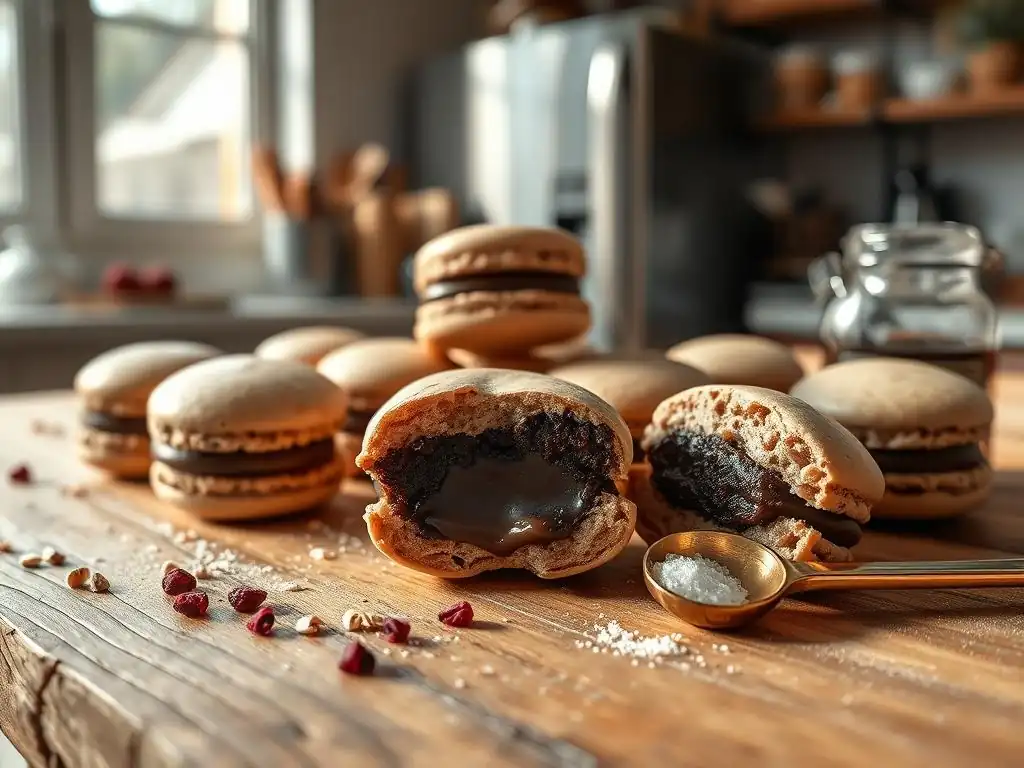
Even with a solid perfectly aged chewy macarons recipe, things can sometimes go wrong. Troubleshooting is part of the baking journey, and understanding common issues related to aging can help you perfect your technique.
Here are some frequent problems encountered when aiming for aged chewy macarons and how to address them.
My Macarons Didn't Develop a Chewy Texture: Potential Causes and Fixes
If your shells remain crisp or brittle after the recommended aging time, several factors could be at play. The most common reason is insufficient aging time; they simply haven't had long enough for the moisture exchange to occur. Ensure you are aging them for at least 12-24 hours in the refrigerator.
Another cause could be that the shells were over-baked, making them too dry and hard to absorb moisture effectively. Try reducing your baking time by 1-2 minutes or lowering the oven temperature slightly in your next batch. The filling itself might also be too dry or too little was used; ensure your filling has enough moisture and use a sufficient amount between the shells to facilitate the aging process for perfectly aged chewy macarons.
My Aged Macarons are Too Dry: How to Prevent Over-Drying
If your macarons feel overly dry even after aging, it's likely related to either the baking or the storage. As mentioned, over-baking is a prime suspect. Bake until the shells are just stable, not until they are hard all the way through.
Improper storage during aging can also lead to dryness. If stored in the refrigerator without an airtight container, the dry air will pull moisture out of the shells instead of allowing them to absorb moisture from the filling. Always use a well-sealed container during the 12-24 hour aging period to prevent this and ensure you achieve that desired chewy texture in your perfectly aged chewy macarons recipe.
My Macaron Shells Cracked During Aging: Addressing Cracking Issues
While cracking during the baking process is common and often due to under-resting or oven temperature issues, shells cracking during aging is less frequent but can happen. This is often a sign that the shells were either under-baked, leaving them too fragile, or that they absorbed too much moisture unevenly, causing stress on the delicate structure.
Ensure your shells are fully baked and stable before filling and aging. Also, check the consistency of your filling; if it's too wet or applied too thickly in one spot, it can unevenly soften the shell. Proper macaronage and baking are the best defenses against shells cracking during the aging process for perfectly aged chewy macarons.
Tips and Tricks for Perfect Aged Chewy Macarons
Beyond the basic steps, a few extra tips can help you consistently achieve excellent results with your perfectly aged chewy macarons recipe. These insights come from experience and can make a significant difference in your final product.
Consider these pointers as you refine your macaron baking and aging techniques.
The Importance of High-Quality Ingredients for Macaron Success
Using high-quality ingredients is crucial for macarons. Superfine almond flour is essential for smooth shells; regular almond meal can result in grainy textures. Sifting it thoroughly (perhaps twice) with the icing sugar helps remove larger particles and ensures a finer, more uniform powder.
Using fresh, ideally aged, egg whites free from any trace of yolk or grease is fundamental for a stable meringue. Quality sugar also plays a role in the meringue's structure and gloss. While it might be tempting to cut corners, investing in good ingredients pays off in the delicate texture and appearance of your shells, which are the foundation for perfectly aged chewy macarons.
Mastering the Macaron Foot: A Sign of Perfectly Baked Shells
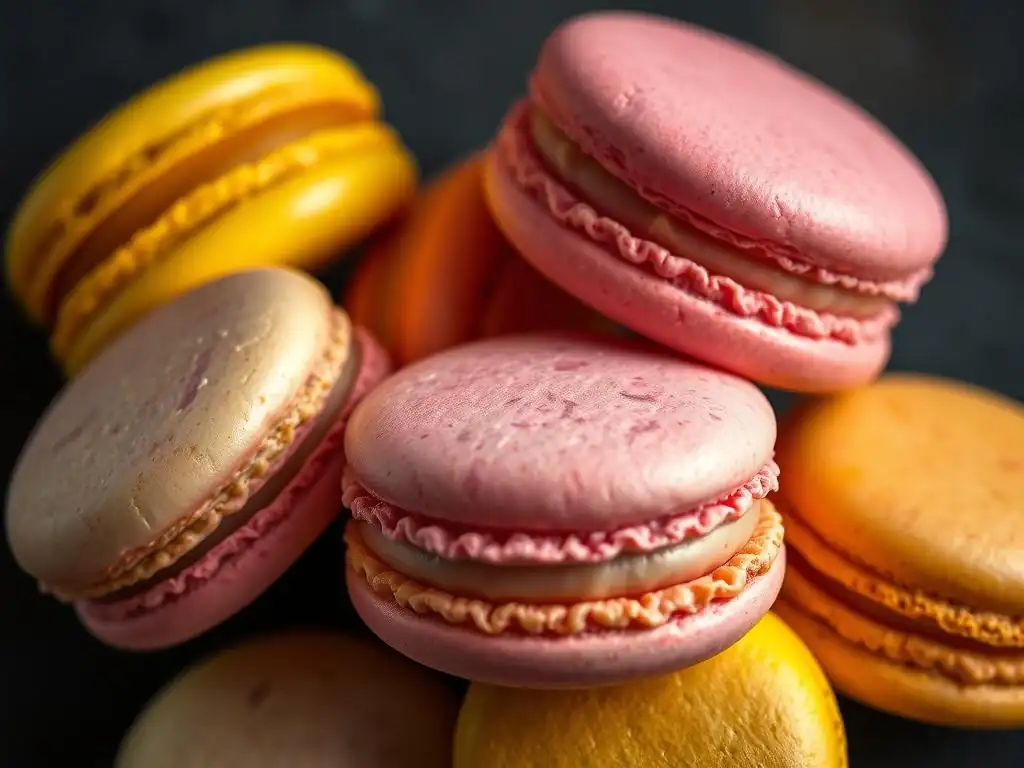
The "foot" (or pied) is the ruffled edge at the base of the macaron shell, created when the top of the shell sets during the resting phase and the batter expands upwards during baking. A well-developed foot is a strong indicator that your macaronage was correct, your shells rested sufficiently, and your oven temperature was appropriate.
Shells with a good foot tend to bake more evenly and have a better internal structure, which makes them ideal candidates for aging. If your shells consistently lack a foot or have a very small one, review your macaronage technique and resting time. A strong foot contributes to the structural integrity needed for the shell to properly absorb moisture and develop that desirable chewy texture during aging for your perfectly aged chewy macarons.
Experimenting with Flavors and Colors in Your Aged Macarons
Once you've mastered the basic perfectly aged chewy macarons recipe and aging technique, don't hesitate to get creative with flavors and colors. Use high-quality gel or powder food coloring (liquid coloring can add too much moisture) to tint your shells. Add flavor extracts (oil-based is best, water-based can affect meringue stability) or finely ground freeze-dried fruit powder to the dry ingredients for flavored shells.
The filling offers even more room for creativity. Explore different ganache flavors (white chocolate matcha, dark chocolate chili), fruit purees, nut butter fillings, or even savory options. Just remember that the filling's consistency and moisture level will affect the aging process, so you might need to adjust aging times slightly for very wet or very dry fillings. Experimenting adds a fun dimension to mastering perfectly aged chewy macarons!
Elevate Your Baking: Beyond the Perfectly Aged Macaron
Mastering the perfectly aged chewy macarons recipe is a significant achievement, but the world of French pastry and baking offers endless opportunities for learning and enjoyment. BakeWithEase is here to guide you as you expand your skills and explore new techniques and recipes.
Once you're comfortable with macarons, consider branching out into other delightful treats or refining your macaron skills further.
Other French Pastries to Explore on BakeWithEase
If you've enjoyed the precision and delicate results of macaron making, you might find joy in exploring other classic French pastries. Consider trying your hand at éclairs or cream puffs (choux pastry), which involve mastering a versatile dough used in many different applications.
Tarts, like Tarte au Citron or Tarte Tatin, offer a different challenge involving pastry crusts and fruit or cream fillings. Mille-feuille, with its layers of crisp puff pastry and rich pastry cream, is another rewarding project. Each pastry offers unique techniques and flavor profiles that will further hone your baking skills, building on the foundation learned from mastering the perfectly aged chewy macarons recipe.
Mastering Other Macaron Techniques: Swiss Meringue Macarons
While the French meringue method is common for macarons, exploring other techniques can offer different results and insights. The Swiss meringue method involves heating egg whites and sugar over a double boiler before whipping, resulting in a very stable, glossy meringue.
This stability can sometimes make the macaronage slightly different, but it often yields very consistent shells. Comparing macarons made with French meringue versus Swiss meringue can teach you a lot about the impact of meringue structure on the final shell and how it affects the aging process for perfectly aged chewy macarons. It's a great way to deepen your understanding of macaron science.
Enjoy Your Perfectly Aged and Chewy Macarons!
Frequently Asked Questions
How important is aging the macaron batter for a perfectly chewy macaron?
Aging the macaron batter is crucial for developing the right consistency. It allows the almond flour to hydrate properly, leading to a chewier texture and smoother shells.
What is the ideal amount of time to age macaron batter according to BakeWithEase?
While times can vary, BakeWithEase recommends aging the macaron batter for 30 to 60 minutes. This allows the batter to thicken slightly, which is essential for achieving the signature "feet."
Can I skip the aging process if I'm short on time?
Skipping the aging process is not recommended if you want chewy macarons. Without aging, the batter may be too thin, resulting in flat, cracked shells and a less desirable texture.
What ingredients are most important for achieving the chewy texture BakeWithEase promises?
The ratio of almond flour to sugar is critical, as is the quality of the egg whites. Using finely ground almond flour and properly aged egg whites contributes significantly to the chewiness.
What are some common mistakes that prevent macarons from being chewy, even with aging?
Over-mixing the batter after aging can deflate it, while under-baking will result in a gummy texture. Ensure proper oven temperature and avoid over-mixing after the macaronage for optimal chewiness.
Final Reflection: The Enduring Allure of the Perfectly Aged Macaron
The pursuit of the perfect macaron is more than just a culinary quest; it's a testament to patience, precision, and the enduring power of a perfectly balanced recipe. The journey detailed in this article, from understanding the science behind aging to mastering the delicate art of achieving that signature chewy texture, highlights the dedication required to create truly exceptional pastries. This isn't just about following a recipe; it's about understanding the why behind each step, leading to consistent success and the satisfaction of creating something truly special.
The impact of a perfectly aged macaron extends far beyond the individual experience of tasting it. It represents a connection to a rich culinary tradition, a symbol of artistry and skill, and a reminder that even the most seemingly simple things can hold immense beauty and complexity. The most beautiful things are the simplest,
a sentiment that perfectly encapsulates the elegance and understated perfection of a well-aged macaron. This pursuit of perfection, however, also reflects a broader cultural shift towards appreciating the value of slow processes and mindful creation in a fast-paced world.
Now, I invite you to consider your own approach to baking, and indeed, to life itself. Don't rush the process. Embrace the nuances, the subtle shifts in texture and flavor that come with time and patience. The next time you embark on a culinary adventure, remember the lessons learned here – the importance of precise measurements, the magic of aging, and the profound satisfaction of creating something truly exquisite. The perfectly aged, chewy macaron is not just a dessert; it's a metaphor for the rewards of dedication and mindful creation. Go forth and bake!
Unlock Your Macaron Mastery!
Thanks for joining us on this delicious journey into the world of perfectly aged and chewy macarons! We hope you've gained valuable insights into achieving that coveted texture. Ready to put your new knowledge to the test?
- Bake a batch of your own masterpiece macarons: Use the techniques we've discussed to create your perfect treat. Don't be afraid to experiment with flavors!
- Share your creations: Post a photo of your macarons on social media and tag us—we'd love to see your baking success! Use #BakeWithEaseMacarons.
- Challenge yourself: Try a new flavor combination inspired by what you’ve learned today! Think outside the box—what unexpected ingredients might elevate your macarons?
What unique flavor combination will you create next? Let us know in the comments below!