
Explore Greek Lagana: A Traditional Flatbread for Lent

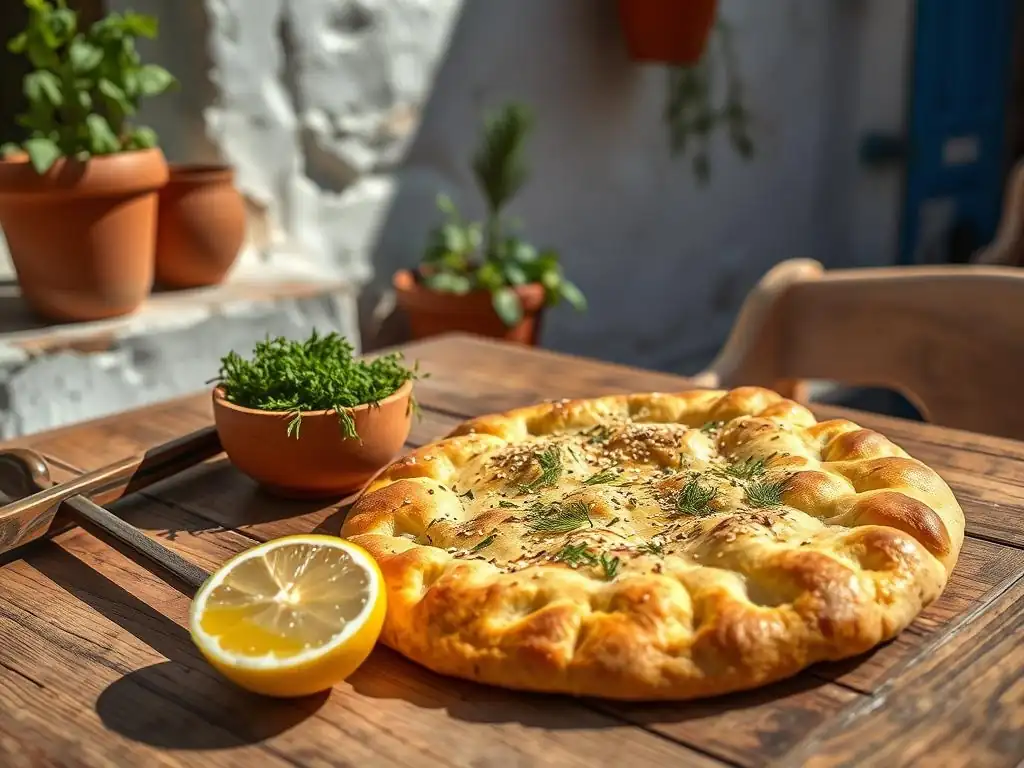
Welcome to BakeWithEase, where baking becomes a joy! Are you ready to unlock the secrets of traditional Greek baking? This week, we're diving into the heart of Lenten cuisine with an easy Greek Lagana recipe. Discover the simple techniques that bring this flavorful flatbread to life and learn how to create a taste of Greece in your own kitchen. Intrigued? Let's get baking!
- BakeWithEase Presents: Mastering Lagana, the Greek Lenten Flatbread
- What is Lagana? Unveiling the History of this Greek Flatbread
- Easy Greek Lagana Recipe: A Step-by-Step Baking Guide
- Shaping and Baking Your Homemade Lagana
- Tips for a Perfect Lagana Every Time
- Serving and Enjoying Your Homemade Lagana
- Embrace the Tradition: Bake Your Own Lagana with Ease
- Discover More Bread Recipes on BakeWithEase.com
- Frequently Asked Questions
- Final Reflection: The Enduring Simplicity of Lagana
- Unleash Your Inner Baker: Master the Art of Lagana!
BakeWithEase Presents: Mastering Lagana, the Greek Lenten Flatbread
Lagana is a beloved Greek flatbread, traditionally baked and enjoyed on Clean Monday (Kathara Deftera), which marks the start of Great Lent in the Eastern Orthodox Church. This unleavened or semi-leavened bread is distinctively oval-shaped, often topped with sesame seeds, and its surface is marked with dimples created by fingertips. Baking Lagana is a simple yet rewarding process, perfect for bakers looking to explore international bread traditions. With an easy Greek Lagana recipe, you can bring a piece of Greek heritage into your kitchen, even if you're new to bread making.
The simplicity of the Lagana recipe makes it accessible for home bakers. Unlike some complex breads that require multiple long rises or intricate shaping, Lagana is relatively quick to prepare. Its texture is typically chewy with a slightly crispy crust, making it ideal for scooping up dips or enjoying alongside traditional Lenten dishes. Following a clear, step-by-step guide allows anyone to successfully bake this delicious bread, contributing to a deeper appreciation of its cultural significance.
What is Lagana? Unveiling the History of this Greek Flatbread
Lagana: A Bread Steeped in Tradition
Lagana's history is deeply intertwined with ancient Greek and Roman baking practices. While its exact origins are debated, flatbreads have been a staple in the Mediterranean diet for thousands of years. The term "laganum" in Latin referred to a thin sheet of dough, which could be fried or baked. This historical connection suggests that Lagana is a descendant of very ancient bread forms, predating many leavened breads we know today. Over centuries, it evolved into the specific form recognized today, particularly associated with the start of the Lenten period.
Historically, Lagana was often baked in communal ovens, a practice common in many villages where households would bring their dough to be baked by a local baker. This tradition fostered a sense of community and shared experience around the bread. While most modern Lagana is baked in home ovens or commercial bakeries, the spirit of sharing and tradition remains. Its simple ingredients – flour, water, yeast (or sometimes just water for an unleavened version), salt, and olive oil – reflect a time when food was more basic and tied to agricultural cycles.
The Significance of Lagana During Lent in Greece
Lagana holds a special place in Greek culture, primarily as the symbolic bread of Clean Monday (Kathara Deftera). This day marks the official beginning of the 40-day Great Lent, a period of fasting and reflection leading up to Easter. The Lenten fast traditionally involves abstaining from meat, dairy, fish (except shellfish), and sometimes olive oil. Lagana, being a simple bread often made without dairy or eggs, fits perfectly within these dietary restrictions, making it a permissible and traditional food for the day.
The act of baking and sharing Lagana on Clean Monday is a cultural ritual. Families gather to enjoy a Lenten meal, often outdoors, featuring Lagana as a central element alongside other fasting-friendly foods like taramosalata (fish roe dip), halva, olives, and various salads. The bread symbolizes the cleansing and simplicity associated with the start of the Lenten journey. Its preparation and consumption reinforce cultural identity and connection to religious traditions, making it far more than just a simple loaf of bread.
Easy Greek Lagana Recipe: A Step-by-Step Baking Guide
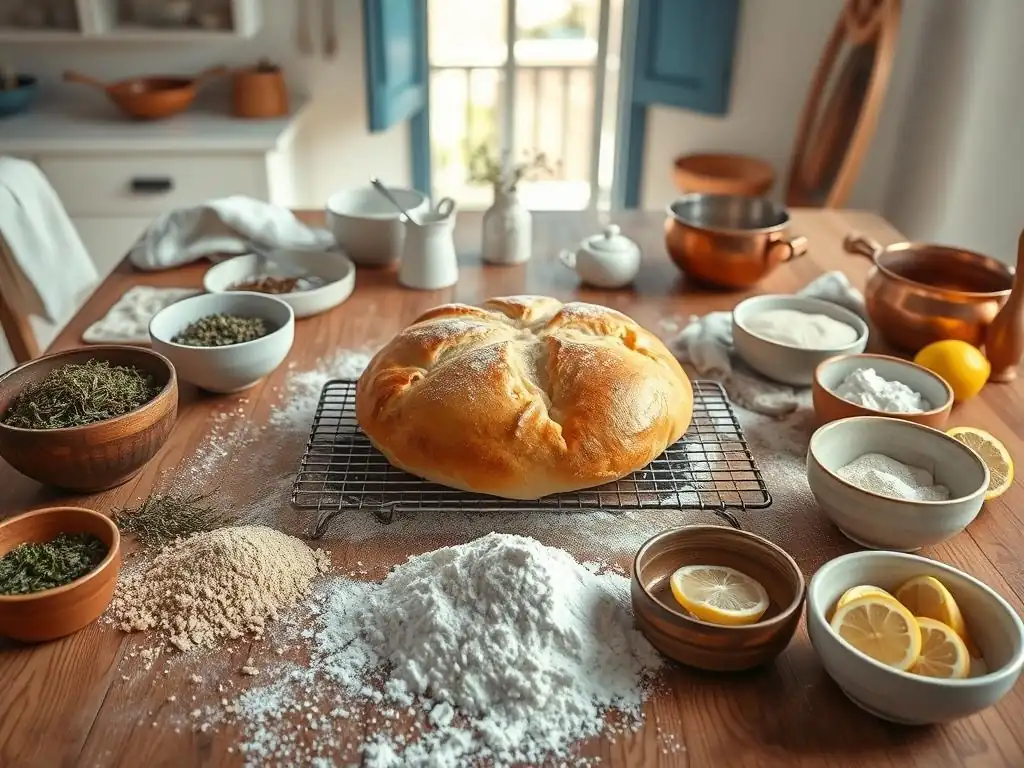
Creating an easy Greek Lagana recipe at home is straightforward and requires minimal special equipment. The process generally involves mixing the dough, allowing it to rise, shaping, and baking. The key to success lies in understanding the role of each ingredient and following the steps patiently. This section will guide you through the necessary components and the initial stages of dough preparation, ensuring even beginners can achieve a delicious result.
Embarking on this baking project is a wonderful way to explore different bread textures and flavors. An easy Greek Lagana recipe is often less intimidating than complex enriched doughs or sourdoughs. The forgiving nature of a simple flatbread dough makes it an excellent starting point for those new to yeast baking. By breaking down the process into manageable steps, you can build confidence in your baking skills while creating a culturally significant bread.
Ingredients for Authentic Lagana
The beauty of Lagana lies in its simplicity, using basic pantry staples. An authentic easy Greek Lagana recipe typically calls for just a few core ingredients: flour, water, yeast, salt, and olive oil. Some variations might include a pinch of sugar to help activate the yeast, or a bit of vinegar for texture, but the fundamental components remain minimal. High-quality olive oil is particularly important as it contributes significantly to the flavor and texture of the finished bread.
Gathering your ingredients before you begin is crucial for a smooth baking process. While the list is short, ensuring you have fresh yeast and good quality flour will make a noticeable difference in the final product. Approximately 500 grams of flour is a common amount for a single large Lagana or two smaller ones, yielding a bread substantial enough for a family to share. The hydration level (water amount) is also key to achieving the characteristic chewiness.
Flour Selection for the Perfect Lagana Dough
For an easy Greek Lagana recipe, a standard all-purpose flour (plain flour) is usually sufficient and works well for beginners. This type of flour provides a good balance of gluten development, allowing the dough to be pliable and hold its shape without being overly tough. Look for a medium-protein flour, typically ranging from 10% to 12% protein content. This will give you enough structure for the flatbread form.
Some traditional bakers might prefer using a mix, perhaps incorporating a small amount of bread flour for extra chewiness or a touch of whole wheat flour for flavor complexity. However, starting with a reliable all-purpose flour simplifies the process and is perfectly suitable for an authentic result. Ensure the flour is fresh and stored properly to avoid any off-flavors or issues with gluten development.
Key Ingredients and Their Role in Lagana
Yeast is the leavening agent in most modern Lagana recipes, providing the airy texture and slight rise. Instant dry yeast or active dry yeast can be used; approximately 7 grams (one standard packet) is typically enough for 500 grams of flour. Active dry yeast usually needs to be proofed (activated in warm water) first, while instant yeast can often be mixed directly with the dry ingredients.
Salt is essential for flavor and also helps control the yeast activity and strengthens the gluten structure. Around 8-10 grams of fine sea salt per 500 grams of flour is a good starting point. Olive oil adds richness, tenderness, and flavor to the dough, as well as helping to create a slightly crispy crust. Approximately 2-3 tablespoons of extra virgin olive oil incorporated into the dough is common. Water, preferably lukewarm (around 35-40°C or 95-105°F) for activating yeast, hydrates the flour and allows gluten to develop, forming the dough structure.
Preparing the Lagana Dough: A Simple Method
Preparing the dough for an easy Greek Lagana recipe is a straightforward process that can be done by hand or with a stand mixer. The goal is to bring the ingredients together into a cohesive, slightly sticky dough that is elastic enough to stretch without tearing. This initial mixing and kneading phase is crucial for developing the gluten network that will give the Lagana its characteristic chew.
Allowing the dough adequate time to rest and rise after kneading is just as important as the mixing itself. This fermentation process develops flavor and texture. While some complex bread doughs require overnight fermentation, a simple Lagana dough can often be ready for shaping after a single rise of 60 to 90 minutes, depending on the room temperature and yeast activity.
Step 1: Activating the Yeast for Lagana
If using active dry yeast for your easy Greek Lagana recipe, you must activate it first. In a small bowl, combine the yeast with lukewarm water (around 35-40°C or 95-105°F) and a pinch of sugar (if using). The water should feel warm, not hot, to the touch – water that is too hot can kill the yeast. Stir gently and let the mixture sit for 5-10 minutes.
You'll know the yeast is active and ready to use when it becomes foamy and bubbly on the surface. This indicates that the yeast organisms are alive and feeding on the sugar. If the mixture doesn't show signs of activity after 10-15 minutes, your yeast may be old or the water temperature was incorrect, and you should start again with fresh yeast. If using instant dry yeast, you can often skip this step and mix it directly with the flour, following the package instructions.
Step 2: Mixing and Kneading the Lagana Dough
In a large mixing bowl (or the bowl of a stand mixer), combine the flour and salt. If using instant yeast, mix it in with the dry ingredients. Create a well in the center. Pour the activated yeast mixture (or the lukewarm water if using instant yeast mixed with flour) and the olive oil into the well. Begin to mix the ingredients together using a spoon, spatula, or the dough hook of your stand mixer.
Continue mixing until a shaggy dough forms. Turn the dough out onto a lightly floured surface and knead by hand for about 8-10 minutes, or use a stand mixer with a dough hook on medium speed for 6-8 minutes. Knead until the dough is smooth, elastic, and no longer excessively sticky. It should pass the windowpane test, where a small piece can be stretched thinly enough to see light through it without tearing.
Step 3: First Rise: Allowing the Dough to Develop
Once the dough is kneaded, form it into a smooth ball. Lightly grease a clean bowl with olive oil and place the dough inside, turning it to coat all sides. Cover the bowl tightly with plastic wrap or a clean damp kitchen towel. Place the bowl in a warm, draft-free place to rise. An oven with the light on (but the oven off) is often a good spot.
Allow the dough to rise for approximately 60-90 minutes, or until it has roughly doubled in size. The exact time will vary depending on the temperature of your kitchen. This first rise, also known as bulk fermentation, is crucial for developing flavor and texture in the dough. Be patient and resist the urge to rush this step.
Shaping and Baking Your Homemade Lagana
After the first rise, your Lagana dough is ready to be shaped and prepared for baking. The distinctive oval shape and surface dimples are key characteristics of this traditional bread. This stage is relatively quick compared to the rising time, allowing you to see the final form of your easy Greek Lagana recipe come to life.
Getting the shaping right contributes not only to the visual appeal but also to the texture. The relatively thin form ensures a good crust-to-interior ratio, while the dimples prevent the bread from puffing up too much in the oven, maintaining its flatbread nature. Applying toppings like sesame seeds before baking also helps them adhere properly.
Step 4: Shaping the Lagana Flatbread
Gently turn the risen dough out onto a lightly floured surface. Avoid punching the air out aggressively; you want to preserve some of the bubbles created during the first rise. If you made a single large batch of dough, you can shape it into one large oval. Alternatively, you can divide the dough into two equal pieces for smaller Laganas.
Pat or gently stretch the dough into an elongated oval shape, approximately 1-2 cm thick. You can use your hands or a rolling pin very gently. The traditional shape is somewhat rustic and uneven, so don't strive for perfect symmetry. Aim for a shape that fits comfortably on your baking sheet.
Creating the Characteristic Lagana Oval Shape
To create the oval shape, start by gently pressing the dough outwards from the center. You can use the palms of your hands or your fingertips. Work your way around the dough, gradually extending it into an elongated form. If the dough resists stretching, let it rest for 5-10 minutes (covered) to allow the gluten to relax, then try again.
Once you have achieved the desired thickness and oval shape, carefully transfer the dough to a baking sheet lined with parchment paper or lightly dusted with cornmeal or semolina. This helps prevent sticking and gives the bottom crust a nice texture. Ensure there is enough space around the dough if you are baking multiple Laganas on one sheet.
Traditional Lagana Decoration: Sesame Seeds and Dimples
Before the final proofing and baking, Lagana is traditionally decorated. Lightly brush the surface of the shaped dough with a little water or olive oil – this helps the toppings stick. Sprinkle generously with sesame seeds. White sesame seeds are classic, but you can also use black sesame seeds or a mix for visual contrast.
The most iconic feature of Lagana is the dimpled surface. Using your fingertips (dip them in flour or water if the dough is sticky), press firmly down into the dough across the entire surface, creating indentations. These dimples prevent the bread from rising too much in the center during baking and give it its unique appearance. After dimpling and adding seeds, let the shaped dough rest for 15-20 minutes while you preheat the oven.
Step 5: Baking the Lagana to Golden Perfection
Preheating your oven to the correct temperature is crucial for achieving a well-baked Lagana with a good crust. A hot oven helps the bread rise quickly initially (oven spring) and ensures the crust develops properly. Baking Lagana at a relatively high temperature is typical for flatbreads to achieve a crispy exterior while keeping the interior soft.
Monitoring the bread as it bakes is important, as baking times can vary slightly depending on your oven. You're looking for a specific visual cue – a beautiful golden-brown color – to know when your Lagana is ready. Don't be afraid to check on it and adjust the time slightly if needed.
Optimal Oven Temperature for Lagana
For an easy Greek Lagana recipe, a high oven temperature is recommended. Preheat your oven to around 220°C (425°F). If you have a baking stone or steel, place it in the oven while it preheats and bake the Lagana directly on it (using parchment paper for easy transfer) for an even crispier bottom crust. Otherwise, baking on a standard baking sheet works perfectly fine.
Ensure the oven is fully preheated before placing the bread inside. This usually takes at least 20-30 minutes after the oven indicates it has reached the temperature. A hot oven ensures that the moisture in the dough turns to steam quickly, helping the bread expand and set its structure before the crust hardens too much.
Baking Time and Monitoring for Doneness
Bake the shaped Lagana in the preheated oven for approximately 20-30 minutes. The exact baking time will depend on the thickness of your bread and your oven's calibration. Begin checking the Lagana around the 20-minute mark.
The Lagana is done when it has a beautiful golden-brown color on top and the bottom crust is firm and also golden. If you tap the bottom of the bread, it should sound hollow. If the top is browning too quickly, you can loosely tent it with aluminum foil. Remove the Lagana from the oven and transfer it to a wire rack to cool slightly before slicing.
Tips for a Perfect Lagana Every Time
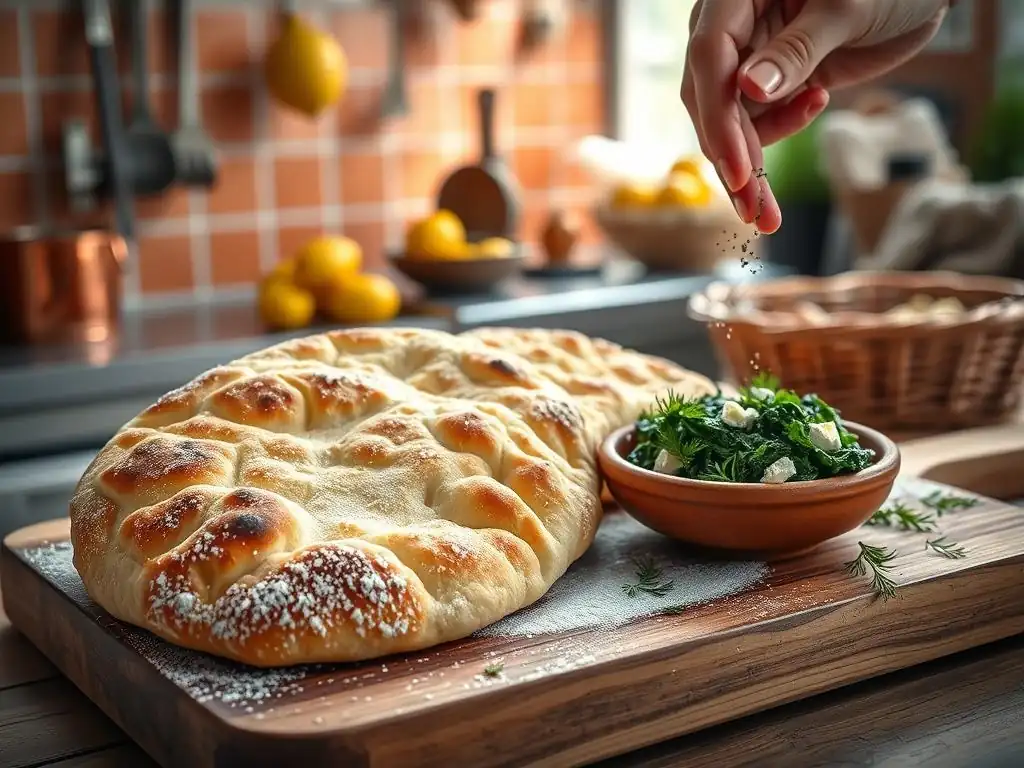
Achieving a perfect Lagana is within reach for any home baker following an easy Greek Lagana recipe. Paying attention to a few key details regarding texture, troubleshooting common issues, and proper storage can elevate your results from good to great. These tips are based on common baking experiences and aim to help you avoid potential pitfalls.
Understanding how the dough should feel at different stages and knowing how to react if something doesn't look quite right are valuable skills in baking. Donana dough is relatively forgiving, but being aware of potential issues like stickiness or lack of rise can help you correct them before they ruin your loaf.
Achieving the Right Texture: Soft Interior, Crispy Crust
The ideal Lagana texture is a balance: a soft, slightly chewy interior crumb contrasted with a wonderfully crispy bottom and top crust. This is achieved through a combination of factors: proper hydration in the dough, sufficient gluten development during kneading, high-temperature baking, and the addition of olive oil.
Don't over-knead the dough to the point where it becomes tough, but ensure it is elastic enough to stretch. The initial high heat of the oven creates steam within the dough, which helps keep the interior moist while the exterior quickly forms a crust. Baking directly on a hot surface like a baking stone or steel further enhances the crispness of the bottom crust.
Troubleshooting Common Lagana Baking Issues
Even with an easy Greek Lagana recipe, sometimes things don't go exactly as planned. Common issues include dough that is too sticky to handle, or bread that doesn't rise as much as expected. Knowing how to address these can save your bake and help you learn for next time.
Most baking problems have simple solutions once you identify the cause. Paying close attention to ingredient measurements, especially flour and water, and ensuring your yeast is active are fundamental steps to prevent many issues before they arise.
Dough Too Sticky? Solutions for Lagana Dough
If your Lagana dough is excessively sticky after kneading, it likely has too much hydration (water). This can happen due to variations in flour absorption or inaccurate measuring. Don't panic! The simplest solution is to add a small amount of flour, a tablespoon at a time, while kneading.
Continue kneading and adding flour sparingly until the dough is manageable and no longer adheres excessively to your hands or the work surface. It should still be slightly tacky, but you should be able to knead it without constant sticking. Avoid adding too much flour, as this can result in a dry, dense bread.
Lagana Not Rising Properly? Troubleshooting Tips
If your Lagana dough isn't rising adequately during the first rise, the most probable causes are inactive yeast, too-cold conditions, or insufficient kneading. First, double-check your yeast – was it fresh? If you proofed it, did it get foamy? If not, your yeast might be dead, and you'll need to start over with fresh yeast.
Ensure your rising environment is warm and draft-free. The ideal temperature is typically between 24-27°C (75-80°F). If your kitchen is cold, find a warmer spot, like inside an oven with just the light on. Also, ensure you kneaded the dough enough to develop gluten; poor gluten structure can hinder rising. Give the dough a little more time in a warm spot, and it might eventually come to life.
Storing Your Freshly Baked Lagana
Lagana is best enjoyed fresh, ideally within a few hours of baking when the crust is at its crispiest. However, if you have leftovers, store them properly to maintain quality. Allow the Lagana to cool completely on a wire rack before storing.
Once cool, the Lagana can be stored at room temperature for 1-2 days. Wrap it tightly in plastic wrap or place it in a bread bag to prevent it from drying out. For longer storage, you can freeze Lagana. Wrap it tightly in plastic wrap and then in aluminum foil or place it in a freezer-safe bag. Frozen Lagana can last for up to 2-3 months. Thaw at room temperature and reheat gently in the oven (around 180°C or 350°F) for a few minutes to refresh the crust before serving.
Serving and Enjoying Your Homemade Lagana
Serving homemade Lagana is a simple pleasure, particularly when shared with family and friends. Its versatility makes it a wonderful accompaniment to a wide range of dishes, especially those traditionally eaten during the Lenten period or other Mediterranean meals. The simple, slightly savory flavor of the bread complements many different flavors.
Whether you slice it, tear it, or use it for dipping, Lagana is designed to be enjoyed with other foods. Presenting it warm from the oven enhances its aroma and texture. Consider the traditional pairings to fully immerse yourself in the cultural experience of enjoying this special Greek bread.
Traditional Ways to Serve Lagana
Traditionally, Lagana is the star of the Clean Monday table. It is served alongside a variety of fasting-friendly dips and spreads. These include taramosalata (a creamy dip made from cured fish roe), melitzanosalata (roasted eggplant dip), fava (split pea puree), and skordalia (garlic potato dip).
Lagana is also excellent served simply with good quality olive oil and maybe a sprinkle of dried oregano. It's perfect for tearing off pieces to scoop up dips directly from the bowl. Beyond Clean Monday, Lagana can be enjoyed year-round as a side bread with soups, stews, or salads, much like other flatbreads.
Lagana Pairing Suggestions: Dips, Soups, and Salads
Beyond the traditional Lenten dips, homemade Lagana pairs wonderfully with a variety of other dishes. Serve it alongside a hearty lentil soup or a simple vegetable soup for a comforting meal. Its sturdy yet flexible texture makes it ideal for dipping into broth.
For a lighter meal, pair Lagana with fresh salads. A classic Greek salad with tomatoes, cucumbers, olives, and feta (if not fasting) is a perfect match. Even a simple green salad benefits from a side of warm, crispy Lagana. Consider serving it with hummus, tzatziki, or other Mediterranean dips for a mezze-style spread.
Embrace the Tradition: Bake Your Own Lagana with Ease
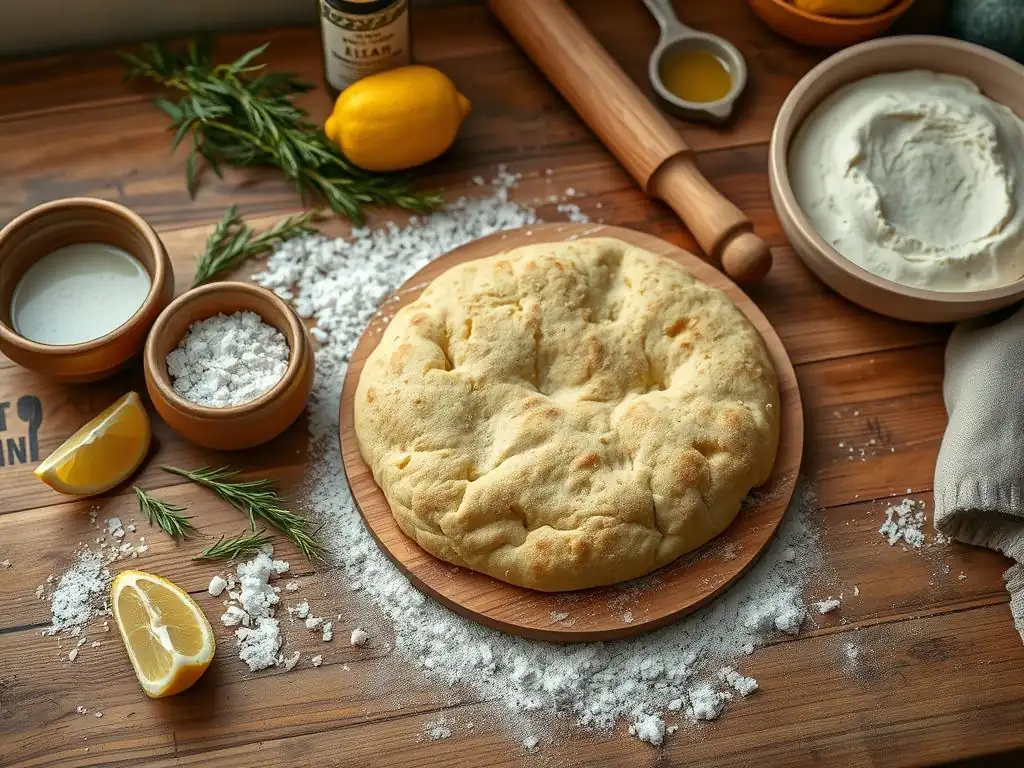
Baking your own Lagana using an easy Greek Lagana recipe is a rewarding experience that connects you to a rich cultural and historical tradition. It's a testament to the beauty of simple ingredients coming together to create something truly special. Whether you're observing Lent or simply exploring international breads, Lagana offers a unique baking challenge that is entirely achievable for bakers of all skill levels.
The process, from activating the yeast to shaping the dimpled surface and finally enjoying the warm bread, is a journey worth taking. Don't be intimidated; embrace the simplicity and rustic nature of this bread. Your first attempt might not be perfectly shaped, but it will be delicious and made with your own hands. This easy Greek Lagana recipe is designed to guide you smoothly through each step, ensuring a successful and enjoyable baking experience.
Discover More Bread Recipes on BakeWithEase.com
Frequently Asked Questions
What is Lagana and when is it traditionally eaten?
Lagana is a Greek flatbread traditionally baked and consumed on Clean Monday, the first day of Great Lent. It's a simple, unleavened bread.
What makes Lagana different from other types of bread?
Lagana is distinct due to its lack of yeast (or minimal yeast in some variations) and its flat shape. It's often adorned with sesame seeds.
What are the key ingredients needed for an easy Lagana recipe?
Typically, you'll need flour, water, olive oil, salt, and sometimes a small amount of baking powder or yeast. Sesame seeds are essential for topping.
Can I make Lagana without using any yeast at all?
Yes, you can! Many traditional Lagana recipes are completely yeast-free, relying on the simplicity of the other ingredients for its texture.
What are some tips for achieving the perfect texture and taste in my Lagana?
Ensure your dough isn't too dry, and don't over-bake it. Generously drizzle with olive oil both before and after baking for enhanced flavor and moisture.
Final Reflection: The Enduring Simplicity of Lagana
The humble lagana, a seemingly simple flatbread, speaks volumes about the enduring power of tradition and the comforting embrace of culinary heritage. Its ease of preparation belies a rich history interwoven with the rhythms of the Greek Orthodox Lent, a testament to the ingenuity of resourceful cooks across generations. This easy-to-make bread transcends its basic ingredients, becoming a symbol of resilience and shared experience.
Lagana's influence extends far beyond the kitchen; it's a tangible link to family gatherings, whispered stories shared around tables laden with this delicate bread, and the comforting familiarity of a ritual passed down through time. It's more than just a recipe; it's a cultural touchstone. Food is symbolic of love when words are inadequate.
- Alan D. Wolfelt. This quote perfectly captures the emotional resonance of lagana, a simple food imbued with profound meaning.
Now, as you consider the simple elegance of this traditional recipe, I invite you to embrace the spirit of lagana. Try your hand at making it, not just for the delicious taste, but for the opportunity to connect with a rich culinary history and perhaps even create your own cherished memories around this humble yet extraordinary flatbread. Let the aroma of baking lagana fill your home, a fragrant reminder of the enduring power of tradition and the simple joys of shared meals.
Unleash Your Inner Baker: Master the Art of Lagana!
Thanks for joining us on this delicious journey into the world of Greek Lagana! We hope you've gained a newfound appreciation for this simple yet versatile flatbread. Ready to put your newfound knowledge to the test?
- Bake your own Lagana! Use the recipe we provided (or your own creative twist!) and experience the satisfaction of making this traditional treat from scratch. Imagine the aroma filling your kitchen!
- Share your Lagana creations! Post a picture on social media and tag us – we'd love to see your culinary masterpiece.
- Explore other Lent-friendly recipes on BakeWithEase.com for more baking inspiration. Maybe you'll discover your next favorite!
What unique ingredient will you add to your Lagana to make it truly your own?