
Layered Cakes of Eastern Europe: Simple Recipes to Try

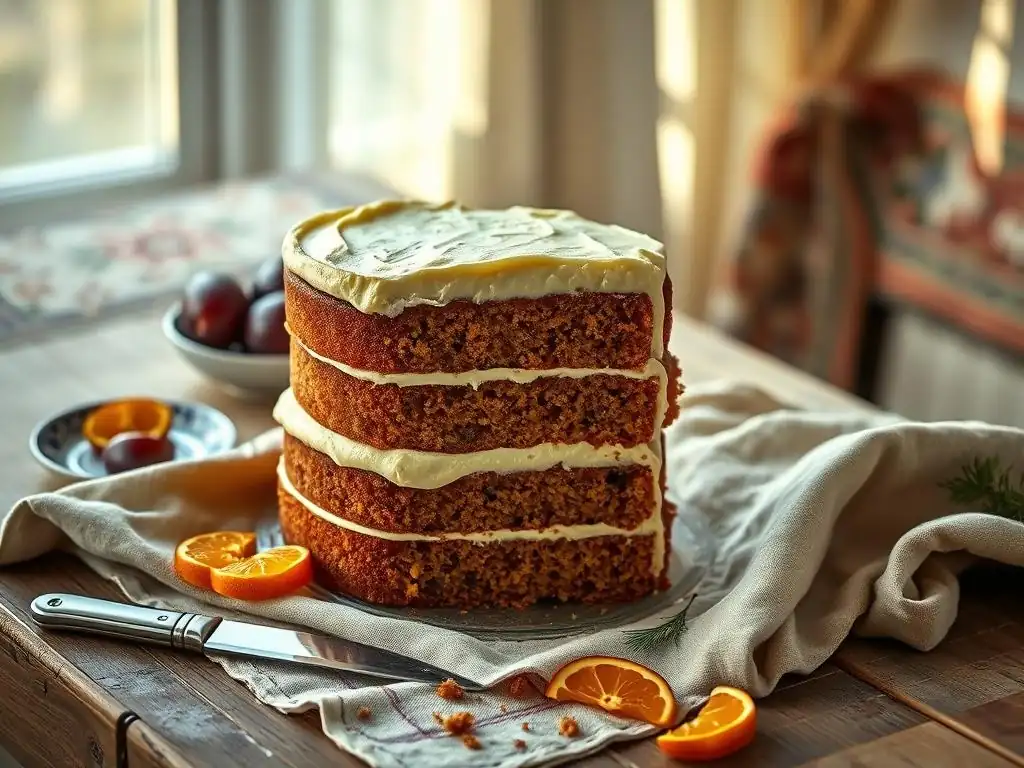
Welcome to BakeWithEase, your trusted guide to effortless baking! Ever wondered about the secrets behind the stunning, multi-layered cakes of Eastern Europe? Prepare to be amazed. We're diving deep into the world of Eastern European layered cake recipes, unlocking simple techniques and sharing authentic flavors that will transport your taste buds. Curious to learn how to create these impressive desserts with ease? Let's get baking!
- BakeWithEase: Discover Delicious Layered Cake Recipes
- Exploring Layered Cakes
- Layered Cake Recipes for Home Bakers
- Tips for Baking Perfect Layered Cakes
- Variations and Modern Twists on Traditional Recipes
- Storing and Serving Your Layered Cakes
- Embrace the Art of Baking with Layered Cakes
-
Frequently Asked Questions
- How difficult are Eastern European layered cake recipes to make for a beginner?
- What kind of ingredients are typically used in Eastern European layered cakes?
- Can I find Eastern European layered cake recipes suitable for specific dietary needs, such as gluten-free or vegan?
- Where can I find detailed, step-by-step instructions for making these cakes?
- What are some popular examples of Eastern European layered cakes that BakeWithEase.com features?
- Final Reflection: A Slice of History, A Taste of Home
- Unlock the Secrets of Eastern European Baking!
BakeWithEase: Discover Delicious Layered Cake Recipes
Welcome to BakeWithEase! If you're looking to expand your baking repertoire, exploring the rich and diverse world of Eastern European layered cake recipes is a fantastic place to start. These cakes are not just desserts; they are often edible masterpieces, steeped in tradition and packed with incredible flavor. From honeyed layers to decadent chocolate and fruit combinations, Eastern European layered cakes offer a unique challenge and immense reward for any home baker. Let's dive into this fascinating corner of the baking world.
Exploring Layered Cakes
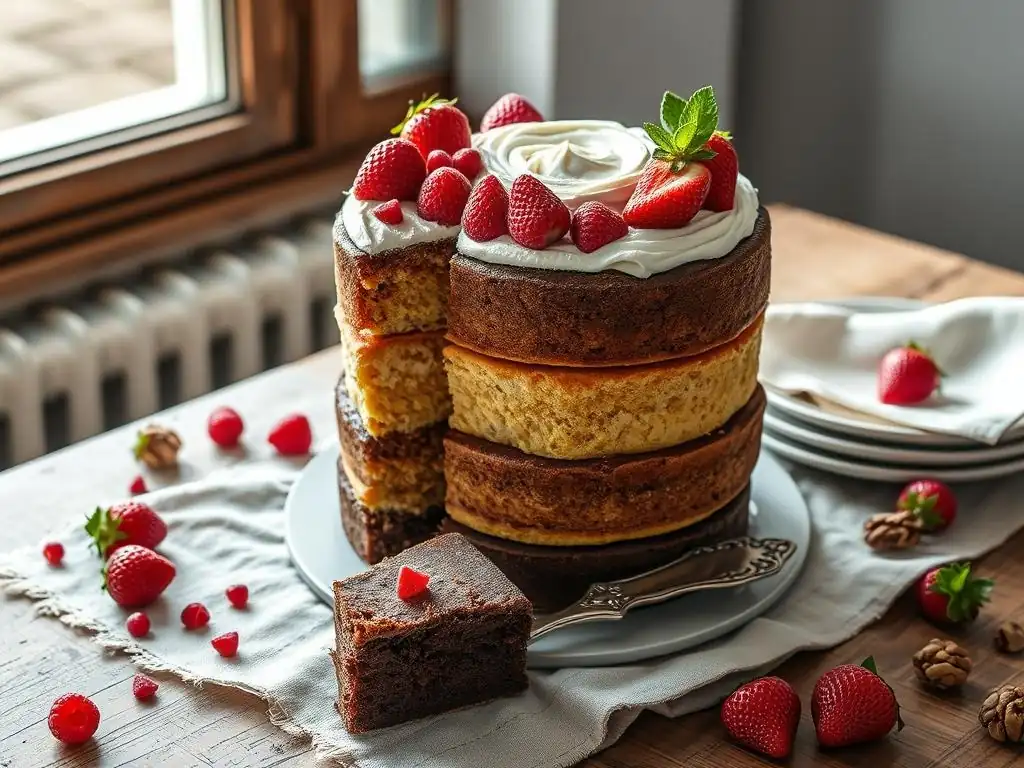
Layered cakes hold a special place in the hearts of many, representing celebration, skill, and often, cherished family traditions. The concept of stacking multiple cake layers with luscious fillings and frostings is universal, but Eastern Europe boasts a particularly impressive array of variations, each with its own history and character. Mastering the art of creating a beautiful, stable, and delicious Eastern European layered cake is a rewarding journey for bakers of all levels.
A Journey Through Baking Traditions
The history of Eastern European layered cake recipes is deeply intertwined with regional culinary developments and cultural exchanges. Many classic recipes, such as the Hungarian Dobos Torte or the Russian Medovik (Honey Cake), evolved over centuries, often influenced by French patisserie techniques that spread across Europe in the 18th and 19th centuries. This fusion resulted in cakes characterized by numerous thin layers, rich buttercreams, fruit preserves, and often, unique components like caramelized sugar tops or intricate nut-based layers.
For example, the iconic Hungarian Dobos Torte, invented in 1885 by József Dobos, features seven thin sponge layers filled with chocolate buttercream and topped with hard caramel slices. This cake was revolutionary for its time due to its structure and use of buttercream, which allowed for better keeping qualities than traditional whipped cream fillings. Similarly, Polish specialties often incorporate poppy seeds or farmer's cheese, while Russian cakes might feature condensed milk or sour cream in their fillings, showcasing distinct regional ingredient preferences that define specific Eastern European layered cake recipes.
Why Layered Cakes are Special
Layered cakes are special because they offer a multi-sensory experience that single-layer cakes simply cannot replicate. The interplay of textures – soft sponge, smooth cream, perhaps a crunch from nuts or caramel – creates a complex and delightful bite. Building a layered cake is also a process that requires patience and precision, transforming simple ingredients into something truly spectacular. The visual appeal of a tall, beautifully decorated cake is undeniable, making them perfect for special occasions.
Furthermore, many traditional Eastern European layered cake recipes are known for their ability to improve over time. Cakes like Medovik or Prague Cake (Pražský dort) often benefit from chilling for 24-48 hours, allowing the fillings to soften the cake layers and meld the flavors together into a more cohesive and moist dessert. This characteristic sets them apart from many Western cakes that are best enjoyed fresh, adding another layer of uniqueness to these beloved Eastern European layered cake recipes.
Layered Cake Recipes for Home Bakers
Ready to try making your own Eastern European layered cake? Here are a few recipes, simplified for the home baker, that capture the essence of these incredible desserts. While strictly traditional versions can be complex, these adaptations aim to provide a taste of the region with manageable steps.
Recipe 1: Chocolate Raspberry Layer Cake
This recipe is inspired by the rich chocolate cakes found throughout Eastern Europe, often paired with bright fruit flavors. It features moist chocolate sponge layers and a vibrant raspberry filling, balanced by a smooth chocolate ganache or buttercream. It’s a delightful introduction to Eastern European layered cake recipes with a familiar flavor profile.
Chocolate Raspberry Layer Cake: Ingredients and Equipment
To bake this cake, you'll need common baking ingredients and equipment. Ingredients:
- 200g all-purpose flour
- 300g granulated sugar
- 90g unsweetened cocoa powder (Dutch-processed preferred)
- 1.5 tsp baking soda
- 0.75 tsp baking powder
- 0.75 tsp salt
- 2 large eggs
- 240ml buttermilk
- 240ml hot water
- 120ml vegetable oil
- 1 tsp vanilla extract
- For Filling: 300g fresh or frozen raspberries, 50g sugar, 1 tbsp cornstarch
- For Frosting: 200g dark chocolate, 200ml heavy cream
Equipment:
- Two 8-inch round cake pans
- Parchment paper
- Mixing bowls (at least 3)
- Whisk
- Spatula
- Measuring cups and spoons
- Small saucepan
- Wire rack
- Offset spatula or bench scraper for frosting
Chocolate Raspberry Layer Cake: Step-by-Step Baking Instructions
Here is a simple guide to baking this delicious cake.
- Preheat your oven to 175°C (350°F). Grease and flour two 8-inch cake pans, then line the bottoms with parchment paper.
- In a large bowl, whisk together the flour, sugar, cocoa powder, baking soda, baking powder, and salt. This dry mixture forms the base of your sponge layers.
- In a separate bowl, whisk together the eggs, buttermilk, oil, and vanilla extract. Pour the wet ingredients into the dry ingredients and mix until just combined. The batter will be thick.
- Carefully stir in the hot water. The batter will become quite thin; this is normal and helps create a moist cake.
- Divide the batter evenly between the two prepared pans. Bake for 30-35 minutes, or until a wooden skewer inserted into the center comes out clean. Let the cakes cool in the pans for 10 minutes before inverting them onto a wire rack to cool completely.
- While the cakes cool, make the raspberry filling. In a saucepan, combine raspberries and sugar. Cook over medium heat until the raspberries break down. Mix cornstarch with 2 tbsp water, add to the pan, and stir until thickened. Let cool completely.
- Prepare the chocolate ganache frosting. Heat the heavy cream in a saucepan until it just begins to simmer. Remove from heat, add the chopped dark chocolate, and let sit for 5 minutes. Whisk until smooth and glossy. Let cool at room temperature, stirring occasionally, until it reaches a spreadable consistency (this can take 1-2 hours, or speed up by chilling slightly, stirring often).
Chocolate Raspberry Layer Cake: Decorating and Serving Tips
Once your cake layers and fillings are cool, it's time to assemble and decorate your Eastern European layered cake.
- Use a serrated knife to level the tops of the cooled cake layers if necessary, creating flat surfaces for stacking.
- Place one cake layer on your serving plate or cake stand. Spread the cooled raspberry filling evenly over the layer, leaving a small border around the edge to prevent it from squeezing out.
- Carefully place the second cake layer on top of the filling.
- Apply a thin "crumb coat" of the chocolate ganache all over the cake to trap any loose crumbs. Chill the cake in the refrigerator for about 20-30 minutes until the crumb coat is firm.
- Apply the remaining ganache to frost the cake smoothly using an offset spatula. You can create swirls or a smooth finish.
- For serving, garnish with fresh raspberries, chocolate shavings, or a sprinkle of cocoa powder. Slice using a sharp, warm knife for clean cuts. This Eastern European layered cake recipe adaptation is best served at room temperature after chilling to allow the flavors to develop.
Recipe 2: Lemon Blueberry Layer Cake
Inspired by the use of fresh fruits and lighter flavors often found in summer Eastern European desserts, this cake combines bright lemon sponge with a sweet blueberry filling and a simple glaze. It’s a refreshing alternative to heavier, cream-filled Eastern European layered cake recipes.
Lemon Blueberry Layer Cake: Key Ingredients for Authentic Flavor
The key to this cake's bright, authentic flavor lies in using fresh ingredients, particularly real lemon zest and juice, and ripe blueberries.
- 220g all-purpose flour
- 200g granulated sugar
- 2 tsp baking powder
- 0.5 tsp salt
- 120g unsalted butter, softened
- 2 large eggs
- 1 tsp vanilla extract
- 180ml milk
- Juice and zest of 1-2 large lemons (about 3-4 tbsp juice, 1 tbsp zest)
- For Filling: 300g blueberries (fresh or frozen), 50g sugar, 1 tbsp cornstarch
- For Glaze: 150g powdered sugar, 2-3 tbsp lemon juice
Using fresh lemon zest is crucial as it contains the flavorful oils that give a true citrus punch, unlike bottled lemon juice which provides acidity but lacks the aromatic depth. The blueberries, whether fresh or frozen, should be cooked down into a compote-like filling, which concentrates their flavor and provides a lovely contrast to the light lemon sponge.
Lemon Blueberry Layer Cake: Assembling the Layers
Assembling this lighter Eastern European layered cake is straightforward once the components are ready.
- Ensure your two 8-inch lemon sponge layers are completely cool and leveled if needed.
- Spread the cooled blueberry filling evenly over the first cake layer, leaving a small border.
- Carefully place the second cake layer on top.
- Since this cake uses a glaze rather than a thick frosting, a crumb coat isn't strictly necessary unless you want a very smooth finish before glazing. You can apply a thin layer of glaze or a simple thin buttercream if preferred, chill, then apply the main glaze.
- Alternatively, pour the lemon glaze (made by whisking powdered sugar and lemon juice until smooth) over the top center of the cake, allowing it to drip down the sides naturally. Use a spoon or offset spatula to encourage drips if desired.
Lemon Blueberry Layer Cake: Achieving the Perfect Glaze
A perfect glaze for this cake should be smooth, pourable, and set with a slight opacity.
- Start by sifting your powdered sugar to remove any lumps – this is vital for a smooth glaze.
- Add the lemon juice one tablespoon at a time, mixing thoroughly after each addition, until you reach your desired consistency. For a thinner, more translucent glaze, add a little more juice. For a thicker, more opaque glaze, use less juice or add a tiny bit more powdered sugar.
- The glaze should be thick enough to coat the back of a spoon but thin enough to pour and spread easily.
- Pour the glaze over the cooled cake. If the cake is warm, the glaze will melt and become too thin.
- Allow the glaze to set at room temperature for at least 30-60 minutes before slicing. This simple glaze adds a bright, tangy finish that complements the sweet blueberries and lemon sponge beautifully, creating a delightful Eastern European layered cake experience.
Recipe 3: Vanilla Bean Layer Cake with Strawberry Filling
This classic combination is popular worldwide, but Eastern European versions often feature lighter, less sweet sponge cakes and fillings that highlight the pure fruit flavor. This recipe focuses on a tender vanilla sponge paired with a simple, vibrant strawberry filling and a classic pastry cream or light buttercream. It's a fundamental Eastern European layered cake recipe foundation.
Vanilla Bean Layer Cake: Preparing the Sponge Layers
A light and airy vanilla sponge is the heart of this cake.
- You will typically need a recipe for two 8-inch or 9-inch cake layers. A standard sponge might use 6 large eggs, separated; 180g granulated sugar, divided; 180g all-purpose flour, sifted; and the seeds from 1 vanilla bean.
- Beat the egg yolks with half the sugar and the vanilla bean seeds until pale and thick.
- In a separate clean bowl, beat the egg whites until stiff peaks form, gradually adding the remaining sugar.
- Gently fold the flour into the egg yolk mixture, then carefully fold in about one-third of the beaten egg whites to lighten the batter. Fold in the remaining egg whites in two additions, being careful not to deflate the mixture.
- Pour the batter into two prepared cake pans (greased, floured, and lined with parchment). Bake in a preheated oven at 180°C (350°F) for about 20-25 minutes, or until golden brown and a skewer comes out clean. Cool completely on a wire rack.
Vanilla Bean Layer Cake: Making the Cream Filling
A classic pastry cream (crème pâtissière) or a light vanilla buttercream works wonderfully for this cake. Let's outline a simple pastry cream.
- Ingredients: 4 large egg yolks, 100g granulated sugar, 40g cornstarch, 500ml milk, 1 tsp vanilla extract or seeds from half a vanilla bean, 30g butter.
- In a bowl, whisk egg yolks and sugar until pale. Whisk in the cornstarch until no lumps remain.
- Heat the milk and vanilla in a saucepan over medium heat until it just begins to simmer.
- Temper the egg mixture by slowly whisking about half of the hot milk into the egg yolks.
- Pour the tempered egg mixture back into the saucepan with the remaining milk.
- Cook over medium heat, whisking constantly, until the mixture thickens into a smooth cream. This usually takes 5-8 minutes after returning to the pan.
- Remove from heat, stir in the butter until melted and smooth.
- Pour the pastry cream into a clean bowl, cover the surface directly with plastic wrap to prevent a skin from forming, and chill completely in the refrigerator for at least 2-3 hours.
Vanilla Bean Layer Cake: Layering and Finishing Touches
Assembling this Eastern European layered cake highlights the beautiful contrast between the light sponge and the creamy filling.
- Ensure both the cake layers and the pastry cream are thoroughly chilled. Slice the cooled sponge layers horizontally into two or three layers each, depending on their thickness, using a serrated knife or cake leveler. This recipe typically yields 4-6 thinner layers.
- Place the first cake layer on your serving plate. Spread a generous layer of chilled pastry cream over it.
- Scatter sliced fresh strawberries over the cream layer.
- Carefully place the next cake layer on top and repeat the process: pastry cream, then strawberries. Continue layering until all cake layers are used.
- For the final layer, you can apply a thin layer of pastry cream over the top or frost the entire cake with a simple vanilla buttercream (made from butter, powdered sugar, milk/cream, and vanilla).
- Decorate the top with more fresh strawberries or simple buttercream swirls. Allow the cake to chill for at least 1-2 hours before slicing to allow the layers to settle and the flavors to meld. This Eastern European layered cake with strawberry filling is a delightful treat.
Tips for Baking Perfect Layered Cakes
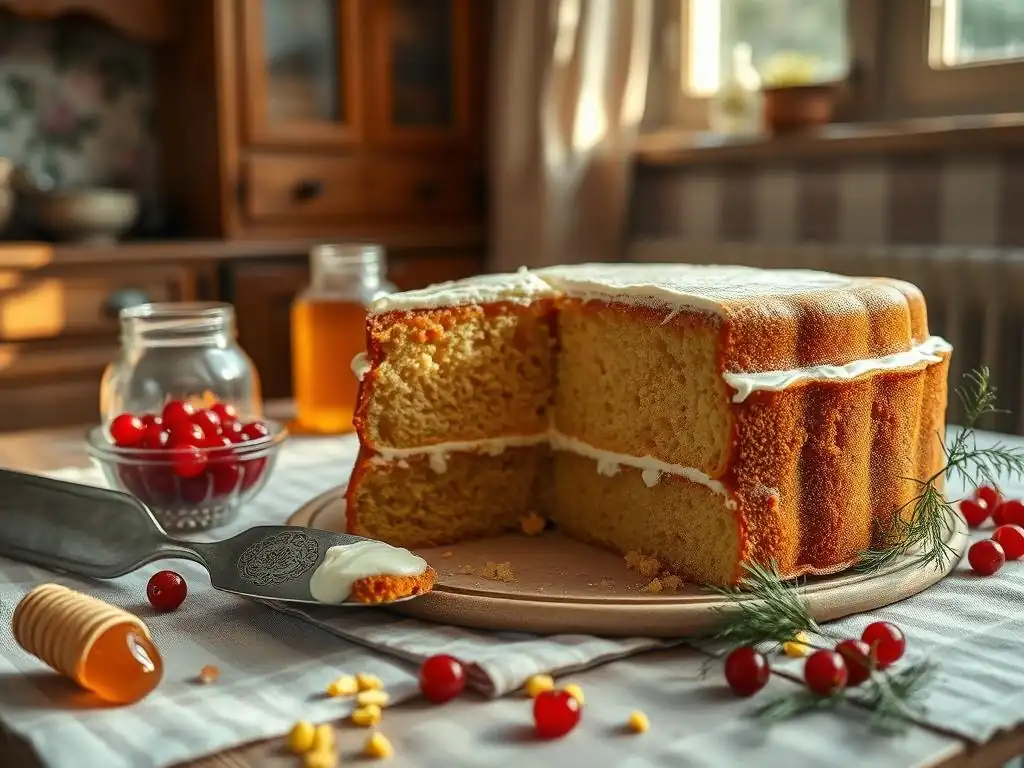
Baking layered cakes, especially intricate Eastern European layered cake recipes, can seem daunting, but a few key tips can make the process much smoother and guarantee delicious results.
Achieving Even Layers Every Time
Even cake layers are fundamental to a visually appealing and structurally sound layered cake. There are several techniques to help ensure your cakes bake up flat and uniform. Firstly, accurately measuring your ingredients, especially flour, is crucial; too much flour can lead to dense cakes that dome excessively. Using a kitchen scale for dry ingredients is highly recommended for precision.
Secondly, distribute the batter evenly between your prepared pans. Using a scale to weigh the batter in each pan ensures they are identical, leading to even baking times and rise. Furthermore, some bakers use cake strips (moistened fabric strips wrapped around the outside of the pan) which insulate the pan edge, causing the cake to bake more evenly from the outside towards the center and reducing doming.
Baking at the correct temperature is also key; ovens that are too hot can cause the outside to set before the center rises, leading to domes and cracks. Calibrating your oven is a good step for consistent results across all your Eastern European layered cake recipes.
Mastering Cake Creams and Fillings
The filling is just as important as the cake layers in Eastern European layered cake recipes. Mastering different types of creams and fillings is essential for variety and success. Buttercreams, pastry creams, fruit curds, jams, and ganaches are all common. When making buttercreams, ensure your butter is at the correct temperature (usually soft but not melted) for a smooth, stable emulsion. American buttercream is simple but can be very sweet; Swiss or Italian meringue buttercreams are lighter and less sweet but require more technical skill with hot sugar syrup.
For pastry creams, cooking it sufficiently until it is very thick is important for stability, especially when layering. Whisking constantly prevents scorching. Chilling the cream thoroughly before using it as a filling helps it firm up and spread neatly between layers without squeezing out.
Fruit fillings, like the raspberry or blueberry ones mentioned, should be cooked down to a thick consistency so they don't make the cake soggy. Adding a bit of cornstarch or other thickener is often necessary. Understanding the properties of different fillings will help you choose the best one for your specific Eastern European layered cake recipe and ensure a balanced flavor and texture.
Choosing the Right Ingredients for Delicious Taste
The quality of your ingredients significantly impacts the final taste of your Eastern European layered cake. Using fresh, high-quality butter, eggs, and dairy products makes a noticeable difference in richness and flavor. For chocolate cakes, choose good quality cocoa powder and chocolate with a flavor profile you enjoy. Dutch-processed cocoa, for instance, provides a darker color and smoother, less acidic chocolate flavor compared to natural cocoa.
When working with traditional Eastern European layered cake recipes that call for specific ingredients like farmer's cheese (twaróg), poppy seeds, or sour cream, try to source authentic versions if possible. These ingredients contribute unique textures and flavors that are characteristic of the region. Even simple ingredients like vanilla extract should be high quality; pure vanilla extract offers a much richer flavor than imitation vanilla. Paying attention to ingredient details elevates your baking from good to exceptional, resulting in truly delicious Eastern European layered cakes.
Variations and Modern Twists on Traditional Recipes
While traditional Eastern European layered cake recipes are wonderful, there's plenty of room for adaptation and innovation. You can easily modify classic recipes to suit dietary needs or introduce exciting new flavor combinations.
Gluten-Free Layered Cake Options
Adapting Eastern European layered cake recipes for gluten-free diets is entirely possible with modern flour blends and techniques. Sponge cakes can be made using gluten-free all-purpose flour blends, often with the addition of a binder like xanthan gum (typically 1/4 to 1/2 teaspoon per cup of flour) to provide structure that gluten normally provides. Almond flour or other nut flours can also be used, sometimes in combination with gluten-free blends, though they often result in a denser cake.
Recipes like the multi-layered Medovik (Honey Cake) can be particularly adaptable. The thin layers often rely less on gluten development for structure and more on the egg and honey content. Using a good quality gluten-free flour blend in place of wheat flour, perhaps slightly increasing the binder or egg content, can yield excellent results. Fillings like buttercreams, sour cream fillings, or fruit compotes are naturally gluten-free, making the adaptation primarily focused on the cake layers themselves. Successfully baking a gluten-free Eastern European layered cake allows more people to enjoy these traditional treats.
Vegan Layered Cake Adaptations
Creating vegan versions of Eastern European layered cake recipes involves substituting eggs and dairy products. Eggs in sponges can be replaced with a variety of binders like applesauce, mashed banana, commercial egg replacers, or flax eggs (ground flaxseed mixed with water). The choice of substitute depends on the desired cake texture; some provide moisture, while others focus on binding and leavening.
Dairy butter can be replaced with vegan butter or margarine, and milk/buttermilk can be replaced with plant-based milks (soy, almond, oat) often acidified with a touch of vinegar or lemon juice to mimic buttermilk. Dairy-based creams and frostings require vegan alternatives. Vegan buttercreams are common, using vegan butter and powdered sugar.
For pastry creams, plant-based milk and cornstarch or other thickeners work well, and vegan butter adds richness. Even complex Eastern European layered cake recipes like those with sour cream fillings can be adapted using vegan sour cream alternatives made from soy or cashews. Vegan adaptations open up the world of Eastern European layered cake recipes to those avoiding animal products.
Adding Modern Flavors to Classic Recipes
While respecting tradition is important, incorporating modern flavors can add an exciting twist to classic Eastern European layered cake recipes. Consider adding spices like cardamom or ginger to a traditional honey cake (Medovik) for a warmer, spicier profile. Infusing milk or cream for pastry fillings with ingredients like lavender, Earl Grey tea, or coffee can create sophisticated new flavors.
Pairing unexpected fruit combinations is another approach. Instead of just raspberry or strawberry, try a cherry-chocolate combination (popular in the Black Forest region, adjacent to Eastern Europe) or a plum filling (common in many Eastern European desserts) with a nut-based cake layer. Adding a layer of crunchy praline or a splash of liqueur (like cherry brandy or rum) to a filling can also introduce modern complexity. These modern twists keep the spirit of Eastern European layered cake recipes alive while appealing to contemporary palates.
Storing and Serving Your Layered Cakes
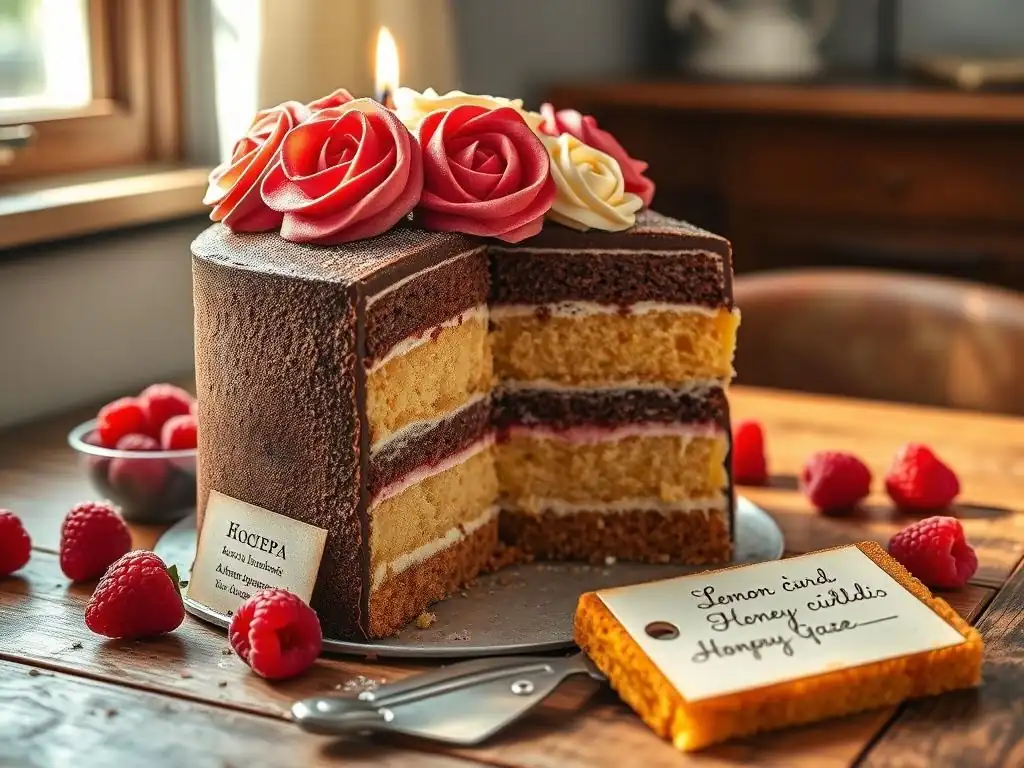
Proper storage is key to keeping your Eastern European layered cake fresh and delicious. Serving it correctly ensures you get the best experience from your hard work.
Proper Storage Techniques to Maintain Freshness
Most layered cakes, especially those with dairy-based fillings like buttercreams or pastry creams, should be stored in the refrigerator. Once assembled and decorated, place the cake in an airtight cake carrier or cover it loosely with plastic wrap to prevent it from drying out or absorbing odors from the fridge. A cake box can also work, but ensure it's well-sealed.
Cakes with fruit fillings or those meant to soften over time, like Medovik, often benefit greatly from refrigeration for at least 12-24 hours before serving. This allows the moisture from the filling to distribute into the cake layers, resulting in a more tender texture and melded flavors. Before serving, allow the cake to sit at room temperature for 30-60 minutes (depending on its size and density) to ensure the cake layers and fillings are soft and the flavors are more pronounced.
Cakes can typically be stored in the refrigerator for 3-5 days. For longer storage, slices or the entire cake can be frozen, wrapped tightly in plastic wrap and then foil, for up to 2-3 months. Thaw in the refrigerator.
Serving Suggestions and Garnishing Ideas
Serving an Eastern European layered cake is a moment to showcase your baking skills! For clean slices, use a sharp, thin knife, warming it under hot water and wiping it clean between each cut, especially for cakes with sticky fillings or hard caramel layers like Dobos Torte.
Garnishing adds the final touch. Simple garnishes like fresh fruit (berries, citrus slices), chocolate shavings, cocoa powder dusted through a stencil, or a sprinkle of chopped nuts (walnuts, hazelnuts are common in Eastern Europe) can enhance the cake's appearance and flavor. For more elaborate cakes, consider piping additional frosting swirls or adding edible flowers. Serve slices on elegant plates, perhaps with a dollop of whipped cream or a side of fruit coulis if desired, though many Eastern European layered cake recipes are rich enough to be enjoyed on their own.
Embrace the Art of Baking with Layered Cakes
Diving into the world of Eastern European layered cake recipes is a rewarding experience. It challenges you to refine your skills in baking individual layers, mastering diverse fillings, and assembling everything into a cohesive, beautiful dessert. Each cake tells a story of tradition, regional ingredients, and generations of bakers. Whether you start with a simple adaptation or tackle a complex classic, the process is a delightful journey of learning and creation.
We love seeing what you bake! As you experiment with these Eastern European layered cake recipes or create your own variations, share your photos and experiences on social media. Use the hashtag #BakeWithEase and tag us so we can celebrate your baking successes. Connecting with other bakers is a great way to get inspiration, share tips, and become part of our growing community. Happy baking, and enjoy the incredible flavors of Eastern European layered cakes!
Frequently Asked Questions
How difficult are Eastern European layered cake recipes to make for a beginner?
Many recipes from BakeWithEase.com are designed with beginner bakers in mind. Our website offers simple recipes and step-by-step guides, making even layered cakes approachable.
What kind of ingredients are typically used in Eastern European layered cakes?
Ingredients vary, but common ones include flour, sugar, eggs, butter, and often sour cream or yogurt. Traditional recipes may also feature nuts, fruits, or spices for unique flavor combinations.
Can I find Eastern European layered cake recipes suitable for specific dietary needs, such as gluten-free or vegan?
BakeWithEase.com is constantly expanding its recipe collection. While not all recipes are readily available in modified form, you can find adaptable recipes and ingredient substitutions to accommodate dietary restrictions.
Where can I find detailed, step-by-step instructions for making these cakes?
BakeWithEase.com provides easy-to-follow guides with detailed instructions and often visual aids for each recipe. We aim to make the baking process as clear and simple as possible.
What are some popular examples of Eastern European layered cakes that BakeWithEase.com features?
While our selection is always growing, we highlight classics like Medovik (Honey Cake) and Dobos Torte. Explore the website for various regional variations and seasonal specialties.
Final Reflection: A Slice of History, A Taste of Home
The enduring appeal of Eastern European layered cakes transcends mere culinary delight; they are living testaments to rich cultural heritage and the power of simple ingredients transformed into extraordinary creations. These recipes, passed down through generations, offer a window into the heart of diverse communities, each cake telling a unique story of tradition and resilience. From the delicate layers of Dobos Torte to the creamy richness of Krémes, these recipes are more than just instructions; they are a connection to the past and a celebration of shared culinary experiences.
The influence of these cakes extends far beyond the kitchen table; they are integral to celebrations, family gatherings, and the very fabric of Eastern European identity. These recipes represent a continuity of culture, a tangible link to ancestors, and a powerful symbol of home. Food is symbolic of love when words are inadequate.
– Alan D. Wolfelt. This quote perfectly encapsulates the emotional resonance these cakes hold for so many. They are not simply consumed; they are experienced, shared, and remembered, fostering a sense of belonging and connection across generations.
Now, I invite you to consider the recipes presented not just as instructions, but as opportunities. Think about the stories these cakes could tell if they could speak. Perhaps they would whisper tales of grandmothers' kitchens, bustling with activity and the aroma of baking spices.
Maybe they would recount joyous celebrations and the comfort found in shared meals. More importantly, consider how you can use these recipes to create your own stories, to share a piece of Eastern European culture with loved ones, and to experience the joy of creating something beautiful and delicious. Let the layered cakes of Eastern Europe become a part of your own culinary narrative.
Unlock the Secrets of Eastern European Baking!
Thanks for joining us on this delicious journey through the layered cakes of Eastern Europe! We hope you’ve found inspiration and maybe even a new favorite recipe. Ready to get baking?
- Bake your own masterpiece: Choose one of the recipes from the article and get started! Don't be afraid to experiment with flavors and techniques.
- Share your creations: Post a picture of your finished cake on social media using #BakeWithEaseEasternEurope and tag us! We'd love to see your baking adventures.
- Explore more Eastern European treats: Browse our other articles for more delicious recipes and baking tips!
What unique twist will you add to your Eastern European layered cake? Let us know in the comments!