
Authentic Romanian Cozonac: Bake This Sweet Bread

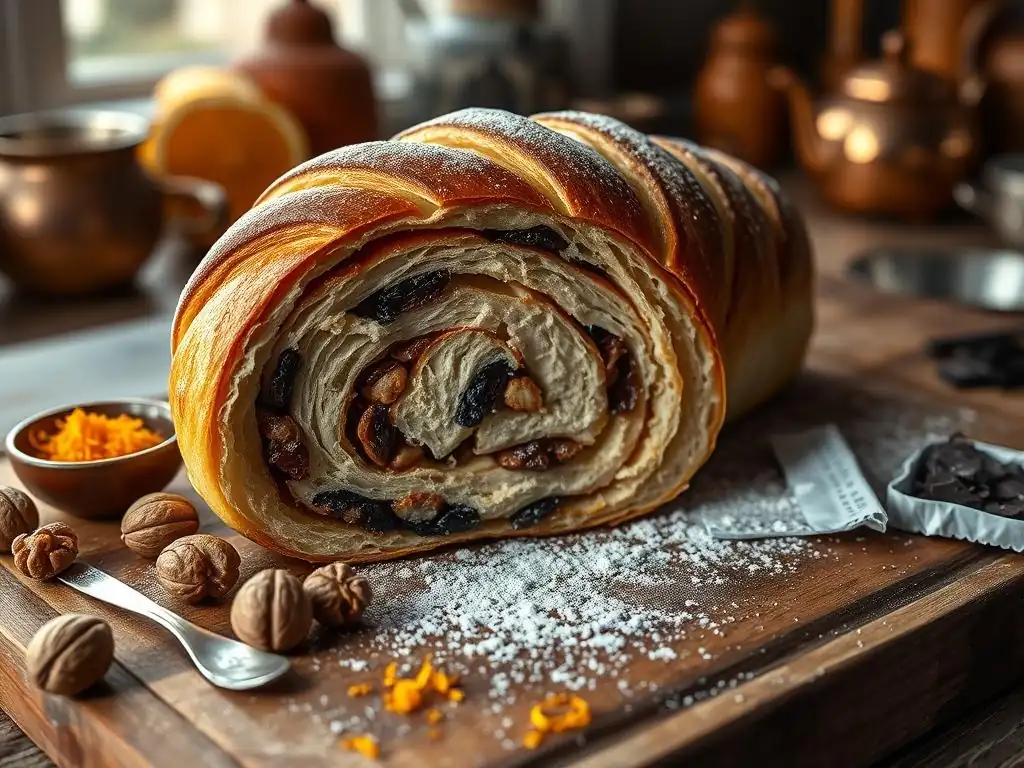
Welcome to BakeWithEase, where baking becomes a joy, not a chore! Ever dreamed of mastering a sweet, enriched bread that's steeped in tradition? Then prepare to embark on a delightful culinary journey as we unveil our Authentic Romanian Cozonac Recipe. But what makes this recipe so special, and how can you achieve that perfect, tender crumb? Discover the secrets inside and unlock a world of delicious possibilities!
- Authentic Romanian Cozonac: Bake This Sweet Bread with Ease
- Discover the Magic of Cozonac: An Authentic Romanian Recipe
- The Ultimate Authentic Romanian Cozonac Recipe: A Step-by-Step Guide
- Tips and Tricks for Baking the Best Cozonac
- Serving and Enjoying Your Homemade Cozonac
- Why This Authentic Romanian Cozonac Recipe is a Must-Try
-
Frequently Asked Questions
- What makes this cozonac recipe "Authentic Romanian"?
- What are the key ingredients that differentiate cozonac from other sweet breads?
- What level of baking experience is required to successfully bake this cozonac?
- Can I substitute any of the ingredients if I can't find them?
- How long does it typically take to make this Authentic Romanian Cozonac from start to finish?
- Final Reflection: The Enduring Sweetness of Tradition
- Unleash Your Inner Baker: Craft the Perfect Cozonac!
Authentic Romanian Cozonac: Bake This Sweet Bread with Ease
Discover the Magic of Cozonac: An Authentic Romanian Recipe
Cozonac is more than just a sweet bread; it's a symbol of celebration and togetherness in Romania, particularly during Easter and Christmas. This rich, slightly sweet loaf, often filled with delightful swirls of nuts, cocoa, or even Turkish delight, fills homes with an irresistible aroma as it bakes. Mastering an authentic Romanian cozonac recipe connects you directly to centuries of tradition and culinary heritage, bringing a piece of Eastern European festivity right into your kitchen.
The process of baking cozonac is often seen as a labor of love, requiring patience, warmth, and a gentle touch. Families often gather to prepare the dough, share stories, and anticipate the moment when the golden-brown loaves emerge from the oven. While it might seem intimidating at first, following a detailed guide for an authentic Romanian cozonac recipe can make the process manageable and incredibly rewarding, even for bakers new to enriched doughs.
A Taste of Tradition: Why Cozonac is a Romanian Holiday Staple
Cozonac holds a deeply ingrained place in Romanian culture, especially during major religious holidays like Easter and Christmas. It's not just a dessert but a central element of the festive meal, representing prosperity, family unity, and the sweetness of life. The tradition of baking cozonac dates back centuries, with recipes passed down through generations, each family often having its own cherished variations and secrets for the perfect loaf. The act of preparing and sharing cozonac is a ritual that strengthens bonds and preserves cultural identity.
The significance of cozonac is reflected in the care and attention given to its preparation. Bakers traditionally ensure the kitchen is warm and free from drafts, speaking softly around the rising dough, believing it needs a calm environment to flourish. Ingredients are often chosen with care, sometimes blessed, adding a spiritual dimension to the baking process. This commitment to tradition makes baking an authentic Romanian cozonac recipe a truly special experience, far removed from simple everyday baking.
The Ultimate Authentic Romanian Cozonac Recipe: A Step-by-Step Guide
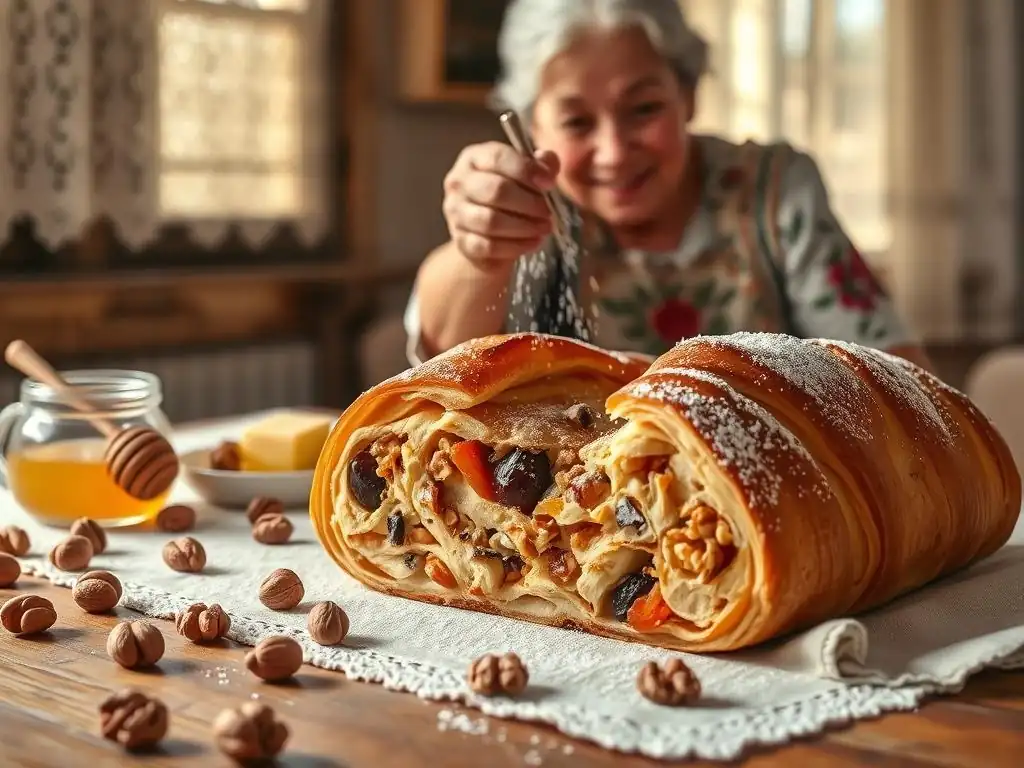
Here is a comprehensive guide to help you bake a truly authentic Romanian cozonac. This recipe focuses on traditional methods and ingredients to achieve that signature light, airy texture and rich flavor.
Gathering Your Ingredients for the Perfect Cozonac
Success with any authentic Romanian cozonac recipe starts with selecting high-quality ingredients. The richness and texture of the final product depend heavily on the freshness and type of components you use. Expect to work with a good amount of flour, fresh yeast, dairy, eggs, and flavorings, typically enough to yield two substantial loaves, often weighing between 700g to 1kg each before baking.
Ensure all your ingredients are at room temperature before you begin. Cold dairy or eggs can inhibit yeast activity and make the dough harder to knead. Having everything measured and ready before you start mixing will streamline the process and contribute to a smoother dough development, crucial for achieving that desirable cozonac texture.
High-Gluten Flour: The Foundation of Your Cozonac
Choosing the right flour is paramount for an authentic Romanian cozonac recipe. A strong bread flour with a high protein content (typically 12-14%) is ideal because it develops strong gluten networks during kneading. This robust gluten structure is what allows the rich, heavy dough, laden with eggs and butter, to rise properly and maintain its shape while baking, resulting in a light and airy crumb despite its richness.
Using a weaker all-purpose flour might result in a denser, less elastic dough that struggles to support the weight of the fillings and fats. While some recipes might suggest a mix, prioritizing a high-gluten bread flour will significantly improve the outcome of your authentic Romanian cozonac, giving it the characteristic stretch and resilience needed for beautiful swirls and a tender interior.
Fresh Yeast: Achieving the Perfect Rise
For many traditional bakers, fresh yeast is the preferred choice for an authentic Romanian cozonac recipe. Fresh yeast provides a slightly different flavor profile and is often considered more reliable for rich doughs compared to active dry or instant yeast, though those can be used if fresh is unavailable. You'll typically need about 25-40 grams of fresh yeast for every kilogram of flour, depending on the recipe and ambient temperature.
Fresh yeast should be creamy white or beige and crumble easily. It has a limited shelf life and must be stored in the refrigerator. Before adding it to your dough, it's crucial to activate it in a warm liquid (like milk or water) with a pinch of sugar, ensuring it's active and bubbly before combining with the flour and other ingredients. This vital step guarantees your authentic Romanian cozonac will rise beautifully.
Rich Dairy: Milk and Butter for Flavor and Texture
Milk and butter are essential for the characteristic richness and tenderness of an authentic Romanian cozonac recipe. Whole milk provides moisture and sugars that aid browning and yeast activity. Butter, ideally unsalted butter with a high-fat content (around 80%), contributes significantly to the flavor, tenderness, and softness of the crumb. Unlike many bread doughs, cozonac dough often incorporates a substantial amount of butter, sometimes up to 20-30% of the flour weight.
The butter is typically added gradually during the kneading process after the initial dough has formed. This method, similar to brioche or challah, helps to coat the gluten strands, resulting in a very tender texture. Using good quality butter is key, as its flavor permeates the entire loaf. Ensure both the milk (warmed) and butter (softened to room temperature) are ready before you start mixing your authentic Romanian cozonac recipe.
Sweeteners: Sugar and Honey for a Delightful Sweetness
Cozonac is a sweet bread, and the sweetness comes primarily from granulated sugar, sometimes supplemented with honey. The amount of sugar can vary, but it's usually around 15-20% of the flour weight. Sugar not only provides sweetness but also helps with browning the crust and contributes to the dough's softness by interfering with gluten development slightly.
Some recipes for authentic Romanian cozonac also include a touch of honey. Honey adds a different depth of flavor and can contribute to a moister crumb. It's important not to use excessive amounts of sugar, as too much can actually inhibit yeast activity. The balance of sweetness is crucial for a traditional cozonac, ensuring it's sweet but not overly so, allowing the flavors of the fillings and enriched dough to shine.
Flavor Enhancers: Eggs, Rum, and Lemon Zest
Eggs are crucial in an authentic Romanian cozonac recipe, contributing to richness, color, and structure. A standard batch might use anywhere from 4 to 8 large eggs, often including extra egg yolks for even more richness and a tender crumb. Eggs provide lecithin, which emulsifies the dough, and protein, which adds structure alongside the gluten.
Flavorings like lemon zest, rum, and vanilla are traditional additions that elevate the taste of cozonac. Freshly grated zest from organic lemons adds a bright, aromatic note. A splash of rum (or rum extract) is common, particularly in the filling, enhancing the overall aroma and flavor. Vanilla, either extract or seeds from a pod, provides a warm, comforting background note. These flavor enhancers are key to the distinctive taste of a true authentic Romanian cozonac.
Filling Options: Walnuts, Cocoa, and Raisins
The signature swirls within an authentic Romanian cozonac are created by its rich fillings. The most classic filling is a mixture of ground walnuts, sugar, cocoa powder, and sometimes milk or egg white to bind it into a paste. A generous amount of filling is layered onto the rolled-out dough before shaping.
Other popular variations include raisins soaked in rum, Turkish delight (lokum) cut into small pieces, or a simple cocoa and sugar paste. Some recipes combine walnuts and raisins, or walnuts and cocoa. The key is to have enough filling to create distinct swirls throughout the loaf without making the dough too difficult to roll or causing the filling to leak out during baking. A typical batch might use 300-500 grams of ground walnuts for the filling.
Preparing the Cozonac Dough: A Baker's Journey
Preparing the dough for an authentic Romanian cozonac recipe is a process that requires patience and attention to detail. Unlike lean bread doughs, this enriched dough takes longer to knead and proof due to the high amounts of fat, sugar, and eggs. The temperature of your ingredients and environment plays a significant role in the dough's development.
Allow ample time for each stage – mixing, kneading, and proofing. Rushing these steps can result in a dense, heavy cozonac. Many traditional bakers believe that the dough absorbs the energy of the baker, so approaching the task with calm and positive energy is part of the process!
Activating the Yeast: The First Step to Success
The very first step in many authentic Romanian cozonac recipes is activating the fresh yeast. Crumble the fresh yeast into a small bowl. Warm a portion of the milk (around 100-150ml) to lukewarm – not hot, as hot liquid will kill the yeast. Add a teaspoon or two of sugar from the recipe's total amount to the warm milk, then add the crumbled yeast.
Stir gently to combine, then let the mixture sit in a warm place for 5-10 minutes. You should see it become frothy and bubbly, indicating the yeast is active and ready. If it doesn't foam, your yeast may be old or the liquid was too hot/cold, and you'll need to start this step over with fresh yeast. This 'starter' or maia is proof that your leavening agent is viable for your authentic Romanian cozonac.
Mixing the Dough: Kneading for Gluten Development
Mixing the dough for an authentic Romanian cozonac recipe typically starts by combining the activated yeast mixture with the remaining warm milk, sugar, eggs, and flavorings (like lemon zest and vanilla). In a large bowl, or the bowl of a stand mixer, combine the wet ingredients. Gradually add the flour, often starting with about half, and begin mixing until a shaggy dough forms.
Once the initial dough comes together, begin the kneading process. If using a stand mixer with a dough hook, knead on low to medium speed for about 10-15 minutes. If kneading by hand, this will take longer, perhaps 20-30 minutes. Gradually incorporate the softened butter, a small piece at a time, allowing each addition to be fully absorbed before adding the next.
The dough will become very soft and sticky as the butter is added, but continue kneading until it becomes smooth, elastic, and pulls away from the sides of the bowl (or your hands). It should pass the 'windowpane test', where a small piece can be stretched thinly without tearing. This thorough kneading is vital for developing the strong gluten structure needed for your authentic Romanian cozonac.
First Proofing: Allowing the Dough to Rise
After kneading, the dough for your authentic Romanian cozonac recipe needs its first rise, or bulk fermentation. Gather the dough into a ball, place it in a lightly oiled large bowl, and turn to coat. Cover the bowl tightly with plastic wrap or a damp kitchen towel.
Place the covered bowl in a warm, draft-free place. An oven with the light on is an ideal spot. The dough should approximately double in size. This process can take anywhere from 1.5 to 3 hours, depending on the warmth of your environment. Patience is key here; don't rush the rise. A proper first proof develops flavor and ensures a light texture in the final authentic Romanian cozonac loaf.
Adding the Fillings: Enhancing the Cozonac's Flavor
While the dough undergoes its first proof, prepare your chosen filling for the authentic Romanian cozonac recipe. For the classic walnut and cocoa filling, grind the walnuts finely and mix them with sugar, cocoa powder, and enough warm milk or egg white to create a spreadable paste. For raisin fillings, ensure the raisins are plumped, perhaps in rum or warm water, and drained well.
Once the dough has doubled, gently punch it down to release the air. Divide the dough into the number of loaves you plan to make (typically two). On a lightly floured surface, roll out each portion of dough into a large rectangle, roughly 0.5-1 cm thick. Spread the filling evenly over the dough, leaving a small border along the edges. This step is crucial for getting those beautiful swirls inside your authentic Romanian cozonac.
Shaping and Baking Your Authentic Cozonac
The final stages of creating an authentic Romanian cozonac involve shaping the dough and baking it to a golden perfection. The shaping process is where the magic of the swirl happens, and it requires a gentle touch to ensure the filling stays in place and the dough structure isn't compromised.
Baking requires careful temperature control and monitoring. An oven that's too hot can cause the crust to burn before the inside is cooked, while an oven that's too cool can result in a dense loaf. Achieving that beautiful golden-brown exterior and a fully cooked, tender interior is the goal.
Dividing and Shaping the Dough: Creating the Classic Swirl
After rolling out the dough and spreading the filling, it's time to shape your authentic Romanian cozonac. Starting from a long edge, tightly roll up the dough into a log. If making a single-strand loaf, simply place this log into your prepared loaf pan. For the more traditional two-strand braided cozonac, you'll need to divide the dough rectangle lengthwise into two strips before rolling, or roll two separate, smaller rectangles.
With two filled logs, you can twist them together. Some methods involve simply twisting the two logs side-by-side, while others suggest cutting each log lengthwise to expose the filling and then twisting the two halves together, creating a more intricate swirl pattern. Gently place the shaped dough into greased loaf pans, ensuring it fits without being overly compressed. This shaping technique is central to the visual appeal of an authentic Romanian cozonac.
Second Proofing: Ensuring a Light and Airy Texture
Once shaped and placed in the loaf pans, your authentic Romanian cozonac needs a second proofing. Cover the pans loosely with plastic wrap or a light kitchen towel. Place them in a warm, draft-free spot, similar to the first proofing location.
During this second rise, the dough should increase significantly in volume, ideally rising above the rim of the pan. This typically takes another 45-90 minutes, depending on the temperature. The dough should look puffy and airy. This crucial step ensures the final authentic Romanian cozonac has a light texture and doesn't turn out dense. Don't let it over-proof, though, as this can cause it to collapse in the oven.
Baking to Perfection: Achieving a Golden-Brown Crust
Before baking, brush the top of each authentic Romanian cozonac loaf with an egg wash (usually one egg beaten with a tablespoon of milk or water). This helps achieve that beautiful, glossy, golden-brown crust. Some traditional bakers also sprinkle sugar or poppy seeds on top at this stage.
Carefully transfer the pans to a preheated oven. The baking process allows the dough to expand further (oven spring) and sets the structure. As the cozonac bakes, the aroma of sweet bread and filling will fill your kitchen, a sure sign that your authentic Romanian cozonac recipe is coming to life.
Temperature and Time: The Key to a Perfectly Baked Cozonac
Baking temperature and time are critical for an authentic Romanian cozonac. Preheat your oven to around 170-180°C (340-350°F). The slightly lower temperature compared to lean breads helps prevent the rich crust from burning before the dense interior is cooked through.
Bake the cozonac for approximately 40-60 minutes, depending on the size of your loaves and your oven's calibration. If the top starts to brown too quickly, you can loosely tent the loaves with aluminum foil. The cozonac is done when it's deeply golden brown and a wooden skewer or cake tester inserted into the center comes out clean. The internal temperature should register around 90-95°C (195-205°F). Baking it correctly ensures your authentic Romanian cozonac is cooked through and moist.
Tips and Tricks for Baking the Best Cozonac
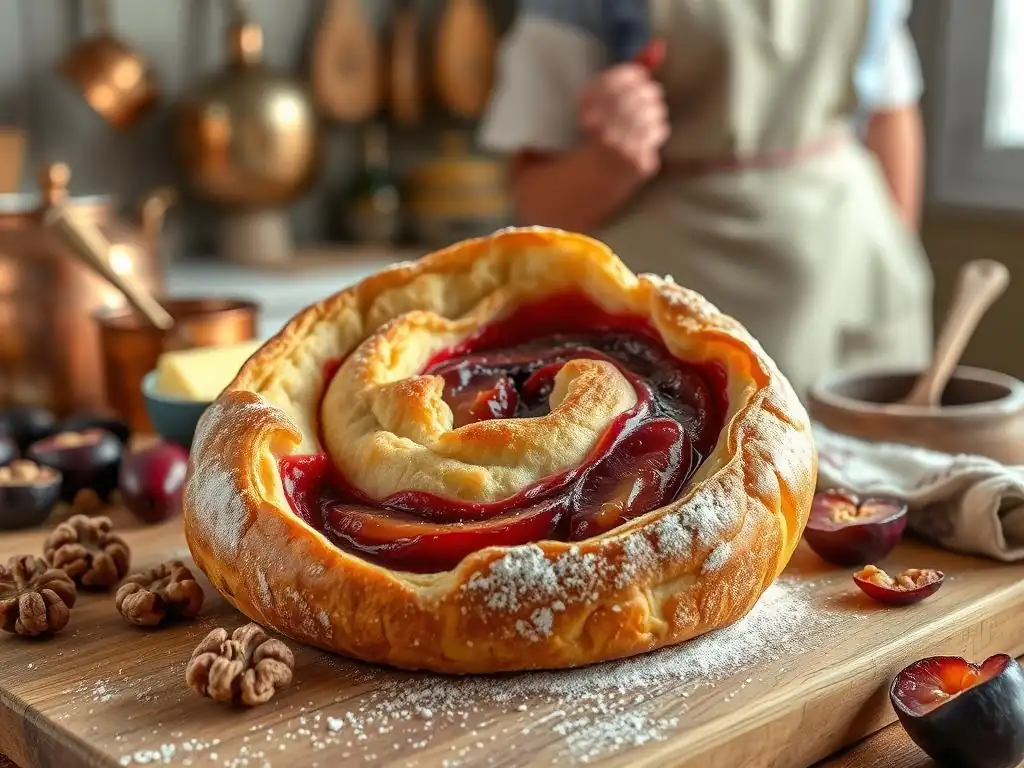
Baking an authentic Romanian cozonac recipe can be a rewarding challenge. Here are some tips gleaned from generations of bakers to help you achieve the best possible results.
Mastering the Kneading Technique for Cozonac Dough
Proper kneading is fundamental to developing the strong gluten network required for a light and airy authentic Romanian cozonac. Whether using a stand mixer or kneading by hand, the goal is to make the dough smooth, elastic, and extensible. The dough should feel alive and spring back slowly when poked.
If using a mixer, resist the urge to add too much flour if the dough seems sticky after adding the butter. Continue kneading; the dough will become less sticky as the gluten develops. For hand kneading, use a push-and-fold method, incorporating the butter gradually. This stage can take significant time, possibly 20-30 minutes by hand, but it's non-negotiable for a successful authentic Romanian cozonac.
Achieving the Perfect Rise: Temperature and Humidity Control
Yeast activity is highly dependent on temperature and humidity. For the best rise when making an authentic Romanian cozonac recipe, aim for a warm, draft-free environment, ideally between 24-28°C (75-82°F). Avoid placing the dough in direct sunlight, which can overheat the edges.
If your kitchen is cool, you can create a warm proofing environment. Place the covered dough bowl or pans in a turned-off oven with just the light on. Alternatively, you can place the bowl on a wire rack over a pan of hot water in the oven, creating a warm, humid microclimate. Proper temperature and humidity ensure the yeast works efficiently, giving your authentic Romanian cozonac a beautiful rise.
Variations on the Traditional Cozonac Filling
While walnut and cocoa is classic, experimenting with fillings is part of the joy of an authentic Romanian cozonac recipe.
Walnut and Cocoa Filling Recipe
A standard walnut and cocoa filling uses about 300-400g finely ground walnuts, 100-150g sugar, 2-3 tablespoons good quality cocoa powder, and enough warm milk or egg white (approx. 50-100ml milk or 1-2 egg whites) to form a thick, spreadable paste. Some recipes add a pinch of cinnamon or rum extract.
Combine dry ingredients, then mix in the liquid until you have a consistency that's easy to spread but not runny. This yields enough filling for two standard cozonac loaves.
Raisin and Rum Filling Recipe
For a raisin filling, soak 150-200g of raisins in warm rum or orange juice for at least 30 minutes to plump them up. Drain them well before mixing with a few tablespoons of sugar and perhaps some lemon zest or vanilla sugar.
Spread the plumped raisins evenly over the rolled-out dough. This simple variation adds bursts of sweet, boozy flavor throughout your authentic Romanian cozonac.
Turkish Delight Filling Recipe
A popular, slightly more modern variation uses Turkish Delight (Lokum). Cut about 200-300g of firm Turkish Delight into small cubes (around 0.5-1 cm).
Spread the cubes evenly over the rolled dough before rolling it up. As the cozonac bakes, the Turkish Delight softens into sweet, chewy pockets. This adds a delightful texture and intense sweetness to the authentic Romanian cozonac.
Troubleshooting Common Cozonac Baking Problems
Even experienced bakers encounter issues. Knowing how to troubleshoot common problems can save your authentic Romanian cozonac.
Dough Not Rising: Solutions and Prevention
If your cozonac dough isn't rising, the most likely culprit is inactive yeast or a cold environment. Ensure your yeast is fresh and activated properly in lukewarm liquid. Make sure your proofing area is warm and draft-free (24-28°C is ideal).
Prevention is key: always check yeast activity first. Use room temperature ingredients. If the dough is rising slowly, simply give it more time in a warm spot. A significantly under-proofed dough will result in a dense, heavy authentic Romanian cozonac.
Cozonac Too Dry: Hydration and Baking Adjustments
A dry cozonac can result from too much flour, insufficient kneading, or overbaking. Ensure you measure your flour accurately, preferably by weight. Knead until the dough is elastic and smooth, as this develops gluten which helps retain moisture.
During baking, monitor closely. If the crust browns too quickly, tent it with foil. Use a thermometer to check for doneness (90-95°C) rather than relying solely on time. Baking just until done will keep your authentic Romanian cozonac moist and tender.
Cozonac Burning: Oven Temperature Control
If the crust of your authentic Romanian cozonac is burning before the inside is cooked, your oven temperature is likely too high or uneven. Verify your oven temperature with an oven thermometer.
Bake at the recommended temperature range (170-180°C). If the top still browns too fast, cover it loosely with aluminum foil about halfway through the baking time. Placing a pan of water on the oven rack below the cozonac can also help regulate temperature and add moisture.
Serving and Enjoying Your Homemade Cozonac
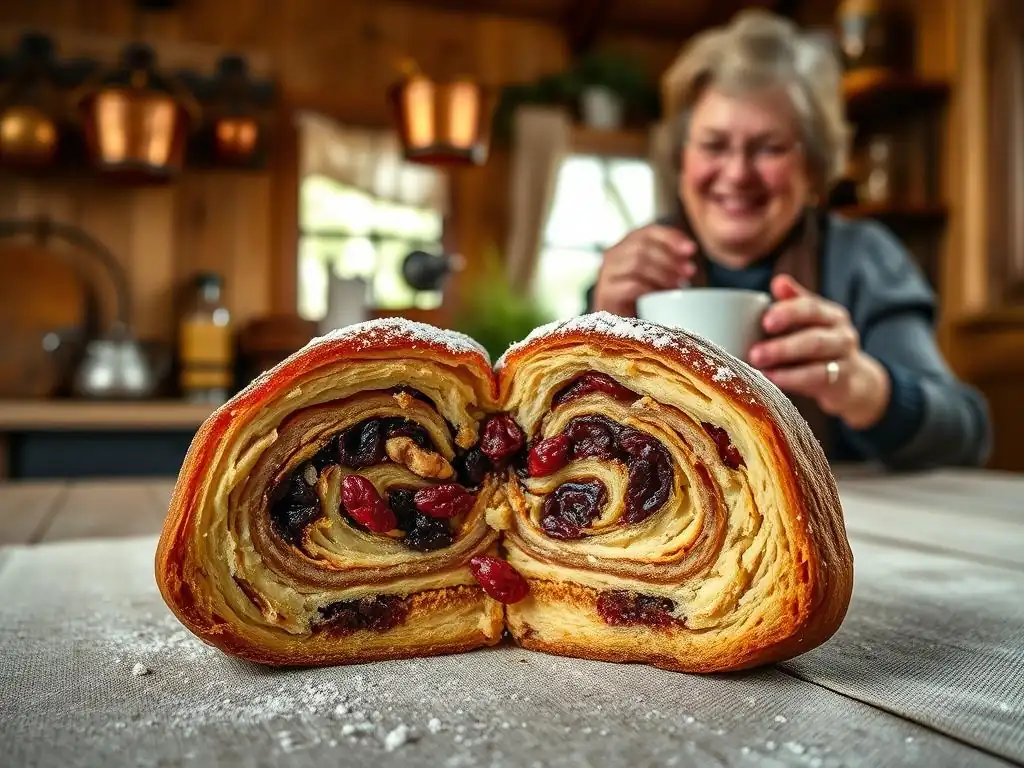
Once your authentic Romanian cozonac is baked to perfection, the wait isn't quite over! Allowing it to cool properly is crucial for the texture and ease of slicing.
Storing Your Cozonac for Maximum Freshness
For the best texture and flavor, let your authentic Romanian cozonac cool completely on a wire rack before slicing. Slicing while warm can compress the crumb. Once fully cooled, store the cozonac tightly wrapped in plastic wrap or aluminum foil, or in an airtight container, at room temperature.
Properly stored, cozonac can stay fresh and moist for 3-5 days. For longer storage, slice the cooled cozonac and freeze the slices in airtight bags or containers for up to 2-3 months. Thaw at room temperature or gently warm slices before serving. This helps preserve the deliciousness of your authentic Romanian cozonac recipe results.
Cozonac Pairing Suggestions: Coffee, Tea, and Wine
Cozonac is wonderfully versatile and pairs beautifully with a variety of beverages. A strong, traditional Romanian coffee is a classic pairing, the slight bitterness complementing the sweetness of the bread.
Tea is another excellent choice, whether it's a simple black tea, a fragrant herbal infusion, or a fruity blend. For a more festive pairing, some enjoy cozonac with a sweet dessert wine, like a Tokaji or a local Romanian sweet wine, particularly during holiday celebrations. Enjoying your authentic Romanian cozonac with your favorite warm drink or a celebratory glass enhances the experience.
Why This Authentic Romanian Cozonac Recipe is a Must-Try
Embarking on baking an authentic Romanian cozonac recipe is more than just following instructions; it's an engaging project that yields incredibly delicious rewards. This guide breaks down the process, making it accessible even if you're new to rich, yeasted doughs. The result is a fragrant, tender, and flavorful sweet bread that's far superior to anything store-bought.
Trying this authentic Romanian cozonac recipe allows you to experience the satisfaction of creating something truly special from scratch. It's an opportunity to fill your home with wonderful aromas and share a piece of Romanian culinary tradition with friends and family. The detailed steps and tips provided here are designed to guide you to success, making the baking journey enjoyable and the final product a triumph.
Celebrate Romanian Baking Traditions at Home
Baking an authentic Romanian cozonac recipe is a wonderful way to connect with and celebrate Eastern European baking traditions. It's a hands-on cultural experience that brings the spirit of Romanian holidays into your kitchen. The process, from activating the yeast to shaping the loaves and watching them bake, is steeped in history and family customs.
Sharing your homemade cozonac is sharing a piece of that heritage. It’s an opportunity to talk about the origins of the bread, the significance it holds during holidays, and the joy of baking from scratch. This authentic Romanian cozonac recipe provides a solid foundation for you to explore and appreciate this beloved sweet bread.
Your Guide to Mastering Cozonac and More
This authentic Romanian cozonac recipe is designed to be a comprehensive guide, helping you understand not just the steps, but the why behind them. Mastering this recipe builds confidence in handling enriched doughs, a skill applicable to many other types of baking, such as challah, brioche, and other sweet buns.
BakeWithEase.com is dedicated to providing you with the knowledge and guidance to tackle baking projects like this authentic Romanian cozonac recipe. We aim to make complex baking accessible and enjoyable, empowering you to create delicious baked goods with confidence. Continue exploring our resources to expand your baking repertoire and discover the joy of homemade treats.
Frequently Asked Questions
What makes this cozonac recipe "Authentic Romanian"?
This recipe uses traditional Romanian ingredients and techniques passed down through generations, ensuring a flavor and texture that closely resembles authentic Romanian cozonac. It also features the classic fillings.
What are the key ingredients that differentiate cozonac from other sweet breads?
The key ingredients are the use of a high percentage of egg yolks for richness, a long fermentation process for a light and airy texture, and the traditional fillings like walnuts, cocoa, and sometimes Turkish delight.
What level of baking experience is required to successfully bake this cozonac?
While the recipe is detailed and provides step-by-step instructions, some baking experience is helpful. It's best suited for intermediate bakers due to the dough handling and proofing required. Beginners may find it challenging but not impossible.
Can I substitute any of the ingredients if I can't find them?
While using the listed ingredients is recommended for an authentic flavor, some substitutions are possible. For example, you can substitute walnuts with other nuts, but keep in mind it will alter the traditional taste.
How long does it typically take to make this Authentic Romanian Cozonac from start to finish?
The entire process, including preparation, proofing, baking, and cooling, can take anywhere from 6 to 8 hours. The long proofing time is crucial for the desired texture and flavor development.
Final Reflection: The Enduring Sweetness of Tradition
The aroma of freshly baked cozonac, a scent deeply intertwined with Romanian heritage, remains a powerful symbol of family, celebration, and the enduring strength of cultural traditions. This recipe, passed down through generations, isn't merely a set of instructions; it's a tangible link to the past, a way to connect with our roots in a rapidly changing world. The pursuit of an "authentic" cozonac recipe reflects a broader yearning for genuine connection and meaning in an increasingly homogenized global landscape.
Baking cozonac is more than just following a recipe; it's an act of cultural preservation. It's a way to honor the women who came before me, their hands kneading dough and their hearts pouring love into each sweet spiral. The process itself is meditative, a quiet act of creation that allows for reflection and connection. Food is symbolic of love when words are inadequate.
– Alan D. Wolfelt. This quote perfectly encapsulates the emotional resonance of sharing this traditional bread, a silent language spoken through generations.
Now, I invite you to roll up your sleeves, gather your ingredients, and embark on this culinary journey. Don't be afraid to experiment, to adapt the recipe to your own tastes, but always remember the heart of the tradition. Let the rich aroma fill your home, bringing warmth and connection to your family and friends. The act of baking authentic Romanian cozonac is a gift you give to yourself, your loved ones, and the enduring spirit of Romanian culture. Embrace the process, savor the results, and share the sweetness.
Unleash Your Inner Baker: Craft the Perfect Cozonac!
Thanks for joining us on this delicious journey into the heart of Romanian baking! We hope you gained a deeper appreciation for the rich history and satisfying process of creating authentic Cozonac. Now it's time to put your newfound knowledge to the test.
- Bake your own Cozonac! This is your chance to experience the fragrant magic firsthand. Don't be intimidated—follow the recipe, take your time, and enjoy the process.
- Share your creation: Post a picture of your Cozonac on social media using #BakeWithEaseCozonac and let us see your delicious results!
- Explore other traditional Romanian recipes: Dive deeper into the world of Romanian cuisine and discover new culinary adventures on our website (bakewithease.com).
Ready to transform your kitchen into a fragrant haven? What unique twist will you add to your Cozonac recipe?